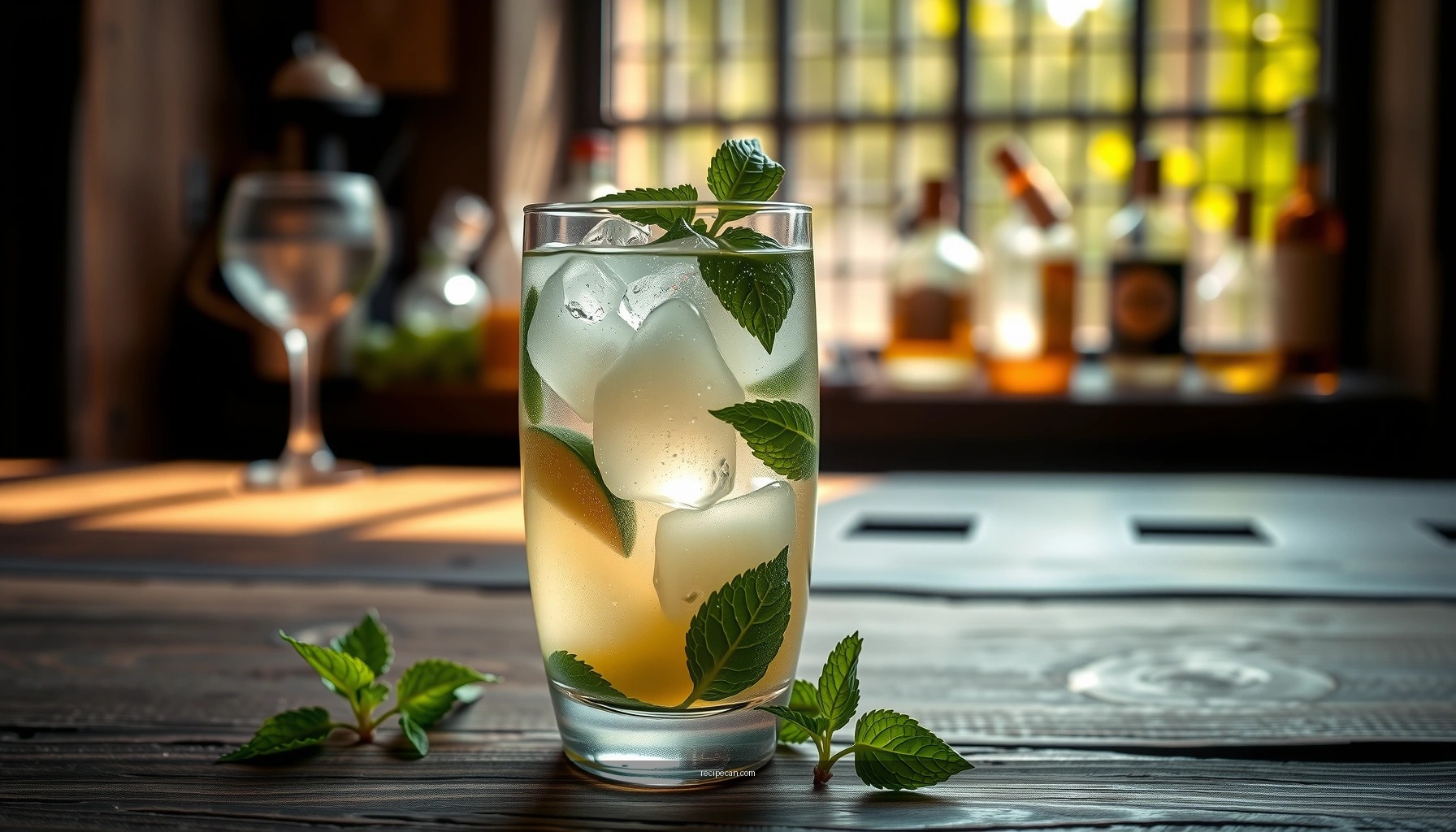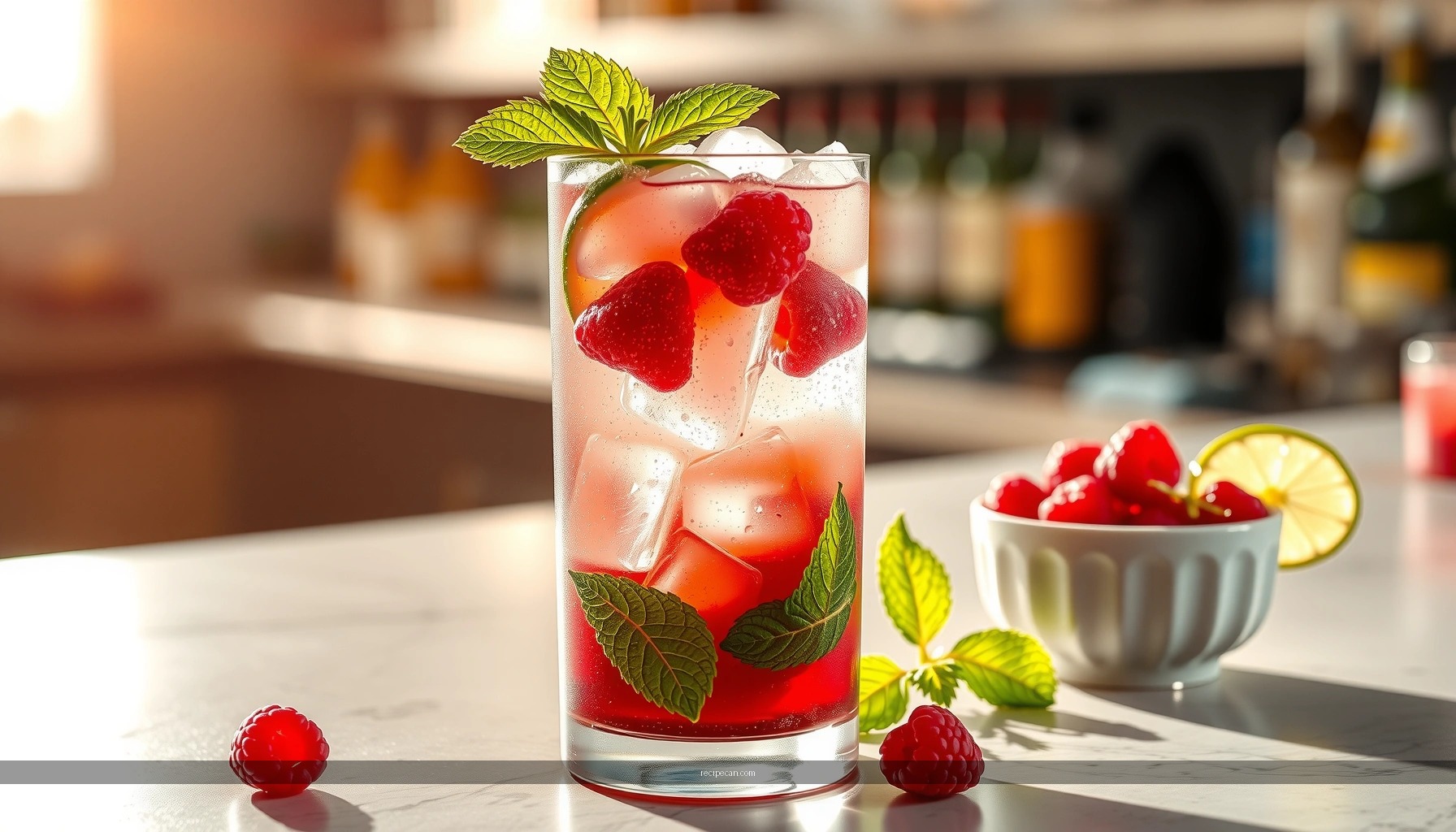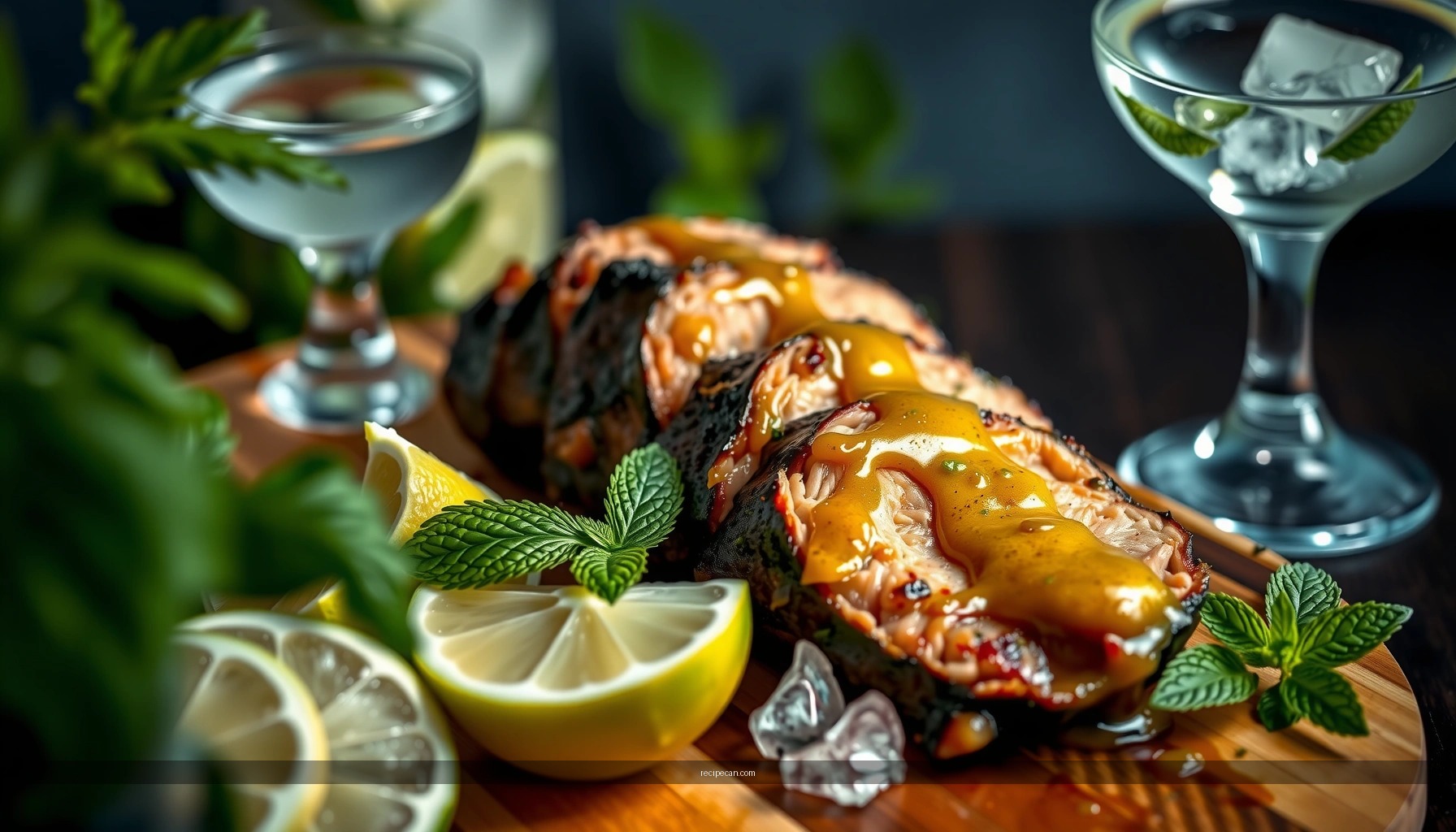
This mojito pork recipe delivers the zesty, minty flavor you want—without tough meat—so you can serve tender pork with a bright “mojito” punch. You’ll get a straightforward method that answers the key question: how to marinate and cook pork so the lime and mint stay bold. Expect juicy results with a clean, refreshing finish that makes this the mojito-style dinner choice for weeknights and entertaining alike.
A mojito pork recipe delivers bold, fresh flavor by combining lime juice, mint, and a touch of sweetness in a quick marinade—then cooking the pork with a method that preserves juiciness. If you follow the marinade ratios and use a pan-sear (followed by a controlled finish), you’ll get zesty mint-lime notes with tender texture every time.
In this guide, you’ll learn how to build the mojito-style marinade, choose the best pork cut, and apply the right cooking technique for caramelized edges without drying out the center. You’ll also get serving ideas and troubleshooting tips so the final flavor stays bright instead of bitter or overpowering.
What You’ll Need for Mojito Pork
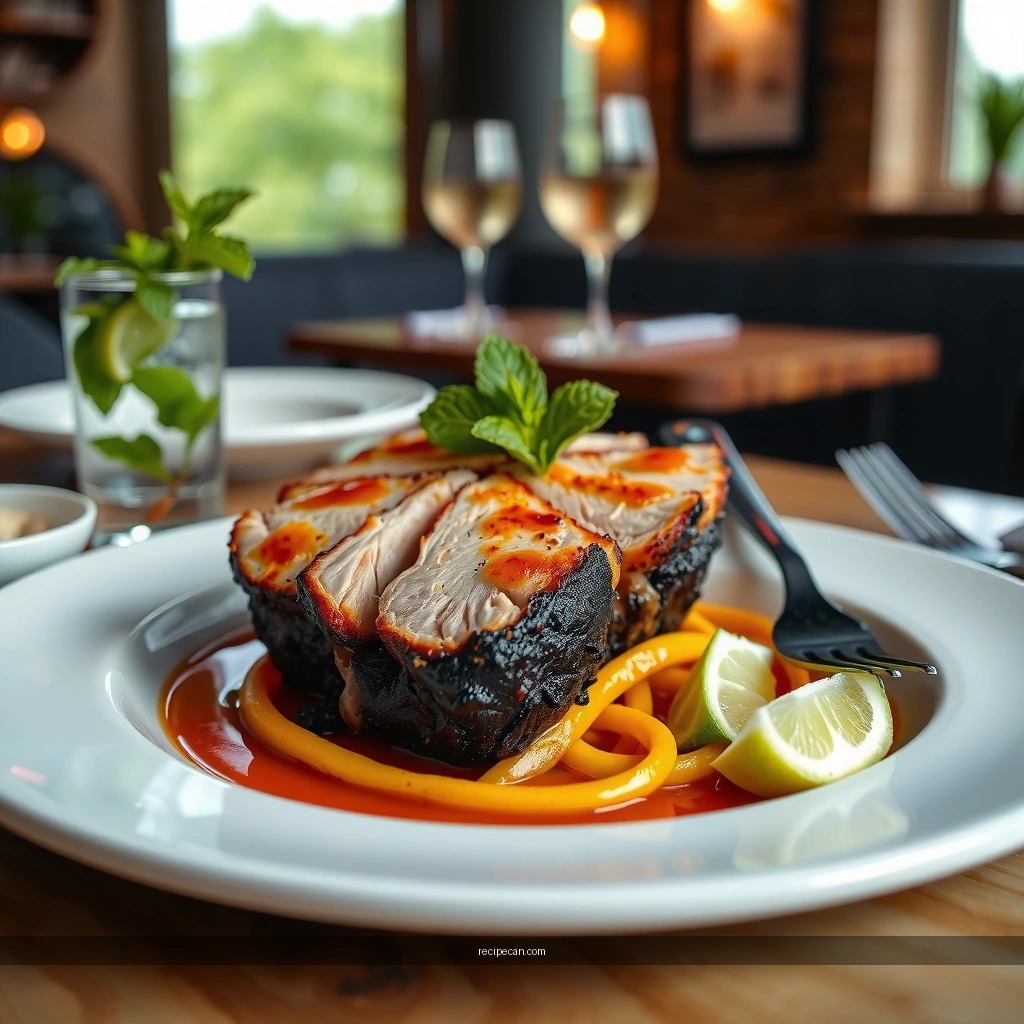
Selecting the right pork cut matters because “mojito flavor” is mostly about aromatics and acidity—pork must still come out tender and properly seasoned. The easiest route is to pick a cut that cooks predictably and holds up to marinating.
Pork cut recommendations (loin, chops, or tenderloin)
– Pork tenderloin: Best for consistently juicy results; cooks relatively fast and stays tender.
– Pork loin or center-cut loin chops: Great balance of flavor and slice-ability; watch time to avoid overcooking.
– Pork chops (bone-in or boneless): Excellent if you want surface browning and a slightly richer pork flavor.
Essential ingredients: mint, lime (plus optional rum), and seasonings
– Fresh mint (preferably spearmint): Flavor anchor for the “mojito” profile.
– Lime juice and lime zest: Juice provides tang; zest adds lift without relying on more acid.
– Rum (optional): Adds a subtle depth commonly associated with mojitos. Use sparingly so it doesn’t become “boozy” rather than “bright.”
– Salt: Non-negotiable for seasoning and moisture retention.
– Black pepper and optional dried oregano or thyme: Helps round out herbal notes.
Helpful add-ons: garlic, sugar or honey, and fresh herbs
– Garlic (finely minced): Supports savory depth and boosts aroma with heat.
– Sugar or honey: Balances lime acidity. Use enough to smooth the bite, not enough to make it taste like barbecue.
– Optional herbs (parsley, cilantro, or extra thyme): Add complexity and a fresh, green finish.
Before you start, plan around one practical rule: mint bruises quickly. Treat it gently—chop finely, don’t pulverize it into bitterness.
Mojito-Style Marinade Setup
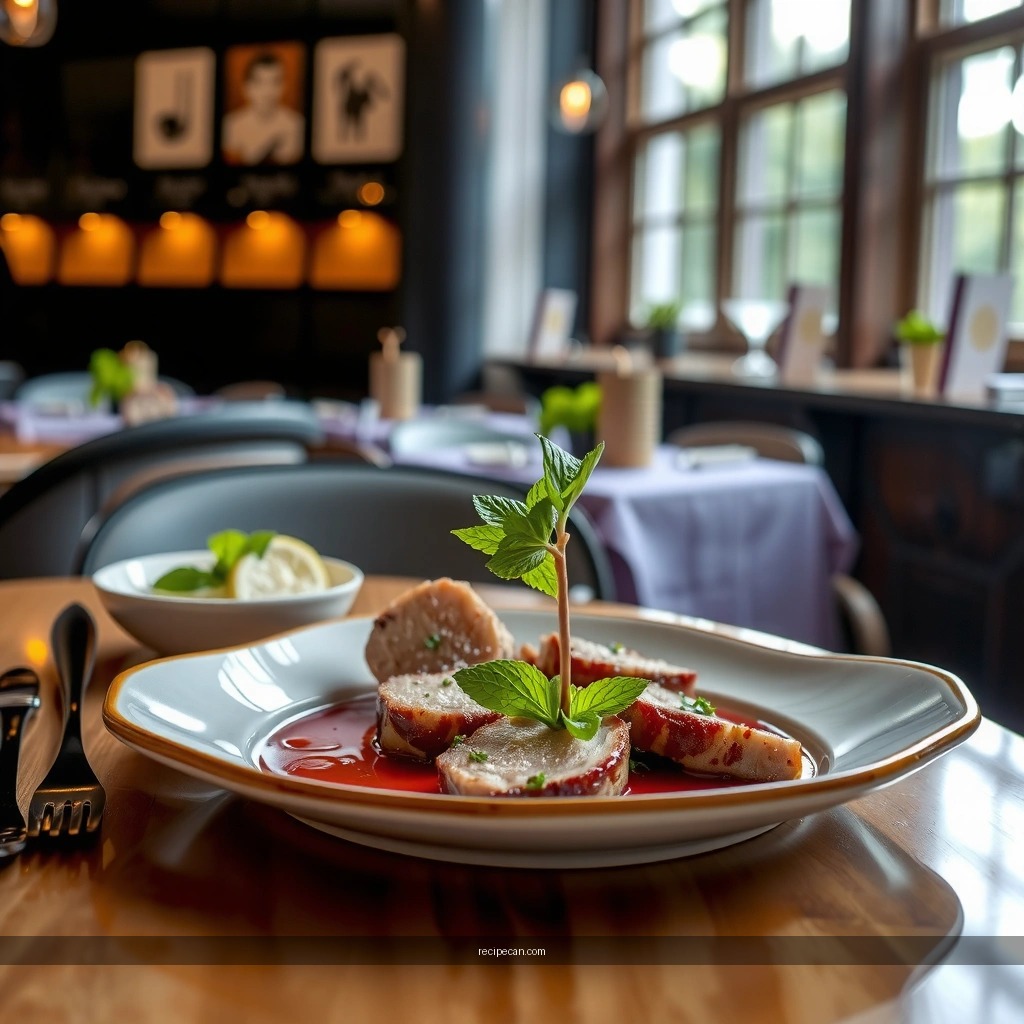
A mojito pork marinade is essentially a controlled flavor system: acid (lime), aromatics (mint), sweetness (a small amount), and salt (for seasoning). The goal is tender, not “cooked by acid.”
Combine lime juice, chopped mint, and seasonings into a flavorful base
Use a mixing bowl to combine:
– Lime juice (fresh-squeezed)
– Lime zest (from the same limes)
– Chopped mint (finely minced)
– Salt and black pepper
– Garlic (minced)
Add sweetness and aromatics for balanced mojito flavor
– Add honey or sugar gradually. Start with a modest quantity—too much sweetener flattens the tang.
– If you’re using rum, add it here (or replace it with a bit more lime juice if you want a non-alcoholic version).
Marinate timing tips to boost tenderness and taste
Time determines texture and flavor intensity:
– Tenderloin / thin chops: 30 minutes to 2 hours is ideal. Lime begins to brighten quickly, while extended exposure can affect texture.
– Loin / thicker chops: 2 to 4 hours works well if the marinade is not overly acidic.
Practical handling
– Marinate in the refrigerator.
– Use a covered container and flip/redistribute once if possible.
– Reserve a portion of marinade only if you’ll turn it into sauce—otherwise, avoid reusing raw marinade that touched raw pork. (More on safe sauce options below.)
Mojito Flavor Balance: What to Expect by Cut
The table below helps you anticipate how marinades behave across common pork cuts—use it to set expectations for tenderness and flavor intensity.
Mojito Pork Cut Match: Tenderness & Flavor Impact (Practical Guide)
| # | Pork Cut | Best Marination Window | Tenderness Outcome | Mint-Lime Intensity | Cook-Time Sensitivity |
|---|---|---|---|---|---|
| 1 | Pork Tenderloin | 30–120 min | ★★★★★ | ★★★★☆ | Low |
| 2 | Bone-In Pork Chop | 60–180 min | ★★★★☆ | ★★★☆☆ | Moderate |
| 3 | Boneless Pork Chop | 45–150 min | ★★★☆☆ | ★★★☆☆ | High |
| 4 | Center-Cut Pork Loin | 2–4 hours | ★★★★☆ | ★★★☆☆ | Moderate |
| 5 | Pork Shoulder (for slicing) | 4–8 hours | ★★★★★ | ★★★☆☆ | Low |
| 6 | Pork Sirloin / Steak Cut | 1–3 hours | ★★★★☆ | ★★★★☆ | High |
| 7 | Pork Roast (small cut) | 3–6 hours | ★★★★★ | ★★★☆☆ | Moderate |
Cooking Methods for Best Results
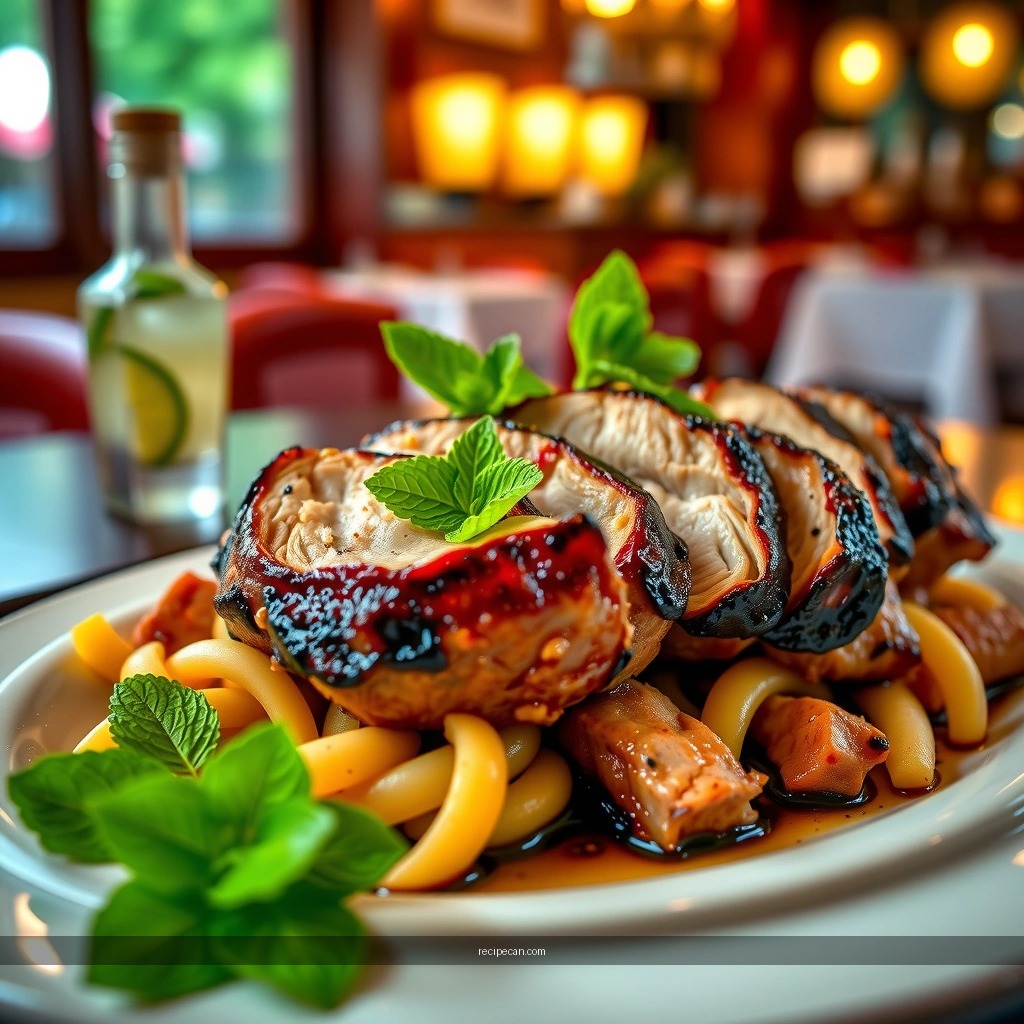
Mojito pork is won or lost at the heat-management stage. You want browning for flavor (Maillard reaction) but controlled internal temperature for tenderness.
Pan-sear and finish in the oven for caramelized edges
This is the most reliable method for juicy results across cuts:
1. Pat pork dry (surface moisture reduces browning).
2. Sear in a hot skillet until deeply browned on one side.
3. Flip briefly, then move to a preheated oven to finish.
4. Use temperature rather than guesswork (a meat thermometer prevents overcooking).
Why it works: pan-searing builds a flavorful crust, while oven finishing evens out the cook and reduces the risk of dry centers.
Grill option for char and extra mint-lime aroma
Grilling amplifies the “fresh and bold” impression:
– Keep heat medium-high to sear without burning the mint sugars on the surface.
– If the marinade is sugary (honey/sugar), don’t let flames lick directly—use indirect heat to finish.
Tip: If your grill tends to flare up, brush off excess marinade before grilling (but don’t discard all flavor—just reduce the wet excess).
Covering/resting guidance to keep pork juicy
Resting is where tenderness locks in:
– Rest pork 5–10 minutes (longer for thicker roasts).
– Tent loosely with foil—avoid sealing steam so aggressively that it softens the crust.
If you slice immediately, the juices run out, and “tender” becomes “dry.”
How to Serve Mojito Pork
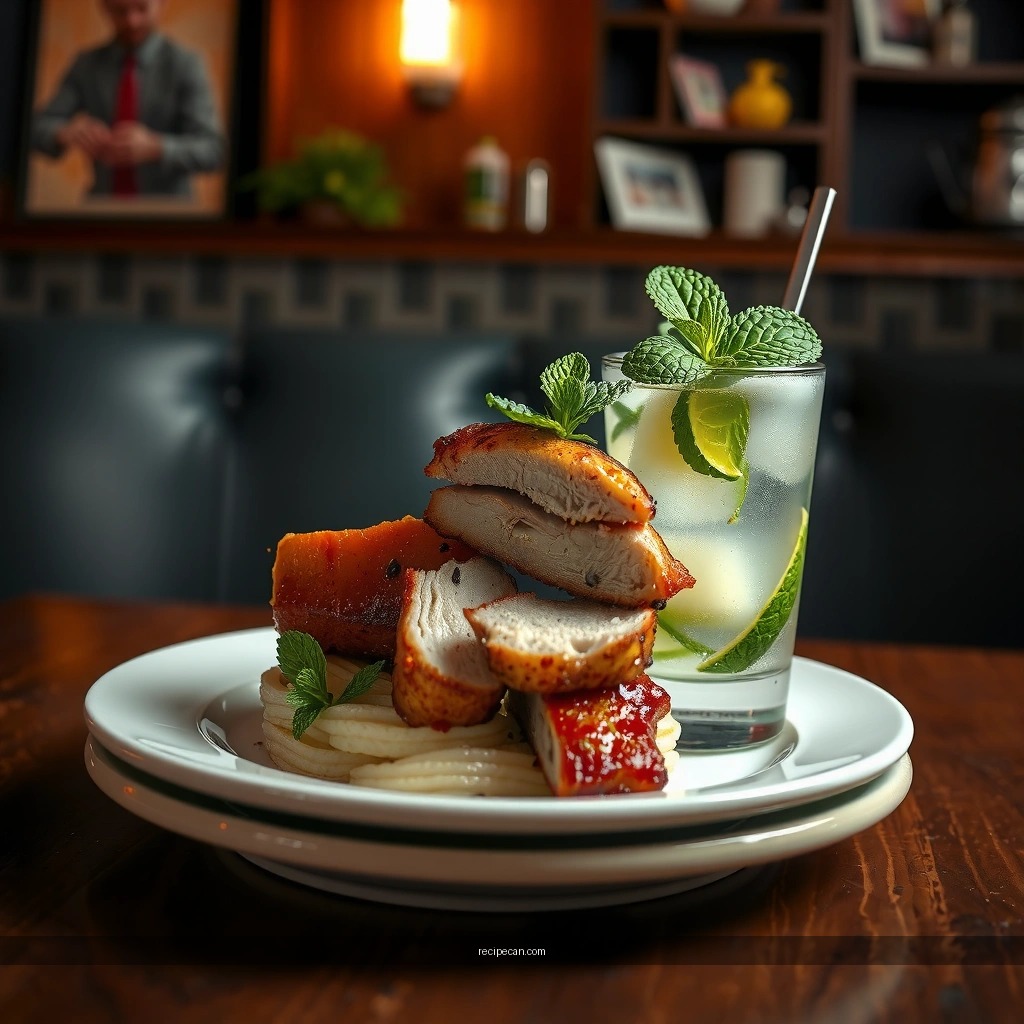
Serving turns a great dish into a memorable meal—especially because mojito pork is bright and aromatic, so it pairs best with neutral or fresh sides.
Best serving ideas: rice, roasted potatoes, or a fresh salad
– Rice (flavored or plain): Soaks up any pan juices and smooths acidity.
– Roasted potatoes: Crisp edges balance zesty lime.
– Fresh salad: Shaved fennel, cucumber, or mixed greens emphasize mint without adding heaviness.
Garnishes: extra mint, lime wedges, and crushed herbs
Add garnishes at the end:
– Extra mint leaves (lightly torn, not chopped into dust)
– Lime wedges for on-demand brightness
– Crushed herbs (a pinch of mint or parsley) for visual and aromatic punch
Optional sauce ideas using marinade ingredients (heated safely)
If you want a glossy sauce:
– Do not reduce raw marinade that contacted pork.
– Instead, take a small amount of marinade before it touches raw pork, or make a “fresh sauce base” using the same ingredient logic (lime juice + mint + a sweetener + salt).
– Heat the sauce until simmering, then strain and drizzle.
This keeps the flavor cohesive while respecting food safety.
Flavor Tips and Common Fixes
Even experienced cooks occasionally miss the mark with mojito pork. The good news: most issues have clear fixes.
Adjusting sweetness vs. tang for your preferred mojito profile
– If it tastes too sharp, add sweetness in small increments (honey, sugar, or even a splash of orange juice to round edges).
– If it tastes too sweet, add more lime zest (more aromatic lift) before adding extra juice (which can push it into harshness).
Preventing bitterness by using mint correctly
Bitterness usually comes from mint being overprocessed or cooked too long at high heat:
– Chop mint finely, then combine with acid and salt promptly.
– Avoid grilling with heavily marinaded surfaces over direct flames.
– Add some mint after cooking (as a garnish) for aroma without bitterness.
Troubleshooting: dryness, blandness, or overpowering lime
– Dryness: Overcooking is the main culprit. Use a thermometer and rest properly. Also patting pork dry before searing helps browning without extended cooking.
– Blandness: The marinade may need more salt. Also make sure you’re finishing with a little sauce/pan juice so flavor doesn’t stay only on the surface.
– Overpowering lime: Lime juice can dominate quickly. Reduce by increasing sweetness slightly and adding zest rather than more juice; finishing with herbs can also rebalance perception.
A mojito flavor should feel bright and refreshing, not sour and sharp.
Make It a Full Mojito-Inspired Meal
You can extend the mojito theme across the menu while keeping flavors balanced—your pork should remain the centerpiece.
Pairing suggestions: sparkling water, cocktails, or light sides
– Sparkling water with lime + mint: Non-alcoholic but instantly on-theme.
– Light cocktails: A classic mojito or a mojito-inspired spritz complements the lime-mint profile.
– Light sides: Cucumber salad, avocado, or a citrusy slaw keep the palate clean.
Seasonal variations: summer herbs, citrus swaps, or spice levels
– Summer herbs: swap in basil or Thai basil for a different “green” note.
– Citrus swaps: use lemon for a milder tang or grapefruit for a slightly bitter-citrus edge (use sparingly).
– Spice levels: add a pinch of chili flakes or a tiny amount of smoked paprika for depth—only after lime sweetness is balanced.
Batch tips for leftovers and quick reheating
Mojito pork reheats well when you control moisture:
– Store sliced pork and any sauce separately when possible.
– Reheat gently in a skillet with a splash of water or broth, covered, until just warmed through.
– Add fresh mint and a squeeze of lime right before serving to restore brightness.
Leftover pork also works in bowls with rice, fresh herbs, and a squeeze of lime for a fast lunch.
You’ll get the signature mojito punch—mint and lime—without sacrificing tenderness by using a proper marinade and the right cooking method for your cut of pork. Follow the steps above, taste and adjust as you go, and serve it with fresh garnishes for a dish that’s bright, bold, and crowd-pleasing.
When you treat the marinade as a precise balance of acid, salt, and sweetness—and finish the pork with heat control—mojito pork becomes a dependable, repeatable recipe for weeknights, entertaining, and everything in between.
Frequently Asked Questions
What is a mojito pork recipe and what makes it different from other pork marinades?
A mojito pork recipe is pork marinated and/or served with flavors inspired by a classic mojito—typically lime juice, fresh mint, and a hint of sweetness. The citrus helps tenderize the meat while the mint and lime create a bright, refreshing flavor profile that’s different from heavier garlic-and-herb pork marinades. Depending on the method, the pork can be grilled, roasted, or pan-seared for a caramelized finish.
How do I make mojito pork so the pork stays juicy and doesn’t get bitter?
Use fresh lime juice and avoid over-mashing the mint; bruise it gently so you get aroma without releasing excessive bitterness. Marinate the pork for about 2–6 hours (not overnight) to prevent the acid from breaking down the texture too much. Pat the pork dry before cooking and sear over medium-high heat, then finish to safe doneness—this helps lock in moisture and keeps the mojito pork flavor balanced.
Why should I add mint and lime to pork, and how do they affect flavor?
Lime juice adds acidity that brightens the overall taste and can enhance pork’s natural richness, while mint contributes a cool, herbal aroma reminiscent of a mojito cocktail. Together, they make the mojito pork recipe feel lighter and more vibrant than traditional barbecue or herb-heavy pork. For best results, balance the mint’s freshness with a little sweetness (like brown sugar or honey) so the lime doesn’t overpower the meat.
Best cuts of pork for a mojito pork recipe—what should I choose?
The best cuts for mojito pork are those that handle marinade well and cook evenly, such as pork tenderloin, pork loin, or thin-cut pork chops. Tenderloin is especially forgiving and stays juicy when cooked quickly, while chops benefit from a short marination and fast grilling or pan-searing. If you use pork shoulder, keep the marinade time shorter and plan for longer cooking so the mojito pork flavors stay vivid rather than muted.
Which cooking method is best for mojito pork—grilling, roasting, or pan-searing?
Grilling is great if you want smoky char and a more authentic “cocktail barbecue” vibe, especially for pork chops or sliced tenderloin. Roasting works well for pork loin, delivering even doneness and a juicy interior with a caramelized exterior when you baste with the marinade or a lime-mint glaze. Pan-searing is the quickest and ideal for weeknight mojito pork, as it creates a flavorful crust—then you can finish in the oven or with a lid to ensure it cooks through.
References
- Google Scholar Google Scholar
https://scholar.google.com/scholar?q=mojito+pork+recipe - Google Scholar Google Scholar
https://scholar.google.com/scholar?q=rum+citrus+marinade+pork+meat - Google Scholar Google Scholar
https://scholar.google.com/scholar?q=pork+safe+minimum+internal+temperature - Mojito
https://en.wikipedia.org/wiki/Mojito - Pork
https://en.wikipedia.org/wiki/Pork - Rum
https://en.wikipedia.org/wiki/Rum - https://www.fsis.usda.gov/food-safety/safe-food-handling-and-preparation/meat-and-poultry-intended-cook-temperatures
https://www.fsis.usda.gov/food-safety/safe-food-handling-and-preparation/meat-and-poultry-intended-cook-temperatures - https://www.cdc.gov/foodsafety/cooking.html
https://www.cdc.gov/foodsafety/cooking.html - https://pubmed.ncbi.nlm.nih.gov/?term=marinade+meat+citrus+acid+effect
https://pubmed.ncbi.nlm.nih.gov/?term=marinade+meat+citrus+acid+effect - https://www.britannica.com/topic/mojito
https://www.britannica.com/topic/mojito