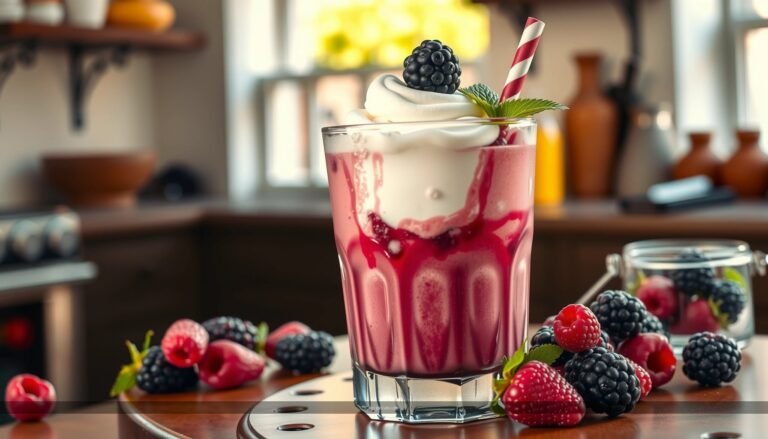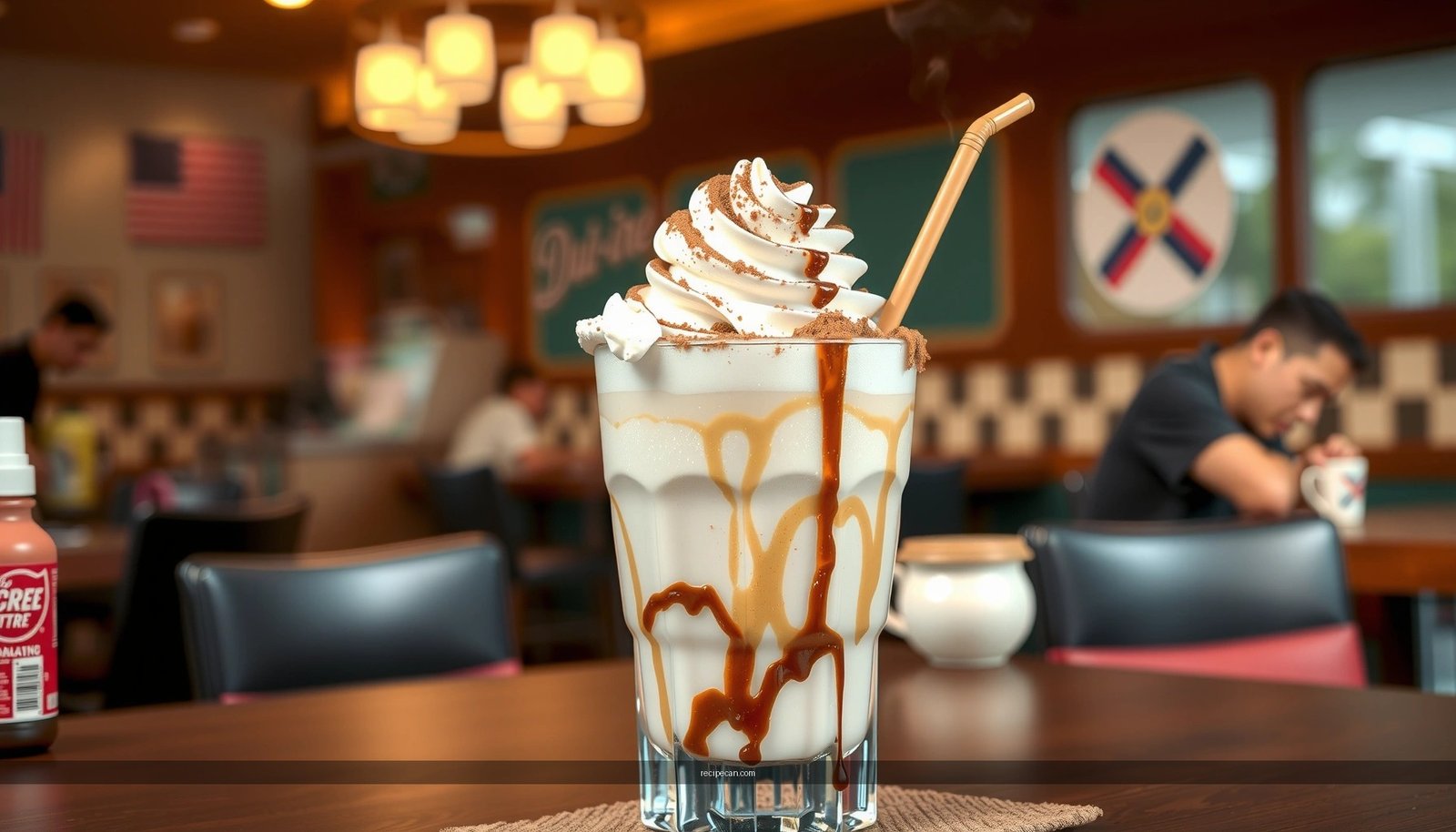
Get a real recipe malted milkshake that delivers the creamiest, most malt-forward homemade shake without the guesswork. This easy guide tells you exactly what to blend, in what amounts, and how to get that thick, spoonable texture. If you want a classic diner-style malted milkshake fast, this is the one to make.
If you want a thick, frosty malted milkshake fast, blend cold milk, vanilla ice cream, and malted milk powder in the right proportions—then adjust with small “in-blender” tweaks until it reaches your ideal thickness. This guide walks you through classic ingredient ratios, the practical blending method for maximum creaminess, and several flavor variations so you can reliably make a diner-style homemade shake at home.
Ingredients for a Classic Malted Milkshake
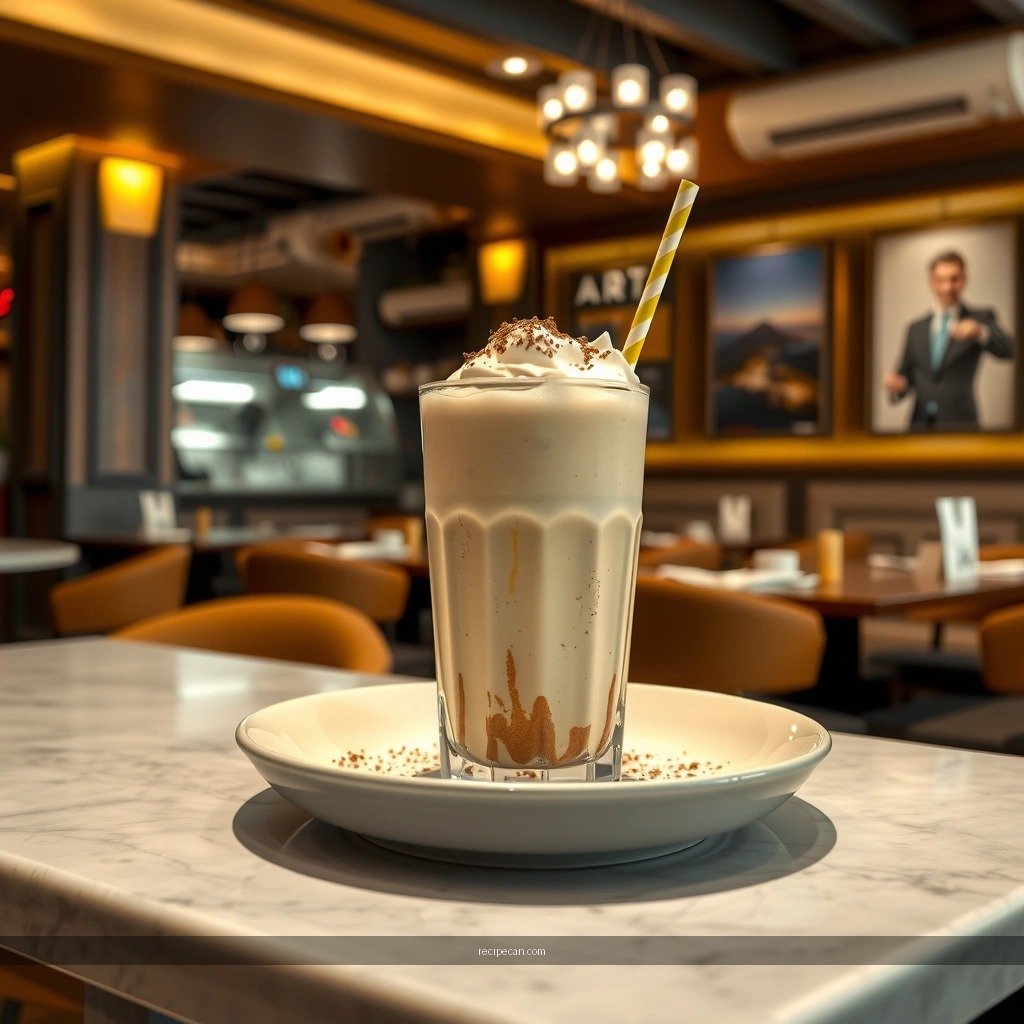
A classic malted milkshake is all about balance: the distinct nutty-caramel malt flavor from malted milk powder, the rich body from vanilla ice cream, and the smooth drinkability from cold milk. If you’ve ever had a malted shake that tasted flat or turned icy, the fix is usually in ingredient quality and temperature—not technique.
Core ingredients (the classic combo):
– Malted milk powder: Provides the signature malt flavor, plus a bit of thickening as it hydrates.
– Vanilla ice cream: Your primary fat source and structure builder—this is what makes the shake thick.
– Cold milk: Adjusts texture and helps the malt dissolve fully.
– Vanilla (optional, but helpful): Even with vanilla ice cream, an extra splash of vanilla extract can deepen aroma.
– Pinch of salt (optional, recommended): Salt reduces “malt bitterness” and makes sweetness taste richer rather than cloying.
Toppings that reinforce the experience:
– Whipped cream (for height and a classic soda-fountain look)
– Malted milk crumbs (a sprinkle of crushed cookies or extra malt powder)
– Chocolate sauce or caramel drizzle for contrast to the malt’s toasted notes
Typical Malted Milkshake Flavor & Texture Targets (1 Serving)
| # | Goal | Recommended Amount (Per Shake) | Why It Matters | Adjustment Signal |
|---|---|---|---|---|
| 1 | Malt Flavor Intensity | 1 1/2 tbsp malted milk powder | To match classic “toasted malt” notes | Tastes rich, not chalky |
| 2 | Creamy Base Structure | 3/4 to 1 cup vanilla ice cream | Fat content supports thickness and foam | Thin or “watery” mouthfeel |
| 3 | Blendable Thickness | 1/4 to 1/3 cup cold milk | Hydrates malt and controls pour speed | Holds a spoonable swirl |
| 4 | Aroma Depth | 1/2 tsp vanilla extract | Boosts vanilla perception in a malt profile | Malt dominates, “flat” aroma |
| 5 | Flavor Balance | Pinch of fine salt (about 1/16 tsp) | Rounds sweetness and reduces harshness | Sweetness tastes “clean” |
| 6 | Malt Hydration Completion | Blend 20–35 seconds | Prevents gritty or chalky texture | You feel grains at the bottom |
| 7 | Serve Freshness | Serve within 3–5 minutes | Minimizes separation and maintains foam | Liquid separation appears |
Simple Step-by-Step Instructions
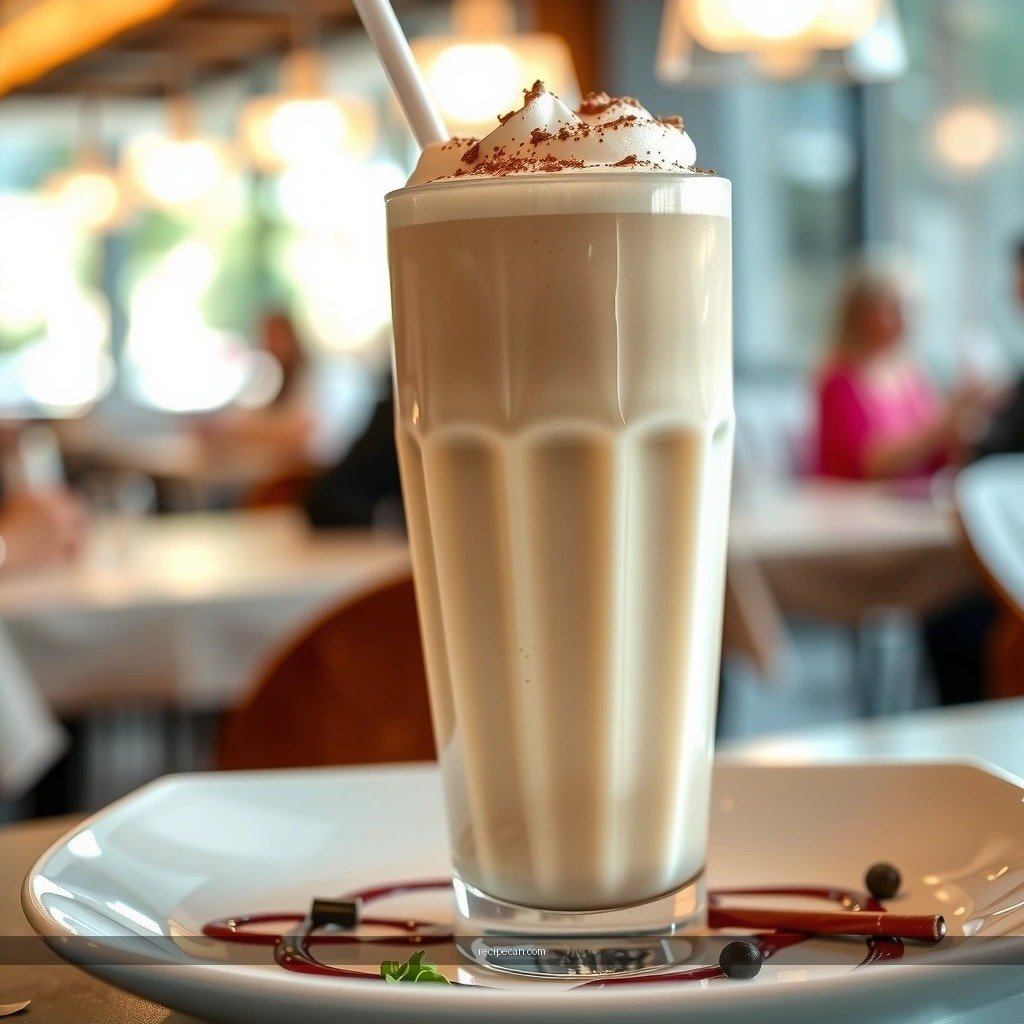
Making a malted milkshake is straightforward, but the order of operations affects whether your malted milk powder fully dissolves and whether you get a creamy, uniform texture.
Step-by-step (1 classic shake):
1. Add ice cream to the blender first: Scoop in 3/4 to 1 cup vanilla ice cream. Chilling the ice cream slightly (5–10 minutes in the freezer) can help keep it thick.
2. Add cold milk next: Pour in 1/4 cup cold milk to start (you’ll adjust later).
3. Add malted milk powder: Measure 1 1/2 tbsp malted milk powder and add it on top.
4. Optional flavor boosters: Add 1/2 tsp vanilla extract and a pinch of salt.
5. Blend: Start on low for 5–10 seconds to break up ice cream, then blend on medium-high until thick and frothy, usually 20–35 seconds total.
6. Taste and adjust:
– If it’s too thick: blend in 1 tablespoon more milk at a time.
– If it’s not thick enough: add 2–3 spoonfuls of ice cream and re-blend briefly.
Professional tip: If your blender has difficulty starting, stop once everything is moving freely, scrape down the sides if needed, and continue blending. A “stuck” blend often causes malt clumps.
Getting the Perfect Thickness
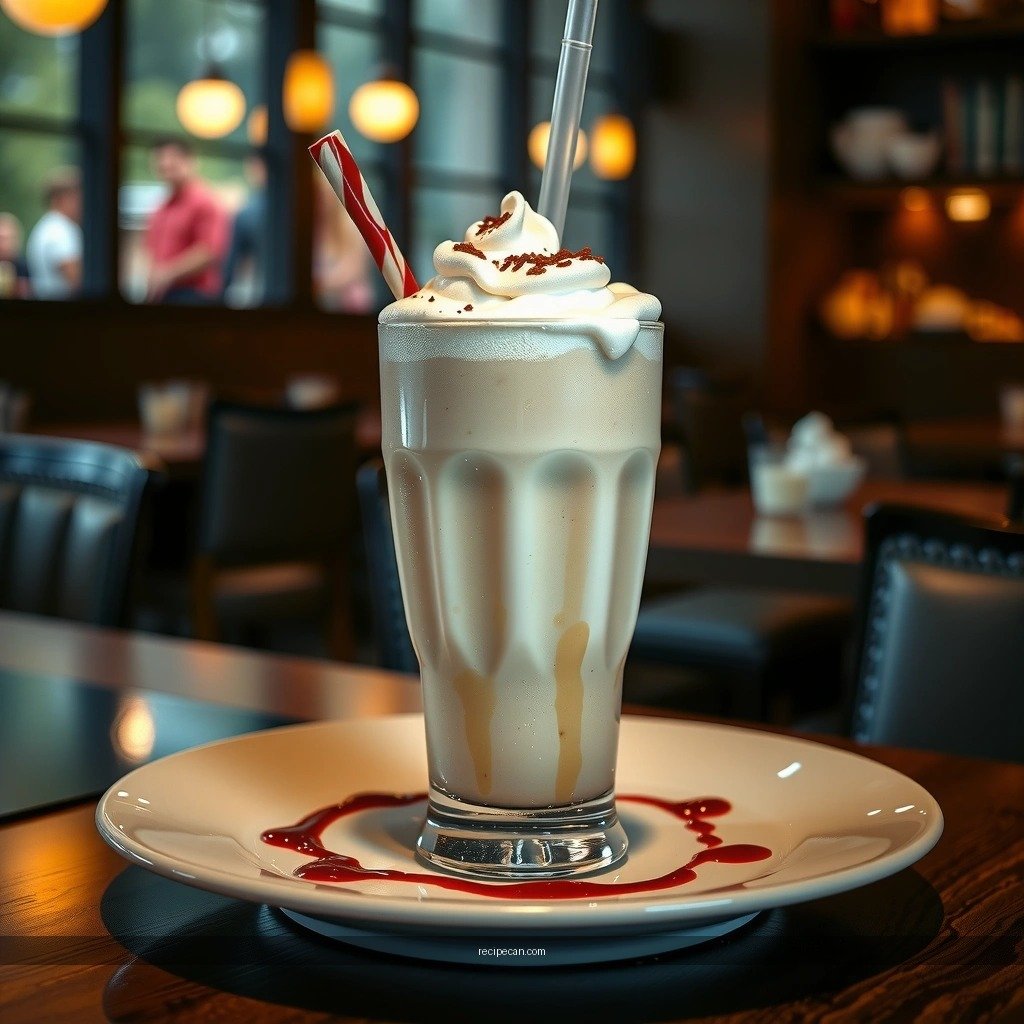
Thickness is where most homemade malted milkshakes succeed or fail. The goal isn’t just “thick”—it’s thick but drinkable, with a frosty foam that stays cohesive for several minutes.
Best practices to control thickness:
– Start with less milk: Beginning at 1/4 cup milk gives you room to thin. It’s much easier to loosen a shake than to fix one that’s already thin.
– Use cold ingredients: Cold milk helps keep ice cream from melting too fast, which preserves the shake’s structure.
– Blend duration matters:
– Briefer blend (15–20 seconds): Often yields a thicker, more “spoonable” texture with visible froth.
– Longer blend (30–40 seconds): Tends to create a smoother, more uniform consistency—ideal if you want a classic diner texture without any grain.
A quick thickness diagnostic (practical, not fussy):
– If the shake pours slowly and leaves a swirl trail: you’re in the zone.
– If it runs like a thin smoothie: add ice cream or reduce milk next time.
– If it’s grainy or uneven: blend longer and ensure the malted milk powder is fresh and fully measured.
Flavor Variations to Try

Once you can make the classic version reliably, malted milkshakes become a platform for controlled flavor experimentation. The key is to add mix-ins in measured amounts so the shake stays thick and blends smoothly.
Chocolate malted milkshake
– Add 1 to 2 tbsp chocolate syrup OR 1–2 tbsp unsweetened cocoa powder.
– For cocoa powder shakes, blend slightly longer (10 extra seconds) to reduce any dryness.
Strawberry twist
– Use strawberry syrup (1–2 tbsp) or blend in a small handful of fresh berries.
– If using fresh berries, note they add water—start with 3 tbsp less milk than usual to keep texture.
Extra-malt version
– Increase malted milk powder to 2 tbsp while keeping milk at 1/4 cup initially.
– If the flavor intensifies but texture drops, add a small scoop of ice cream rather than adding more milk.
Business-minded balance note: Flavor changes alter both taste and physical behavior (water content, fat content, and powder hydration). That’s why measured additions and small adjustments are the fastest path to repeatable results.
Serving and Topping Ideas
A malted milkshake is at its best immediately—temperature and foam stability are part of the “final product.” Serving practices can make an ordinary shake feel like a premium experience.
Serving recommendations
– Chill your glass first (freezer or refrigerator for 5 minutes). Cold glass slows melt-down and helps the shake maintain thickness.
– Use soda-fountain style presentation: a tall glass, a thick layer of foam, and classic toppings.
Toppings that complement malt
– Whipped cream for contrast and visual appeal
– Malted milk powder dusting or cookie crumb sprinkle (mimics the diner texture profile)
– Chocolate sauce drizzle to pair with malt’s toasted sweetness
– A chocolate wafer cookie or mini malted cookie on the rim if you’re aiming for a “giftable” look
Texture enjoyment tip: Include a straw and spoon. A thick malted milkshake often transitions from frothy foam to spoonable cream—this combo keeps every sip tasting intentional.
Make-Ahead, Storage, and Troubleshooting
Malted milkshakes are best fresh, but with the right expectations you can still manage prep and fixes. Separation typically occurs when ice crystals melt and milkfat disperses.
Make-ahead reality
– For best results, drink right away (within 3–5 minutes).
– If you must prep, blend everything and keep covered in the coldest area of your refrigerator—but expect some texture change.
Storage
– Store in a tightly covered container for up to 2 hours. Beyond that, you’ll likely see separation and a less cohesive texture.
– To refresh: re-blend 10–15 seconds with a small splash of milk (about 1 tbsp) until smooth.
Troubleshooting (fast fixes)
– Too thin? Blend in more ice cream (start with 2–3 tbsp at a time).
– Too thick? Add milk 1 tablespoon at a time, blending between additions.
– Gritty texture? Blend longer (try an extra 10 seconds) and ensure you’re using enough milk to hydrate the malted milk powder fully.
– Malt tastes harsh or overly “bitter”? Add a pinch of salt (if not already), or increase vanilla aroma slightly with a few drops of extract. Next time, keep malt powder at 1 1/2 tbsp for a more balanced baseline.
Enjoy your recipe malted milkshake right away for the thickest, creamiest texture. Gather your malted milk powder and ice cream, follow the steps above, and experiment with one variation—your next favorite milkshake is just a quick blend away.
In short, the perfect homemade malted milkshake comes down to three repeatable decisions: correct malt-to-ice cream-to-milk ratio, proper blending time for smooth hydration, and fast serving for foam stability. Once you nail that workflow, you’ll be able to dial in thickness and customize flavors confidently—without sacrificing the classic, frosty diner-style finish.
References
- Milkshake
https://en.wikipedia.org/wiki/Milkshake - Malted milk
https://en.wikipedia.org/wiki/Malted_milk - https://www.britannica.com/food/milkshake
https://www.britannica.com/food/milkshake - https://www.britannica.com/topic/malted-milk
https://www.britannica.com/topic/malted-milk - Google Scholar Google Scholar
https://scholar.google.com/scholar?q=malted+milkshake+recipe - Google Scholar Google Scholar
https://scholar.google.com/scholar?q=malted+milk+powder+milkshake - Google Scholar Google Scholar
https://scholar.google.com/scholar?q=milkshake+ice+cream+emulsion+study - https://pubmed.ncbi.nlm.nih.gov/?term=malted+milk
https://pubmed.ncbi.nlm.nih.gov/?term=malted+milk - https://pubmed.ncbi.nlm.nih.gov/?term=milkshake
https://pubmed.ncbi.nlm.nih.gov/?term=milkshake - https://www.sciencedirect.com/search?qs=malted%20milk%20powder
https://www.sciencedirect.com/search?qs=malted%20milk%20powder