
Searching for a mango milkshake recipe that delivers real creaminess fast? This mango milkshake recipe is the clear winner when you want a fresh, fruit-forward drink with no complicated steps—just blend, chill, and serve. Follow it for a thick, smooth shake that tastes like summer in every sip.
A mango milkshake recipe is simple: blend ripe mango with milk (or yogurt) and a sweetener until smooth, then serve chilled. If you want a consistently creamy, fresh result every time, focus on mango ripeness, control the dairy (or non-dairy) base, and adjust thickness with ice and blending time—then you’ll be able to customize sweetness and texture to match your preferences.
You’ll learn how to choose the best mangoes, get the perfect creamy texture, and customize sweetness and thickness.
Choose the Best Mango for Your Milkshake

– Use ripe, fragrant mangoes for the sweetest flavor
– Check for soft flesh and minimal fibrous texture
– Peel and cut mango in advance for easier blending
Choosing the right mango is the difference between a milkshake that tastes like pure summer and one that tastes watery or fibrous. For the sweetest flavor and best blending performance, look for mangoes that are ripe and aromatic—when you bring them close, they should smell noticeably fragrant near the stem end. In practical terms, a ripe mango yields a smooth puree with fewer stringy fibers, which reduces the chance you’ll need to strain.
When you check ripeness by hand, aim for slight give rather than mushiness. Many people mistakenly wait until mangoes feel overly soft; those can taste fermented or “off.” Instead, select mangoes with firm-to-yielding flesh, minimal wrinkling, and a skin that doesn’t look dried out.
If you’re preparing ahead, peel and cut mango in advance. This matters because it speeds up blending and reduces oxidation. For best texture, store cut mango briefly in the refrigerator in an airtight container, and consider freezing portioned mango if you want to blend a thicker shake without adding extra ice later.
Business-minded tip: mango milkshake quality is largely a “raw ingredient” issue. When mango flavor is weak, no amount of sweetener will fully correct it—so quality selection is your fastest path to a repeatable recipe.
Ingredients for a Creamy Mango Milkshake
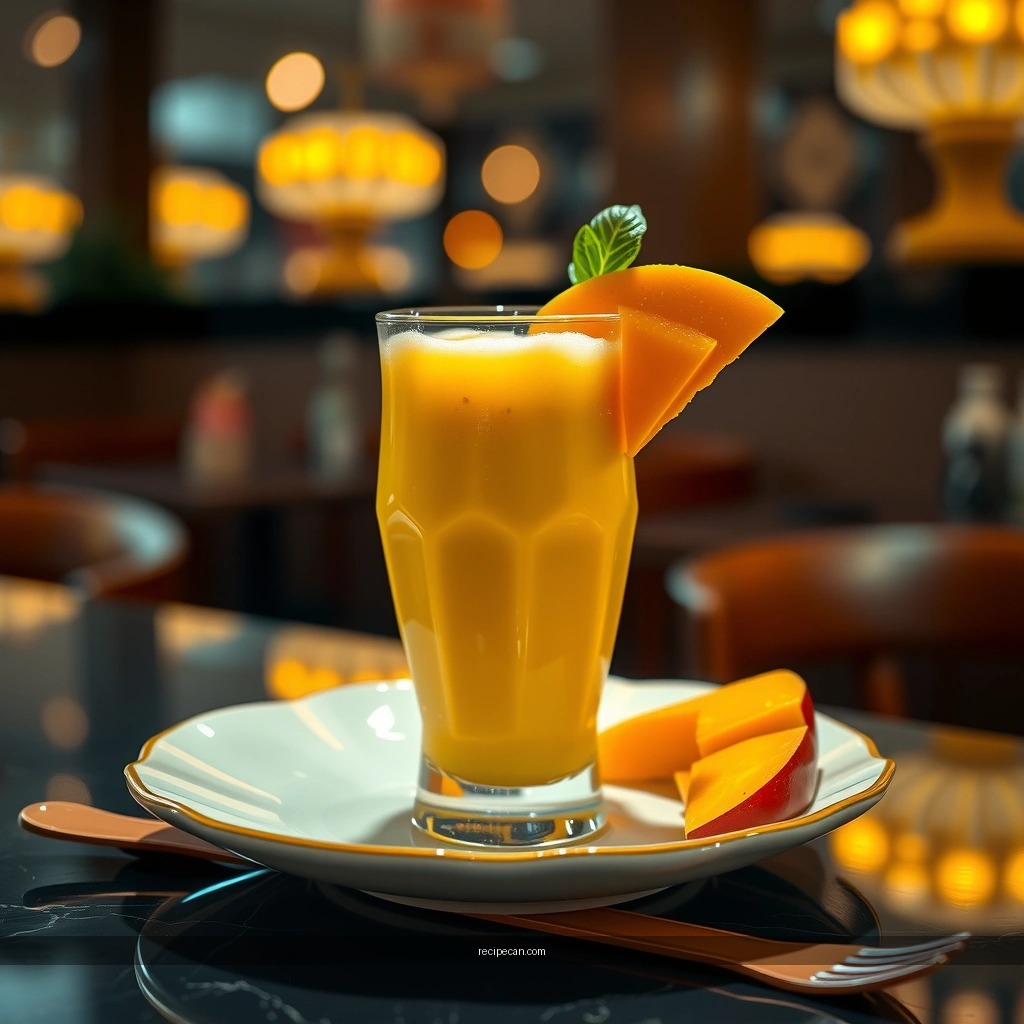
– Mango + milk (dairy or non-dairy) as the base
– Optional yogurt for extra creaminess
– Sweetener options: sugar, honey, or condensed milk
A great mango milkshake is built like a controlled formula: fruit for flavor + dairy (or substitute) for body + sweetener to balance acidity + optional yogurt for stability and richness. Below is a practical ingredient approach you can scale for one to several servings.
Core ingredients (classic):
– Ripe mango: fresh or thawed frozen (about 1 to 1½ cups per 2 servings)
– Milk: whole milk for classic thickness; low-fat for a lighter profile; or non-dairy options like oat milk (creamy) or almond milk (lighter)
– Sweetener (to taste): start small, because very ripe mango may not need much
Optional enrichment:
– Yogurt (plain or vanilla): adds tangy depth and a smoother mouthfeel. Greek yogurt is especially effective because of its thickness and protein content.
– Ice: helps thicken and chill, and also improves the “frosted” texture if your mango isn’t very cold.
How to choose sweetener (quick guidance):
– Sugar: neutral, fast-dissolving; best if you want predictable sweetness.
– Honey: adds floral notes that pair naturally with mango.
– Condensed milk: provides caramel-like richness and a dessert-style milkshake profile.
If you’re optimizing for a consistent, café-like texture, treat sweetener as part of the blend cycle: adding it early helps it dissolve evenly and prevents graininess at the bottom of the glass.
Leading Mango Producing Countries (Recent Estimates) and Fresh Supply Advantage
| # | Country | Estimated Share of World Production | Common Mango Varieties | Retail Fresh Availability Advantage (Months) |
|---|---|---|---|---|
| 1 | India | ~45% | Alphonso, Kesar, Totapuri | 5–6 months ★★★★★ |
| 2 | Mexico | ~7–8% | Ataulfo, Tommy Atkins, Kent | 3–4 months ★★★★☆ |
| 3 | China | ~5–6% | Guimi, Feizixiao | 1–2 months ★★★☆☆ |
| 4 | Pakistan | ~2–3% | Sindhri, Chaunsa | 2–3 months ★★★★☆ |
| 5 | Philippines | ~1–2% | Carabao, Philippine varieties | 1–2 months ★★☆☆☆ |
| 6 | Brazil | ~1–2% | Palmer, Tommy Atkins | 2–3 months ★★★★☆ |
| 7 | Thailand | ~1–2% | Nam Dok Mai | 1–2 months ★★★☆☆ |
Step-by-Step Mango Milkshake Recipe
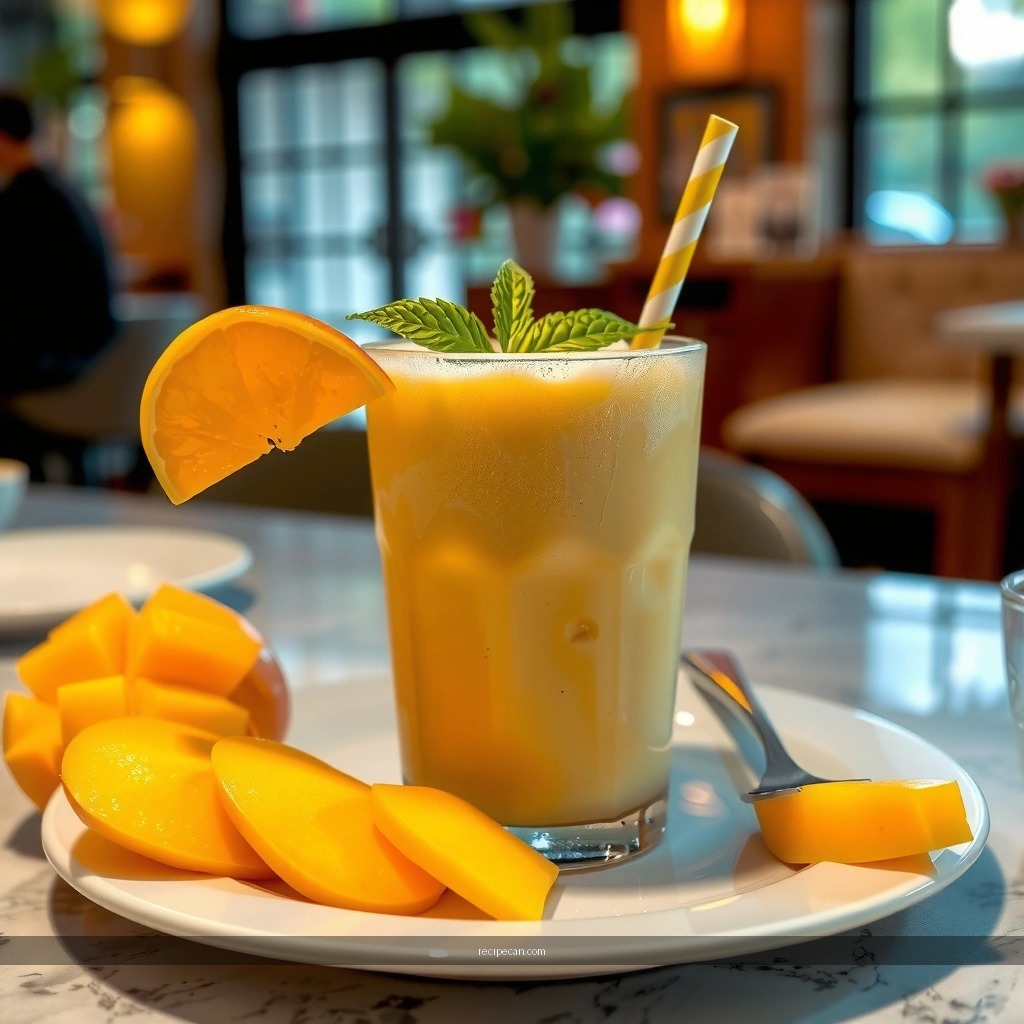
– Blend mango, milk, and sweetener until fully smooth
– Add ice if you prefer a colder, thicker shake
– Taste and adjust sweetness before serving
Below is a dependable method that emphasizes smooth texture and balanced flavor.
1. Prepare the mango
– Peel and dice ripe mango into small cubes.
– If the mango is very cold (or you’re using frozen mango), reduce the amount of ice you plan to add.
2. Start with your base
– Add mango to a blender first, then pour in milk (and yogurt if using).
– Suggested starting ratio for a creamy, not-too-thick shake: about 1 cup mango : ¾–1 cup milk. You can fine-tune from there.
3. Sweeten strategically
– Add sweetener gradually. Because mango sweetness varies by variety and ripeness, begin with a modest amount (for example, 1–2 tablespoons honey or sugar per batch) and blend again before adding more.
4. Blend until truly smooth
– Blend on high until the texture looks uniform with no visible mango pieces or fibrous bits.
– For better froth, blend slightly longer than you think you need—this aeration helps create that classic milkshake feel.
5. Adjust thickness with ice and mango
– If you want it colder and thicker, add ice and blend again.
– If you want it creamier without additional dilution, add more mango instead of just more ice.
6. Taste and finalize
– Taste for sweetness and acidity (mango can vary from mildly tart to very sweet).
– Adjust with more sweetener, a splash more milk (to mellow), or a spoon of yogurt (for creaminess and balance).
From a quality-control perspective, the “taste and adjust” step is where you convert a good shake into an excellent one.
Tips to Get the Perfect Texture
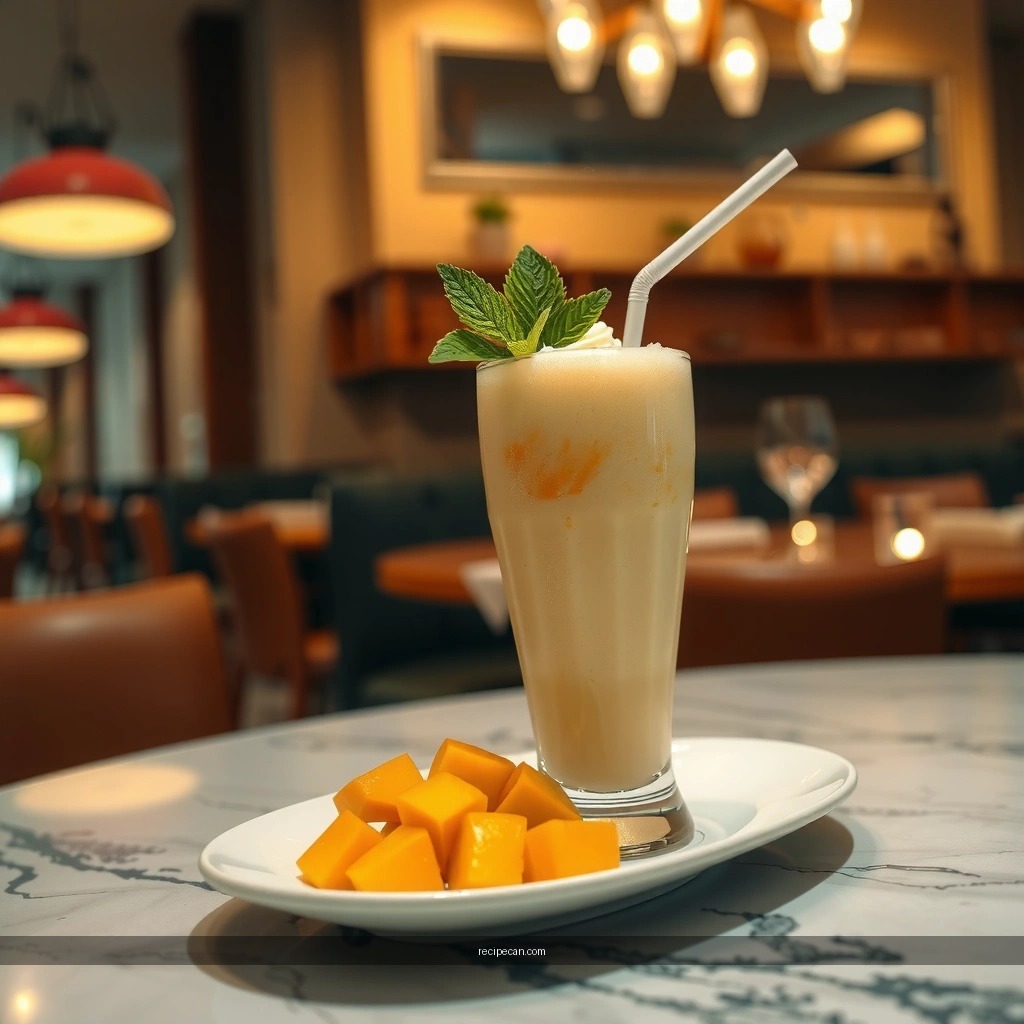
– For thicker consistency, use less milk or add more ice
– For a smoother result, strain if mango fibers remain
– Blend longer for a thicker, frothier finish
Texture is the most noticeable “make-or-break” factor for mango milkshakes. If it’s too thin, it feels more like a smoothie than a milkshake; if it’s too thick or gritty, it becomes unpleasant to drink.
Thicker consistency strategies:
– Reduce milk gradually (start by cutting 2–3 tablespoons at a time).
– Add ice in small increments, then blend thoroughly. Too much ice too fast can cause uneven blending or a watery finish once the ice starts melting.
Smoother result strategies:
– Some mangoes are naturally more fibrous—even when ripe. If you detect stringy bits after blending, pour the shake through a fine-mesh strainer and press gently with a spoon.
– Straining also improves mouthfeel for people sensitive to mango fibers.
Frothier finish strategies:
– Blend longer. The goal is a homogenized mixture with a light, airy top.
– A high-powered blender typically gives a silkier texture than a basic blender, but you can compensate by blending in shorter batches and mixing thoroughly between blends.
A practical workflow: blend, check texture visually and on the spoon, then make one adjustment at a time (milk for thickness, ice for chill, mango for richness). This avoids over-correcting.
Flavor Variations and Boosters
– Add banana for a richer, creamier taste
– Mix in coconut milk for a tropical twist
– Try cardamom or vanilla for warm, aromatic flavor
Once your base recipe is consistent, variations become an opportunity to match different customer preferences—dietary needs, flavor profiles, or seasonal demands.
1) Banana booster
– Add ½ to 1 ripe banana per 2 servings.
– Banana increases creaminess and sweetness naturally, often reducing the amount of added sweetener required.
– It also smooths texture because banana’s structure blends easily into a creamy puree.
2) Coconut milk tropical twist
– Replace part of the dairy milk with coconut milk (for example, ½ coconut milk + ½ dairy milk).
– This creates a richer, more tropical flavor without overpowering the mango.
– Use canned coconut milk for the best thickness and mouthfeel.
3) Warm aromatic accents
– Cardamom pairs exceptionally well with mango’s floral notes.
– Add a pinch of ground cardamom or a small amount of vanilla extract (start with ¼ teaspoon per batch).
– These additions work especially well if your mango is slightly less sweet—you’ll perceive “depth” even if you don’t add much sugar.
Optional boosters that work well in a professional recipe workflow:
– Lime zest or a tiny squeeze of lime to sharpen mango flavor (use sparingly to avoid overpowering).
– Chia seeds for a thicker, more filling shake—best if you let it rest 5–10 minutes after blending.
The key is balance: add one booster at a time so you can still control the final sensory result.
Serving Ideas and Storage
– Serve immediately with a chilled glass and garnish
– Top with whipped cream, mango slices, or chia seeds
– Best enjoyed same day; store covered in the fridge briefly
Serving is where your mango milkshake becomes a polished drink rather than a simple blended beverage.
Serve for maximum experience:
– Chill your glass (or at least keep it cold) so the shake stays thick and cold longer.
– Pour immediately after blending to preserve the frothy top.
Garnish options that signal quality:
– Whipped cream (classic dessert presentation)
– Fresh mango slices (visual authenticity)
– Chia seeds (texture and modern “health-forward” positioning)
– A light dusting of cardamom or a tiny drizzle of honey (aroma-focused finishes)
Storage guidance (honest expectations):
– Best enjoyed the same day. Mango milkshake texture can change as ice melts and mango puree settles.
– If you need to store it, pour into an airtight container and refrigerate briefly.
– Stir or re-blend gently before drinking to restore uniform texture. For best quality, keep storage limited to a short window (typically up to a day).
For batch preparation, blend ingredients and portion quickly, then add ice at the last moment to preserve thickness.
Enjoy your creamy mango milkshake by blending ripe mango with milk, sweetening to taste, and adjusting thickness with ice or extra mango. Try one flavor variation next time, and make this easy recipe your go-to summer drink—then share your favorite twist!
Overall, the recipe success boils down to three controllable variables: ripe, fragrant mango for flavor and smoothness; the right dairy (or non-dairy) base for creaminess; and deliberate thickness control using ice and blending time. Once you nail those fundamentals, you can confidently customize sweetness, add boosters like banana or coconut milk, and serve a consistently impressive mango milkshake every time.
References
- Google Scholar Google Scholar
https://scholar.google.com/scholar?q=mango+milkshake+recipe - Google Scholar Google Scholar
https://scholar.google.com/scholar?q=mango+smoothie+milkshake - Google Scholar Google Scholar
https://scholar.google.com/scholar?q=mango+%22dairy%22+beverage+properties - https://pubmed.ncbi.nlm.nih.gov/?term=mango+milkshake
https://pubmed.ncbi.nlm.nih.gov/?term=mango+milkshake - Milkshake
https://en.wikipedia.org/wiki/Milkshake - Smoothie
https://en.wikipedia.org/wiki/Smoothie - Mango
https://en.wikipedia.org/wiki/Mango - https://www.britannica.com/topic/milkshake
https://www.britannica.com/topic/milkshake - https://www.britannica.com/plant/mango
https://www.britannica.com/plant/mango - https://www.myplate.gov/eat-healthy/food-groups/dairy
https://www.myplate.gov/eat-healthy/food-groups/dairy