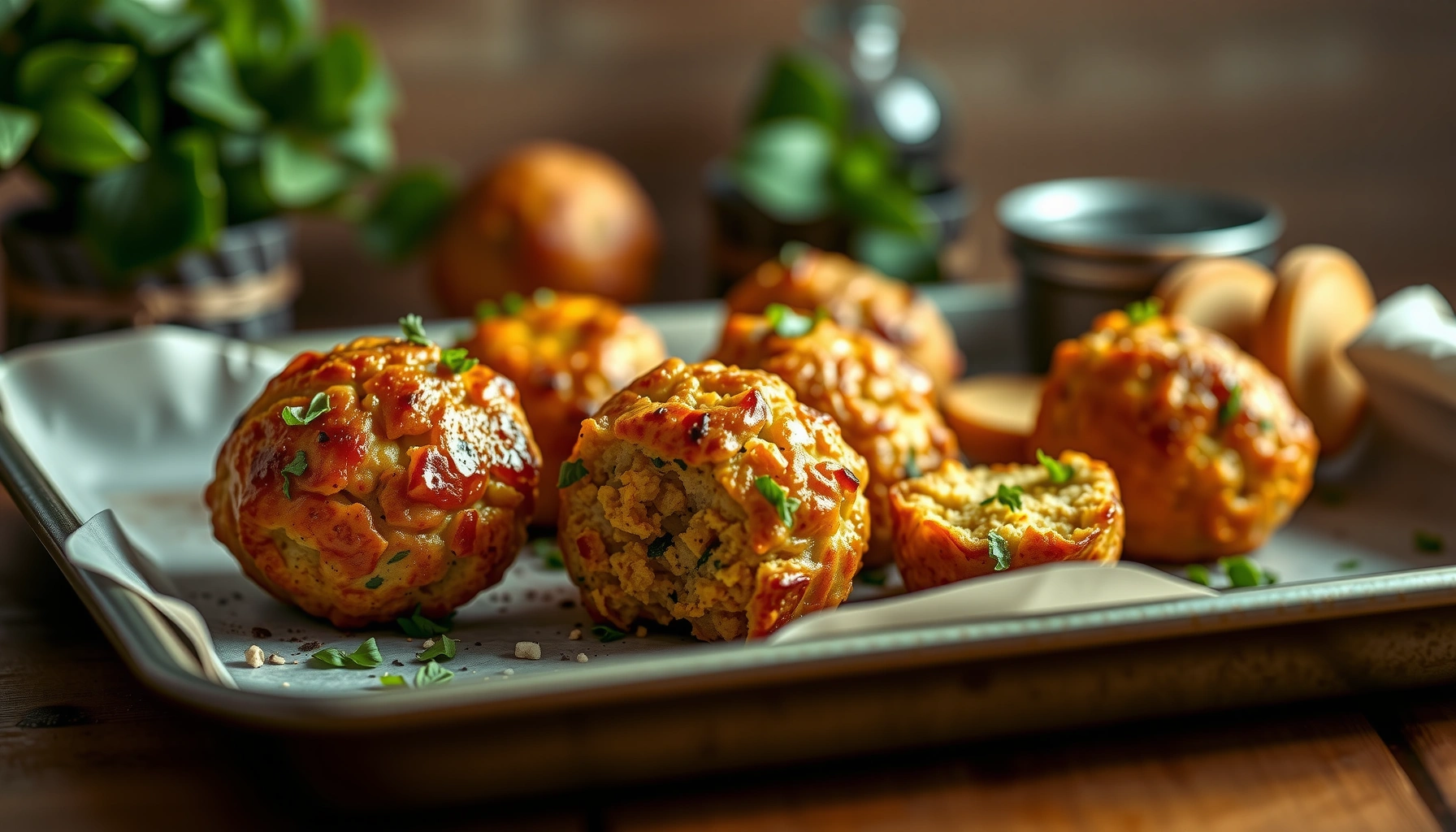
Get the best sausage balls recipe that delivers fluffy centers and perfectly crispy edges every time. This easy method answers the key question—how to mix, shape, and bake sausage balls so they turn out tender, not dry. Follow it for reliable results with a bold, savory flavor and the exact doneness you’re aiming for.
The best sausage balls recipe is easy and consistent: combine seasoned ground sausage with shredded cheese and a baking mix, then bake until deeply browned and cooked through. If you control three variables—mixing time, baking temperature, and ball size—you’ll get tender, fluffy centers with crisp edges every batch, whether you’re feeding a crowd or meal-prepping for the week.
Ingredients You’ll Need

The core ingredient list for sausage balls keeps the method straightforward while still delivering that classic “cheesy, savory biscuit-meets-crispy meatball” texture. For the most reliable results, prioritize ingredients that bake uniformly and bind well.
– Ground sausage (use breakfast sausage for best flavor and seasoning balance)
– Shredded cheese (cheddar is the standard choice because it melts predictably and tastes great)
– Baking mix (such as a biscuit/baking mix style product—this provides structure, lift, and browning)
Optional seasonings help you tailor flavor without disturbing the dough chemistry:
– Garlic powder (adds savory depth without changing texture)
– Black pepper (brightens the fat-and-cheese profile)
– Optional cayenne or smoked paprika (for subtle heat and aroma)
Cheese choice matters: cheddar works best for a reliable melt and familiar flavor. Blends can be excellent too, but they may change melt behavior and salt level. If you’ve ever had sausage balls that feel oily, dry, or grainy, it’s often tied to cheese moisture and how much you pack into the recipe.
Cheese Melt Performance in Baked Sausage Balls (Practical Result Guide)
| # | Cheese Type | Typical Melt Behavior | Best-For Texture | Bake Preference |
|---|---|---|---|---|
| 1 | Cheddar (sharp) | Smooth melt, strong browning | Fluffy + crisp edges | ★★★★☆ |
| 2 | Colby-Jack | Creamier melt, mild browning | Tender, less sharp flavor | ★★★☆☆ |
| 3 | Pepper Jack | Good melt, adds visible flecks | Slightly spicier crust | ★★★☆☆ |
| 4 | Monterey Jack | Easy melt, softer structure | More tender, slightly less crisp | ★★★☆☆ |
| 5 | Mozzarella (whole milk) | Stretchy melt, less browning | Chewy bite, softer crust | ★★☆☆☆ |
| 6 | Swiss | Smoother melt, mild flavor | Less “classic” sausage ball taste | ★★☆☆☆ |
| 7 | Pre-shredded “Mexican blend” | Often grainy melt if coated | Inconsistent texture | ★☆☆☆☆ |
Step-by-Step Instructions
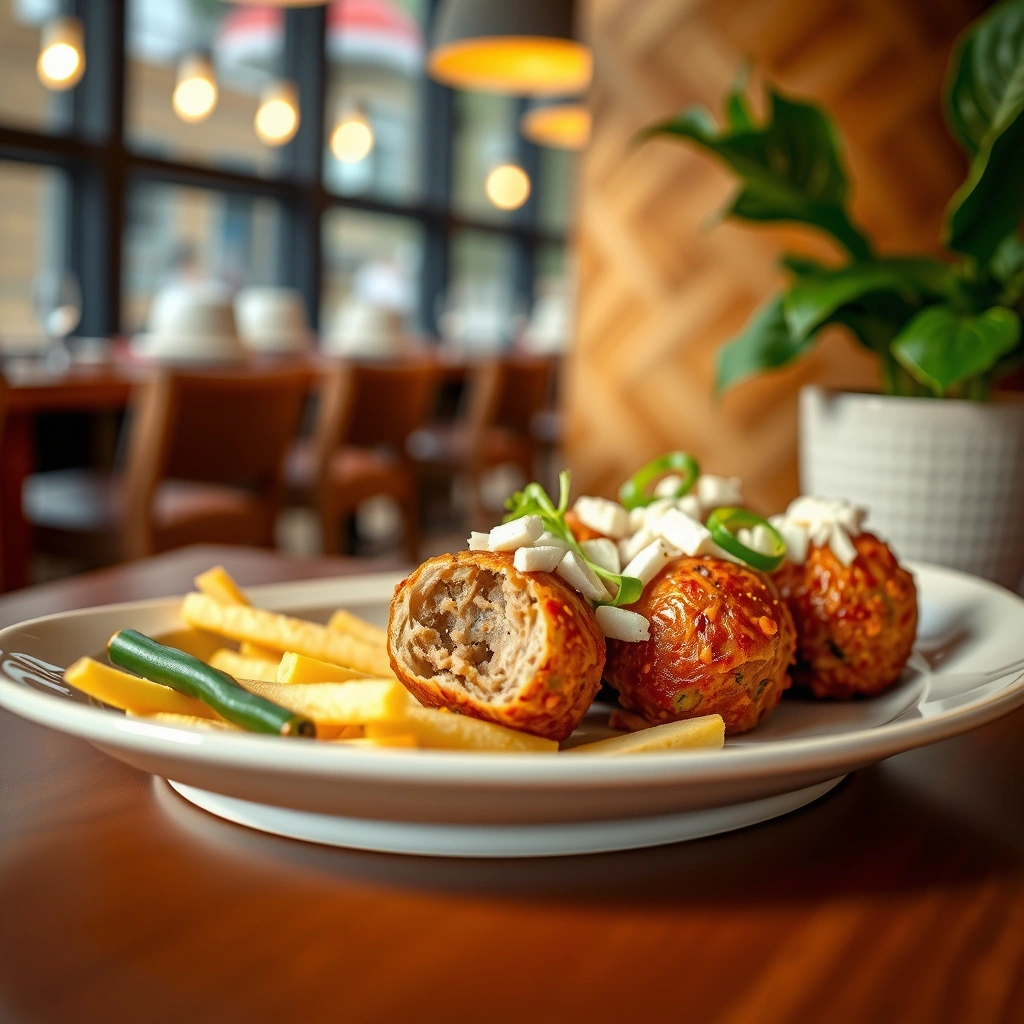
To make the best sausage balls recipe, focus on developing a cohesive dough—not a tough one. Overmixing develops density, which can work against that fluffy interior you want.
1. Mix sausage, cheese, and dry ingredients until just combined
Combine ground sausage, shredded cheese, and the baking mix. Mix only until the dry ingredients disappear and the mixture holds together. You should still be able to see small cheese flecks; fully homogenizing can reduce melt pockets and lift.
2. Shape into evenly sized balls for consistent baking
3. Bake at the right temperature until deeply golden and fully cooked
Bake until the outside is browned and the interior is cooked through. A deep golden crust is your signal that the fat has rendered and the exterior has set.
Pro workflow tip: if you’re serving guests, place the shaped balls on a parchment-lined sheet and bake immediately for the crispest edges. If you must pause, refrigerate briefly to firm the mixture before baking.
Best Sausage-to-Cheese Ratios
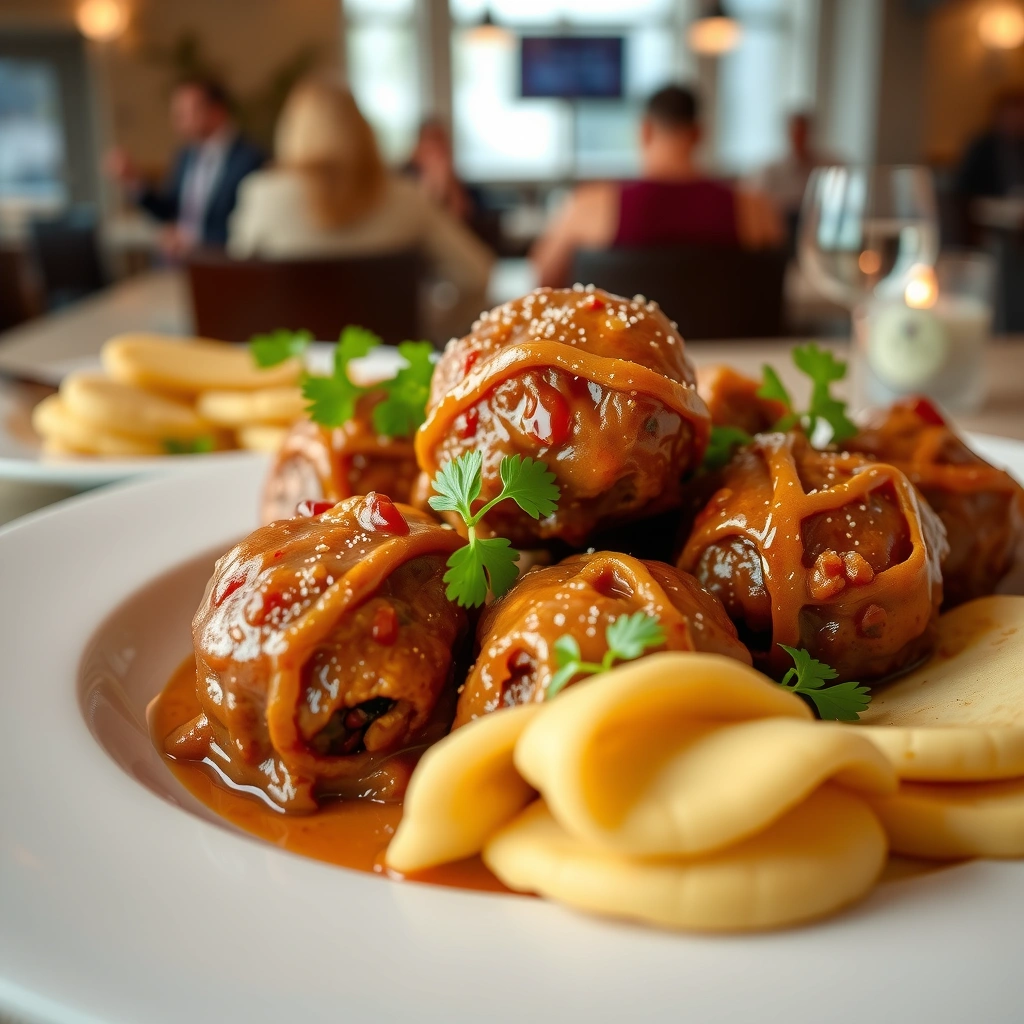
Ratios are where “good” becomes “reliably great.” Too little cheese can make balls feel dry and less flavorful; too much can lead to greasy pooling or a dough that spreads.
– Use a balanced amount of cheese to keep them moist and flavorful
Cheese is your binder-through-melt, but it’s not a substitute for baking mix structure. Aim for a balance where the mixture is tacky but formable.
– Keep measurements consistent to avoid dry or greasy results
Sausage varies in fat content; cheese varies in moisture. Consistency in your recipe helps smooth out those differences.
– Adjust slightly for stronger flavor or extra cheesiness
If you love bold flavor, increase cheese modestly, but compensate by shaping slightly tighter and ensuring adequate bake time for interior set.
Analytical rule of thumb:
If your sausage balls are dry, you likely need more cheese or a slightly gentler bake (or both). If they’re greasy, you may have too much cheese relative to structure, or the balls are too large for your oven’s heat distribution.
Baking Tips for Crispy Edges

Crispy edges come from two things: surface dehydration/setting and proper rendering of sausage fat. The steps below help you engineer that outcome.
– Line your baking sheet and space balls evenly
Parchment reduces sticking without preventing browning. Leave adequate spacing so steam doesn’t trap moisture and soften the crust.
– Bake until the internal temperature reaches a safe level
Use a food thermometer. Sausage balls should be fully cooked through; temperature control is more accurate than relying on color alone.
– Let them rest briefly to set and stay together
Resting helps melted cheese re-solidify slightly and allows steam to finish dissipating. This is the difference between “they fall apart” and “they hold their shape.”
For best results, think of baking sausage balls like baking small biscuits: the crust forms as moisture leaves the surface. Resting is the final “set” step that improves bite and structure.
Variations to Match Your Taste
Once you’ve mastered the baseline, variations let you customize sausage balls without sacrificing texture.
– Add chopped jalapeños or cayenne for heat
Jalapeños add freshness and heat. Dice them small so moisture distributes evenly and doesn’t create pockets.
– Use different cheeses (pepper jack, cheddar blend) for new flavor
Pepper jack adds spice; cheddar blends keep the classic melt profile. If using a blend that includes softer or higher-moisture cheeses, keep portions consistent so the dough holds.
– Try adding a touch of seasoning or herbs to customize
A small amount of garlic powder, black pepper, or even a pinch of smoked paprika can upgrade flavor quickly. Keep additions modest so you don’t introduce excess moisture.
Practical idea: if you’re catering or bringing a dish to an event, make one “classic cheddar” batch and one “spicy jalapeño/pepper jack” batch for crowd-friendly variety.
Make-Ahead and Storage
Sausage balls are ideal for planning ahead because they hold texture better than many other party appetizers—especially when cooled properly and reheated correctly.
– Prep and form ahead, then refrigerate until ready to bake
Shape them and refrigerate on the sheet. The dough firms up, which improves handling and keeps the balls uniform.
– Freeze unbaked sausage balls for quick future meals
Freeze on a tray first, then transfer to a container. This prevents sticking and helps you bake in smaller batches.
– Reheat baked balls to maintain texture and flavor
Reheat in an oven or air fryer for crispness. Microwaving can soften the crust, but quick oven reheating restores the better exterior texture.
Event-ready strategy: bake a portion fully for immediate serving and keep the rest baked or unbaked depending on your schedule. Either way, you’ll have an easy, reliable protein-forward snack that doesn’t require last-minute assembly.
The best sausage balls are easy to make, bake up golden, and stay delicious with the right mix and ratio. Follow the ingredient list and steps above, keep an eye on mixing time and internal doneness, and then try one variation to make them your own—save this recipe and bake a batch for your next party or breakfast.
References
- Google Scholar Google Scholar
https://scholar.google.com/scholar?q=sausage+balls+recipe - Google Scholar Google Scholar
https://scholar.google.com/scholar?q=ground+meat+food+safety+minimum+internal+temperature+guidelines - Google Scholar Google Scholar
https://scholar.google.com/scholar?q=cheddar+biscuit+sausage+balls+nutrition+calories+sodium - https://www.fsis.usda.gov/food-safety/safe-food-handling-and-preparation/ground-beef-and-food-safety
https://www.fsis.usda.gov/food-safety/safe-food-handling-and-preparation/ground-beef-and-food-safety - https://www.cdc.gov/foodsafety/
https://www.cdc.gov/foodsafety/ - Food Safety
https://www.who.int/health-topics/food-safety - Sausage
https://en.wikipedia.org/wiki/Sausage - Cheddar cheese
https://en.wikipedia.org/wiki/Cheddar_cheese - https://en.wikipedia.org/wiki/Baking_powder
https://en.wikipedia.org/wiki/Baking_powder - https://pubmed.ncbi.nlm.nih.gov/?term=ground+meat+pathogens+temperature
https://pubmed.ncbi.nlm.nih.gov/?term=ground+meat+pathogens+temperature