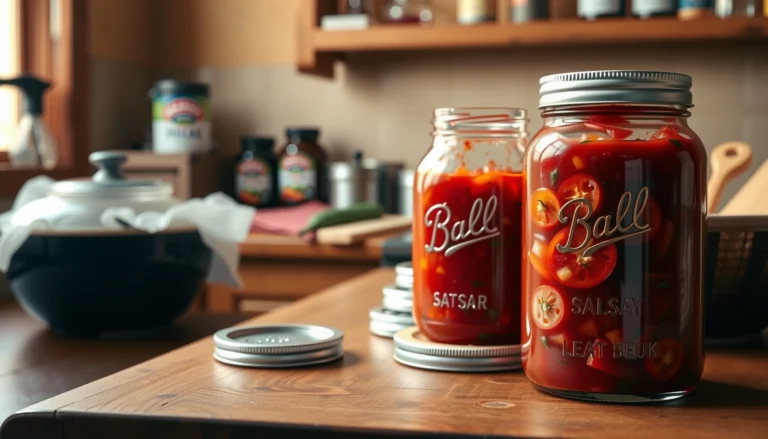
Looking for a Ball spaghetti sauce canning recipe that keeps jars safe and delivers reliable flavor? This guide gives you the exact hot-water or pressure canning approach for spaghetti sauce so you can follow processing times with confidence. You’ll learn what to pack, how to prepare the jars, and the fail-proof steps that prevent unsafe seals—so your canned sauce is ready to open and serve without guesswork.
Ball spaghetti sauce canning is a safe, flavorful way to preserve homemade sauce—use a tested water bath canning method and follow correct jar/headspace steps. This guide delivers a reliable Ball spaghetti sauce canning recipe and the practical process details you need to produce shelf-stable jars with consistent quality and safety.
Ball spaghetti sauce is one of the most rewarding canning projects because it starts with simple ingredients and ends with a “ready-to-use” meal solution. That said, food safety depends less on flavor and more on method: correct prep, correct headspace, correct jar/lid integrity, and the right Ball-tested processing time (including altitude). Below, you’ll find a step-by-step approach consistent with Ball water bath canning fundamentals—so you can focus on dialing in taste while maintaining safe preservation standards.
Why Home Canning Reliability Depends on Process Control (Typical Outcomes)
| # | Process Step | Common Failure Mode | Impact on Jar Quality | Expected Result If Done Correctly |
|---|---|---|---|---|
| 1 | Ball-tested recipe & method | Unapproved recipe changes | High | Shelf-stable safety |
| 2 | Sufficient simmer/heat | Cold-fill or underheated sauce | Medium–High | More consistent fill & air removal |
| 3 | Correct headspace (per Ball) | Too little/too much space | Medium | Reduced siphoning & seal issues |
| 4 | Bubble removal & rim wipe | Trapped air or sauce on rim | Medium | Better vacuum seal reliability |
| 5 | Water level & boil timing | Under-submersion or late timer start | High | Proper heat penetration |
| 6 | Altitude adjustment | Processing time too short | High | Time-temperature safety compliance |
| 7 | Cooling & seal confirmation | Moving/jarring too early | Medium | Stable seals, less risk of failure |
Ball-Spaghetti Sauce Ingredients & Prep
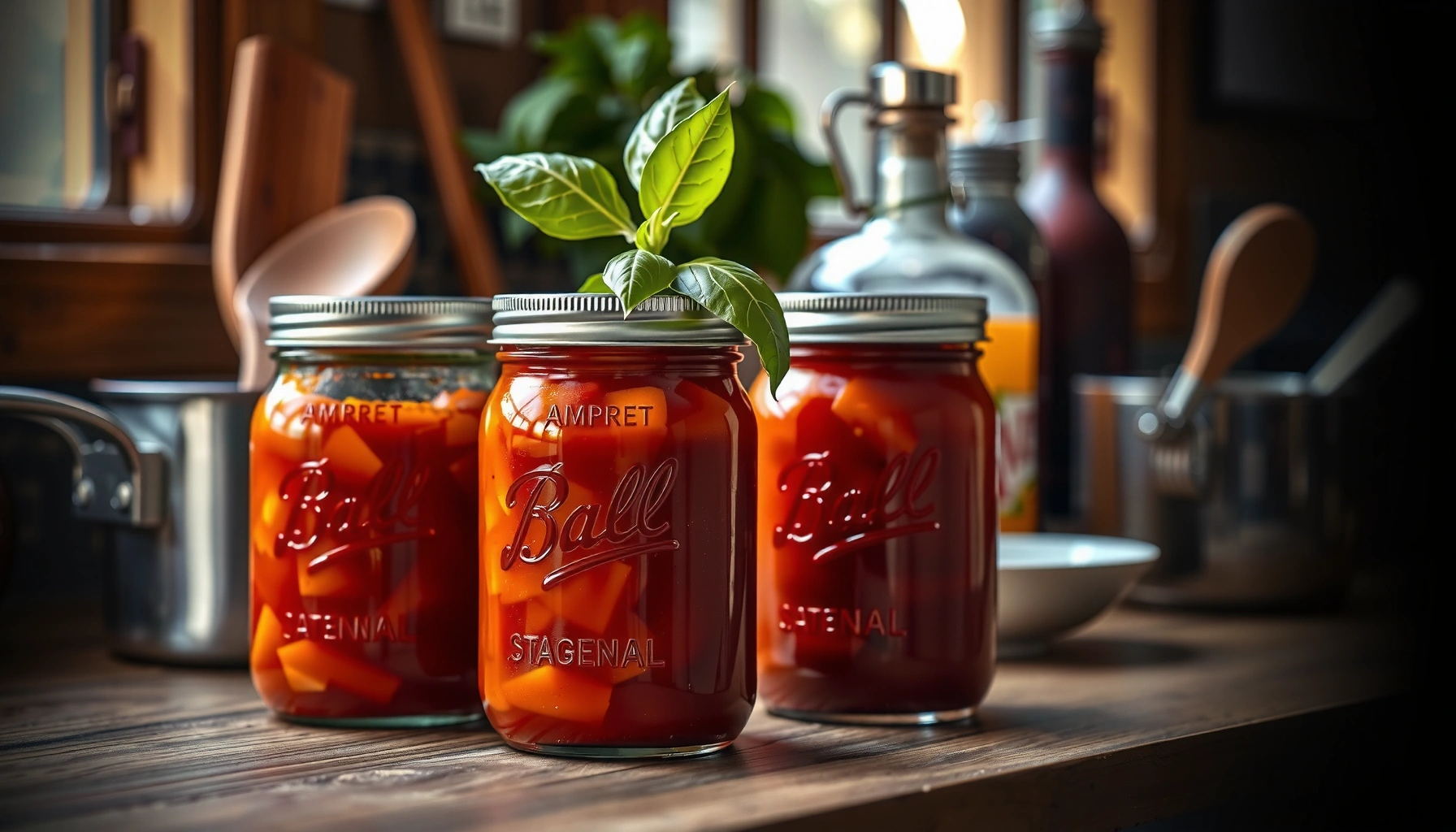
A successful Ball spaghetti sauce canning recipe starts with two priorities: (1) ingredients that behave predictably in a heated, vacuum-sealed jar and (2) prep that reduces “raw ingredient surprises” (like inconsistent texture or air pockets).
Start with a reliable sauce base. Many canners use a tomato-forward system because tomatoes provide the acidity profile needed for water bath canning when the recipe is tested. A typical approach includes:
– Tomatoes (crushed, diced, or tomato puree), depending on your texture preference
– Onion and garlic for flavor depth
– Seasonings such as salt, dried herbs (basil/oregano), black pepper, and optional sugar to balance acidity
– Optional vegetables (e.g., finely chopped peppers or carrots) only if they match the tested recipe parameters
Use fresh or cooked sauce base ingredients (onion, garlic, tomatoes, seasonings). When you’re canning spaghetti sauce, it’s not enough to “combine and fill.” You want the sauce to be cooked enough that the flavors meld and the mixture fills consistently.
Prepare vegetables thoroughly (chop/cook to reduce raw-ingredient issues). Raw or undercooked onion can sometimes create uneven texture after processing. Chop onion and garlic finely and sauté them until translucent and fragrant—this improves mouthfeel and reduces clumping.
Keep everything hot as you fill jars for best results. Fill with hot sauce directly from the cooking pot. Hot filling helps prevent temperature shock, improves jar-to-sauce consistency, and supports a more predictable headspace once bubbles are removed.
Practical quality tip: If your sauce is very thick, heat it until it reaches a spoonable consistency. Sauce that’s too thick can trap air and make headspace control harder; sauce that’s too thin can separate during cooling. The “sweet spot” is a viscosity that pours steadily but doesn’t run like water.
Example batch yield (planning-friendly)
A common planning assumption is that a standard batch of spaghetti sauce can yield about 7–9 pints depending on how thick you cook it and the exact headspace you maintain. Measure your fill consistently to avoid running short mid-process.
Choosing the Right Ball Jars, Lids, and Tools
Jar and lid selection is where canning meets risk management. Your goal is to protect the integrity of the glass and the vacuum seal that makes water bath canning viable.
– Use Ball canning jars rated for canning. Use only jars made for home canning (e.g., regular-mouth or wide-mouth canning jars, not beverage glass). Check that the jar size matches your recipe yield.
– Use new lids (rings reusable) and inspect jars for chips/cracks. Replace lids every time. Rings can be reused if they’re not bent or corroded, but new lids are essential for reliable sealing.
– Gather essentials: canner, jar lifter, funnel, headspace tool, timers. These tools aren’t “nice-to-haves.” They improve safety and consistency:
– Water bath canner with a rack (keeps jars from touching the pot)
– Jar lifter to prevent rim slips or drops
– Funnel to prevent sauce from contaminating rims
– Headspace tool to control the exact space above the sauce
– Timer so the processing time begins when the water returns to a full rolling boil
Inspection checklist before you start:
Look for hairline cracks, chips on jar lips, cloudy glass, and compromised threads. Even small defects can lead to seal failure or breakage.
Why rings matter (but not how you tighten): Rings hold lids in place only during processing. Tightening rings “as tight as possible” can interfere with proper venting. Follow Ball guidance: apply snugly—don’t overtighten.
Step-by-Step Ball Water Bath Canning Process
The canning process is a sequence. Skip or improvise at one step, and you may see preventable issues like siphoning, underprocessing, or failed seals.
– Fill jars with sauce, leaving the correct headspace for Ball recipes. Headspace is not a suggestion; it’s a requirement. Use the headspace measurement specified by the Ball spaghetti sauce canning method you follow, and adjust if you accidentally overfill.
– Remove air bubbles and adjust headspace if needed. Bubbles can occupy space that later expands as the sauce heats. After you remove bubbles (using a non-metallic headspace tool or bubble remover appropriate for jars), re-check headspace and add sauce if necessary.
– Wipe rims clean, apply lids, and process in a boiling water bath. Before lids go on, wipe rims to remove sauce residue. Any residue can prevent sealing.
A reliable operational workflow
1. Preheat your water bath and set the rack in place.
2. Warm jars (optional in many modern guides, but helpful if your kitchen is cool) so thermal shock risk is minimized.
3. Simmer your sauce hot until you’re ready to fill. Keep it at a steady heat.
4. Fill to the specified headspace using a funnel.
5. De-bubble and adjust headspace to match Ball’s direction.
6. Wipe rims, apply lids, add rings snugly.
7. Lower jars into the canner and ensure water covers them by the required amount.
8. Start timing only when you reach a full rolling boil. Maintain a consistent boil so the processing time is accurate.
Quality control detail: If you notice the boil is uneven, adjust your heat to maintain rolling boil rather than letting it simmer. Inconsistent boiling can shorten effective heating.
Processing Time, Altitude, and Safety Checks
This is where accuracy matters most. Water bath canning depends on time and temperature assumptions; altitude affects boiling point and heat transfer.
– Use the Ball-tested processing time for spaghetti sauce. Always process using the time listed for your specific product style (e.g., spaghetti sauce) and jar size (pints vs quarts) from Ball’s tested guidance.
– Adjust processing time for altitude (longer at higher elevations). As elevation increases, water boils at a lower temperature, meaning you need longer processing to achieve the same safety outcome.
– After canning, confirm seals and cool jars undisturbed. Let jars cool naturally. Don’t retighten lids. Don’t move jars during active cooling, which can disturb the forming seal.
Altitude processing needs to be “timer-accurate”
A common mistake is assuming “it’s basically a tomato sauce” and using the wrong time. Instead, think like a process engineer: use the tested schedule, then adjust for your altitude using the table from Ball.
Safety checks you should perform after processing:
– Let jars cool at least 12–24 hours undisturbed.
– Check that lids are concave (sealed).
– Remove rings and see if lids flex when pressed gently (sealed lids should not pop up).
– Refrigerate any jar that didn’t seal and use soon, or reprocess promptly with a new lid if the sauce and jar are still within safe handling expectations.
Ball-Style Spaghetti Sauce Water Bath: What to Verify Before You Start
| ✓ | Verification Item | What “Correct” Looks Like | Why It Matters | Risk if Missed |
|---|---|---|---|---|
| ★ | Correct recipe type (water bath) | Tested Ball spaghetti sauce method | Safety validation relies on acidity/process | High |
| ★ | Jar size match | Pints vs quarts used consistently | Time is jar-size specific | High |
| ★ | Headspace per Ball | Measured using headspace tool | Controls seal and boil behavior | Medium |
| ★ | Rolling boil timing | Timer starts at full boil | Ensures heat penetration | High |
| ★ | Altitude adjustment | Time increased according to elevation | Compensates for lower boiling temp | High |
| ★ | Rim cleanliness | No sauce/particles on rim | Vacuum seal depends on rim contact | Medium |
| ★ | Cooling undisturbed | Jars untouched 12–24 hours | Seal completes during natural cooling | Medium |
Cooling, Labeling, and Long-Term Storage
Even the best canning process can be undermined by rushed cooling, unclear labeling, or improper storage conditions. Treat this part like inventory management.
– Cool jars 12–24 hours without moving or tightening lids. Move jars only after seals have fully set. Don’t press down on lids or retighten rings—vacuum sealing needs stability.
– Label with date/batch and rotate stock using “first in, first out.” Use a permanent marker to write:
– canning date
– sauce style (e.g., “Marinara—basil/garlic”)
– batch notes (thickness, added vegetables, spice level)
– Store in a cool, dark place and inspect before using. Storage conditions influence shelf life and quality. Keep jars away from heat and sunlight and inspect lids and contents before use.
Storage best practices (real-world friendly):
– Store flat in a single tier or on shelves; avoid temperature swings (garage vs kitchen can vary dramatically).
– Keep jars organized by date so you can use older stock first.
– Before serving, check for off odors, spurting, or signs of spoilage. If any jar looks compromised, don’t taste it.
Troubleshooting Common Canning Issues
Canning issues often have root causes you can control next time. Below are the most common problems related to spaghetti sauce canning—along with corrective actions.
– If jars don’t seal, reprocess with new lids or refrigerate and use soon.
Non-sealed jars aren’t automatically unsafe if handled properly, but they aren’t shelf-stable. Refrigerate and use within a short window. For reprocessing, use a new lid and verify jar rim condition.
– If you see siphoning, verify headspace and processing consistency next time.
Siphoning (liquid loss around the lid) is frequently linked to excessive headspace, overfilling, or too-strong/too-weak boiling that causes lid-area bubbling and overflow. Tighten control by measuring headspace and maintaining a steady rolling boil.
– If sauce separates, check recipe balance and follow heating/filling steps.
Separation can happen when sauce is undercooked, too thin, or filled without achieving the proper heat and bubble control. The fix is to heat sauce consistently, maintain a viscosity appropriate for spooning/pouring, and follow the tested steps rather than improvising ingredients or thickness.
When to stop troubleshooting and start preventing:
If you’re repeatedly seeing failures, don’t just “try again.” Audit the entire workflow: recipe match, headspace tool use, rim wipe technique, lid integrity, rolling boil timing, and altitude adjustments.
Ball spaghetti sauce canning is a safe, delicious preservation method when you treat it as a measured process—not a casual cooking project. By using a tested Ball recipe and method, selecting proper Ball jars and new lids, maintaining correct headspace, and following the correct water bath processing time (including altitude), you can produce shelf-stable jars with dependable seals and consistent flavor. Cool jars undisturbed, label for inventory control, and inspect before use—then apply the troubleshooting lessons above to refine texture and sealing success over time.
References
- Google Scholar Google Scholar
https://scholar.google.com/scholar?q=ball+spaghetti+sauce+canning+recipe - Google Scholar Google Scholar
https://scholar.google.com/scholar?q=home+canning+spaghetti+sauce+tomato+sauce+procedure - Google Scholar Google Scholar
https://scholar.google.com/scholar?q=safe+home+canning+tomato+sauce+acidification+lemon+canning - | National Center for Home Food Preservation
https://nchfp.uga.edu/how/can_04/tomato_sauce.html - https://nchfp.uga.edu/how/can_04/tomatoes.php
https://nchfp.uga.edu/how/can_04/tomatoes.php - https://nchfp.uga.edu/how/can_06/vegetables_and_mix.php
https://nchfp.uga.edu/how/can_06/vegetables_and_mix.php - https://www.fsis.usda.gov/food-safety/safe-food-handling-and-preparation/preserving-foods/canning
https://www.fsis.usda.gov/food-safety/safe-food-handling-and-preparation/preserving-foods/canning - https://extension.umn.edu/preserving-and-preparing/canning-tomato-products
https://extension.umn.edu/preserving-and-preparing/canning-tomato-products - https://extension.psu.edu/home-food-preservation-canning-tomatoes-and-tomato-products
https://extension.psu.edu/home-food-preservation-canning-tomatoes-and-tomato-products - Canning
https://en.wikipedia.org/wiki/Canning