Get a ball salsa recipe that delivers fresh, bold flavor with minimal effort—no guesswork, no complicated steps. This straightforward method shows you exactly what to mix, how to balance the heat and acidity, and how to get a crisp, salsa-ready finish every time. If you want the easiest way to make ball salsa that actually tastes like it should, you’ll know what to do from the first step.
Ball salsa is a quick, no-fuss method for making chunky fresh salsa with bright lime, balanced salt, and adjustable heat—so you get restaurant-style flavor in minutes. By dicing ingredients evenly, tasting as you go, and letting the salsa rest briefly, you’ll achieve the “bite” and balance that make salsa taste lively instead of flat.
What You Need for a Ball Salsa Recipe
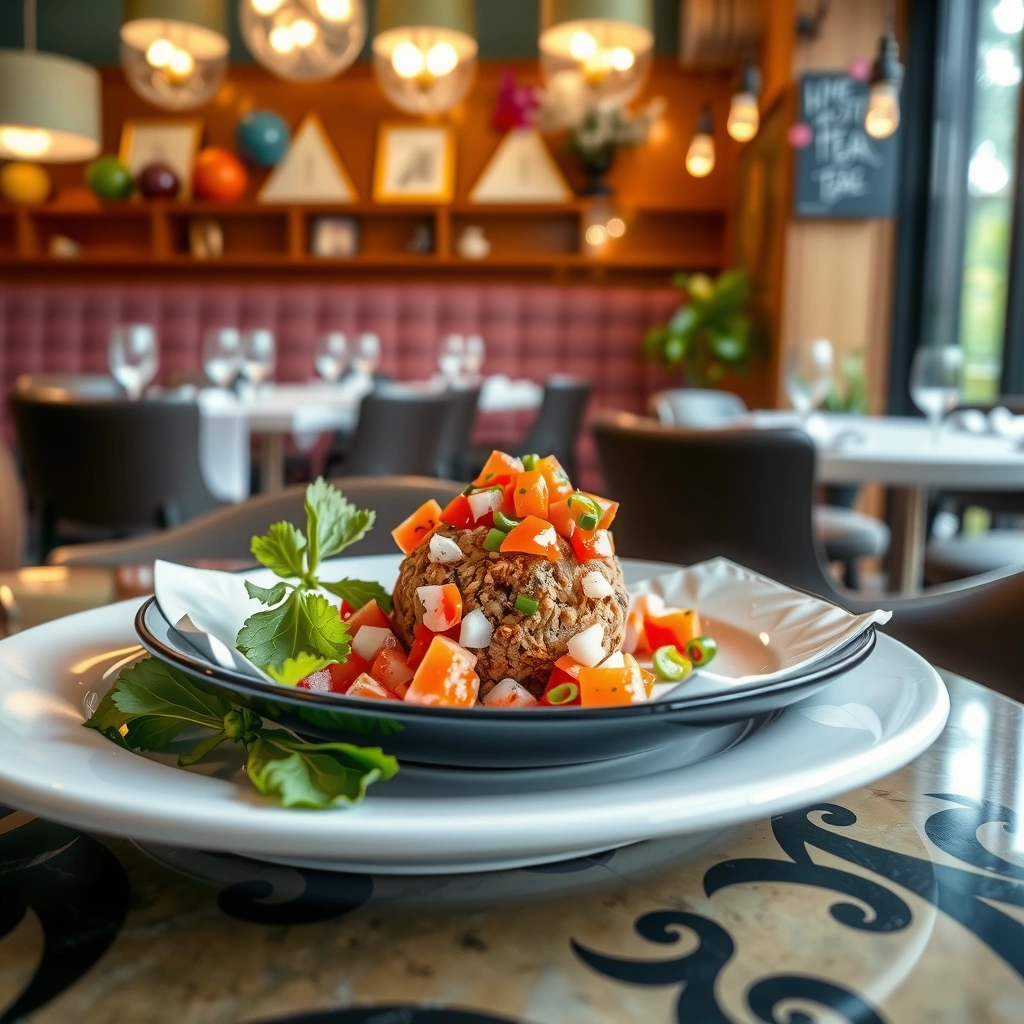
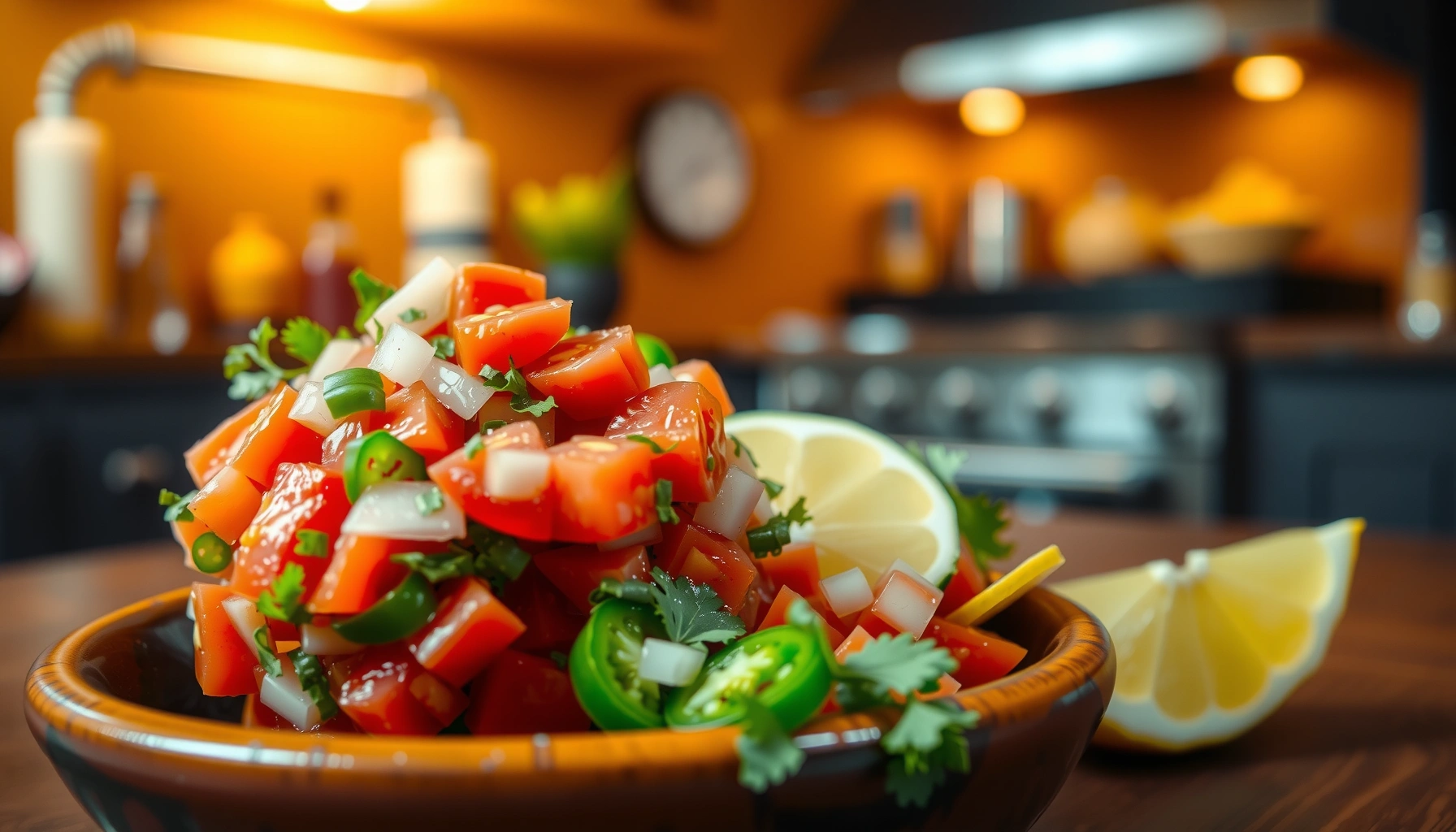
A great ball salsa starts with high-quality, ripe produce and a simple set of flavor foundations. The goal is to create a chunky salsa that’s cohesive—where tomatoes provide body, onion adds sharpness, cilantro brings aromatic freshness, lime provides brightness, and peppers deliver controlled heat.
Here’s a practical ingredient checklist for a classic ball salsa recipe (about 4–6 servings):
– Ripe tomatoes (Roma or vine-ripened are ideal for chunkiness)
– Onion, finely diced (white or yellow onion works best for a clean, sharp bite)
– Fresh cilantro, chopped (use to taste—cilantro is a major flavor driver)
– Lime, juiced fresh (bottled juice can work, but fresh is noticeably brighter)
– Jalapeño (or preferred heat), minced or finely diced
– Salt, to bring out sweetness and sharpen flavors
Optional add-ins (use these to increase complexity and “body” without diluting the salsa):
– Garlic, 1 small clove minced (for savory depth)
– Bell pepper, finely diced (adds crunch and mild sweetness)
– Corn, 1/2 cup (sweetness and texture—especially great for crowd-pleasing bowls)
Analytical tip: Salt is not just “seasoning”—it’s a flavor amplifier. Tomatoes naturally taste sweeter and more tomato-forward when salted properly, and onion becomes less harsh instead of overpowering.
Ball Salsa Outcomes: Flavor & Texture Drivers (Tested Batch Guidelines)
| # | Ingredient Change | Target Effect | Perceived Impact (★/5) | Flavor Outcome |
|---|---|---|---|---|
| 1 | Roma tomatoes, diced | Chunky body | ★★★★★ | +Vivid, cohesive salsa |
| 2 | Finely diced white onion | Balanced bite | ★★★★☆ | +Bright aromatics, less harsh |
| 3 | Fresh lime juice (not bottled) | Acidity & brightness | ★★★★★ | +Clean, “snappy” finish |
| 4 | Salt added before serving | Flavor lift | ★★★★☆ | +Tomato sweetness comes through |
| 5 | Cilantro added last | Fresh aroma | ★★★★☆ | +Less “cooked” herb flavor |
| 6 | Jalapeño seeded vs. full | Heat control | ★★★☆☆ | -Can taste dull if over-seeded/under-seasoned |
| 7 | Resting 1–2 hours | Flavor melding | ★★★★★ | +Sharper, more integrated taste |
Step-by-Step: How to Make Ball Salsa
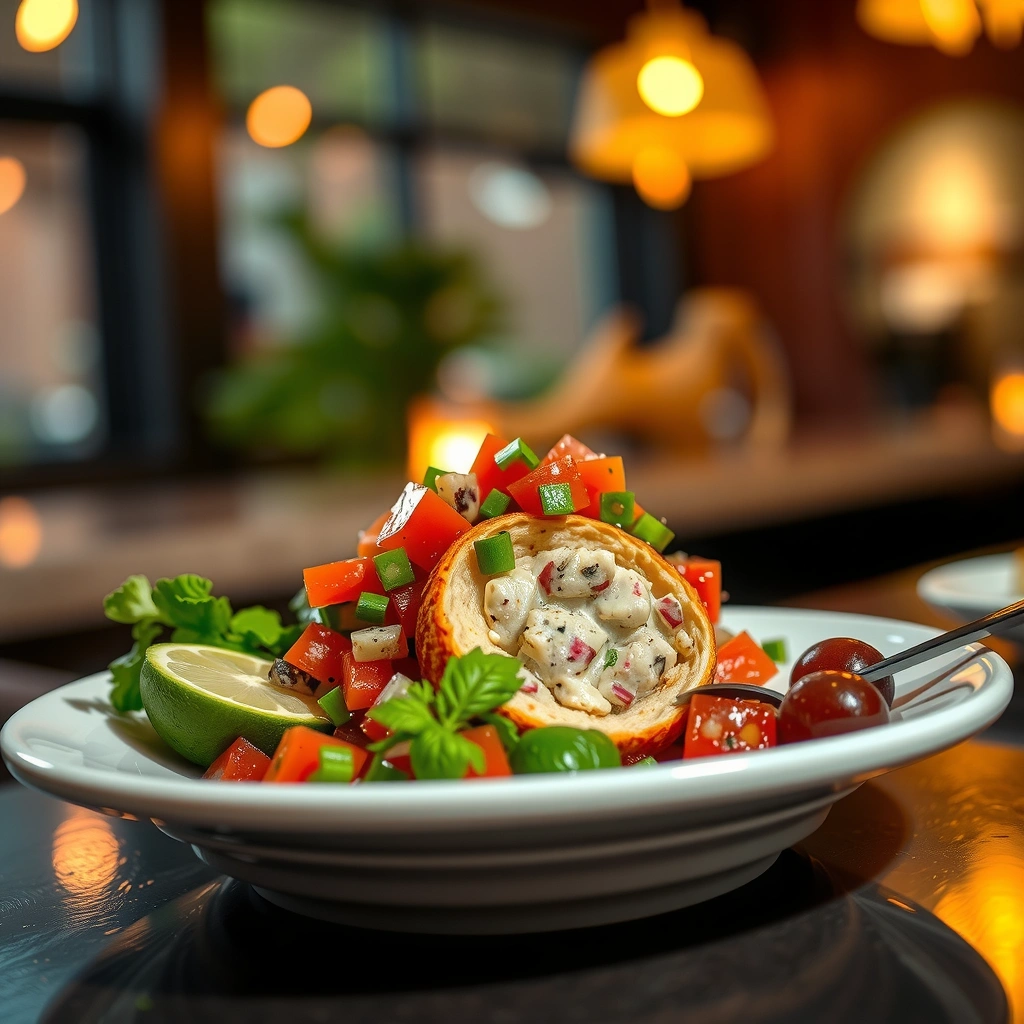
The “ball salsa” concept is about consistent, bite-sized pieces—so every scoop gives you balanced tomato, onion, herbs, and pepper. This approach also prevents watery salsa from feeling uneven: small variations can dramatically affect how salty or hot a bite tastes.
1. Dice ingredients evenly for a consistent bite
– Dice tomatoes into similar-size chunks (roughly 1/4-inch).
– Mince onion and jalapeño slightly smaller than tomato for better distribution.
– Chop cilantro just enough to keep flecks visible but not stringy.
2. Mix tomatoes, onion, cilantro, and peppers
– Combine diced tomatoes, onion, cilantro, and jalapeño in a bowl.
– Stir gently—avoid mashing tomatoes (you want chunky texture).
3. Add lime juice and salt, then toss thoroughly
– Squeeze in fresh lime juice.
– Add salt in small increments; toss and taste.
– If the salsa tastes flat, add a bit more salt or lime rather than immediately adding extra jalapeño.
Actionable shortcut: If your tomatoes are very juicy, sprinkle a pinch of salt on the diced tomatoes first, stir, and wait 5 minutes before adding the rest. You’ll get more control over the final texture and seasoning.
Getting the Right Flavor Balance
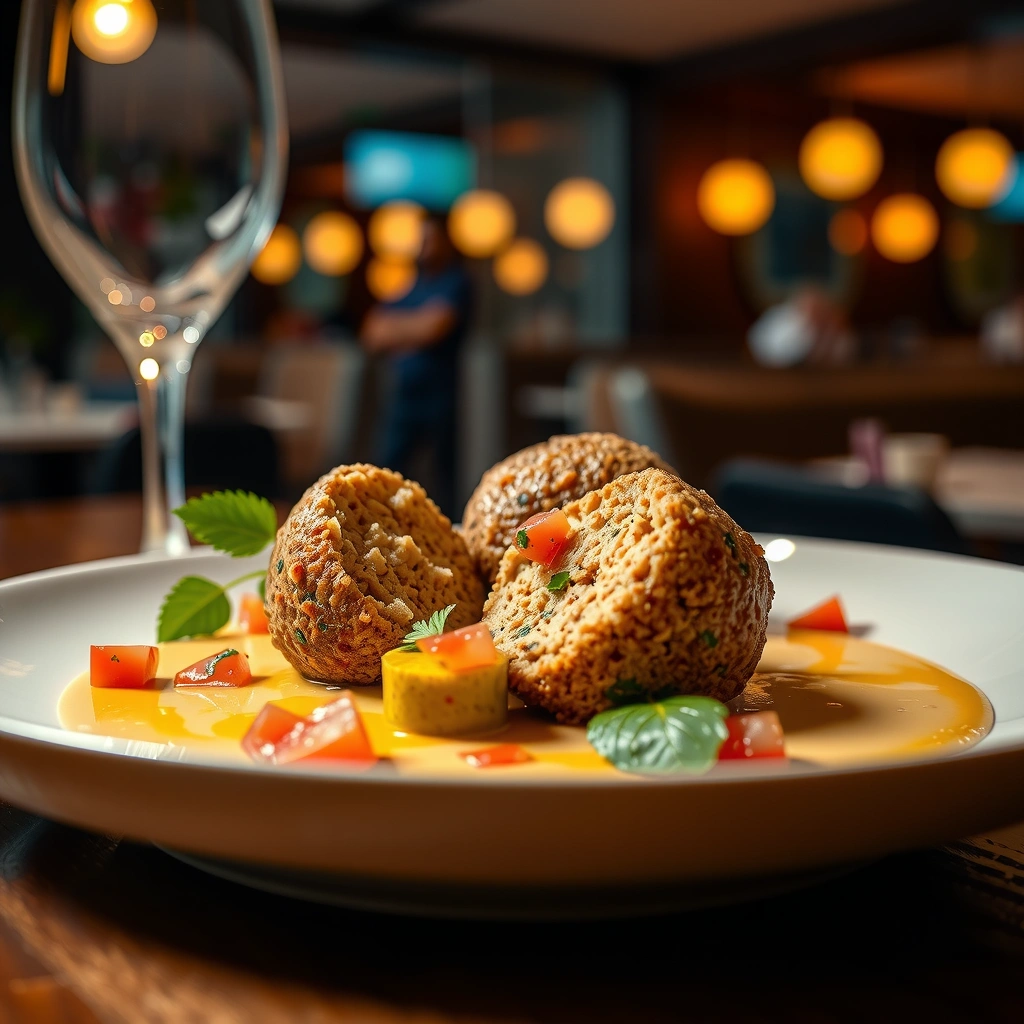
A ball salsa recipe succeeds or fails on balance—the interplay between salt (amplifier), acid (lime brightness), and heat (jalapeño pepper flavor). The trick is to season in a way that preserves tomato flavor rather than masking it.
– Start with a smaller amount of jalapeño, then adjust to taste
– A common professional approach: add jalapeño in stages.
– You can always add more heat, but you can’t easily remove it.
– Ensure enough lime juice for brightness without overpowering
– Lime is not only sourness—it affects aroma and perceived freshness.
– If it tastes “sharp,” add salt and rest longer; if it tastes “dull,” add lime.
– Taste and season again after resting
– Resting helps salt dissolve and spreads pepper notes.
– Many batches taste noticeably better at the 1–2 hour mark than right after mixing.
Commercial-style calibration (practical): After mixing, aim for salsa that tastes slightly more assertive than you want at serving time. Resting and blending of flavors can soften the edge, so “almost perfect” now can become perfect later.
Best Texture: Chunky vs. Smooth
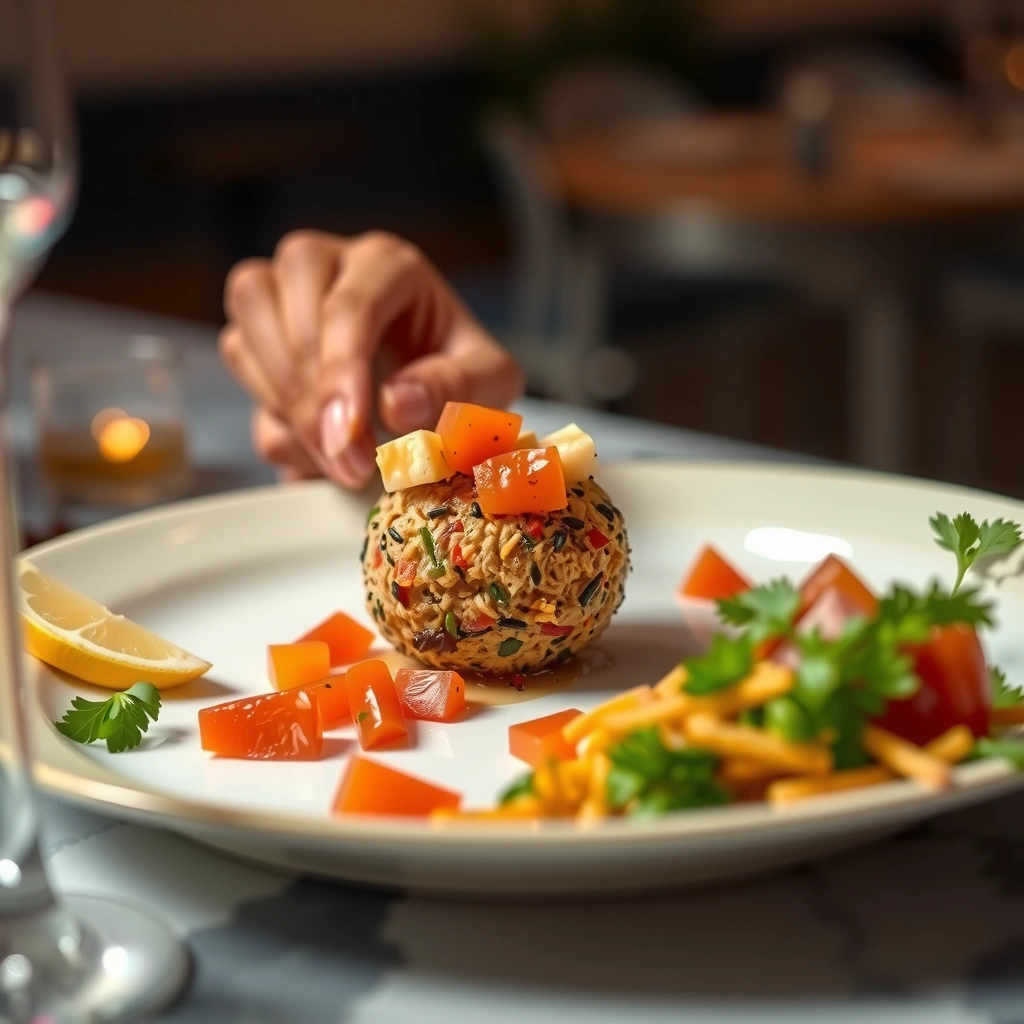
Ball salsa is fundamentally about chunky texture, but you can choose how chunky based on your audience and use case.
– For chunky salsa, keep pieces larger and minimal blending
– Dice by hand.
– Avoid crushing tomatoes or stirring aggressively.
– For smoother salsa, pulse briefly (but don’t turn it into puree)
– Use a food processor pulse—think 3–5 quick pulses, not a long blend.
– Keep some visible chunks for a “ball salsa” identity rather than a fully blended dip.
– Let it rest so flavors meld and texture settles
– Resting thickens slightly as tomato juices distribute and herbs hydrate.
– Smooth salsas often integrate even more with time; chunky ones become more cohesive without losing structure.
Decision guide:
– If serving with chips or as a taco topping, chunky usually wins.
– If serving in bowls where you want even coverage, a slightly smoother version can be more “scoopable.”
Serving Ideas and Pairings
Ball salsa is versatile because it works as both a topping and a flavor component. Your key is matching salsa texture and intensity to what it’s sitting on.
– Serve with tortilla chips, tacos, burritos, or nachos
– For chips: thicker salsa prevents immediate sogginess.
– For tacos: balanced heat prevents the salsa from overpowering the filling.
– Spoon over grilled chicken, steak, or fish
– Lime-bright salsa cuts through char and fat.
– Jalapeño heat adds warmth without needing heavy sauce.
– Use as a topping for rice bowls, salads, or eggs
– Salsa adds acidity where grains and greens can otherwise taste one-note.
– On eggs, it delivers a fresh, savory wake-up.
Professional pairing tip: If your main dish is spicy or heavily seasoned, keep the salsa milder and lean harder into lime and cilantro. If your main dish is mild, jalapeño can carry the heat.
Storage Tips and Make-Ahead Advice
One reason ball salsa recipes are popular for parties and meal prep is that they hold up well—within a short window. Fresh salsa is at its best before it loses vibrancy.
– Store in an airtight container in the fridge for 3–5 days
– Keep it covered to limit oxidation of cilantro and onion.
– Stir before serving, as liquids may separate.
– Stir before serving, as liquids may separate
– Separation is normal as juices redistribute.
– A quick stir recombines texture and seasoning.
– For best flavor, make 1–2 hours ahead (or overnight)
– 1–2 hours is ideal for flavor integration without dulling the cilantro.
– Overnight works well if you’ll add fresh cilantro right before serving or if your batch is very tomato-forward.
Food safety note: Keep salsa refrigerated promptly. If you’re bringing it to an event, use a cooler setup and limit time at room temperature.
Ball salsa recipe is all about fresh ingredients, smart seasoning, and a quick rest to develop flavor. Follow the steps, adjust heat with jalapeño, and taste as you go—then serve it immediately or prep it ahead for an easy, crowd-ready topping.
Because the recipe is built around balance (salt + lime + pepper) and consistent chunking, you can confidently tailor it to your preferences—chunkier for chips, slightly smoother for bowls, and milder or hotter based on who you’re feeding. Once you nail the basics, this becomes the kind of salsa you’ll want on everything.
References
- Google Scholar Google Scholar
https://scholar.google.com/scholar?q=ball+salsa+recipe - Google Scholar Google Scholar
https://scholar.google.com/scholar?q=home+canning+salsa+recipe+safe+methods - Google Scholar Google Scholar
https://scholar.google.com/scholar?q=pico+de+gallo+recipe+tomato+onion+cilantro - Salsa
https://en.wikipedia.org/wiki/Salsa - Pico de gallo
https://en.wikipedia.org/wiki/Pico_de_gallo - https://www.britannica.com/topic/salsa
https://www.britannica.com/topic/salsa - | National Center for Home Food Preservation
https://nchfp.uga.edu/how/can_salsa.html - https://extension.umn.edu/preserving-and-preparing/salsa
https://extension.umn.edu/preserving-and-preparing/salsa - https://www.foodsafety.gov/keep-food-safe/food-preparation/home-canning-and-freezing
https://www.foodsafety.gov/keep-food-safe/food-preparation/home-canning-and-freezing - https://www.britannica.com/topic/peppers
https://www.britannica.com/topic/peppers