Looking for the best sauerkraut balls recipes that actually come out crispy and packed with tangy flavor? This guide picks the winning easy homemade method and walks you through the exact steps, from draining the sauerkraut to mixing the filling and forming perfect balls. You’ll also get practical bake vs. fry guidance so you can choose the version that fits your schedule and still delivers the classic crunch.
Sauerkraut balls are an easy, crowd-pleasing appetizer you can make by combining tangy sauerkraut with cheese and seasonings, then baking or frying until crisp and golden. The best part: once you master the classic base, you can adjust flavors (garlic, mustard, pepper) and choose the cooking method (oven, air fryer, or skillet) to match your schedule and taste.
Classic Sauerkraut Balls Recipe (Baked or Fried)
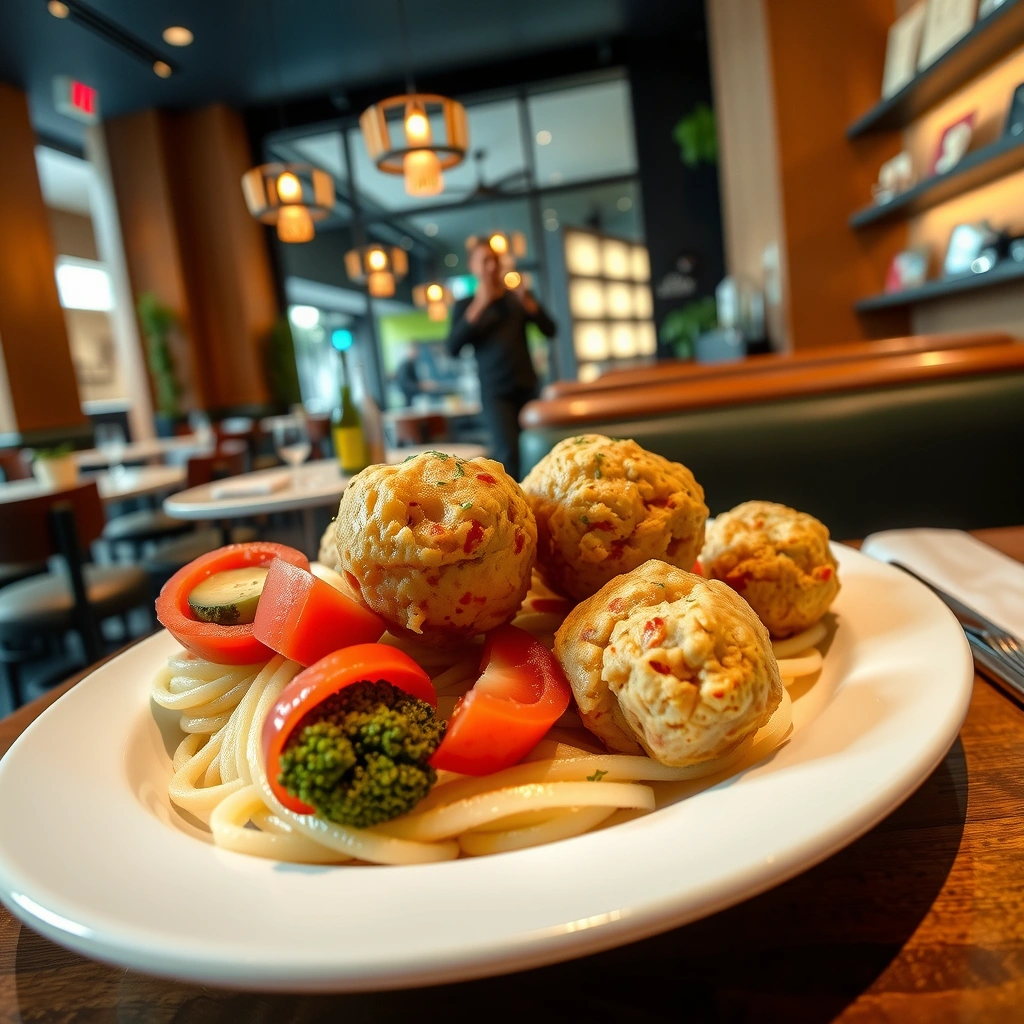
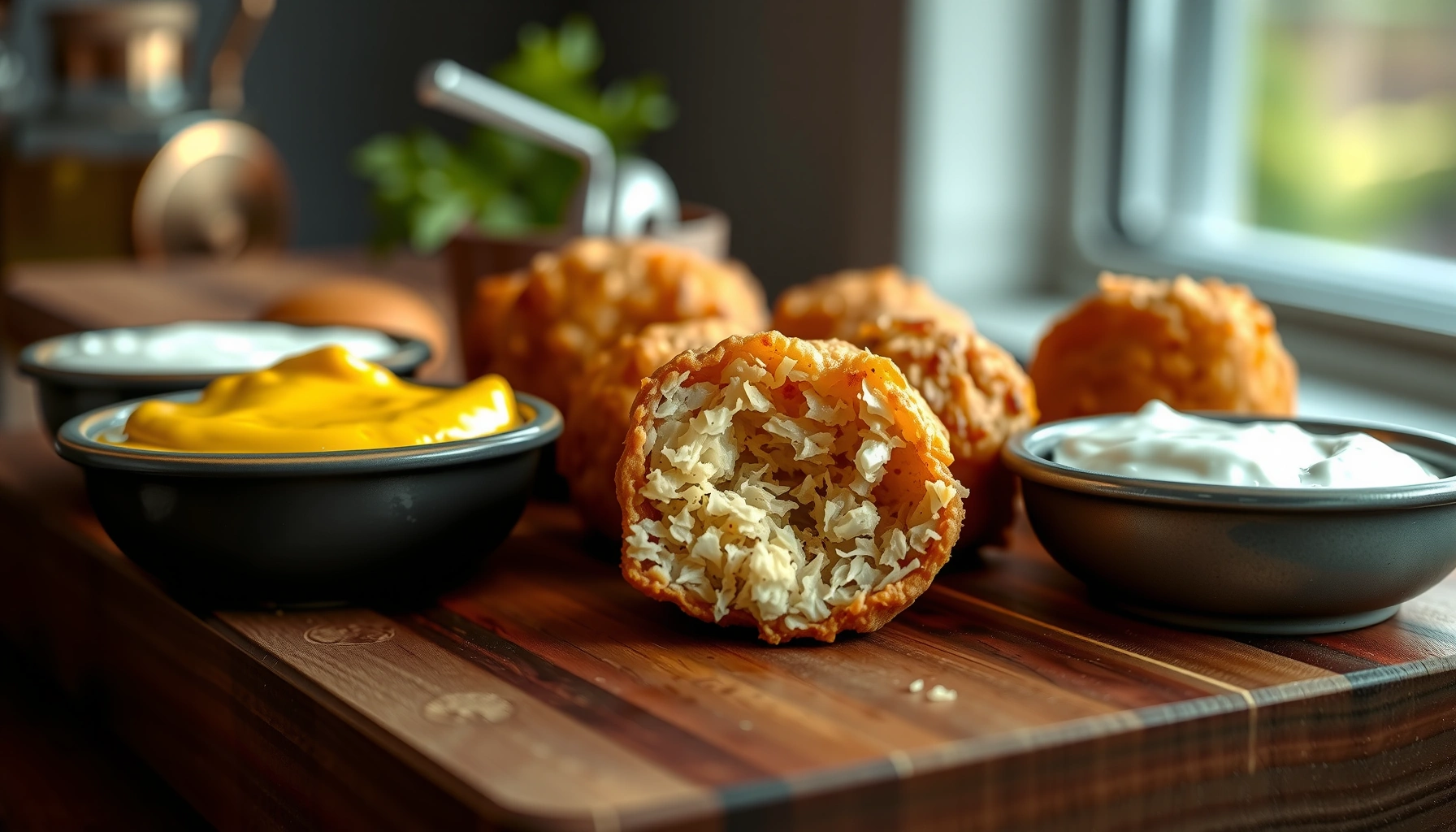
Sauerkraut balls start with a simple formula: drained sauerkraut + cheese + breadcrumbs + seasoning, shaped into small bites, then cooked until they form a crisp outer layer. The texture balance matters—inside, you want a tangy, savory filling; outside, you want crunch.
Classic baked or fried method (core approach)
1. Drain the sauerkraut thoroughly. Excess liquid is the enemy of crispy results and can weaken the structure of your balls.
2. Mix the binding ingredients first: softened cream cheese (or another soft cheese), shredded cheese, breadcrumbs, and seasonings.
3. Fold in sauerkraut and mix until the mixture becomes cohesive.
4. Shape evenly: aim for bite-sized balls (about 1 to 1.5 inches). Uniform size helps everything cook at the same rate.
5. Cook to golden-brown:
– Baking: you’ll get a slightly lighter crunch with less oil.
– Frying: you’ll get the deepest, most classic crispness.
Baking option (crisp, convenient)
– Arrange on a parchment-lined tray.
– Lightly brush or spray with oil for browning.
– Bake until golden and set (typically around 18–25 minutes, depending on size and oven).
Frying option (maximum crunch)
– Heat oil in a skillet or Dutch oven to about 350°F (175°C).
– Fry in small batches so the temperature doesn’t drop.
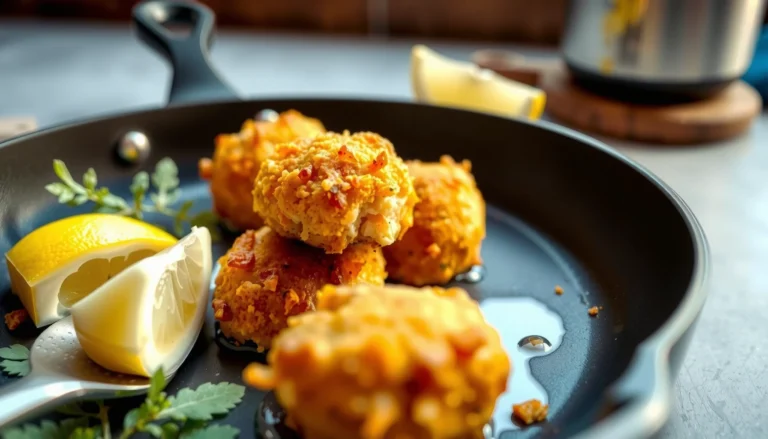
– Cook until deeply golden, then drain on a rack (not paper towels) to preserve crispness.
Why this classic base works
Cheese acts as the main binder and flavor engine. Breadcrumbs add structure and a mild toasted note. Seasonings (like garlic powder, black pepper, and a touch of mustard) create a “bar snack” profile that feels familiar and satisfying—exactly what people expect from sauerkraut balls at parties.
Sauerkraut Ball Yield & Batch Planning (Classic Recipe)
| # | Batch Size | Cream Cheese | Cook Time (Oven) | Expected Yield |
|---|---|---|---|---|
| 1 | Small (4–6 guests) | 4 oz | 18–22 min | 24–28 balls |
| 2 | Standard (8–10 guests) | 8 oz | 20–26 min | 42–50 balls |
| 3 | Party (12–16 guests) | 16 oz | 24–32 min | 80–95 balls |
| 4 | Family (16–20 guests) | 24 oz | 28–36 min | 115–140 balls |
| 5 | Slow-cook prep (same-day) | 8 oz | 20–26 min | 42–50 balls |
| 6 | Freezer batch (portion-friendly) | 8 oz | 20–26 min | 42–50 balls |
| 7 | Single-serve taste test | 2 oz | 14–18 min | 10–14 balls |
Best Ingredients & Flavor Add-Ins
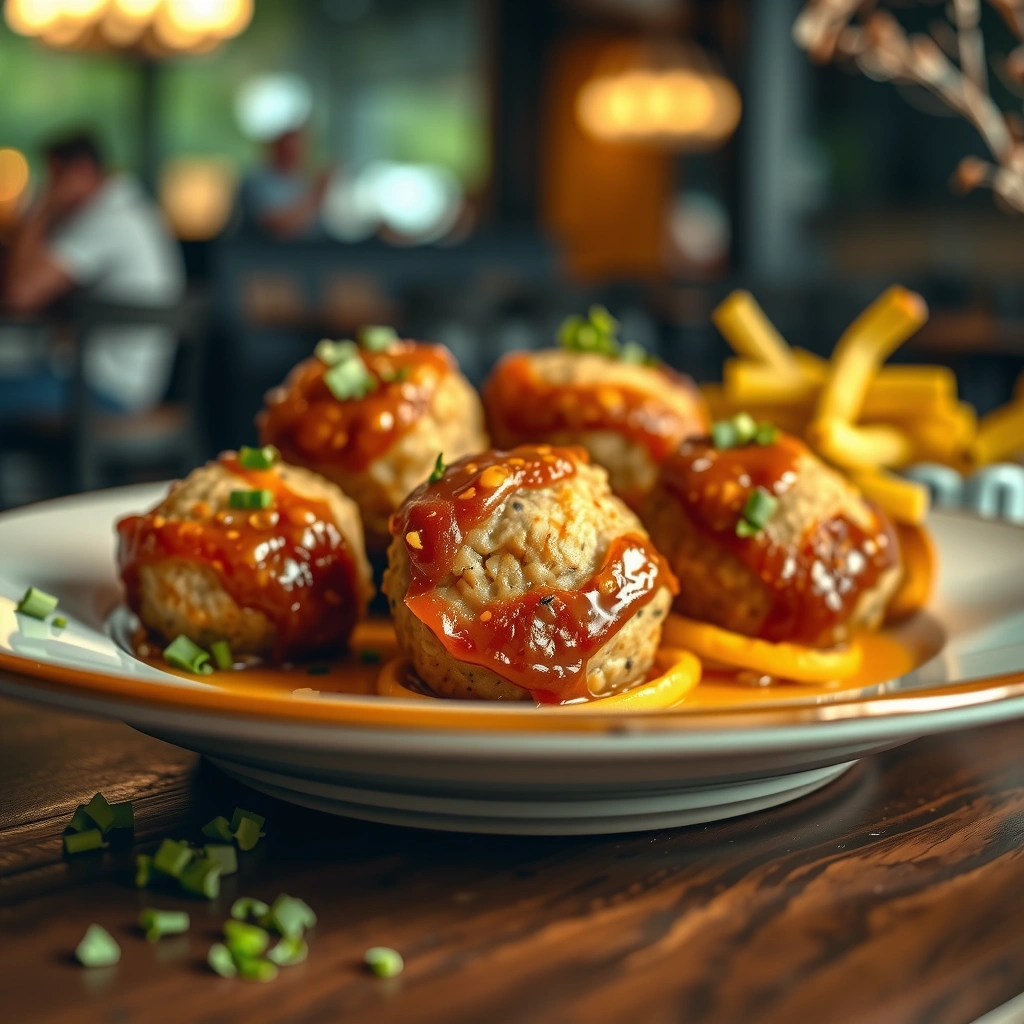
Sauerkraut balls are forgiving, but a few ingredient choices strongly influence texture and taste. If you want “easy homemade” results, prioritize consistency: drain quality, cheese blend, and breadcrumb type.
Start with sauerkraut quality
– Choose sauerkraut packed in liquid and drain well.
– If your sauerkraut is extremely sour, balance it with a slightly creamier cheese base and a small amount of honey or brown sugar (optional, but effective).
Choose your cheese for the right melt and bind
Common approaches include:
– Cream cheese for binding and mild tang
– Shredded mozzarella or Colby Jack for stretchy melt
– Sharp cheddar for deeper flavor and browning
A typical “crowd-pleasing” combination is cream cheese plus cheddar (or mozzarella-cheddar mix). The goal is a mixture that firms up when baked and doesn’t turn greasy.
Add-ins that elevate store-bought-style flavor
Consider one or two add-ins rather than stacking many. Options that work particularly well:
– Garlic (powder or fresh): adds savory depth without changing moisture much.
– Mustard (Dijon or yellow): complements sauerkraut’s acidity and makes the flavor feel “finished.”
– Black pepper and smoked paprika: adds aroma and a mild warmth that contrasts the tang.
Breadcrumb and coating tips
Breadcrumbs help absorption and crunch. For a slightly crispier shell, you can:
– Use panko (if your mixture isn’t too wet)
– Or coat shaped balls lightly in breadcrumbs before cooking (works best for frying; baking may require a quick oil spray).
How to Keep Sauerkraut Balls from Falling Apart
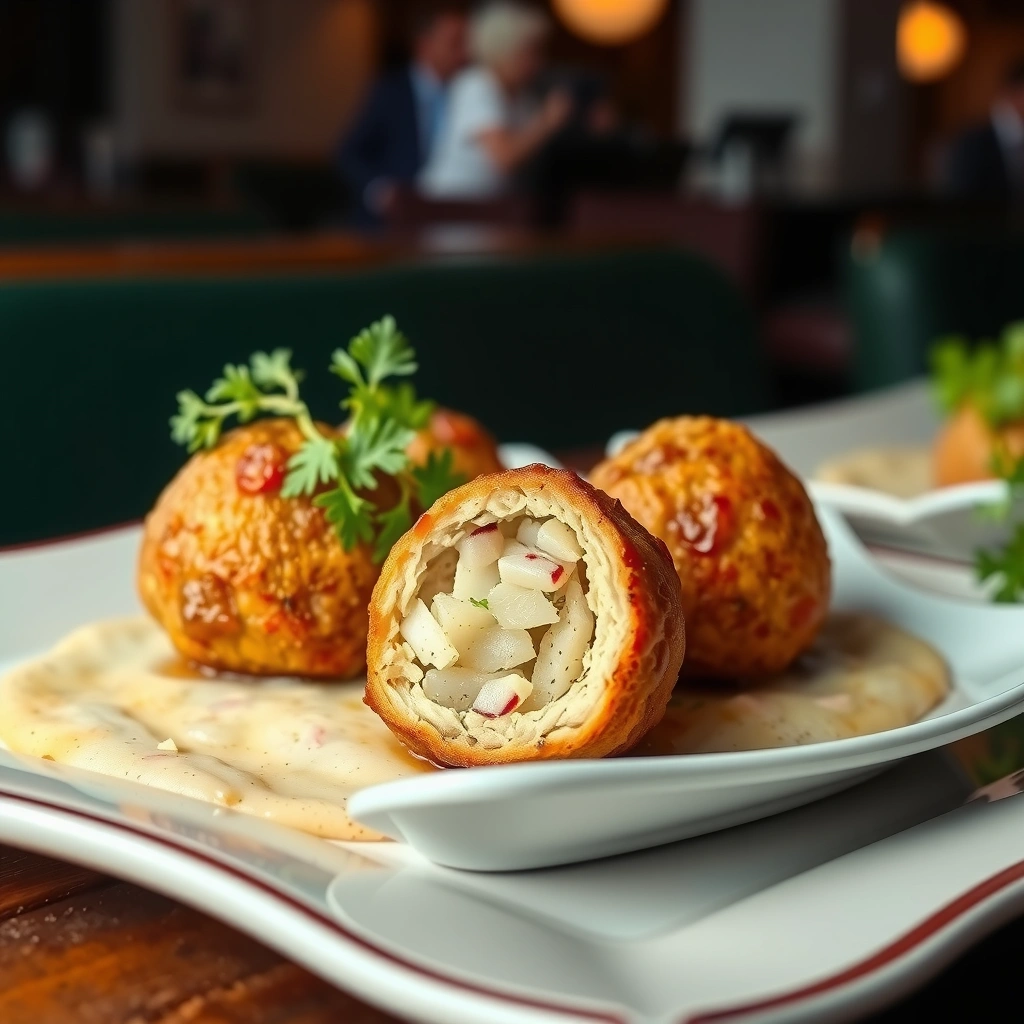
When sauerkraut balls fall apart, it usually comes down to binding strength and moisture control. The fix is methodical: drain better, bind smarter, and handle with care.
Key rules for structural integrity
1. Drain thoroughly (and squeeze if needed).
If the sauerkraut looks wet after draining, squeeze it in a clean kitchen towel or use a fine strainer.
2. Use enough binder—don’t underdo the cheese (or egg).
If you prefer a slightly firmer texture, add an egg to boost cohesion.
3. Mix until uniform.
Even distribution prevents pockets of wet sauerkraut that break the ball from the inside.
4. Chill before cooking.
A 20–30 minute chill firms the fat (from cheese) so the balls keep their shape during heat exposure.
Troubleshooting quick fixes
– Mixture feels loose: add 1–2 tablespoons more breadcrumbs, or increase shredded cheese slightly.
– Balls crack or leak while cooking: likely moisture is high—drain/squeeze again next time and chill longer.
– Balls are dense instead of crisp: you may be using too much binder for the sauerkraut amount—reduce cheese slightly or increase breadcrumbs.
Common Sauerkraut Ball Problems & Fixes
| # | Issue | Most Likely Cause | Best Fix | Outcome |
|---|---|---|---|---|
| 1 | Balls fall apart during baking | Too wet sauerkraut | Squeeze + chill 30 min | ★ ★ ★ ★ ★ |
| 2 | Loose mixture before shaping | Insufficient binder | Add 1 egg or more cheese | ★ ★ ★ ★ ★ |
| 3 | Not browned after baking | Undressed surface / low heat | Bake hotter + oil/spray | ★ ★ ★ ★ ☆ |
| 4 | Greasy texture | Oil too cool / overcrowding | Fry in small batches | ★ ★ ☆ ☆ ☆ |
| 5 | Dry, crumbly interior | Too much breadcrumbs | Reduce crumbs next batch | ★ ★ ☆ ☆ ☆ |
| 6 | Mixture tastes flat | Under-seasoned base | Add Dijon + black pepper | ★ ★ ★ ★ ★ |
| 7 | Uneven cooking (some dark, some pale) | Mixed ball sizes | Weigh/measure portions | ★ ★ ★ ★ ☆ |
Cooking Methods: Baking vs. Air Frying vs. Frying
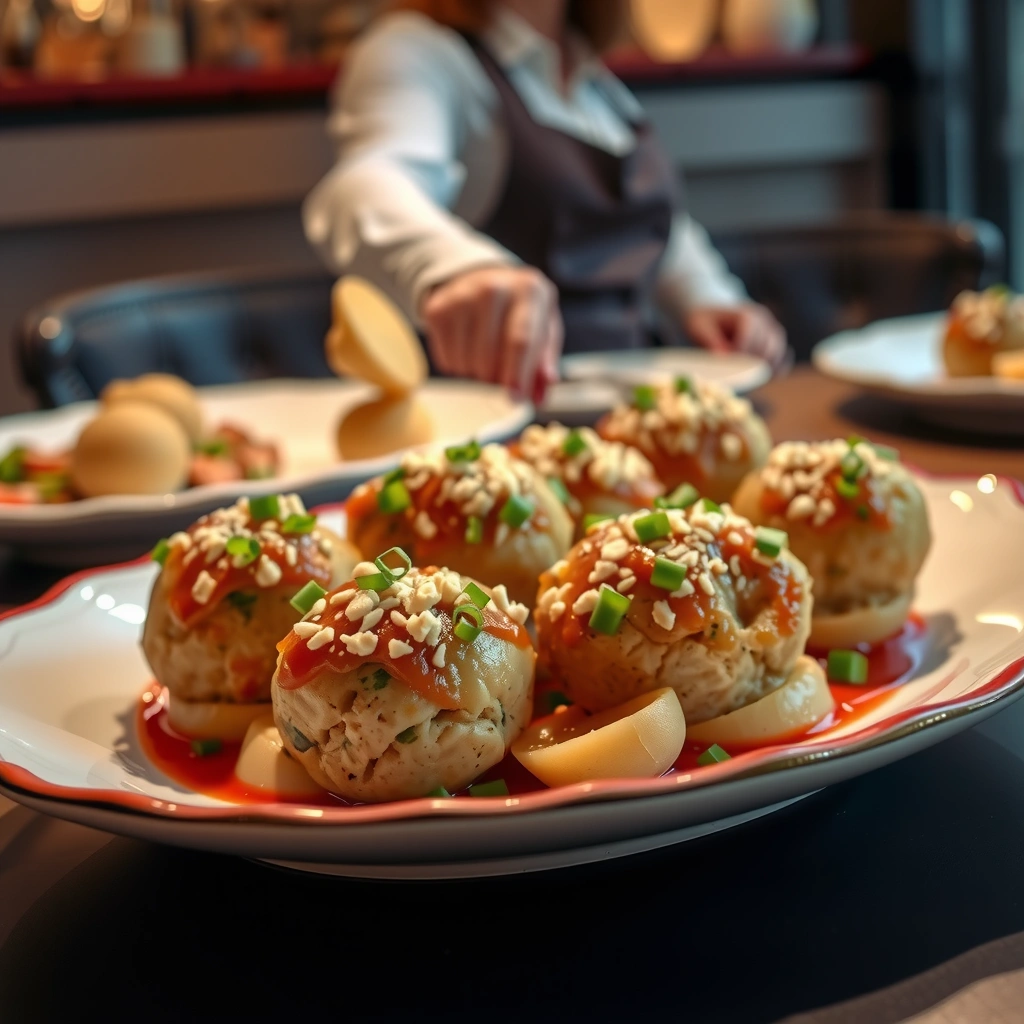
The method you choose changes texture, time, and how your kitchen handles prep. The key is to understand what each method does to moisture and surface browning.
Baking
– Pros: Simpler, less oil, ideal for large batches.
– Texture: Crisp edges, tender interior.
– Best for: Game-day cooking when you need oven space for other items too.
Practical note: bake on a hot tray if possible, or use convection for better browning.
Air frying
– Pros: Crispier than baking for most home ovens, less oil than frying.
– Texture: Uniform crunch when balls are evenly sized.
– Best for: People who want crisp sauerkraut balls without deep-frying.
Strategy: preheat the air fryer and cook in a single layer; lightly spray the balls for deeper color.
Frying
– Pros: Most classic, golden-brown crunch; best surface texture.
– Texture: Crackly exterior, rich savory profile.
– Best for: When you want a “from the fryer” appetizer feel.
Strategy: keep oil temperature stable and avoid overcrowding to reduce oil absorption.
Serving Ideas & Dipping Sauces
Sauerkraut balls are flavorful on their own, but the right dip transforms them into a standout appetizer. Aim for dips that either:
– cool the tang (sour cream-based), or
– enhance savory notes (mustard-based), or
– add heat (spicy mayo/ranch).
Dipping sauce pairings that work reliably
– Sour cream: smooth, cool contrast to tangy sauerkraut.
– Ranch: familiar, herby, creamy—crowd-friendly for all ages.
– Spicy mustard dip: sharp, bold, and aligned with fermented flavor.
– Garlic aioli (optional): adds richness if you use milder seasoning.
Serving context
For a professional catering-style presentation, consider:
– Arranging in batches with a small bowl of dip near the front (not buried in the middle).
– Pairing with sausages, potato sides, or roasted vegetables for a “German-inspired” menu concept.
Storage, Reheating, and Make-Ahead Tips
Sauerkraut balls are ideal for planning because they hold up well when reheated correctly. The trick is to preserve crunch—avoid microwaving if you can.
Storage
– Cool to room temperature first.
– Store in an airtight container in the fridge.
– Expect best quality within 3–4 days.
Reheating for crispness
– Oven: reheats evenly and restores browning. Use a moderate-hot oven and place on a rack if available.
– Air fryer: typically the fastest route to renewed crunch.
– Microwave (least ideal): tends to soften the exterior; use only if necessary.
Make-ahead options (time-saving wins)
– Shape and refrigerate: prep earlier in the day, cook later.
– Freeze before cooking: freeze shaped balls on a tray, then transfer to a freezer bag. Cook from frozen with slightly longer bake or air-fry time.
This approach is particularly useful for catering schedules and busy households because it reduces day-of stress while keeping the product consistent.
Sauerkraut balls are simple, flavorful, and adaptable—start with the classic sauerkraut-cheese-breadcrumb base, focus on draining and binding to prevent crumbling, and then pick your cooking method based on the crispness you want and how much time you have. Choose one variation (garlic, mustard, pepper-forward), test a small batch this week, and make a larger prep run using refrigeration or freezing so you always have an easy, tangy appetizer ready for your next gathering.
References
- Sauerkraut
https://en.wikipedia.org/wiki/Sauerkraut - Sauerkraut | Definition, Preparation, & Uses | Britannica
https://www.britannica.com/topic/sauerkraut - Projects – National Center for Home Food Preservation
https://nchfp.uga.edu/how/store/sauerkraut.html - https://extension.oregonstate.edu/food/preservation/sauerkraut-and-fermented-cabbage
https://extension.oregonstate.edu/food/preservation/sauerkraut-and-fermented-cabbage - https://pubmed.ncbi.nlm.nih.gov/?term=sauerkraut+fermentation
https://pubmed.ncbi.nlm.nih.gov/?term=sauerkraut+fermentation - sauerkraut – Search Results – PMC
https://www.ncbi.nlm.nih.gov/pmc/?term=sauerkraut - Google Scholar Google Scholar
https://scholar.google.com/scholar?q=sauerkraut+balls+recipe - Google Scholar Google Scholar
https://scholar.google.com/scholar?q=sauerkraut+fried+balls - Google Scholar Google Scholar
https://scholar.google.com/scholar?q=fermented+cabbage+culinary+applications - https://www.ncbi.nlm.nih.gov/books/NBK200442/
https://www.ncbi.nlm.nih.gov/books/NBK200442/