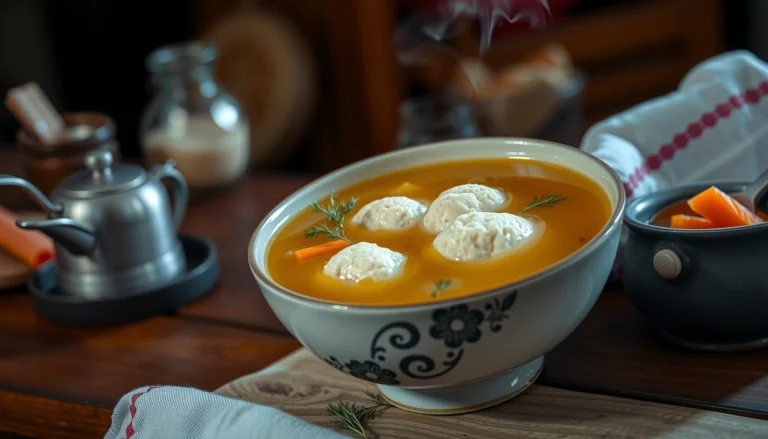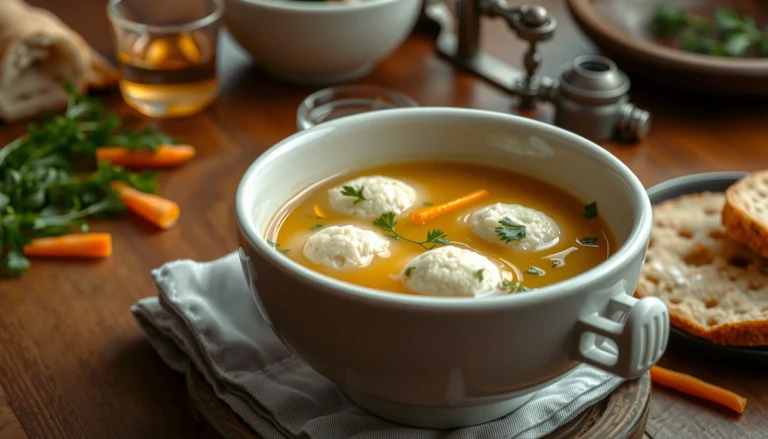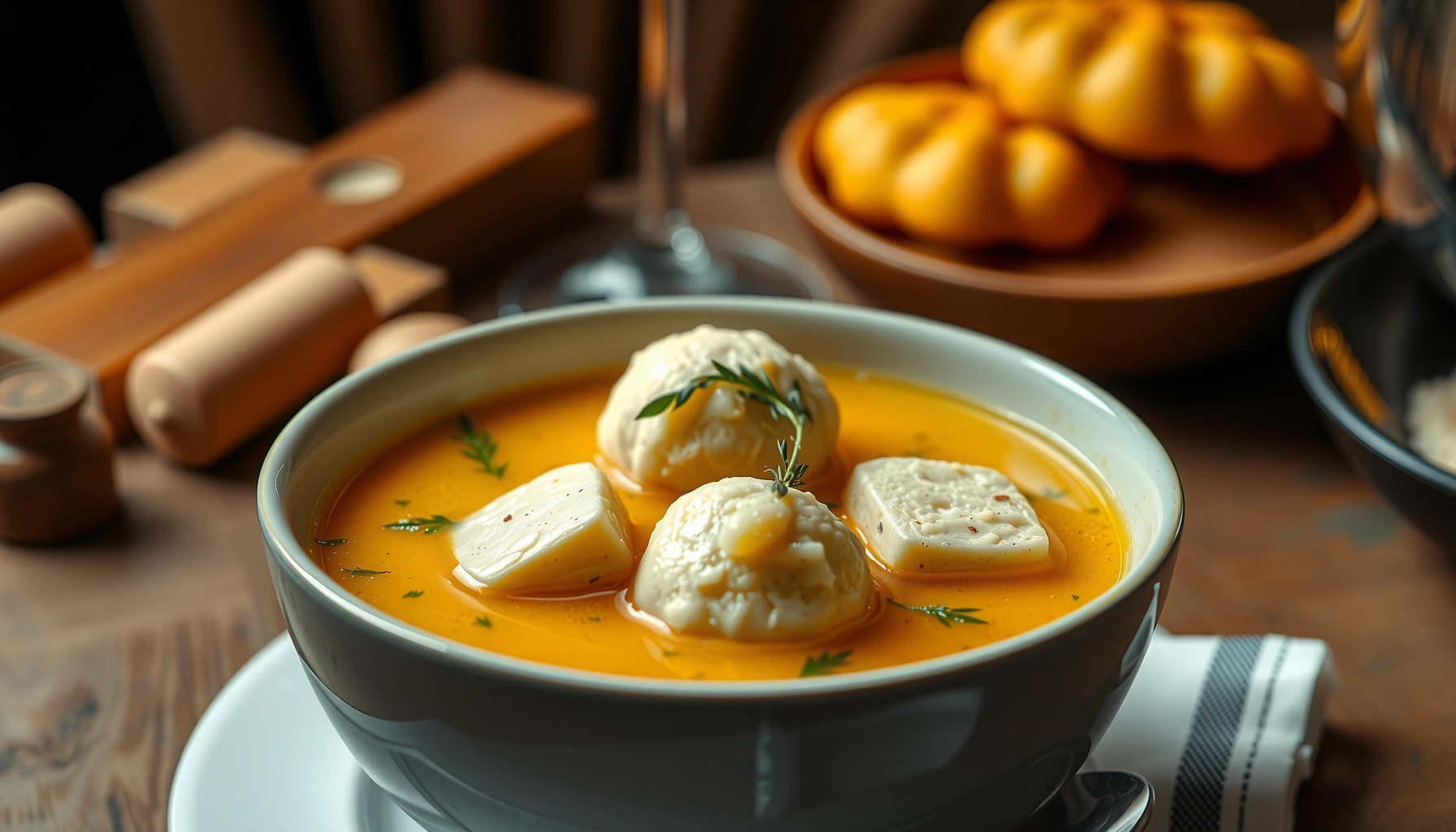
Looking for an easy matzo ball soup recipe that delivers a perfect, tender bowl without fuss? This step-by-step guide shows the exact mix, rest time, and simmering method so your matzo balls stay light and springy instead of dense or falling apart. If you want classic Jewish comfort soup made quickly and consistently, you’ll get it here.
This easy matzo ball soup recipe delivers tender, fluffy matzo balls and a deeply seasoned broth with minimal effort—by using the right mixture technique and a gentle simmer. Make the matzo balls from scratch, chill them briefly to improve texture, and simmer the soup properly so your bowl turns out consistently light, not dense.
Matzo Ball Texture Targets (What to Aim For)
| # | Texture Goal | Typical Rule | Timing Window | Outcome Rating |
|---|---|---|---|---|
| 1 | Fluffy, tender interior | Gentle mixing + short chill | 30–45 min simmer | ★★★★☆ |
| 2 | Light, cohesive shape | Rest dough before shaping | 20–60 min chill | ★★★★☆ |
| 3 | Bouncy exterior, not mealy | Avoid overmixing dry matzo meal | Simmer, don’t boil hard | ★★★☆☆ |
| 4 | Broth clarity with depth | Skim/avoid rolling boil | 10–20 min aromatics simmer | ★★★★☆ |
| 5 | Balanced salt level | Season in increments | Taste at 5 & 15 min | ★★★☆☆ |
| 6 | Prevent sinking into broth | Right dough hydration + chill | Lower balls gently | ★★☆☆☆ |
| 7 | Avoid dry, firm matzo balls | Don’t over-simmer | Stop at tender set | ★☆☆☆☆ |
What You Need for Easy Matzo Ball Soup

An easy matzo ball soup recipe is really two parts: (1) the matzo balls—where texture is won or lost by mixing, hydration, and simmering; and (2) the broth—where balance comes from seasoning in layers. Below is a practical ingredient map that keeps your workflow clean and repeatable.
Core ingredients for broth
– Chicken stock or broth (about 8 cups): The backbone of a classic soup; use homemade if you have it, but store-bought works well if you season carefully.
– Carrots + celery (2 cups combined, chopped): Aromatic sweetness that rounds out salty stock.
– Onion (1 medium, diced) or leeks (1–2): Provides savory depth without overpowering the matzo.
– Garlic (2–3 cloves, minced): Optional but strongly recommended for a modern, fragrant finish.
– Fresh dill and/or parsley: Common in Jewish-style soups; adds brightness right before serving.
– Bay leaf (1–2): A subtle layer of herbal complexity for the broth.
– Kosher salt + black pepper: Seasoning is the final ingredient—taste as you go.
Core ingredients for matzo balls
– Eggs (2 large): Bind the dough and help create structure.
– Matzo meal (about 1/2 cup): The defining ingredient; it absorbs moisture and sets the ball.
– Matzo ball fat (2–4 tbsp chicken fat, schmaltz, or neutral oil): Adds tenderness and mouthfeel.
– Chicken stock or water (1/4 cup, as needed): Adjusts hydration so the dough isn’t dry.
– Salt (a pinch in the matzo mix): Needed so the balls are seasoned, not just the broth.
– Optional baking powder (1/4 tsp): Some cooks use it for extra lift; if you do, don’t overdo it.
– Optional flavor boosts: A small pinch of garlic powder or onion powder can help, but keep it subtle so the matzo remains the hero.
Essential pantry staples (what to lean on)
Most kitchens already have what you need: eggs, matzo meal, salt, pepper, dried bay leaf, and basic aromatics. From a process standpoint, it’s also helpful to have:
– A rimmed baking sheet for chilling and shaping
– Tongs or a spoon for gently lowering balls into simmering liquid
– A fine-mesh skimmer (or ladle) to keep the broth surface clean if it bubbles aggressively
Make the Matzo Ball Mixture
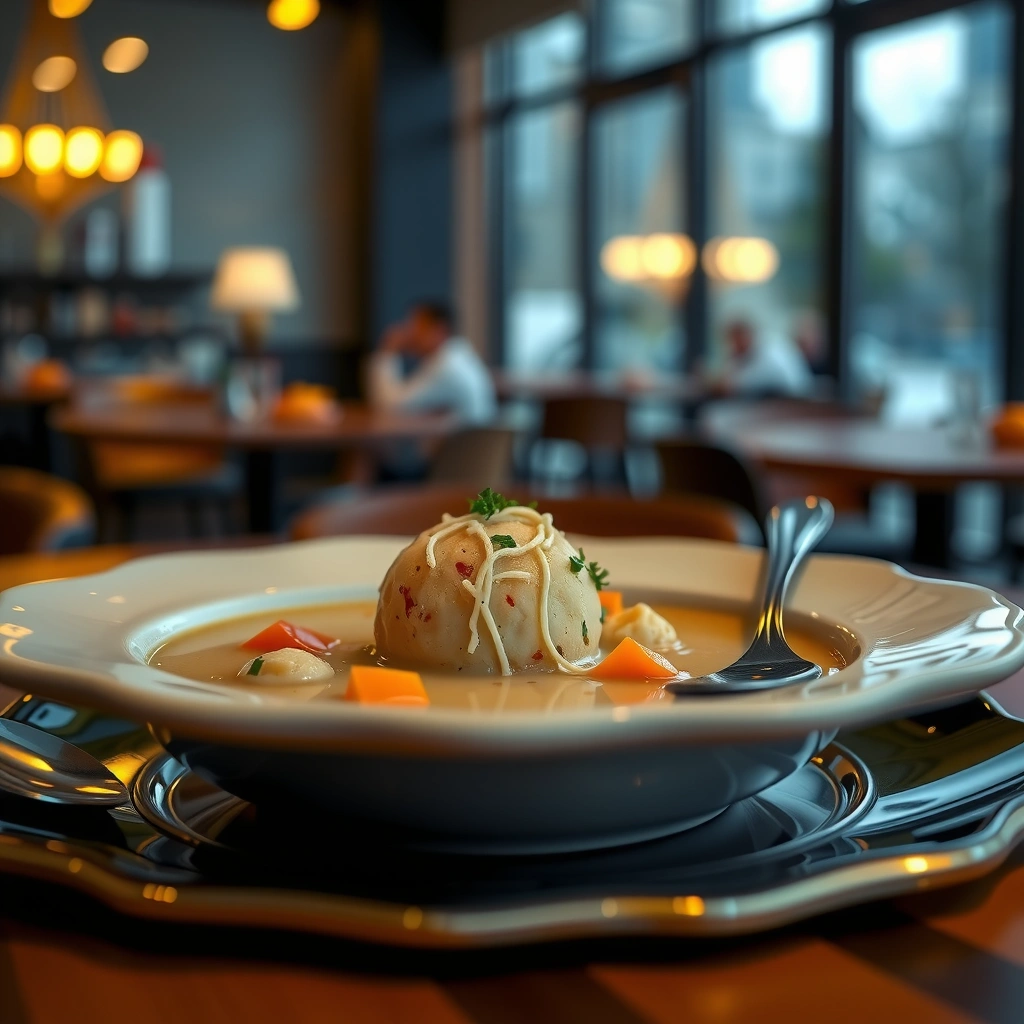
The texture of matzo balls depends less on “secret ingredients” and more on a controlled method: combine just enough to hydrate the meal, then chill to let the dough relax and firm up.
Mix ingredients until just combined for the best texture
1. In a bowl, whisk eggs until uniform.
2. Stir in schmaltz/oil, a pinch of salt, and any optional seasoning.
3. Add matzo meal gradually and mix with a fork or spatula until the mixture looks evenly hydrated—no dry pockets.
Key technical point: Overmixing can make matzo balls dense. Matzo meal doesn’t require kneading like bread; you want an even distribution, not gluten development. Think “stir and stop.”
Chill the dough to help matzo balls hold together while cooking
Chilling accomplishes three things:
– Hydrates fully: Matzo meal continues to absorb liquid as it rests.
– Improves binding: The dough firms up, which reduces crumbling.
– Prevents spread: Well-rested dough holds its shape when it hits hot liquid.
Cover the bowl and chill 20–60 minutes (30 minutes is a sweet spot for many kitchens). If you have time, chilling overnight can work too, but bring the dough to near room temperature for easier shaping.
Cook the Matzo Balls the Right Way
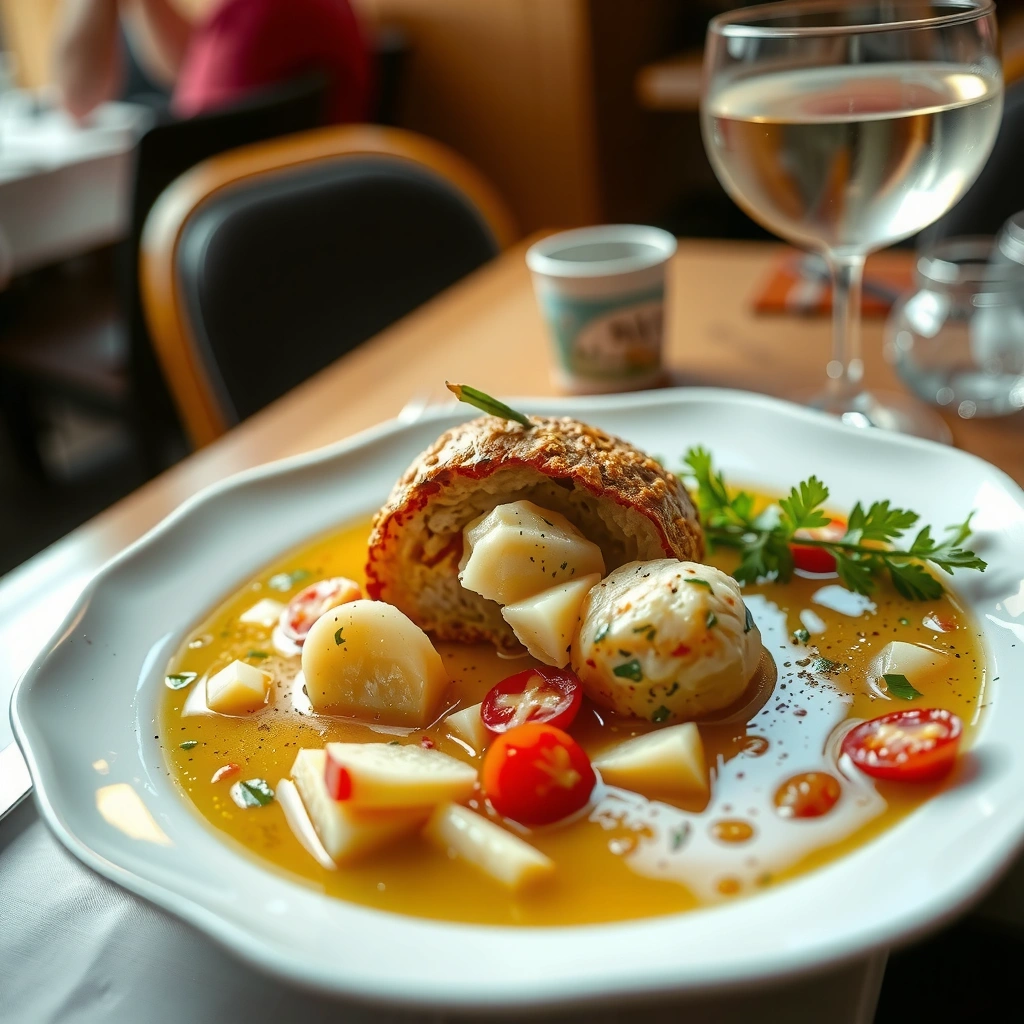
Cooking is where many “easy” recipes go wrong—usually because of heat control and timing. A gentle simmer is the goal: enough movement to cook thoroughly, not enough to aggressively tumble the balls.
Simmer gently (not a rolling boil) for tender results
– Use a wide pot to maintain even heat distribution.
– Bring broth to a gentle simmer (small bubbles at the edges, not a full boil).
– Form balls with lightly oiled hands and space them in the simmering liquid.
If your pot is boiling hard, matzo balls can break apart or become tough on the exterior while staying uneven in the center.
Measure cook time and check doneness for fluffy consistency
A reliable benchmark for classic, fluffy-style matzo balls:
– Large balls: simmer 35–45 minutes
– Medium balls: 25–35 minutes
– Smaller balls: 18–25 minutes
Doneness check: Balls should feel tender but set; the inside should not look wet or streaky. If you cut one, it should be evenly cooked and fluffy rather than dense.
For quality control, avoid repeated lifting or poking. The safest approach is: time it, simmer gently, and then confirm with one ball if you’re unsure.
Build a Flavorful Soup Broth
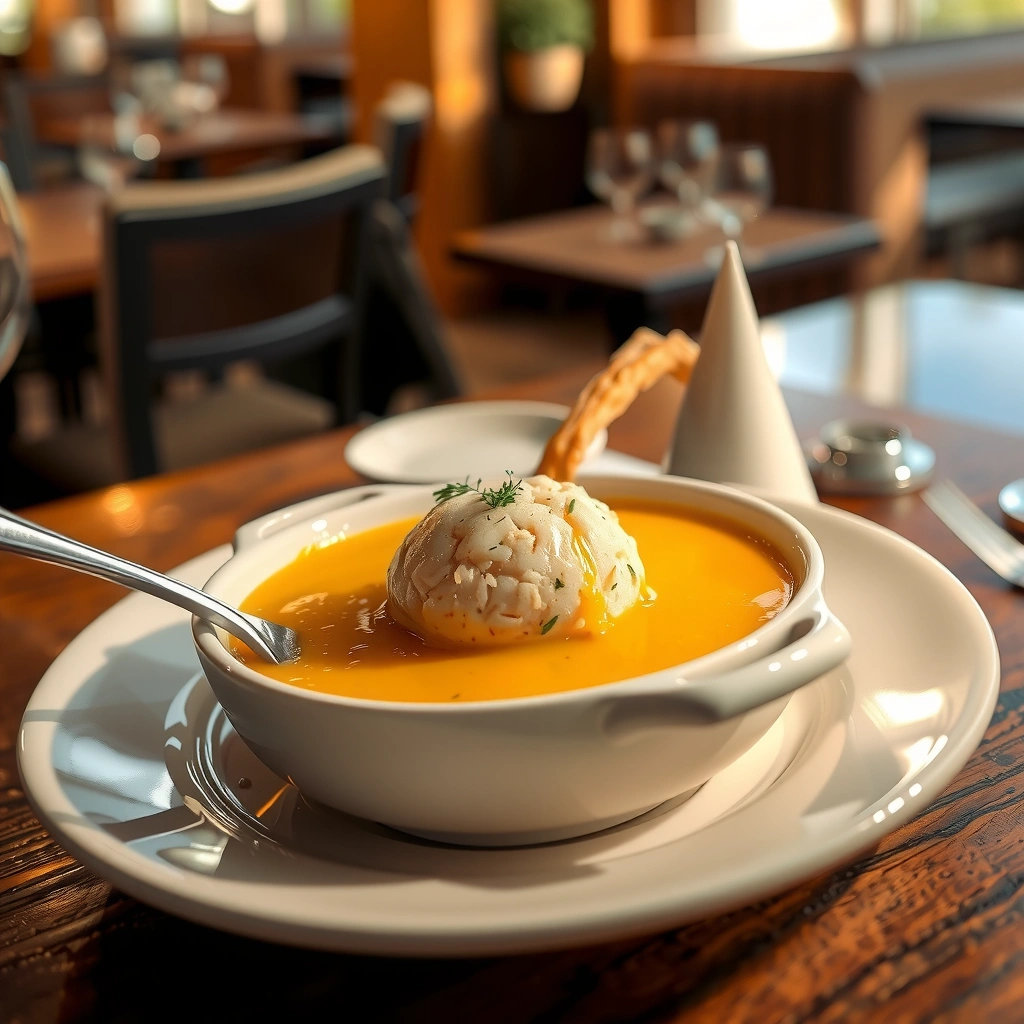
Even the best matzo balls can’t rescue bland broth. The goal is a broth that tastes complete on its own—then becomes even better with time as the matzo balls soak up savory flavor.
Season the broth for balanced salt and herbs
Start with a slightly under-seasoned broth and adjust as it cooks:
– Add kosher salt gradually
– Add black pepper early enough to bloom but not so much that it overwhelms
Because matzo balls absorb liquid, your broth can shift after the balls go in. That’s why incremental seasoning works best: taste before and after combining components.
Add aromatics and simmer to deepen flavor
For layered depth:
1. Sauté onion and carrots/celery in a little oil or schmaltz (optional but recommended for complexity).
2. Add garlic for the last 30–60 seconds.
3. Pour in broth and add bay leaf.
4. Simmer 10–20 minutes before adding matzo balls.
Then, when you add the matzo balls, maintain a gentle simmer for the remainder of cooking. This prevents the broth from losing clarity and helps preserve a delicate texture.
Assemble and Serve
Assembly is deceptively important: matzo balls are fragile until fully set, and aggressive stirring can ruin their shape.
Combine broth and matzo balls without breaking them
– Use a ladle to add matzo balls into serving bowls rather than stirring them vigorously into the pot.
– If you keep the soup in a pot for later, store matzo balls in broth with gentle heat; avoid boiling after cooking.
A best practice for a “perfect bowl every time” approach: cook matzo balls in broth, then serve promptly. If holding is necessary, keep at a bare simmer and handle gently.
Garnish suggestions for serving (fresh herbs, lemon, or dill)
Classic garnish options add brightness and aroma:
– Fresh dill: Most associated with matzo ball soup and instantly lifts savory flavors.
– Chopped parsley: Adds a clean green note.
– Lemon wedges: A squeeze at the table can sharpen broth richness.
– Optional black pepper drizzle: Finish with freshly ground pepper for a restaurant-style aroma.
If you’re serving for a workday potluck or family meal, garnish each bowl individually so herbs stay vibrant and don’t wilt in the whole pot.
Troubleshooting Common Issues
Even with the right ingredients, a few controllable variables—mixing, chilling, heat, and seasoning—determine success. Here are practical fixes for the most common failure modes.
Fix tough or dense matzo balls with mixing and chilling tips
Symptoms: tight, bouncy, or chewy balls; sometimes dry interior.
Common causes:
– Overmixing the dough
– Skipping or shortening chilling time too much
– Over-simmering
Fixes:
– Mix only until the matzo meal is evenly hydrated—stop early.
– Chill at least 20 minutes so hydration completes.
– Watch the simmer: if the pot is at a rolling boil, your matzo balls will take longer and turn tougher. Adjust heat immediately.
If you suspect dryness after cooking, next time you can add a tablespoon of stock to the dough to slightly improve hydration (small changes are best—too much liquid can make balls collapse).
Prevent bland broth by adjusting seasoning gradually
Symptoms: broth tastes flat even with flavorful aromatics.
Common causes:
– Not enough salt early
– Under-simmering aromatics
– Forgetting that matzo balls absorb seasoning
Fixes:
– Taste your broth after the aromatics simmer (around the 10–20 minute mark).
– Season in small increments, then taste again.
– Once matzo balls are cooked and floating, do a final seasoning check before serving.
– If it’s still bland: a pinch more salt usually works better than adding more herbs.
This approach is particularly useful for “easy matzo ball soup recipe” cooking because it protects you from both under-seasoning and accidental over-salting.
This easy matzo ball soup recipe is all about simple prep, gentle simmering, and a little timing finesse. Make it this week—prepare the matzo balls, simmer the broth, and taste as you season so you end up with the perfect bowl every time.
Summary of Key Takeaways (Quick Recap)
– Mix just until combined, then chill to improve binding and texture.
– Simmer gently, and cook by size and time rather than guesswork.
– Build depth in the broth with aromatics and gradual seasoning.
– Assemble carefully and finish with bright herbs or lemon for a balanced bowl.
When you treat matzo ball soup as a two-part system—texture control in the balls, flavor control in the broth—you’ll get consistent results that taste both classic and polished.
References
- Matzah ball
https://en.wikipedia.org/wiki/Matzo_ball_soup - Matzah ball
https://en.wikipedia.org/wiki/Matzo_ball - https://www.jewishvirtuallibrary.org/matzoh-ball-soup
https://www.jewishvirtuallibrary.org/matzoh-ball-soup - https://www.bbc.co.uk/food/recipes/matzo_ball_soup_83668
https://www.bbc.co.uk/food/recipes/matzo_ball_soup_83668 - https://www.theguardian.com/food/2015/apr/04/matzo-ball-soup-passover-recipe
https://www.theguardian.com/food/2015/apr/04/matzo-ball-soup-passover-recipe - Google Scholar Google Scholar
https://scholar.google.com/scholar?q=easy+matzo+ball+soup+recipe - Google Scholar Google Scholar
https://scholar.google.com/scholar?q=matzo+ball+soup+recipe+chicken+broth+passover - Google Scholar Google Scholar
https://scholar.google.com/scholar?q=matzo+ball+soup+culinary+tradition+technique - easy matzo ball soup recipe – Search results
https://en.wikipedia.org/wiki/Special:Search?search=easy+matzo+ball+soup+recipe - https://www.ncbi.nlm.nih.gov/search/research-articles/?term=easy+matzo+ball+soup+recipe
https://www.ncbi.nlm.nih.gov/search/research-articles/?term=easy+matzo+ball+soup+recipe