Looking for a coconut ball recipe that delivers sweet, no-fuss bites—this is the one. You’ll get an easy method for rolling coconut into perfectly sized treats with minimal ingredients and zero complicated steps. If you want a reliable crowd-pleaser made fast, this recipe wins on simplicity and flavor every time.
Make coconut balls in under 30 minutes by combining shredded coconut with a sweet binder (condensed milk, honey, or yogurt), rolling bite-size portions, and chilling until firm. This coconut ball recipe is no-bake, highly customizable, and ideal for snacks, dessert platters, and holiday baking when you want consistent results without special equipment—just solid ingredients, correct binding, and a short chill.
This guide breaks down the exact ingredients to use, the mechanics behind the right texture, and practical troubleshooting so your coconut balls hold together cleanly and taste cohesive (not dry, crumbly, or overly sticky). You’ll also get flavor variations, storage and freezing methods, and serving ideas that work for both casual home snacking and “bring-a-dish” gatherings.
What You Need for a Coconut Ball Recipe
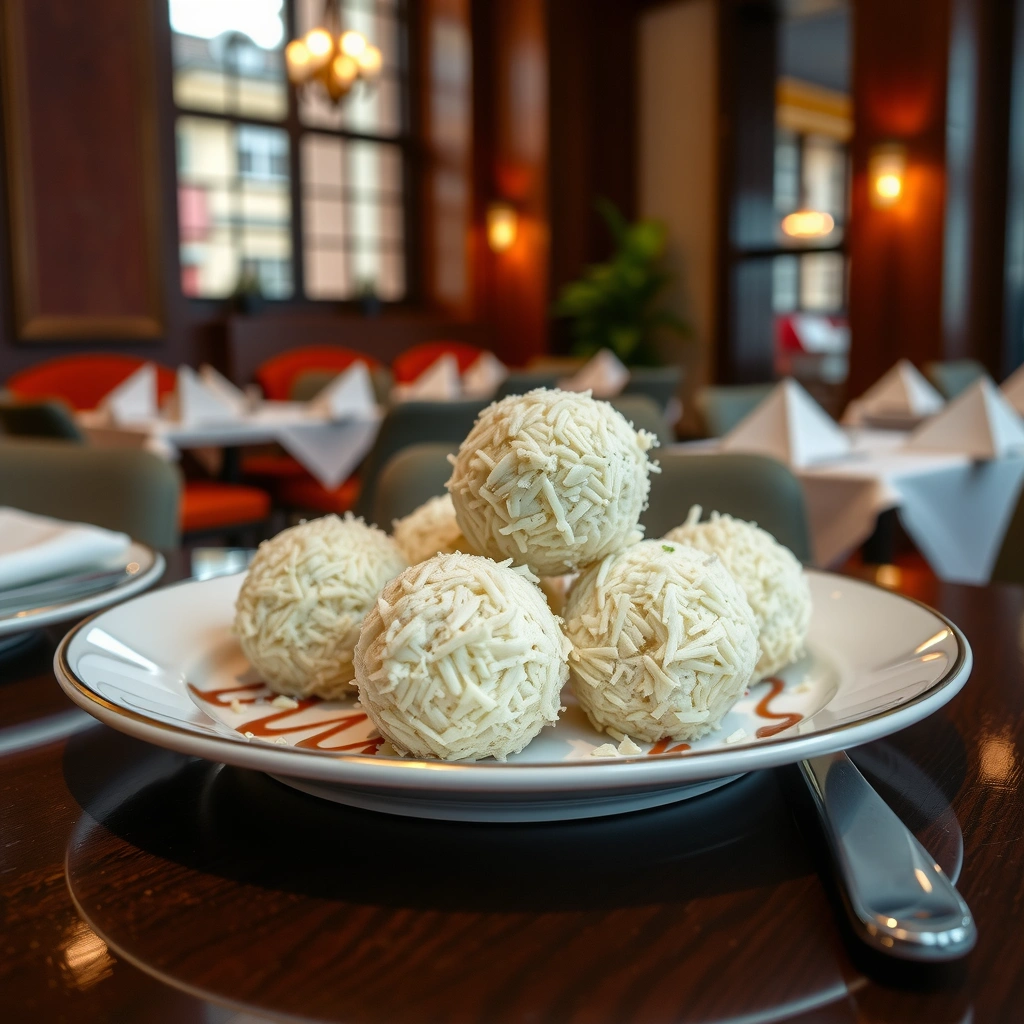
The secret to great coconut balls is pairing the right coconut type with a binder that provides enough moisture and sweetness to create a cohesive, sliceable bite after chilling. Think of this as a two-part system: coconut for structure and binder for adhesion.
– Choose your binder: sweetened condensed milk, honey, or yogurt
– Sweetened condensed milk: Most consistent for no-bake coconut balls because it’s thick, sugar-rich, and sets nicely in the fridge.
– Honey: Adds floral sweetness and flexibility; it can be slightly softer at room temperature, so keep them chilled for best firmness.
– Yogurt (Greek or thick plain): Works for a lighter profile, but it may require a bit more chilling and sometimes extra coconut to reach the right rollable texture.
– Pick your coconut: shredded, desiccated, or unsweetened flakes
– Shredded coconut: More texture and “bite,” and it holds well if your binder is thick enough.
– Desiccated coconut: Drier and more compact; it typically needs a slightly higher binder-to-coconut ratio.
– Unsweetened flakes: Great for controlling sweetness and preventing the mixture from becoming cloying.
– Optional add-ins: vanilla, almond extract, cocoa, or chopped nuts
– Vanilla extract: Boosts the aroma and makes the coconut taste more “dessert-like.”
– Almond extract: Pairs especially well with cocoa and toasted nuts.
– Cocoa powder: For chocolate coconut balls—use it as part of the mix or as a coating.
– Chopped nuts (almonds, walnuts, pistachios): Add crunch contrast and improve perceived richness.
Binder Performance for Coconut Balls (Texture Consistency)
| # | Binder | Best Texture Rating | Typical Chill Time | Outcome vs. Rolling |
|---|---|---|---|---|
| 1 | Sweetened condensed milk | ★★★★★ | 30–45 min | Most set |
| 2 | Honey | ★★★★☆ | 35–55 min | Good set when chilled |
| 3 | Greek yogurt (thick) | ★★★☆☆ | 45–60 min | May soften faster |
| 4 | Coconut cream (reduced) | ★★★★☆ | 35–50 min | Rich, cohesive bite |
| 5 | Maple syrup (thick) | ★★★☆☆ | 40–60 min | Can be tackier |
| 6 | Dulce de leche (thick) | ★★★★☆ | 35–55 min | Dessert-forward set |
| 7 | Date paste (fine) | ★★★★☆ | 40–60 min | Holds well, less sticky |
Step-by-Step: How to Make Coconut Balls
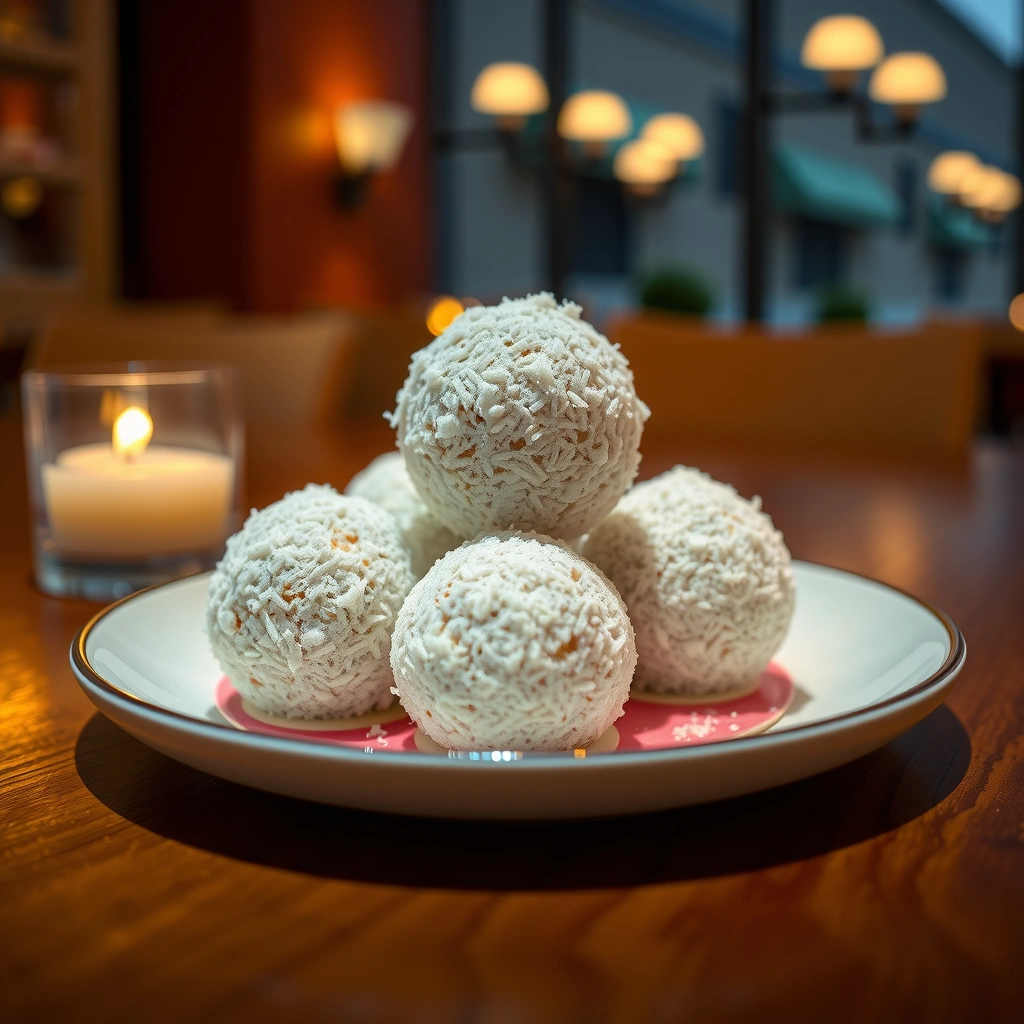
A coconut ball recipe is mostly assembly—but the order and handling matter. The goal is to build a mixture that binds without leaking, rolls without crumbling, and chills into firm, scoopable rounds.
– Combine ingredients until the mixture holds together
– In a mixing bowl, combine shredded/desiccated coconut with your binder (for example, sweetened condensed milk).
– Stir thoroughly until the coconut looks evenly coated and the mixture clumps when pressed.
– If you’re adding flavor (vanilla, almond extract) or cocoa, mix those in before rolling so the distribution is consistent.
– Roll into even balls (wet hands help prevent sticking)
– Portion the mixture into equal-sized bites—roughly 1 to 1.5 tablespoons each for standard snacking sizes.
– Roll quickly between your palms. If the mixture sticks, lightly wet your hands or use a small amount of oil on fingertips (minimal—too much oil can interfere with setting).
– Coat with extra coconut (or cocoa) if desired
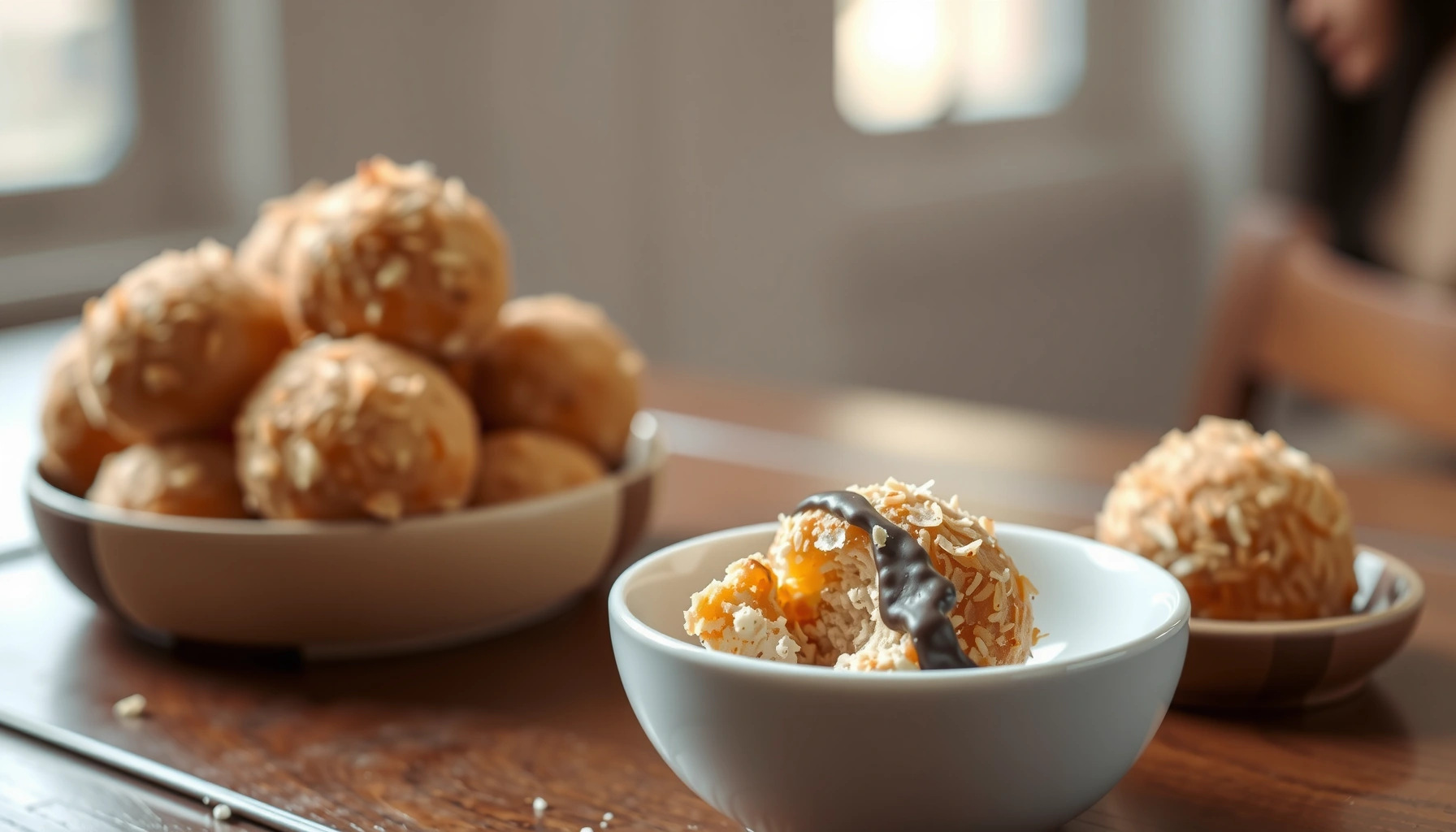
– For classic coconut balls, roll each ball in additional shredded coconut.
– For chocolate coconut balls, you can roll in cocoa powder or dip the chilled balls in melted chocolate, then let them set.
Practical benchmark: after mixing, the mixture should form a ball that holds its shape when you squeeze it firmly. If it won’t clump, it’s missing binder. If it smears or feels wet, it has too much binder or too little coconut.
Best Binding Tips for Perfect Texture
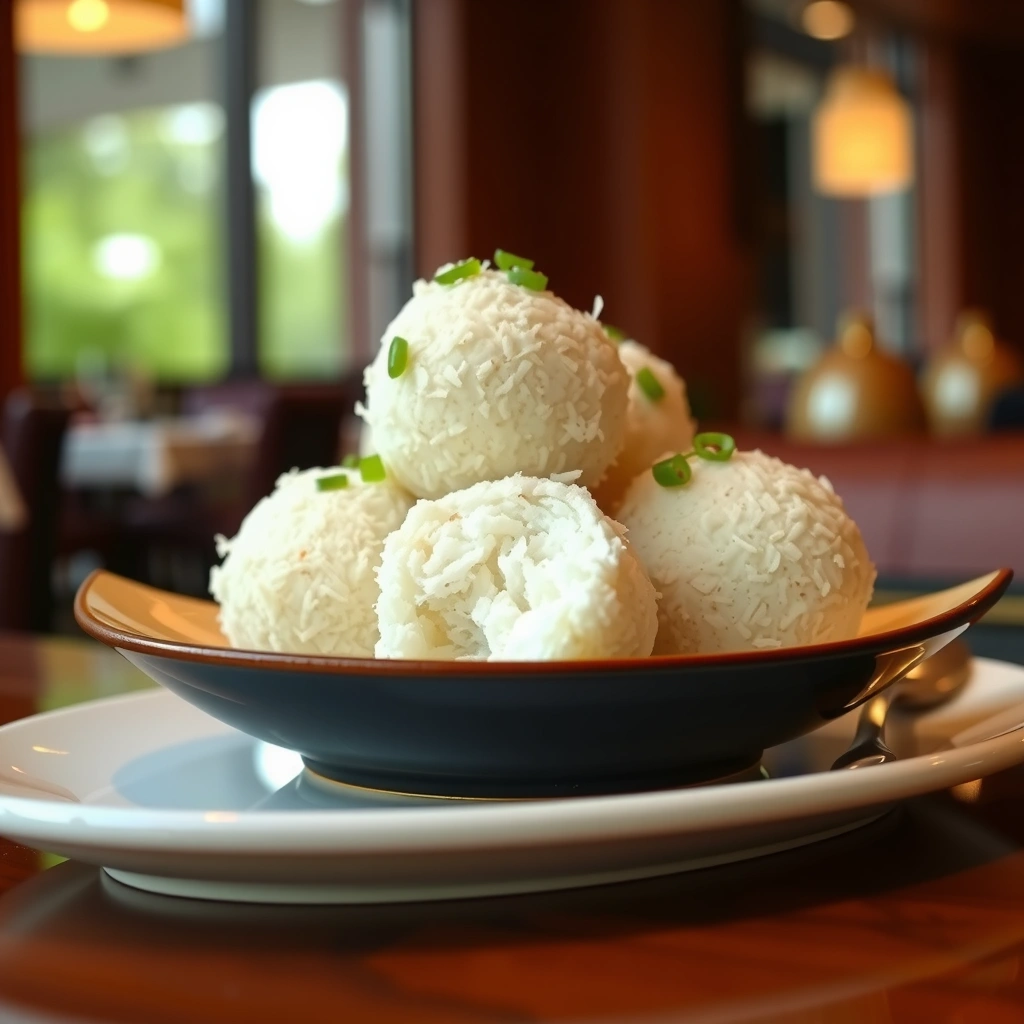
Most texture problems come down to ratio and timing. This section treats coconut balls like a system: moisture + surface area + fat + cooling = the final bite.
– If too sticky, add more coconut; if too dry, add a spoon of binder
– Sticky mixture often means excess binder relative to coconut.
– Dry mixture means coconut is too absorbent (common with desiccated coconut). Add binder gradually—start with 1 teaspoon at a time—stir, then re-test by pressing a pinch between your fingers.
– Chill the mixture 20–60 minutes for easier rolling
– If the mixture is firm enough, you can roll immediately. If it’s soft, chill first for easier shaping.
– For consistent results, chill the finished balls until firm—typically 30–60 minutes depending on your binder and room temperature.
– Keep balls uniform so they set at the same pace
– Larger balls can remain softer in the center even after the outside firms up.
– Aim for similar weight and diameter; this improves bite consistency and reduces “some are done, some aren’t” frustration.
Quality control move: after the first batch chills, evaluate texture. If the balls are slightly too soft, chill a bit longer next time or increase coconut by a small fraction. If they are crumbly, add a touch more binder and remix.
Flavor Variations to Try
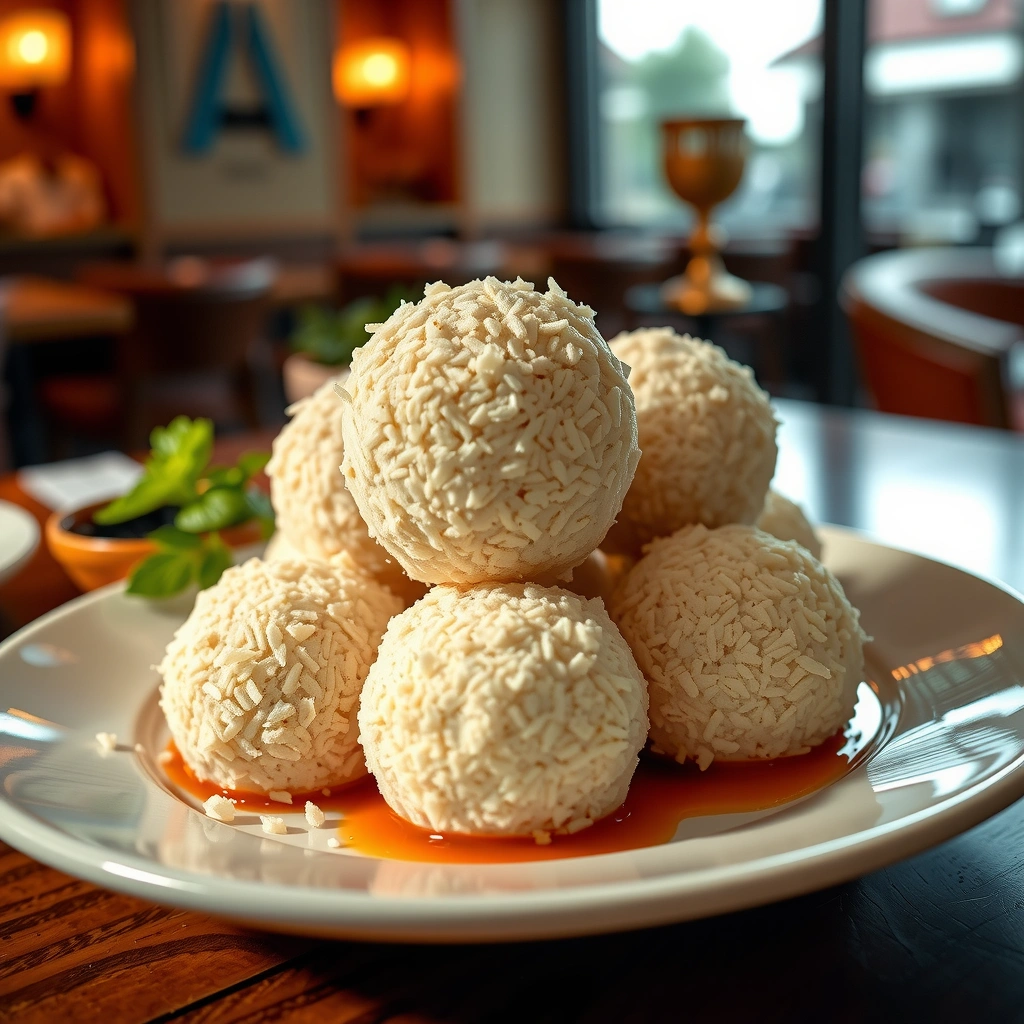
Once you nail the base coconut ball recipe, variation is straightforward. Use the binder to anchor flavor, and use coatings or inclusions to create contrast.
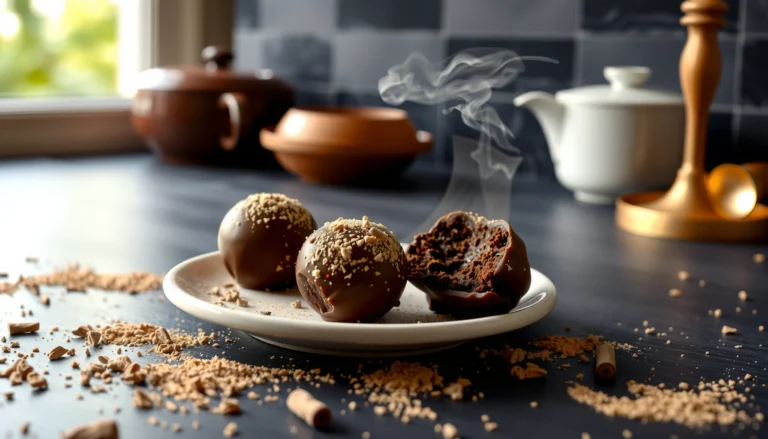
– Chocolate coconut balls: add cocoa or dip in melted chocolate
– Mix cocoa powder directly into the coconut for an even chocolate flavor.
– For a premium finish, dip chilled balls in melted dark or semi-sweet chocolate, then set on parchment.
– Holiday-style: mix in cinnamon and crushed nuts
– Stir in cinnamon for warmth and crushed toasted nuts (almonds, pecans, or walnuts) for crunch.
– Coating options: extra coconut for texture or a light cocoa dusting for a “truffle-like” look.
– Tropical twist: add lime zest or a splash of coconut cream
– Lime zest brightens coconut so the sweetness feels less heavy.
– Coconut cream adds richness—reduce slightly if your mixture becomes too loose.
Flavor pairing tip: keep strong flavors (cocoa, nuts, zest) in balance by adjusting binder slightly. Intense add-ins can absorb moisture or create dryness, especially cocoa powder.
Storage and Freezing Instructions
Because coconut balls are no-bake, storage is about maintaining moisture balance and preventing freezer burn. Done correctly, they taste freshly made days later.
– Store in an airtight container in the fridge for up to 1 week
– Use parchment between layers to prevent sticking.
– For best texture, let them sit at cool room temperature for 5–10 minutes before serving—this slightly softens the interior without losing structure.
– Freeze coconut balls on a tray first, then transfer to a freezer bag
– Lay balls in a single layer on a lined tray until fully frozen.
– Then transfer to a freezer bag or container. This prevents them from clumping into one mass.
– Thaw in the fridge for best texture before serving
– Thaw overnight in the refrigerator for the most stable texture.
– Avoid thawing at room temperature for long periods, which can increase surface tackiness.
Shelf-life reasoning: the binder (especially condensed milk and honey) retains moisture, but refrigeration and airflow determine how quickly surface texture changes.
Serving Ideas for Coconut Balls
Coconut balls are inherently portable and party-friendly. They also work well for planners—because they can be prepared ahead and served “ready to go.”
– Serve with coffee, tea, or alongside fruit and cookies
– Their sweetness complements roasted coffee, black tea, and citrus-forward fruit like pineapple or oranges.
– Pack for lunchboxes or quick after-school snacks
– Portioning makes them easy to grab. Add a small note or napkin to keep them presentable.
– Add to dessert trays with other no-bake treats
– Pair them with brownies, shortbread, or other chilled bites for a varied texture set.
Presentation tip: if serving at an event, arrange coconut balls by flavor (plain, chocolate, holiday cinnamon) and label each bowl—guests are more likely to sample multiple varieties when selections are clear.
Coconut balls are easy: mix, roll, coat, and chill for a sweet, firm bite. Follow the binding tips for the right texture, choose a flavor variation that matches your occasion, and store or freeze them for ready-to-serve convenience—then make a batch today for your next snack or gathering.
References
- https://en.wikipedia.org/wiki/Coconut_macaroon
https://en.wikipedia.org/wiki/Coconut_macaroon - Coconut candy
https://en.wikipedia.org/wiki/Coconut_candy - https://en.wikipedia.org/wiki/Bounty_(chocolate
https://en.wikipedia.org/wiki/Bounty_(chocolate - Coconut
https://en.wikipedia.org/wiki/Desiccated_coconut - https://www.britannica.com/plant/coconut
https://www.britannica.com/plant/coconut - https://pubmed.ncbi.nlm.nih.gov/?term=coconut+confection+food+composition
https://pubmed.ncbi.nlm.nih.gov/?term=coconut+confection+food+composition - https://pubmed.ncbi.nlm.nih.gov/?term=coconut+macaroon+recipe+research
https://pubmed.ncbi.nlm.nih.gov/?term=coconut+macaroon+recipe+research - Google Scholar Google Scholar
https://scholar.google.com/scholar?q=coconut+balls+recipe - Google Scholar Google Scholar
https://scholar.google.com/scholar?q=coconut+macaroons+recipe+ingredients - Google Scholar Google Scholar
https://scholar.google.com/scholar?q=coconut+confections+fat+sugar+processing+study