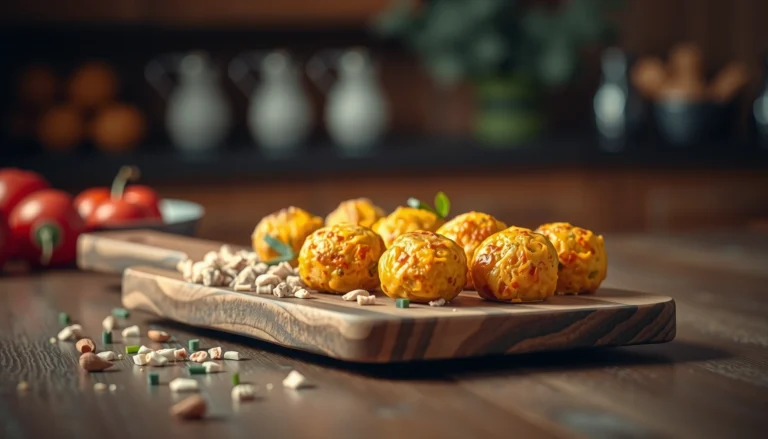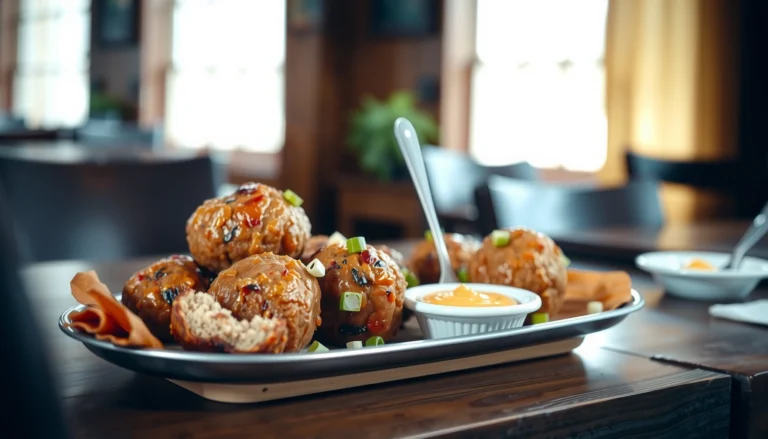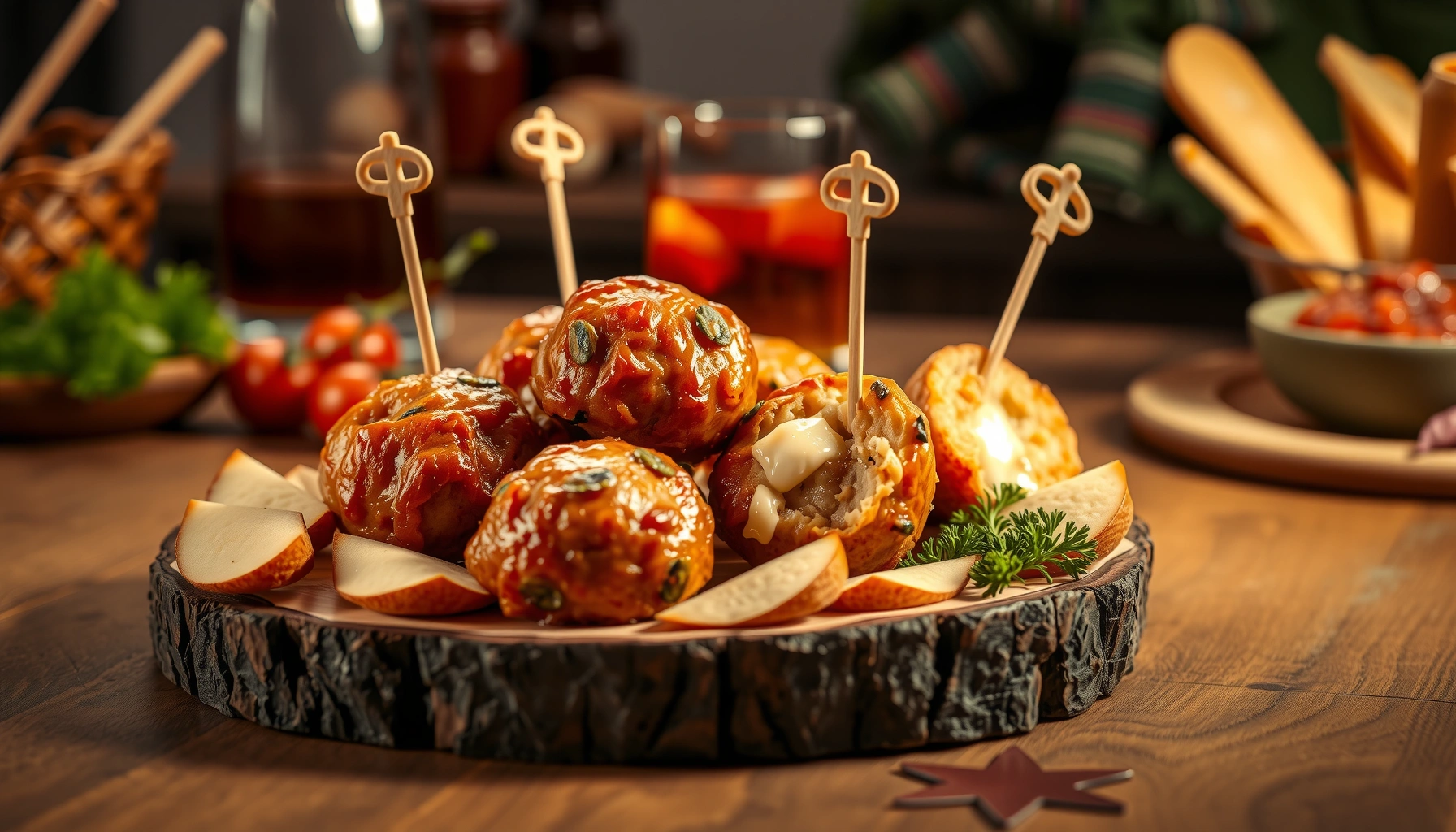
Get the best sausage cheese balls recipes for fast, reliably golden appetizers, whether you’re feeding a crowd or prepping for game day. This guide gives you the clear winner—an easy, bake-to-crisp method that delivers melty centers and crispy exteriors every time. You’ll also learn the quickest swap-ins and timing so your sausage cheese balls come out right, even if you’re short on prep time.
You can make tender, golden sausage cheese balls by combining savory sausage with cream cheese and shredded cheese, then baking or frying until the mixture is fully set. In this guide, you’ll learn reliable ingredients, simple shaping tips, and easy sausage cheese balls recipes for any occasion—whether you’re feeding a crowd at a holiday party or meal-prepping for the week.
Classic Sausage Cheese Balls Recipe

– Use breakfast sausage, cream cheese, and shredded cheddar for a classic flavor
– Bake until firm and lightly browned for the best easy texture
The “classic” sausage cheese ball is all about balance: salty and savory sausage, tangy-rich cream cheese for binding, and sharp cheddar for bold flavor and melt. For consistency, plan around three core ideas: (1) correct sausage moisture, (2) proper binding from cream cheese, and (3) a cook method that reliably sets the center.
A dependable approach is to bake because it’s hands-off, evenly cooks the interior, and reduces the risk of over-browning outside while the center remains soft. Frying can deliver extra crunch, but baking is the most repeatable method for crowds.
Classic baked sausage cheese balls (results-focused baseline):
1. Preheat oven to 375°F (190°C). Line a baking sheet with parchment.
2. In a mixing bowl, combine 1 pound breakfast sausage (cooked/drained if your package is very fatty), 8 ounces softened cream cheese, and 2 cups shredded cheddar.
3. Optional but recommended for better texture: season lightly with black pepper and garlic powder (about 1/2 teaspoon each).
4. Mix only until uniform, then portion into 1 1/2-inch balls (about 24 pieces).
5. Bake 18–22 minutes, until browned on top and the center is set (no wet, glossy look).
Pro tip for “tender inside”: don’t treat the mix like bread dough. Overmixing develops toughness; the goal is a cohesive blend, not a dense paste.
Ingredients & Substitutions
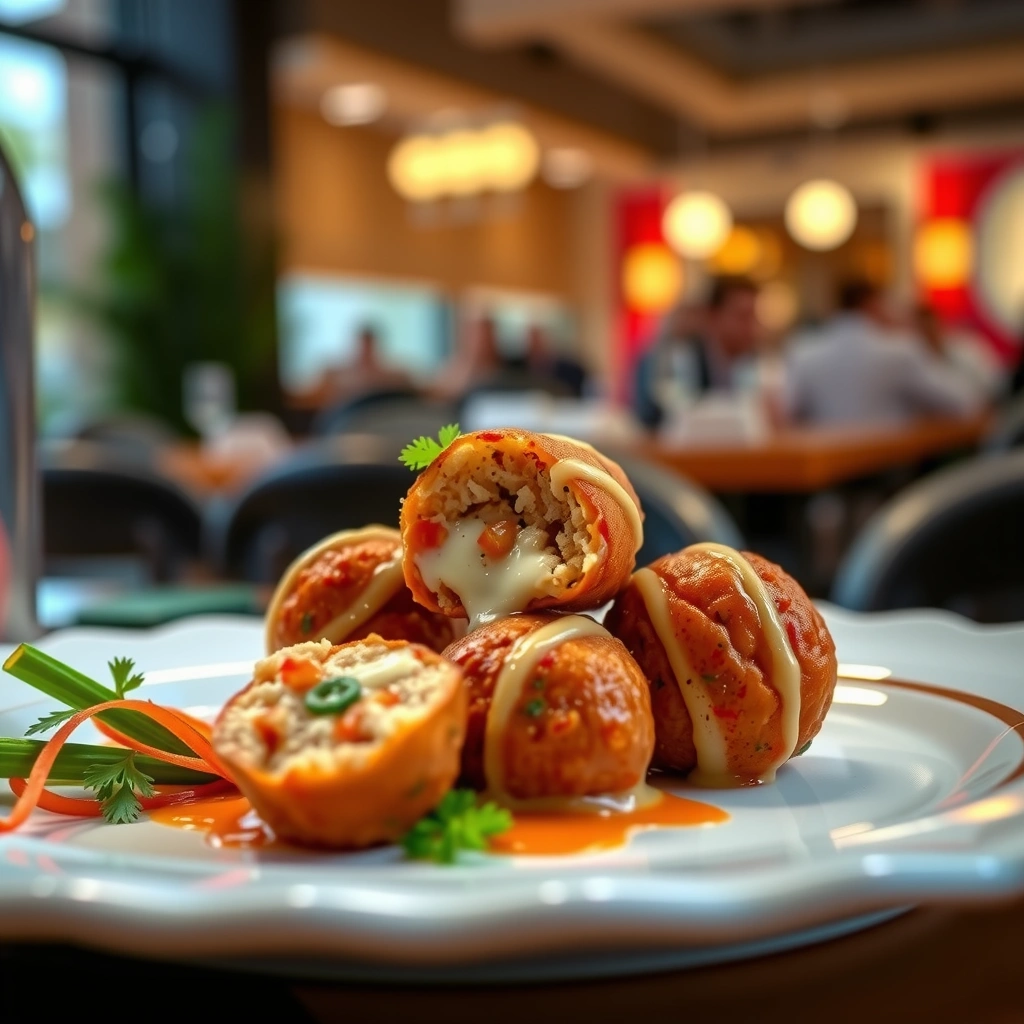
– Choose mild or hot sausage to control heat level
– Swap cheddar types (or add mozzarella) for different melt and flavor
One reason sausage cheese balls stay popular is their flexibility. You can adjust heat, flavor direction, and melt characteristics without changing the core method.
Sausage choices (heat + moisture control):
– Mild breakfast sausage: most crowd-friendly; lets cheddar flavor lead.
– Hot breakfast sausage: adds spice without extra work; pair with a creamy dip to cool it.
– Italian sausage (casing removed): more herb-forward and works well if you’re serving with marinara or a garlic aioli.
– Turkey sausage: lighter option, but it can be drier—consider slightly more cream cheese or bake a minute less to avoid over-set dryness.
Cheese swaps (melt + flavor depth):
Cheddar is the standard because it melts smoothly and provides a familiar sharpness. If you want variety:
– Sharp cheddar: deeper flavor, great for classic parties.
– Medium cheddar: milder, easier for mixed audiences (especially kids).
– Monterey Jack: creamier melt and a slightly buttery taste.
– Mozzarella addition (1 cup mixed in): increases stretch and melt; ideal if you like a gooier bite.
Binding and texture notes:
Cream cheese is the glue. If it’s too cold, it won’t blend cleanly; if it’s too warm, it can make the mixture greasy. Softened (room temperature) cream cheese gives the best structure.
If you’re creating a more “restaurant-style” chew, add a small amount of fine shredded parmesan (about 1/4 cup). It enhances savoriness and helps the exterior brown more uniformly.
How to Mix & Shape for Best Results
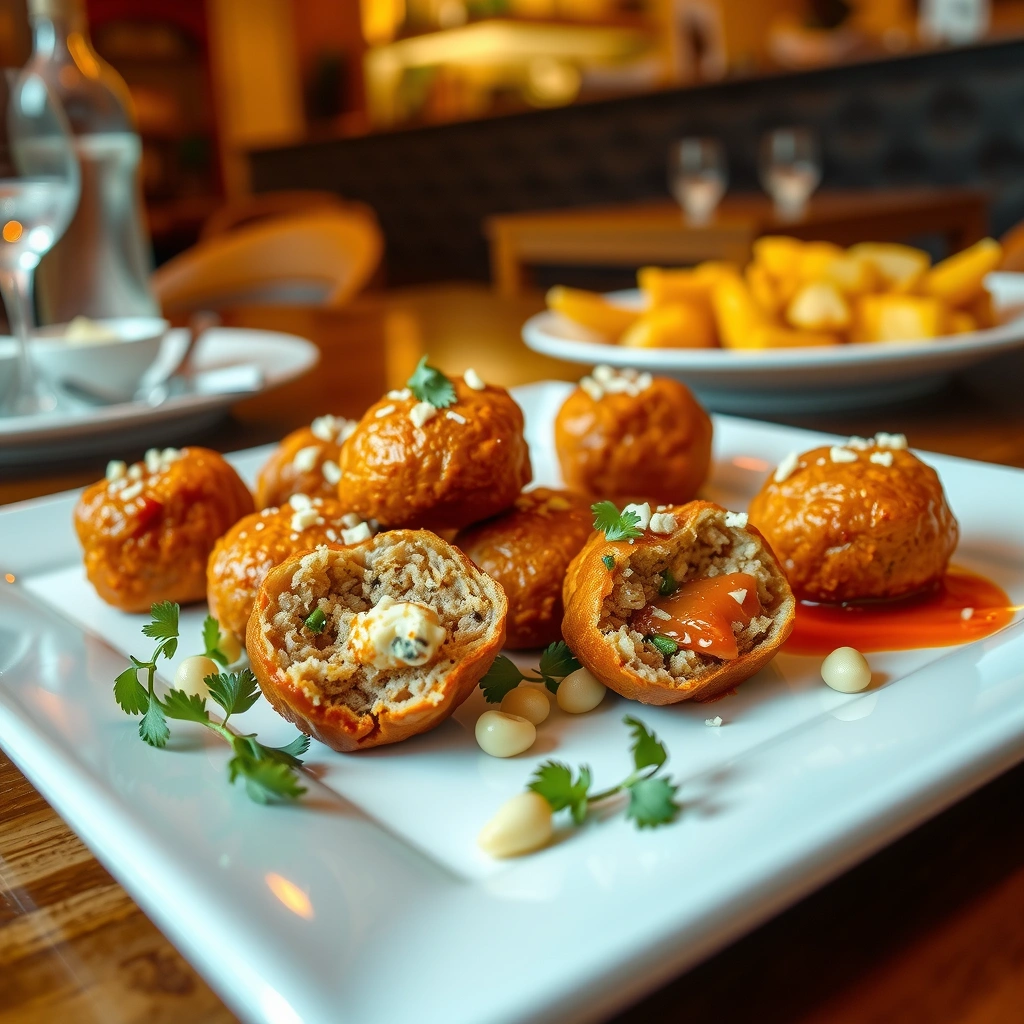
– Mix just until combined to keep the balls tender
– Roll into even sizes so they cook at the same rate
The biggest determinant of tender sausage cheese balls isn’t the oven—it’s how you handle the mixture. Treat it like a quick blend, not a knead-and-work process. When you overmix, the mixture can become dense and firm rather than tender.
Mixing technique (what to do and what to avoid)
– Do: fold and stir just until you no longer see streaks of cream cheese.
– Avoid: vigorous mixing for several minutes, which can toughen the texture and cause the sausage to release more fat.
– If the mix is sticky: chill 15–20 minutes before shaping. Sticky isn’t wrong; it just needs workable firmness.
Shaping technique (size is quality)
To get reliable results, your balls need to be consistent. Even small differences can mean some balls are done while others are still soft in the center.
Practical shaping workflow:
1. Use a cookie scoop or measure portions by weight if you want maximum consistency (about 1.2–1.4 oz each for 24 balls).
2. Roll quickly with lightly greased hands (or use a light coating of nonstick spray).
3. Space balls evenly on the tray for airflow and even browning.
Quick reference: what “set” looks like
When baked, the exterior should be lightly browned and the center should look fully cooked—not glossy and raw. If you gently press a ball with a spoon edge, it should feel springy rather than wet.
Sausage Cheese Balls: Best Practice Targets (Bake/Portion Consistency)
| # | Ball Size (approx.) | Estimated Count / 1 lb | Bake Time at 375°F | Target Texture |
|---|---|---|---|---|
| 1 | 1.0 in | 30–34 | 14–17 min | Set center |
| 2 | 1.25 in | 26–29 | 16–19 min | Light browning |
| 3 | 1.5 in | 22–25 | 18–22 min | Tender interior |
| 4 | 1.75 in | 18–21 | 20–25 min | Fully set center |
| 5 | 2.0 in | 15–18 | 24–28 min | Golden crust |
| 6 | Smaller mix | 35–40 | 12–15 min | Watch drying |
| 7 | Larger mix | 16–18 | 26–30 min | Verify center |
Baking vs. Frying: Which Makes Better Sausage Cheese Balls?
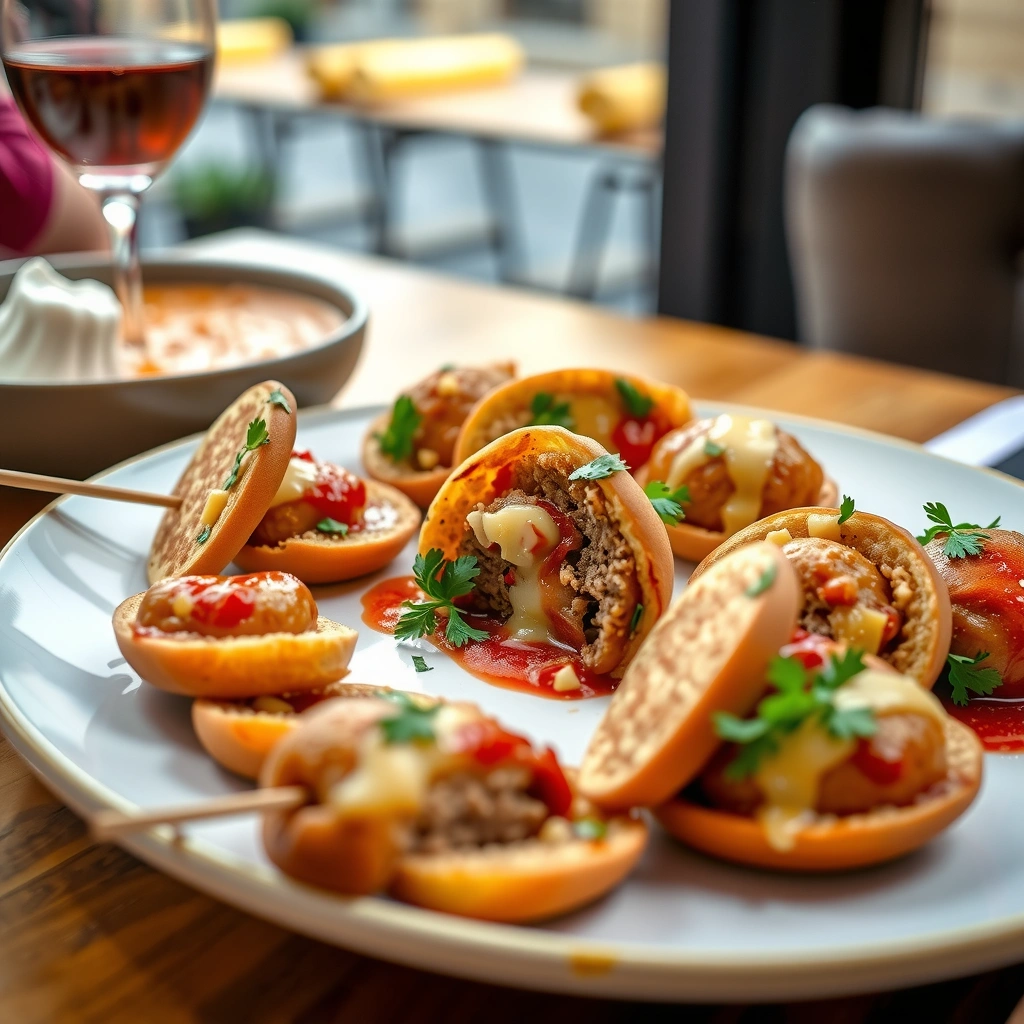
– Baking is simpler and less messy for consistent results
– Frying creates a crispier exterior if you want extra crunch
Choosing between baking and frying is mostly about texture goals and operational simplicity.
Baking advantages (recommended for most batches):
– More consistent doneness across large groups
– Less mess (no oil management)
– Easier to hold temperature for service
– Better “tender inside” because the fat and cheese set gradually
Frying advantages (when crunch is the priority):
– Crisp exterior with a more pronounced crunch
– Faster visual browning—great for “wow” factor
– Particularly satisfying if you plan to serve immediately
Practical guidance:
– If you’re making 20+ balls, bake.
– If you’re making 8–12 balls for immediate serving, frying can shine.
– Regardless of method, ensure the center is fully cooked—cheese may melt, but the sausage must be set.
Frying tip to prevent greasy balls: keep oil at a steady temperature (around 350°F). If the oil is too cool, the outside absorbs more oil and the inside may take longer, risking uneven texture.
Make-Ahead, Storage, and Reheating Tips
– Assemble and refrigerate before baking for faster prep
– Store leftovers and reheat in the oven to restore texture
Sausage cheese balls are ideal for planning because they reheat well and can be prepared in stages. That’s valuable for event kitchens and busy households alike.
Make-ahead options
Best approach for stress-free hosting:
– Mix and shape the balls, then refrigerate them on a tray covered for up to 24 hours.
– Bake right before you need them or within a short window for best texture.
Storage guidelines
– Refrigerate leftovers in an airtight container for 3–4 days.
– Freeze shaped, uncooked balls on a parchment-lined tray until firm, then transfer to a freezer bag. They typically keep 2–3 months.
Reheating to restore quality
To preserve the tender inside and golden exterior, reheat in the oven rather than the microwave when possible:
– Oven: 325–350°F until warmed through (about 10–14 minutes for refrigerated).
– For frozen: bake from frozen, increasing time by 5–10 minutes (start checking early).
Avoid: overheating in a way that dries out the sausage and causes cheese to separate. Warm, not scorch, is the key.
Serving Ideas & Flavor Boosters
– Pair with crackers, marinara, or a creamy dip
– Add spices like garlic powder or cayenne to customize the recipe
Sausage cheese balls are a “grab-and-go” appetizer, but the right pairing turns them from simple to memorable.
Crowd-friendly serving combinations
– Crackers or sliced baguette: easy texture contrast and minimal mess
– Marinara (especially with Italian sausage or mozzarella): bright, tangy balance
– Ranch or garlic herb dip: cool, creamy complement to spicy sausage
– Warm cheese sauce or queso: for an indulgent, fully cheesy experience
If you’re serving at a party, plan for at least two dips—one creamy and one tangy—to cover different flavor preferences.
High-impact flavor boosters
A small change in seasoning can noticeably elevate the final result:
– Garlic powder + black pepper: classic savory profile
– Cayenne or smoked paprika: adds heat and aroma without overpowering
– Chopped green onion: fresh finish and color contrast
– Crushed red pepper: more direct heat for adventurous guests
If you want a “signature” angle, consider adding 1/2 teaspoon Worcestershire to the mix for deeper savory notes (use sparingly so it doesn’t dominate).
Simple pairing strategy for mixed audiences
– If you use mild sausage, let cheddar be the star and pair with marinara + ranch.
– If you use hot sausage, keep the dip lineup cooling—ranch, sour cream dip, or a mild honey-mustard—and consider reducing additional cayenne.
Sausage cheese balls are easy to nail when you use the right base (sausage + cream cheese + cheese), mix lightly, and cook until fully set and browned. Pick your preferred method (baked or fried), try one flavor variation, and make a batch for your next party—then save the leftovers and reheat for a quick win.
References
- https://scholar.google.com/scholar?q=sausage+cheese+balls+recipe Google Scholar
https://scholar.google.com/scholar?q=sausage+cheese+balls+recipe - Google Scholar Google Scholar
https://scholar.google.com/scholar?q=cheese+balls+sausage+appetizer - Google Scholar Google Scholar
https://scholar.google.com/scholar?q=cheese+balls+food+science+emulsion+binding - Cheese ball
https://en.wikipedia.org/wiki/Cheese_ball - Sausage
https://en.wikipedia.org/wiki/Sausage - Cheese
https://en.wikipedia.org/wiki/Cheese - Hors d’oeuvre
https://en.wikipedia.org/wiki/Appetizer - https://www.fsis.usda.gov/food-safety/safe-food-handling-and-preparation/ground-beef-pork-lamb-safety
https://www.fsis.usda.gov/food-safety/safe-food-handling-and-preparation/ground-beef-pork-lamb-safety - https://www.fsis.usda.gov/food-safety/safe-food-handling-and-preparation/meat-and-poultry-handling
https://www.fsis.usda.gov/food-safety/safe-food-handling-and-preparation/meat-and-poultry-handling - USDA FoodData Central
https://fdc.nal.usda.gov/