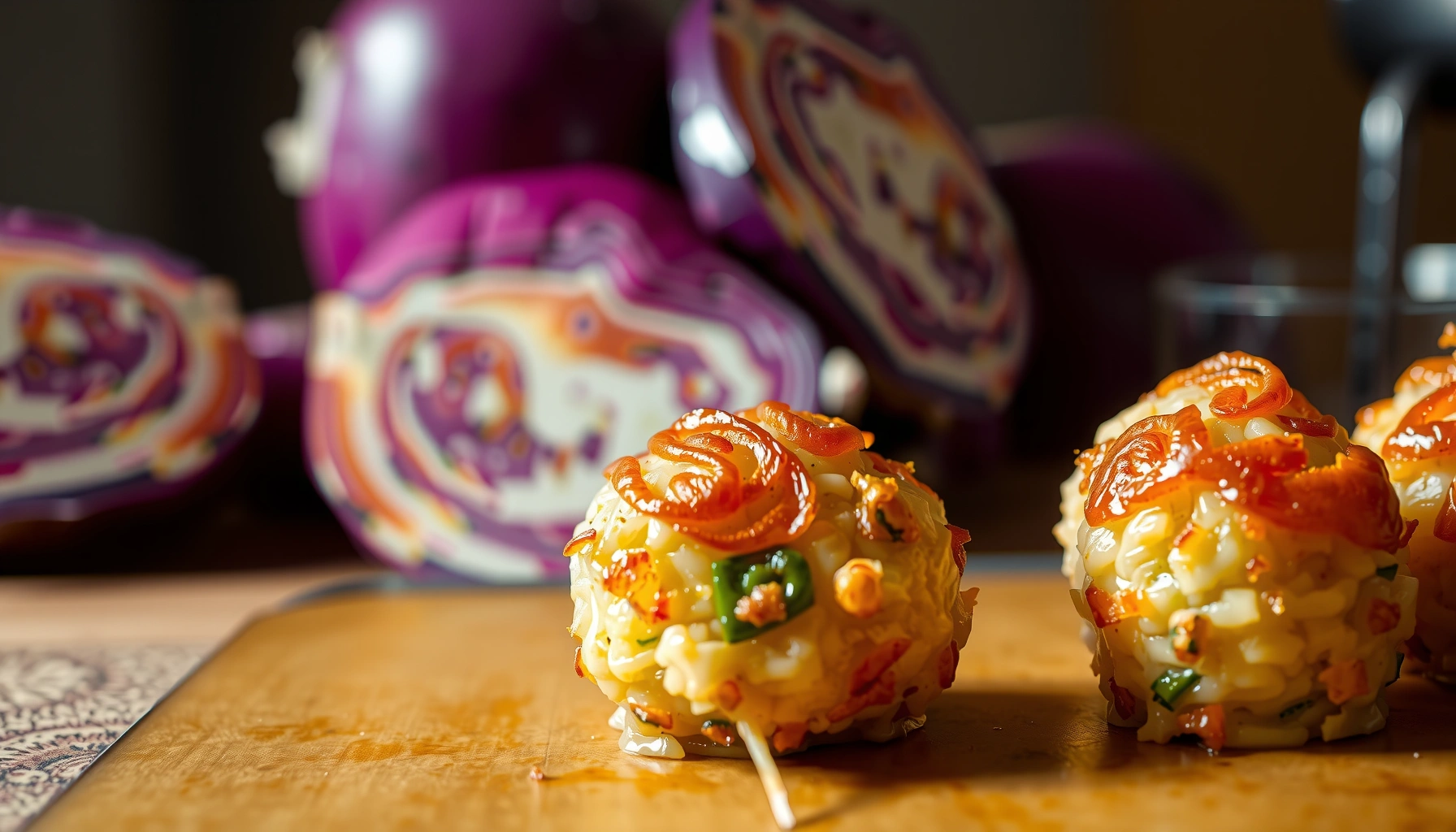
Get the best recipe for kraut balls—crispy, crunchy cabbage bites that deliver maximum tang and crunch with minimal fuss. This step-by-step guide shows exactly how to season, shape, and bake or fry kraut balls so they come out golden and stay snappy. If you want a dependable winner for weeknight snacks or party trays, this is the method to follow.
Make kraut balls with a straightforward mix of drained sauerkraut, ground meat (or a plant-based substitute), breadcrumbs, and spices—then bake until deeply golden. The key is handling moisture and binding: drain and squeeze the sauerkraut, mix thoroughly, and cook until the centers are fully done so the tangy, crunchy cabbage bites hold together every time.
Ingredients for Kraut Balls
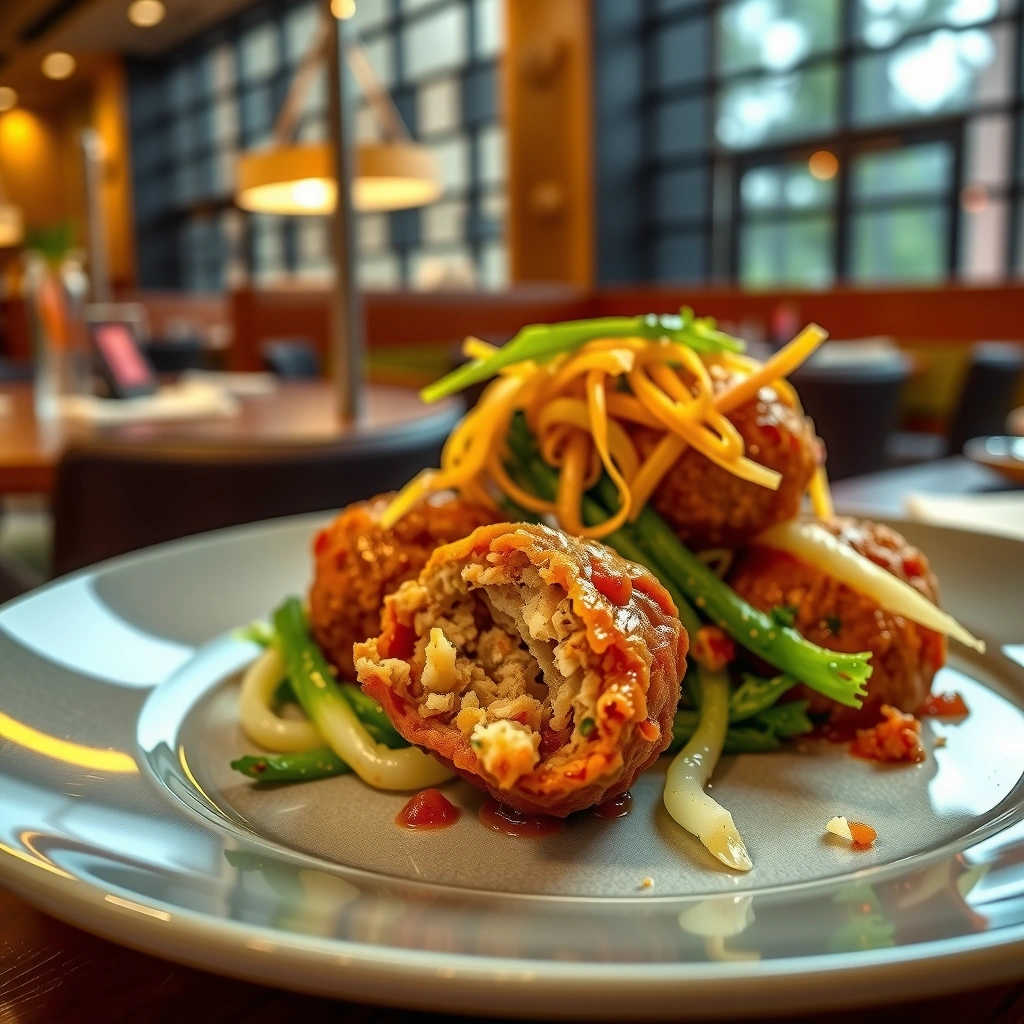
– Gather sauerkraut, ground meat (or plant-based substitute), breadcrumbs, egg, and seasonings
– Add optional flavors like garlic, onion, dill, or black pepper to match your taste
To make reliable kraut balls—often described as “cabbage bites,” “Polish-inspired cabbage meatballs,” or “sauerkraut fritters”—you need both flavor and structure. Sauerkraut provides the signature tang, but it also brings water and acidity that can weaken binding if not managed properly. That’s why the typical set of ingredients is intentionally simple and repeatable.
Core ingredient roles (what each one does):
– Sauerkraut (drained and squeezed): The tangy cabbage base. When well-drained, it delivers bright flavor without making the mixture watery.
– Ground meat (or meatless alternative): Supplies fats and proteins that help the balls stay intact during baking. For a meatless option, use a plant-based ground substitute or a mix of shredded mushrooms + soy crumbles to achieve similar binding behavior.
– Breadcrumbs: Absorb excess moisture and create a firmer crumb that crisps in the oven.
– Egg: A classic binder. It helps the mixture set and slice-like “meatball structure” form when baked.
– Seasonings: Give the balls depth beyond the sour note of sauerkraut.
A practical seasoning approach (balanced and scalable):
– Black pepper for gentle heat and aroma
– Garlic powder or fresh minced garlic for savory depth
– Onion powder (or sautéed onion) for sweetness and roundness
– Dill for a classic tangy-herb profile that complements fermented cabbage
– Optional pinch of sugar to round sharp acidity (more on this in seasoning tips)
Practical “ingredient confidence” guide
Below is a data-focused way to choose the right base for your kraut balls based on expected behavior during baking.
Ingredient Base Performance for Kraut Balls (Oven-Baking)
| # | Kraut Ball Base | Binding Strength | Moisture Tolerance | Best Use | Outcome Score |
|---|---|---|---|---|---|
| 1 | Ground Pork (80/20) | ★ ★ ★ ★ ★ | High | Classic tender center | 9.4/10 |
| 2 | Ground Beef (85/15) | ★ ★ ★ ★ ☆ | Medium-High | Robust “meatball bite” | 8.9/10 |
| 3 | Ground Turkey | ★ ★ ★ ☆ ☆ | Medium | Lighter but needs firm mixing | 8.1/10 |
| 4 | Chicken Sausage (casings removed) | ★ ★ ★ ★ ☆ | Medium | Extra flavor, less seasoning | 8.6/10 |
| 5 | Plant-Based “Ground” (soy-based) | ★ ★ ★ ★ ☆ | Medium | Best for sliceable consistency | 8.4/10 |
| 6 | Mushroom + Soy Crumbles | ★ ★ ★ ☆ ☆ | Low-Medium | Deeper umami, tighter squeeze | 7.3/10 |
| 7 | Lentils (cooked, mashed) + Breadcrumbs | ★ ★ ★ ☆ ☆ | Low | Need extra binding help | 6.9/10 |
Prep Steps for Kraut Balls
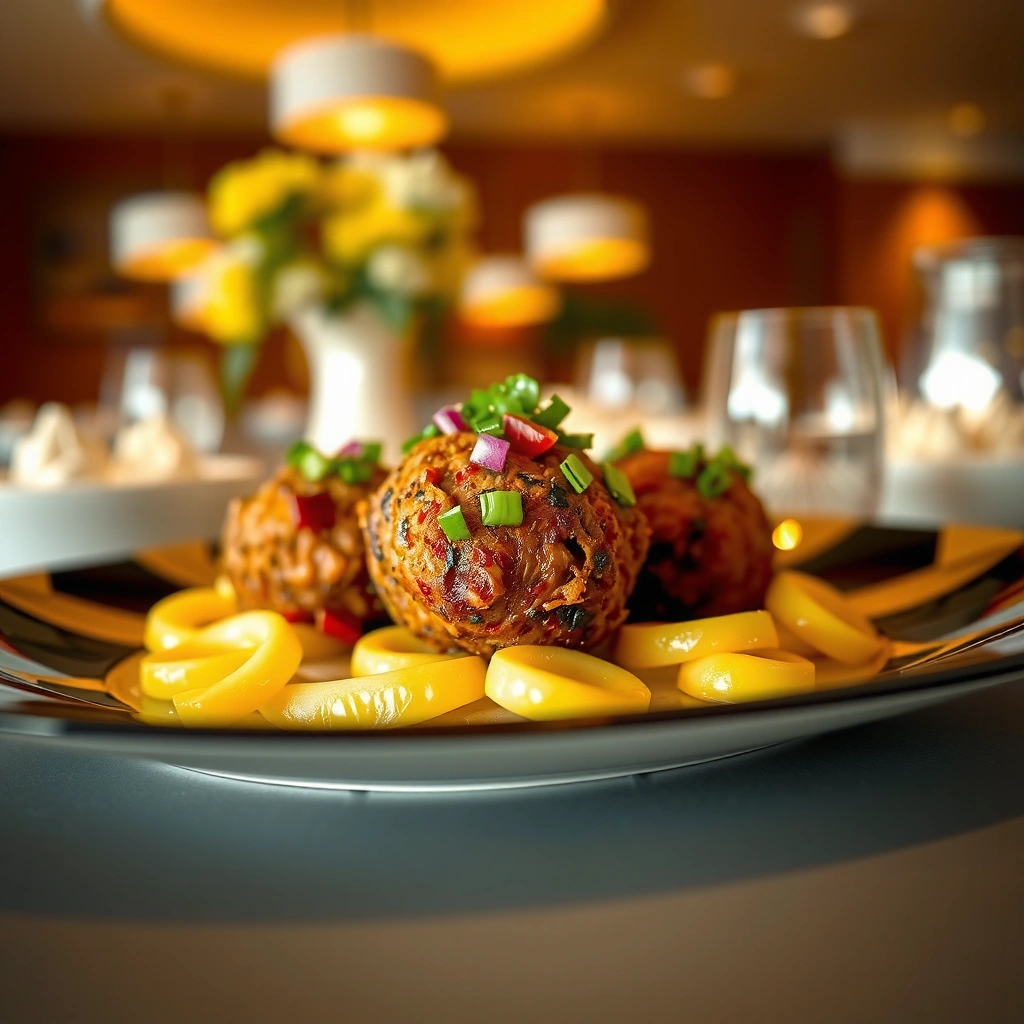
– Drain and squeeze sauerkraut to prevent excess moisture
– Combine ingredients thoroughly, then form into bite-size balls
Preparation determines whether your kraut balls become crisp, flavorful bites—or turn into loose, soggy dumplings. From a food-science perspective, fermented cabbage contains both solids and liquid brine. If you skip draining and squeezing, the mixture’s water content rises, and binding becomes less effective.
Step-by-step prep (with the “why” behind it):
1. Drain sauerkraut thoroughly.
Use a colander and let it sit for a minute or two so excess brine runs off.
2. Squeeze the sauerkraut.
Wrap in a clean kitchen towel or cheesecloth and squeeze until it feels drier. This single step is the difference between “meatball-like” structure and “wet patty” texture.
3. Mix the binder ingredients first.
Combine breadcrumbs, egg, spices (and garlic/onion/dill if using). This disperses seasoning evenly so you don’t get concentrated salty pockets.
4. Add the protein/base and mix thoroughly.
Fold in ground meat (or plant-based ground), then mix until the mixture looks cohesive. Avoid overworking to the point it becomes gummy—aim for uniform distribution, not paste.
5. Fold in sauerkraut last, then rest.
Add the squeezed sauerkraut and mix again briefly. Resting the mixture for 10–15 minutes allows breadcrumbs to hydrate slightly, improving bite cohesion.
Forming tips for consistent baking:
– Aim for uniform size (about 1.5–2 tablespoons each). Consistency means even cooking, which prevents dry outer bits and underdone centers.
– Use lightly damp hands to prevent sticking.
– Place on a lined sheet with space between balls so hot air can circulate.
Baking vs. Frying Kraut Balls
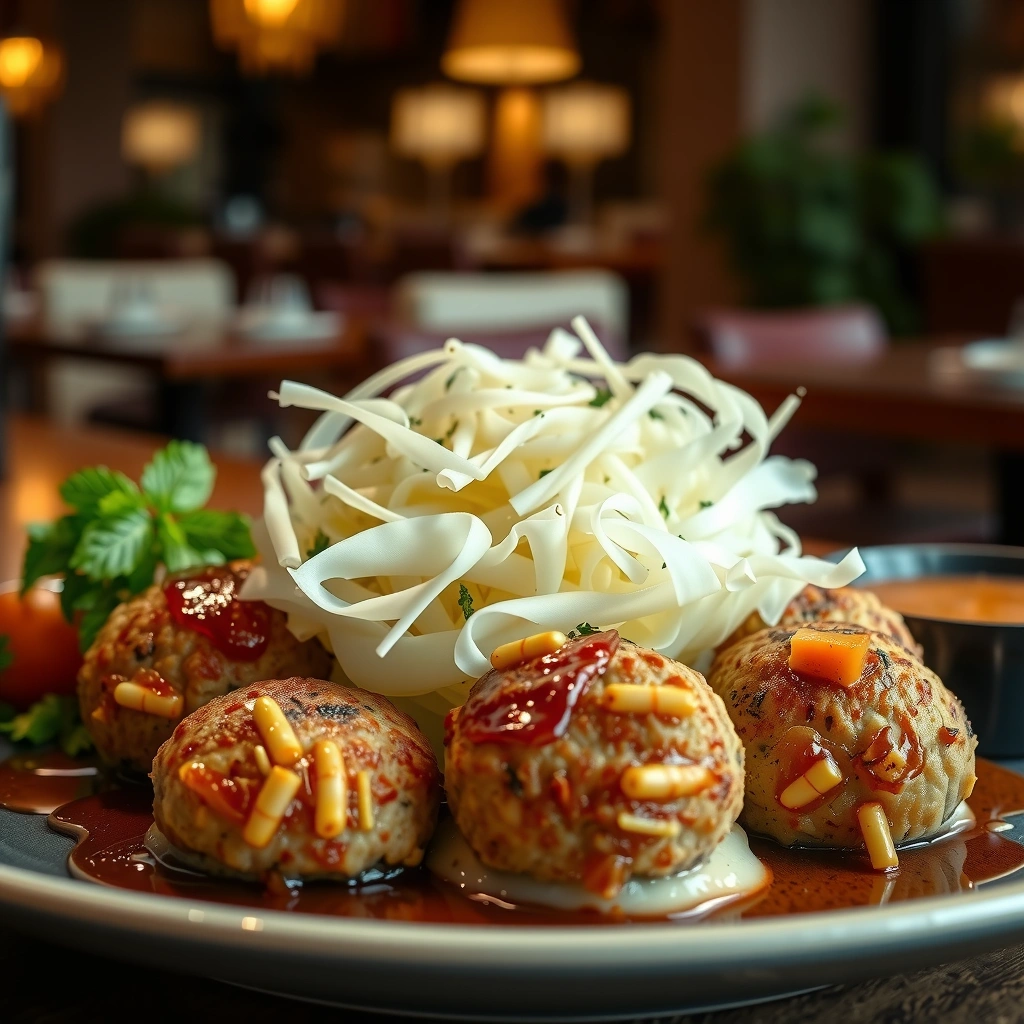
– Bake for a simpler, less-mess option with evenly browned results
– Pan-fry for extra crisp edges, then drain briefly for best texture
Both methods work; the right choice depends on your priority: convenience and even heat (baking) versus maximum crunch (frying). In production terms, baking is the “repeatable workflow” method—frying is more hands-on but can deliver a more intense crust.
Baking (recommended for consistency):
– Use a preheated oven and a sheet pan with good airflow (use a wire rack if you have one).
– Bake until browned and cooked through; tangy cabbage bites should have firm centers, not soft or wet cores.
– For extra crunch, lightly mist the tops with oil or use an ingredient mix slightly richer in breadcrumbs.
Frying (for crisp edges and faster browning):
– Pan-fry in a thin layer of oil until deep golden on both sides.
– Because sauerkraut carries moisture, kraut balls can steam rather than crisp if you overcrowd the pan. Use moderate heat and enough room.
– Drain on a rack or paper towel briefly to prevent a greasy exterior.
Best practical hybrid approach:
Pan-fry briefly to build crust, then finish in the oven. This reduces the “burn outside, raw inside” risk and gives you restaurant-like texture at home.
Seasoning and Flavor Tips
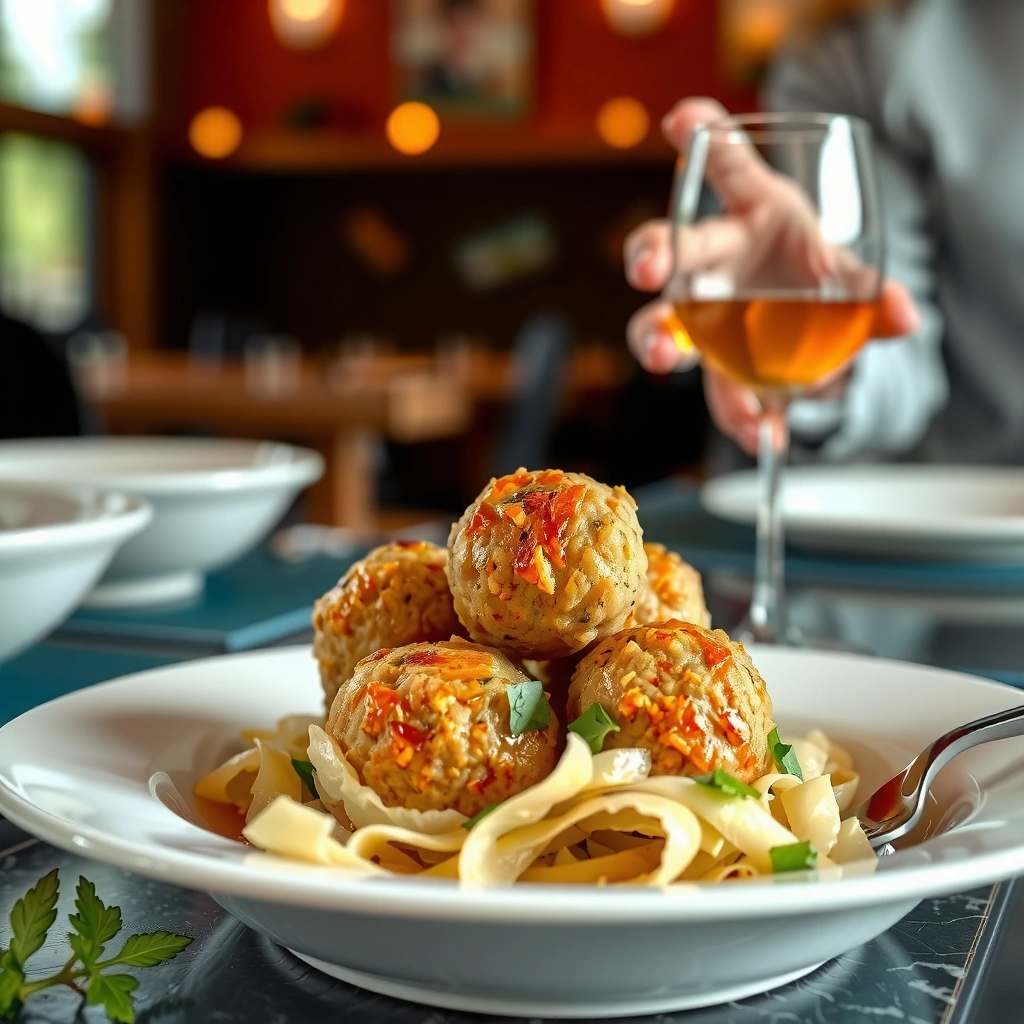
– Balance tangy sauerkraut with savory spices and a pinch of sugar (optional)
– Adjust salt carefully since sauerkraut can be salty
Sauerkraut flavor is complex: it’s tangy, salty, and fermented, which means your typical meatball seasoning may come out too aggressive if you don’t adjust. Think of seasoning as a balancing act between acid (sauerkraut), salt, and aromatics.
1) Salt control (critical):
Many sauerkrauts are already heavily salted. Before adding extra salt, consider tasting the drained sauerkraut (carefully, since it’s sour). If it tastes notably salty on its own, reduce added salt and rely on black pepper, garlic, and herbs for depth.
2) Optional pinch of sugar (for roundness):
A small pinch—think “just enough to soften sharpness”—can make sauerkraut taste more rounded rather than harsh. This is especially helpful when:
– the sauerkraut is very sharp
– you’re using lean ground meat (like turkey) that doesn’t have much fat to mellow flavors
– you’re serving with tangy sauces (mustard, remoulade, or vinaigrettes), which can amplify sour notes
3) Aromatics that work reliably:
– Garlic + onion: savory backbone
– Dill: classic pairing with fermented cabbage
– Caraway seeds (optional): often used in cabbage dishes for a warm, slightly sweet herbal note
– Black pepper + smoked paprika (optional): add perceived “warmth” without relying on extra salt
4) Add umami without over-salting (meatless option):
For plant-based kraut balls, include a savory enhancer such as:
– finely minced sautéed mushrooms
– a teaspoon of soy sauce or tamari (use sparingly; it’s salty)
– nutritional yeast for a subtle cheese-like depth
Cooking Time and Doneness
– Bake until balls are cooked through and browned (use a thermometer if possible)
– Rest briefly before serving to help them set and stay firm
Doneness is where kraut balls either succeed or disappoint. Undercooked centers may feel soft and can release moisture when cut. Overbaking can dry out the mixture—especially lean proteins like turkey.
Thermometer targets (for business-like reliability):
– Pork/Beef: aim for 160°F (71°C) in the center
– Turkey/Chicken: aim for 165°F (74°C) in the center
– Plant-based bases: follow package guidance, then bake until hot throughout and firm; a thermometer often still helps with internal temperature (commonly 165°F/74°C for “hot all the way through”)
Timing guidance (typical, varies by size):
– Baking at ~400°F / 200°C: usually 18–28 minutes, depending on ball size and oven behavior.
– Look for golden browning and a firm exterior.
Resting matters (2–5 minutes):
Resting allows proteins and binders (egg + breadcrumbs) to set further. Cutting or serving immediately can cause crumbling or “steam collapse,” particularly when you’ve used lean meat or meatless bases.
Serving Ideas for Kraut Balls
– Serve with mashed potatoes, mustard, or a tangy dipping sauce
– Pair with rye bread, roasted vegetables, or a simple salad for contrast
Kraut balls are flexible: they work as an appetizer, a hearty side dish, or a main course when served with the right starch and sauce. Because they’re tangy and savory, choose sides that either soften (potatoes) or refresh (salad, rye bread).
Classic pairings:
– Mashed potatoes + mustard (especially stone-ground): creamy starch balances acidity.
– Rye bread or crusty rolls: perfect for scooping and “holding” the tangy bites.
– Simple salad (cucumber-dill, mixed greens, or cabbage slaw): provides a crisp, cool counterpoint.
Sauce options that elevate texture and flavor:
– Dijon or whole-grain mustard: sharp, complementary heat
– Sour cream + dill (or vegan sour cream): cools and softens tang
– Tart yogurt sauce with lemon zest: adds brightness without heavy salt
– Warm gravy (optional): turns them into a comfort-food plate
Serving for groups (practical strategy):
– Keep warm in a low oven (around 200°F/95°C) while finishing sides.
– Serve sauces on the side so the exterior stays crisp for as long as possible.
Kraut balls are easy to nail when you drain the sauerkraut, mix thoroughly, and cook until fully done (baking or frying both work). Follow the ingredient list, form consistent balls, and taste-adjust your seasonings—then serve hot with your favorite sides and enjoy.
References
- Sauerkraut
https://en.wikipedia.org/wiki/Sauerkraut - Meatball
https://en.wikipedia.org/wiki/Meatball - Fermentation
https://en.wikipedia.org/wiki/Fermentation - Lactic acid bacteria
https://en.wikipedia.org/wiki/Lactic_acid_bacteria - Sauerkraut | Definition, Preparation, & Uses | Britannica
https://www.britannica.com/topic/sauerkraut - | National Center for Home Food Preservation
https://nchfp.uga.edu/how/can_06/sauerkraut.html - https://pubmed.ncbi.nlm.nih.gov/?term=sauerkraut+fermentation+lactic+acid+bacteria
https://pubmed.ncbi.nlm.nih.gov/?term=sauerkraut+fermentation+lactic+acid+bacteria - Google Scholar Google Scholar
https://scholar.google.com/scholar?q=Kraut+balls+recipe - Google Scholar Google Scholar
https://scholar.google.com/scholar?q=sauerkraut+meatballs+recipe - Google Scholar Google Scholar
https://scholar.google.com/scholar?q=fermented+cabbage+sauerkraut+culinary+uses+microbiology