This recipe for boudin balls delivers the best crispy, flavorful homemade bites with minimal effort—so you get restaurant-style crunch without guesswork. You’ll find clear steps for mixing, shaping, and frying that reliably turn boudin into golden spheres every time. If you want an easy go-to method for boudin balls that works for weeknights and game days, this is the one to follow.
You can make boudin balls with a crisp, golden crust and a hot, flavorful center by mixing boudin with a seasoned binder (like egg) plus a starchy binder (breadcrumbs or cornmeal), shaping into even balls, then choosing either a controlled fry or a high-heat bake. The key is consistency: portion size, adequate coating, and cooking until the center reaches temperature—so you get crunch on the outside and savory bite inside every time.
Ingredients for Boudin Balls
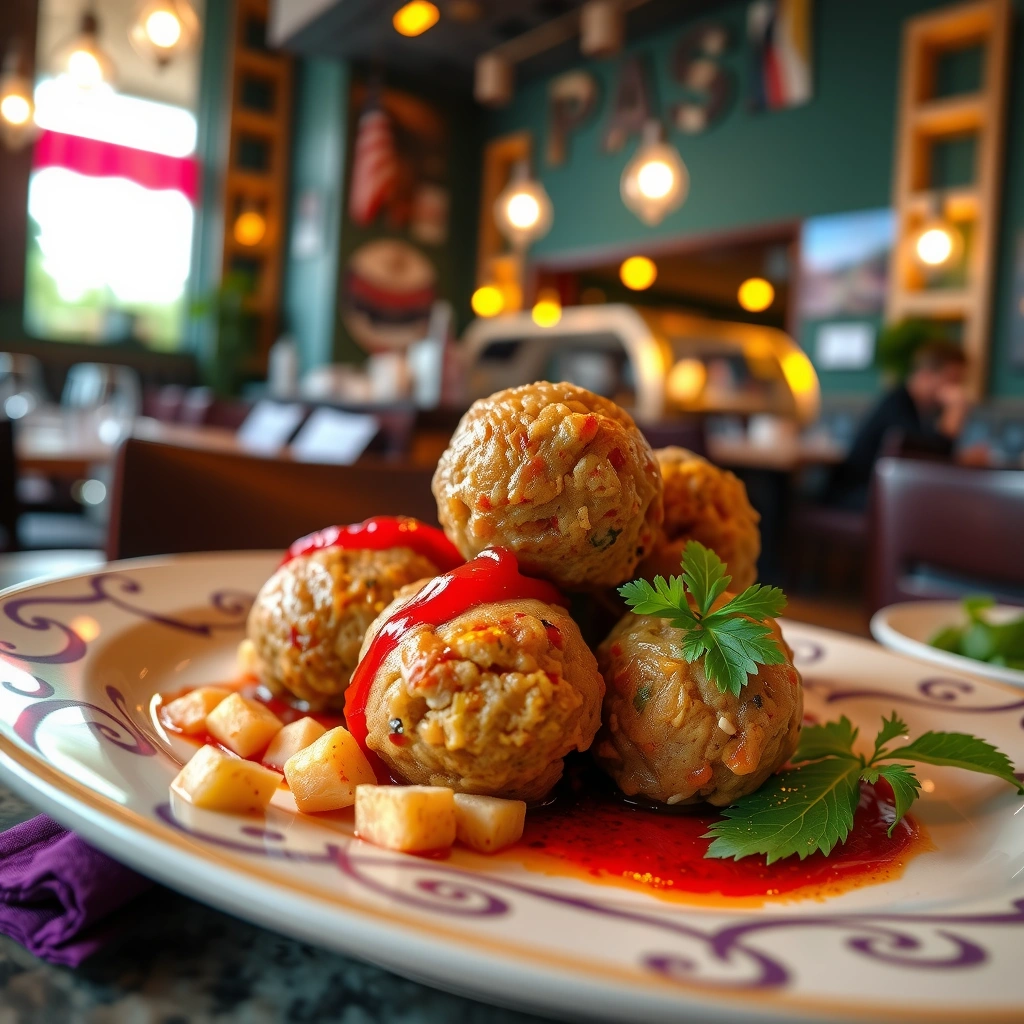
– Gather boudin (pork sausage), breadcrumbs or cornmeal, and your binder (egg)
– Add seasonings like onion, garlic, black pepper, and a touch of salt
Boudin balls are essentially a reliable “sausage-and-crust” platform: the filling is rich and seasoned, while the coating delivers crunch and helps manage texture during cooking. While you can use store-bought boudin straight from the package, the results improve when you treat boudin like a working ingredient—break it up finely, distribute seasonings evenly, and use the right ratio of binder to absorb moisture.
Core components
1. Boudin (pork sausage): This is the flavor base. Look for boudin with visible rice and seasoning; it tends to hold together better and yields a more traditional bite.
2. Breadcrumbs or cornmeal: Choose based on your desired crust:
– Cornmeal tends to produce a slightly rougher, more “shatter-crisp” texture.
– Breadcrumbs typically give a smoother, more uniform crunch.
3. Binder (egg): An egg acts as the glue that keeps the mixture cohesive when shaped and cooked.
Seasoning guidance (professional rule of thumb)
– Use black pepper for warmth and depth.
– Add onion and garlic for savory lift; fresh is best, but powders work in a pinch.
– Use salt sparingly. Many boudin brands are already well-seasoned, so taste the mixture before adding extra.
Suggested ingredient quantities (for ~24–28 balls)
– 2 lb (900 g) boudin, casing removed
– 1/2 cup (60 g) breadcrumbs or fine cornmeal
– 2 large eggs, beaten
– 1/2 cup (about 60–70 g) extra cornmeal or breadcrumbs for coating
– 1/2 tsp black pepper
– 1/2 tsp garlic powder (or 1 clove garlic, grated)
– 1/4–1/2 tsp onion powder (or 1–2 tbsp finely minced onion)
– Optional: 1/4 tsp smoked paprika or cayenne for extra bite
Prepare the Boudin Filling
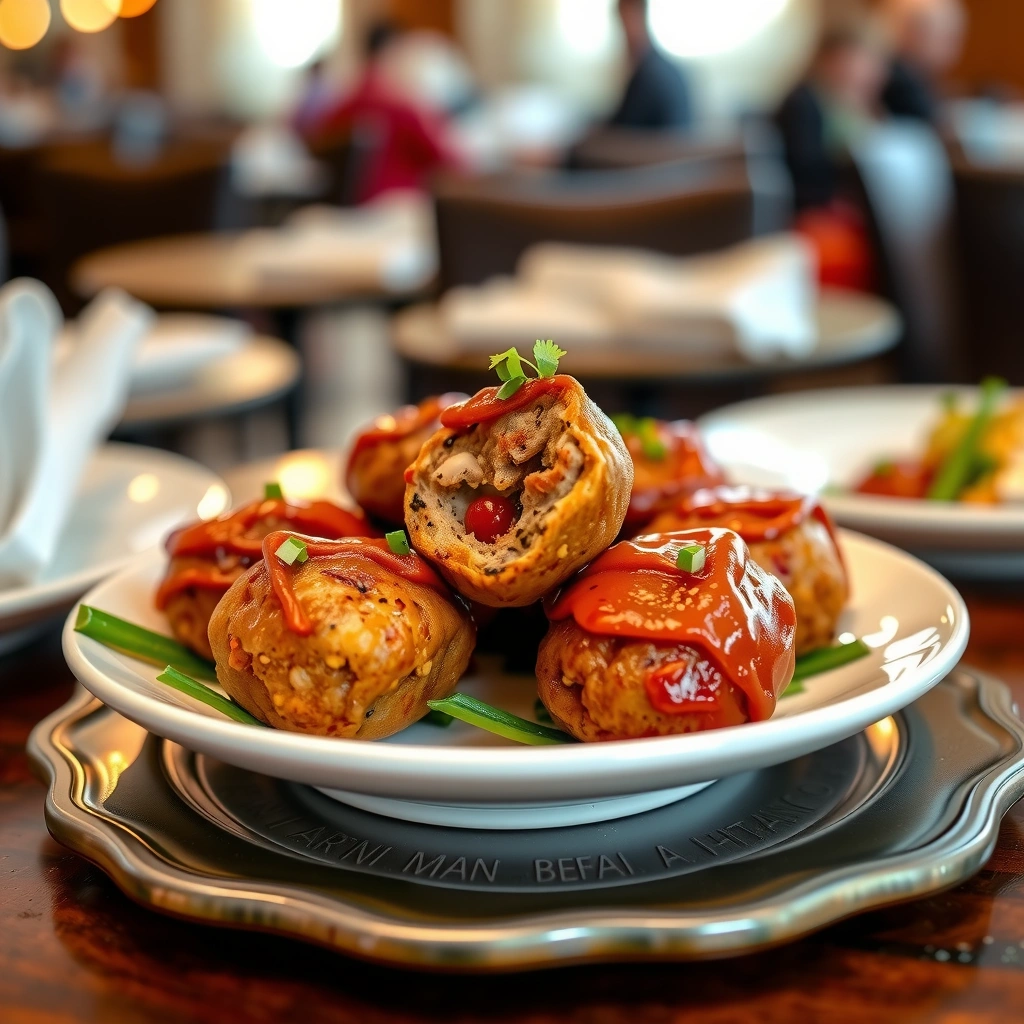
– Crumble and combine boudin with seasonings until evenly mixed
– Fold in breadcrumbs/cornmeal to help the mixture hold together
Start by removing the casings and crumbling the boudin into a bowl. The goal is even distribution—large pockets of boudin can create uneven heating and texture, leading to balls that brown outside but remain soft in the center.
Best mixing method
1. Break up the boudin thoroughly with a fork.
2. Add seasonings (pepper, garlic, onion, and a light touch of salt if needed).
3. Beat in eggs gradually so the mixture becomes tacky but still shapeable.
4. Fold in breadcrumbs or cornmeal last, one handful at a time.
Why the crumb/cornmeal step matters
Boudin is moist by nature, especially if it contains rice. Breadcrumbs and cornmeal do two things:
– They absorb excess moisture, improving structure.
– They create a “crust blueprint” that encourages browning.
Texture target for shaping
The mixture should feel like firm, moldable meat—slightly sticky, but not wet. If it’s too loose:
– Add 1–2 tbsp more breadcrumbs/cornmeal.
If it’s too stiff and dry:
– Add 1–2 tbsp beaten egg or a teaspoon of water, then mix again.
Analytical note: Evenly mixed binding reduces shrinkage. When balls have consistent moisture and binders, they hold diameter during cooking—so you get a predictable crunch and a consistent center temperature.
Shape and Coat the Boudin Balls
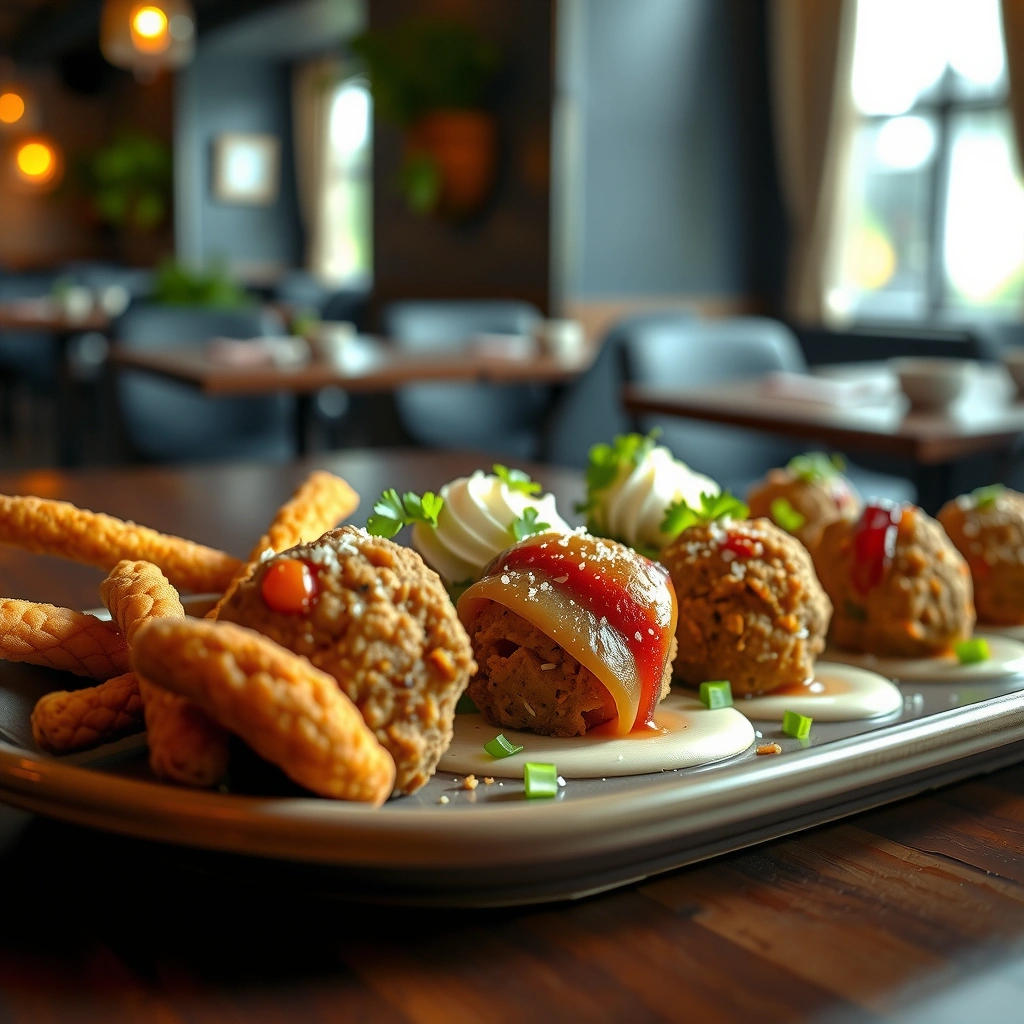
– Portion the mixture and roll into evenly sized balls
– Coat with extra cornmeal or breadcrumbs for better texture
Shaping is where food-service results are won or lost. Even size improves heat transfer, meaning your balls finish together and don’t leave some undercooked.
Portion and size
– Aim for 1.5 to 2-inch balls (about 1.5 to 2 tablespoons of mixture each).
– If you want a consistent batch for entertaining, use a small scoop (or weigh them for precision—roughly 1.5–2 oz each).
– Wet your hands lightly with water or keep a bowl of water nearby to prevent sticking.
– Roll quickly but gently: you want firm contact in the ball, not compacted lumps.
Coating strategy
After shaping, roll balls in extra cornmeal or breadcrumbs.
– Cornmeal coating = more rustic crunch.
– Breadcrumb coating = more classic, uniform crust.
Let the coated balls rest 10–15 minutes before cooking. This brief rest allows the binder to “grab” the crumbs and helps prevent flaking during frying or baking.
Frying Instructions (Crispy Results)
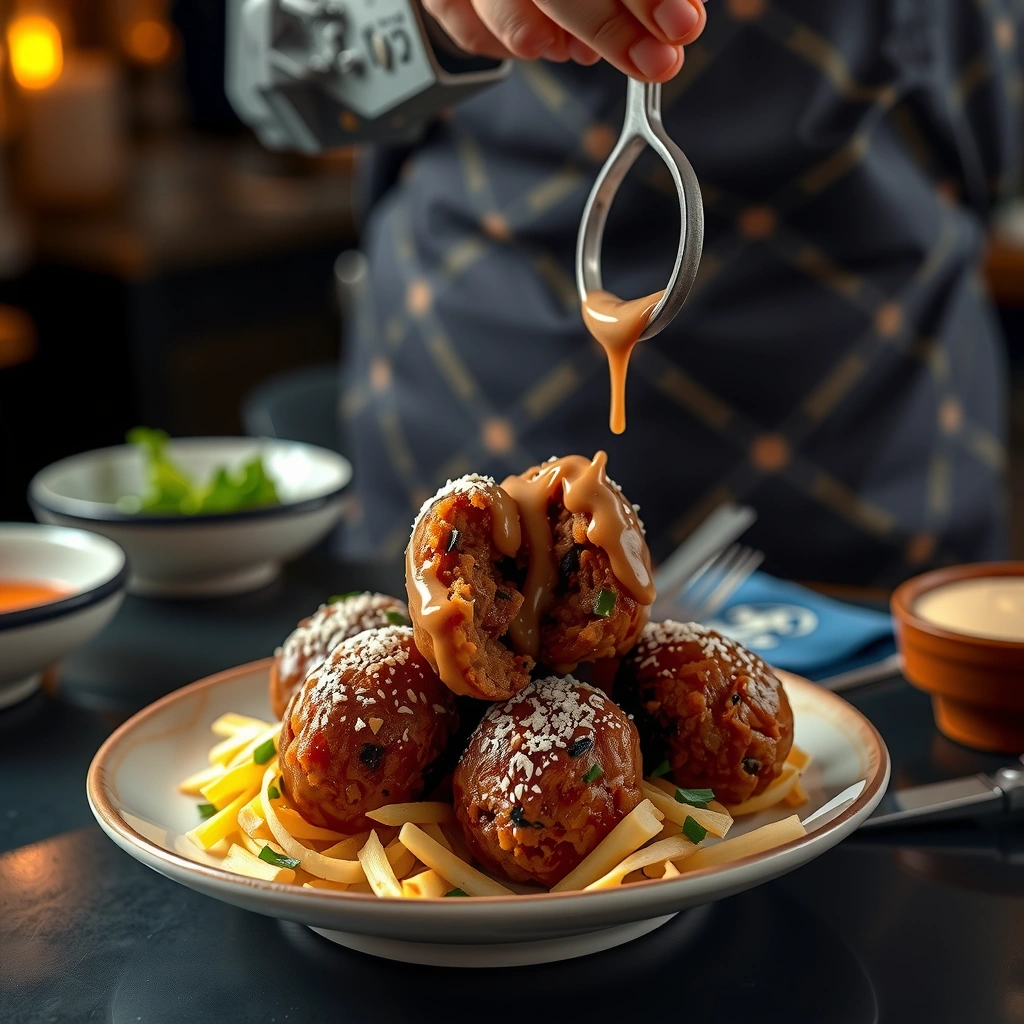
– Heat oil to a steady temperature before cooking
– Fry until golden brown, then drain on paper towels
For classic boudin balls, frying provides the fastest path to a deep golden crust and reliable crispness. The most common failure mode is oil temperature drifting—leading to greasy crusts or uneven cooking.
Oil temperature and workflow
– Heat oil (neutral frying oil such as canola or peanut) to 350°F (175°C).
– Fry in small batches to prevent temperature drop.
– Place balls gently into the oil to avoid splashing and crust damage.
Cook time (practical range)
– Typically 3–5 minutes, depending on ball size and oil recovery time.
– Look for a deep golden color and a firm, crisp exterior.
Draining and finishing
– Remove with a slotted spoon.
– Drain on paper towels for 1–2 minutes.
– For high-volume events, move to a wire rack so steam doesn’t soften the crust.
Quality control: center “hot and cooked”
Because boudin is dense and some boudin brands are pre-cooked but still require thorough heating, verify internal doneness. The practical target is 165°F (74°C) in the center (or until piping hot throughout). This is especially important if your boudin mixture includes rice and you want it heated evenly.
Data table: Cooking outcome expectations (Frying vs Baking)
Boudin Ball Performance Targets (1.75-inch balls)
| # | Cooking Method | Oil/Temp | Typical Cook Time | Expected Crisp Rating | Through-Heat Reliability |
|---|---|---|---|---|---|
| 1 | Deep-fry | 350°F (175°C) | 3–5 min | ★★★★☆ | High |
| 2 | Shallow-fry | 360°F (182°C) | 4–6 min | ★★★☆ | Medium-High |
| 3 | Oven bake (convection) | 425°F (220°C) | 18–24 min | ★★★☆ | Medium |
| 4 | Oven bake (standard) | 425°F (220°C) | 22–28 min | ★★★☆ | Medium-Low |
| 5 | Air-fry | 380°F (193°C) | 12–16 min | ★★★☆ | High |
| 6 | Frozen (air-fry) | 380°F (193°C) | 16–20 min | ★★★☆ | Medium |
| 7 | Pan-sear + finish in oven | 300–325°F (149–163°C) sear | 5–7 min sear + 6–10 min bake | ★★★★☆ | High |
Baking Instructions (Easier, Less Mess)
– Preheat oven and arrange balls with space for airflow
– Bake until crisp, flipping halfway for even browning
Baking is a strong option for home cooks who want less oil handling. It’s not identical to frying, but with the right approach you can still get a crisp exterior and properly heated centers.
Oven setup
1. Preheat to 425°F (220°C).
2. Use a convection fan if available.
3. Line a baking sheet with parchment or a lightly greased rack.
Spacing and airflow
Arrange balls with at least 1 inch between them. Crowding traps steam and softens the coating, which lowers crispness.
Flip halfway
Bake 18–24 minutes total (convection), flipping at about the halfway mark. If you bake standard (no convection), plan closer to 22–28 minutes.
Optional crisp boosters
– Lightly spray the tops with oil before baking to encourage browning.
– If you want extra crunch, you can use a slightly coarser cornmeal for coating and add a second dusting just before baking.
Doneness check
Even when the outside looks crisp, confirm the center is hot (again, 165°F / 74°C is a practical target). This prevents a situation where the crust is browned but the interior is not fully heated.
Serving Ideas and Storage Tips
– Serve with dipping sauces like mustard, hot sauce, or remoulade
– Store leftovers in the fridge and reheat in an oven or air fryer
Boudin balls are built for dipping. Their flavor profile—savory, peppery, and sometimes subtly smoky—pairs well with sauces that add tang, heat, or creamy contrast.
Serving ideas
– Creole or Dijon-style mustard: Bright tang balances richness.
– Hot sauce (Louisiana-style): Adds heat without muddying flavor.
– Remoulade: Creamy and herb-forward for a restaurant-style finish.
– Optional add-ons for parties: sliced green onions, pickled jalapeños, or a squeeze of fresh lemon for brightness.
Storage (businesslike best practices)
– Cool balls to room temperature before storing to reduce condensation.
– Refrigerate in an airtight container for up to 3–4 days.
– For longer storage, freeze in a single layer first, then transfer to a freezer bag.
Reheating that preserves crispness
– Reheat in an oven or air fryer, not the microwave.
– Oven: 400°F (205°C) for about 8–12 minutes (depending on size).
– Air fryer: 380–400°F (193–205°C) for about 6–10 minutes.
Finish by checking crispness; if needed, add 1–2 minutes.
Make-ahead strategy
If you’re hosting, you can shape and coat the balls ahead of time. Keep them covered in the refrigerator until cooking (same day is best), or freeze them for later. When properly cooked and reheated, boudin balls still deliver a satisfying crunch.
Boudin balls are quick to make: mix, shape, then fry for classic crispiness or bake for a lighter option. Follow the steps for consistent ball size and fully cooked centers, and you’ll have a crowd-pleasing appetizer—make a batch today and serve them hot with your favorite dip.
References
- Boudin
https://en.wikipedia.org/wiki/Boudin - Boudin
https://en.wikipedia.org/wiki/Boudin_blanc - Croquette
https://en.wikipedia.org/wiki/Croquette - Sausage
https://en.wikipedia.org/wiki/Sausage - Sausage | Description, Types, & Ingredients | Britannica
https://www.britannica.com/topic/sausage - https://foodsafety.gov/food-safety-charts/safe-minimum-cooking-temperatures.html
https://foodsafety.gov/food-safety-charts/safe-minimum-cooking-temperatures.html - https://foodsafety.gov/people-with-higher-risks/food-safety-tips-for-cooking-behavior.html
https://foodsafety.gov/people-with-higher-risks/food-safety-tips-for-cooking-behavior.html - Google Scholar Google Scholar
https://scholar.google.com/scholar?q=boudin+balls - Google Scholar Google Scholar
https://scholar.google.com/scholar?q=boudin+balls+recipe - Google Scholar Google Scholar
https://scholar.google.com/scholar?q=boudin+croquettes+recipe