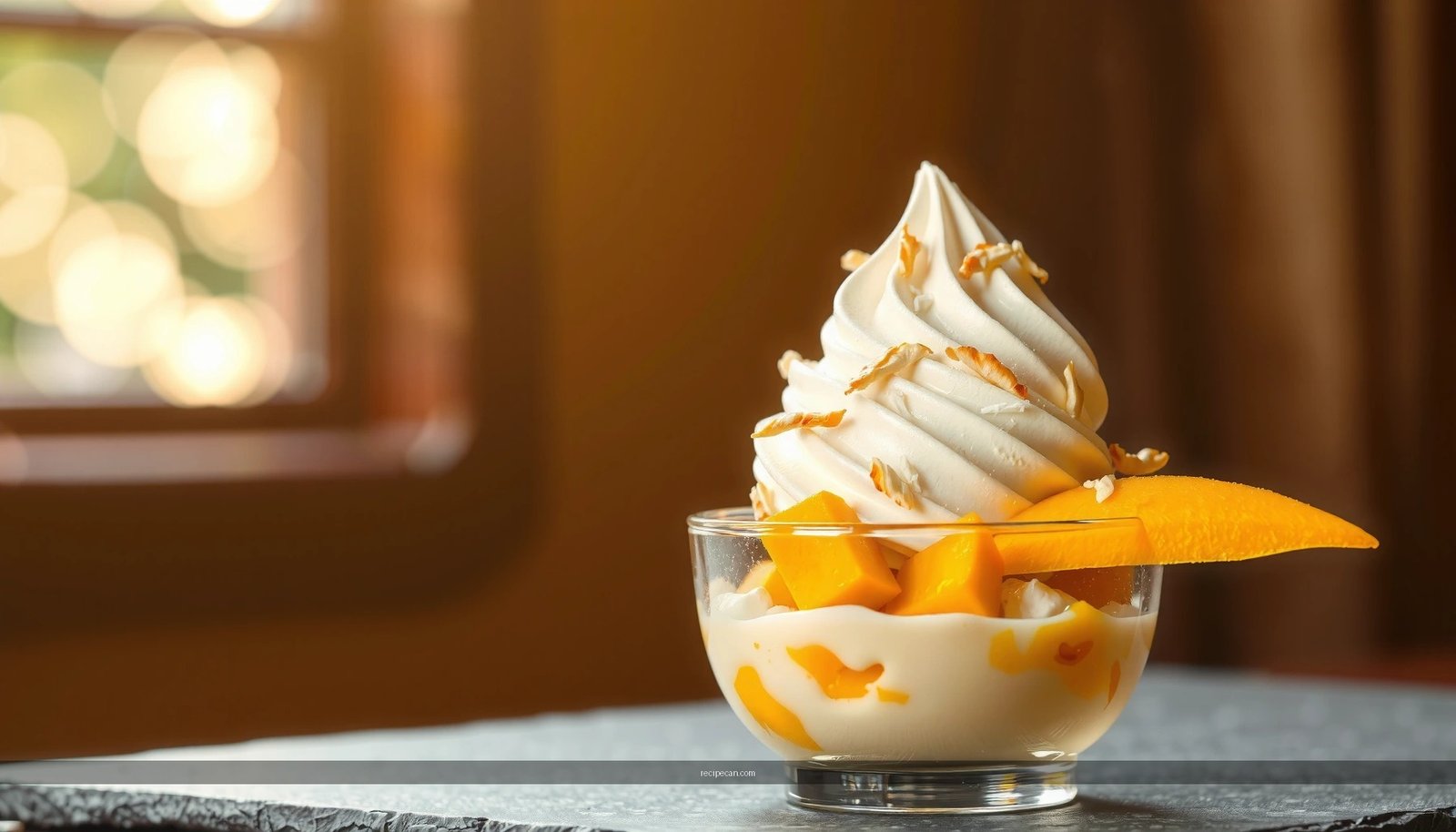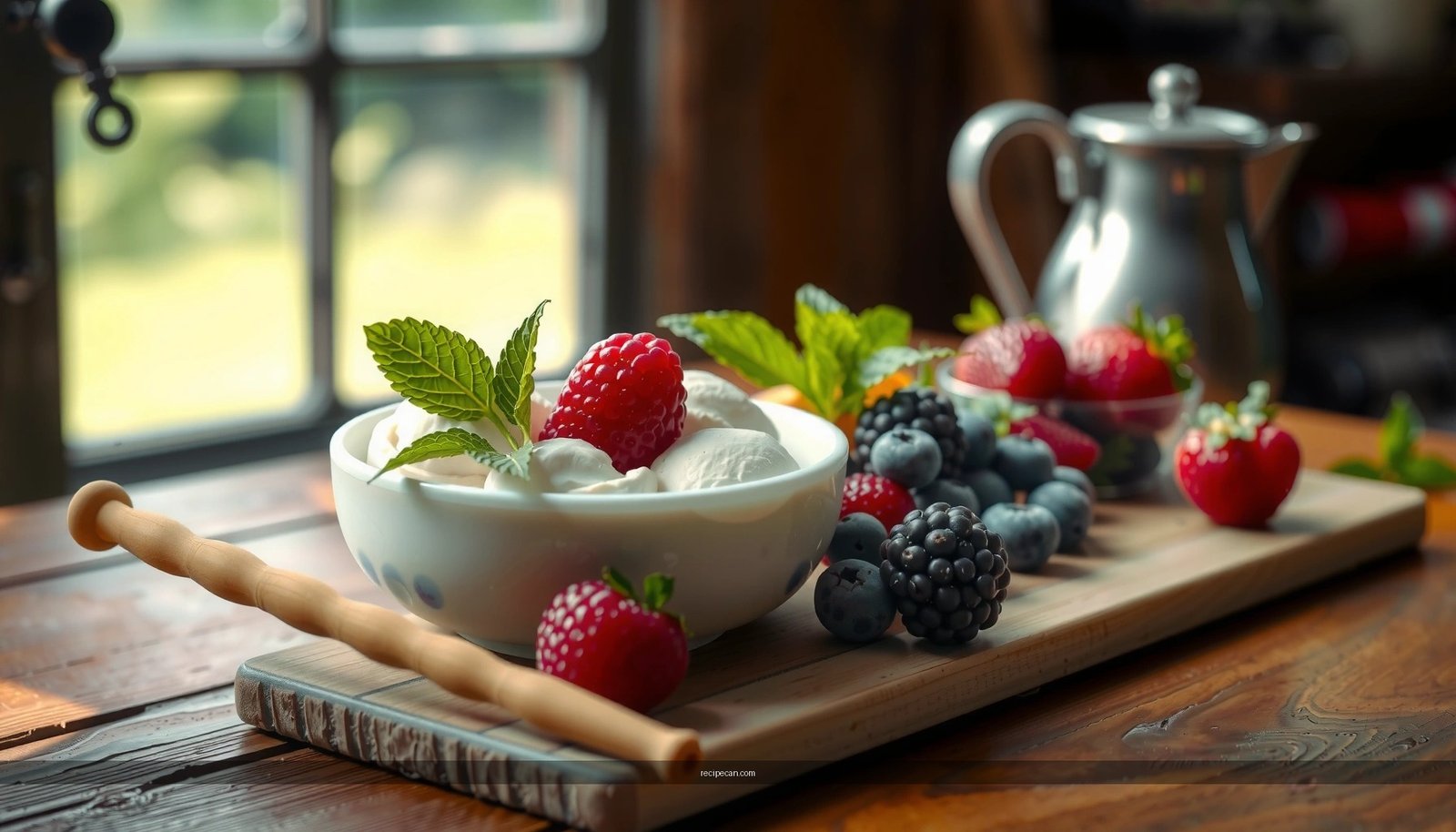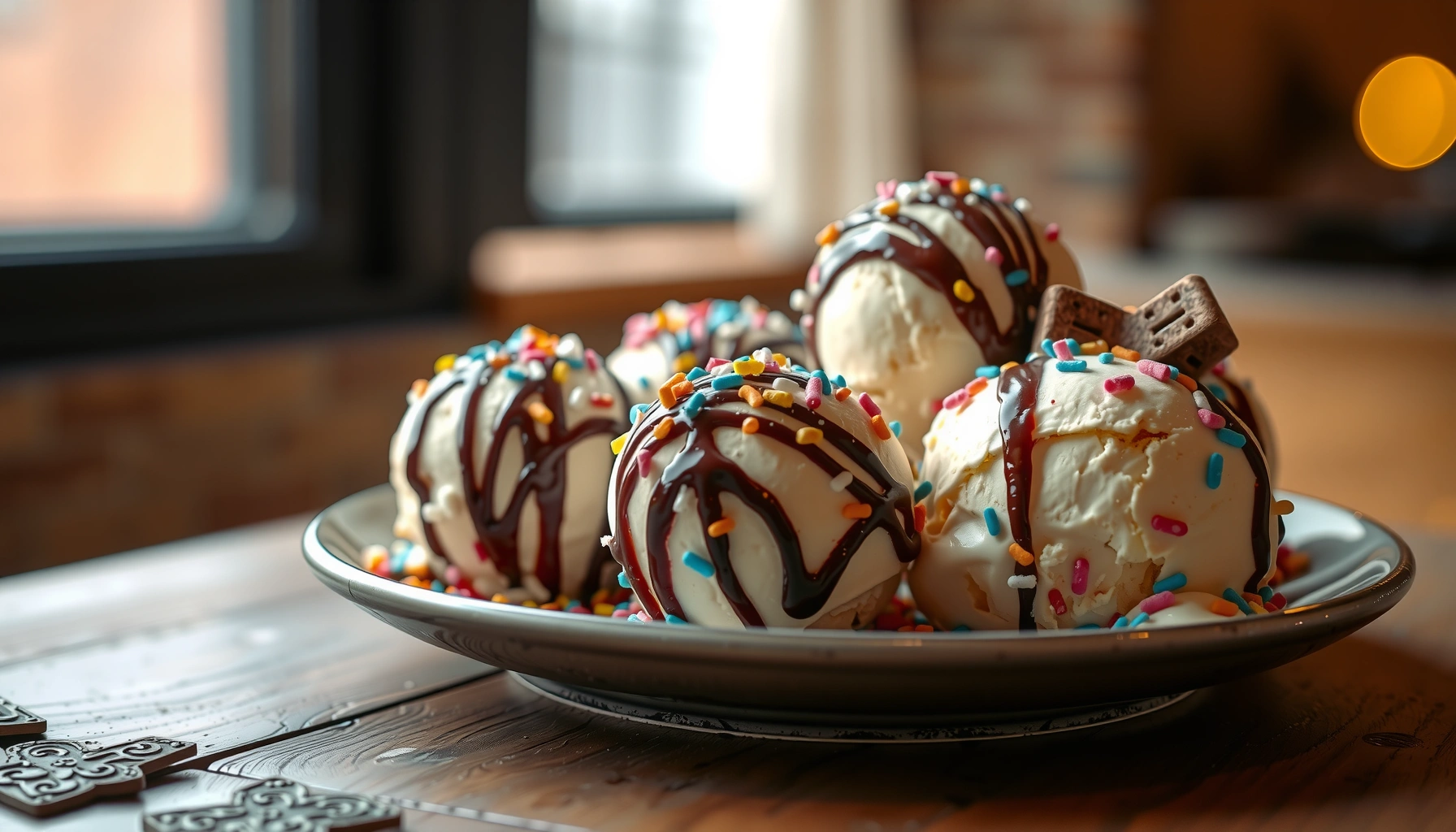
Get the ice cream ball recipe you want: sweet, creamy, and easy to make with simple steps you can follow. This guide delivers a fast method for forming ice cream balls that stay smooth, scoop cleanly, and hold their shape for serving. If you’re aiming for a dessert that looks impressive with minimal effort, this is the clear winner.
Make ice cream balls by scooping softened ice cream, rolling into uniform spheres, and freezing until firm—no special equipment or complicated technique needed. With a few practical timing controls (soften just enough, work in small batches, and coat after freezing), you’ll get smooth, scoopable frozen balls that hold their shape and taste like a premium dessert.
Gather Ingredients and Optional Coatings
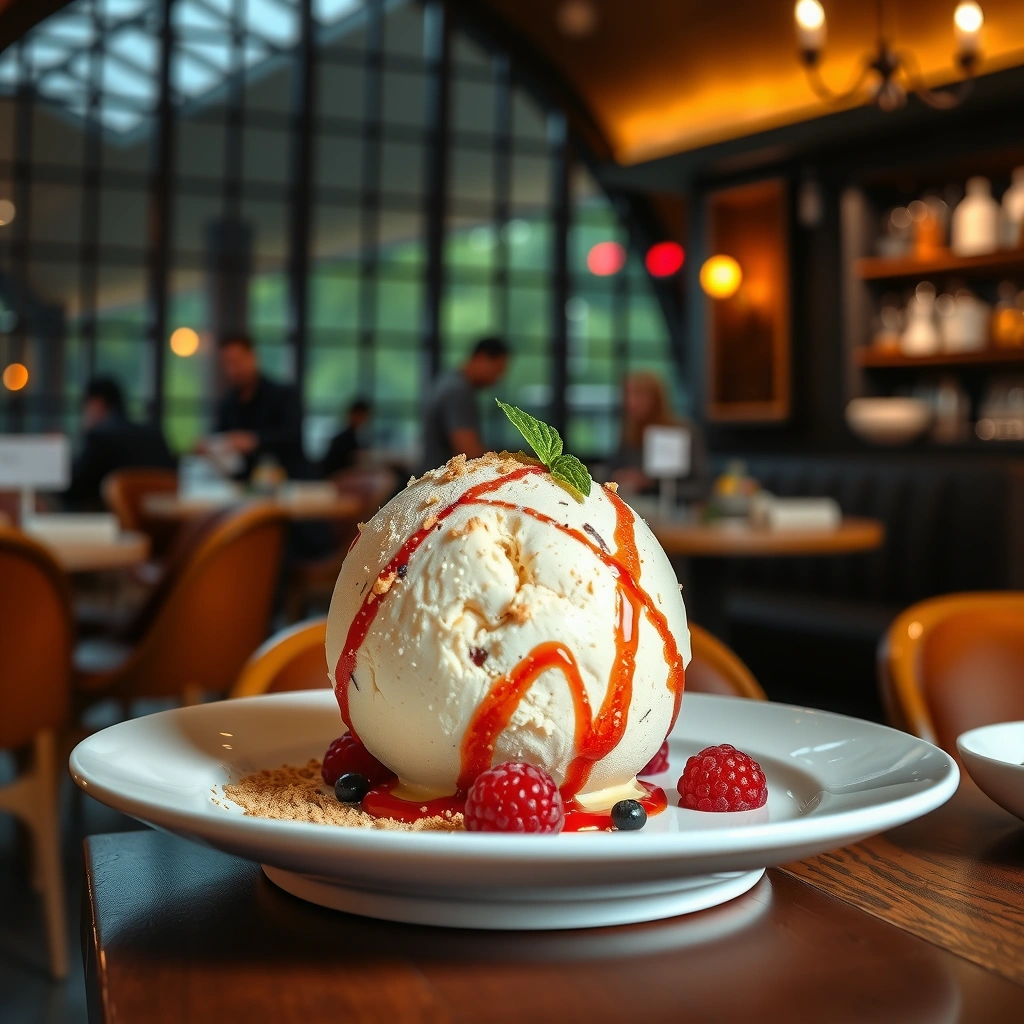
The core of this ice cream ball recipe is simple: you’re working with ice cream as the base and then customizing texture and flavor through add-ins and coatings. The “secret” to success is choosing components that behave well when portioned and refrozen—meaning they don’t melt away, collapse, or bleed too much moisture into your coatings.
Start with the base
– Choose your favorite ice cream flavor as the base (vanilla, strawberry, mint chocolate chip, cookies & cream, etc.).
– For easiest ball formation, many people prefer ice creams with a slightly denser body (i.e., “premium” style or churned texture) rather than very airy, whipped varieties.
Add mix-ins for flavor and texture
– Add mix-ins like sprinkles, chocolate chips, or cookie bits.
– Keep mix-ins relatively small. Large chunks can create uneven centers, and uneven centers are more likely to crack during rolling.
Choose coatings for instant dessert impact
– Pick coatings: sprinkles, cookie crumbs, coconut, or melted chocolate.
– If you want a “shop-style” finish, consider coatings that are dry or semi-dry:
– Sprinkles for bright color and a crisp bite
– Cookie crumbs for a handheld, truffle-like vibe
– Toasted coconut for a nutty sweetness
– Melted chocolate for a glossy shell and clean snap
To help you decide quickly, here’s a practical comparison of popular coatings for ice cream balls, including how they affect texture and what to watch for.
Coating Performance for Frozen Ice Cream Balls (Home Results)
| # | Coating | Best Texture | Moisture Risk | Difficulty |
|---|---|---|---|---|
| 1 | Sprinkles (nonpareils) | Crisp top | Low | Easy |
| 2 | Cookie crumbs | Truffle-like chew | Moderate | Easy |
| 3 | Shredded coconut | Toasty crunch | Low | Easy |
| 4 | Crushed waffle cones | Sandwich-cookie crunch | Moderate | Medium |
| 5 | Crushed nuts (fine chop) | Nutty crunch | Low | Medium |
| 6 | Cocoa powder (unsweetened) | Velvety dust coating | Low | Easy |
| 7 | Melted chocolate (shell) | Snap + shine | High (from melting) | Medium |
Soften and Scoop the Ice Cream
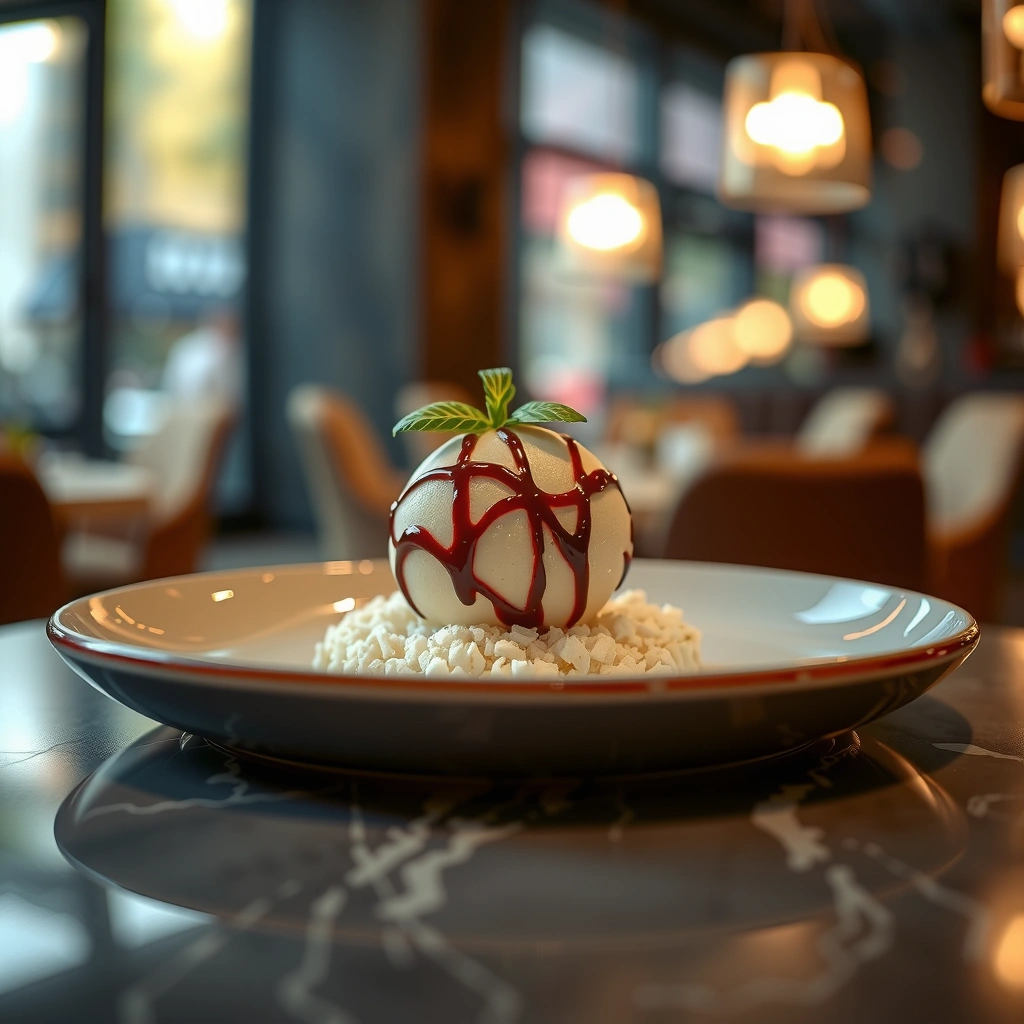
This step determines whether your ice cream balls are smooth and round or sticky and messy. The goal is scoopable, not melted. If you soften too much, the surface warms, and the ball loses structural shape while you roll it.
How to soften correctly
– Let ice cream sit briefly so it’s scoopable (not melted).
– In practice, most ice creams soften best after 5–15 minutes at room temperature, depending on your home’s warmth and the ice cream’s density.
– If it begins to look glossy or liquid at the edges, it’s already over-softened—return it briefly to the freezer to firm up.
Portion for consistent results
– Use a spoon or cookie scoop for evenly sized balls. Consistency helps everything freeze uniformly.
– A typical target is 1.5–2 tablespoons per ball (about golf-ball to ping-pong ball size depending on your scoop). Smaller balls freeze faster and are easier to coat neatly.
Prevent melting during shaping
– Work in small batches to prevent melting.
– For example, scoop 10–15 balls, roll them quickly, tray them, and repeat. This also makes your workflow more predictable—critical when you’re coating with sprinkles or chocolate later.
Quality control tip: If your hands feel warm, chill them under cool water for a few seconds before rolling. Slightly cooler hands help the outside firm up just enough to stay smooth.
Roll and Shape the Ice Cream Balls
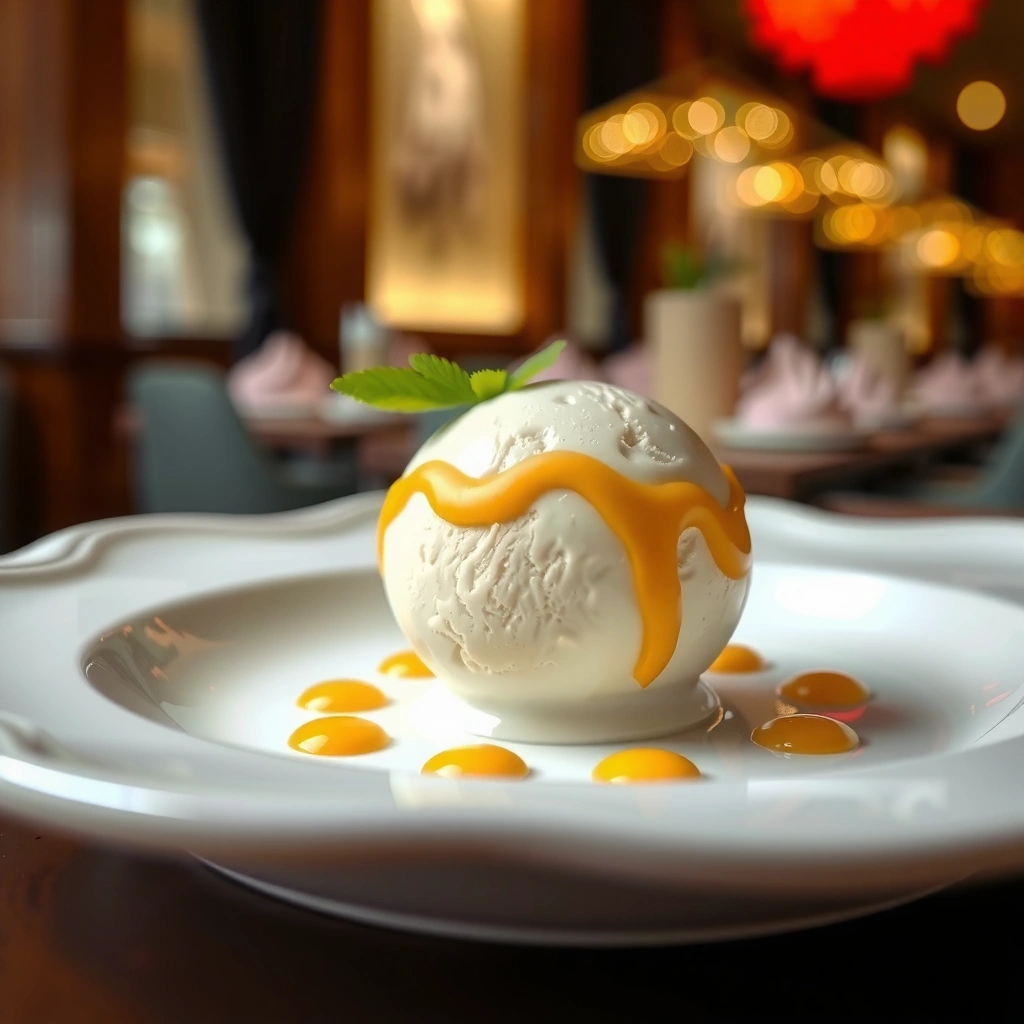
Rolling is where your ice cream ball recipe becomes “no complicated technique needed”—but there are a few best practices that make a major difference.
Roll fast, roll clean
– Roll quickly with slightly cold hands for smooth edges.
– Aim for a few gentle rotations rather than repeated grinding. Over-handling warms the ice cream.
Make the interior intentional
– Press in mix-ins if you want extra texture.
– If you’re adding chunks (like cookie bits), consider pressing them in lightly so they’re visible at the cut face without breaking the ball.
Tray immediately
– Place balls on a parchment-lined tray right away.
– Parchment prevents sticking and allows easy transfer to freezer storage containers later.
Practical handling
– Keep balls spaced apart. They should not touch until they’re fully frozen; contact can fuse surfaces into one big mass.
– If the batch starts to soften while you’re rolling, pause and put the tray in the freezer for 10–20 minutes to reset firmness.
Freeze Until Firm
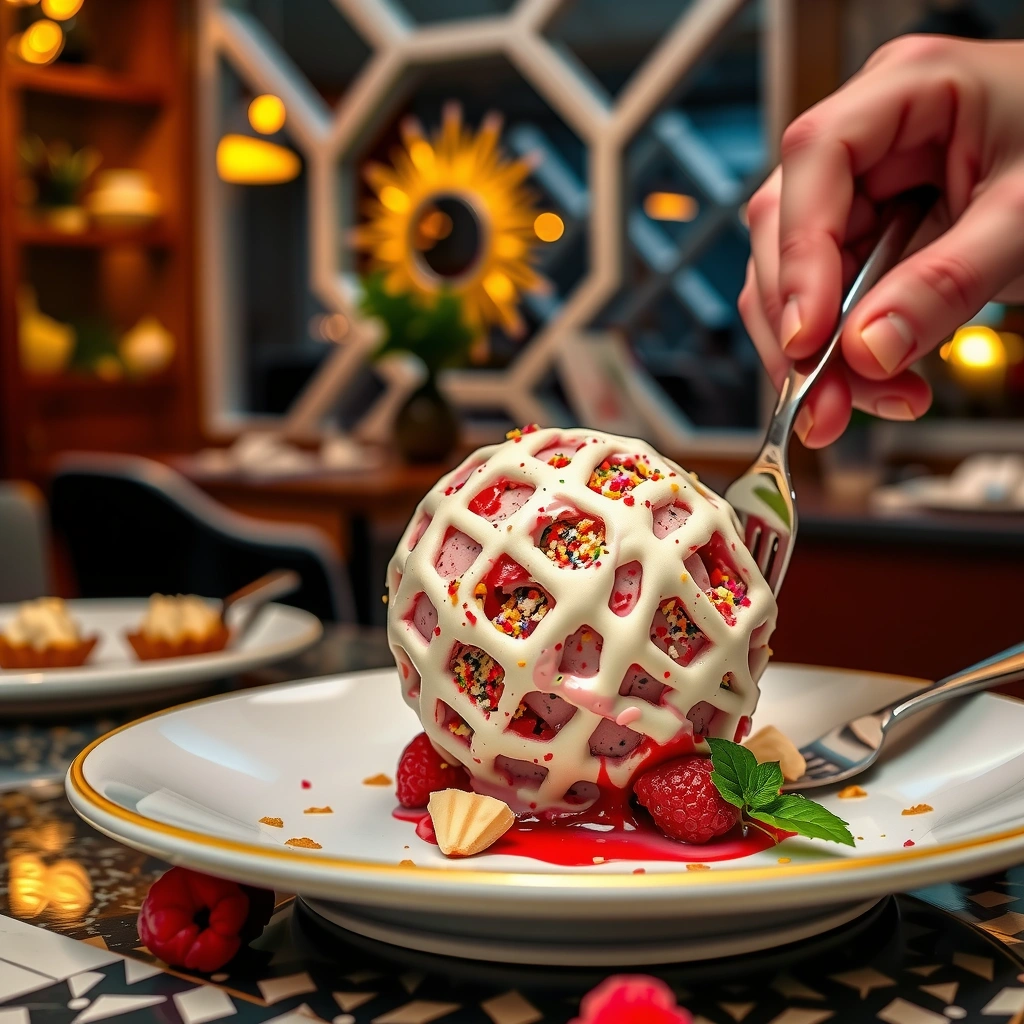
Freezing is the structural step that turns soft scoops into stable, coatable ice cream balls.
Timing that works
– Freeze at least 2–4 hours for best shaping and bite.
– For smaller balls, 2 hours can be sufficient. For larger balls, 4 hours improves hardness and reduces smearing when coated.
Avoid sticking
– Keep balls separated so they don’t stick together.
– A parchment-lined tray works well because it creates a non-stick surface while they firm.
Use a simple “doneness” check
– Check doneness: they should feel firm and scoop-resistant.
– You want them cold enough that a gentle press doesn’t leave an indentation. If they still feel squishy, give them more time.
Operational tip for busy schedules
– You can freeze them longer (overnight) as long as you store them properly afterward. Longer freezing may slightly reduce surface moisture, which can be helpful for certain coatings like cookie crumbs.
Coat for Crunch and Flavor
Coating is where your ice cream balls move from “homemade” to “presentation-ready.” The key is timing: coat once the balls are firm, and choose a coating method that matches the texture you want.
Dry coatings
– Roll frozen balls in your coating of choice.
– Press lightly so the coating adheres without crushing the sphere.
– If sprinkles won’t stick, it usually means the surface is either too cold and dry or the sprinkles are too large. In that case, sprinkle directly while rolling to create friction.
Chocolate coating
– For chocolate coating, dip quickly and let set on parchment.
– Work efficiently: quick dips, shake off excess, and place on fresh parchment.
– If you dip too slowly or allow chocolate to pool, the shell can become thick and uneven.
Toppings with wet coatings
– Add toppings immediately if using wet coatings.
– For example, if you use melted chocolate and want crushed nuts or sprinkles on top, add them immediately before the chocolate sets. Once set, toppings won’t adhere well.
Coating strategy for variety
If you’re making multiple flavors, consider keeping each flavor in a separate tray until coated. Then you can assign toppings—e.g., vanilla balls with sprinkles, chocolate balls with cookie crumbs, mint balls with crushed peppermint or chocolate shell.
Serve and Store for Best Results
Serving and storage determines whether your ice cream balls stay creamy and intact—or develop icy texture over time.
Serve from the freezer
– Serve straight from the freezer for the best texture.
– Ice cream balls are usually best at the moment they’re cold and firm; let them sit only briefly (a minute or two) if you prefer a slightly softer bite.
Store properly
– Store in an airtight container to prevent ice crystals.
– Use parchment between layers if you must stack them. This reduces surface contact and helps keep shapes pristine.
Keep freshness expectations realistic
– Enjoy within a few days for freshest flavor and consistency.
– While they may remain safe beyond that window, flavor quality and texture can drift as freezer conditions fluctuate.
Hosting tip
If you’re serving at a party, pre-freeze and coat earlier the day before. Then keep them in the freezer and set out a portion when guests arrive. This preserves texture and reduces melting chaos.
Ice cream balls are easy to make: scoop, roll, freeze, and coat for a fun frozen treat. Follow the steps above to get smooth shapes and great crunch, then make a few flavors so you can mix and match toppings—try your first batch today and experiment with coatings!
References
- Google Scholar Google Scholar
https://scholar.google.com/scholar?q=ice+cream+truffles+recipe - Google Scholar Google Scholar
https://scholar.google.com/scholar?q=ice+cream+bonbons+recipe - Google Scholar Google Scholar
https://scholar.google.com/scholar?q=ice+cream+ball+recipe - Ice cream
https://en.wikipedia.org/wiki/Ice_cream - Chocolate truffle
https://en.wikipedia.org/wiki/Chocolate_truffle - Ice cream | Definition, History, & Production | Britannica
https://www.britannica.com/topic/ice-cream - https://pubmed.ncbi.nlm.nih.gov/?term=ice+cream+composition+review
https://pubmed.ncbi.nlm.nih.gov/?term=ice+cream+composition+review - https://www.sciencedirect.com/search?qs=ice%20cream%20truffles
https://www.sciencedirect.com/search?qs=ice%20cream%20truffles - https://www.cdc.gov/foodsafety/food-safety-basics.html
https://www.cdc.gov/foodsafety/food-safety-basics.html - https://www.fda.gov/food/foodborneillnesscontaminants/ice-cream-and-frozen-desserts
https://www.fda.gov/food/foodborneillnesscontaminants/ice-cream-and-frozen-desserts