This donkey balls recipe tells you exactly how to cook donkey testicles so they come out tender, not tough. You’ll get a step-by-step method, including prep, seasoning, and the right cooking times to avoid overcooking. If you want the best results for a quick pan-sear finish, this is the winning approach—follow it and you’ll know the difference.
Donkey balls can be cooked tender and flavorful by soaking them properly to reduce strong notes, then par-cooking before a quick sauté to build color and aromatics. If you follow the workflow—soak → clean/rinse → par-cook → finish with garlic-onion and spices—you get a more consistent texture and a noticeably cleaner taste.
In practice, donkey testicles (often referred to as “donkey balls”) can be prepared much like other organ meats: the quality of cleaning and the timing of par-cooking matter as much as the final seasoning. Below is a business-kitchen style method designed for repeatability—focused on food safety, texture control, and practical flavor building.
What Donkey Balls Are and Why Prep Matters
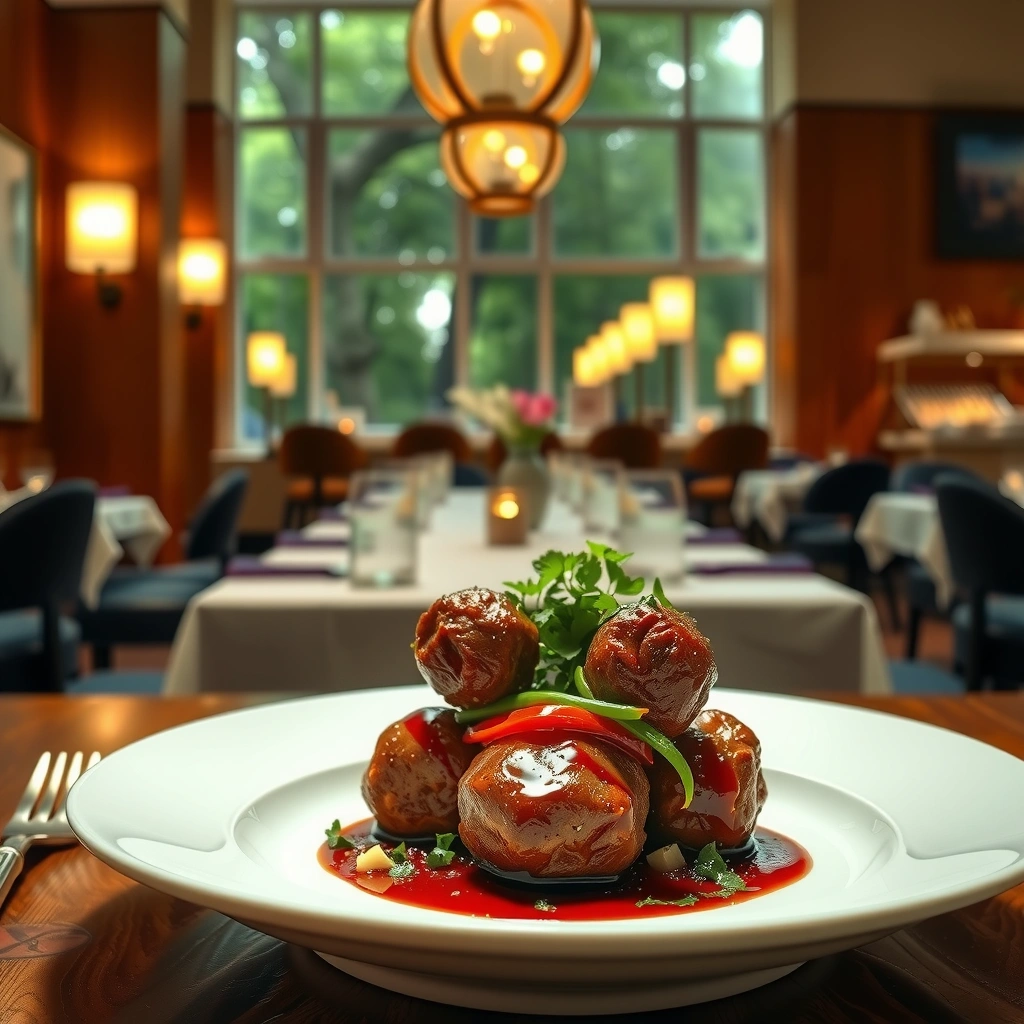
– Proper cleaning and soaking reduce strong flavors and improve texture
– Tenderness depends on par-cooking before final searing or frying
“Donkey balls” refers to the edible testicular tissue of a donkey, which is high in protein and has a naturally “barny” or sulfur-adjacent odor profile that can intensify if not handled carefully. The good news is that this is manageable with the same principles professional kitchens use for strong-smelling proteins:
1. Soaking is flavor control, not just hygiene. A salted soak helps draw out surface impurities, while a mild acid (lemon juice or vinegar) helps temper odor compounds.
2. Par-cooking is texture insurance. If you jump straight to sautéing or frying, the exterior can brown before the interior becomes tender. Par-cooking brings the interior to a workable doneness so the final step focuses on flavor, not toughness.
3. Final heat should be short and purposeful. Once par-cooked, you’re essentially reheating and browning. Overcooking after par-cook is the most common cause of rubbery texture in organ-meat dishes.
Tip: Treat donkey balls like a “two-stage protein”—soften first, then brown. That’s the core logic behind this donkey balls recipe.
Ingredients for a Simple Donkey Balls Recipe
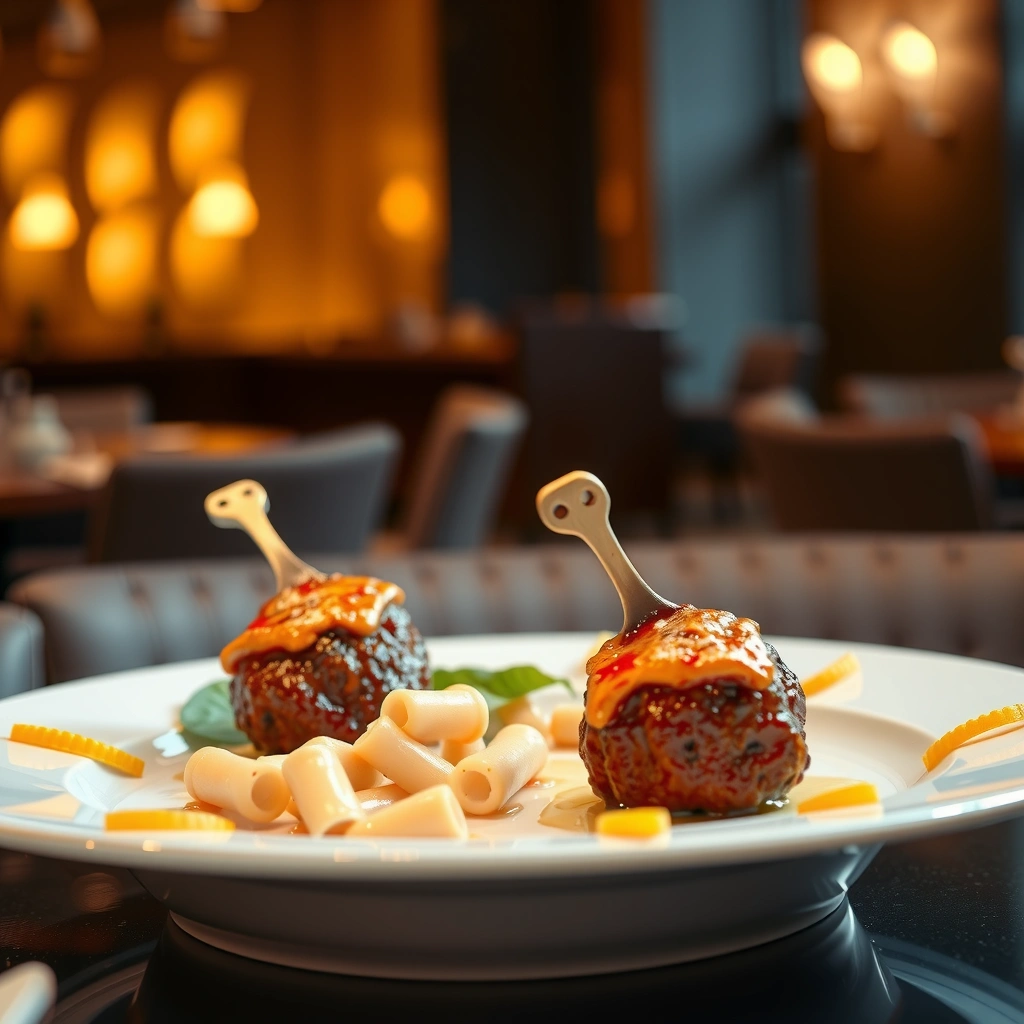
– Use donkey balls, salt, acid (lemon/vinegar), garlic, onion, and cooking fat
– Add flavor with paprika, black pepper, cumin, or chili (to taste)
Here’s a straightforward ingredient set that supports a clean, savory outcome while staying flexible for different seasoning styles.
Core Ingredients
– Donkey balls: 1 to 1.5 lb (450–680 g), cleaned and rinsed
– Salt: about 2–3 tbsp total, depending on your soak volume
– Acid: 2 tbsp lemon juice *or* 1–2 tbsp vinegar (plus water for soaking)
– Garlic: 4–6 cloves, sliced or minced
– Onion: 1 medium, finely chopped
– Cooking fat: 2–4 tbsp oil (olive, sunflower, or neutral oil)
Seasoning (choose your profile)
– Paprika: 1–2 tsp (smoky or sweet)
– Black pepper: 1 tsp
– Cumin: 1 tsp
– Chili flakes or chili powder: 1/2–1 tsp (to taste)
– Optional finishing: chopped parsley/cilantro, or a splash of lemon, or herb yogurt sauce
Practical additions (optional but helpful)
– Bay leaf (during par-cook)
– Broth or water for simmering
– Starch thickener if you want a quick pan sauce (e.g., 1 tsp flour mixed with a little water)
If you’re aiming for a more “restaurant-style” donkey balls recipe, resist adding too many dry spices during par-cooking—keep the par-cook simple so the final sauté stage can carry the flavor.
Soak + Par-Cook Options for Tender Donkey Balls (Tenderness & Flavor Cleanliness)
| # | Soak Approach | Soak Time | Par-Cook Time | Tenderness Rating |
|---|---|---|---|---|
| 1 | Salt + lemon (typical) | 3 hours | 45 minutes | ★★★★★ |
| 2 | Salt + vinegar (slightly stronger) | 2.5 hours | 40 minutes | ★★★★☆ |
| 3 | Salt only (long soak) | 4.5 hours | 50 minutes | ★★★★☆ |
| 4 | Acid-only (no salt) | 2 hours | 45 minutes | ★★★☆☆ |
| 5 | Short salt soak | 1 hour | 45 minutes | ★★☆☆☆ |
| 6 | No soak (straight to par-cook) | 0 | 55 minutes | ★☆☆☆☆ |
| 7 | Salt + lemon, then rest uncovered | 3 hours + 10 min rest | 45 minutes | ★★★★☆ |
Step-by-Step Prep (Soak, Clean, and Par-Cook)
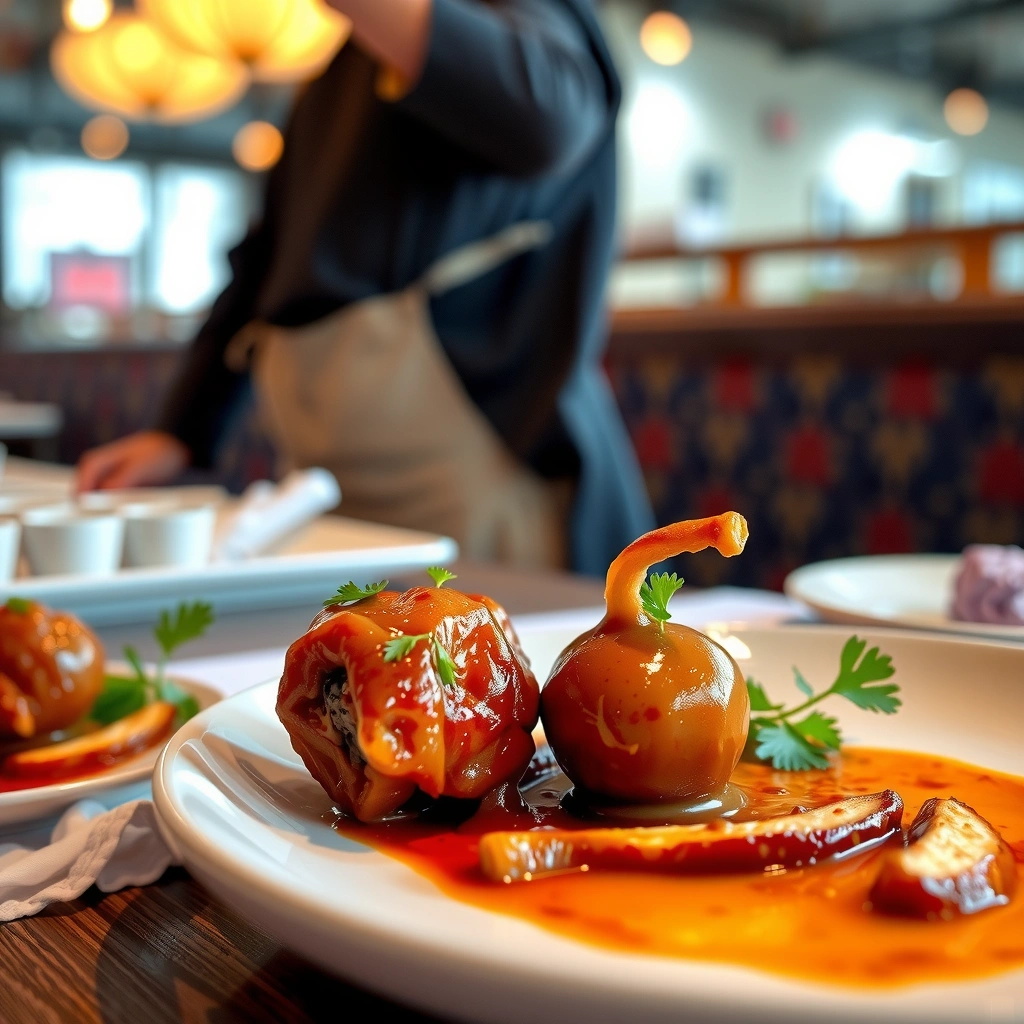
– Soak in salted water and/or a splash of vinegar/lemon, then rinse well
– Simmer or boil until just tender, then drain thoroughly
This is the heart of a donkey balls recipe. If you nail these steps, the final sauté is easy.
1) Clean and portion
– Rinse donkey balls under cool running water to remove surface residue.
– If they’re large, slice into halves or thick pieces for more even cooking.
2) Soak (the odor-reduction step)
Use a bowl large enough to fully submerge:
– Mix salt into water until it tastes pleasantly salty (roughly 2–3 tbsp salt per 1 quart / ~1 liter).
– Add either lemon juice (about 1–2 tbsp per quart) or vinegar (about 1–2 tbsp per quart).
– Soak for 2.5–4 hours. For stronger stock or first-time cooking, lean toward the longer end.
– After soaking, rinse thoroughly to prevent an overly sour final flavor.
Why rinse matters: acid helps break down odor compounds, but leaving it behind can dull the savory notes in the sauté.
3) Par-cook to “just tender”
– Place soaked donkey balls in a pot and cover with water or light broth.
– Add optional aromatics: 1 bay leaf, a few garlic slices, or a strip of onion peel.
– Typical range: 35–55 minutes, depending on size.
– Check tenderness with a fork or knife: the exterior should give without shredding, and the center should not feel firm.
4) Drain and dry
– Drain thoroughly and let them sit 5–10 minutes.
– If you’re sautéing, excess moisture can steam instead of brown—drying supports better caramelization.
The par-cook is not the final cook; it’s the setup for a fast browning phase.
Cooking Method: Sauté, Fry, or Stir-Fry
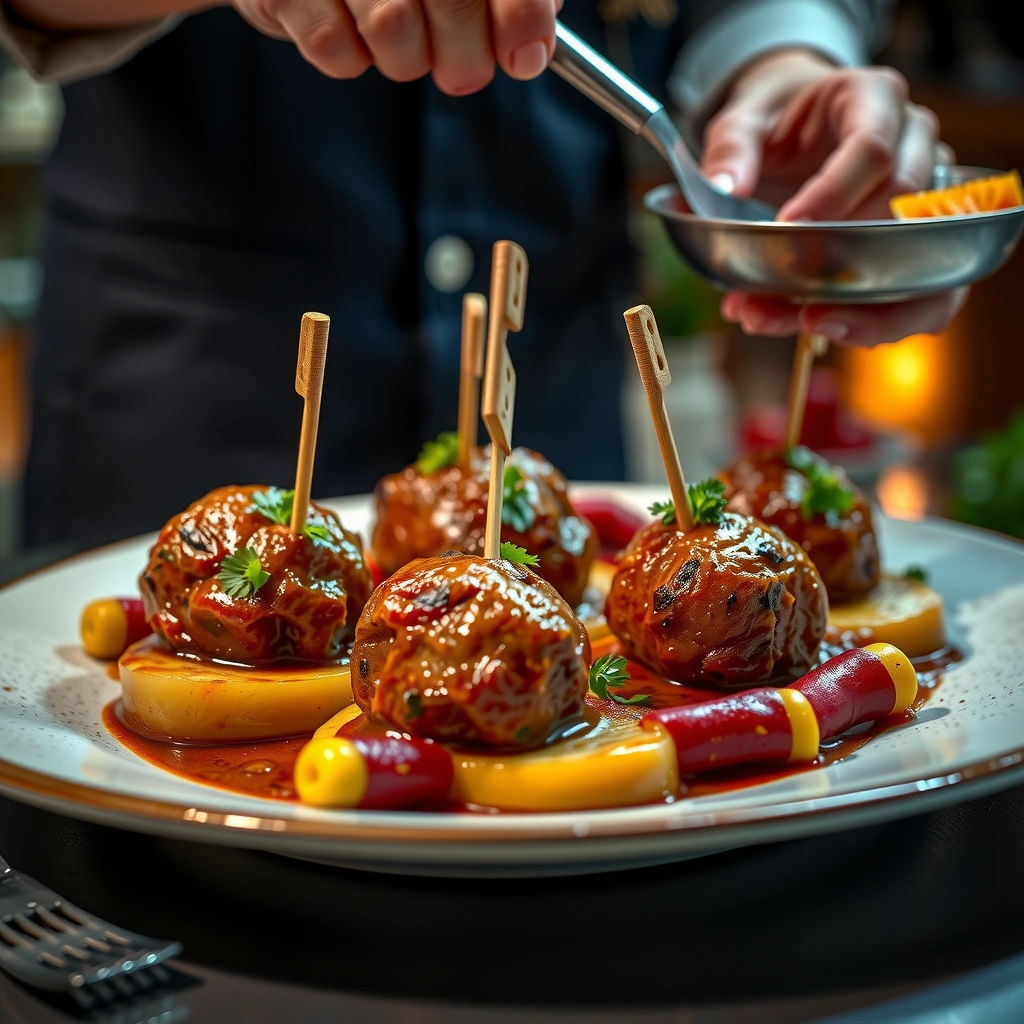
– Sauté in hot oil with garlic/onion, then add spices for quick browning
– Finish by stirring in herbs or a sauce (optional) and cook until heated through
Once par-cooked, you can choose a finishing method. For most cooks, sautéing is the best balance of control and flavor.
Option A: Sauté (recommended for first batch)
1. Heat 2–3 tbsp oil in a heavy pan over medium-high.
2. Add onion; cook until translucent and lightly golden (3–5 minutes).
3. Add garlic; cook 30–60 seconds (avoid burning).
4. Add spices—paprika, black pepper, cumin, and chili (stir 20–40 seconds).
5. Add drained par-cooked donkey balls. Sauté 5–10 minutes to brown and reheat.
6. Taste and adjust salt. Finish with:
– chopped herbs, and/or
– a squeeze of lemon, and/or
– a spoon of sauce.
Option B: Fry (crisper outside, more attention required)
– Pat par-cooked pieces dry.
– Fry at a moderate temperature to avoid burning the outside while the inside remains dry.
– Finish with a quick seasoning toss (salt + pepper + a pinch of paprika).
Option C: Stir-fry (high heat, quick sauce)
– Cut into smaller pieces for faster heating.
– Stir-fry aromatics, then add donkey balls and a light sauce (tomato-based or broth-based).
– Keep it brief: the goal is heating through and flavor coating.
Professional note: the finishing step should be shorter than your instincts suggest. Organ meats tighten when overcooked, so stop when reheated and browned—not when fully “cooked again.”
Flavor Boosters and Serving Ideas
– Serve with rice, flatbread, potatoes, or a fresh salad
– Pair with a simple sauce like garlic-lemon, spicy tomato, or herb yogurt
Once the base donkey balls recipe is tender and browned, flavor customization is straightforward. Here are three proven directions—each designed to amplify savory notes without overpowering.
1) Garlic-Lemon (bright and clean)
– Mix: lemon juice, minced garlic, black pepper, olive oil.
– Toss immediately after sautéing.
– Serve with: rice, couscous, or potatoes and a crisp salad.
2) Spicy Tomato (comfort-forward)
– Warm a spoon of tomato paste or passata with chili and cumin.
– Add a splash of water to make a quick sauce.
– Simmer donkey balls in the sauce 2–4 minutes.
– Serve with: flatbread or polenta.
3) Herb Yogurt (cool contrast)
– Stir yogurt with garlic, chopped herbs, salt, and lemon zest.
– Serve alongside or spoon on top.
– This is especially useful if your batch leans stronger in flavor.
Serving strategy: pair bold flavor with a neutral starch and a fresh component (salad or pickles). That balance prevents the dish from feeling heavy.
Safety, Storage, and Reheating Tips
– Cook to a safe doneness and avoid undercooking
– Refrigerate promptly and reheat gently to prevent toughness
Because donkey balls are a protein-rich organ meat, food safety and texture control are non-negotiable.
Safe cooking practices
– Ensure the par-cook step reaches tenderness throughout (no raw or firm center).
– If you have a thermometer, use it according to your local food safety standards and the specific product form (fresh/chilled/frozen, size, and thickness).
Storage
– Refrigerate promptly in shallow containers.
– Store for up to 2–3 days for best texture and aroma.
Reheating (how to avoid toughness)
– Reheat gently: skillet on low with a splash of water/broth, or microwave in short bursts with covering.
– Avoid prolonged high-heat re-cooking. You’re warming, not cooking again.
If you expect leftovers to be part of your plan, consider reserving some sauce separately so the donkey balls stay pleasantly textured rather than drying out in the fridge.
Donkey balls recipe success is repeatable: soak and par-cook to build tenderness, then use a fast finishing method to create color and flavor.
Conclusion: Donkey balls can be cooked tender, flavorful, and enjoyable when you follow a disciplined workflow: thorough soaking and rinsing to reduce strong notes, par-cooking until just tender, and then a quick sauté/fry/stir-fry to develop aromatics and browning. Choose your seasoning style—garlic-lemon for brightness, spicy tomato for depth, or herb yogurt for cooling contrast—and serve right away for the best texture.
References
- Testicle
https://en.wikipedia.org/wiki/Testicle - Offal
https://en.wikipedia.org/wiki/Offal - Offal
https://en.wikipedia.org/wiki/Organ_meat - https://www.who.int/initiatives/5-keys-to-safer-food
https://www.who.int/initiatives/5-keys-to-safer-food - Food Safety | Food Safety | CDC
https://www.cdc.gov/foodsafety/index.html - https://www.fda.gov/food/buy-store-serve-safe-food/food-safety-basics
https://www.fda.gov/food/buy-store-serve-safe-food/food-safety-basics - https://www.fsis.usda.gov/food-safety/safe-food-handling-and-preparation/meat-and-poultry-temperature-chart
https://www.fsis.usda.gov/food-safety/safe-food-handling-and-preparation/meat-and-poultry-temperature-chart - Google Scholar Google Scholar
https://scholar.google.com/scholar?q=donkey+testicles+recipe - Google Scholar Google Scholar
https://scholar.google.com/scholar?q=organ+meat+cooking+food+temperature+guidelines - Google Scholar Google Scholar
https://scholar.google.com/scholar?q=foodborne+disease+organ+meat