Looking for the best cream cheese sausage balls recipes for easy, flavorful party bites? This guide delivers the winning method that keeps them tender, cheesy, and fully cooked without drying out. You’ll get the ideal ingredient mix and bake details so the result tastes right whether you’re serving a crowd or hosting last-minute.
Cream cheese sausage balls are easy party bites: mix sausage, cream cheese, baking mix (or biscuit mix), and seasonings, then bake until browned and cooked through. The key to consistently good results is the right balance of fat (from cream cheese), binders (from baking mix), and uniform ball size so every bite stays tender, flavorful, and ready for crowds.
Classic Cream Cheese Sausage Balls (Basic Recipe)
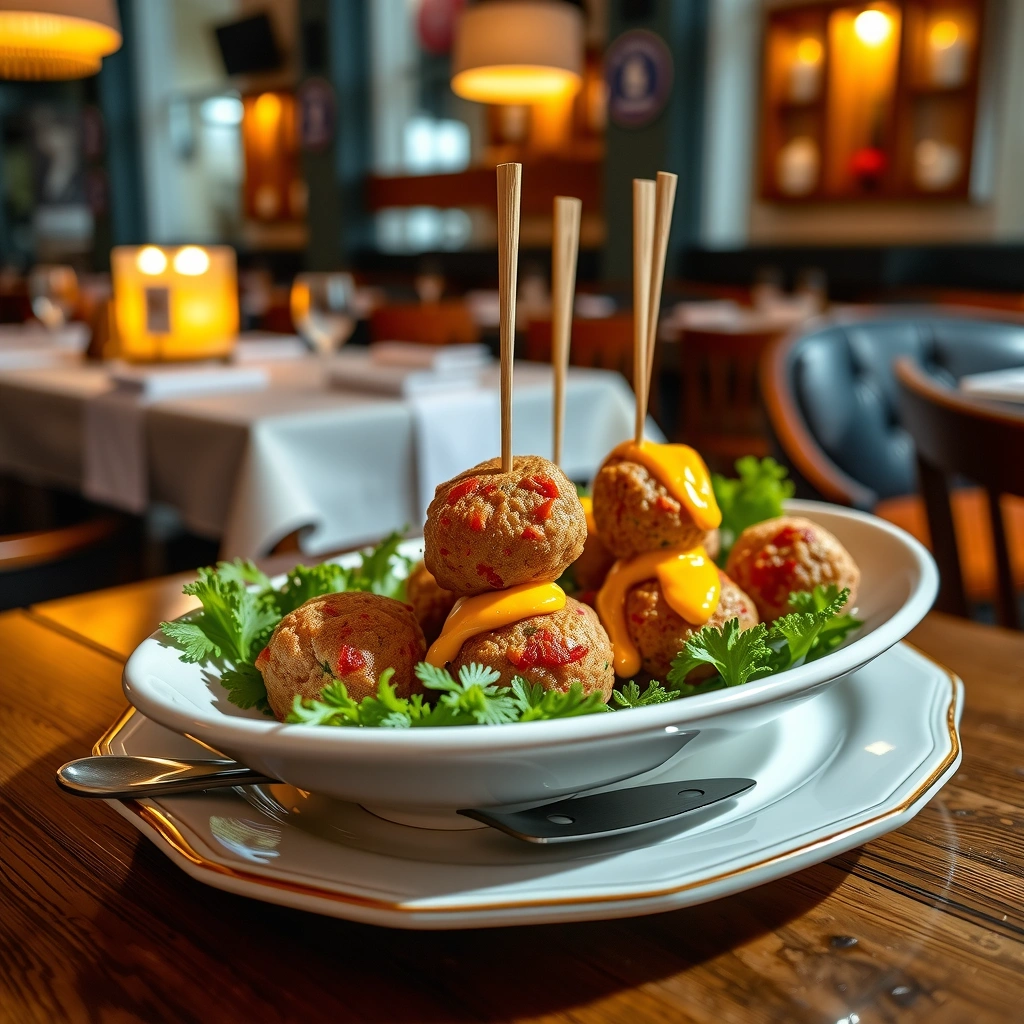
– Combine ground sausage, softened cream cheese, and baking mix for the right texture
– Form balls evenly so they bake at the same rate
This is the reliable “base recipe” that delivers the classic flavor people expect—savory, slightly tangy from the cream cheese, and crisp-golden on the outside. It’s also forgiving: even if you’re hosting and baking multiple trays, the structure holds well.
Base recipe (makes ~24–32 balls, depending on size):
1. Preheat oven to 375°F (190°C). Line a baking sheet with parchment paper (helps with cleanup and prevents sticking).
2. In a large bowl, combine:
– 1 lb (450 g) ground sausage (Italian sausage works great; mild or hot)
– 8 oz (225 g) cream cheese, softened
– 2 cups baking mix (such as Bisquick-style baking mix) *or* biscuit mix
– 1–1½ tsp garlic powder
– 1 tsp onion powder
– ½–1 tsp black pepper (to taste)
3. Mix until the mixture looks evenly combined and no dry pockets remain. The dough should be thick—if it looks crumbly, you may be using cooler cream cheese or your sausage is extra dry; if it looks greasy, your cream cheese may be too warm.
4. Form balls using a cookie scoop for consistency:
– Aim for 1 to 1½ inch balls (about 1 to 2 tablespoons of mixture each).
– Place balls on the tray with a little spacing so they can brown properly.
5. Bake until deeply golden and cooked through (see doneness guidance in the next section).
Professional hosting tip: If you have time, let the formed balls rest 10 minutes before baking. This small step helps the mixture hydrate slightly from the cream cheese and improves hold.
Ingredient Tips for Best Flavor and Texture

– Use fully cooked sausage (or break down raw sausage and bake thoroughly)
– Season to taste with garlic powder, onion powder, and black pepper
Ingredient quality and handling are what separate “good” sausage balls from “these are the first ones to disappear.” Cream cheese is the texture driver, baking mix provides structure, and sausage brings the savory depth.
Choose the right sausage
– Fully cooked sausage (like many packaged breakfast sausages) is the simplest path to safe, predictable texture. Since it’s already cooked, your main job is to brown the outside and ensure the center sets.
– Raw ground sausage can be used too, but you must bake until fully cooked. For food safety, ground meat is typically considered done at 160°F (71°C) internal temperature.
Texture note: Raw sausage tends to release more moisture as it bakes. That’s not a problem, but it makes ball size and mixing consistency even more important—under-mixed dough can go soft.
Soften the cream cheese correctly
Cream cheese should be soft enough to mix smoothly but not melted. If it’s too cold, you’ll get uneven pockets and dry spots. If it’s too warm, the mixture can become runny.
Fix if needed:
– Too dry/crumbly? Let it sit 5 minutes, then mix again.
– Too soft/wet? Add 1–2 extra tablespoons of baking mix and re-mix.
Season with purpose (and don’t overdo it)
Garlic powder, onion powder, and black pepper are classics because they complement the sausage without overpowering it. If your sausage already has seasoning, start conservatively.
Quick seasoning framework:
– Garlic powder: 1 to 1½ tsp per 1 lb sausage
– Onion powder: about 1 tsp per 1 lb sausage
– Black pepper: ½ to 1 tsp depending on your sausage’s heat level
– Optional: 1 tsp smoked paprika for a subtle “BBQ” vibe
Avoid a common texture mistake: overmixing
Sausage balls are dough-like, but you don’t want to beat the mixture aggressively. Overmixing can develop a tougher texture, especially if your baking mix has a higher protein content. Mix just until uniform.
Baking Targets for Cream Cheese Sausage Balls (375°F)
| # | Ball Size (approx.) | Typical Bake Time | Internal Doneness Goal* | Best For |
|---|---|---|---|---|
| 1 | 1 oz (about 2 Tbsp) | 12–14 min | 160°F (71°C) | Fast trays |
| 2 | 1.25 oz | 14–16 min | 160°F (71°C) | Party uniformity |
| 3 | 1.5 oz (1–1¼ in) | 16–18 min | 160–165°F | Most common result |
| 4 | 2 oz (1½ in) | 18–20 min | 160–165°F | Heartier bites |
| 5 | 2.25 oz | 20–22 min | 160–165°F | Tray-build ahead |
| 6 | 2.5 oz (large) | 22–25 min | 165°F max (avoid over-dry) | Can dry if overbaked |
| 7 | Frozen-from-batch (1.5 oz) | 20–24 min | 160–165°F | Last-minute hosting |
\*Internal doneness goal applies when using raw sausage. If your sausage is fully cooked, you still want the center hot and set, and you’ll brown the tops to your preferred crispness.
Baking Time, Temperature, and Doneness Checks
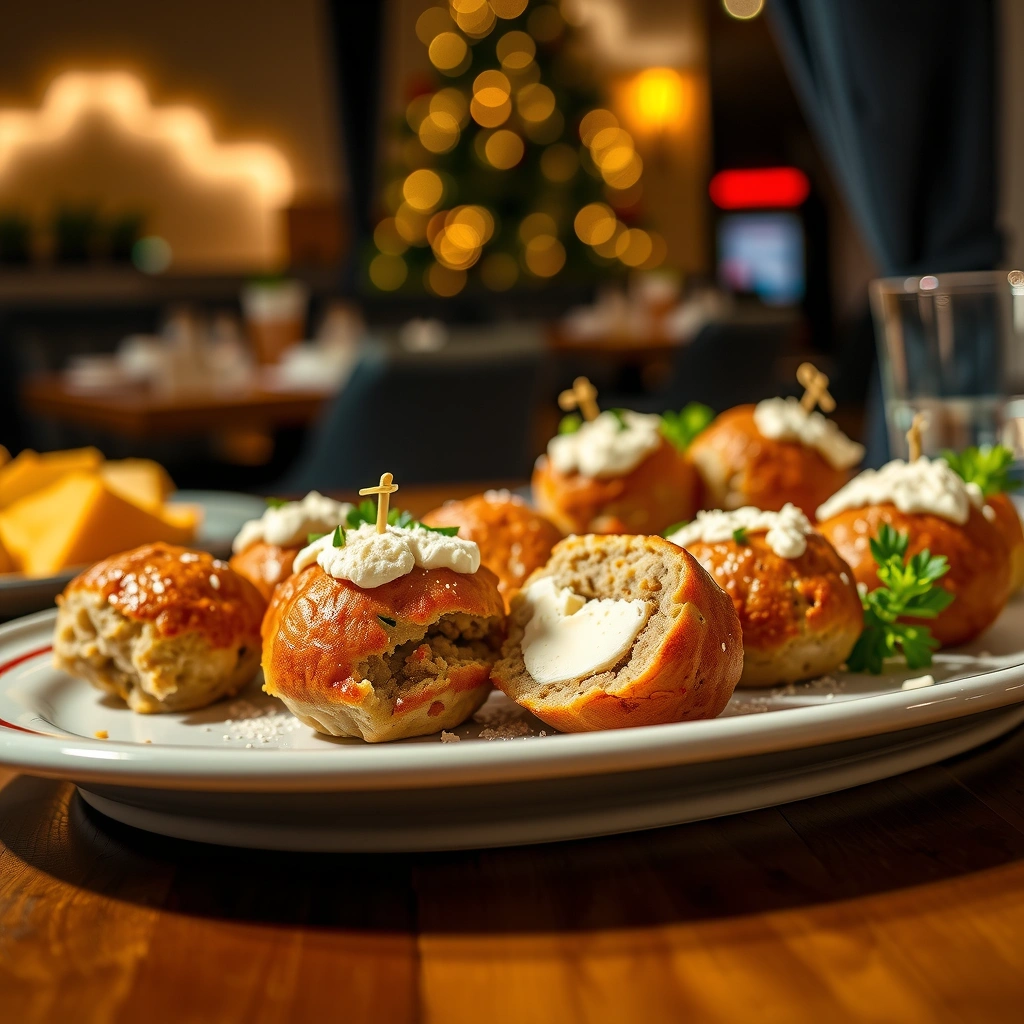
– Bake until the tops are browned and the centers are cooked through
– Check a couple of balls first to dial in time for your oven
Most sausage ball failures come down to one variable: timing. Ovens vary widely, and ball size changes everything. The best approach is to bake at a steady temperature and verify doneness early.
Recommended bake settings
– Oven: 375°F (190°C)
– Tray: center rack for most even browning
– Spacing: arrange balls with a little room to allow airflow
How to tell they’re done
Use a combined checklist:
1. Color: tops should look browned and slightly crisp.
2. Set center: the balls should not be wet or doughy inside.
3. Temperature (best method): for raw sausage, check that at least the thickest center reaches 160°F (71°C).
Simple test: Bake 4–6 balls first as “guinea pigs” if you’re unsure. Pull them when they hit the target, then return the rest with the adjusted timing.
Resting improves texture
After baking, let sausage balls rest on the tray for 5 minutes. They finish setting as steam dissipates, which improves slice/tear consistency and prevents the inside from collapsing when served.
Make-Ahead and Freezing Instructions
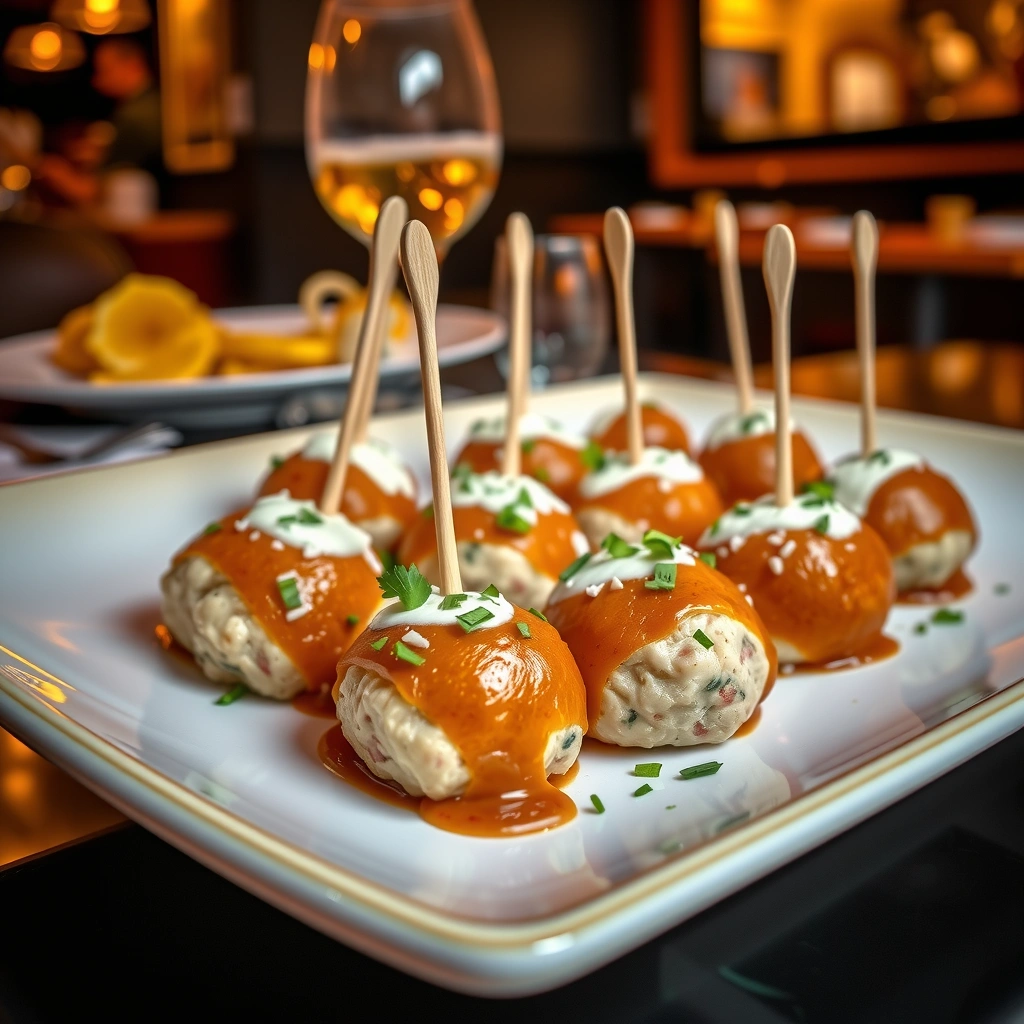
– Prepare, form into balls, and refrigerate before baking for quick hosting
– Freeze uncooked balls on a tray, then store—bake from frozen with added time
Sausage balls are ideal for busy schedules because they scale well and can be staged. The best results come from controlling moisture—especially if you’re refrigerating or freezing.
Refrigerate before baking (same-day or next-day)
1. Mix the dough and form balls.
2. Place on a lined tray and refrigerate uncovered for 30–60 minutes (helps them firm).
3. Cover and refrigerate until ready to bake—typically up to 24 hours.
Bake straight from the fridge. You may need 1–2 extra minutes depending on your starting temperature and ball size.
Freeze uncooked balls (best for big events)
1. Form balls and place them on a parchment-lined tray.
2. Freeze until solid (about 2–3 hours).
3. Transfer to a freezer bag or container labeled with date and size.
Bake from frozen: Use the bake-time guidance by ball size and plan for extra time (often roughly +5 to +8 minutes at 375°F for typical 1½ oz balls).
Food-safety note: Keep them frozen until baking and avoid letting them thaw on the counter.
Serving Ideas and Dipping Sauces
– Serve with honey mustard, ranch, or spicy mayo for a fast crowd-pleaser
– Pair with cheese boards, soups, or breakfast casseroles
The “party bite” advantage isn’t just flavor—it’s convenience. Sausage balls travel well, reheat reliably, and pair with both casual and upscale spreads.
Fast, crowd-pleasing dips
– Honey mustard: balances savory sausage with sweetness and tang
– Ranch: creamy coolness makes them feel lighter
– Spicy mayo or sriracha mayo: adds heat without changing the core flavor
– Optional upgrade: mix Greek yogurt + hot sauce for a tangier, slightly lighter dip
Pairing ideas (beyond the appetizer tray)
– Cheese boards: add sausage balls as a warm, savory anchor among crackers and cured meats
– Soups: serve alongside tomato basil soup or creamy potato soup for a hearty meal
– Breakfast casseroles: place them next to egg bakes for a buffet-style brunch
Reheating tips for best quality
– Oven: 350°F for 8–12 minutes (best for crisp reheat)
– Air fryer: 350°F for 6–8 minutes
– Microwave: works but can soften the crust—use only if speed matters most
Troubleshooting Common Problems
– If they’re dry: adjust bake time or increase cream cheese slightly
– If they’re too soft: add a bit more baking mix to help them hold shape
Even excellent cooks run into texture issues. The fix is usually straightforward—adjust one variable at a time so you can diagnose what happened.
Problem: Sausage balls are dry
Likely causes:
– Overbaking (common)
– Too little fat relative to baking mix
What to do:
– Reduce bake time by 1–3 minutes next batch.
– If your dough seems stiff, mix in 1–2 tablespoons more softened cream cheese (or slightly reduce baking mix next time).
Problem: Sausage balls are too soft or spreading
Likely causes:
– Cream cheese too warm
– Under-mixed dough (dry baking mix pockets)
– Ball size inconsistent
What to do:
– Chill the formed balls 20–30 minutes before baking.
– Add 1–2 tablespoons more baking mix to increase structure.
– Re-portion into consistent sizes using a scoop.
Problem: Centers are undercooked
Likely causes:
– Balls too large
– Oven runs cool
– Insufficient bake time
What to do:
– Use a thermometer for accuracy.
– Bake longer in small increments (2–3 minutes), checking after each adjustment.
Problem: Uneven browning
Likely causes:
– Tray overcrowding
– Hot spots in the oven
– Inconsistent placement
What to do:
– Leave space between balls.
– Rotate the tray halfway through baking for even color.
Cream cheese sausage balls are hard to mess up—stick to a balanced mix of sausage, cream cheese, and baking mix, then bake until deeply golden. If you follow the classic base recipe first, use consistent ball sizing, and confirm doneness with either color and/or temperature, you’ll get tender, flavorful results every time. Finally, take advantage of make-ahead and freezing so you can serve a warm tray of party bites with minimal stress—making your next holiday, gathering, or game-day spread a clear crowd favorite.
References
- https://scholar.google.com/scholar?q=cream+cheese+sausage+balls+recipe Google Scholar
https://scholar.google.com/scholar?q=cream+cheese+sausage+balls+recipe - Google Scholar Google Scholar
https://scholar.google.com/scholar?q=sausage+balls+with+cream+cheese - Google Scholar Google Scholar
https://scholar.google.com/scholar?q=cheese+sausage+snack+baking+recipe+ingredients - Cream cheese
https://en.wikipedia.org/wiki/Cream_cheese - Sausage
https://en.wikipedia.org/wiki/Sausage - Cheese
https://en.wikipedia.org/wiki/Cheese - Sausage
https://en.wikipedia.org/wiki/Pork_sausage - Ground meat
https://en.wikipedia.org/wiki/Ground_meat - Baking
https://en.wikipedia.org/wiki/Baking - Meatball
https://en.wikipedia.org/wiki/Meatball