
Cheddar Bay sausage balls recipe that delivers the winning combination of spicy sausage, melty cheddar, and garlicky, biscuit-like flavor—without complicated steps. If you’re asking for an easy, crowd-pleasing appetizer that holds together and browns beautifully every time, this is the one. Expect a simple mix-and-bake method with reliable results for game days, parties, or weeknight snacking.
Cheddar Bay sausage balls are an easy, baked appetizer that deliver a crisp, golden exterior with a tender, cheesy center—no complicated steps required. With breakfast sausage, shredded cheddar, and a baking mix, you can reliably produce uniform bites for parties, brunch tables, and game-day spreads, and you can tune the flavor using simple seasonings like garlic powder and a touch of cayenne.
Ingredients for Cheddar Bay Sausage Balls
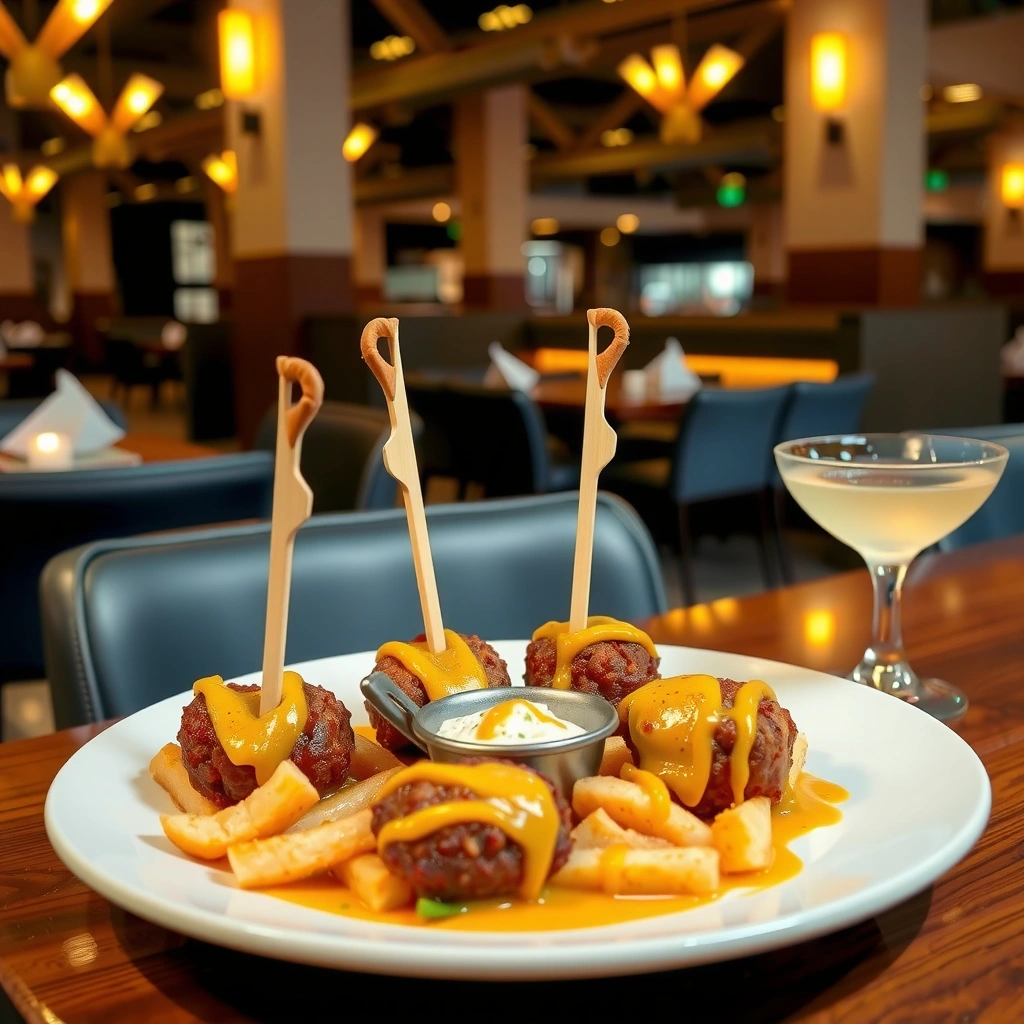
– Use breakfast sausage, shredded cheddar, and a baking mix (plus basic pantry staples)
– Optional add-ins: cayenne or garlic powder for that classic bold flavor
To keep results consistent, focus on ingredient choices that affect both flavor and structure. Breakfast sausage provides the fat and seasoning that make the balls cohesive during baking, while shredded cheddar adds melt, richness, and that “Cheddar Bay” style savoriness. A baking mix (typically a self-rising blend) acts as the binder and leavening backbone, helping the balls stay tender instead of turning dense.
Core ingredients you’ll typically use:
– Breakfast sausage: Regular or hot, depending on how much heat you want.
– Shredded cheddar cheese: Use pre-shredded if that’s what you have, but freshly shredded cheddar melts more smoothly in many kitchens.
– Baking mix: Enough to absorb moisture from the sausage and create a scoopable dough.
– Optional seasonings: Garlic powder for aroma and cayenne for a subtle kick.
Helpful pantry additions (optional):
– Black pepper to round out the sausage flavor
– Paprika for a mild smoky note (especially if using mild sausage)
– Crushed red pepper flakes if you prefer a more noticeable heat layer
Practical ingredient guidance (quick, analytical)
– Sausage moisture matters: Very lean sausage can make the mixture feel dry; higher-fat sausage tends to yield a more tender interior.
– Cheese texture matters: Too much cheese can cause spreading or leaking if the mixture gets too wet. Measure your cheddar and keep the dough thick and scoopable.
– Baking mix consistency: Different brands vary in salt and leavening strength. Start with the recommended amount, then adjust with an extra spoonful of baking mix only if needed.
Cheddar Sausage Ball Results Guide by Mix Consistency
| # | Observed Mix Texture | Best Ball Feel | Likely Outcome | Recommended Adjustment |
|---|---|---|---|---|
| 1 | Thick, scoopable dough | Holds shape; minimal cracking | Tender center + crisp edge | Proceed as written |
| 2 | Slightly sticky but forms balls | Smooth surface with gentle press | Good browning; slightly softer crust | Add 1–2 tbsp extra mix if needed |
| 3 | Very sticky, won’t hold shape | Collapses when transferred | Spreading + uneven bake | Add 2–4 tbsp baking mix |
| 4 | Dry, crumbly, hard to pack | Cracks on forming | Tough texture; reduced melt | Mix in 1–2 tbsp water or a spoonful of sausage fat |
| 5 | Firm dough with slight cheese stretch | Ball feels dense but elastic | Very crisp edge; can run slightly dry | Bake to set, not over-brown |
| 6 | Gummy dough from overmixing | Dough smears when pressed | Dense, chewy bite | Stop mixing early next time; chill dough 10 minutes |
| 7 | Cold, well-packed dough | Ball holds firm; less spreading | Crisper crust; consistent browning | Use 10–15 min rest/chill before rolling |
Step-by-Step Instructions

– Mix sausage, cheese, and baking mix until a thick, scoopable dough forms
– Roll into balls and place on a lined baking sheet for even cooking
Here’s the workflow that yields dependable Cheddar Bay sausage balls—structured enough for repeat results, simple enough for weeknights and events.
1. Preheat the oven and prep the pan
– Heat your oven to 375°F (190°C).
– Line a baking sheet with parchment paper for easy release and faster cleanup.
2. Combine the sausage and dry mix
– In a mixing bowl, add breakfast sausage and baking mix.
– Stir until the sausage is evenly coated and the mixture looks thick.
3. Add the cheddar
– Fold in shredded cheddar.
– Continue stirring until you have a cohesive, thick, scoopable dough. It should be firm enough to roll without falling apart.
4. Portion and roll
– Scoop and roll into 1-inch to 1½-inch balls (about golf-ball to slightly smaller than golf-ball size).
– Place balls on the baking sheet with space between them for airflow and even browning.
5. Bake
– Bake until the tops are set and the edges are golden brown.
– Rotate the pan once if your oven has hot spots.
Key “process” principles
– Uniform portioning is a quality control step. Similar sizes bake at similar rates, reducing the odds of overdone edges or underbaked centers.
– Mixing order matters slightly: coating sausage with baking mix first helps absorb excess moisture before the cheese goes in.
How to Get the Best Texture
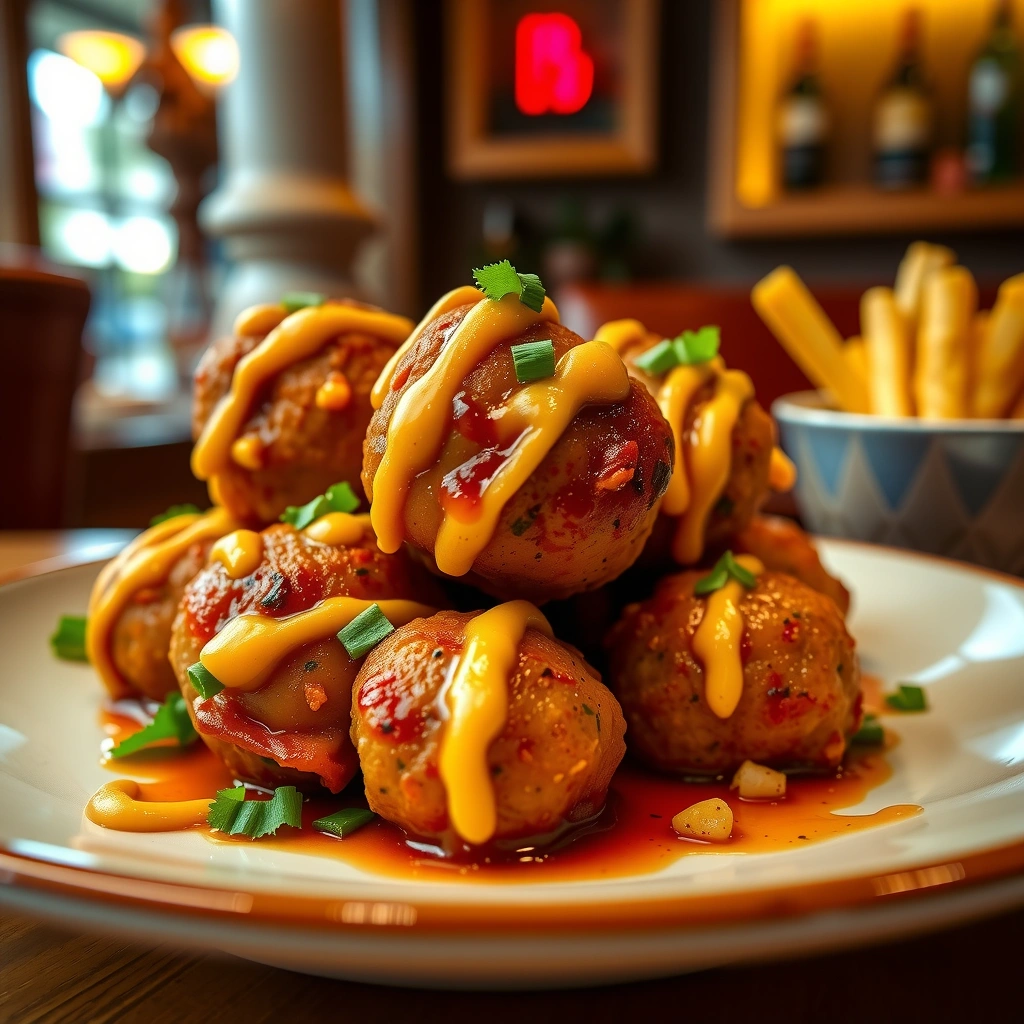
– Don’t overmix—stir just until everything is evenly combined
– Aim for consistent ball size so they bake at the same rate
Texture is the difference between “good” and “can’t stop eating.” Cheddar bay sausage balls rely on a balance: the dough must be cohesive, but not tough; cheesy, but not greasy; crisp outside, but tender inside.
Avoid overmixing (the science in plain terms)
Overmixing can develop a denser, tighter structure—especially when baking mix contains leavening and flour blends. The goal is even distribution, not smooth batter. Stir until:
– no dry baking mix pockets remain,
– cheese is evenly suspended,
– the dough holds shape when scooped.
Control moisture
If the mixture looks too wet, it may spread and leak cheese fat during baking. If it looks too dry, it may bake up firm and less tender. Use small adjustments:
– If too wet: add 1 tbsp baking mix at a time
– If too dry: add 1 tbsp water at a time (or let sausage warm slightly)
Portion size and airflow
Balls packed too tightly trap steam, softening the crust. Place balls with space on the sheet so hot air circulates. Consistency also helps: aim for the same diameter across the tray so internal cooking matches surface browning.
Quick “real-world” texture targets
A great batch should show:
– Set tops (not raw-looking or glossy),
– Golden edges with slight crisping,
– Cheesy center that stretches or melts, not crumbles.
Baking Temperature and Timing
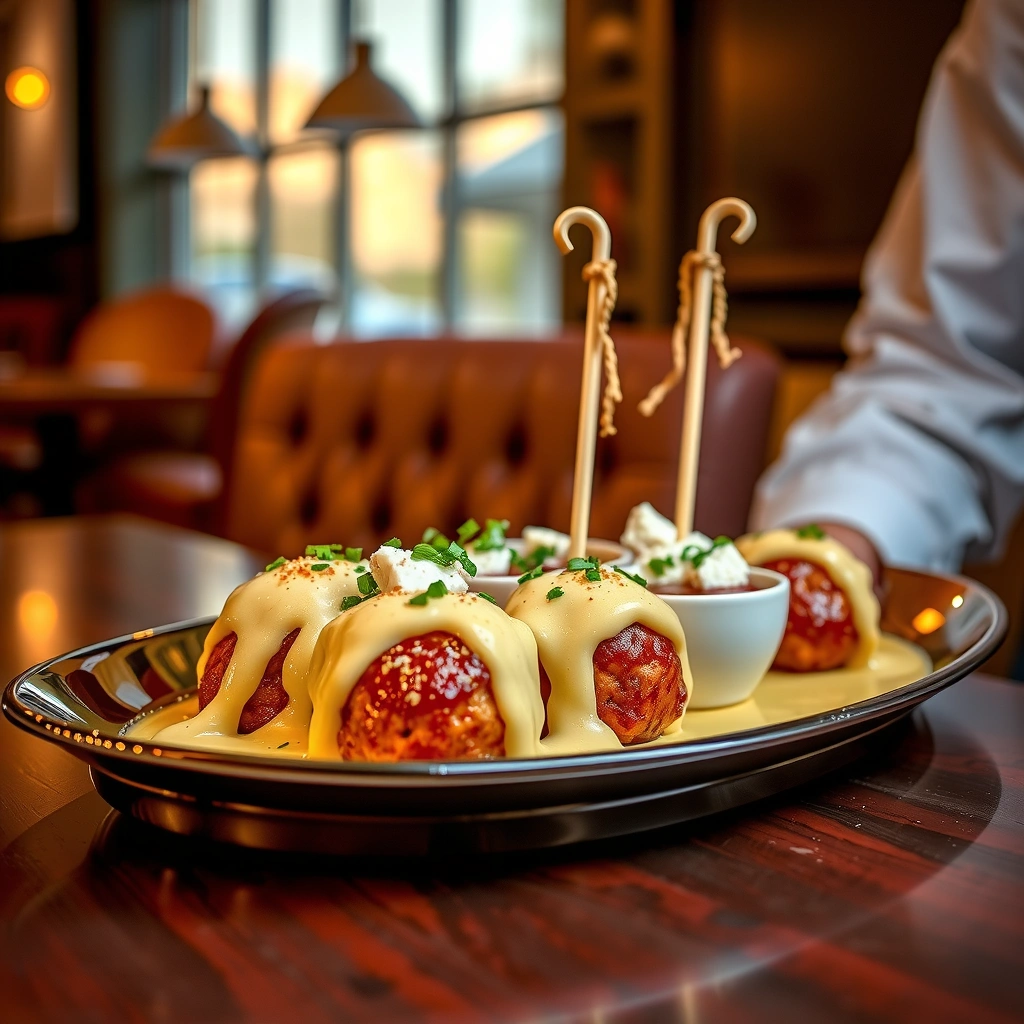
– Bake until the tops are set and the edges turn golden brown
– Let them rest briefly before serving to help them firm up
Cheddar Bay sausage balls don’t need complicated timing, but they do need attention to doneness signals. Ovens vary, and sausage fat can affect browning speed—so the “when” is best defined visually and by texture cues.
Recommended bake plan
– Temperature: 375°F (190°C)
– Time: typically 18–25 minutes, depending on ball size and oven behavior.
Doneness cues to watch
– Top is set: It should look matte rather than shiny or wet.
– Edges are golden: A deeper golden color indicates the outside has crisped.
– Center is cooked through: No raw sausage appearance; cheese should be melted into the interior.
Resting (a small step with outsized returns)
Let the balls rest on the pan for 5 minutes. During this time:
– steam redistributes,
– the outer surface tightens,
– molten cheese and sausage fat stabilize so the balls hold their shape when lifted.
If you skip the rest, they may be harder to plate and can feel slightly messier.
Seasoned Topping (Cheddar Bay Style)
– Consider a quick buttery topping or herb seasoning for extra flavor
– Add garlic powder (and a pinch of cayenne if desired) for that signature kick
The “Cheddar Bay” signature is often associated with a buttery, garlicky finish—so even though the balls are already flavorful from sausage and cheese, a topping elevates them from simple appetizer to standout dish.
Option A: Garlic-butter seasoning (most classic)
1. Melt 2–4 tbsp butter (adjust to batch size).
2. Stir in garlic powder (about 1–2 tsp, to taste).
3. Add optional cayenne (a pinch for heat).
4. Toss warm balls in the mixture or brush the tops before serving.
Option B: Herb-forward finish
– Mix butter with garlic powder, plus dried parsley or chives.
– Finish with a light crack of black pepper.
Option C: Dry “seasoning dust”
– Combine garlic powder, paprika, and a small pinch of cayenne.
– Sprinkle lightly over balls right after baking so the seasoning adheres to the warm surface.
Quality control tip
If you plan to sauce-toss, wait until the balls are out of the oven and rested about 2–3 minutes. Too long after baking can reduce adhesion; too early can cause the coating to slide off.
Storage and Reheating Tips
– Store leftovers airtight in the fridge for a few days
– Reheat in the oven or air fryer to restore crispness without drying out
Make-ahead strategy is one of the biggest advantages of sausage balls—ideal for busy hosts and service-minded planning. Proper storage also helps maintain texture.
Storage
– Cool the balls completely before sealing.
– Store airtight in the refrigerator for up to 3–4 days.
Reheating for best texture
Because sausage balls are baked, they reheat well when you reintroduce dry, hot air:
– Oven: Bake at 350°F (175°C) for 8–12 minutes until hot.
– Air fryer: Reheat at 350°F (175°C) for 6–9 minutes.
Freezing (for planning convenience)
– Freeze baked balls once fully cooled.
– Store airtight with parchment between layers.
– Reheat from frozen: bake or air fry a few minutes longer until heated through.
Avoid common reheating mistakes
– Microwaving can soften the crust and make the outside less crisp.
– Overheating can dry them out—especially if balls are small. Use visual cues: hot centers and re-golden edges.
Baking Mix vs. Self-Rising Flour: What to Use
| # | Feature | Baking Mix | Self-Rising Flour | Best For |
|---|---|---|---|---|
| 1 | Leavening readiness | Pre-mixed | Pre-mixed | Either |
| 2 | Salt level control | Consistent | Consistent | Either |
| 3 | Dough absorption | Predictable | Predictable | Either |
| 4 | Flavor profile | Mildly buttery/seasoned (varies) | Neutral | Baking mix |
| 5 | Consistency across brands | Often more uniform | Can vary | Baking mix |
| 6 | Cheese-dough structure | Stable crumb | Stable crumb | Either |
| 7 | Adjustability for dry/dense dough | Easier to fine-tune | Works, but careful on salt | Baking mix |
| 8 | Best texture outcome | Tender, reliable | Tender when measured well | Baking mix |
| 9 | Convenience factor | One-step | One-step | Either |
| 10 | Flavor intensity with sausage | Balances well | Lets sausage lead | Baking mix for “Cheddar Bay” style |
| 11 | Overall recommendation | Most consistent | Acceptable with careful measurement | Baking mix (default) |
Cheddar Bay sausage balls are easy to make and perfect for parties, brunch, or game day—cheesy, savory, and baked to golden perfection. Follow the mixing, baking, and rest steps for the best texture, then finish with a buttery garlic seasoning (with optional cayenne) to achieve that bold, crowd-pleasing flavor. Make a batch soon, serve them warm, and you’ll have a reliable appetizer that disappears fast.
References
- Google Scholar Google Scholar
https://scholar.google.com/scholar?q=cheddar+bay+sausage+balls+recipe - Google Scholar Google Scholar
https://scholar.google.com/scholar?q=sausage+balls+recipe+cheddar+cheese+biscuits - Google Scholar Google Scholar
https://scholar.google.com/scholar?q=ground+meat+safe+cooking+temperature+information - Sausage
https://en.wikipedia.org/wiki/Sausage - Cheddar cheese
https://en.wikipedia.org/wiki/Cheddar_cheese - https://en.wikipedia.org/wiki/Biscuit_(bread
https://en.wikipedia.org/wiki/Biscuit_(bread - Cook to a Safe Minimum Internal Temperature | FoodSafety.gov
https://www.foodsafety.gov/food-safety-charts/safe-minimum-cooking-temperature - https://www.fsis.usda.gov/food-safety/safe-food-handling-and-preparation/keeping-food-safe-while-cooking
https://www.fsis.usda.gov/food-safety/safe-food-handling-and-preparation/keeping-food-safe-while-cooking - https://www.cdc.gov/foodsafety/
https://www.cdc.gov/foodsafety/ - https://www.fda.gov/food/resources-you-can-use/food-safety-basics
https://www.fda.gov/food/resources-you-can-use/food-safety-basics