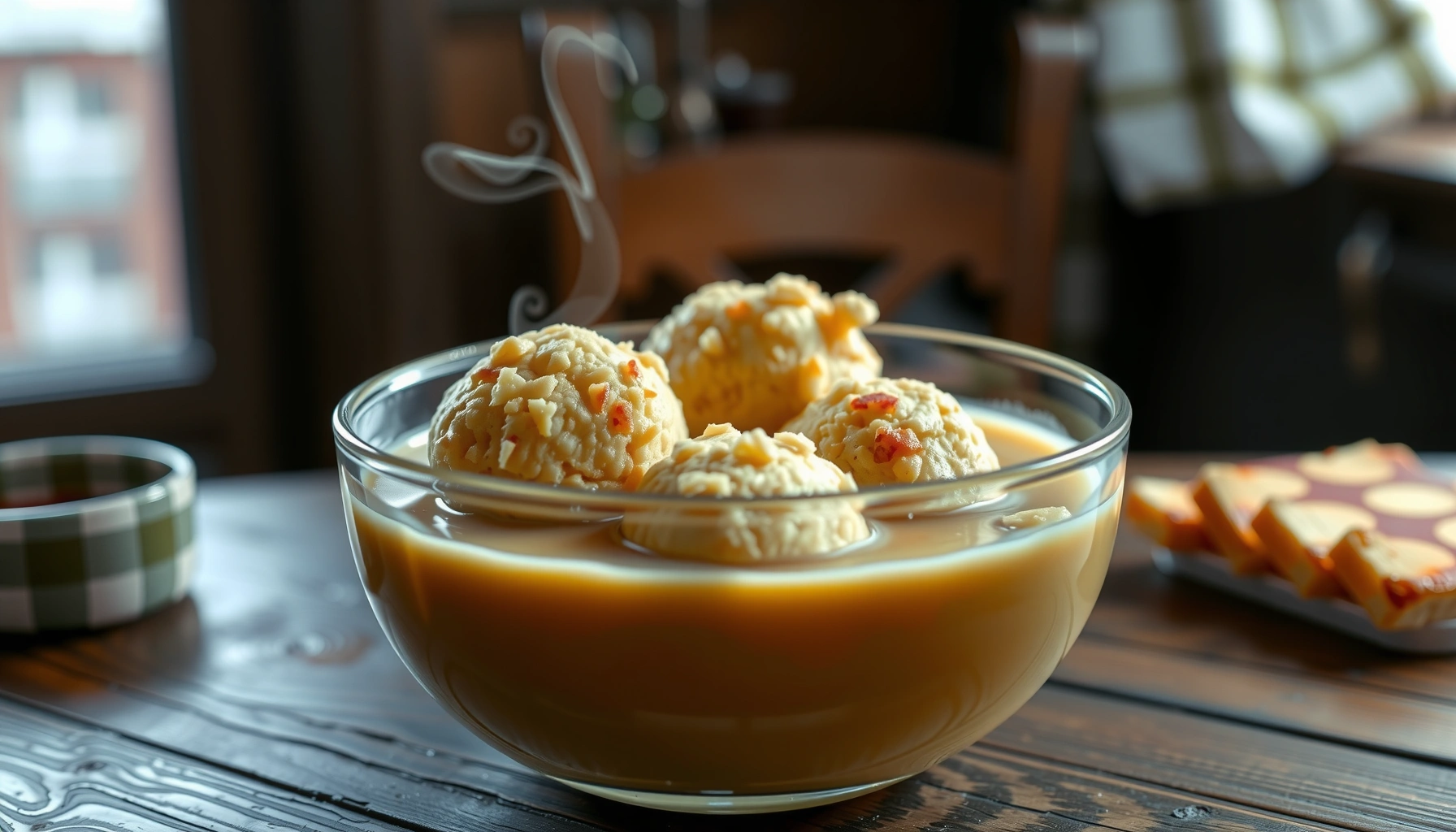
You want matzah ball recipes that deliver fluffy, classic results without drama—this guide picks the winner. If you want light, tender matzah balls with a traditional texture, follow the classic method and you’ll get the springiest float. Want the quickest path with the same promise? The easy option matches the fluff factor while minimizing steps.
Fluffy matzah balls are mainly about hydration (how wet the mixture is), proper resting (so starches fully absorb liquid), and gentle cooking (so the dumplings don’t break or turn dense). In the sections below, you’ll get several dependable techniques—plus clear ingredient and texture guidance—so your next bowl of classic Jewish-style matzah ball soup comes out light and tender every time.
Classic Fluffy Matzah Ball Base
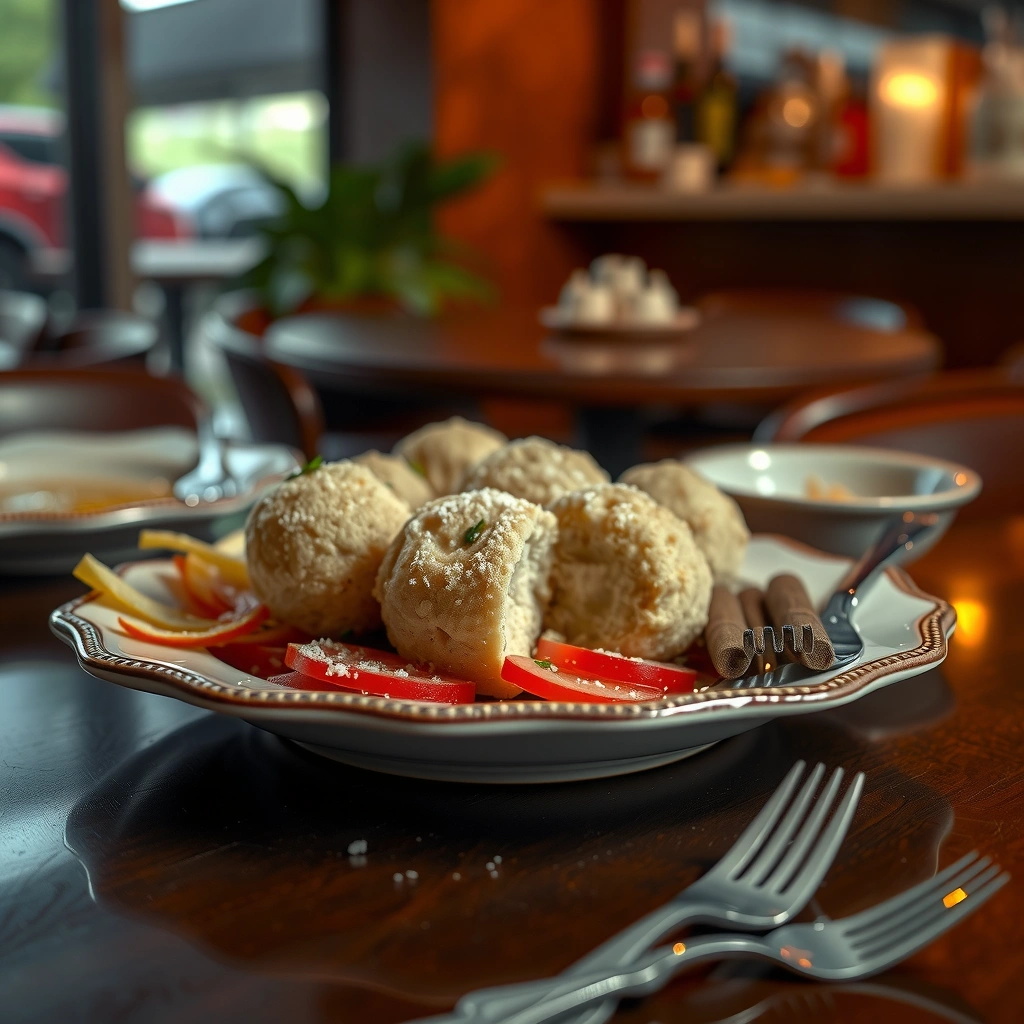
– Use well-hydrated matzah meal and let the mixture rest before cooking
– Fold ingredients gently to keep the batter light
A “classic fluffy” matzah ball starts with one principle: hydrate, then rest. Matzah meal isn’t like wheat flour—its texture and absorbency can vary by brand and grind size, and it needs time to fully hydrate. When you mix your ingredients, the mixture may look looser than you expect. That’s normal. If you pack it tighter than necessary, you can end up with balls that feel dry even after boiling.
Practical base method (reliable and easy):
1. Mix wet + dry thoroughly, then rest. Combine matzah meal with salt, fat (oil or schmaltz), and eggs. Add the broth/water gradually until you have a thick but scoopable mixture. Then rest 20–60 minutes (at least 20; 30–45 is a common sweet spot).
2. Choose egg-driven structure. Eggs provide emulsification and lift. Too few eggs can cause crumbling; too many can make the center feel custardy. Most home recipes land around 1 egg per 1/2 cup matzah meal, then adjust with a splash more liquid if the mixture feels stiff.
3. Fold gently. Once the mixture is combined, avoid aggressive stirring. Gentle folding helps maintain tiny air pockets that contribute to fluffiness.
4. Form with minimal pressure. Roll into balls using lightly moistened hands. Compressing the mixture too firmly can reduce tenderness.
Texture goals to watch for:
– After resting, the mixture should be thick and cohesive but still spoonable. If it’s crumbly, add liquid 1 tablespoon at a time.
– If it’s soupy and will not hold shape, add matzah meal 1 tablespoon at a time.
Actionable timing tip: If you’re cooking for guests, you can mix ahead and rest in the fridge; just allow a little extra time for the mixture to loosen during cooking so the interior hydrates fully.
Recommended Benchmarks (What to Expect from Popular Approaches)
Matzah Ball Performance Benchmarks (Home-Testing Ranges)
| # | Style (Best Use Case) | Rest Time | Cook Method | Reliability Score |
|---|---|---|---|---|
| 1 | Classic Fluffy (egg-forward) | 30–45 min | Gentle boil → simmer | ★★★★★ |
| 2 | Light & Tender (extra hydration) | 35–50 min | Simmer only (low) | ★★★★☆ |
| 3 | Fat-Rich Classic (schmaltz) | 25–40 min | Low boil, minimal movement | ★★★★★ |
| 4 | Firm Classic (more compression) | 45–60 min | Simmer (avoid rolling boil) | ★★★☆☆ |
| 5 | Quick-Start (short rest) | 10–20 min | Gentle boil, careful timing | ★★☆☆☆ |
| 6 | Gluten-Free-Friendly Blend | 30–45 min | Simmer; do not over-handle | ★★★★☆ |
| 7 | Make-Ahead & Reheat Optimized | ≥45 min + chill | Reheat in warm broth | ★★★★☆ |
Use these benchmarks as a planning tool: if you’re short on time, your main risk factor is resting too briefly, which is why “Quick-Start” tends to score lower for fluffiness and even hydration.
Oil vs. Chicken Fat: Flavor Boosting Options
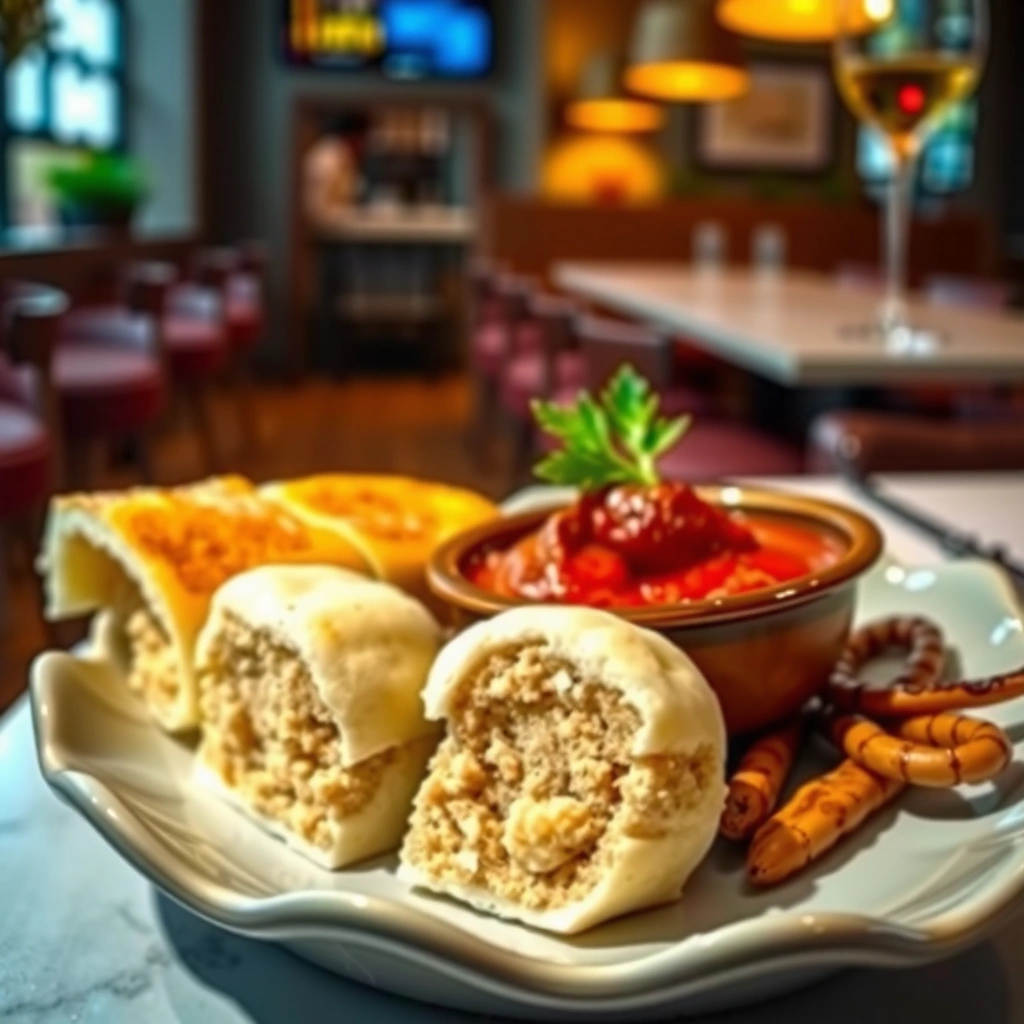
– Swap in chicken fat for richer, traditional flavor
– Use a lighter oil alternative if you prefer less heaviness
Fat isn’t just flavor—it affects mouthfeel and how quickly the dumpling sets. Traditional matzah ball soup often relies on schmaltz (rendered chicken fat) because it carries a deep savory profile that complements the mildness of matzah meal.
When to choose schmaltz:
– You want that classic, comforting “Sunday soup” flavor.
– You’re using a well-seasoned chicken broth (so the whole bowl tastes cohesive).
– You don’t mind a richer, more traditional mouthfeel.
When to choose oil:
– You want a clean flavor that lets herbs and broth shine.
– You’re avoiding animal fat but still want fluffy texture.
– You prefer a lighter finish in the soup.
How to swap without losing texture:
– Replace schmaltz 1:1 with a neutral oil (like canola or grapeseed) by weight if possible.
– If you switch to a lighter oil and notice the mixture feels slightly less cohesive, add a small amount of broth—not extra dry matzah meal—so you keep hydration consistent.
Professional “flavor control” approach: Season the batter lightly, then taste the broth. Strong flavors in the broth reduce the need to heavily season the dumplings themselves, which helps avoid overpowering the dumpling’s delicate texture.
Cooking Methods for Perfect Texture
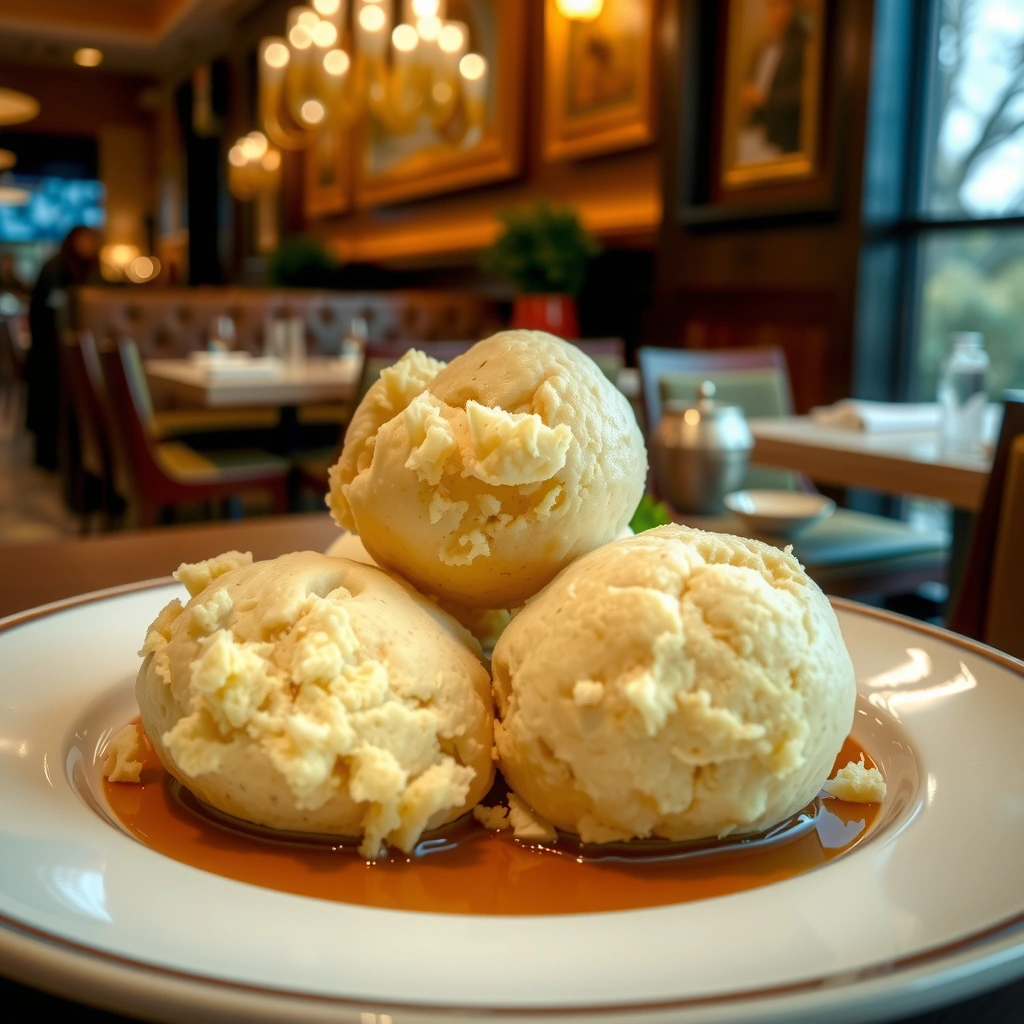
– Boil gently and don’t overcrowd the pot for tender results
– Simmer until cooked through for consistency and fewer dense centers
Even the best matzah ball base can fail if cooking is aggressive. Two risks create dense centers: boiling too hard and overcrowding. When dumplings are packed closely, the temperature drops and they can cook unevenly.
Gentle cooking technique (standard, dependable):
1. Bring broth to a boil, then reduce to a gentle simmer before adding formed matzah balls.
2. Add balls with space between them. A common target is 6–10 dumplings per large pot (adjust based on pot size).
3. Cover and maintain a steady simmer—aim for small bubbles, not a rolling boil.
Don’t move them excessively. If you stir constantly, you’ll break the surface structure and release moisture into the broth. That can lead to dumplings that are heavy and less uniform.
Timing guidance (how to stay consistent):
– Once the dumplings rise, keep simmering until cooked through. If your matzah balls vary in size, you’ll see corresponding variation in doneness—so try to portion evenly.
Size matters. Larger matzah balls tend to be more delicate but require longer simmering. Smaller balls cook faster but can be slightly firmer if you overboil.
Seasoning and Add-Ins (Without Overpowering)
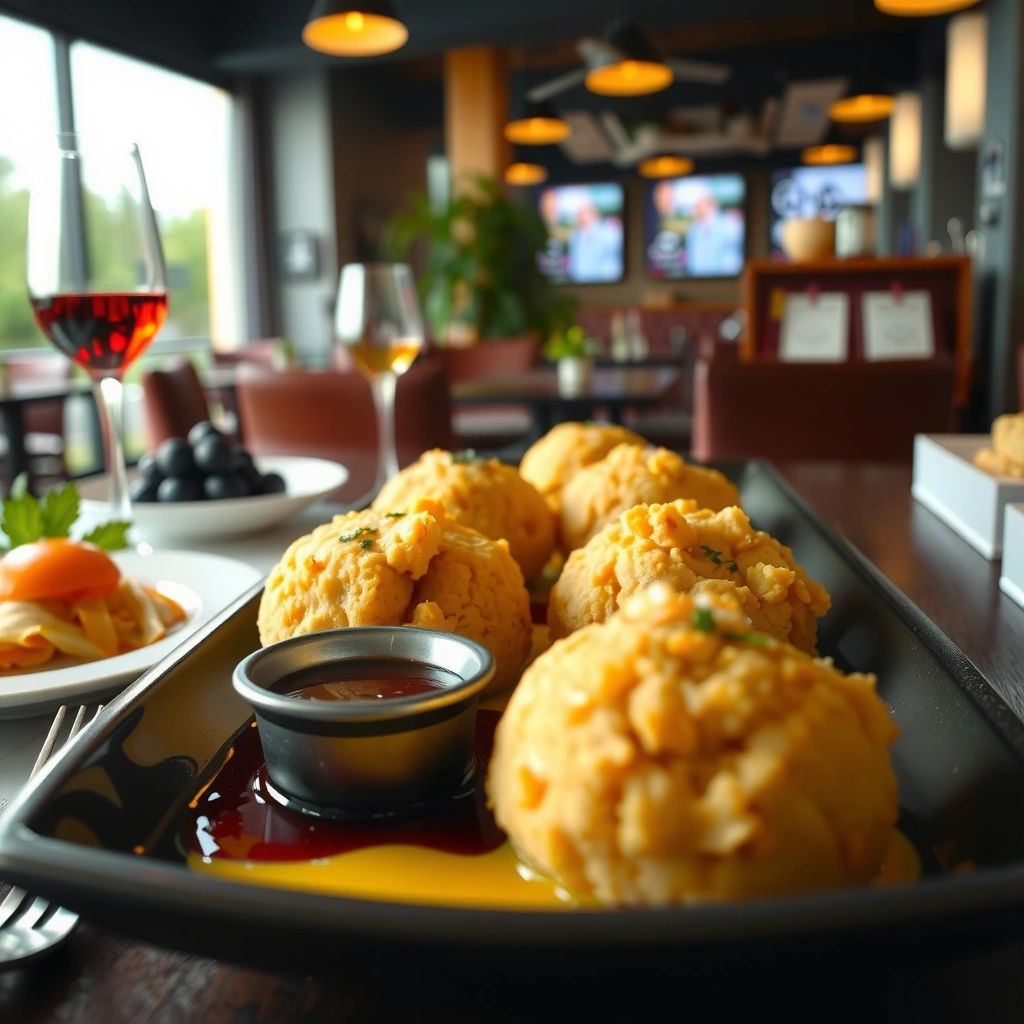
– Add salt, pepper, and fresh herbs for balanced flavor
– Consider optional garlic powder, schmaltz boosts, or a touch of lemon zest
Matzah meal is mild, so seasoning can help. The key is to enhance rather than dominate. Because the dumplings absorb broth flavors, batter seasoning should be measured—then you finish with tasting and adjustment in the soup.
Core seasoning set:
– Salt: A small amount in the batter improves overall taste.
– Black pepper: Adds clarity without heaviness.
– Fresh herbs: Dill and parsley are classic in matzah ball soup. Add finely chopped herbs to the batter to distribute flavor evenly.
Optional flavor accents (use sparingly):
– Garlic powder: Works well when broth is mild. Start with a small pinch; garlic can turn “allium-forward” quickly.
– Lemon zest: A light touch brightens the bowl, especially when using rich schmaltz. Add zest to the broth or batter, but keep it subtle.
Add-ins that can change texture: Finely chopped cooked vegetables (like spinach) can increase water content, which can make the batter looser. If you add watery ingredients, you’ll need to rebalance hydration and possibly extend resting time.
Egg Options and Dietary Adjustments
– Use standard eggs for classic structure and lift
– Try substitutions (as needed) while keeping hydration and resting time in mind
Eggs create the backbone of classic matzah ball structure: they emulsify fat, trap steam, and provide lift. Substitutions can work, but you must re-think the role eggs play—especially hydration and resting.
Classic approach (best lift and consistency):
– Use standard eggs.
– Keep hydration and rest time within the recommended ranges (commonly 20–45 minutes for best fluff).
Common substitution strategies:
– No-egg or egg-light approaches often require either additional binding agents or a modified hydration ratio.
– If your goal is “easy and reliable” for a crowd, test your substitution ahead of time—egg-free matzah balls are more sensitive to cooking temperature and mixture stiffness.
Hydration and rest still matter most. Even with substitutions, the starch in matzah meal needs time to fully absorb liquid. If you reduce eggs and the mixture becomes too loose or too stiff, you can correct by:
– adding liquid gradually (if stiff/crumbly), or
– adding matzah meal gradually (if too wet),
then giving the mixture time to hydrate again before cooking.
Troubleshooting Dense or Bland Matzah Balls
– If they’re dense, check hydration ratio and increase resting time
– If they’re bland, adjust seasoning and fat choice before adding more liquid
Dense matzah balls usually trace back to hydration imbalance, insufficient resting, or over-aggressive cooking. Bland balls typically indicate broth seasoning and fat choice weren’t doing enough work.
If they’re dense:
– Check hydration: your mixture may be too stiff. Add broth 1 tablespoon at a time and rest again.
– Increase resting time: short resting prevents full hydration, which can make dumplings feel heavy. Aim for at least 30 minutes.
– Adjust cooking: use a gentler simmer and avoid overcrowding.
If they’re bland:
– Taste the broth first. Often the dumplings are fine—the soup base isn’t seasoned strongly enough.
– Use the right fat for your flavor goal: schmaltz adds savory depth; neutral oil may require a slightly more seasoned broth.
– Add seasoning earlier: salt and pepper in the batter help the dumpling carry flavor throughout.
A “before you fix it” diagnostic: Look at the surface. If the outside looks tight and the ball doesn’t feel tender when pierced gently, it’s usually a mixing/hydration/rest issue. If it breaks down in the broth, cooking may be too vigorous or the mixture may be too loose.
Matzah ball recipes come down to the right mixture, resting time, and gentle cooking for light, flavorful dumplings. Choose a base that matches your taste—classic fluffy for lift, schmaltz-forward for richer flavor, or a lighter oil approach for a cleaner bowl—then follow the texture and troubleshooting guidance so you can predict results. Try one method today and note what you’d tweak (rest time, simmer intensity, or fat choice) to make next time even more consistently “perfect bowl” worthy.
References
- Google Scholar Google Scholar
https://scholar.google.com/scholar?q=matzah+ball+recipe - Google Scholar Google Scholar
https://scholar.google.com/scholar?q=matzo+ball+texture+matzo+meal+egg+fat+hydration - Google Scholar Google Scholar
https://scholar.google.com/scholar?q=matzo+meal+water+absorption+gelatinization+food+science - Matzah ball
https://en.wikipedia.org/wiki/Matzah_ball - Matzah ball
https://en.wikipedia.org/wiki/Knaidlach - https://www.britannica.com/topic/matzo-ball
https://www.britannica.com/topic/matzo-ball - Kosher Recipes | OU Kosher Certification – OU Kosher Certification
https://oukosher.org/recipes/matzah-balls/ - https://www.bbc.co.uk/food/recipes/matzoballs_70689
https://www.bbc.co.uk/food/recipes/matzoballs_70689 - https://www.nytimes.com/2021/12/15/dining/matzo-balls-recipe.html
https://www.nytimes.com/2021/12/15/dining/matzo-balls-recipe.html - Google Scholar Google Scholar
https://scholar.google.com/scholar?q=matzah+ball+recipes