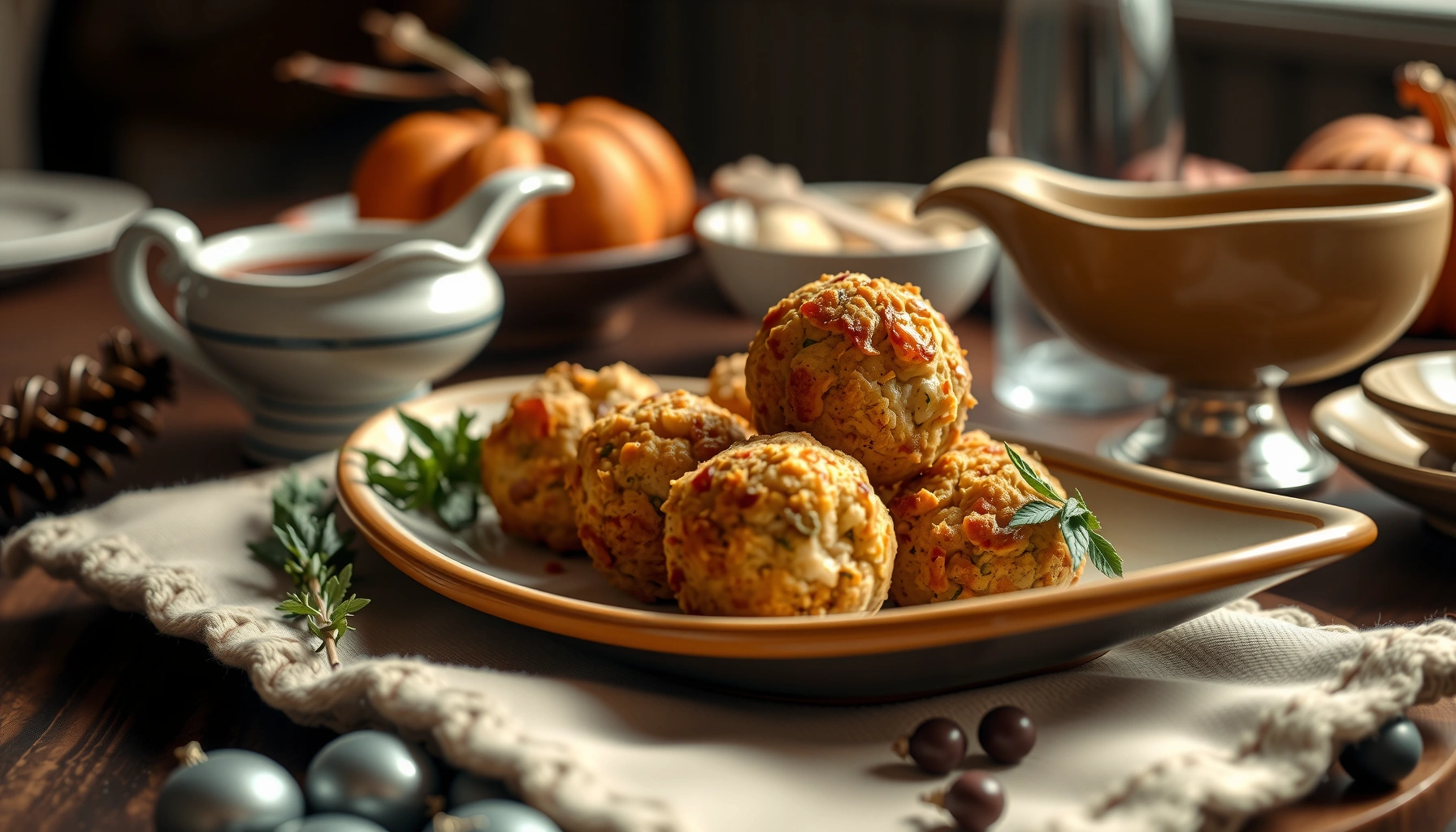
Get an easy, flavorful stuffing ball recipe that delivers crisp, golden edges and a tender, savory center every time. This guide answers whether homemade stuffing balls can outperform boxed mixes—yes, with simple ingredients, tight seasoning, and foolproof shaping. Follow the steps and bake them to the exact texture you want for holidays, weeknight sides, or stuffing ball appetizers.
You can make stuffing balls reliably by combining cooked stuffing with a binder (eggs or warm gravy), then baking or pan-frying until crisp and deeply golden. This approach keeps the interior moist while achieving a crunchy exterior—so you get consistent, bite-sized flavor every time, even when using leftover stuffing or a boxed mix.
Stuffing balls are essentially a controlled “re-structure” of traditional holiday stuffing: instead of serving as a casserole, you compress the mixture into portioned bites, bind it so it holds together, and apply high heat to create texture contrast. The result is a crowd-pleasing side that works for holiday gatherings, weeknight dinners, and meal prep.
—
Choose Your Stuffing Base
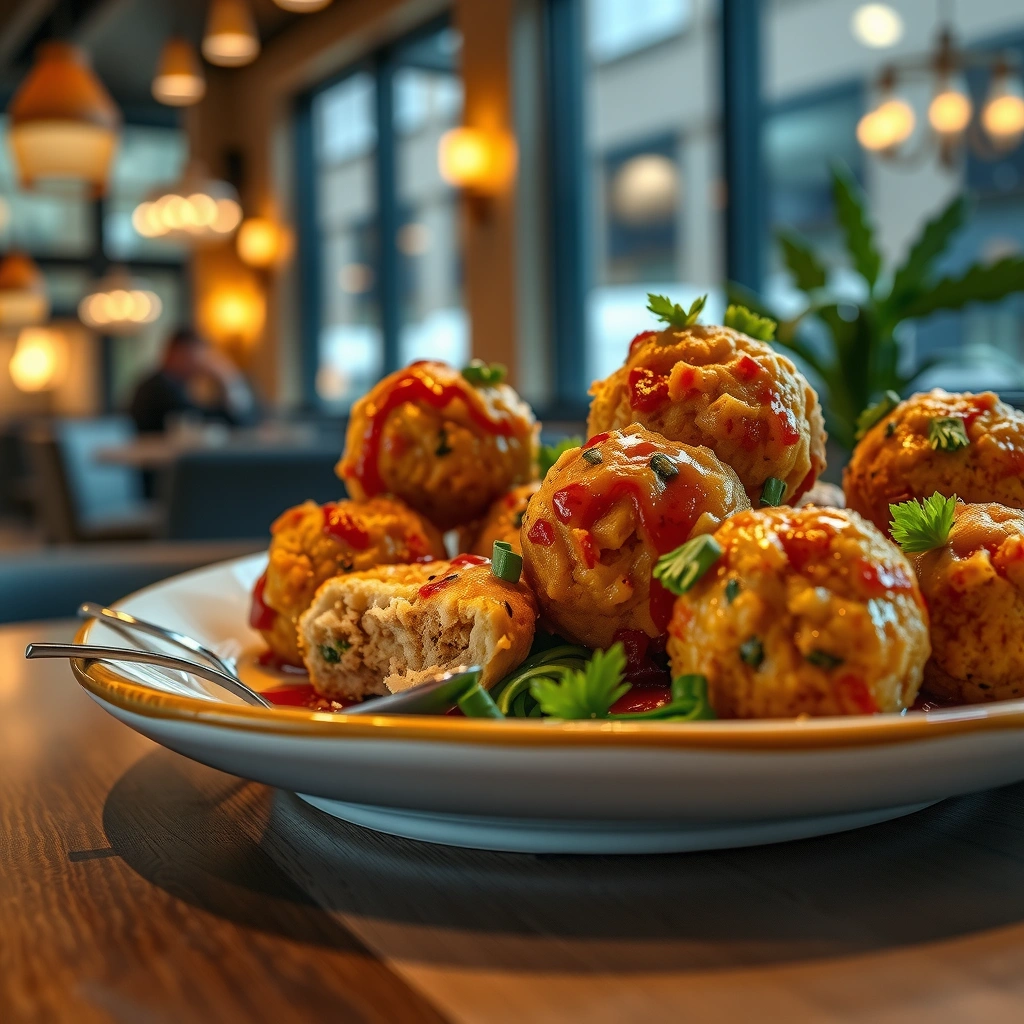
– Use prepared stuffing mix or leftover stuffing for the easiest results
– Adjust moisture with broth/gravy so the mixture holds together
– Taste and season early to avoid bland stuffing balls
Start by selecting the stuffing base that best matches your timeline and ingredient preferences. Prepared stuffing mix is the most predictable option because it already has aromatics and seasoning embedded. Leftover stuffing is excellent for sustainability and flavor continuity—just be mindful that it often includes butter, broth, or pan drippings already.
Moisture control is the difference between “holds together” and “crumbles.” If your stuffing feels dry or is breaking apart, add warm broth or gravy a tablespoon at a time. If it feels wet or sticky, add more stuffing (or a small amount of breadcrumbs) to rebalance. A practical test: when you press a spoonful together, it should form a ball that stays intact for a few seconds without falling apart.
Season early. Many stuffing mixes are seasoned, but leftovers may vary by brand and salt level—especially if someone oversalted the casserole. Before binding and shaping, taste the stuffing. If it needs brightness, consider a small pinch more sage or black pepper. If it needs depth, a spoonful of warm gravy can help. This early step prevents a common failure mode: perfectly baked balls that still taste flat.
—
Add Binders and Flavor Boosters
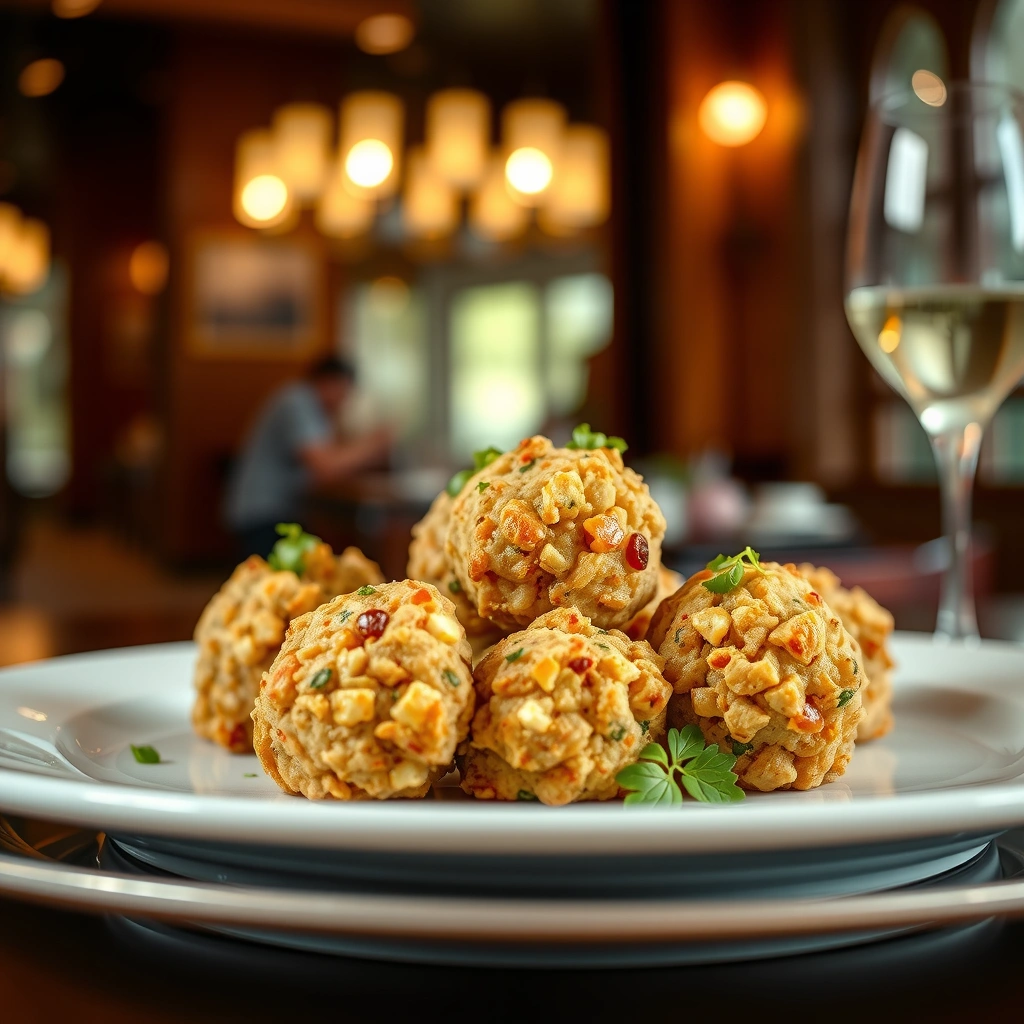
– Mix in an egg (or two) to help the balls stay together
– Stir in aromatics like onion, garlic, or herbs
– Add butter, pepper, or sage for classic savory flavor
Binders turn loose stuffing into a cohesive bite. Think of eggs and gravy as two different “binding technologies.” Eggs coagulate when heated, locking the structure in place. Gravy adds moisture and fat while also helping particles adhere, especially when warmed and mixed thoroughly.
For flavor, fold in aromatics in a way that doesn’t introduce excess liquid. Finely chopped sautéed onion, a touch of garlic, or extra sage improves aroma distribution. If you’re using boxed stuffing, adding fresh herbs (or a bit of dried rubbed sage) can elevate the taste without overpowering the base.
Recommended binder choices (quick reference)
Binder Options for Stuffing Balls (per ~3 cups cooked stuffing)
| # | Binder Style | How to Use | Bake Time (425°F / 220°C) | Hold Together Rating | Flavor Impact |
|---|---|---|---|---|---|
| 1 | Egg (1 large) | Whisk & mix in | 16–20 min | ★★★★☆ | + rich body |
| 2 | Egg (2 large) | Extra structure | 18–22 min | ★★★★★ | + firmer texture |
| 3 | Warm Gravy (1/4 cup) | Mix until cohesive | 17–21 min | ★★★★☆ | + savory depth |
| 4 | Gravy + Egg (1 egg + 2–3 Tbsp) | Best of both | 16–20 min | ★★★★★ | + max flavor |
| 5 | Breadcrumb Dust (1/4 cup) | Use if mixture is wet | 19–23 min | ★★★☆☆ | – can mute seasoning |
| 6 | Mashed Potato (1/2 cup) | Adds starch structure | 20–24 min | ★★★★☆ | + comforting richness |
| 7 | Egg + Breadcrumb “Coating” (1 egg + 2 Tbsp) | More crunch surface | 17–21 min | ★★★★☆ | + extra crispness |
A “best practice” binder for most home cooks is egg + a small amount of warmed gravy. It improves cohesion and also boosts the classic stuffing flavor profile—particularly if your stuffing base is slightly dry.
—
Shape the Stuffing Balls
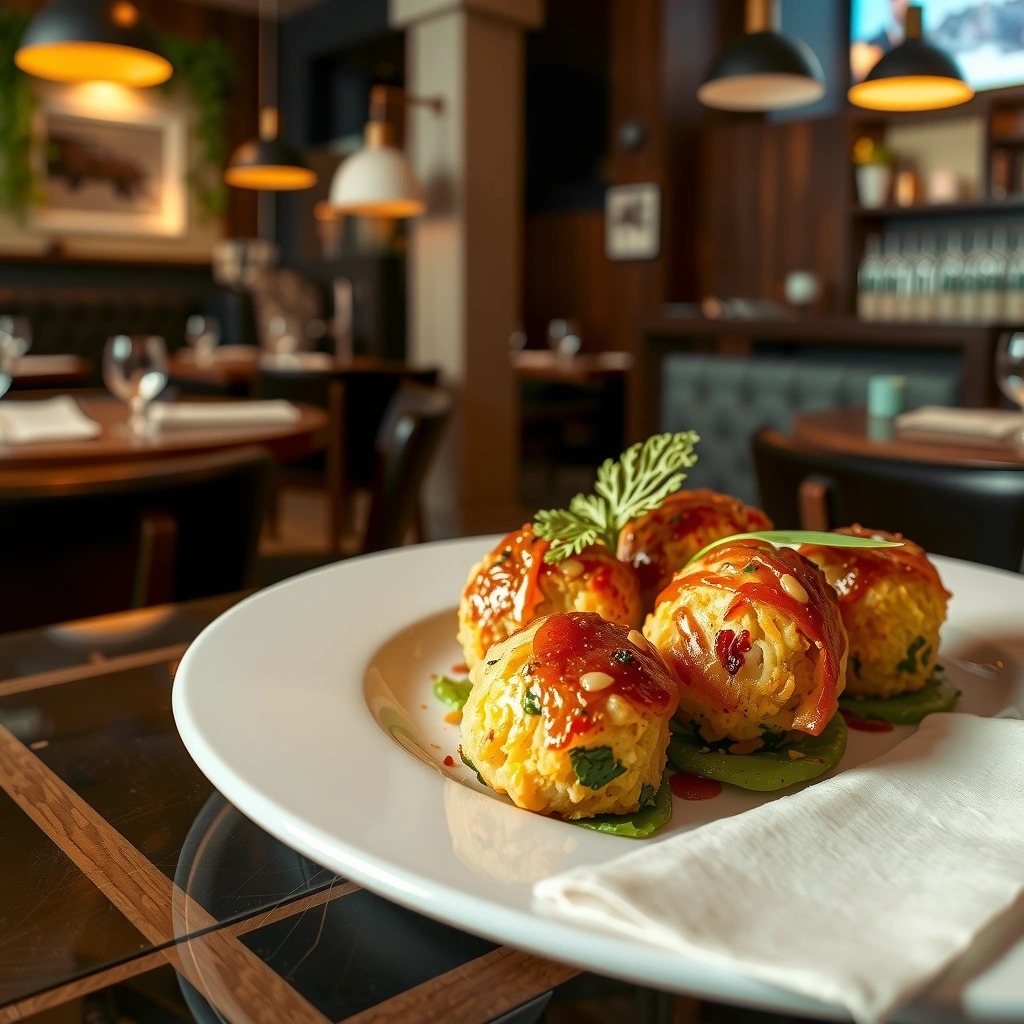
– Scoop and roll into even portions for consistent cooking
– Lightly wet hands or use a small amount of oil to prevent sticking
– Press gently if needed so the centers don’t crumble
Shaping is where you lock in performance. Uneven sizes create uneven browning: smaller balls can dry before larger ones become crisp. Use a consistent scoop (about 1.5–2 tablespoons per ball for bite-size). Roll gently but firmly—enough pressure to compress, not so much that you mash out all texture.
Prevent sticking strategically. If your hands are dry, the mixture can adhere and tear. Keep a small bowl of water nearby and lightly wet your fingertips as needed, or lightly oil your palms. Avoid adding more moisture directly into the bowl, which can make the exterior soggy.
If the mixture crumbles, correct immediately. Press the ball together at the seams and hold for 5–10 seconds; the binder begins working as the temperature equalizes. If it still won’t hold, add binder in small increments (a teaspoon of gravy or a little extra beaten egg) rather than dumping in a large amount.
For food service planning, portion size also affects throughput. Bite-sized stuffing balls are easier to plate, travel, and reheat, making them ideal for buffets and catered holiday spreads.
—
Bake or Fry: Best Cooking Methods
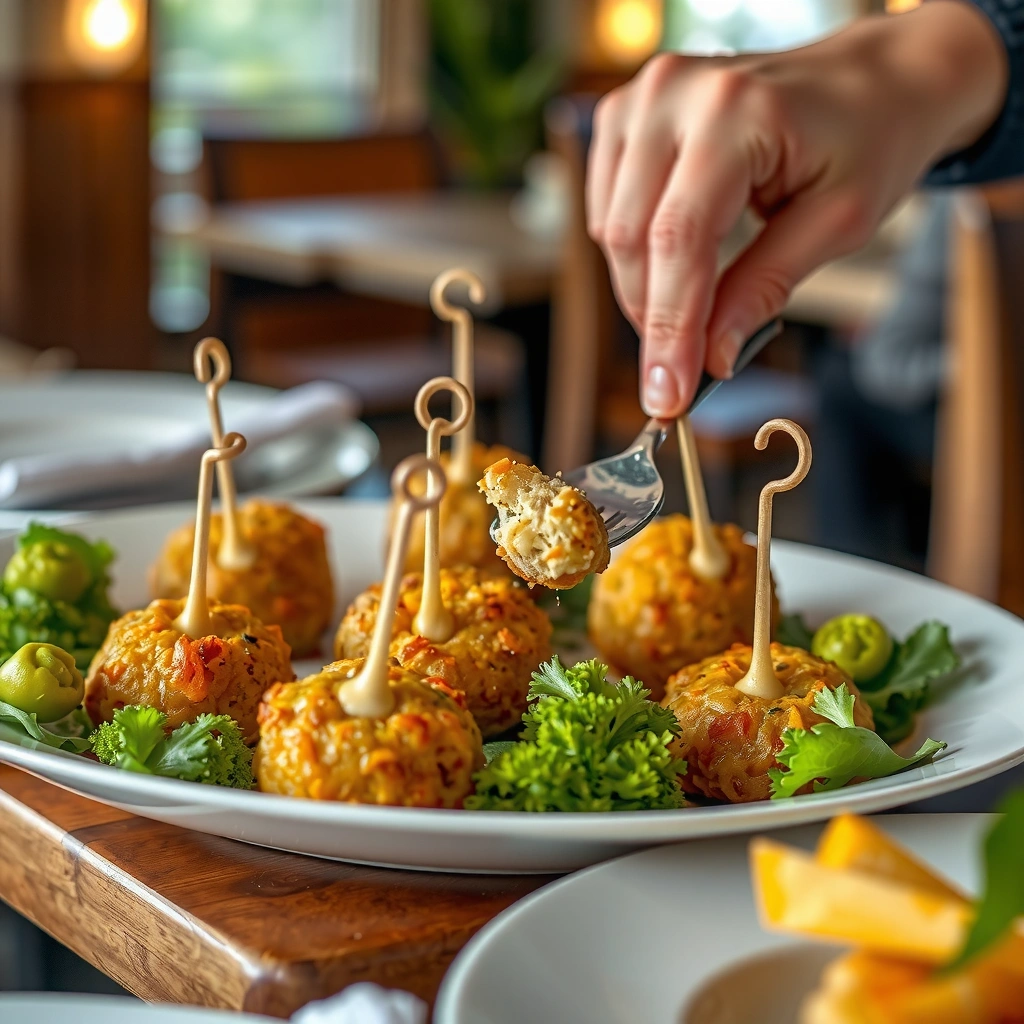
– Bake at a high temperature for crisp edges and even cooking
– Pan-fry for extra crunch and deeper browning
– Cook until firm and browned, then rest briefly before serving
There are two excellent paths: baking for convenience and pan-frying for maximum browning.
Baking (most consistent for groups)
Bake at 425°F / 220°C. Place balls on a lined sheet (parchment is ideal) and space them with airflow between. For deeper color, lightly spray or brush with oil. Cook until the outsides are firm and golden brown—typically 16–22 minutes depending on size and binder strength.
A key professional technique: rest briefly after cooking (about 3–5 minutes). This allows moisture to redistribute so the crust sets instead of steaming when you bite.
Pan-frying (maximum crunch)
Heat oil in a skillet over medium-high heat. Pan-fry in batches so the temperature doesn’t drop. Turn when the first side is deeply browned; cook until all sides are crisp. Pan-frying produces a more “craggy” texture and stronger Maillard browning, but it demands attention and consistent portioning.
If you want the best of both worlds, you can pan-fry briefly for color, then finish in the oven to ensure the center reaches proper firmness.
—
Make-Ahead and Storage Tips
– Prep balls ahead and refrigerate until ready to cook
– Freeze shaped (uncooked) balls for quick future meals
– Reheat in the oven or air fryer to restore crispness
Stuffing balls are ideal for meal planning because they can be staged. For advance prep, shape the balls and refrigerate them on a tray (uncovered if possible) to set the structure. Then cover and store for up to about 2 days for best texture.
For longer storage, freeze shaped, uncooked balls. Freeze on a tray first so they don’t clump, then transfer to a freezer bag or container. When ready to cook, bake straight from frozen at 425°F / 220°C, adding a few extra minutes to reach fully firm and browned results. This keeps your service timeline predictable.
Reheating matters: microwaving typically softens the crust. Instead, reheat in an oven or air fryer until crisp again. A short blast of high heat reactivates the crust and restores the exterior texture you want for true “stuffing ball” experience.
—
Serving Ideas and Pairings
– Serve with gravy, cranberry sauce, or a simple pan sauce
– Pair with roasted meats, veggies, or a holiday-style spread
– Garnish with fresh herbs for a finishing touch
Stuffing balls are most satisfying when served with a controlled sauce relationship. Gravy is the classic pairing—its savory richness complements the browned exterior and moist interior. If you want brightness, add cranberry sauce on the side or in a small drizzle. A simple pan sauce (made from roast drippings, stock, and a thickener) also works well for a more restaurant-style finish.
Pair them with:
– Roasted turkey, chicken, or pork
– Brussels sprouts, green beans, or roasted carrots
– A holiday-style spread where guests can mix-and-match flavors
Garnish is not decorative—it’s functional. A small handful of fresh chopped parsley or sage adds aroma that lifts the overall perception of flavor, especially if your stuffing base is pre-seasoned.
—
Stuffing balls are easiest when you balance seasoning and moisture, use a binder like egg, and bake or fry until deeply golden. Follow the shaping and cooking tips above for consistent, crowd-pleasing bites—then make a batch ahead and enjoy them all week.
If you’d like, tell me whether you’re using leftover stuffing or boxed mix, and I can recommend the exact binder amount and cooking time for your batch size.
References
- Stuffing
https://en.wikipedia.org/wiki/Stuffing - Meatball
https://en.wikipedia.org/wiki/Meatball - https://en.wikipedia.org/wiki/Dressing_(food
https://en.wikipedia.org/wiki/Dressing_(food - https://www.fsis.usda.gov/food-safety/safe-food-handling-and-preparation/food-safety-basics/safe-minimum-internal-temperature-chart
https://www.fsis.usda.gov/food-safety/safe-food-handling-and-preparation/food-safety-basics/safe-minimum-internal-temperature-chart - https://www.cdc.gov/foodsafety/food-safety-basics.html
https://www.cdc.gov/foodsafety/food-safety-basics.html - https://www.who.int/news-room/fact-sheets/detail/food-safety
https://www.who.int/news-room/fact-sheets/detail/food-safety - https://pubmed.ncbi.nlm.nih.gov/?term=foodborne+illness+from+stuffing
https://pubmed.ncbi.nlm.nih.gov/?term=foodborne+illness+from+stuffing - Google Scholar Google Scholar
https://scholar.google.com/scholar?q=stuffing+balls+recipe - https://scholar.google.com/scholar?q=stuffing+dressing+food+safety+poultry+internal+temperature Google Scholar
https://scholar.google.com/scholar?q=stuffing+dressing+food+safety+poultry+internal+temperature - Google Scholar Google Scholar
https://scholar.google.com/scholar?q=ground+meat+meatballs+food+safety+internal+temperature