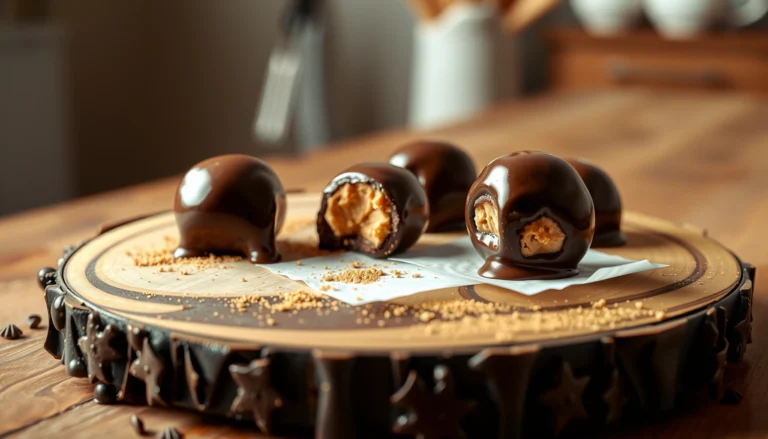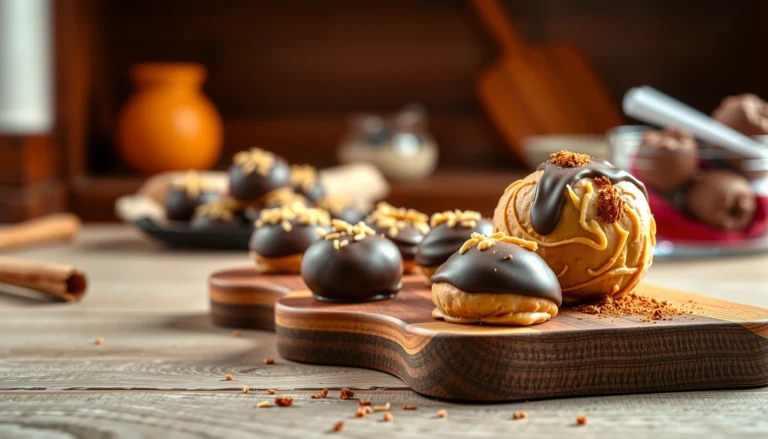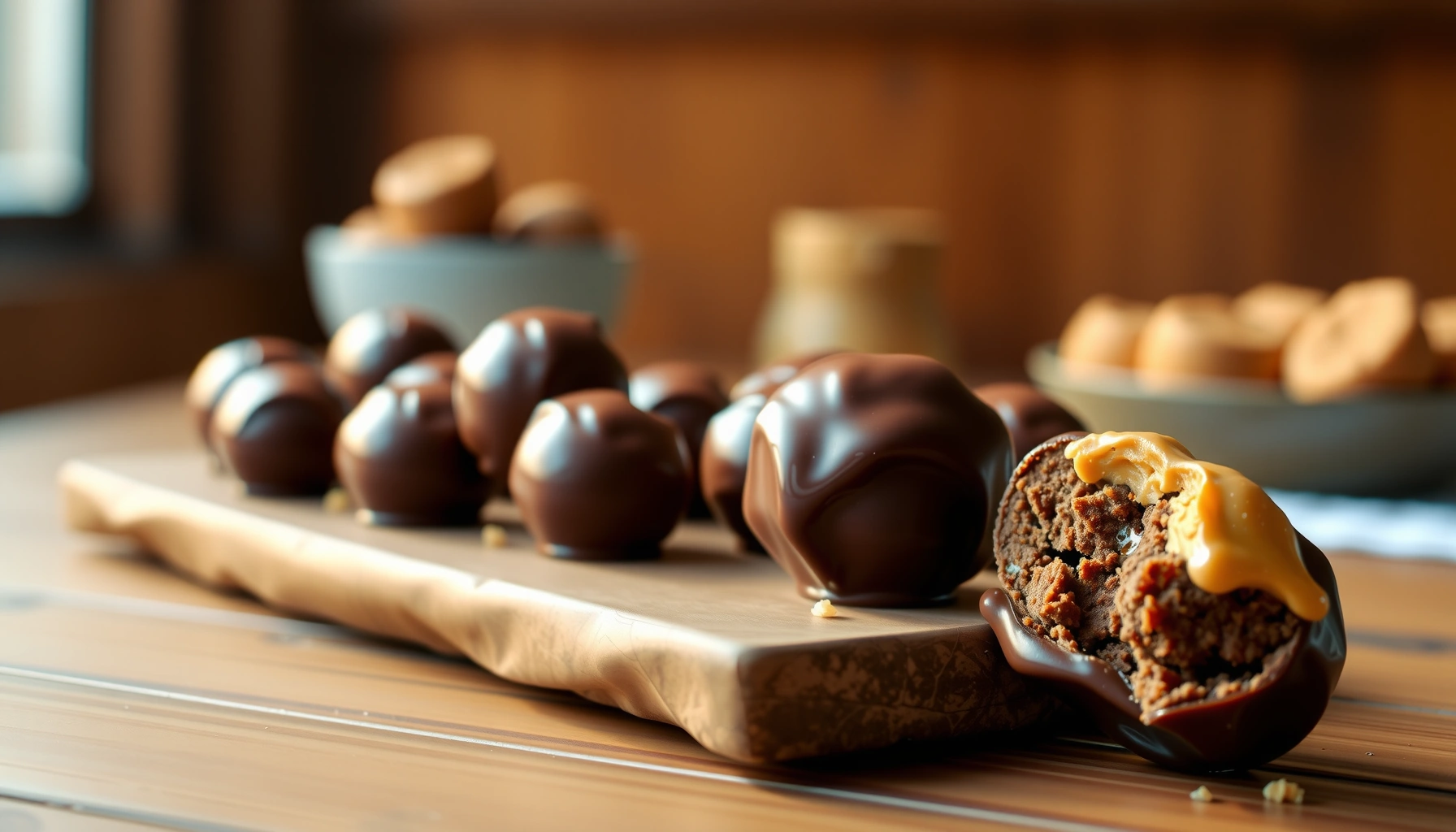
If you want peanut butter balls recipes that deliver easy, no-bake bites without fuss, this is the fastest route to success. You’ll get simple, reliable instructions for forming rich peanut butter balls with minimal ingredients and zero oven time. The question answered: which peanut butter balls recipe actually works smoothly for quick weeknight treats and holiday batches alike.
Peanut butter balls are a fast, no-bake dessert solution: you combine peanut butter with a few pantry staples, chill until firm, then roll into bite-size balls. Below are reliable peanut butter balls recipes with clear ingredient ratios, practical tips for getting the right consistency, and multiple flavor/coating options so you can scale them for everyday snacking or gifting.
Classic Peanut Butter Balls Recipe
Peanut butter balls are appealing precisely because the method is repeatable: mix → chill → roll. The classic approach relies on powdered sugar for structure, butter for richness, and peanut butter for the signature flavor and moisture.
– Combine peanut butter, powdered sugar, and butter for a dough-like mixture
Start with creamy peanut butter and butter to create a smooth base. Powdered sugar then thickens the mixture into a dough that holds its shape when rolled. If your kitchen is warm or your peanut butter is particularly oily, you may need to adjust with a small additional spoonful of powdered sugar (more on troubleshooting later).
– Roll into uniform balls for even texture and easy serving
Uniformity matters for two reasons: (1) balls chill at the same pace, and (2) bite size feels consistent—especially if you’re packing them into boxes or serving at events. A simple technique is to portion first (for example, using a small cookie scoop), then roll quickly between your palms.
Peanut Butter Balls: Recipe Consistency & Shelf Expectations
| # | Ingredient Profile | Recommended Mix Ratio (PB:PS:Butter) | Chill Time to Roll | Fridge Shelf Window | Batch Usefulness |
|---|---|---|---|---|---|
| 1 | Creamy peanut butter (typical brands) | 2 : 1.25 : 0.15 | 20–30 min | 5–7 days | ★★★☆ (High) |
| 2 | Crunchy peanut butter (more fat separation risk) | 2 : 1.35 : 0.15 | 25–35 min | 4–6 days | ★★★☆ (High) |
| 3 | Natural peanut butter (stir oil in first) | 2 : 1.4 : 0.15 | 30–45 min | 4–5 days | ★★★ (Moderate-High) |
| 4 | Use unsalted butter (more control) | 2 : 1.25 : 0.15 | 20–35 min | 5–7 days | ★★★★ (Best texture) |
| 5 | Salted butter (less added salt needed) | 2 : 1.25 : 0.15 | 20–35 min | 5–7 days | ★★★☆ (Consistent) |
| 6 | Add cocoa powder coating (drying effect) | 2 : 1.2 : 0.15 | 20–30 min | 5–6 days | ★★☆ (Lower shelf tolerance) |
| 7 | Mini chocolate chip add-in (stability varies) | 2 : 1.28 : 0.15 | 25–35 min | 4–6 days | ★★★☆ (Great crowd-pleaser) |
Ingredients & Substitutions
The best peanut butter balls recipes are flexible—because peanut butter brands, butter types, and sweetness levels vary. The goal is to maintain structure (powdered sugar) and moisture/fat balance (peanut butter + butter).
– Swap creamy vs. crunchy peanut butter based on your preference
– Creamy peanut butter: typically yields smoother dough and cleaner rolling.
– Crunchy peanut butter: adds texture but may require slightly more powdered sugar for a firm rollable consistency. Stir thoroughly if your peanut butter is “natural” and separates.
– Use dairy-free butter or alternative sweeteners if needed
– Dairy-free butter: choose one that’s designed to “cream” or soften like traditional butter, so it blends smoothly.
– Alternative sweeteners: if you’re replacing powdered sugar entirely, expect a different texture. Many “no sugar added” sweeteners don’t behave like powdered sugar (which contributes both sweetness and dry structure). A more reliable approach is to use powdered sugar as written, then adjust with vanilla, cocoa, or spices for flavor rather than changing the structural sweetener.
For a classic batch, a practical baseline ratio is:
– Peanut butter : powdered sugar : butter ≈ 2 : 1.25 : 0.15 (by volume/weight depending on your measuring style).
If your mixture is too soft to roll, increase powdered sugar gradually by 1–2 tablespoons at a time rather than adding extra peanut butter.
Step-by-Step Instructions
The process is straightforward, but small timing and technique decisions determine whether your peanut butter balls hold their shape.
– Mix until thick and well combined, then chill to firm up
Begin by mixing peanut butter and butter until smooth, then incorporate powdered sugar gradually until a thick dough forms. The dough should look matte and cling to the spoon—no visible dry pockets, but also not glossy like loose peanut butter.
Chilling is not optional. Even if the dough seems thick, chilling firms the fat so the balls stay round during rolling and handling. In warm kitchens, extend the chill by 10–15 minutes.
– Roll, coat (optional), and refrigerate until set
Roll into bite-size balls (about 1 to 1.5 inches). If dough sticks, lightly coat hands with powdered sugar or chill the dough a few extra minutes.
If you’re coating with chocolate, chill first, then dip/coat, then refrigerate again until the coating sets.
Practical method tip for consistent results:
Portion with a scoop, roll quickly, and keep unused dough chilled so it doesn’t soften while you work.
Coatings & Flavor Variations
Coatings turn simple peanut butter balls into a more “finished” dessert. Beyond flavor, coatings affect texture—chocolate creates a firmer bite, while cocoa or nuts create a dryer, crumb-friendly surface.
– Roll in melted chocolate, cocoa powder, or crushed nuts
– Melted chocolate: dip or drizzle, then place on parchment to set. For best results, let chocolate cool slightly so it thickens before dipping (prevents pooling).
– Cocoa powder: roll chilled balls directly into cocoa for a quick, minimal mess option.
– Crushed nuts: toast nuts briefly for a deeper, fresher flavor and better crunch.
– Try add-ins like vanilla, cinnamon, or mini chocolate chips
Add-ins should complement peanut butter’s richness:
– Vanilla extract (1/2–1 teaspoon): improves aroma without changing structure much.
– Cinnamon (a pinch up to 1/2 teaspoon): adds warmth; pair well with cocoa coatings.
– Mini chocolate chips: distribute sweetness and make the center feel more indulgent. If using chips, mix gently and accept slightly more variability in firmness.
If you’re creating a “variety tray,” batch your base dough first, then split into smaller portions to customize. This prevents overmixing and helps you fine-tune consistency for each flavor.
Storage, Freezing, and Make-Ahead Tips
Peanut butter balls are ideal for planning ahead because their flavor often improves after resting. Proper storage also helps prevent coating melt, stickiness, and flavor loss.
– Store in an airtight container in the fridge for best freshness
Keep balls in a single layer or separated with parchment so they don’t smear coatings. Refrigeration stabilizes the fat and helps them hold shape. For best texture, allow them to sit at room temperature for 5–10 minutes before serving—this slightly softens the center.
– Freeze balls in a single layer, then transfer to a bag/container
Freezing is reliable for no-bake desserts:
1) Freeze on a tray first to prevent clumping.
2) Once solid, transfer to a freezer bag or container.
3) Thaw in the fridge overnight for best texture.
If they’re chocolate-coated, thaw more slowly to reduce condensation on the chocolate surface.
Make-ahead strategy for events: roll and chill the balls in advance, then coat closer to serving time so coatings look freshest and keep a clean finish.
Troubleshooting Common Issues
Even great peanut butter balls recipes sometimes need adjustment depending on humidity, peanut butter oil content, and butter softness. Use these targeted fixes to recover quickly.
– Mixture too sticky? Add more powdered sugar gradually
Sticky dough means it lacks dry structure or fat has softened too much. Add powdered sugar in small increments (1 tablespoon at a time), then mix and reassess. If the mixture is very soft, chill 10–15 minutes before deciding whether more sugar is needed.
– Balls too dry or crumbly? Add a small amount of peanut butter or butter and re-chill
Dryness usually comes from too much powdered sugar or insufficient peanut butter/butter. Add peanut butter (or butter) a teaspoon at a time, mixing until the dough regains a cohesive texture. After adjusting, re-chill so the balls set properly and don’t collapse during rolling.
A useful diagnostic check:
– If it smears like peanut butter, it’s too wet → add powdered sugar.
– If it cracks or won’t hold together, it’s too dry → add a small amount of peanut butter/butter.
Peanut butter balls recipes are easy to master: mix, roll, chill, and customize with coatings or flavors. Pick one classic version, follow the steps closely, and adjust consistency as needed—then make a batch ahead for effortless snacking and gifting.
References
- https://en.wikipedia.org/wiki/Buckeye_(confectionery
https://en.wikipedia.org/wiki/Buckeye_(confectionery - Peanut butter
https://en.wikipedia.org/wiki/Peanut_butter - Confectionery
https://en.wikipedia.org/wiki/Confectionery - https://en.wikipedia.org/wiki/Truffle_(chocolate
https://en.wikipedia.org/wiki/Truffle_(chocolate - Peanut butter | Description, History, Nutrition, & Facts | Britannica
https://www.britannica.com/topic/peanut-butter - https://www.britannica.com/topic/candy
https://www.britannica.com/topic/candy - https://pubmed.ncbi.nlm.nih.gov/?term=peanut+butter+confectionery
https://pubmed.ncbi.nlm.nih.gov/?term=peanut+butter+confectionery - https://pubmed.ncbi.nlm.nih.gov/?term=peanut+butter+fat+composition+food
https://pubmed.ncbi.nlm.nih.gov/?term=peanut+butter+fat+composition+food - Google Scholar Google Scholar
https://scholar.google.com/scholar?q=peanut+butter+balls+recipe - Google Scholar Google Scholar
https://scholar.google.com/scholar?q=peanut+butter+confectionery+recipe+buckeye+candy