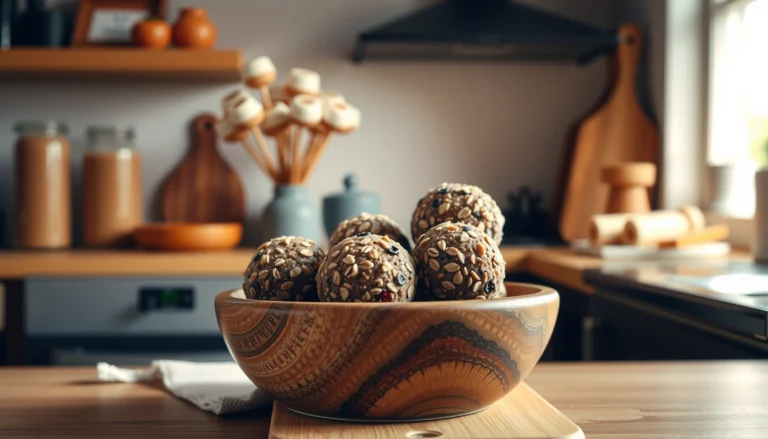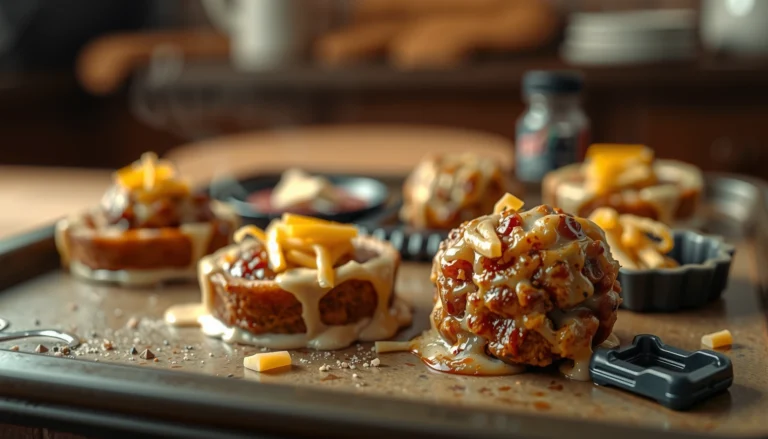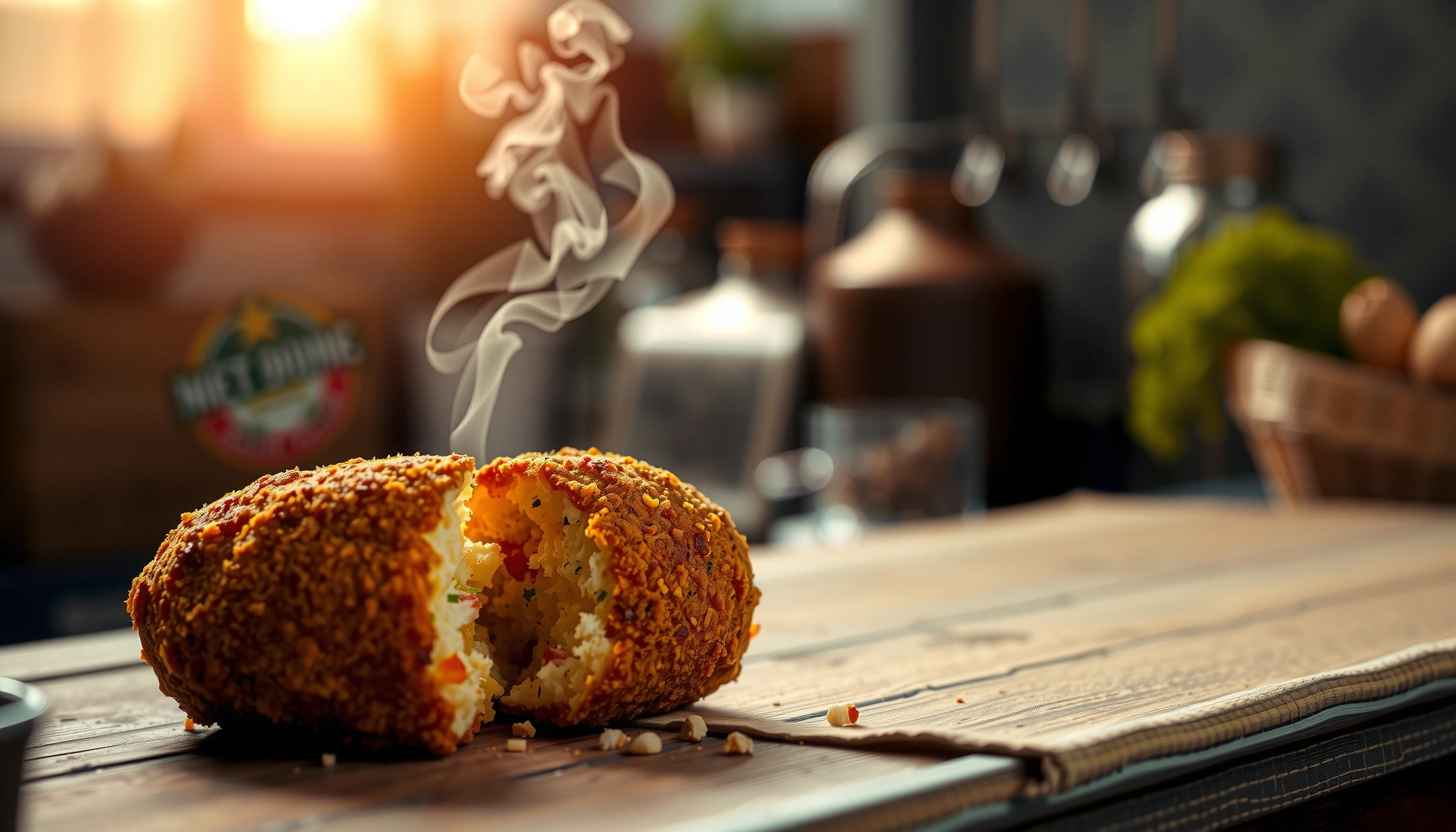
Italian rice balls recipe: crispy arancini at home that actually hold together. This is the guide for whether you can make crunchy, golden rice balls without a restaurant deep-fry—step by step, from shaping to frying and serving. If your goal is arancini with a crisp shell and a hot, melty center, you’ll get the exact method and timing that make the difference.
Make Italian rice balls (arancini) that are crispy outside and tender inside by shaping cooled, thick risotto into sealed portions of filling, then frying (or baking) until golden. Follow the steps below—because the “restaurant-style” outcome depends less on complicated technique and more on three controllables: risotto texture, tight sealing, and a properly hot cook.
What You Need for Italian Rice Balls
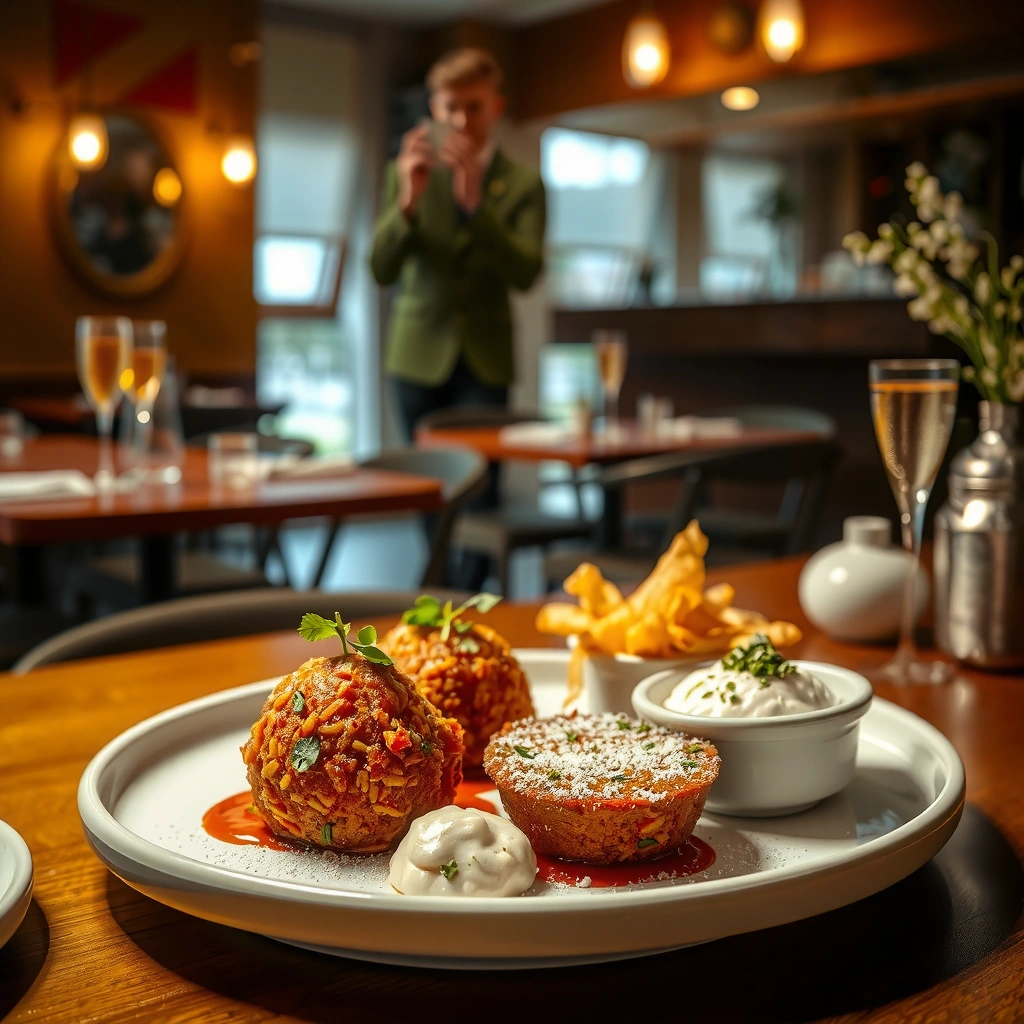
– Gather risotto (or cook-from-scratch rice), mozzarella, breadcrumbs, and seasonings
– Choose a classic filling like ragù or peas and adjust for your preferences
Before you begin, treat arancini as a system: the risotto is the glue, the filling is the payoff, and the crumb coating is the crunch. If any one of these components is off—risotto too loose, filling not sealed, coating not dry—you’ll end up with a soft exterior or leaking filling.
Core ingredients for classic arancini
1. Risotto base (the structure):
– Use a risotto you can make traditionally (e.g., Arborio or Carnaroli) or a well-hydrated, thick leftover risotto.
– The key is that it must be thick enough to hold shape after cooling (more detail in the next section).
2. Filling (the flavor burst):
– Mozzarella (cubed or shredded) for the iconic stretchy center
– Ragù (beef or pork) or peas (often with prosciutto and/or béchamel) for a deeper, savory middle
– Optional add-ons: grated Parmigiano-Reggiano, cooked sausage, mushrooms, or roasted peppers.
3. Coating (the crunch layer):
– Breadcrumbs (Italian-style or panko-style work well)
– Optional: double-coating for thicker, extra-crispy exteriors.
4. Fry/bake setup:
– For frying: neutral oil with stable heat (peanut, sunflower, canola).
– For baking: a wire rack + baking sheet, light oil spray, and patience for browning.
Target ratios (practical guidance)
– Plan for about 1 to 1.5 cups cooked risotto per 2–3 balls, depending on size.
– Use filling amounts that are roughly 1–2 tablespoons per ball. Overfilling increases the chance of leakage and can soften the crust during cooking.
To make decisions faster in a busy kitchen, it helps to choose your “arancini style” up front:
Arancini Results: Risotto Thickness vs. Best Binding & Crunch (Typical Home Outcomes)
| # | Risotto Consistency Check | What You’ll Notice | Shaping Behavior | Expected Outer Crunch | Outcome Score |
|---|---|---|---|---|---|
| 1 | Holds a spoon mound; surface looks glossy-dense | Minimal pooling when spoon is lifted | Binds cleanly, smooth ball form | Deep golden crust | ★★★★☆ |
| 2 | Spoon mound settles slowly (10–20 seconds) | Slight spread on the plate | Shape works; edges may smear | Good crunch with careful sealing | ★★★☆☆ |
| 3 | Looks thick but still watery at the bottom | Pooling in the container | Balls slump; filling pressure leaks | Crust turns uneven or soft spotty | ★★☆☆☆ |
| 4 | Risotto is “soupy” (mound flattens immediately) | Runs back into the pot quickly | Impossible to shape without collapse | Crust fails; filling likely exits | ★☆☆☆☆ |
| 5 | Rested 30–45 minutes after cooking | Consistent texture throughout | Firmer shaping; tighter seal | Crunch stays crisp 10–15 minutes | ★★★★★ |
| 6 | Still warm while shaping | Sticky outside; unstable center | Seals weak; edges blur | Crust absorbs oil faster | ★★★☆☆ |
| 7 | Cooled, then lightly chilled (10–15 minutes) | Firm to touch; less spreading | Excellent shaping speed | Most consistent browning | ★★★★☆ |
Make the Risotto Base
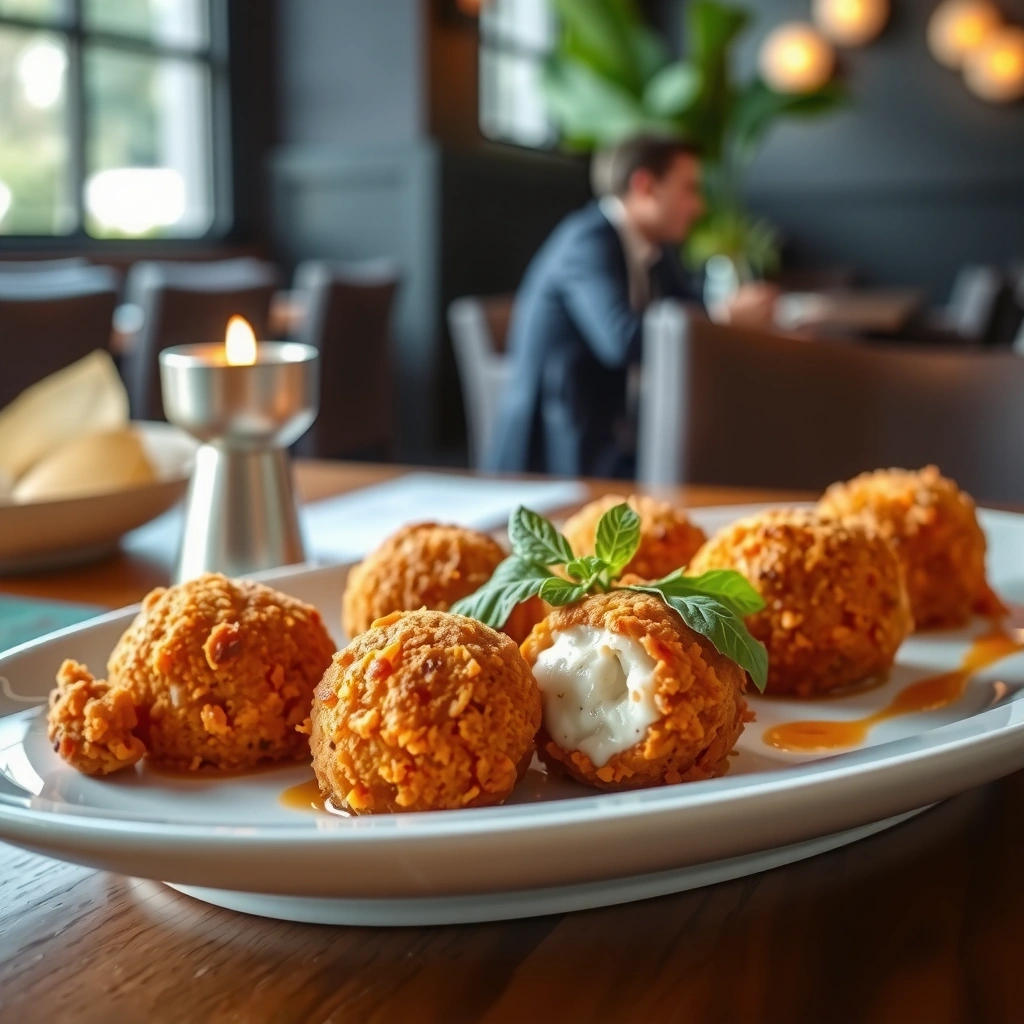
– Cook risotto until thick enough to hold shape when cooled
– Cool the rice mixture briefly so it’s easier to form balls without falling apart
Arancini start with risotto texture, not just seasoning. If your risotto is too loose, the arancini can break during shaping or leak during cooking. If it’s overly dry, balls can turn dense and lack the creamy interior contrast people expect.
Cook risotto to “holding” thickness
– When you stir, the risotto should flow slowly and form a mound when you stop stirring.
– After cooking, aim for a consistency close to “thick porridge”: spoonable, but not spreadable.
Add classic richness (but don’t overdo it)
– Many risotto recipes finish with butter and Parmigiano-Reggiano. This improves flavor and binding, but too much fat can soften the crust later.
– A practical target: finish with enough cheese/butter to taste balanced, while keeping the mixture firm once cooled.
Cool correctly
– Transfer risotto to a shallow tray or bowl to speed cooling.
– Let it rest 30–45 minutes at room temperature, or 10–15 minutes in the fridge if you’re moving fast.
– The risotto should be cool enough to handle, yet still cohesive—if it’s fully cold and stiff, it may tear during shaping.
Analytical tip:
Arancini reliability is about preventing water migration. Cooling firms the starch network and reduces free moisture, which helps the breadcrumbs adhere and helps the exterior crisp instead of steaming.
Shape and Fill the Rice Balls
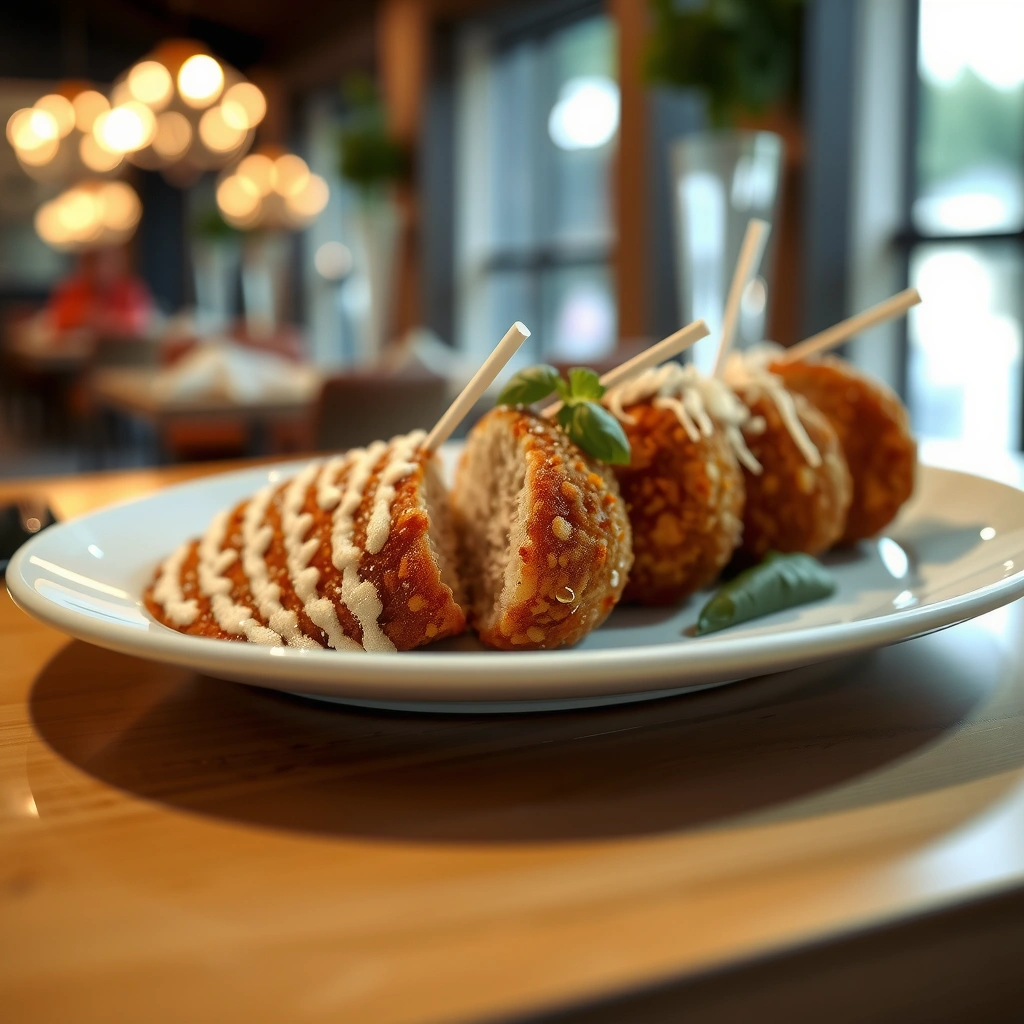
– Wet your hands, scoop portions, and flatten before adding the filling
– Seal tightly, then shape into smooth balls for even cooking
Shaping is where you “lock in” the structure. The best arancini have a sealed interior so steam builds inside without forcing filling out.
Set up your workspace
– Keep a bowl of water nearby to prevent sticking. Wet hands lightly—too much water can weaken the risotto surface.
– Line a tray with parchment so finished balls don’t deface when moved.
Step-by-step shaping method
1. Scoop and flatten:
– Take a portion of risotto and press it into a small disk in your palm.
2. Add filling in the center:
– Place a small cube of mozzarella or a spoonful of ragù/peas mix.
– Avoid filling near the edges—your job is to create a “moat” of risotto around it.
3. Seal tightly:
– Fold risotto over the filling and pinch the seam closed.
4. Shape smooth:
– Roll gently between palms to smooth the surface and even thickness.
Prevent leakage
– If seams don’t hold, add a thin “patch” of risotto over the seam and re-roll.
– Don’t overfill. A common failure mode is delicious center, weak shell.
Size matters
– For consistent cooking, aim for uniform balls—about 3 to 4 cm (1.25 to 1.6 inches) diameter for home batches. Smaller balls cook faster and can dry; larger ones may brown outside before heating through inside.
Coat for Maximum Crunch
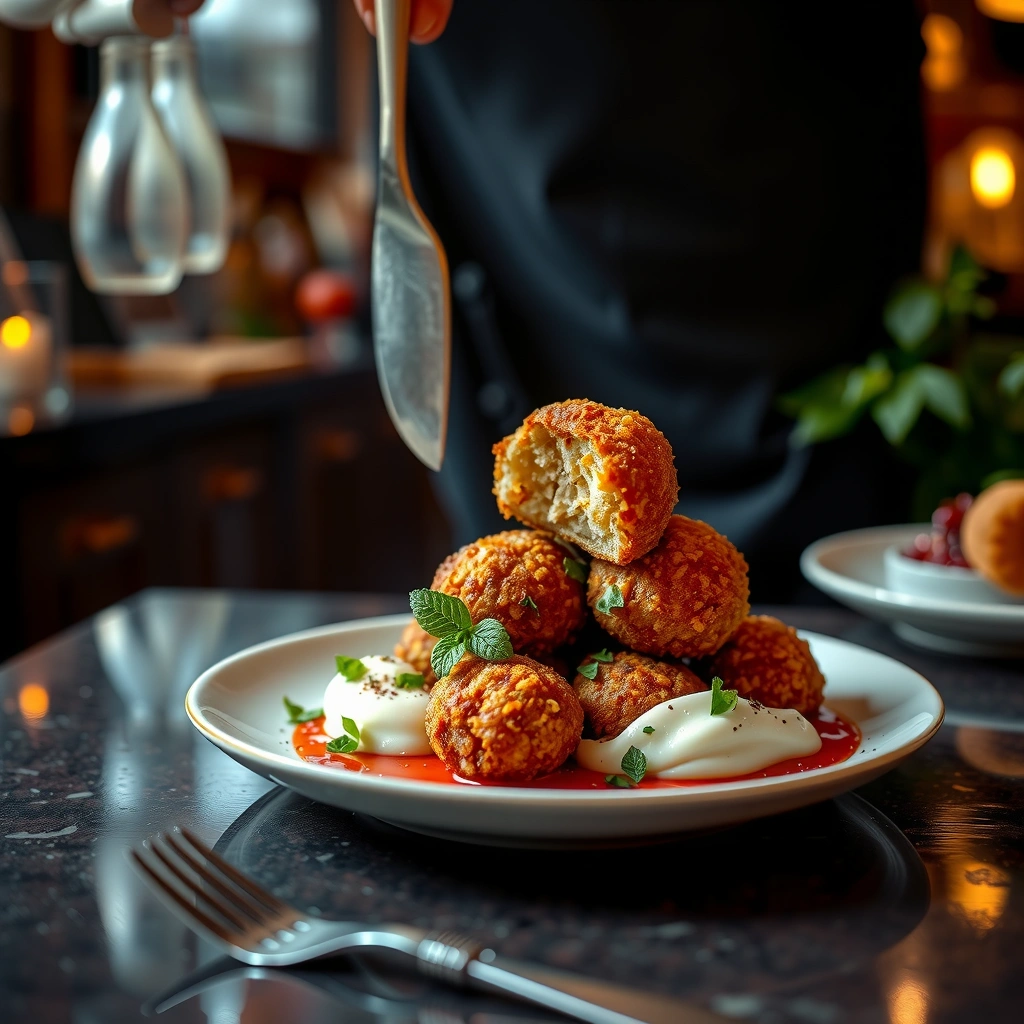
– Roll each rice ball in breadcrumbs (optionally double-coat for extra crispiness)
– Let coated balls rest briefly to help the crust adhere during frying/baking
Breadcrumb coating is not just decoration—it’s insulation, moisture control, and texture. The goal is an even, dry, adherent crumb layer that can crisp deeply.
Best breadcrumb technique
– Roll each ball so the crumbs fully contact the surface.
– Press lightly to ensure adhesion without compacting too aggressively.
Double-coating (recommended for “restaurant” crunch)
1. Roll in breadcrumbs.
2. Lightly wet the surface (a quick dip or mist of water).
3. Roll again in breadcrumbs.
This creates a thicker crust that stays crunchy longer once the ball hits the sauce plate.
Rest before cooking
– Let coated arancini rest 5–10 minutes at room temperature.
– This allows surface moisture to stabilize and helps the coating “set,” reducing flaking during frying or baking.
Quality check:
The coating should look dry and even—not clumpy-wet and not overly glossy. A good crust feels lightly textured, not slick.
Cook: Frying vs Baking Italian Rice Balls
– Fry in hot oil until deep golden, turning as needed for even color
– For a lighter option, bake until crisp, using a light oil spray and flipping
You have two strong options. Choose based on your desired outcome and your operational constraints (time, equipment, cleanup).
Frying (classic arancini crunch)
Why it works: Frying rapidly drives off surface moisture and forms a crisp crust through browning and oil-assisted crisping.
– Heat oil to about 175–185°C (350–365°F).
– Fry in small batches to avoid temperature drop.
– Turn as needed for even golden color.
– Typical time: 3–5 minutes, depending on size and filling temperature.
Chef-style control:
If the oil is too cool, crumbs absorb oil and become greasy. If too hot, the outside browns before the center heats through.
Baking (lighter method with strong results)
Why it works: Baking can crisp the crust if the balls are well-coated and lightly oiled, but it takes longer.
– Preheat oven to 220–230°C (425–450°F).
– Place arancini on a wire rack over a baking sheet for airflow.
– Spray lightly with oil.
– Bake 15–25 minutes, flipping once, until deep golden and crisp.
Pro tip:
If you want more crunch, use the double-coating step and consider finishing with 2–3 minutes under the broiler (watch closely) for extra browning.
Serving Ideas and Storage Tips
– Serve hot with marinara or a simple garlic tomato sauce
– Store leftovers airtight and reheat in an oven or air fryer to restore crunch
Arancini are best served immediately because crust crispness gradually declines as steam and sauce exposure soften the exterior. That doesn’t mean leftovers can’t be excellent—reheating technique is the differentiator.
Serving ideas
– Marinara with garlic: classic, bright, and balanced against the cheesy interior.
– Simple garlic tomato sauce: for a less sweet, more savory pairing.
– Optional garnish: Parmigiano-Reggiano dust, chopped parsley, or a drizzle of extra-virgin olive oil.
– For a more “meal” feel, pair with a crisp salad (arugula + lemon vinaigrette).
Storage
– Cool arancini completely before storing.
– Store in an airtight container in the fridge for up to 3 days.
Reheating to restore crunch
– Oven: 190–200°C (375–400°F) for 8–12 minutes on a rack.
– Air fryer: 180–200°C (360–400°F) for 6–10 minutes.
– Avoid microwaving if you want the crust to remain crisp.
Freezing (useful for batching)
– Freeze shaped, coated (but uncooked) arancini on a tray until firm, then transfer to a freezer bag/container.
– Cook from frozen: fry a little longer or bake with extra time until fully heated through and deeply golden.
Operational insight:
Batching and controlled reheating turn arancini into a dependable “prep-ahead” item for events, meal planning, or small-business catering where consistency matters.
Italian rice balls are all about the right risotto texture, a sealed filling, and a crisp coating—so follow the steps closely for best results. Make a batch today, choose frying for classic crunch or baking for a lighter version, and serve them immediately with your favorite sauce.
References
- https://en.wikipedia.org/wiki/Arancini
https://en.wikipedia.org/wiki/Arancini - Rice ball
https://en.wikipedia.org/wiki/Rice_ball - https://www.bbc.co.uk/food/recipes/arancini_87374
https://www.bbc.co.uk/food/recipes/arancini_87374 - https://www.theguardian.com/food/2016/dec/29/sicilian-arancini-recipe
https://www.theguardian.com/food/2016/dec/29/sicilian-arancini-recipe - https://cooking.nytimes.com/recipes/1017060-arancini
https://cooking.nytimes.com/recipes/1017060-arancini - Google Scholar Google Scholar
https://scholar.google.com/scholar?q=Italian+rice+balls+arancini+recipe+history - Google Scholar Google Scholar
https://scholar.google.com/scholar?q=arancini+Sicilian+rice+balls+rice+cooking+technique+study - Google Scholar Google Scholar
https://scholar.google.com/scholar?q=suppl%C3%AC+Italian+rice+balls+recipe+origins - arancini – Search Results – PMC
https://www.ncbi.nlm.nih.gov/pmc/?term=arancini - Google Scholar Google Scholar
https://scholar.google.com/scholar?q=italian+rice+balls+recipe