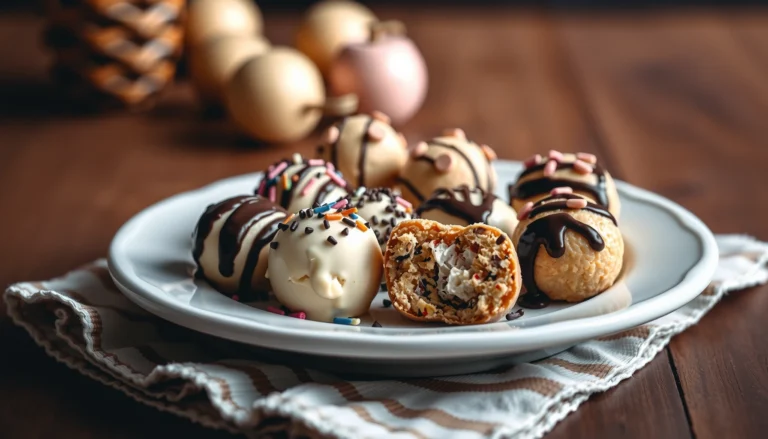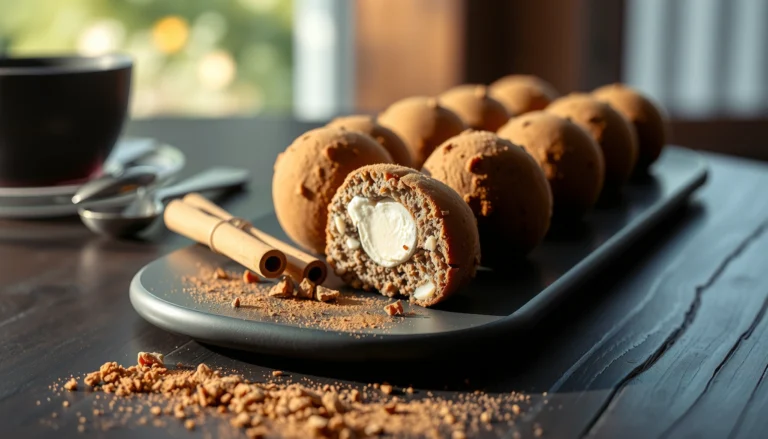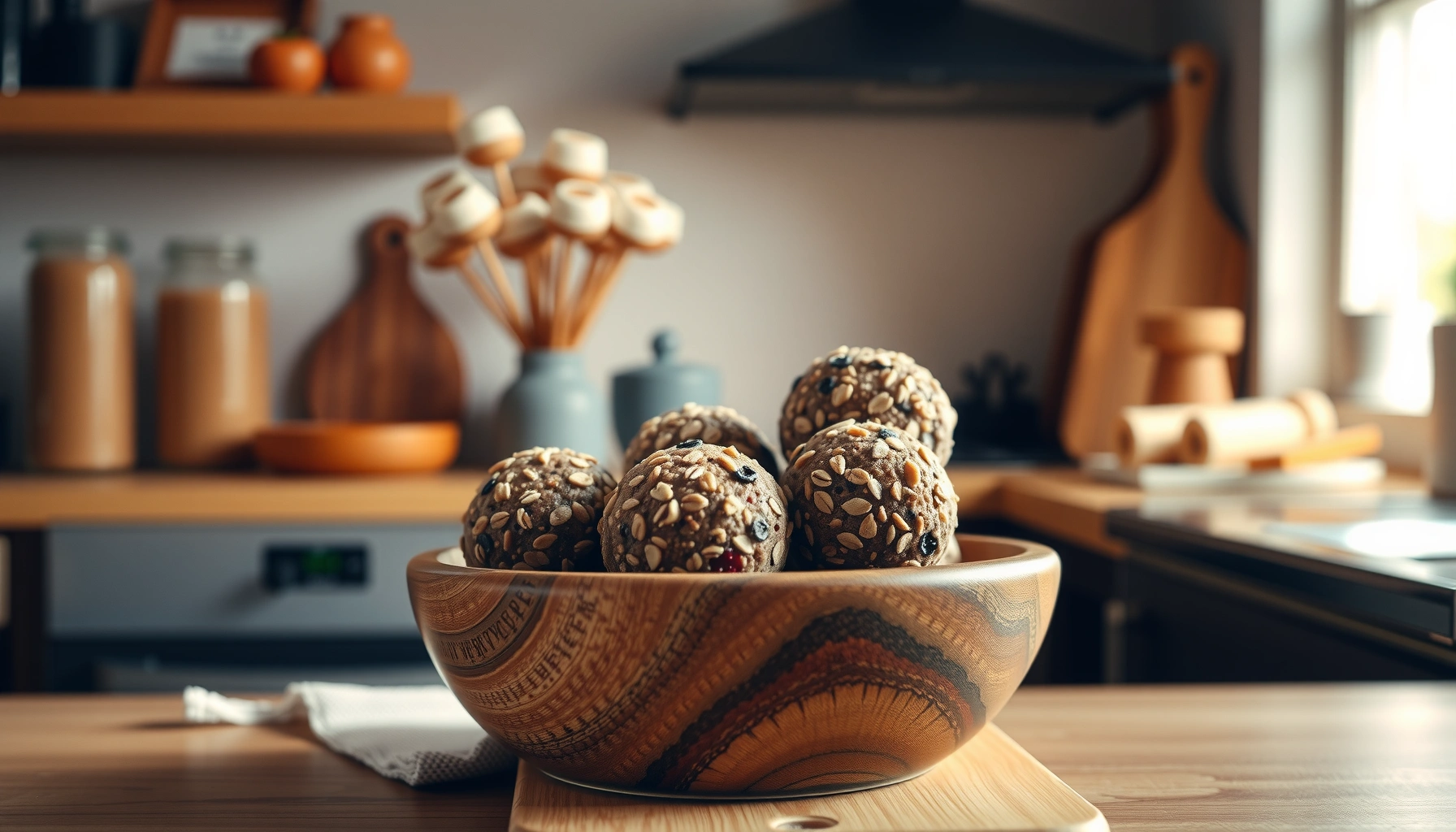
Looking for a healthy protein balls recipe that delivers fast, no-fuss, high-protein bites? This easy protein ball recipe is the clear winner when you need a snack you can make in minutes and customize for your macros. You’ll get the straightforward method and ingredient guidance to consistently form flavorful, energy-dense balls without guesswork.
You can make healthy protein balls in minutes with no baking using simple pantry staples—rolled oats, nut/seed butter, and protein powder. Below is a reliable, step-by-step method plus smart customization guidance so you can match your protein target, texture preference, and flavor cravings without guesswork.
Protein balls work because they combine three levers that matter for high-protein snacking: (1) a carbohydrate/fiber base (oats), (2) concentrated calories and fat for satiety (nut butter and/or seeds), and (3) protein density (protein powder and optional add-ins like Greek yogurt). The result is a portable bite that’s typically more filling than many “snack bars,” while staying flexible enough to fit different diets and macros.
Quick Healthy Protein Balls Base

A dependable base is the difference between “perfectly scoopable” and “crumbly.” Start with rolled oats or oat flour to provide structure and absorb moisture. Rolled oats create a bit of texture and bite, while oat flour produces a smoother, more uniform dough.
Here’s what each core component is doing:
– Rolled oats or oat flour for steady structure: Oats are resilient, absorb liquid, and help bind the mixture as it chills.
– Protein powder + nut/seed butter for protein and richness: Protein powder boosts the protein content and thickness; nut butter provides emulsifying fat that helps the balls hold together.
– Sweeten lightly with honey or maple syrup (optional): A small amount improves flavor and helps bind, but you can skip or reduce it if you’re controlling calories or prefer a less-sweet snack.
A practical “base ratio” many people find reliable is:
– 1 part protein powder
– 1 part nut/seed butter
– 2–3 parts oats
– A small drizzle of honey/maple syrup if needed
Then adjust with a splash of milk/yogurt only if your mixture is too dry.
To make this more actionable, use the snack-calibration logic: if you want higher protein, increase protein powder slightly and compensate with a little extra nut butter or a tablespoon of yogurt to maintain a cohesive dough.
Best Ingredients to Boost Protein
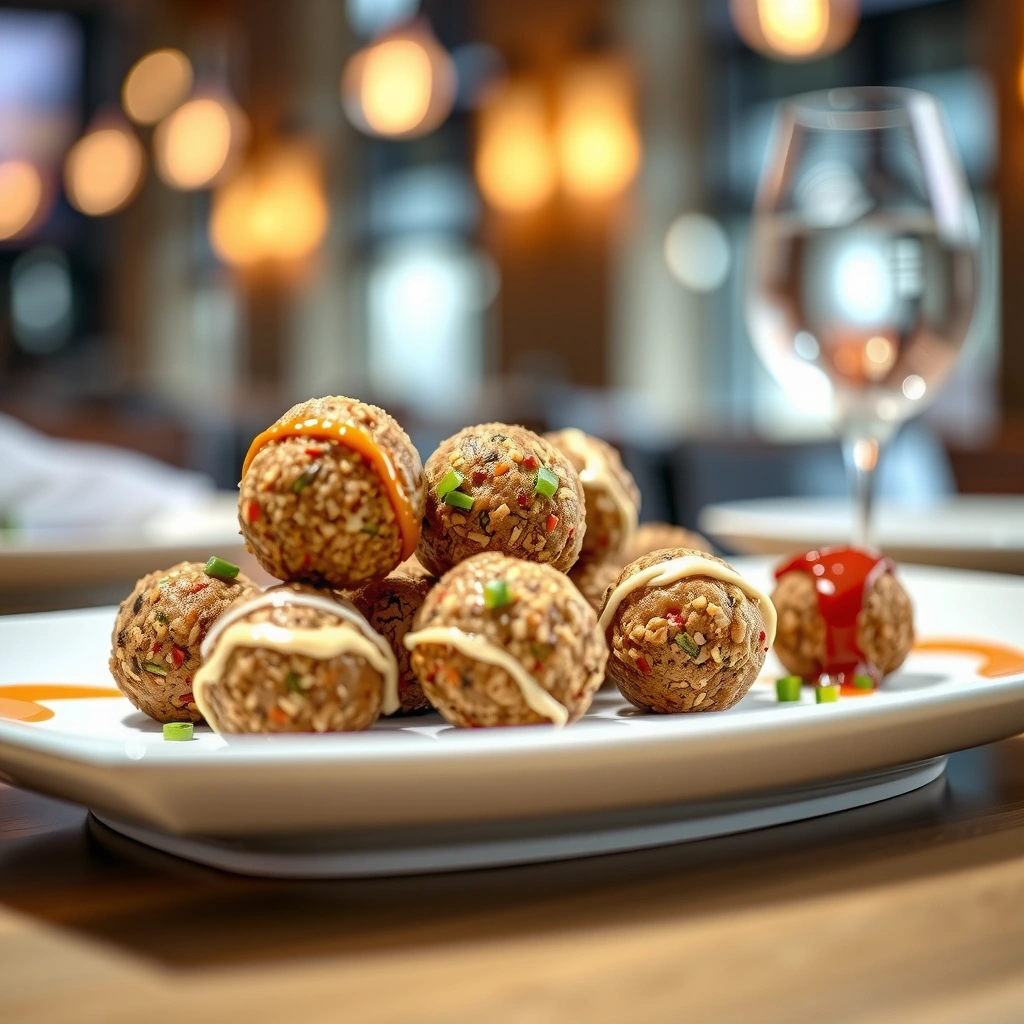
Not all protein powders behave the same in no-bake protein balls. The best choice depends on your goal—higher protein per scoop, better texture, or smoother taste—plus whether you prefer whey, plant-based, or added collagen.
Strong options include:
– Whey protein (common, high amino profile): Typically dissolves well and creates a firmer dough as it hydrates in the fridge.
– Plant-based protein (pea/rice blends): Often needs a bit more moisture or sweetener to prevent dryness, because some blends absorb liquid differently.
– Collagen protein (great for convenience, lower “complete protein” needs): Collagen is helpful for boosting total protein intake, but since it’s not as complete as whey, many people pair it with whey or add yogurt for a more balanced snack.
You can further boost protein and improve mouthfeel with:
– Chia or flax for extra protein and healthy fats: They also help the mixture thicken over time. Let the dough rest for 5–10 minutes before rolling to activate thickening.
– Fold in Greek yogurt or cottage cheese for a softer texture: These add moisture and tang, making balls easier to roll and improving “chewability.” Note that higher water content can increase stickiness—chilling longer usually solves it.
Protein density at a glance (real-world comparison)
Use this chart to think through how ingredient choices affect protein strength per common serving sizes.
Protein Contribution by Common Protein Picks (per typical scoop/serving)
| # | Protein ingredient | Typical serving used | Protein (grams) | Notes for no-bake balls |
|---|---|---|---|---|
| 1 | Whey concentrate | 1 scoop (~30g) | ~24g | Binds well, firm dough |
| 2 | Whey isolate | 1 scoop (~30g) | ~27g | Usually smoother taste |
| 3 | Pea + rice blend | 1 scoop (~32g) | ~24g | May need extra moisture |
| 4 | Collagen peptides | 1 serving (~10g) | ~9g | Add for total protein |
| 5 | Greek yogurt (nonfat) | ~170g (¾ cup) | ~17g | Softer, easier rolling |
| 6 | Cottage cheese (2%) | ~113g (½ cup) | ~13g | Adds moisture + protein |
| 7 | Pumpkin seeds | ~28g (1 oz) | ~9g | Crunch + healthy fats |
Simple Step-by-Step Instructions
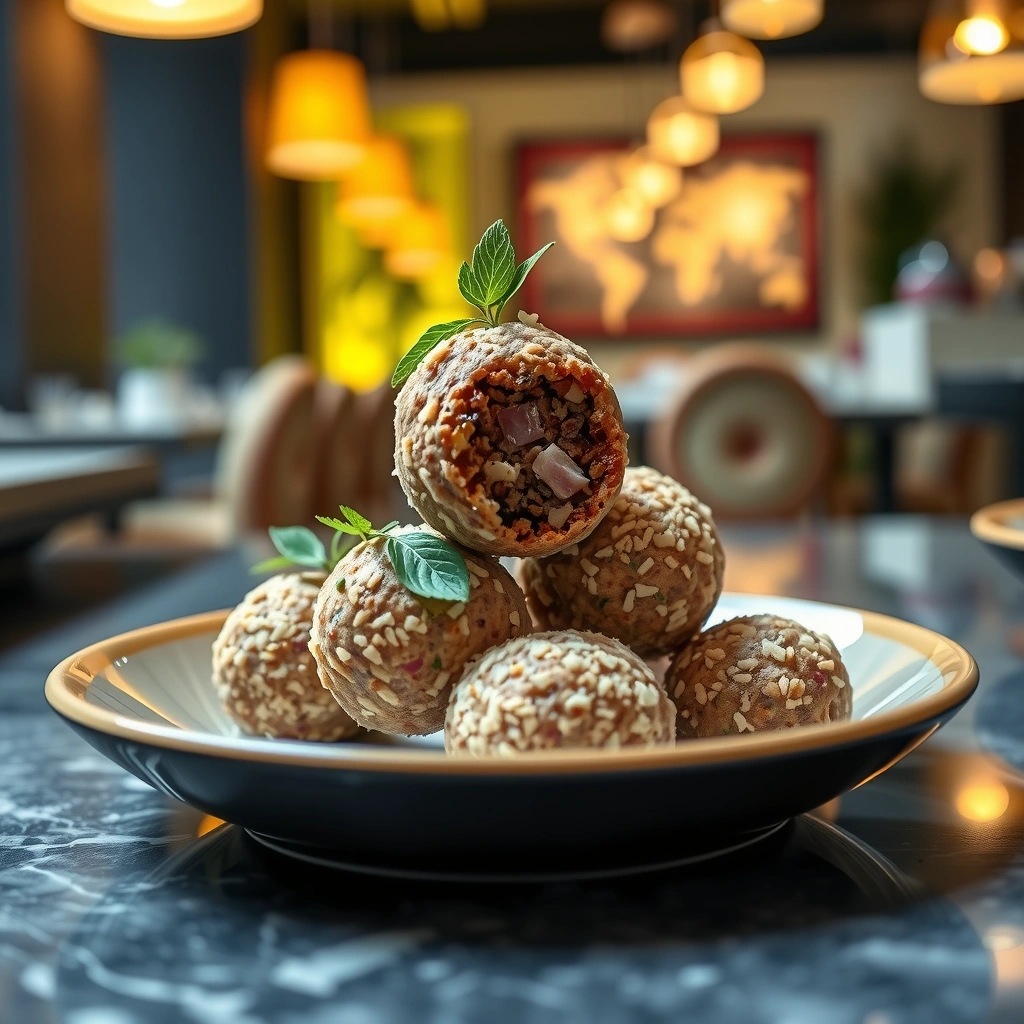
This is the core process that consistently yields no-bake, scoopable protein ball dough. Use it the same way each time, and just adjust add-ins for flavor.
1) Mix dry ingredients first
Combine rolled oats/oat flour, protein powder, and any dry boosters like chia, flax, or cocoa powder. This prevents protein powder clumps and ensures even distribution.
2) Combine wet ingredients, then merge
Stir in nut/seed butter and (if using) honey or maple syrup. If you’re adding yogurt/cottage cheese, mix it in next.
3) Stir until thick, scoopable dough forms
The dough should feel like firm cookie dough—cohesive enough to hold a shape. If it’s too dry or crumbly, add nut butter or a teaspoon of milk/yogurt at a time. If it’s too wet, add oats or protein powder gradually.
4) Roll into bite-size balls and chill to set
Roll into consistent balls (typically 1.5–2 tablespoons each). Chill for at least 30 minutes; for best texture, 1–2 hours is ideal.
Consistency troubleshooting (quick logic)
– Crumbly? Increase binding fat (nut butter) or add a small amount of liquid (yogurt/milk).
– Too sticky? Chill longer and use damp hands; also consider reducing honey.
– Gummy? You may have over-added liquid; balance with extra oats or protein powder.
Flavor Variations (No Major Recipe Changes)
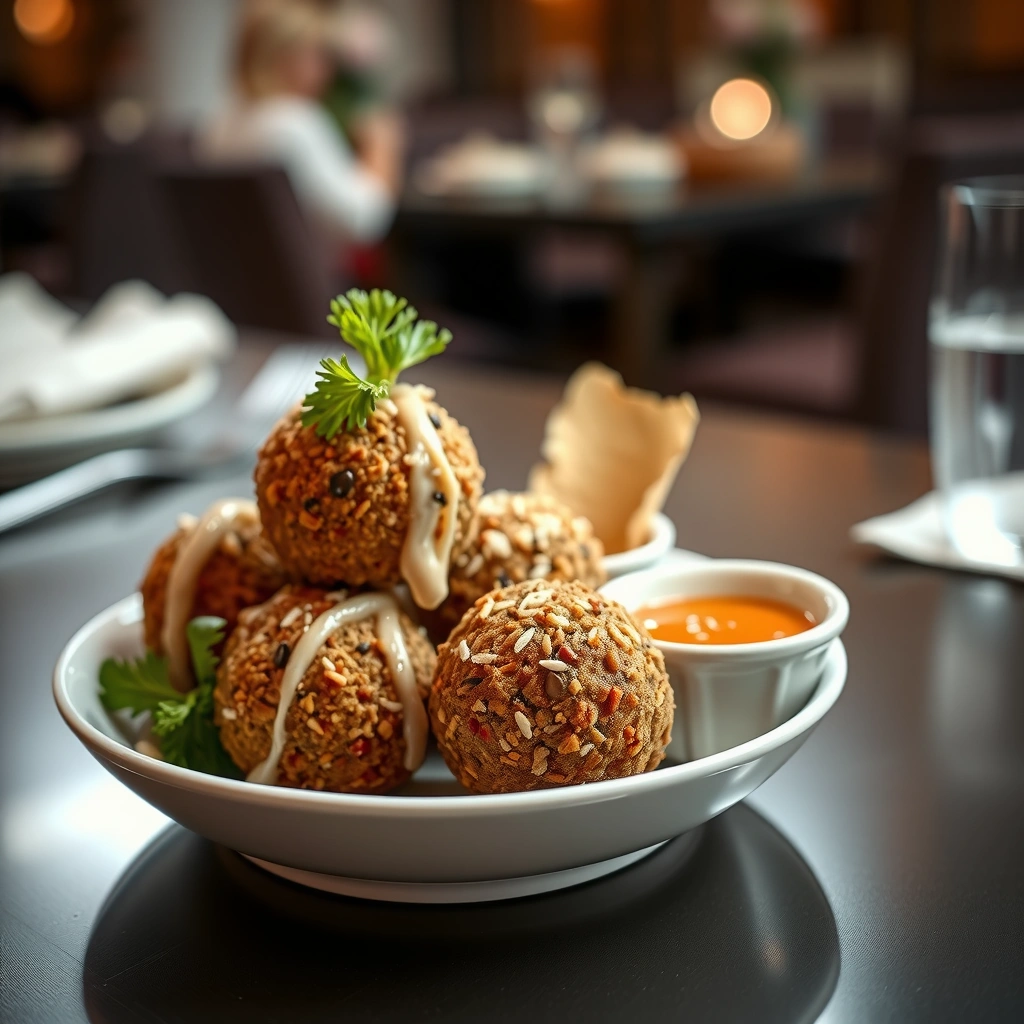
Flavor variations are best when they reuse the same base and only change a few components. That approach keeps texture stable while meeting your taste goals.
– Chocolate: Add cocoa powder (for richness) and a pinch of salt to sharpen sweetness. If you like a deeper flavor, mix in a small amount of mini dark chocolate chips after the dough forms.
– Peanut butter: Increase nut butter slightly and consider chopped peanuts or peanut flour for extra bite. This version often feels “creamier” because peanut butter provides natural binding.
– Vanilla/berry: Use vanilla extract for aroma, or fold in freeze-dried fruit (berries, raspberries, or strawberries). Freeze-dried fruit works well because it adds flavor without adding too much moisture.
A key analytical point: liquids change texture more than dry add-ins do. Freeze-dried fruit and cocoa are comparatively stable. Bottled syrups or additional honey can make dough softer and stickier—use them sparingly or compensate with extra oats.
Storage, Meal Prep, and Freezing Tips
Protein balls are naturally meal-prep friendly because they hold their shape when chilled and become even more cohesive after a day in the fridge.
– Store in the fridge for up to 5–7 days in an airtight container. Use parchment or wax paper between layers to reduce sticking.
– Freeze for longer storage for up to about 2–3 months. Thaw in the fridge overnight so the texture remains firm rather than watery.
– Keep consistency by rolling balls the same size each time so portioning stays accurate for calories and protein targets. If you weigh them, small variations matter less than guesswork.
Pro move for planning: portion into grab-and-go containers immediately after rolling, rather than mixing portions later. It reduces “opening the container” frequency—helping freshness and minimizing texture changes.
Portioning and Nutrition Guidance
A single protein ball can work as a snack, pre-workout bite, or a post-meal add-on. The right portion depends on your daily protein needs and the protein density of your specific ingredients.
– Start with 1–2 balls per serving based on your daily protein needs and the protein per ball you’re targeting.
– Adjust sweetness and protein powder to control calories: More protein powder typically raises protein and reduces sweetness, but too much can dry the dough if you don’t add enough fat/liquid.
– If mixture is dry or crumbly, add a bit more nut butter or liquid rather than forcing the mixture—rolling dry dough often leads to crumb fall-off after chilling.
For business-style clarity: treat this like a repeatable “formula” rather than a one-off recipe. Once you know your chosen protein powder’s scoop size and your preferred ball weight, you can reliably hit consistent nutrition targets without extensive recalculation.
—
This healthy protein balls recipe gives you fast, no-bake, high-protein bites with flexible flavor options. Make a batch today, chill for best texture, and experiment with your favorite add-ins—then portion for an easy grab-and-go snack.
References
- Google Scholar Google Scholar
https://scholar.google.com/scholar?q=healthy+protein+balls+recipe - Google Scholar Google Scholar
https://scholar.google.com/scholar?q=energy+ball+recipe+nutrition+study - Google Scholar Google Scholar
https://scholar.google.com/scholar?q=no-bake+energy+bites+macronutrients+nutrition - https://ods.od.nih.gov/factsheets/Protein-HealthProfessional/
https://ods.od.nih.gov/factsheets/Protein-HealthProfessional/ - https://www.myplate.gov/eat-healthy/protein-foods
https://www.myplate.gov/eat-healthy/protein-foods - https://www.dietaryguidelines.gov/sites/default/files/2021-03/Dietary_Guidelines_for_Americans_2020-2025.pdf
https://www.dietaryguidelines.gov/sites/default/files/2021-03/Dietary_Guidelines_for_Americans_2020-2025.pdf - https://www.mayoclinic.org/healthy-lifestyle/nutrition-and-healthy-eating/expert-answers/protein/faq-20057943
https://www.mayoclinic.org/healthy-lifestyle/nutrition-and-healthy-eating/expert-answers/protein/faq-20057943 - Healthy diet
https://www.who.int/news-room/fact-sheets/detail/healthy-diet - https://pubmed.ncbi.nlm.nih.gov/?term=protein+ball+recipe
https://pubmed.ncbi.nlm.nih.gov/?term=protein+ball+recipe - Energy bar
https://en.wikipedia.org/wiki/Energy_bar