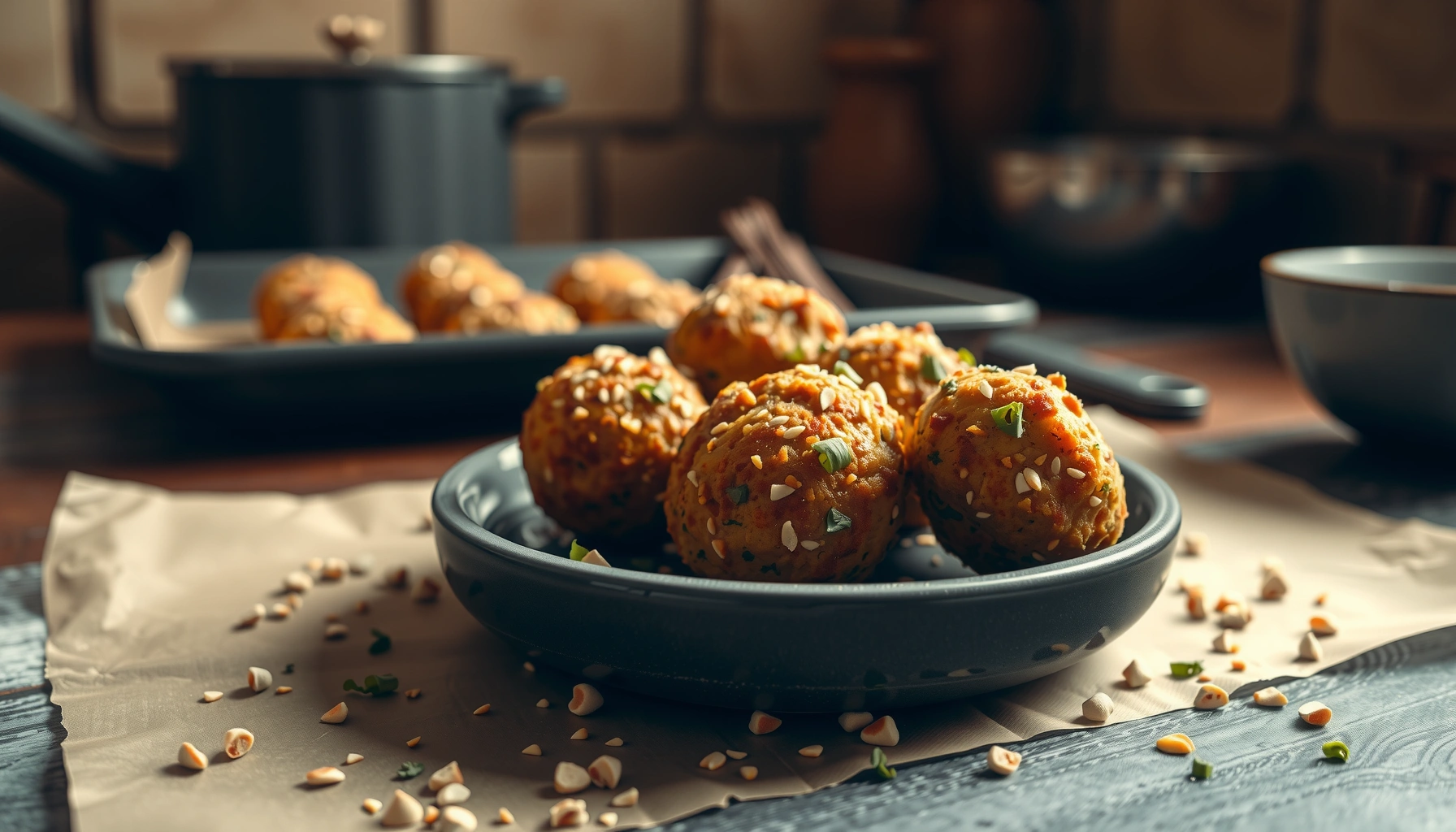
Looking for a baked falafel balls recipe that delivers crispy exteriors and bold flavor without frying? This easy baked method gives you perfectly browned falafel balls every time—so you can skip the mess and still get that satisfying crunch. If your real question is “Can baked falafel balls match fried falafel?”, the answer is yes, with the right bake time and seasoning.
Bake falafel balls instead of frying for an easy, healthier way to get crisp edges—no special equipment needed. This baked falafel balls recipe makes the process straightforward: you’ll mix a coarse chickpea-herb mixture, shape tender balls, and bake at high heat (with a flip) to build golden, crisp surfaces while keeping the centers soft and flavorful.
Ingredients for Baked Falafel Balls
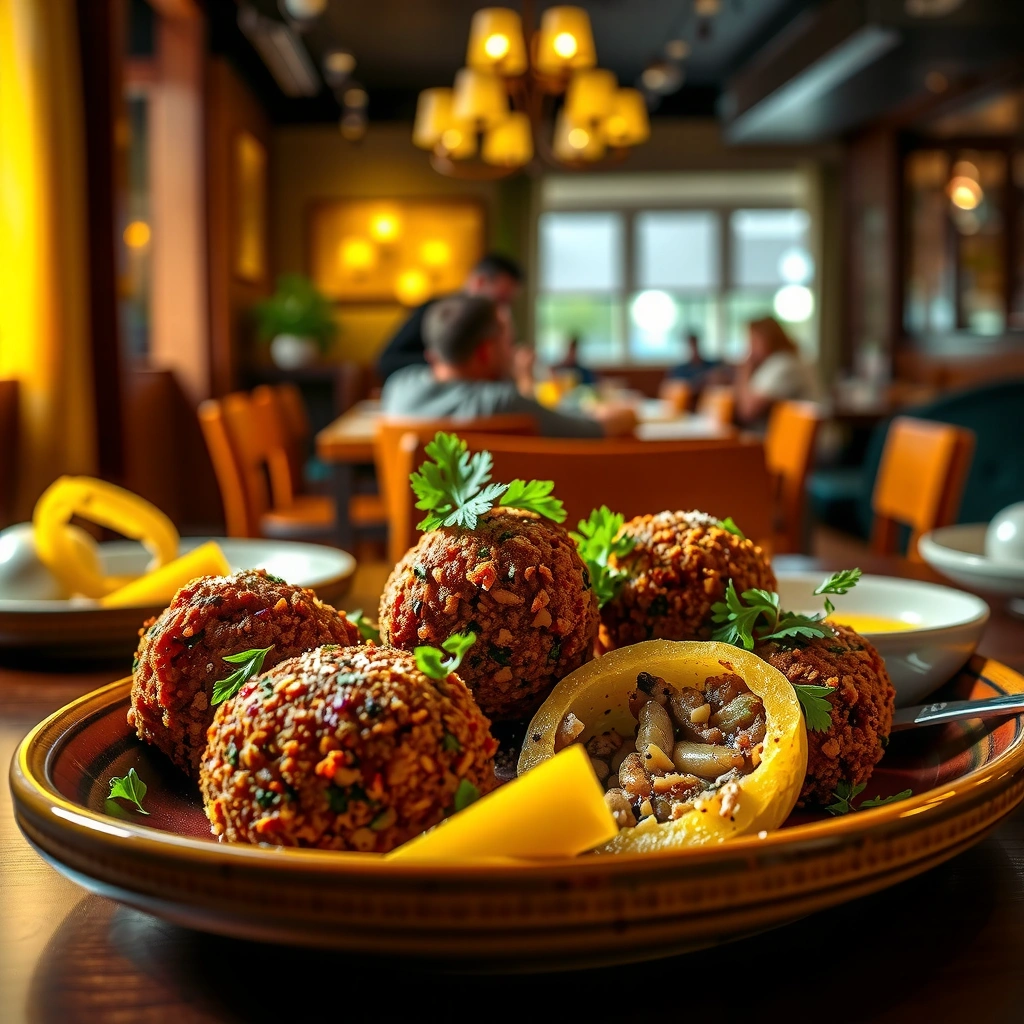
– Use chickpeas (canned or soaked) and fresh herbs for classic flavor
– Add aromatics like garlic, onion, cumin, and coriander for depth
A strong baked falafel recipe starts with ingredients that control texture. In fried falafel, crispness is largely driven by hot oil; in baking, crisp edges come from surface dehydration, starch/protein structure, and enough binder to hold shape. For that reason, chickpeas and herbs matter just as much as spices.
Core ingredients (reliable for most ovens):
– Chickpeas (canned or soaked):
– If using canned, drain very well and consider patting dry. Excess liquid can cause spread and a softer exterior.
– If using soaked chickpeas, you’ll typically get a more “traditional” bite because the mixture is drier and less likely to release water during baking.
– Fresh herbs: parsley and/or cilantro deliver the signature bright, green falafel aroma.
– Onion + garlic: aromatics build savory depth. Since you’re not frying, these flavors benefit from a coarse mince or brief blend to distribute evenly.
– Spices: ground cumin and coriander are essential; add smoked paprika or turmeric if you like a warmer, more complex profile.
– Binder (small but critical): either all-purpose flour or breadcrumbs helps the exterior firm up during baking and supports shape retention.
– Salt + acidity (optional but helpful): salt sharpens flavor. A small splash of lemon juice or a teaspoon of yogurt (if you’re serving with it) can balance richness.
Recommended “baked-friendly” ingredient ratios (for about 24–28 balls):
– 2 (15-oz) cans chickpeas, drained (or ~3 cups soaked)
– 1 cup packed parsley (and/or cilantro)
– 1/2 small onion (about 1/2 cup when chopped)
– 2–3 cloves garlic
– 2 tsp ground cumin
– 1–1 1/2 tsp ground coriander
– 1/2–1 tsp salt (to taste)
– 1/4–1/2 tsp baking powder (optional; helps lift/structure)
– 3–5 tbsp flour or breadcrumbs (use enough to stop crumbling)
– Optional: 1/2 tsp chili flakes, black pepper, or a pinch of cinnamon
Baked Falafel Ball Crispness by Oven Temperature & Total Time (Guidance)
| # | Oven Setup | Temp | Total Bake | Flip | Crispness Potential |
|---|---|---|---|---|---|
| 1 | Single rack, parchment, light mist of oil | 375°F (190°C) | 26–30 min | Yes | ★★★★☆ |
| 2 | Single rack, parchment, no oil mist | 400°F (205°C) | 22–26 min | Yes | ★★★☆☆ |
| 3 | Preheated tray, parchment top, light mist | 425°F (220°C) | 18–22 min | Yes | ★★★★★ |
| 4 | Hot oven, parchment, oil mist, more frequent flipping | 425°F (220°C) | 20–24 min | Yes (2 turns) | ★★★★★ |
| 5 | Preheated tray, minimal oil, drier mixture | 450°F (232°C) | 14–18 min | Yes | ★★★★☆ |
| 6 | Lower-temp, longer bake | 350°F (175°C) | 30–40 min | Yes | ★★☆☆☆ |
| 7 | High heat but crowded spacing (steam) | 450°F (232°C) | 14–18 min | No | ★★★☆☆ |
How to Make Falafel Mixture
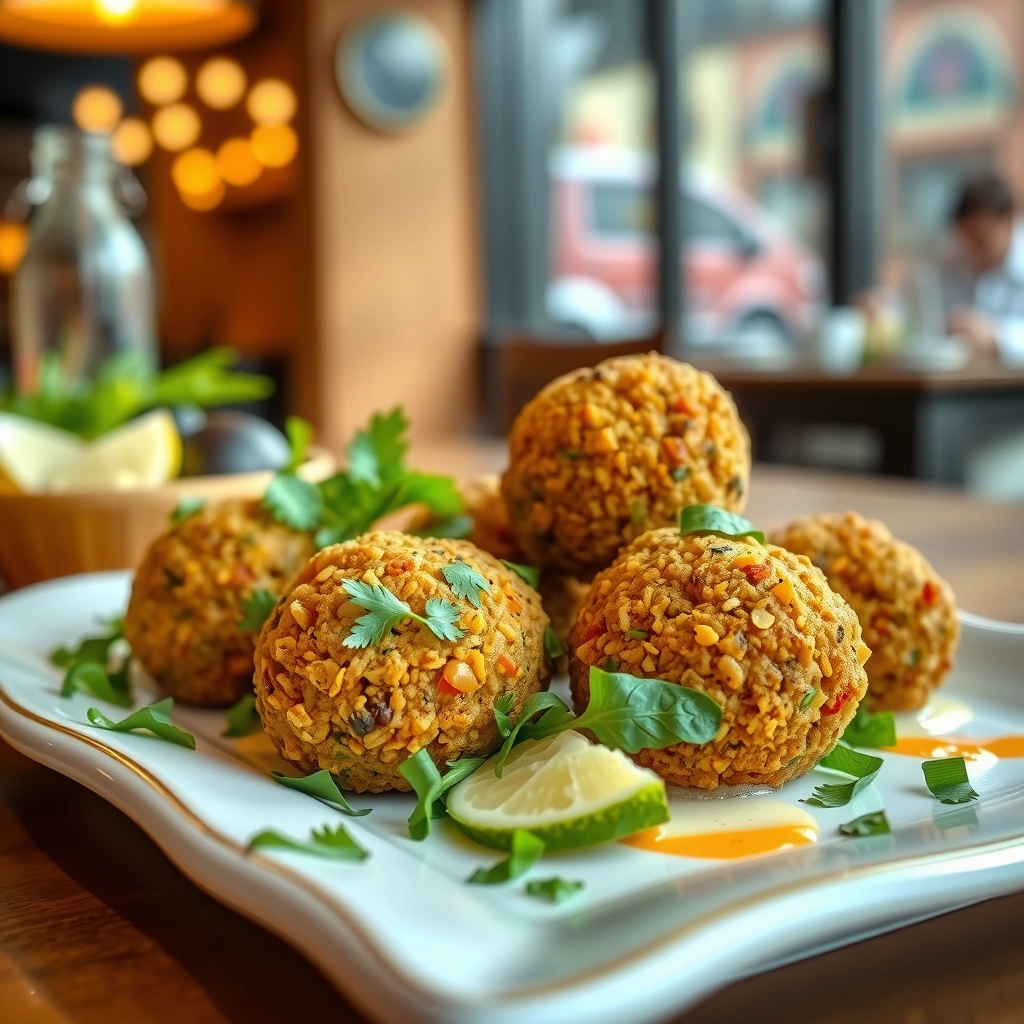
– Blend chickpeas to a coarse texture (not a smooth paste)
– Bind the mix with flour or breadcrumbs and add salt and spices to taste
The single biggest difference between “good” and “crumbly” baked falafel is texture control. If you blend chickpeas too smoothly, you create a paste-like mixture that can either stay dense or release moisture during baking. If you leave them too coarse, the balls may not bind evenly and can crack.
Best-practice method:
1. Blend chickpeas briefly:
Pulse until you have a coarse meal—some small chickpea fragments should remain. Think “gritty crumble,” not “hummus.”
2. Add herbs and aromatics gradually:
Pulse parsley, onion, and garlic into the mixture until evenly distributed but still textured.
3. Season thoroughly:
Add salt, cumin, coriander, and any optional spices. Taste the mixture carefully (raw falafel mix is safe to taste for most people, but avoid if you have dietary restrictions to consider).
4. Binder strategy (adjust to moisture):
Start with 3 tbsp flour or breadcrumbs for the batch. If the mixture feels wet, add 1 tbsp more at a time. If it feels dry but cohesive, you may not need more.
Why binder works in baking (not just frying):
Flour and breadcrumbs absorb surface moisture and help form a sturdier matrix. This increases structural integrity during baking—so you can flip once for even browning without losing shape.
Shaping and Preparing for Baking
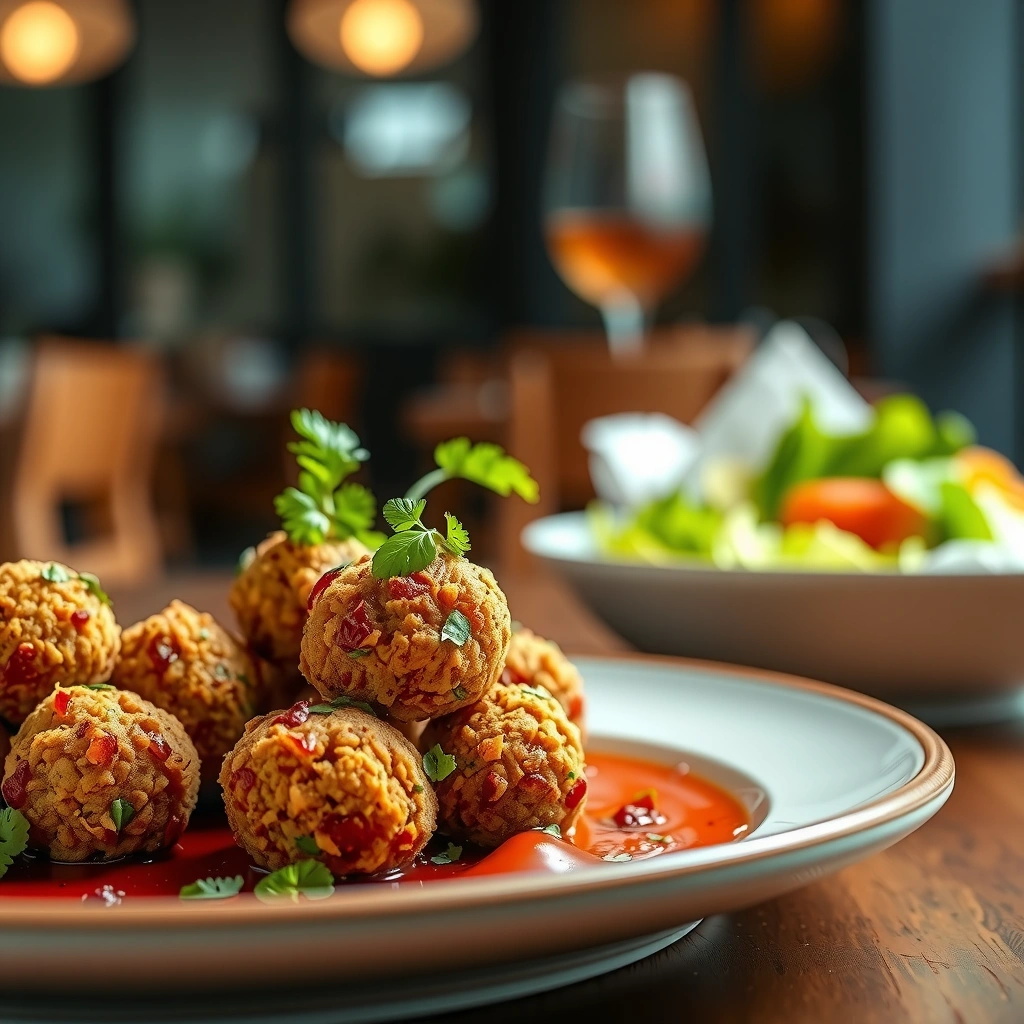
– Form evenly sized balls so they bake consistently
– Chill the mixture briefly to help them hold their shape
Shaping is where consistency becomes a practical process. In a commercial kitchen, standardizing portion size reduces variance; the same applies at home.
Actionable shaping steps:
1. Portion evenly:
Aim for balls about 1.5 inches (about 35–40 g each). Smaller balls crisp faster; larger balls may brown before the center fully sets.
2. Use gentle pressure:
Roll with clean hands and light compression. Over-packing can make the center dense; under-packing causes breakage.
3. Chill before baking:
Refrigerate the tray of formed balls for 20–30 minutes. Chilling firms up fat binders and allows hydration to equilibrate. Result: fewer cracks and better hold.
If your mixture is stubbornly wet:
Add binder and re-form, then chill again. In baked falafel, “wet batter” rarely improves in the oven—it usually just spreads more.
Baking Instructions for Crispy Results
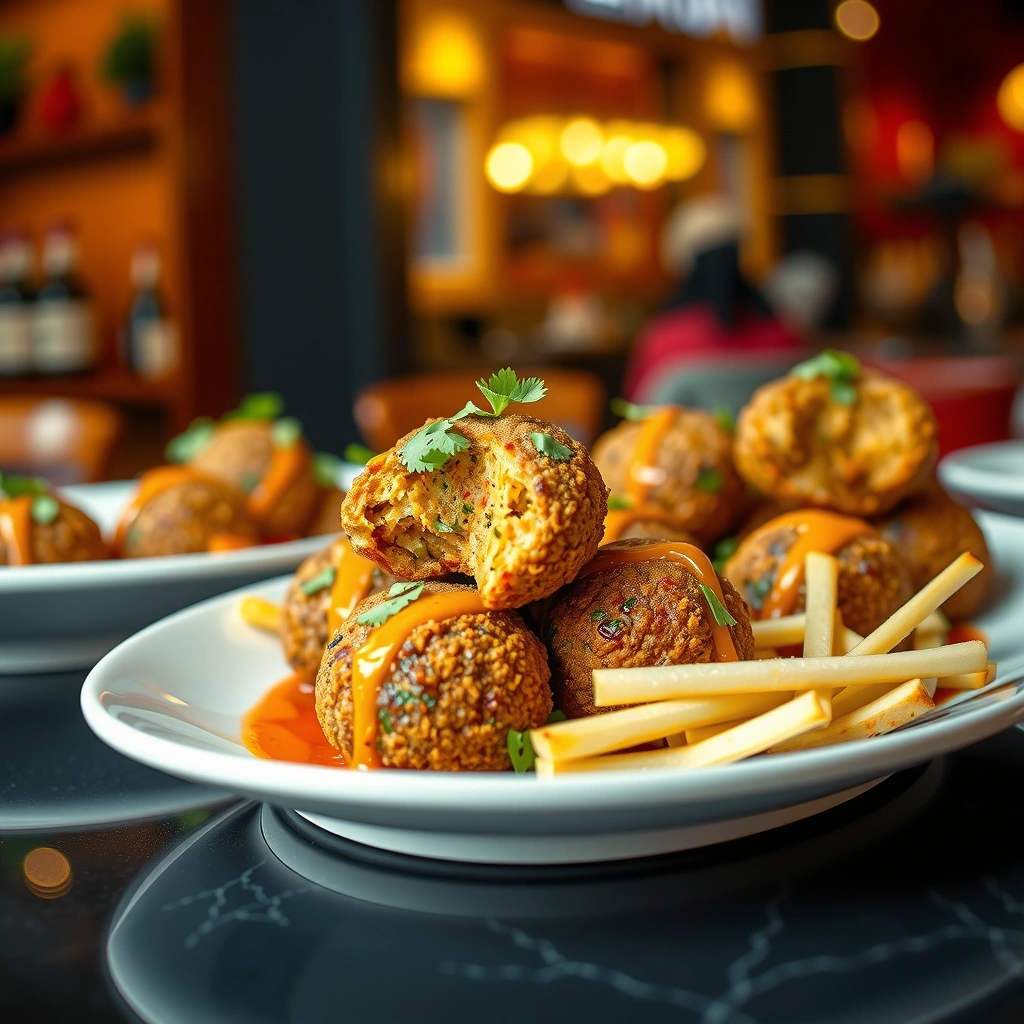
– Preheat the oven and line a baking sheet for easy cleanup
– Bake until golden, flipping halfway for even crisping
Baking falafel is a heat-and-moisture management exercise. You want to drive off surface water quickly enough to brown, without overcooking the interior.
Recommended baking method:
1. Preheat thoroughly:
Bake at 425°F / 220°C for the best balance of browning and interior set. Let the oven fully preheat so the surface crisps immediately.
2. Line and space well:
Use parchment or a lightly oiled silicone mat. Arrange balls with space between them (crowding traps steam and dulls crisping).
3. Flip for even crisping:
Bake 18–22 minutes total, flipping once at about 9–11 minutes. This ensures both sides reach golden color.
4. Optional but effective oil mist:
A light spray of oil improves browning and helps create a more “fried-like” crust without deep frying.
Doneness cues (reliable at home):
– Golden-brown tops and edges
– Firm surface that resists gentle pressing
– Centers that are cooked through (no raw chickpea taste)
Operational tip:
If your first batch is paler than expected, increase bake time by 2–3 minutes rather than increasing temperature immediately. Timing changes are more forgiving than temperature spikes, which can dry the exterior before the interior sets.
Serving Suggestions and Toppings
– Pair with tahini sauce, hummus, or yogurt sauce
– Top with lemon, parsley, diced cucumber, or pickled onions
Baked falafel balls are versatile enough for meal prep, casual platters, and “fast-casual” bowls. The goal is contrast: crispy outside + cooling, tangy toppings.
Classic pairings:
– Tahini sauce: nutty, creamy, and richly seasoned—ideal with warm falafel.
– Hummus: earthy base for falafel plates or wraps.
– Yogurt sauce: a quick lemon-garlic blend that cuts spice and adds freshness.
High-impact toppings (choose 2–4):
– Lemon wedges (brightens and lifts flavors)
– Chopped parsley (fresh, herbaceous finish)
– Diced cucumber (cool crunch)
– Pickled onions (tangy bite that balances cumin/coriander)
– Cherry tomatoes (sweet acidity)
– Hot sauce or harissa (for heat lovers)
Serving ideas:
– Falafel bowl: greens + rice + falafel + tahini + cucumber + pickled onions
– Sandwich/wrap: falafel + tahini + chopped salad + lemon
– Appetizer platter: falafel + hummus + olives + pita triangles
Troubleshooting Common Issues
– If falafel falls apart: chill longer and add a bit more binder
– If they’re dry: reduce bake time or lightly mist with oil before baking
Even with excellent technique, baked falafel can present predictable issues. The fix is usually small—adjust one variable at a time.
1) Falafel falls apart
– Likely causes:
– Mixture too wet
– Binder too low
– Not enough chilling time
– Fix:
– Chill an additional 15–20 minutes
– Add 1 tbsp breadcrumbs or flour
– Re-form and bake again
2) Falafel is dry
– Likely causes:
– Overbaking
– Too much binder (can dry out the interior)
– Lack of surface oil browning
– Fix:
– Reduce bake time by 2–3 minutes next round
– Lightly mist with oil
– If using breadcrumbs, consider slightly reducing binder or using a mix of flour + breadcrumbs for softer structure
3) Pale color / not crisping
– Likely causes:
– Oven not hot enough or not fully preheated
– Crowding causing steam
– Insufficient surface oil
– Fix:
– Confirm oven preheat
– Increase spacing on the tray
– Use a light oil mist and flip halfway
4) Uneven browning
– Likely causes:
– No flip
– Hot spots in the oven
– Fix:
– Flip once at halfway and rotate the tray if your oven has known hotspots
Baking falafel balls is a simple way to enjoy the same bold flavor with less mess—just follow the mix texture, shape evenly, and bake hot for crisp edges. Try this baked falafel balls recipe today and adjust spices or toppings to make it your own.
Baked falafel balls give you the best of both worlds: the unmistakable chickpea-herb flavor you expect from classic falafel, plus a cleaner, more practical cooking method that’s easier to execute than deep frying. Focus on coarse texture, a binder that matches your moisture level, brief chilling for shape, and high-heat baking with a halfway flip—then finish with crisp toppings and tangy sauces for a complete, satisfying meal.
References
- Falafel
https://en.wikipedia.org/wiki/Falafel - Falafel | Middle Eastern, Chickpeas, Spices | Britannica
https://www.britannica.com/topic/falafel - https://en.wikipedia.org/wiki/Chickpea
https://en.wikipedia.org/wiki/Chickpea - Tahini
https://en.wikipedia.org/wiki/Tahini - Baking
https://en.wikipedia.org/wiki/Baking - Google Scholar Google Scholar
https://scholar.google.com/scholar?q=baked+falafel+recipe - Google Scholar Google Scholar
https://scholar.google.com/scholar?q=falafel+baking+vs+frying+study - Google Scholar Google Scholar
https://scholar.google.com/scholar?q=falafel+chickpea+soaking+grinding+cooking - https://pubmed.ncbi.nlm.nih.gov/?term=chickpea+soaking+hydration
https://pubmed.ncbi.nlm.nih.gov/?term=chickpea+soaking+hydration - https://pubmed.ncbi.nlm.nih.gov/?term=chickpea+roasting+baking
https://pubmed.ncbi.nlm.nih.gov/?term=chickpea+roasting+baking