Looking for energy balls recipes that are truly easy and reliably healthy? This guide delivers the best go-to energy ball ideas—no-fuss ingredients, fast prep, and clean nutrition baked in—so you can make a snack that tastes great and fits your goals. If your question is “Which energy balls recipes should I make first,” you’ll get clear, practical winners right away.
Energy balls are an easy, no-bake way to turn common pantry staples into portion-controlled snacks that deliver steady energy—without the crash that often comes from highly refined foods. By following one reliable base recipe (oats + nut butter + mix-ins) and swapping flavors with purpose, you’ll get healthy energy ball ideas that fit your routine, taste preferences, and storage needs.
Energy balls recipes work well because they combine three practical ingredients: (1) structure that helps them hold their shape (commonly oats, dates, or nut-based bases), (2) fats and flavor for satisfaction (nut butter, seed butter, or coconut), and (3) measured sweetness plus binders so the texture stays consistent. When you understand how those pieces interact, you stop guessing and start producing energy bites with the right chew, moisture level, and “grab-and-go” convenience.
Common Energy Ball Bases & Their “Role” in the Recipe (Typical Use)
| # | Base Ingredient | Best For Texture | Typical Sweetness Lift | Convenience Score |
|---|---|---|---|---|
| 1 | Rolled oats | Chewy, “bite” texture | Low–moderate | ★★★★☆ |
| 2 | Medjool dates | Sticky, firm set | High | ★★★☆☆ |
| 3 | Chia seeds | Gel binder for scoopable balls | Very low | ★★★★☆ |
| 4 | Nut butter (peanut/almond) | Creamy chew, cohesive structure | Low | ★★★★★ |
| 5 | Ground flaxseed | Soft set, “nutty” body | Very low | ★★★★☆ |
| 6 | Coconut flakes (unsweetened) | Chewy with light bite | Low | ★★★☆☆ |
| 7 | Unsweetened shredded dates/coconut mix | Dense, sliceable-style ball | Moderate–high | ★★☆☆☆ |
What Energy Balls Should Include

Great energy balls recipes aren’t random mixes—they’re intentional blends of ingredients that each do a job. Think of your energy bites as a small system: structure, binding, flavor, and sweetness.
– Choose a base like oats, dates, or nuts for structure
Rolled oats provide a dependable chew and help absorb moisture. Dates act as a powerful binder and naturally sweeten. Nuts (or nut flours) give density and a “filling” feel. If you’ve ever had energy balls that crumble, it’s usually because the base wasn’t strong enough to hold moisture and fats together.
– Add healthy fats and flavor with nut butter or seeds
Nut butter (or seed butter) is the main driver of texture and satisfaction. It supplies fats that slow digestion and help you feel full. Seeds like chia or flax can also support binding and add fiber, but they typically require hydration time to gel.
– Use small amounts of sweetener to taste, not overload
Many people over-sweeten because they’re trying to match the taste of store-bought treats. Instead, start with modest sweetness (e.g., vanilla, cinnamon, cocoa, or a small amount of honey/maple syrup) and let naturally sweet add-ins (like dried fruit) do the heavy lifting.
Simple Energy Balls Base Recipe

This is your go-to foundation for easy, healthy energy ball ideas. Once you nail the base texture, variations become simple swaps rather than full rebuilds.
Base yield: ~16–20 balls (depending on size)
Time: 10 minutes active + 15–30 minutes chilling
Ingredients
– 1 1/2 cups rolled oats
– 1/2 cup creamy nut butter (peanut, almond, cashew, or sunflower seed butter)
– 1/3 cup chopped add-ins (choose one: raisins, chocolate chips, chopped nuts, or dried cranberries)
– 1–2 tbsp sweetener (honey, maple syrup, or date paste), optional but helpful
– 1 tsp vanilla extract
– Pinch of salt
Optional for better binding: 1–2 tbsp milk (dairy or unsweetened plant milk)
Method
1. Blend/mix the dry base: Pulse oats briefly in a food processor if you want a smoother texture; otherwise, keep them whole for more chew.
2. Combine: Stir in nut butter, vanilla, salt, sweetener (if using), and chopped add-ins until the mixture looks sticky and cohesive.
3. Adjust consistency:
– Too crumbly? Add 1 tsp milk at a time.
– Too soft? Add 1–2 tbsp oats.
4. Shape: Roll into balls (wet hands help if nut butter is sticky).
5. Chill to set: Refrigerate 15–30 minutes so the fats firm up and the mixture binds properly.
Why chilling matters: Energy balls rely on fat solidification and hydration from oats/date-like components. If you skip chilling, you’ll often get softer, misshapen bites that don’t travel well.
Delicious Flavor Variations

Flavor is where energy balls recipes become personal. Use the same base technique but change one or two components—typically the add-ins and the flavoring—so the texture stays consistent.
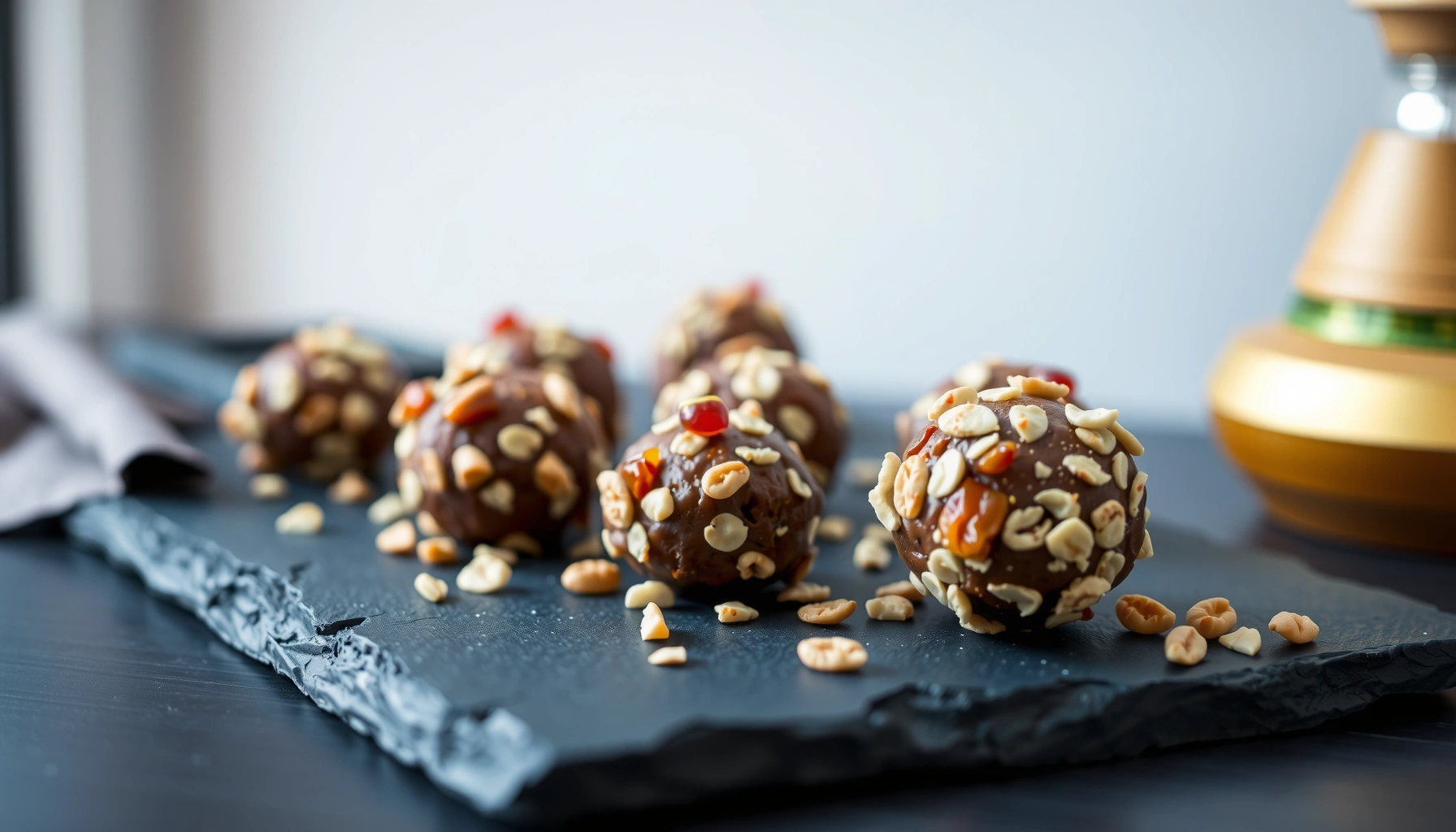
– Chocolate (crowd-pleaser + post-workout friendly)
Add 1/4 cup cocoa powder to the dry mix and fold in 1/4 cup chocolate chips (optional). To keep sweetness balanced, reduce added sweetener slightly and add a pinch more salt. Cocoa also contributes bitterness that makes “sweet” taste less one-note.
– Peanut butter (classic and satisfying)
Stir in crushed roasted peanuts or a spoonful of extra nut butter. If you want a more “snack bar” texture, use partially crushed nuts rather than nut meal—this creates tiny pops of crunch.
– Fruit-forward (lighter sweetness and natural energy bite flavor)
Use dried cherries, raisins, or cranberries for a tart-sweet profile. You can also grate fresh apple and squeeze out extra moisture (important) to prevent the mixture from becoming wet and sticky in an unstable way.
Practical flavor guidance:
If your fruit add-in is very sticky (like chopped soft dates), you may need less sweetener and possibly fewer liquid adjustments. If you’re using drier add-ins (like raisins), chilling becomes even more important to help the mixture hydrate evenly.
Binding, Texture, and Flavor Tips

Texture is the difference between “I made energy balls” and “I’ll keep making these.” The good news: most texture issues have predictable causes.
– If they’re too dry, add more nut butter or a little liquid
Dryness usually means your oats absorbed too much moisture relative to your binder. Start with 1–2 tbsp extra nut butter or 1 tsp milk at a time until the mixture holds when squeezed.
– If they’re too soft, add oats or refrigerate longer
Softness often comes from excess liquid or warm nut butter. Add 1–2 tbsp oats, then chill longer (up to 45 minutes if your kitchen is warm). Also note that balls soften slightly at room temperature—plan to serve them chilled or handle them quickly.
– Balance sweetness with salt, vanilla, or cinnamon
A pinch of salt elevates chocolate and peanut butter flavors instantly. Vanilla rounds out fruit-forward profiles. Cinnamon is especially effective when you’re using oats as the base because it adds “warmth” without adding sugar.
Texture target:
When ready, your balls should feel firm enough to roll cleanly, but not hard like candy. A gentle squeeze should hold shape without crumbling.
Expected Texture After Chilling (Kitchen-Realistic Ranges)
| # | Chill Time | Finger-Press Feel | Travel Stability | Recommended Use |
|---|---|---|---|---|
| 1 | 15 minutes | Soft set | Moderate | Quick snack |
| 2 | 30 minutes | Firm, rollable | High | Pack for commute |
| 3 | 45 minutes | Very firm | Very high | Gym bag / long day |
| 4 | Overnight | Set and cohesive | Excellent | Meal-prep batches |
Storage and Meal-Prep Guide
Storage is where energy balls recipes become truly practical. A few simple habits keep your snacks fresh, reduce waste, and preserve texture.
– Store in an airtight container in the fridge for best freshness
Most energy balls hold well for up to 7 days refrigerated. Use parchment between layers if needed to prevent sticking.
– Freeze for longer storage and thaw in the fridge overnight
Freezing is ideal for 2–3 months of meal prep. For best texture, transfer to the fridge overnight rather than microwaving, which can soften fats too quickly.
– Portion ahead so you grab a snack fast during busy days
Pre-portion into single-serve containers or zip-top bags. This is especially useful for office mornings or after-school schedules where decision fatigue leads to unhealthy snacking.
Quality check tip: If you notice oil separation on top, it doesn’t automatically mean failure—just stir or re-roll after a quick chill. Properly sealed storage limits oxidation and helps keep the taste consistent.
Dietary Options and Substitutions
Energy balls recipes are flexible enough to support common dietary needs—without sacrificing the “real snack” experience.
– Make them vegan by using plant-based sweeteners and nut butter
Use maple syrup or date paste instead of honey. Select nut butter that doesn’t include added dairy ingredients (most are naturally dairy-free, but always check labels for additives).
– Create gluten-free versions with certified gluten-free oats
Oats are naturally gluten-free but can be cross-contaminated. Choose certified gluten-free oats to keep the recipe truly safe.
– Avoid common allergens by swapping nut butter for seed butter
Sunflower seed butter works similarly to nut butter for texture and fat content. For people with nut allergies, this substitution enables a safer “same experience” energy bite.
Allergen-aware production: If you’re sharing with others, consider using clean utensils and a fresh rolling surface—small cross-contact risks can matter.
Energy balls recipes are an easy way to turn pantry staples into nutritious, grab-and-go snacks—just choose your base, pick a flavor variation, and fine-tune texture with simple adjustments. Try the base recipe first, then experiment with one variation this week, and portion them for ready-to-eat energy anytime.
Energy balls are most successful when you treat them like a repeatable formula: choose a reliable structure (oats/dates/nuts), add a cohesive fat source (nut or seed butter), and control sweetness so flavors stay balanced. Once you know how to correct texture—dry needs more binder, soft needs more oats or chilling—you’ll be able to confidently create a library of easy, healthy energy ball ideas that fit your schedule, storage goals, and dietary preferences.
References
- Google Scholar Google Scholar
https://scholar.google.com/scholar?q=energy+balls+recipe - Google Scholar Google Scholar
https://scholar.google.com/scholar?q=no-bake+energy+balls+recipe+oats+dates+nut+butter - Google Scholar Google Scholar
https://scholar.google.com/scholar?q=energy+bites+homemade+snacks+nutrition+composition - https://pubmed.ncbi.nlm.nih.gov/?term=energy+balls+recipe
https://pubmed.ncbi.nlm.nih.gov/?term=energy+balls+recipe - https://pubmed.ncbi.nlm.nih.gov/?term=energy+bites+oats+dates+nut+butter+nutrition
https://pubmed.ncbi.nlm.nih.gov/?term=energy+bites+oats+dates+nut+butter+nutrition - Dietary Guidelines for Americans
https://www.dietaryguidelines.gov/ - https://www.choosemyplate.gov/healthy-eating-tips
https://www.choosemyplate.gov/healthy-eating-tips - https://www.cdc.gov/nutrition/healthy-eating/index.html
https://www.cdc.gov/nutrition/healthy-eating/index.html - Healthy diet
https://www.who.int/news-room/fact-sheets/detail/healthy-diet - Google Scholar Google Scholar
https://scholar.google.com/scholar?q=energy+balls+recipes