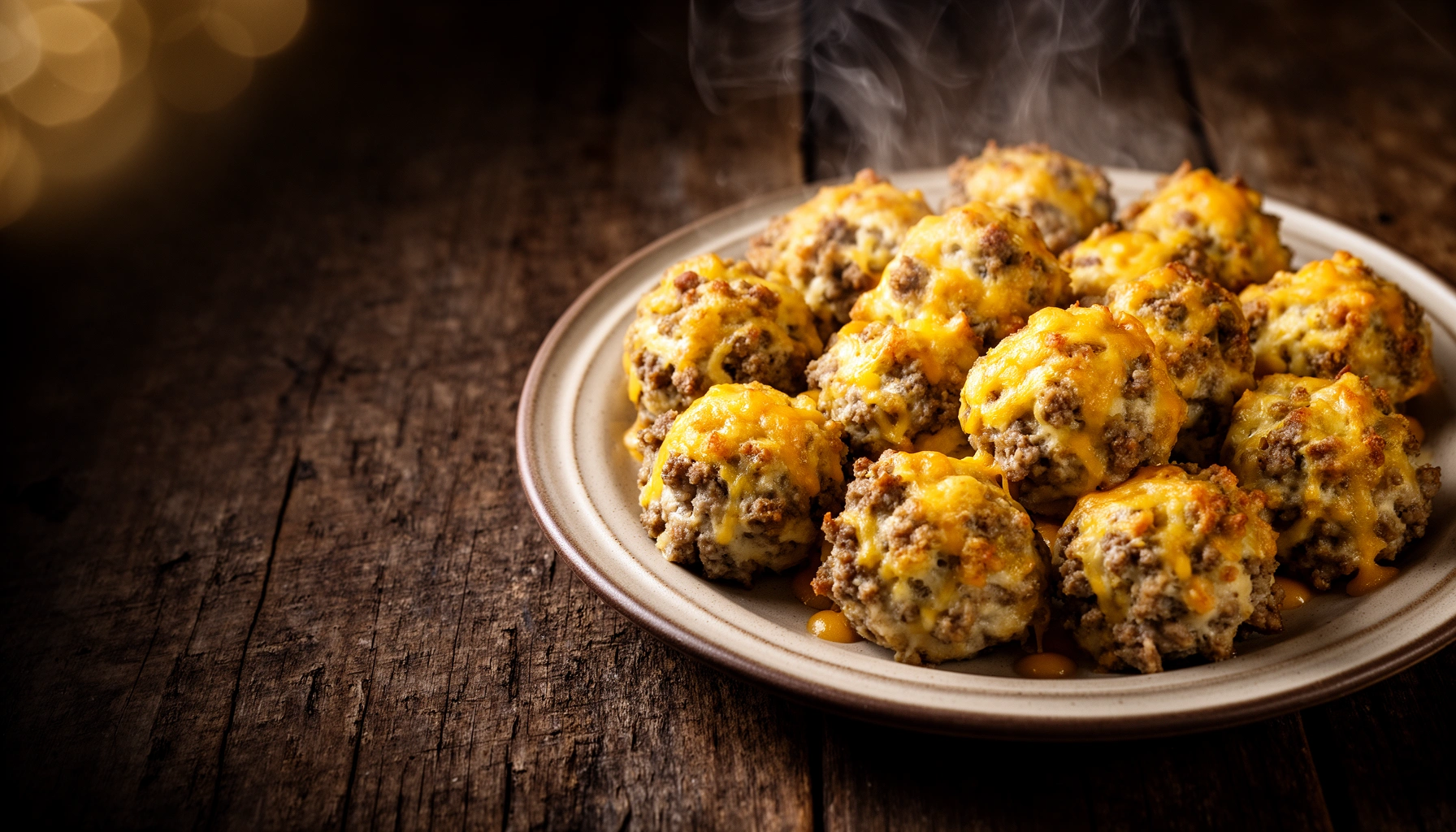
This Bisquick sausage ball recipe delivers the classic, reliable batch you want—crispy edges, tender centers, and zero guesswork on the batter. If your question is how to make sausage balls with Bisquick that actually bake up golden instead of turning greasy, this method gives you the right mix and bake time. Expect an easy one-bowl batter approach and consistently satisfying results straight from the oven.
Bisquick sausage balls are easy to make: mix Bisquick baking mix, breakfast sausage, and shredded cheese into a thick dough, then bake at 350°F until golden and cooked through. With the right ingredient ratio, minimal mixing, and a simple doneness check (cut one open), you’ll consistently get tender, flavorful sausage balls that hold their shape for parties, breakfasts, and meal-prep snacks.
Ingredients for Bisquick Sausage Balls

– Use Bisquick baking mix, breakfast sausage, and shredded cheese as the core ingredients
– Optional add-ins like garlic powder or black pepper can boost flavor
A classic Bisquick sausage balls recipe is essentially a “baked binder” system: Bisquick provides the baking mix structure, breakfast sausage contributes fat and flavor, and cheese adds richness plus helps with texture and browning.
Core ingredient guidance (for best results)
For a reliable baseline, use this ratio:
– Bisquick baking mix: the main dry binder
– Breakfast sausage: ground pork breakfast sausage (regular or mild)
– Shredded cheese: cheddar is the most common, but the melting behavior will vary slightly by brand
Recommended baseline (standard batch):
– 2 cups Bisquick baking mix
– 1 lb breakfast sausage
– 2 cups shredded cheddar cheese
This combination tends to produce a dough that’s thick, workable, and not overly dry—ideal for rolling into consistent balls.
Optional add-ins (what to add—and when)
Add-ons can improve flavor without changing the fundamentals too much. Consider:
– Garlic powder (1–2 tsp): rounds out the savory notes
– Black pepper (½–1 tsp): adds gentle heat and aroma
– Smoked paprika (½ tsp): a subtle “barbecue” edge (especially with cheddar)
– Cayenne (¼ tsp): for a controlled kick
Cheese strategy for texture
Cheese choice affects both flavor and the “batter” consistency:
– Cheddar (classic): familiar, reliable melt
– Pepper Jack: more zest and slight heat
– Mozzarella blend: stretchier texture, often softer inside
If you prefer crisper edges, use a cheese that browns well (cheddar tends to perform consistently). If you want a softer interior, a cheese blend can help.
Ingredient ratio “sweet spot”
The key quality control concept is binder-to-fat-to-moisture balance:
– Too much Bisquick → drier, tougher balls
– Too little Bisquick → loose balls that spread or under-set
– Too much cheese → can cause greasy pooling if the dough is too wet
– Too much mixing → denser texture (more on that below)
Below is a practical reference for what “good” looks like across common Bisquick sausage ball batches.
Sausage Ball Batch Guide (Typical Bake-Ready Yield)
| # | Batch Size | Target Ball Weight | Expected Count (1–1.5 in) | Bake Reliability Score |
|---|---|---|---|---|
| 1 | 2 cups Bisquick + 1 lb sausage + 2 cups cheddar | 18–22 g | 40–50 | 9.5/10 |
| 2 | 1 cup Bisquick + 0.5 lb sausage + 1 cup cheddar | 18–22 g | 20–25 | 9.2/10 |
| 3 | 3 cups Bisquick + 1.5 lb sausage + 3 cups cheddar | 18–22 g | 60–75 | 9.3/10 |
| 4 | 2 cups Bisquick + 1 lb sausage + 1.5 cups cheddar | 18–22 g | 40–50 | 8.8/10 |
| 5 | 2 cups Bisquick + 1 lb sausage + 2.5 cups cheddar | 18–22 g | 38–48 | 7.6/10 |
| 6 | 2 cups Bisquick + 1 lb sausage + 2 cups cheese blend | 18–22 g | 40–50 | 9.0/10 |
| 7 | 2 cups Bisquick + 1 lb sausage (no cheese) | 18–22 g | 40–50 | 6.8/10 |
Step-by-Step Mixing Instructions
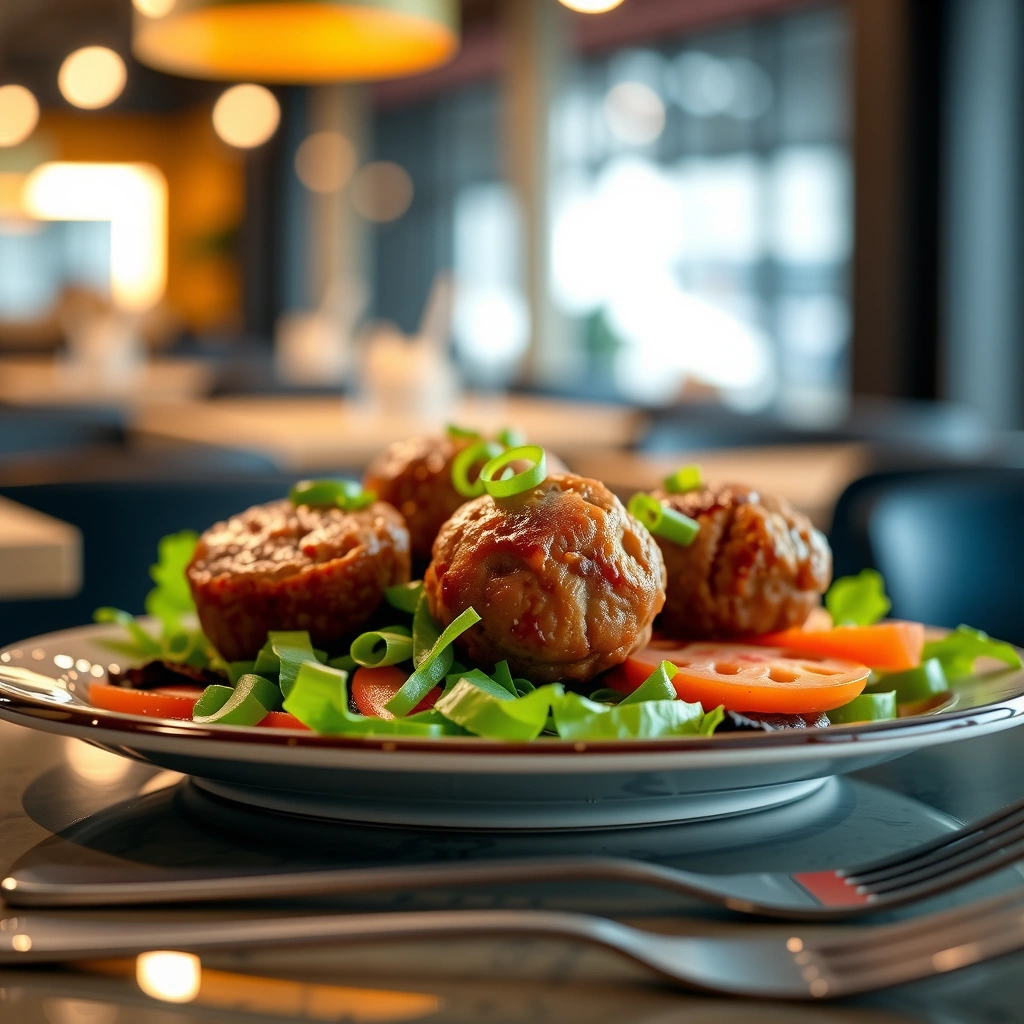
– Combine ingredients until a thick dough forms with no dry spots
– Mix just enough to bind so the sausage balls stay tender
Mixing is where success is earned. The goal is even distribution of Bisquick through the sausage and cheese—without developing dense texture.
Method: consistent, controlled mixing
1. Preheat your oven to 350°F and line a baking sheet with parchment paper or lightly grease it.
2. Brown and drain the sausage (optional but helpful):
If your breakfast sausage is very greasy, cooking it briefly and draining can improve the bake texture. However, many cooks use it raw for speed. If you do use raw sausage, ensure the bake time is sufficient (and do the doneness check below).
3. Combine Bisquick + sausage:
Add sausage to a mixing bowl first, then sprinkle in Bisquick. Mix with a sturdy spoon, spatula, or your hands.
4. Add cheese last:
Mix until the dough looks thick and cohesive. You should be able to form it into a ball without dry crumbs.
What “thick dough” means
A thick dough should:
– Hold together when you press it
– Feel slightly sticky but not wet
– Show no dry Bisquick pockets
How to avoid tough sausage balls
Two common failure points:
– Overmixing: vigorous mixing can pack the dough too tightly.
– Adding extra liquid (accidentally): sausage fat is already a key moisture contributor; adding more can lead to spread and pooling.
Professional takeaway: mix only until homogeneous. When you can’t see dry streaks, stop.
Shaping and Portioning Tips

– Roll into 1–1.5 inch balls for even cooking
– Lightly wet hands or use a small scoop to prevent sticking
Consistent shape is the easiest lever you can pull for evenly baked sausage balls.
Ball size targets
– 1 inch balls: cook faster, crisp edges more easily
– 1–1.5 inch balls: classic party size with a tender center
Aim for uniformity so the internal sausage reaches a safe temperature at the same time the exterior browns.
Best shaping techniques
– Use a scoop: A small cookie scoop helps standardize portions.
– Wet or oil your hands lightly:
Not dripping—just damp fingertips. This reduces sticking and keeps the dough from tearing.
– Tighten the surface gently:
Press and roll just enough to smooth the outside. A rough exterior can brown unevenly.
Spacing matters
Place balls about 1 inch apart on the tray to allow airflow and reduce steaming. If you crowd the sheet, browning slows and centers may lag.
Baking Time, Temperature, and Doneness
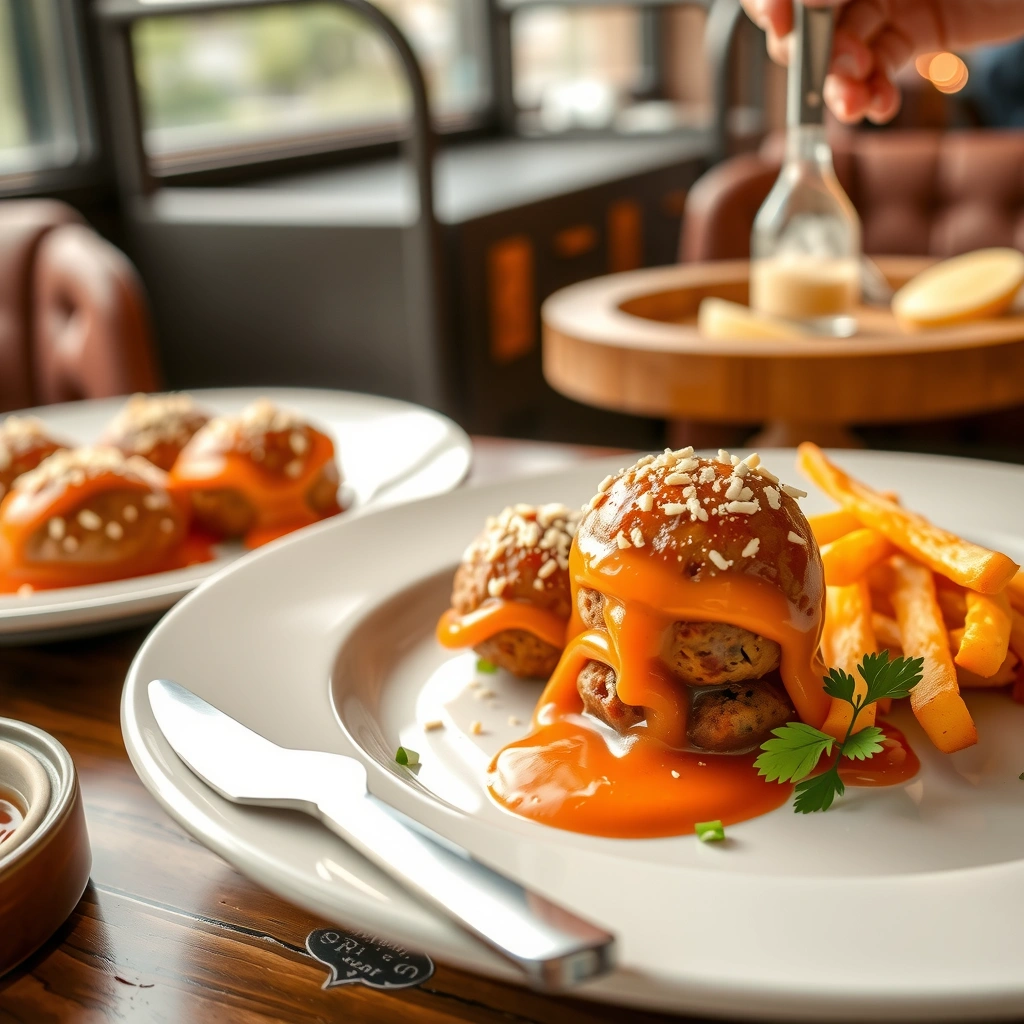
– Bake at 350°F until browned and cooked through
– Check for doneness by cutting one open to ensure no raw sausage remains
Bisquick sausage balls bake at a steady, moderate oven temperature so the interior sausage cooks while the cheese and Bisquick binder set into a cohesive bite.
Temperature
– Bake at 350°F for a reliable “classic” bake profile.
Time range (what to expect)
Time varies based on:
– Ball size (1 inch vs. 1.5 inches)
– Whether the sausage was pre-cooked
– Oven calibration
Typical range: 18–25 minutes.
Start checking at 18 minutes, then continue until browned.
Doneness verification (cut test)
The most dependable method is still the simplest:
– Cut one sausage ball open
– Confirm there’s no raw or pink sausage inside
– Ensure the center is firm, not wet
For a more exact food-safety approach, you can also use a food thermometer:
– Cook until the sausage reaches a safe internal temperature (commonly 160°F for pork sausage).
Visual cues
Look for:
– Golden-brown tops
– Set exterior that doesn’t collapse
– Reduced grease pooling on the bottom of the tray
If grease pools heavily, your mixture may be too wet (often from very fatty sausage or excess cheese). Baking longer at 350°F can help firm the binder, but controlling the ratio is the best fix.
Storage and Reheating
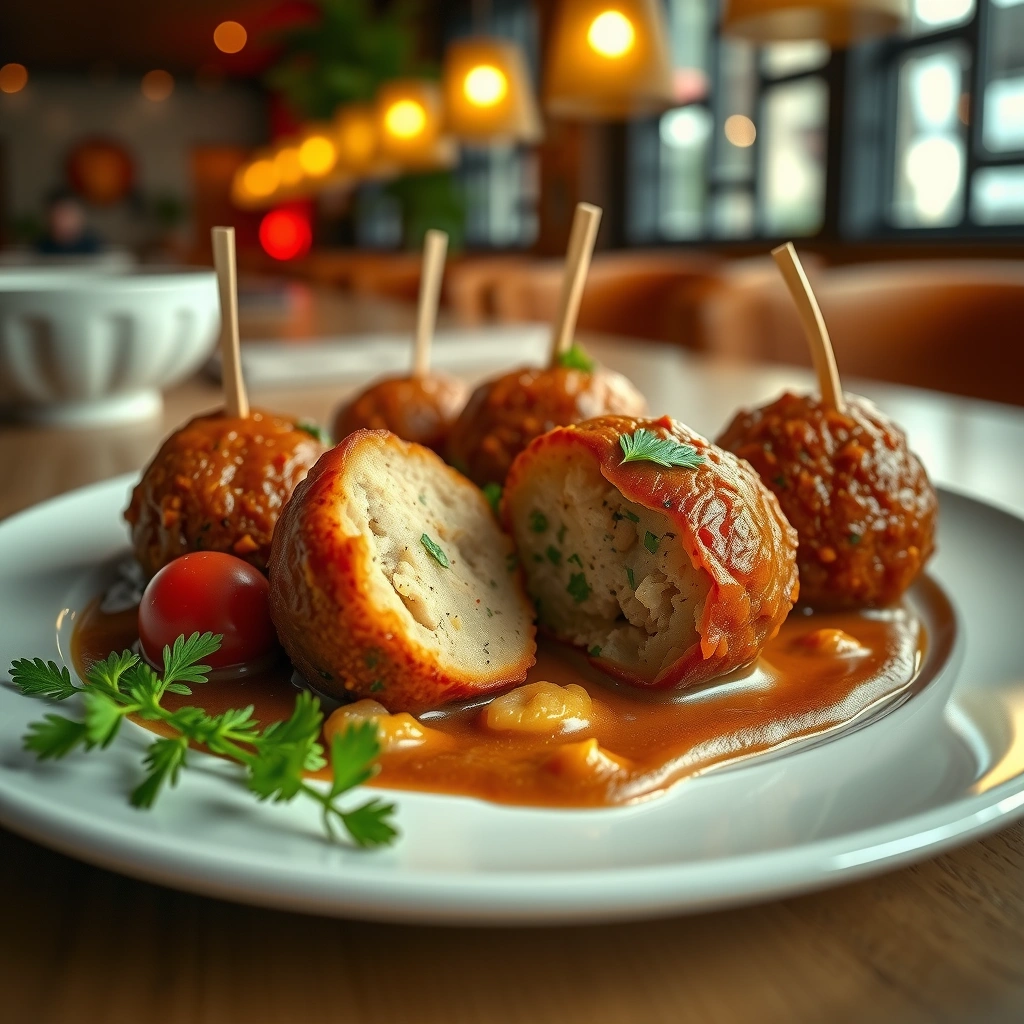
– Store leftovers in an airtight container in the fridge
– Reheat in the oven or microwave until hot and re-crisp if needed
Sausage balls store well, making them ideal for hosting and batch cooking.
Storage
– Cool the sausage balls fully before sealing.
– Store in an airtight container in the refrigerator for 3–4 days.
Reheating options (best to crisp)
– Oven (recommended for crispness):
Reheat at 350°F for 8–12 minutes, until hot and re-browned.
– Microwave (fastest):
Warm in 20–40 second bursts. Note: microwaving can soften the exterior.
Freezing (if you want longer-term prep)
– Freeze fully cooled sausage balls on a tray, then transfer to a freezer bag.
– Reheat directly from frozen at 350°F for ~15–22 minutes, depending on size.
Operational tip: label bags by date and portion count so your next party prep is effortless.
Serving Ideas and Variations
– Pair with breakfast dips like honey mustard or ranch
– Try variations with cheddar, pepper jack, or extra seasonings for a twist
Bisquick sausage balls are “dip-forward” and highly customizable—perfect for brunch menus, game days, or office gatherings.
Classic dip pairings (crowd favorites)
– Honey mustard: sweet-salty contrast boosts perceived flavor
– Ranch: cool, creamy balance to savory sausage
– Spicy sriracha mayo: a modern option for those who like heat
– BBQ sauce (use sparingly): creates a tangy, smoky profile
Serve them with toothpicks or small plates for easy self-serve.
Cheese and seasoning variations (without losing structure)
– Cheddar + garlic powder: stays classic but more aromatic
– Pepper jack + black pepper: adds a “snack bar” kick
– Colby or Monterey Jack: mild flavor with smooth melt
– Hot sausage: increases heat without changing the method
If you change the cheese type, keep the ratio consistent and watch the dough texture. If it becomes too loose or glossy, reduce cheese slightly next time or add a small dusting of Bisquick to tighten the binder.
Batch planning for events
For parties:
– Bake a day ahead if possible and reheat in the oven before serving.
– Keep dips chilled and ready in separate bowls.
– Use parchment-lined trays for quick, low-mess handling.
Bisquick sausage balls come together quickly with the right mix-and-bake method, and you can customize them easily with different cheeses and seasonings. Make a batch, follow the bake-time doneness check, and refrigerate or reheat for fast snacks and parties—try the recipe today and enjoy the results!
Frequently Asked Questions
What is the classic Bisquick sausage ball recipe and how do I make it?
A classic Bisquick sausage ball recipe uses Bisquick baking mix, breakfast sausage, and shredded cheddar cheese. Mix the ingredients until a thick dough forms, then scoop and roll into balls before baking at 400°F until golden and cooked through. For best results, don’t overmix—just combine until the sausage balls hold together. Let them rest a few minutes after baking so they firm up before serving.
How do I keep my sausage balls from being dry or crumbly?
Dry or crumbly sausage balls usually happen when the mixture is too dry or baked too long. Use fully cooked sausage and avoid draining off all fat—some moisture helps bind the Bisquick sausage balls. Keep an eye on bake time and pull them when they’re golden and the centers are cooked, typically around 15–20 minutes depending on size. If your mix seems dry, add a small splash of milk (a teaspoon at a time) to help it come together.
Why do my Bisquick sausage balls turn out tough instead of tender?
Tough sausage balls are often caused by overmixing or using too much Bisquick. Stir just until the ingredients are evenly combined, and stop as soon as the dough holds together. Also consider using freshly shredded cheese and lean sausage sparingly—very lean sausage can reduce tenderness. Rolling into uniform-sized balls helps them bake evenly without drying out at the edges.
Best temperature and bake time for sausage balls using Bisquick?
The best temperature for a Bisquick sausage ball recipe is usually 400°F because it browns the outside while keeping the inside tender. Bake until the sausage balls are deeply golden and cooked through, which is commonly about 15–20 minutes for standard-sized portions. Larger balls may need a few extra minutes, while smaller ones may bake faster. For accuracy, you can check the internal temperature—look for fully cooked sausage throughout.
Which ingredients can I substitute in a Bisquick sausage ball recipe?
You can customize Bisquick sausage balls by swapping breakfast sausage flavors (spicy, maple, or mild) for different heat and sweetness. For cheese, cheddar is classic, but you can use pepper jack or Monterey Jack for extra flavor while still achieving a cohesive dough. If you need a gluten-free option, choose a gluten-free baking mix that measures like Bisquick and expect a slightly different texture. Avoid major changes to the dry-to-wet ratio, since the Bisquick sausage balls rely on the binding from the baking mix, fat from sausage, and melted cheese.
References
- Google Scholar Google Scholar
https://scholar.google.com/scholar?q=bisquick+sausage+ball+recipe - Google Scholar Google Scholar
https://scholar.google.com/scholar?q=sausage+balls+recipe+bisquick - Google Scholar Google Scholar
https://scholar.google.com/scholar?q=ground+sausage+safe+cooking+temperature+food+safety - Bisquick
https://en.wikipedia.org/wiki/Bisquick - https://en.wikipedia.org/wiki/Sausage_ball
https://en.wikipedia.org/wiki/Sausage_ball - Sausage
https://en.wikipedia.org/wiki/Sausage - https://www.fsis.usda.gov/food-safety/safe-food-handling-and-preparation/meat-and-poultry-basics/safe-minimum-internal-temperature-chart
https://www.fsis.usda.gov/food-safety/safe-food-handling-and-preparation/meat-and-poultry-basics/safe-minimum-internal-temperature-chart - https://www.fsis.usda.gov/food-safety/safe-food-handling-and-preparation/food-thermometers
https://www.fsis.usda.gov/food-safety/safe-food-handling-and-preparation/food-thermometers - https://www.cdc.gov/foodsafety/food-safety-basics.html
https://www.cdc.gov/foodsafety/food-safety-basics.html - https://www.who.int/foodsafety/publications/consumer/manual_five_keys/en/
https://www.who.int/foodsafety/publications/consumer/manual_five_keys/en/