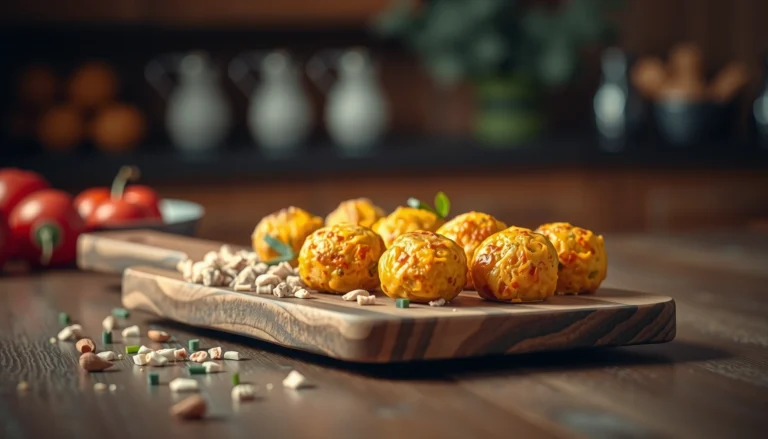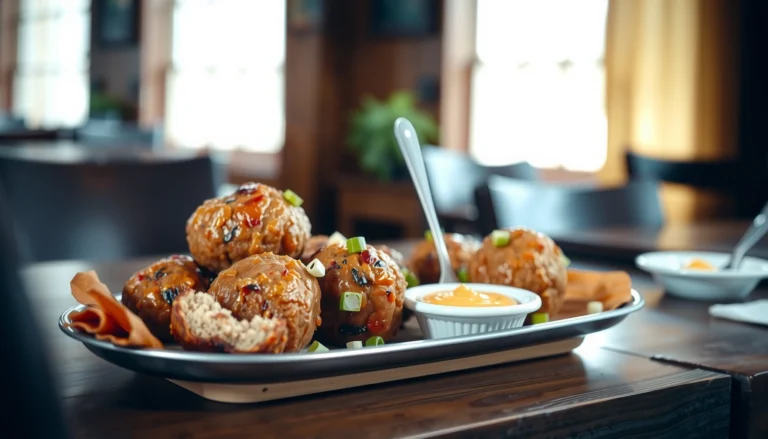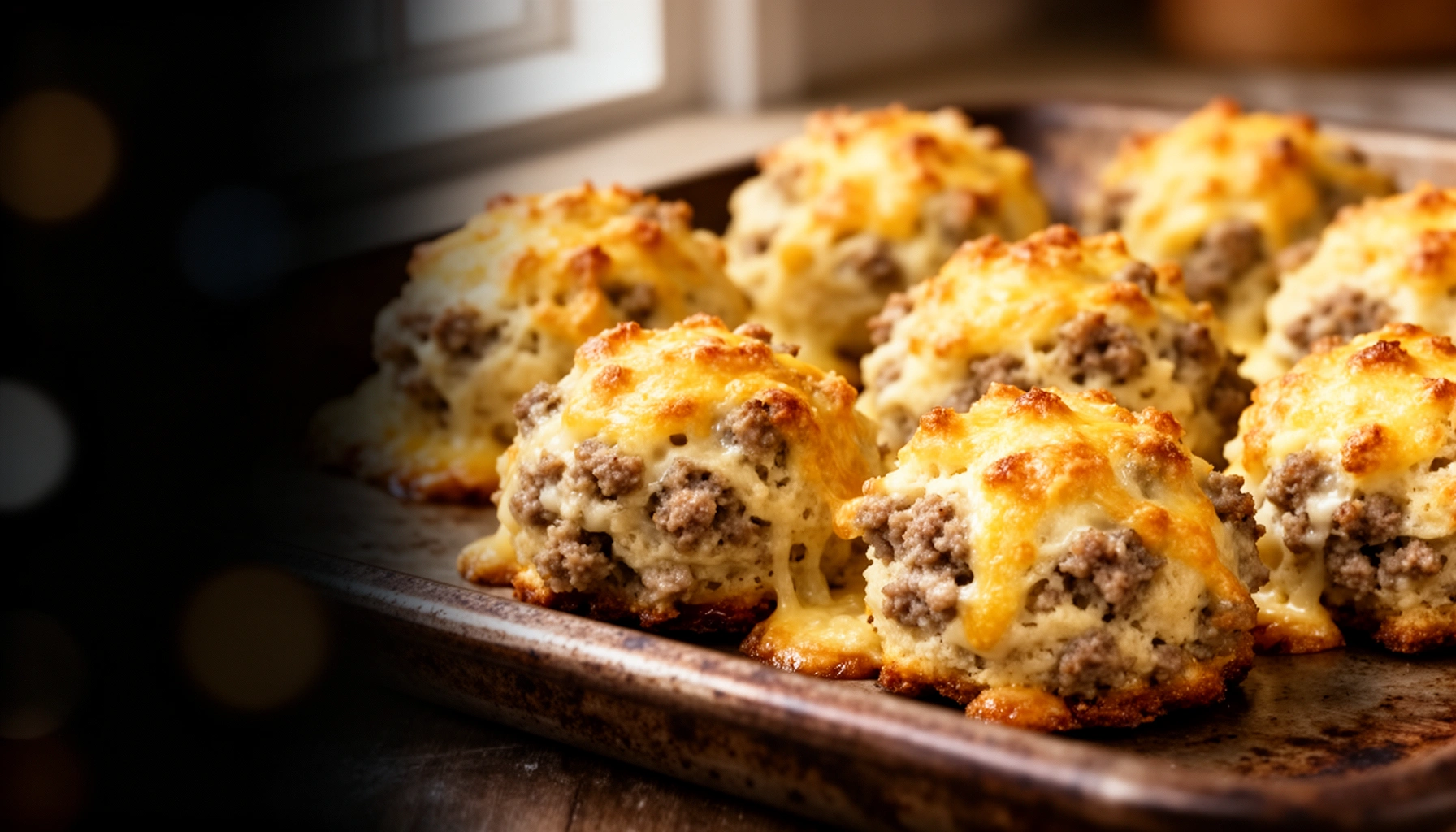
This sausage balls recipe is the easy, cheesy homemade version worth making when you want a reliable crowd-pleaser with minimal prep. It answers the real question: which recipe gives you the best balance of flavor, texture, and simplicity without extra fuss. If you want a savory bite that comes together fast and bakes up golden every time, this is the one to use.
Sausage balls are an easy, cheesy, crowd-pleasing bite you can make in under an hour with just a few pantry staples. If you want tender, flavorful sausage balls that hold together well and taste great warm or reheated, the key is balancing sausage, cheese, and baking mix without overworking the dough.
Ingredients for Sausage Balls

At the core of every good sausage balls recipe are three ingredients: sausage, cheese, and a baking mix. That simple combination creates a savory dough that bakes into bite-sized appetizers with a crisp exterior and a soft, rich center. The quality of each ingredient matters, though, because the sausage provides the main flavor, the cheese adds moisture and richness, and the baking mix gives the structure needed to hold everything together.
For the sausage, choose a ground pork breakfast sausage for the most classic result. Mild sausage gives a balanced flavor, while hot sausage adds a noticeable kick. If you prefer a more seasoned profile, Italian-style sausage can work too, though it will shift the flavor away from the traditional breakfast-style version.
Cheddar is the standard cheese for sausage balls because it melts well and brings sharp, familiar flavor. Freshly shredded cheese tends to work better than pre-shredded cheese because it blends more smoothly into the mixture and usually contains less anti-caking agent. Baking mix, such as a biscuit mix, is the binding ingredient that helps the sausage balls hold their shape while staying tender instead of dense.
Here’s a quick overview of common ingredient choices and how they affect the final result:
Common Sausage Balls Ingredient Choices and Their Effects
| # | Ingredient Choice | Flavor Impact | Texture Impact | Best Use |
|---|---|---|---|---|
| 1 | Mild breakfast sausage | Classic, savory | Tender and balanced | Family breakfasts |
| 2 | Hot breakfast sausage | Spicy, bold | Same base texture | Brunch spreads |
| 3 | Sharp cheddar | Rich, tangy | Moist and melty | Most standard recipes |
| 4 | Colby Jack | Milder, creamy | Very soft | Kid-friendly batches |
| 5 | Reduced baking mix | Neutral | Softer, more delicate | Extra-tender sausage balls |
| 6 | Extra baking mix | Neutral | Firmer, drier | Make-ahead trays |
| 7 | Parmesan blend | Savory, salty | Slightly tighter crumb | Flavor-forward appetizers |
Optional seasonings can fine-tune the recipe without complicating it. Garlic powder deepens the savory notes, paprika adds warmth and color, and cayenne provides heat if you want a more assertive appetizer. A small amount of black pepper can also sharpen the flavor and keep the sausage balls from tasting flat. If your sausage is already heavily seasoned, keep the add-ins minimal so the flavor stays balanced.
Ingredient quality also affects the final texture. If your sausage is very lean, the mixture may feel dry, so a little extra cheese can help. If your sausage is particularly fatty, you may need a touch more baking mix to help the balls hold together. The goal is a dough that is moist enough to shape but firm enough to stay in a ball.
How to Make Sausage Balls

The process for making sausage balls is straightforward, which is one reason this recipe remains so popular. Begin by combining the sausage, shredded cheese, and baking mix in a large bowl. Mix until the ingredients are evenly distributed, but stop once the dough comes together. Overmixing can make the sausage balls dense and tough.
If the mixture feels too dry, add a small splash of milk or a bit more cheese, depending on the texture you want. If it feels too sticky, add a spoonful or two of baking mix until it becomes easier to handle. The finished dough should be moist but not wet.
Once mixed, shape the dough into evenly sized balls, usually about 1 to 1 1/2 inches across. Uniform size matters because it helps the sausage balls bake at the same rate. Place them on a parchment-lined baking sheet with a little space between each one so hot air can circulate around them.
Bake in a preheated oven until the sausage balls are golden brown and fully cooked through. The outside should look lightly crisp, while the inside should stay tender and cheesy. If you want to confirm doneness, check that the sausage reaches a safe internal temperature and that there is no raw pink color in the center.
For best results, allow them to cool for a few minutes before serving. That short rest helps the cheese settle slightly so the sausage balls are easier to pick up and less likely to fall apart.
Tips for the Best Texture
Texture is one of the biggest differences between average sausage balls and excellent ones. If you want a soft, tender bite, start with ingredients that are close to room temperature. Sausage and cheese that are too cold can be harder to blend evenly, which may leave dry pockets of baking mix in the finished dough.
Avoid overmixing the ingredients. Once the mixture looks uniform, stop. Excessive mixing can develop a tougher texture and make the sausage balls feel dense rather than light. A gentle hand is especially important if you are working with a leaner sausage or a drier baking mix.
The ratio of baking mix to cheese also affects the final result. More cheese usually creates a richer, softer texture, while more baking mix creates a firmer, more structured bite. If you prefer sausage balls that are slightly fluffy and tender, lean toward the softer end of the ratio. If you want them to hold up well on a buffet table or in a lunch container, use a little more baking mix.
Another useful technique is to test-bake one or two sausage balls before baking the whole batch, especially if you are adjusting the recipe. That small test helps you judge whether the dough is too dry, too loose, or seasoned properly before committing the entire tray.
Flavor Variations
One of the strengths of this sausage balls recipe is how easy it is to customize. Garlic powder and paprika create a deeper savory flavor, while cayenne adds heat without changing the structure of the recipe. If you want a more herb-forward profile, a little dried thyme or parsley can work well, especially for brunch service.
Cheese choice makes a major difference too. Sharp cheddar produces a bold, classic result. Pepper jack adds heat and a smoother melt. Colby Jack gives a milder, creamier flavor that works well for guests who prefer a less intense bite. You can even combine cheeses for a more layered taste.
Sausage selection is another simple way to adapt the recipe. Mild sausage creates the most versatile version, while spicy sausage adds energy and pairs well with sweet dips. Breakfast sausage gives the most traditional flavor, but maple breakfast sausage can also be interesting if you are serving them with brunch foods. For a party setting, it can be smart to make two batches: one mild and one spicy so guests have options.
If you want a more distinctive version, consider adding finely chopped jalapeños, green onions, or a small amount of crushed red pepper. These additions can make the sausage balls feel more tailored without changing the easy preparation method.
Serving Suggestions
Sausage balls are best served warm, when the cheese is soft and the savory flavor is most noticeable. They work especially well with dipping sauces such as honey mustard, ranch, spicy aioli, or a simple pepper jelly. A sweet-and-savory pairing is particularly effective if you want a more polished appetizer presentation.
For breakfast or brunch, pair them with scrambled eggs, fresh fruit, hash browns, or a casserole. Their rich flavor complements lighter sides, so they can anchor a meal without making it feel heavy. If you are serving them as part of a buffet, place them near a slow cooker or warming tray so they stay at an appealing temperature.
As appetizers, sausage balls are an efficient choice because they can be made ahead, served in large batches, and eaten without utensils. They are also practical for game day spreads, holiday gatherings, office breakfasts, and informal parties. Because they are portable and filling, they hold up well in settings where guests may be moving around or serving themselves.
You can even use them as a snack or lunchbox addition. Their compact size makes portioning easy, and they pair well with fruit, vegetables, or crackers for a more balanced plate.
Storage and Reheating
Leftover sausage balls store well, which makes them especially convenient for meal prep and entertaining. Once they have cooled completely, place them in an airtight container and refrigerate them for several days. If you want to keep them longer, freeze them in a single layer first, then transfer them to a freezer-safe bag or container.
Reheating is simple, but method matters if you want to preserve texture. The oven is the best option for keeping the outside lightly crisp. An air fryer also works well because it restores a browned exterior quickly. The microwave is the fastest choice, though it can soften the texture and make them less crisp.
To prevent drying out during reheating, use low to moderate heat and avoid overcooking. If reheating a larger batch in the oven, cover them loosely with foil at first, then uncover briefly to refresh the outside. For frozen sausage balls, allow them to thaw slightly if possible before reheating, which helps them warm more evenly.
If you plan to make them ahead for a party, you can bake them a day in advance, refrigerate them, and reheat just before serving. That approach saves time and still delivers good flavor and texture.
Sausage balls are easy to make, versatile, and always a crowd-pleaser. With a few simple ingredients and a little attention to mixing, sizing, and baking, you can make a batch that works for breakfast, entertaining, or everyday snacking. Try the recipe, adjust the seasoning to suit your taste, and keep it on hand as a dependable favorite for any occasion.
Frequently Asked Questions
What ingredients do you need for a classic sausage balls recipe?
A classic sausage balls recipe usually calls for breakfast sausage, shredded cheddar cheese, and baking mix like Bisquick. Some versions also add milk, cream cheese, or seasonings such as garlic powder and pepper for extra flavor. These simple sausage ball ingredients create a savory, cheesy appetizer that is easy to mix and bake.
How do you keep sausage balls from turning out dry?
To keep sausage balls moist, use the right ratio of sausage, cheese, and baking mix, and avoid adding too much dry mix. Room-temperature sausage and freshly shredded cheese also help the mixture combine more evenly and prevent a crumbly texture. If your sausage balls recipe still seems dry, a tablespoon or two of milk can improve moisture without making the dough sticky.
Why are my sausage balls falling apart?
Sausage balls often fall apart when there is not enough binder, too much baking mix, or the mixture was not mixed thoroughly. Make sure the sausage and cheese are evenly distributed so the sausage balls recipe holds together before baking. Chilling the dough for 15 to 20 minutes can also help the sausage balls keep their shape in the oven.
What is the best cheese to use in sausage balls?
Sharp cheddar cheese is the best cheese for a sausage balls recipe because it adds bold flavor and melts well. You can also use mild cheddar, Colby Jack, or a cheese blend if you want a softer taste. For the best texture, shred the cheese yourself instead of using pre-shredded cheese, which can affect how well the sausage balls bind.
Which sausage balls recipe is best for making ahead or freezing?
The best sausage balls recipe for make-ahead prep is one that freezes well before or after baking. You can shape the uncooked sausage balls and freeze them on a tray, then transfer them to a bag for easy baking later, or freeze fully baked sausage balls and reheat them when needed. This makes sausage balls a convenient appetizer for holidays, parties, and meal prep.
References
- https://en.wikipedia.org/wiki/Sausage_ball
https://en.wikipedia.org/wiki/Sausage_ball - Google Scholar Google Scholar
https://scholar.google.com/scholar?q=sausage+balls+recipe - Google Scholar Google Scholar
https://scholar.google.com/scholar?q=sausage+balls+bisquick+recipe - Google Scholar Google Scholar
https://scholar.google.com/scholar?q=sausage+ball+recipe+food+safety - https://www.fsis.usda.gov/food-safety/safe-food-handling-and-preparation/meat/ground-sausage
https://www.fsis.usda.gov/food-safety/safe-food-handling-and-preparation/meat/ground-sausage - https://www.fsis.usda.gov/food-safety/safe-food-handling-and-preparation/safe-minimum-internal-temperature-chart
https://www.fsis.usda.gov/food-safety/safe-food-handling-and-preparation/safe-minimum-internal-temperature-chart - https://www.myplate.gov/eat-healthy/protein-foods
https://www.myplate.gov/eat-healthy/protein-foods - https://www.extension.purdue.edu/extmedia/FS/FS-45-W.pdf
https://www.extension.purdue.edu/extmedia/FS/FS-45-W.pdf - Sausage | Description, Types, & Ingredients | Britannica
https://www.britannica.com/topic/sausage - Food Safety | Food Safety | CDC
https://www.cdc.gov/food-safety/index.html