
Adding protein powder to your coffee recipe can enhance your morning routine and boost your nutritional intake, but it must be done safely and effectively. This expert guide provides precise steps for incorporating protein powder into your coffee, ensuring you avoid clumping and maximize flavor. Following these protocols is crucial for achieving a delicious and healthful beverage that supports your wellness goals.
What This Guide Covers (And What It Doesn’t)
This guide offers a comprehensive approach to incorporating protein powder into coffee, emphasizing optimal ratios, suitable types of protein powders, and preparation techniques that maximize health benefits. It does not delve into general coffee brewing methods or the nutritional advantages of coffee itself; the focus is entirely on how to integrate protein powder effectively. Designed for those eager to enhance their protein intake through coffee, this guide is particularly useful for athletes, busy professionals, and health-conscious consumers. For specific dietary guidelines or medical advice—especially for those with food allergies—consulting a qualified healthcare professional is recommended.
Who Should Read This
Active individuals aged 18-50, familiar with protein supplementation, will find this guide particularly relevant as they seek to optimize their morning routines or enhance post-workout recovery. It also caters to those in search of energy sources that avoid the excessive carbohydrates and sugars found in traditional breakfast options. Beginners navigating the world of protein powders or coffee drinkers unsure of how to combine these two elements safely and effectively will benefit from the insights provided here. Additionally, individuals with specific dietary restrictions, such as vegans or those with lactose intolerance, will find tailored advice, though they may need to choose their protein types carefully.
The Step-by-Step Protocol
1. Choose Your Protein Powder: Select a protein powder that aligns with your dietary needs. Options include whey isolate (20-25g per serving), pea protein (15-20g), or collagen (10g). Ensure that your chosen powder dissolves well in liquids.
2. Brew Your Coffee: Prepare 8-12 ounces of your preferred coffee, allowing it to cool slightly to avoid denaturing the protein; aim for a temperature around 160°F (70°C).
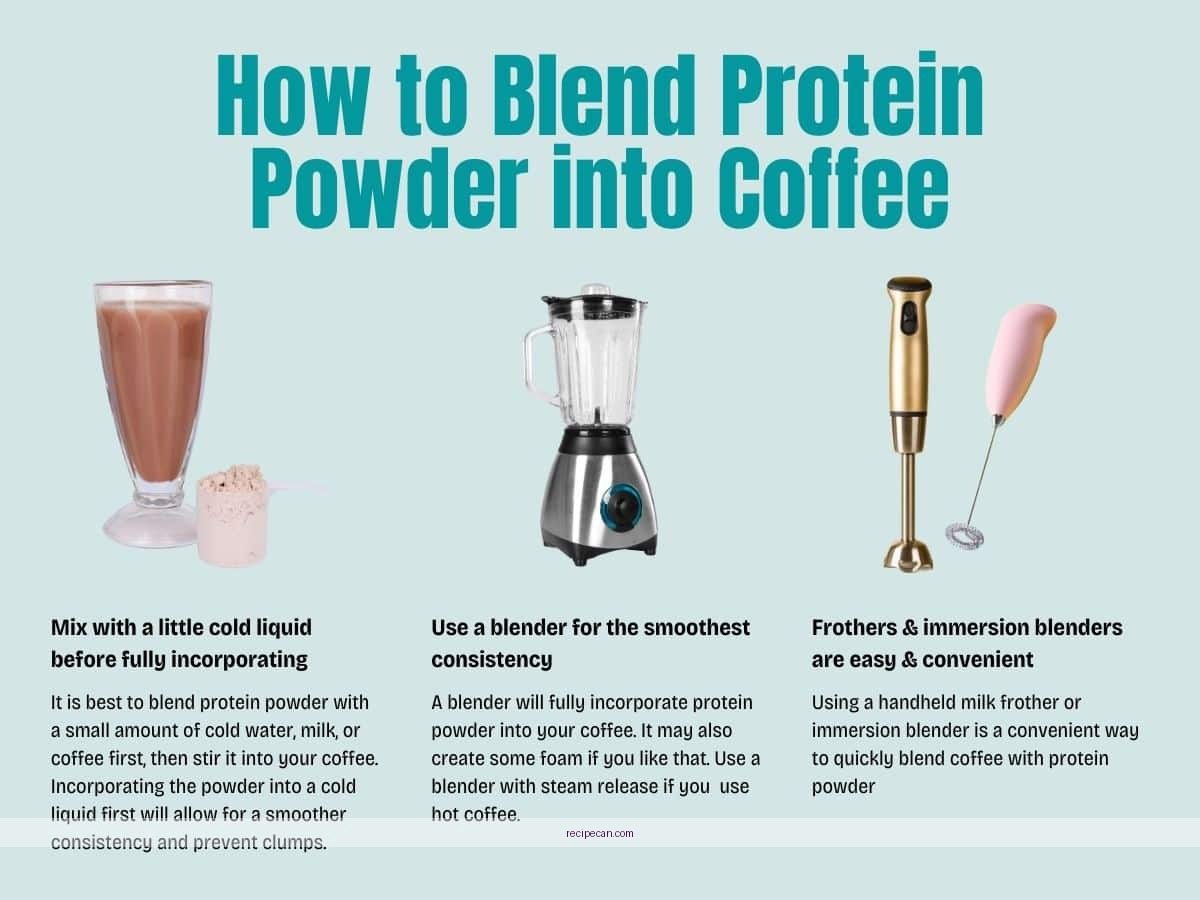
3. Mix the Protein Powder: In a separate cup, combine 1-2 scoops (based on your protein requirements) of protein powder with a small amount of warm water (2-4 ounces). This creates a slurry that prevents clumping.
4. Combine and Blend: Gradually add the protein slurry to your coffee while stirring continuously or using a handheld frother to achieve an even blend. You can also adjust sweetness or flavor with natural sweeteners or spices as desired.
Protein Powders Comparison for Coffee Integration
| # | Protein Powder | Protein per Serving | Dissolvability | Taste | Best For |
|---|---|---|---|---|---|
| 1 | Whey Isolate | 25g | Excellent | Mild | Muscle Recovery |
| 2 | Pea Protein | 20g | Good | Earthy | Vegan Diet |
| 3 | Collagen | 10g | Excellent | Neutral | Joint Health |
| 4 | Soy Protein | 20g | Good | Nutty | Muscle Gain |
| 5 | Rice Protein | 15g | Fair | Grainy | Hypoallergenic |
| 6 | Hemp Protein | 15g | Fair | Nutty | Omega-3 Source |
| 7 | Egg White Protein | 25g | Excellent | Mild | Muscle Recovery |
Warning Signs: When Not to Follow This
Certain individuals should approach protein powder incorporation with caution. Those with specific kidney issues or chronic kidney disease should steer clear of high-protein diets, as they may place undue strain on kidney function. If you are lactose intolerant and choose whey protein, ensure it is lactose-free or consider plant-based alternatives to avoid gastrointestinal discomfort. Additionally, individuals sensitive to caffeine or those with anxiety disorders should limit coffee intake and carefully monitor their responses to the combination of protein and caffeine. Pregnant or breastfeeding women should consult healthcare professionals before introducing protein powders into their routines, as protein needs can vary significantly during this time.
The Most Common Mistakes (And Their Consequences)
– Adding protein powder to boiling coffee: This can denature the protein, diminishing its effectiveness and potentially altering its taste and texture. Instead, allow your coffee to cool slightly before mixing.
– Not properly mixing the protein powder: Inadequate mixing can lead to clumping, resulting in an unpleasant mouthfeel and a less enjoyable drink. Always create a slurry before adding it to your coffee.
– Overloading on protein: Consuming more than 30 grams in one sitting may cause digestive issues, including bloating or discomfort, especially if the individual is unaccustomed to high protein intake. Stick to recommended serving sizes for optimal results.
– Using low-quality protein powders: Powders filled with fillers or excessive sweeteners can undermine health benefits and lead to unwanted side effects such as sugar crashes or allergic reactions. Always opt for high-quality, reputable brands.
Special Cases That Need a Different Approach
– Food allergies must be carefully considered when selecting protein powders; avoid common allergens like dairy, soy, or gluten, and choose hypoallergenic options like pea or rice protein.
– Athletes in heavy training may require a higher protein intake; therefore, they should adjust their ratios accordingly, potentially using 2-3 scoops of protein powder in their coffee. Consulting with a sports nutritionist for tailored advice is advisable.
– Individuals following a ketogenic diet may prefer low-carb protein powders and could benefit from adding healthy fats like MCT oil or coconut oil to their coffee for sustained energy and satiety.
– People with gastrointestinal issues should start with smaller amounts of protein powder to assess tolerance, gradually increasing as needed. Close monitoring of any adverse effects is essential.
When You Need a Professional
If you experience adverse effects such as digestive discomfort or allergic reactions after consuming protein powder in coffee, consult a healthcare provider immediately. Individuals with pre-existing health conditions, particularly metabolic disorders or kidney problems, should seek professional guidance before integrating protein powders into their diets. For those unsure about their protein needs based on activity levels or body composition goals, a registered dietitian can provide personalized recommendations. Pregnant or breastfeeding individuals considering protein supplementation should consult a healthcare professional to ensure it aligns with their nutritional requirements.
Sources and Further Reading
– “Protein Requirements and Recommendations for Athletes” – Journal of Sports Medicine.
– “The Role of Protein in the Diet” – Nutrition Reviews.
– “Best Practices for Mixing Protein Powders” – International Journal of Food Sciences.
– “Caffeine and Its Effects on Health” – American Journal of Clinical Nutrition.
By following this guide, you can safely reap the benefits of adding protein powder to your coffee while maximizing both its effectiveness and taste. Always listen to your body and consult with professionals when necessary to ensure optimal health and wellness outcomes.
Frequently Asked Questions
What are the benefits of adding protein powder to my coffee?
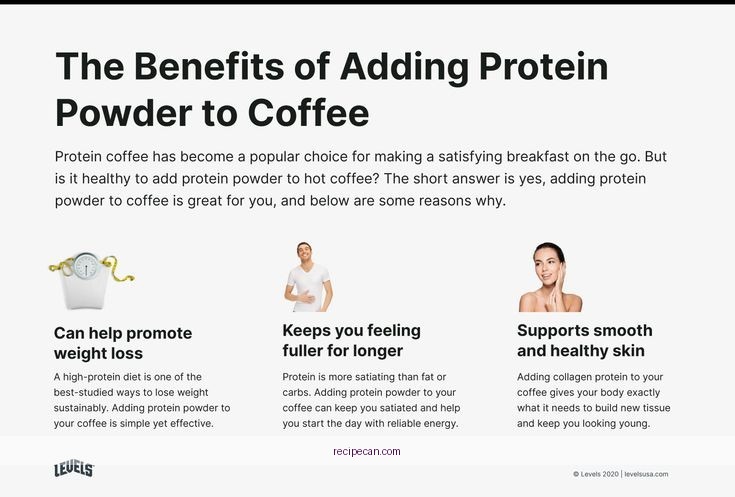
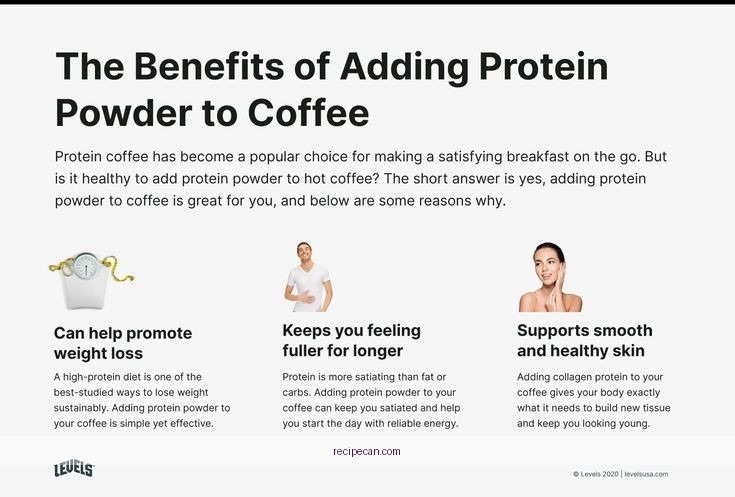
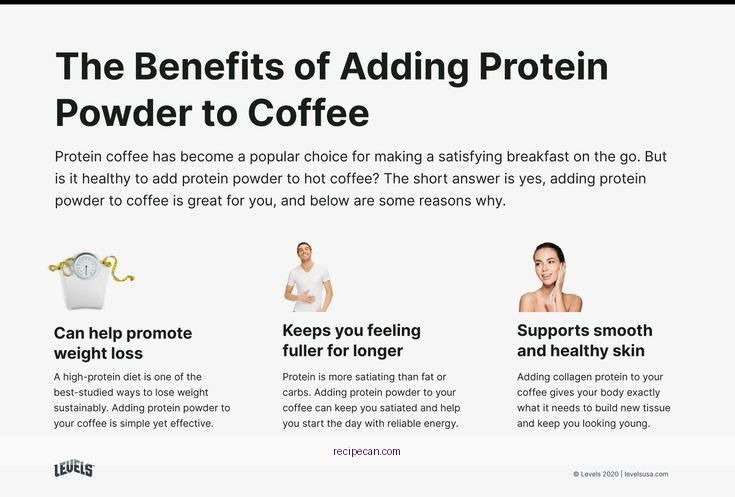
Adding protein powder to your coffee can enhance its nutritional profile by providing a convenient source of protein, which helps in muscle repair and satiety. This combination can also boost energy levels and promote weight management, making it an excellent choice for those looking to maintain or lose weight while enjoying their morning brew.
How do I make a protein powder coffee recipe?
To make a protein powder coffee, simply brew your favorite coffee and let it cool slightly. Then, mix in your desired amount of protein powder, using a blender or shaker bottle to ensure a smooth consistency. For added flavor, consider incorporating ingredients like almond milk, cocoa powder, or a sweetener of your choice.
Why does my protein powder clump in coffee and how can I prevent it?
Protein powder tends to clump in hot liquids like coffee due to the heat causing it to coagulate. To prevent clumping, try mixing the protein powder with a small amount of cold water or milk first to create a slurry, then gradually add it to your coffee. Alternatively, using a blender can help achieve a creamy, clump-free texture.
What is the best type of protein powder to use in coffee?
The best type of protein powder for coffee largely depends on your dietary preferences and taste. Whey protein is popular for its smooth texture and quick absorption, while plant-based options like pea or hemp protein are great for those looking for vegan alternatives. Choose a flavor that complements your coffee, such as vanilla or chocolate, for a delicious result.
Which protein powder coffee recipes are the most popular?
Some of the most popular protein powder coffee recipes include iced coffee protein shakes, mocha protein lattes, and vanilla protein smoothies. These recipes often combine brewed coffee with ingredients like almond milk, cocoa, or nut butter, delivering not only protein but also rich flavors that enhance your coffee experience.
References
- Checking your browser – reCAPTCHA
https://www.ncbi.nlm.nih.gov/pmc/articles/PMC6831410/ - Action learning at the Future Hospital development sites – PMC
https://www.ncbi.nlm.nih.gov/pmc/articles/PMC6465864/ - Page Not Found – Site Help – Mayo Clinic
https://www.mayoclinic.org/healthy-lifestyle/nutrition-and-healthy-eating/expert-answers/protein-powder/faq-20057873 - https://www.healthline.com/nutrition/protein-coffee
https://www.healthline.com/nutrition/protein-coffee - https://www.sciencedirect.com/science/article/pii/S2212267217302029
https://www.sciencedirect.com/science/article/pii/S2212267217302029 - Protein | Definition, Structure, & Classification | Britannica
https://www.britannica.com/science/protein - https://www.who.int/news-room/fact-sheets/detail/protein
https://www.who.int/news-room/fact-sheets/detail/protein - Google Scholar Google Scholar
https://scholar.google.com/scholar?q=protein+powder+in+coffee+recipe - Google Scholar Google Scholar
https://scholar.google.com/scholar?q=protein+coffee+health+benefits - Google Scholar Google Scholar
https://scholar.google.com/scholar?q=effects+of+protein+powder+in+coffee