Crafting good coffee drink recipes safely requires a blend of creativity and adherence to best practices. This expert guide equips baristas and home brewers with essential techniques, ingredient pairings, and safety protocols to elevate their coffee creations. By following these guidelines, you’ll not only enhance flavor but also ensure a safe and enjoyable experience for every cup.
What This Guide Covers (And What It Doesn’t)
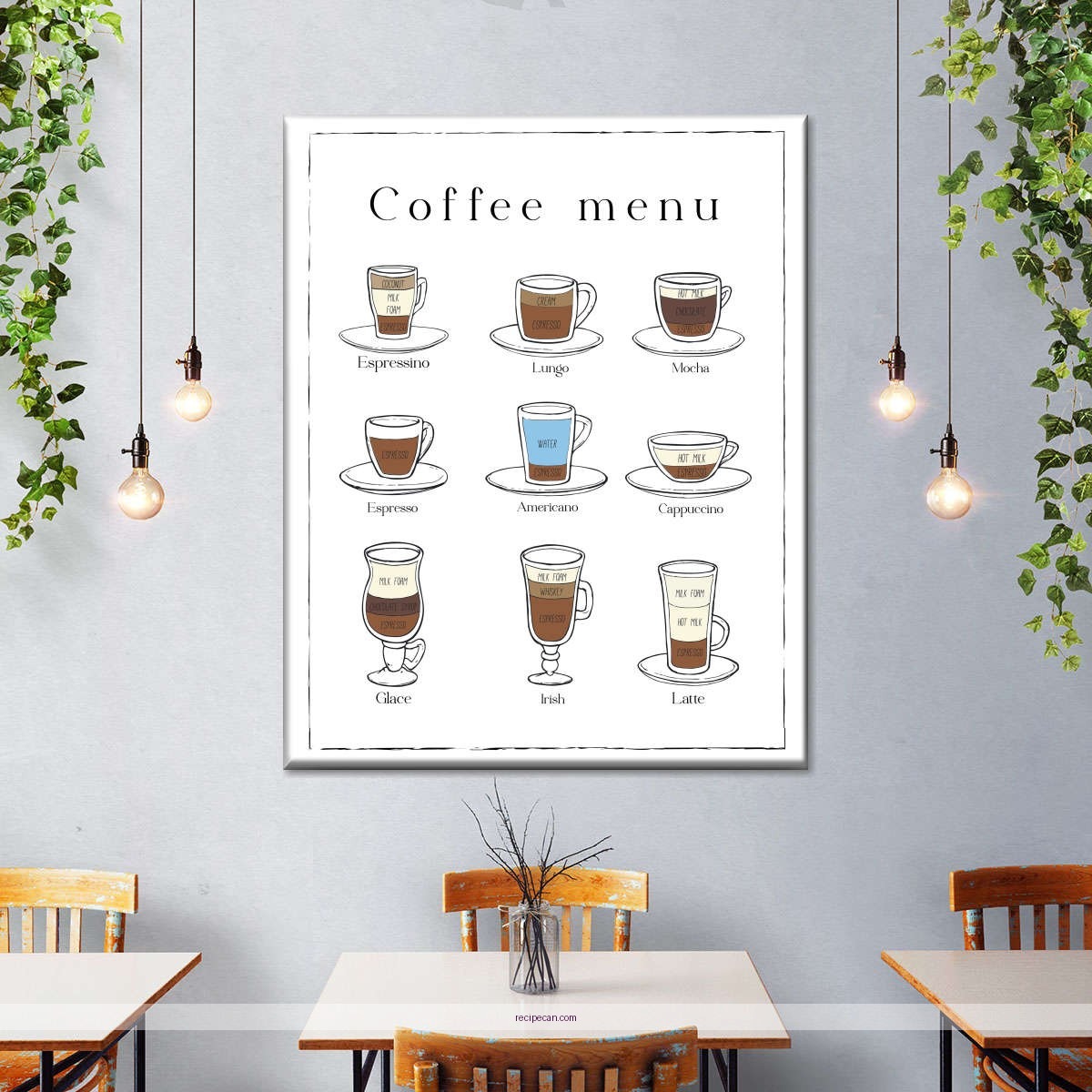
This guide provides an in-depth look at a wide array of coffee drink recipes, from beloved classics like Espresso, Cappuccino, and Mocha to innovative variations such as Cold Brew Cocktails and Vegan Coffee Smoothies. Emphasizing safe preparation methods, it highlights the importance of fresh ingredients, proper brewing techniques, and safe equipment handling to ensure a delightful coffee experience. It does not, however, explore coffee bean sourcing, roasting processes, or the intricacies of coffee farming. Instead, the focus is squarely on crafting delicious coffee drinks at home. Readers will discover a curated selection of recipes that cater to various dietary preferences, including dairy-free, sugar-free, and low-carb options, while excluding alcoholic coffee beverages.
Who Should Read This
This guide is designed for coffee enthusiasts at all levels. Beginners eager to expand their coffee repertoire will find approachable recipes, while experienced baristas can refine their drink-making skills. Those looking to entertain—whether hosting brunches or dinner parties—will appreciate the valuable tips and recipes tailored for serving guests. Home cooks committed to safe food preparation practices, aiming to create enjoyable coffee beverages without sacrificing quality, will benefit from the detailed instructions provided. However, if you’re seeking advanced techniques like latte art or espresso machine maintenance, this guide may not fully meet your needs, as it primarily concentrates on recipe creation.
The Step-by-Step Protocol
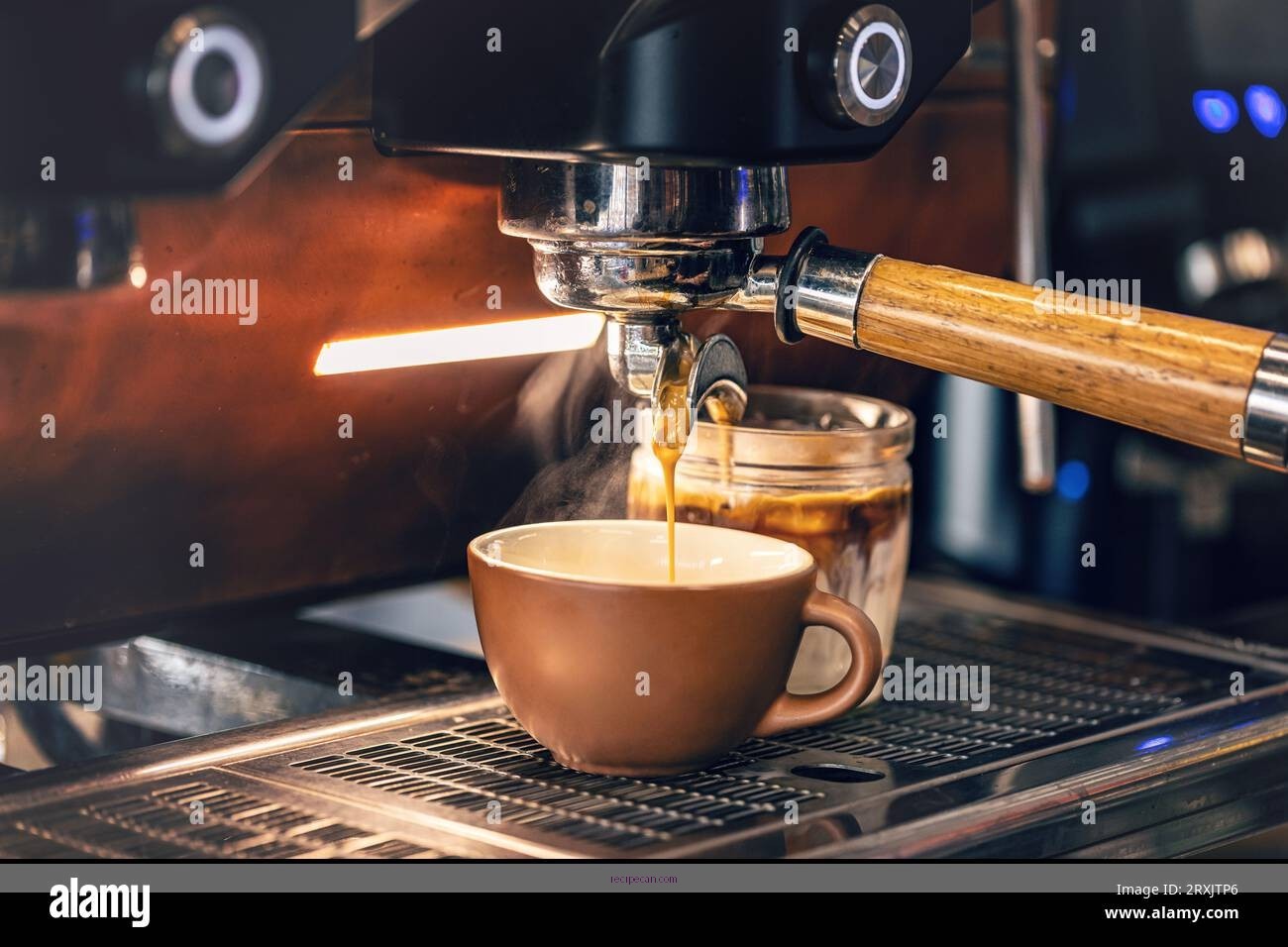
1. Select Your Coffee Base: Choose from various types of coffee (e.g., brewed coffee, espresso, cold brew) depending on your desired recipe. For instance, a traditional Cappuccino requires one shot (30ml) of espresso.
2. Measure Ingredients: Use precise measurements—1 cup (240ml) of brewed coffee is standard for a Mocha, complemented by 2 tablespoons (30ml) of chocolate syrup and 1 cup (240ml) of steamed milk.
3. Prepare the Drink: Follow specific preparation steps for each recipe:
– For a Caramel Macchiato, layer 1 cup (240ml) of steamed milk, 1 shot (30ml) of espresso, and drizzle with 1 tablespoon (15ml) of caramel sauce.
– For Cold Brew Coffee, steep 1 cup (240g) of coarsely ground coffee in 4 cups (960ml) of cold water for 12-24 hours, then strain using a fine mesh filter.
4. Garnish and Serve: Enhance your drink’s presentation with finishing touches like whipped cream, chocolate shavings, or a sprinkle of cinnamon, and serve in appropriate glassware.
Popular Coffee Drink Recipes (2024)
| # | Drink Name | Ingredients | Preparation Time | Rating |
|---|---|---|---|---|
| 1 | Espresso | Coffee Beans, Hot Water | 5 mins | ★★★★☆ |
| 2 | Cappuccino | Espresso, Steamed Milk, Foam | 10 mins | ★★★★★ |
| 3 | Mocha | Brewed Coffee, Chocolate Syrup, Milk | 8 mins | ★★★★☆ |
| 4 | Cold Brew | Coarse Coffee, Cold Water | 12-24 hrs | ★★★★★ |
| 5 | Affogato | Vanilla Ice Cream, Espresso | 5 mins | ★★★★☆ |
| 6 | Latte | Espresso, Steamed Milk | 10 mins | ★★★★★ |
| 7 | Vegan Coffee Smoothie | Coffee, Banana, Almond Milk | 5 mins | ★★★★☆ |
Warning Signs: When Not to Follow This
Avoid preparing coffee drinks if you have a known allergy to caffeine or coffee-related products, as symptoms may include headaches, rapid heart rate, and gastrointestinal discomfort. If your equipment is malfunctioning or has not been cleaned properly, refrain from using it until it has been serviced or sanitized, as this can prevent contamination. Individuals with certain medical conditions, such as heart disease or anxiety disorders, should consult a healthcare provider prior to consuming caffeinated drinks, as these may exacerbate symptoms. If you experience an adverse reaction to any ingredient used in the recipes, such as dairy or artificial sweeteners, discontinue use immediately and seek professional advice.
The Most Common Mistakes (And Their Consequences)
Many users improperly measure coffee grounds, leading to overly bitter or weak drinks. The correct ratio for brewed coffee is typically 1 to 2 tablespoons of coffee per 6 ounces (180ml) of water. Failing to froth milk properly can result in a poor texture in drinks like lattes or cappuccinos. Ensure the milk is heated to 150°F (65°C) and aerated correctly to achieve a creamy foam. Some home brewers overlook the importance of fresh ingredients; using stale coffee beans can drastically alter the flavor. Always opt for beans roasted within the last month for the best taste. Rushing the brewing process often leads to under-extraction, resulting in a sour flavor profile. Allow sufficient brewing time—such as 4-5 minutes for a French press—to extract the full flavor.
Special Cases That Need a Different Approach
For those on a ketogenic diet, modify recipes by substituting traditional sweeteners with keto-friendly options like erythritol or stevia to keep carbohydrate levels low. When preparing coffee drinks for children or individuals sensitive to caffeine, consider using decaffeinated coffee options or coffee substitutes, such as chicory or roasted barley. In high-altitude regions, adjustments in brewing times and temperatures are necessary; boiling points are lower, so increase brewing time by 10-15% for optimal extraction. If making drinks for individuals with lactose intolerance, consider nut or oat milks as alternatives, ensuring they are fortified to maintain nutritional value.
When You Need a Professional
Consult a licensed nutritionist or dietitian if you have specific dietary restrictions or health conditions that may be affected by caffeine consumption or certain ingredients in coffee recipes. If you experience consistent adverse effects after consuming coffee drinks despite adhering to safe preparation guidelines, seek evaluation from a healthcare professional. When considering the purchase of high-end coffee equipment, such as espresso machines or grinders, consult with a barista or equipment specialist to ensure you select a model that suits your specific brewing needs. If you plan to create coffee drinks for commercial purposes, such as starting a café, it is essential to collaborate with food safety professionals to comply with local health regulations and ensure proper food handling practices.
Sources and Further Reading
– “Coffee: A Comprehensive Guide to the World’s Favorite Beverage” by Robert W. Thurston – A detailed resource on coffee preparation and brewing methods.
– The Specialty Coffee Association (SCA) – Provides educational resources and guidelines on coffee quality and safe preparation practices.
– “The Barista’s Handbook” by Mark Dundon – Offers in-depth recipes and techniques for crafting a variety of coffee beverages.
– “On Food and Cooking: The Science and Lore of the Kitchen” by Harold McGee – Explains the science behind coffee brewing and flavor extraction.
Frequently Asked Questions
What are some easy coffee drink recipes for beginners?
For beginners looking to enjoy delicious coffee drinks, try a classic cappuccino or a simple iced coffee. To make a cappuccino, brew a shot of espresso, steam equal parts milk, and foam, then combine them together. For iced coffee, brew coffee, let it cool, and serve it over ice with your choice of milk and sweetener.
How can I make a homemade vanilla latte?
To create a homemade vanilla latte, start by brewing a strong cup of coffee or a shot of espresso. Heat and froth milk, then mix in a tablespoon of vanilla syrup. Combine the espresso with the frothed milk, and enjoy a creamy, flavorful latte that rivals your favorite coffee shop.
Why should I consider using flavored syrups in my coffee drinks?
Flavored syrups can elevate your coffee drinks by adding unique taste profiles and enhancing sweetness without the need for excessive sugar. They offer endless possibilities, from classic flavors like vanilla and caramel to seasonal options like pumpkin spice, allowing you to customize your coffee experience.
What is the best coffee drink recipe for a cozy winter evening?
The best coffee drink for a cozy winter evening is a spiced mocha. Combine brewed coffee with cocoa powder, sugar, and a pinch of cinnamon and nutmeg. Top it off with whipped cream and a sprinkle of cocoa for a warm, inviting beverage that’s perfect for cold nights.
Which coffee drink recipes are low-calorie but still delicious?
Low-calorie coffee drink recipes include black coffee with a splash of almond milk or a cold brew with a hint of vanilla extract. You can also make a refreshing iced coffee with unsweetened cocoa powder mixed in, providing flavor without the extra calories, ensuring you can enjoy coffee without the guilt.
References
- Coffee
https://en.wikipedia.org/wiki/Coffee - Coffee recipes | Good Food
https://www.bbcgoodfood.com/recipes/collection/coffee-recipes - https://www.nytimes.com/2021/03/24/dining/coffee-recipes.html
https://www.nytimes.com/2021/03/24/dining/coffee-recipes.html - https://www.sciencedirect.com/topics/food-science/coffee
https://www.sciencedirect.com/topics/food-science/coffee - https://www.mayoclinic.org/healthy-lifestyle/nutrition-and-healthy-eating/in-depth/coffee/art-20045810
https://www.mayoclinic.org/healthy-lifestyle/nutrition-and-healthy-eating/in-depth/coffee/art-20045810 - Coffee recipes – BBC Food
https://www.bbc.com/food/coffee - https://www.verywellfit.com/coffee-drink-recipes-5180772
https://www.verywellfit.com/coffee-drink-recipes-5180772 - https://www.nichd.nih.gov/health/topics/coffee/conditioninfo/treatment
https://www.nichd.nih.gov/health/topics/coffee/conditioninfo/treatment - Google Scholar Google Scholar
https://scholar.google.com/scholar?q=coffee+drink+recipes - Google Scholar Google Scholar
https://scholar.google.com/scholar?q=coffee+recipes+and+health