Baking coffee cake safely and deliciously requires precise techniques and knowledge. This expert guide offers step-by-step instructions, essential tips, and safety protocols to ensure your coffee cake turns out perfect every time. Understanding the importance of following these guidelines not only enhances flavor but also guarantees a delightful baking experience. Whether you’re a novice or a seasoned baker, mastering these methods will elevate your coffee cake to new heights.
What This Guide Covers (And What It Doesn’t)
This guide offers a thorough exploration of coffee cake recipes, detailing specific ingredients, preparation methods, and baking techniques to ensure a mouthwatering result. You’ll discover the essential components of a classic coffee cake, from the batter to the crumb topping, and learn how to achieve the perfect texture and flavor. However, it does not address recipes for other types of cakes or baked goods, such as layer cakes, cheesecakes, or pastries. Aimed at home bakers eager to refine their skills, this guide assumes a basic understanding of baking terminology and techniques while also covering foundational concepts. If you’re looking for gluten-free, vegan, or unconventional coffee cake variations, you may need to search elsewhere, as this guide focuses on timeless recipes and methods.
Who Should Read This
This guide is ideal for amateur bakers who are passionate about crafting delicious treats and want to excel at making a classic coffee cake. Home bakers with some experience in following recipes, who are eager to enhance their techniques and grasp ingredient interactions, will find immense value here. If you’re preparing for gatherings, brunches, or coffee dates and wish to impress your guests with a homemade coffee cake, you’ll gain valuable insights. Additionally, those who prefer baking from scratch, rather than relying on pre-packaged mixes, will appreciate the emphasis on fresh, quality ingredients.
The Step-by-Step Protocol
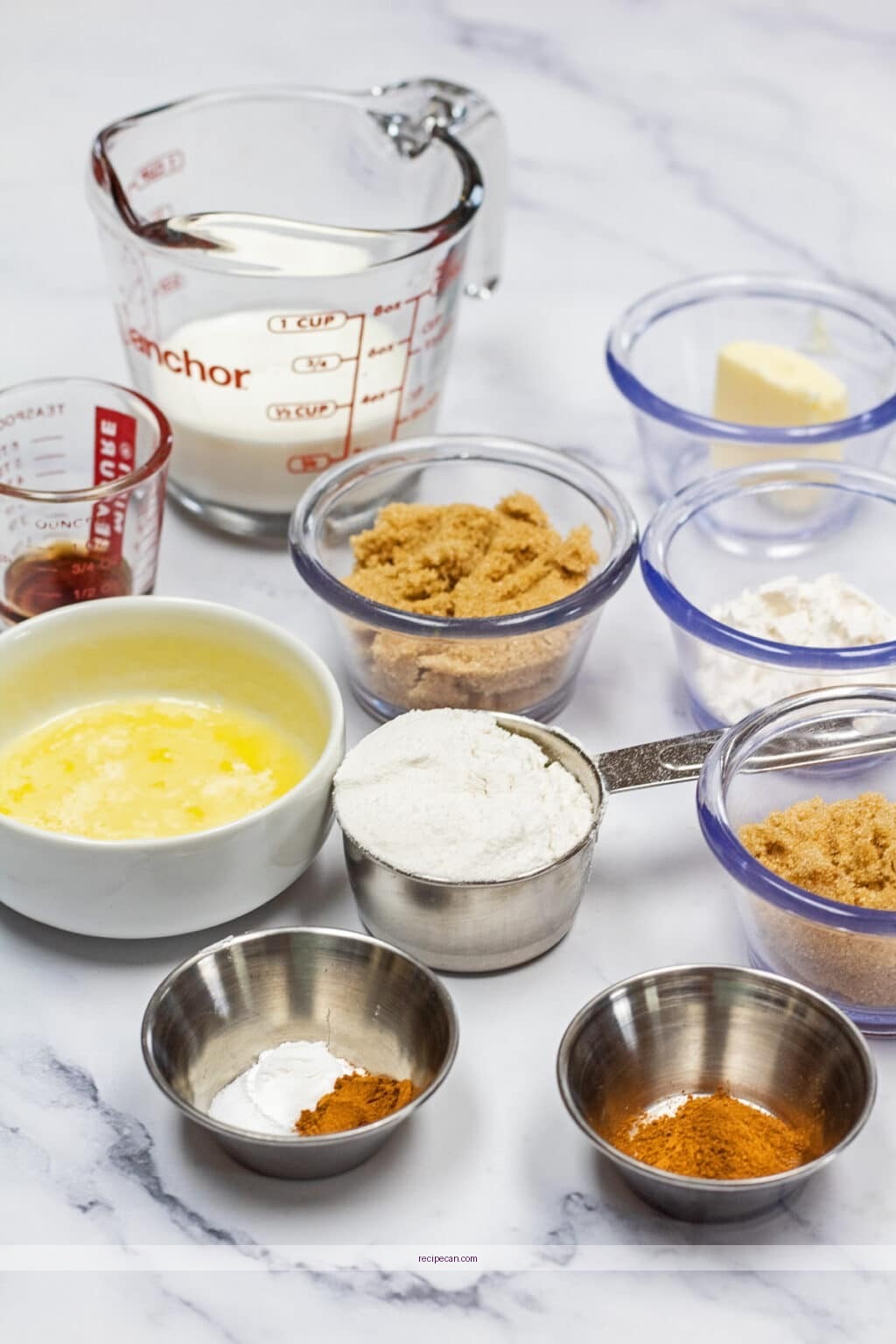
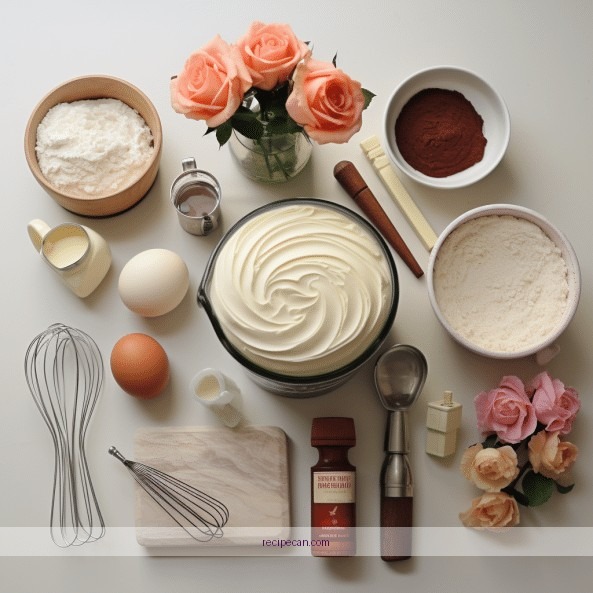
1. Gather Ingredients: Collect 2 cups of all-purpose flour, 1 cup of granulated sugar, 1/2 cup of unsalted butter (softened), 2 large eggs, 1 cup of sour cream, 1 teaspoon of baking powder, 1 teaspoon of baking soda, 1 teaspoon of vanilla extract, and a pinch of salt.
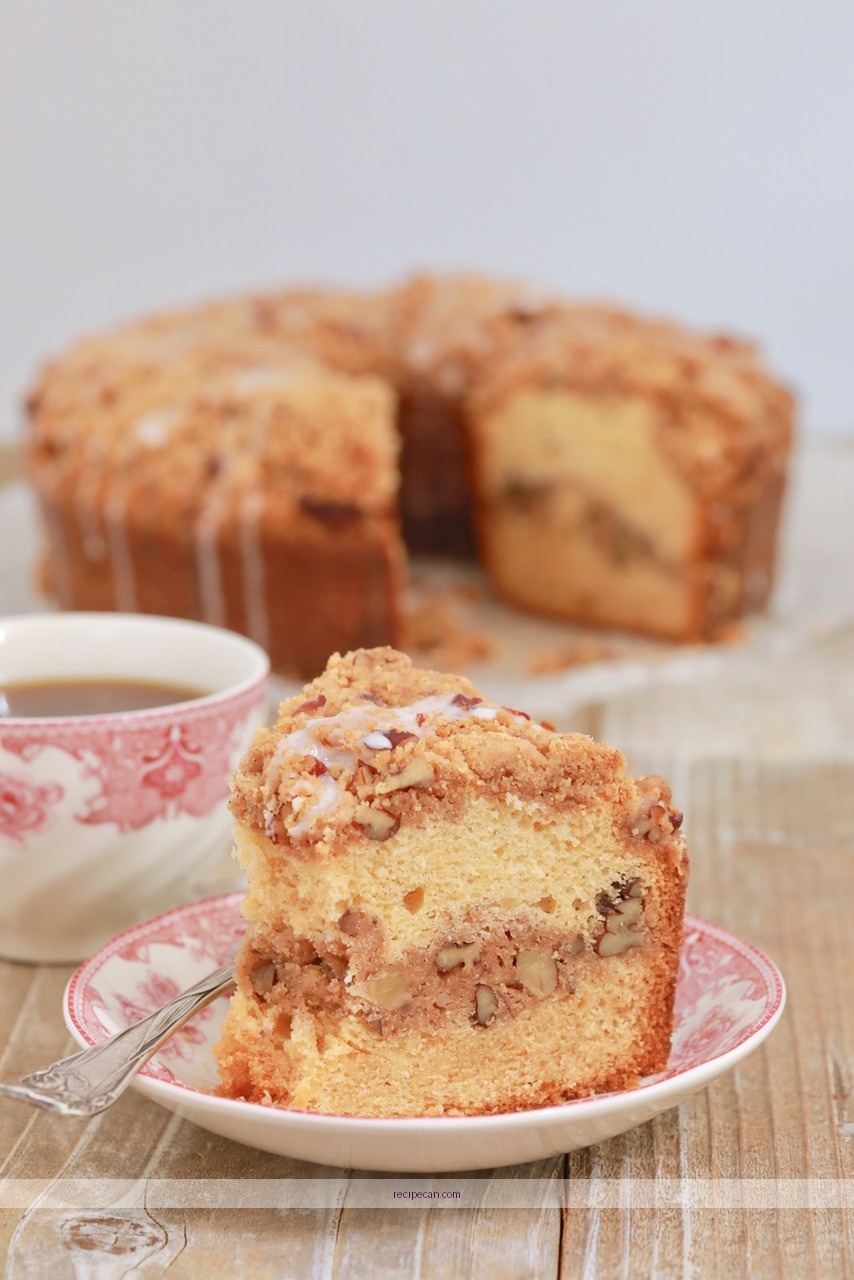
2. Prepare the Crumb Topping: In a separate bowl, mix 1/2 cup of all-purpose flour, 1/2 cup of brown sugar, 1 teaspoon of cinnamon, and 1/4 cup of cold butter until crumbly. Set aside.
3. Mix Batter: In a mixing bowl, cream the softened butter and granulated sugar until light and fluffy. Add the eggs one at a time, mixing well after each addition, followed by the sour cream and vanilla extract.
4. Combine Dry Ingredients: In a separate bowl, whisk together the flour, baking powder, baking soda, and salt. Gradually add this dry mixture to the wet ingredients, mixing until just combined to avoid overmixing.
5. Assemble the Cake: Preheat your oven to 350°F (175°C). Grease a 9×13-inch baking pan. Pour half of the batter into the prepared pan, sprinkle half of the crumb topping, then add the remaining batter and finish with the rest of the crumb topping.
6. Bake: Place the pan in the preheated oven and bake for 35-40 minutes, or until a toothpick inserted in the center comes out clean.
7. Cool and Serve: Allow the coffee cake to cool in the pan for about 10 minutes before transferring it to a wire rack. Serve warm or at room temperature.
Top Ingredients for Coffee Cake (2023)
| # | Ingredient | Quantity | Calories per Serving | Rating |
|---|---|---|---|---|
| 1 | All-Purpose Flour | 2 cups | 910 | ★★★★☆ |
| 2 | Granulated Sugar | 1 cup | 774 | ★★★★★ |
| 3 | Unsalted Butter | 1/2 cup | 814 | ★★★★☆ |
| 4 | Sour Cream | 1 cup | 445 | ★★★★☆ |
| 5 | Eggs | 2 large | 140 | ★★★★☆ |
| 6 | Baking Powder | 1 teaspoon | 2 | ★★☆☆☆ |
| 7 | Baking Soda | 1 teaspoon | 0 | ★★☆☆☆ |
| 8 | Vanilla Extract | 1 teaspoon | 12 | ★★★★☆ |
| 9 | Brown Sugar | 1/2 cup | 415 | ★★★★★ |
| 10 | Cinnamon | 1 teaspoon | 6 | ★★★★☆ |
Warning Signs: When Not to Follow This

If you have a known allergy to any of the key ingredients, such as gluten or dairy, it is crucial to adjust the recipe to suit your dietary restrictions before proceeding. Avoid this protocol if you lack basic kitchen equipment, including measuring cups, mixing bowls, or an oven, all of which are essential for successful baking. Do not attempt this recipe if your ingredients are expired or if you suspect your baking powder or baking soda is no longer active, as this will compromise the cake’s rise and texture. If you are inexperienced with using an oven or have never baked before, it may be wise to seek guidance from someone more experienced before attempting this recipe.
The Most Common Mistakes (And Their Consequences)
– Overmixing the Batter: This can lead to a tough coffee cake due to excessive gluten development, resulting in a dense texture instead of a light and fluffy crumb.
– Incorrect Oven Temperature: Baking at a temperature that’s too high can cause the cake to rise rapidly and then collapse, leading to an uneven texture and an unsightly appearance.
– Skipping the Crumb Topping: Many bakers underestimate the importance of the crumb topping, which adds both flavor and texture; omitting it may result in a bland cake.
– Using Cold Ingredients: Starting with cold eggs and butter can hinder proper emulsification, resulting in a cake that doesn’t rise well and has a poor texture.
Special Cases That Need a Different Approach
– Gluten-Free Coffee Cake: For those with gluten intolerance, substitute all-purpose flour with a gluten-free blend, ensuring it contains xanthan gum for proper structure.
– Vegan Coffee Cake: Replace eggs with flaxseed meal (1 tablespoon ground flaxseed mixed with 3 tablespoons water per egg) and use plant-based butter and sour cream alternatives.
– Mini or Individual Coffee Cakes: Adjust baking times and temperatures when using smaller pans or muffin tins, typically reducing baking time to 20-25 minutes at 350°F (175°C).
– Flavor Variations: If incorporating fruit, such as blueberries or apples, consider adjusting sugar levels and adding them directly into the batter or layering them in the cake for added moisture.
When You Need a Professional
If you have severe allergies or dietary restrictions that necessitate specialized recipes, consulting a registered dietitian can ensure your needs are met safely. When baking in bulk for events and uncertain about scaling the recipe without compromising quality, a professional baker can provide tailored advice. If you face persistent baking failures despite following all instructions, consider taking a class with a certified baking instructor to refine your technique and troubleshoot issues. Should you encounter equipment malfunctions (e.g., a broken oven or mixer), seeking assistance from a repair professional is essential to avoid safety hazards and ensure reliable baking results.
Sources and Further Reading
– “The Joy of Baking: Coffee Cake Recipes” – a comprehensive resource with various coffee cake recipes and baking tips.
– “Baker’s Illustrated: Baking Techniques” – provides insights into proper baking techniques and troubleshooting tips for common baking issues.
– “King Arthur Baking Company: Coffee Cake Basics” – an online resource with detailed articles on ingredient functions and baking fundamentals.
– “Food Network: Best Coffee Cake Recipes” – a collection of tried-and-true coffee cake recipes, complete with user ratings and reviews for guidance.
Frequently Asked Questions
What are the essential ingredients for a classic coffee cake recipe?
A classic coffee cake recipe typically includes all-purpose flour, granulated sugar, baking powder, baking soda, salt, milk, eggs, butter, and vanilla extract. These ingredients create a moist and tender cake base, while often incorporating a crumbly streusel topping made from flour, brown sugar, and cinnamon for added flavor and texture.
How can I make my coffee cake moist and fluffy?
To achieve a moist and fluffy coffee cake, be sure not to overmix the batter once you’ve added the dry ingredients. Additionally, using room temperature ingredients, such as eggs and butter, can help create a smoother batter. Incorporating sour cream or yogurt can also add moisture and richness to the cake.
Why is my coffee cake dense and heavy?
A dense and heavy coffee cake can result from overmixing the batter or using too much flour. It’s important to measure flour correctly, ideally by spooning it into a measuring cup and leveling it off, rather than scooping directly from the bag. Also, ensure you’re using fresh leavening agents like baking powder for the best rise.
What is the best way to store leftover coffee cake?
The best way to store leftover coffee cake is to wrap it tightly in plastic wrap or aluminum foil once it has cooled completely. This helps keep it fresh and moist. You can also store it in an airtight container at room temperature for up to 3 days or refrigerate it for up to a week for longer freshness.
Which spices can I add to enhance the flavor of my coffee cake?
To enhance the flavor of your coffee cake, consider adding spices such as cinnamon, nutmeg, or allspice to the batter or streusel topping. These spices complement the sweetness of the cake and add warmth. Additionally, incorporating vanilla extract or almond extract can elevate the overall flavor profile significantly.
References
- Coffee cake
https://en.wikipedia.org/wiki/Coffee_cake - https://www.britannica.com/topic/coffee-cake
https://www.britannica.com/topic/coffee-cake - Google Scholar Google Scholar
https://scholar.google.com/scholar?q=coffee+cake+recipe - Google Scholar Google Scholar
https://scholar.google.com/scholar?q=coffee+cake+history - Google Scholar Google Scholar
https://scholar.google.com/scholar?q=coffee+cake+ingredients - https://www.nytimes.com/2019/09/25/dining/coffee-cake-recipe.html
https://www.nytimes.com/2019/09/25/dining/coffee-cake-recipe.html - https://www.bbc.com/food/recipes/coffee_cake_02495
https://www.bbc.com/food/recipes/coffee_cake_02495 - https://www.sciencedirect.com/topics/food-science/coffee-cake
https://www.sciencedirect.com/topics/food-science/coffee-cake - https://www.cdc.gov/nutrition/resources-publications/healthy-eating.html
https://www.cdc.gov/nutrition/resources-publications/healthy-eating.html - Checking your browser – reCAPTCHA
https://www.ncbi.nlm.nih.gov/pmc/articles/PMC6455239/