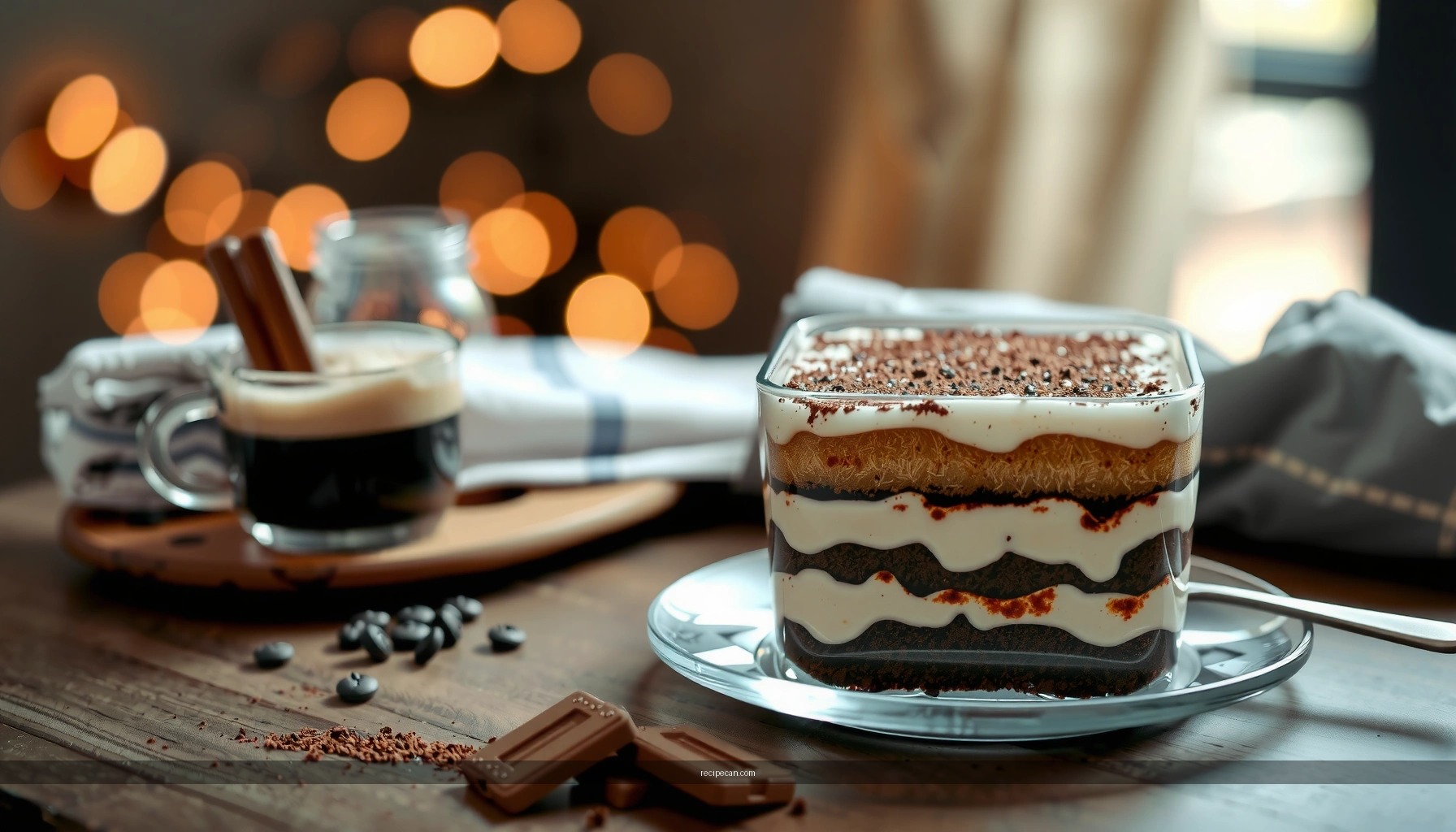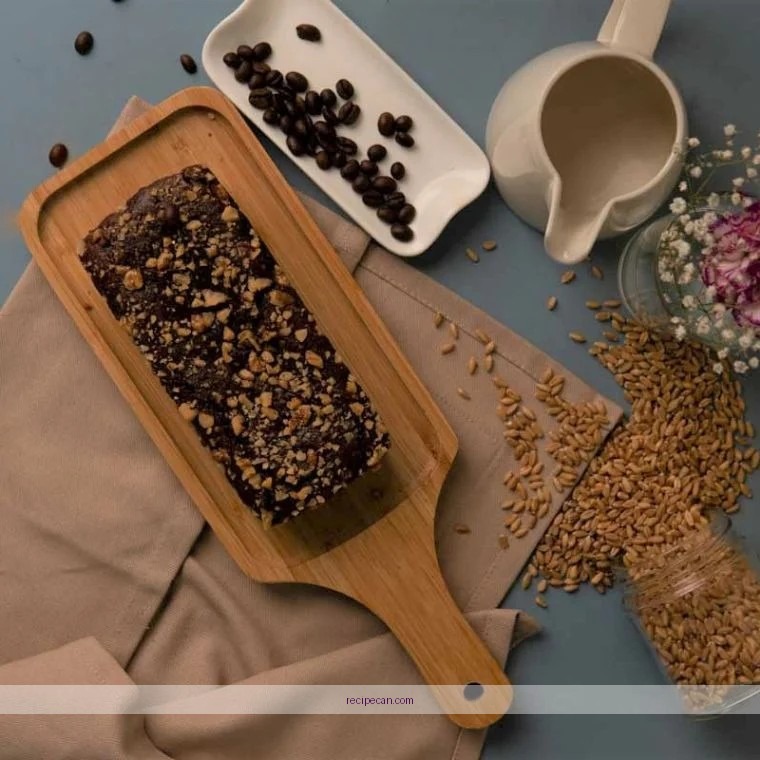
Master the art of baking coffee and walnut cake with this complete expert guide, designed for both novice and seasoned bakers. This guide meticulously details each step of the process, ensuring you achieve a perfect balance of rich coffee flavor and nutty crunch. Following the right techniques is crucial not only for taste but also for safety in the kitchen, making this recipe a must-try for anyone serious about their baking.
What This Guide Covers (And What It Doesn’t)
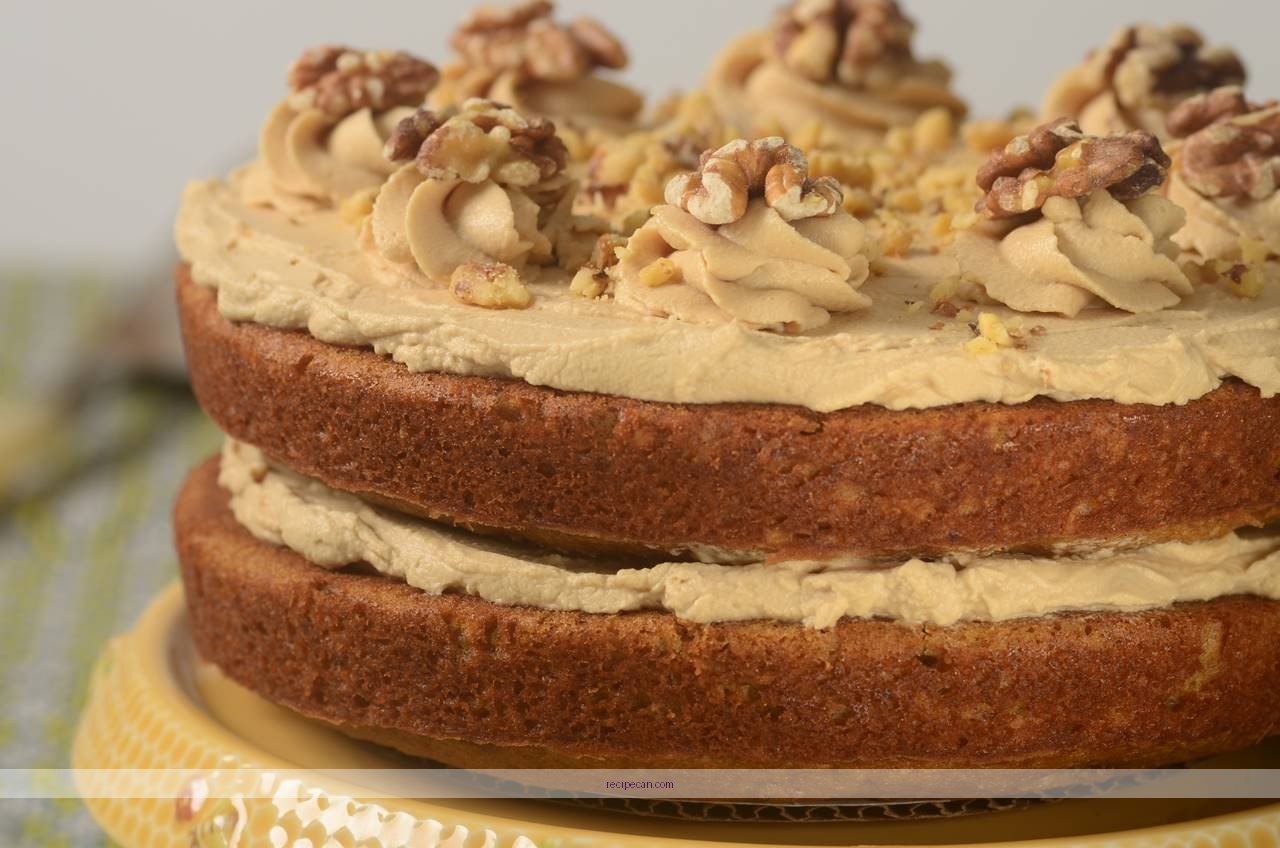
This guide offers a detailed, step-by-step approach to baking a classic coffee and walnut cake, featuring exact ingredient quantities, baking times, and expert tips for achieving flawless results. It emphasizes essential techniques that cater to both novice and seasoned bakers, instilling confidence in every step of the process.
While this guide focuses specifically on the coffee and walnut cake, it does not delve into alternative recipes or variations, such as chocolate or fruit cakes. Additionally, it does not address substitutes for coffee or walnuts for those with allergies. Readers should have access to standard baking tools and ingredients commonly found in grocery stores, as specialized equipment or rare ingredients are not discussed. This guide aims to enhance the baking skills of home bakers who want to master this particular recipe, rather than offering a broad overview of baking techniques or unrelated desserts.
Who Should Read This
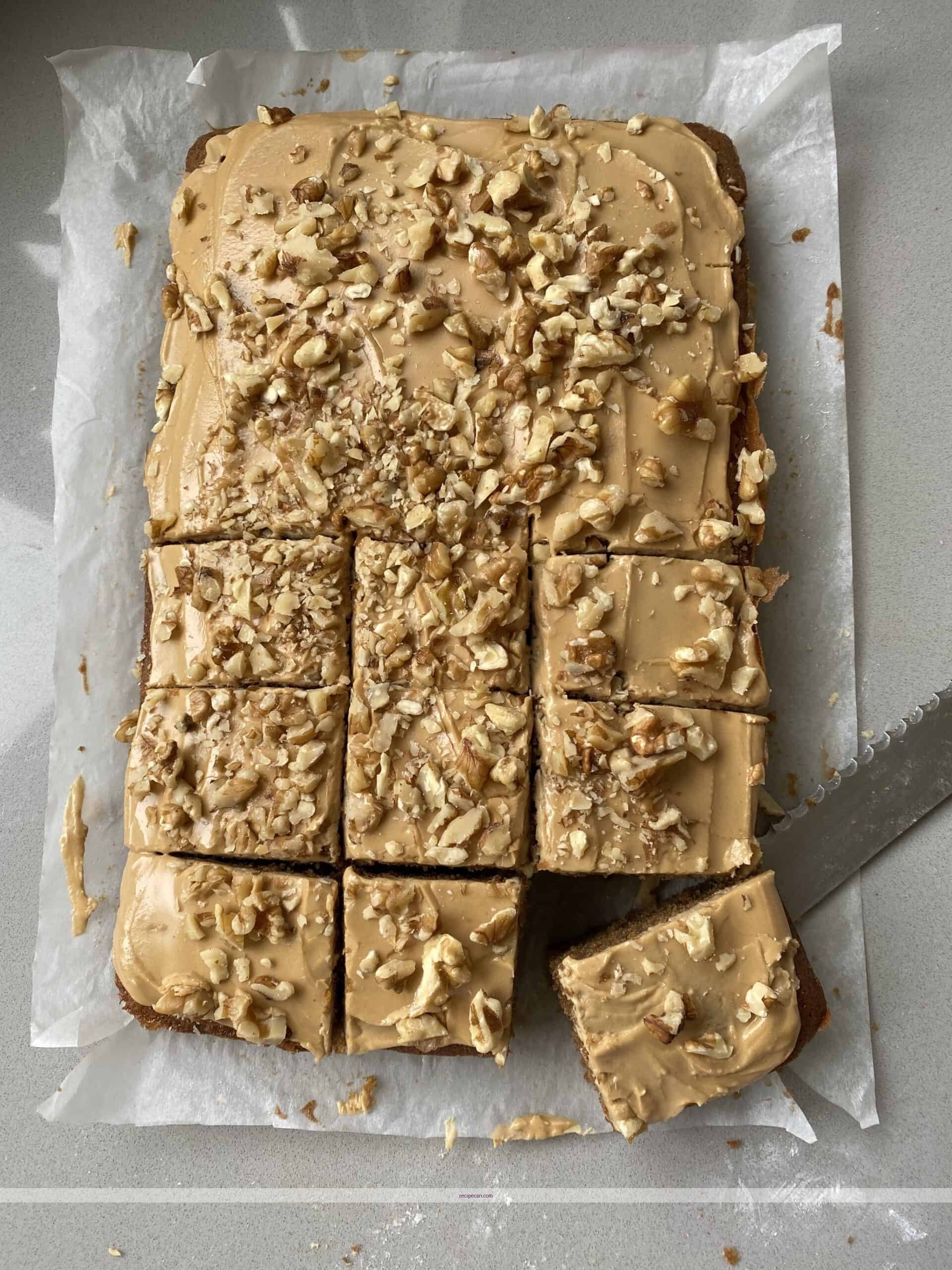
This guide is designed for home bakers with a basic understanding of baking who wish to elevate their skills by crafting a sophisticated coffee and walnut cake. It is ideal for those looking to impress at special events, such as birthdays or gatherings, with this classic flavor combination.
To effectively follow the protocol, readers should have essential baking equipment, including measuring cups, a mixing bowl, and an oven. Those with specific dietary restrictions, such as gluten intolerance or nut allergies, may need to seek alternative recipes or modifications better suited to their needs.
The Step-by-Step Protocol
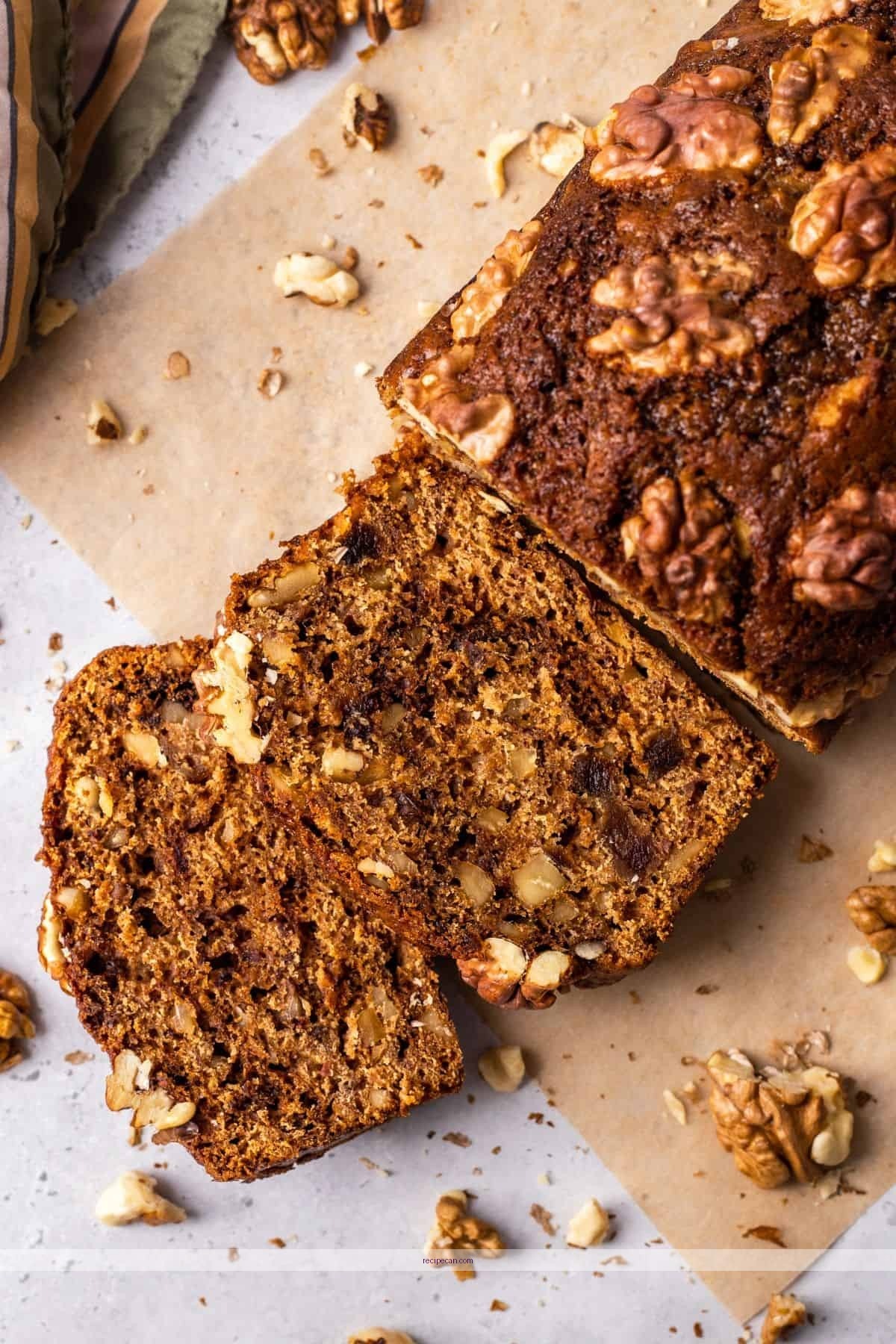
1. Gather Ingredients: Collect the following ingredients:
– 200g of self-raising flour
– 100g of unsalted butter, softened to room temperature
– 200g of granulated sugar
– 3 large eggs
– 3 tablespoons of instant coffee
– 100g of chopped walnuts
– A pinch of salt
2. Preheat Oven: Preheat your oven to 180°C (350°F). Grease a 20cm (8-inch) round cake tin with butter or non-stick spray, then line the base and sides with parchment paper to prevent sticking.
3. Prepare Coffee Mixture: In a small bowl, dissolve 3 tablespoons of instant coffee in 4 tablespoons of boiling water. Stir until fully dissolved, then set aside to cool slightly while you prepare the batter.
4. Mix Batter: In a large mixing bowl, cream the softened butter and granulated sugar together using an electric mixer on medium speed until the mixture is light and fluffy, which should take about 3-5 minutes. Add the eggs one at a time, mixing well after each addition. Gradually fold in the self-raising flour, salt, chopped walnuts, and the cooled coffee mixture, stirring just until all ingredients are combined. Avoid overmixing to ensure a light texture.
5. Bake the Cake: Pour the batter into the prepared cake tin, smoothing the top with a spatula. Bake in the preheated oven for 25-30 minutes, or until a skewer inserted into the center comes out clean. If the cake browns too quickly, cover it loosely with aluminum foil during the last 10 minutes of baking.
6. Cool and Decorate: Allow the cake to cool in the tin for 10 minutes before carefully transferring it to a wire rack to cool completely. Once cool, you can frost it with coffee-flavored buttercream or serve it plain, dusted with icing sugar.
Ingredient Ratios for Coffee and Walnut Cake
| # | Ingredient | Quantity (g) | Calories per 100g |
|---|---|---|---|
| 1 | Self-Raising Flour | 200 | 364 |
| 2 | Unsalted Butter | 100 | 717 |
| 3 | Granulated Sugar | 200 | 387 |
| 4 | Large Eggs | 150 | 155 |
| 5 | Instant Coffee | 30 | 2 |
| 6 | Chopped Walnuts | 100 | 654 |
| 7 | Salt | 1 | 0 |
Warning Signs: When Not to Follow This

– If you have a severe nut allergy, refrain from attempting this recipe, as it contains walnuts that can trigger serious allergic reactions.
– Avoid this recipe if you lack essential baking tools such as an oven or mixing bowls, as these are critical for successful execution.
– Do not proceed if you have previously experienced adverse reactions to caffeine, as the coffee content may exacerbate these issues.
– If you are pressed for time and cannot allow for adequate baking and cooling periods, it’s best to postpone your attempt to prevent a rushed or unsatisfactory result.
The Most Common Mistakes (And Their Consequences)
– Failing to measure ingredients accurately can lead to a dense or overly dry cake; always use a kitchen scale for precision.
– Overmixing the batter after adding flour may result in a tough texture, so mix just until combined to preserve a light, fluffy cake.
– Baking at an incorrect temperature can cause uneven rising; always preheat your oven and use an oven thermometer to ensure accuracy.
– Skipping the cooling stage before frosting can cause the frosting to melt, resulting in a messy appearance and poor flavor integration.
Special Cases That Need a Different Approach
– To create a gluten-free version, substitute the self-raising flour with a gluten-free baking blend and include an appropriate gluten-free rising agent.
– For those seeking a lower sugar option, consider using a sugar substitute that measures cup-for-cup like erythritol, but be mindful of potential texture changes.
– If you live in a high-altitude area, adjust the baking temperature and ingredient ratios accordingly to accommodate the effects of lower air pressure on rising.
– For a vegan version, replace eggs with a mixture of flaxseed meal and water (1 tablespoon of flaxseed meal mixed with 3 tablespoons of water for each egg), and substitute dairy butter with plant-based margarine.
When You Need a Professional
– If you have severe allergies or dietary restrictions, consult a registered dietitian before trying this recipe to ensure safety.
– Should you encounter persistent baking failures, consider reaching out to a culinary professional or enrolling in a baking class for personalized guidance.
– If you are uncertain about ingredient substitutions due to health conditions (e.g., diabetes), consult a healthcare provider for tailored advice.
– If you experience any adverse effects from consuming caffeine or nuts, seek medical advice immediately, as professional intervention may be necessary.
Sources and Further Reading
– “The Science of Baking” by Harold McGee offers insights into the chemical processes involved in cake baking.
– The American Institute for Cancer Research provides guidelines on healthy eating and dietary considerations when baking.
– The Royal Society of Chemistry has resources on the chemical properties of baking ingredients, enhancing your understanding of recipe outcomes.
– Baking blogs such as “Sally’s Baking Addiction” and “BBC Good Food” frequently feature tested recipes and troubleshooting advice specific to coffee and walnut cakes.
Frequently Asked Questions
What ingredients do I need for a coffee and walnut cake recipe?
To make a delicious coffee and walnut cake, you’ll need all-purpose flour, baking powder, unsalted butter, granulated sugar, eggs, strong brewed coffee, and chopped walnuts. Additionally, for the frosting, cream cheese, butter, powdered sugar, and more coffee are essential for that rich flavor.
How do I ensure my coffee and walnut cake is moist?
To achieve a moist coffee and walnut cake, make sure not to overmix the batter, as this can lead to a dense texture. Incorporating ingredients like sour cream or yogurt can also enhance moisture, while ensuring to bake it just until a toothpick comes out clean will prevent dryness.
Why is my coffee and walnut cake not rising properly?
If your coffee and walnut cake is not rising, it could be due to expired baking powder or not using the right amount. Additionally, overmixing the batter can deflate the air bubbles needed for rise, so it’s important to mix just until combined to achieve the perfect fluffy texture.
What is the best way to store leftover coffee and walnut cake?
To store leftover coffee and walnut cake, wrap it tightly in plastic wrap or place it in an airtight container to maintain freshness. It can be stored at room temperature for up to two days or in the refrigerator for up to a week; just allow it to come to room temperature before serving for the best flavor.
Which coffee works best for a coffee and walnut cake recipe?
For a coffee and walnut cake, using a strong brewed coffee, such as espresso or a dark roast, will provide the most robust flavor. Opt for freshly brewed coffee rather than instant, as it enhances the cake’s overall taste and aroma, making it a delightful treat.
References
- Coffee and walnut cake
https://en.wikipedia.org/wiki/Coffee_and_walnut_cake - Coffee & walnut cake recipe | Good Food
https://www.bbcgoodfood.com/recipes/coffee-walnut-cake - https://www.bbc.com/food/recipes/coffee_and_walnut_cake_71638
https://www.bbc.com/food/recipes/coffee_and_walnut_cake_71638 - https://pubmed.ncbi.nlm.nih.gov/?term=coffee+walnut+cake
https://pubmed.ncbi.nlm.nih.gov/?term=coffee+walnut+cake - https://www.sciencedirect.com/topics/food-science/coffee-cake
https://www.sciencedirect.com/topics/food-science/coffee-cake - Checking your browser – reCAPTCHA
https://www.ncbi.nlm.nih.gov/pmc/articles/PMC6520997/ - Google Scholar Google Scholar
https://scholar.google.com/scholar?q=coffee+walnut+cake+recipe - Google Scholar Google Scholar
https://scholar.google.com/scholar?q=coffee+in+cakes - https://www.nature.com/articles/s41598-020-70604-3
https://www.nature.com/articles/s41598-020-70604-3 - Google Scholar Google Scholar
https://scholar.google.com/scholar?q=coffee+and+walnut+cake+recipe