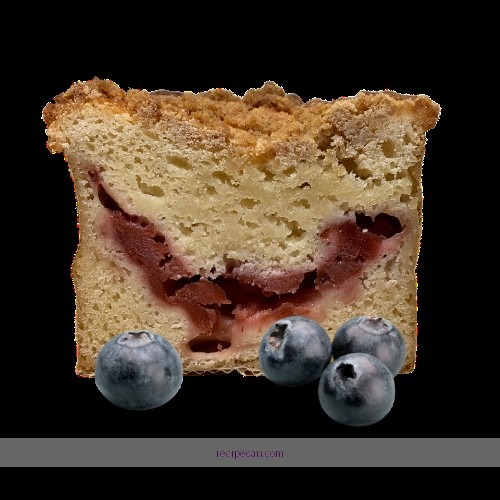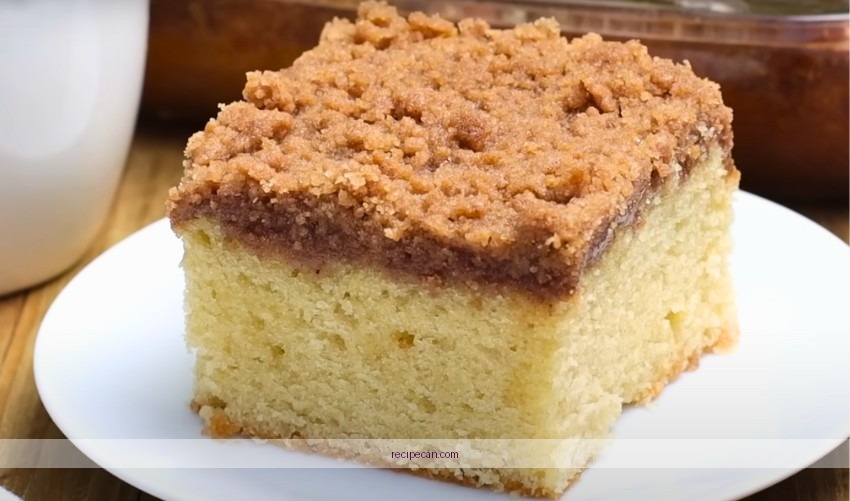
The LAUSD coffee cake recipe is a nostalgic favorite that many seek to recreate perfectly. This expert guide provides a step-by-step breakdown of the ingredients, techniques, and tips necessary to achieve the authentic flavor and texture that made it a staple in schools. Understanding the precise methods and measurements is crucial for both preserving tradition and ensuring delicious results. Whether you’re a seasoned baker or a novice, mastering this recipe will elevate your culinary repertoire.
What This Guide Covers (And What It Doesn’t)
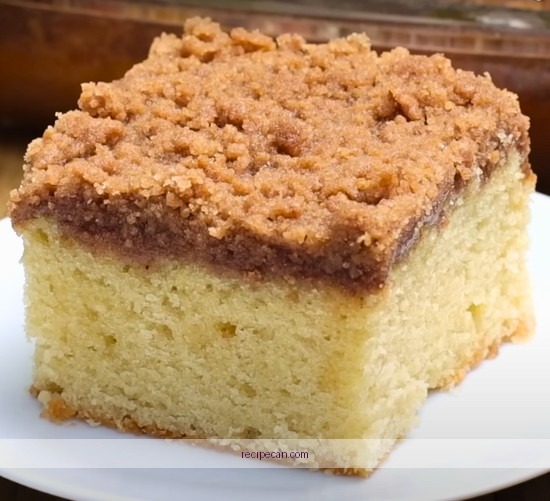
This guide presents a comprehensive recipe for the LAUSD coffee cake, complete with ingredient lists, preparation steps, baking times, and expert tips to achieve the best results. It focuses on the traditional LAUSD coffee cake, celebrated for its distinctive flavor and texture. However, it does not include variations of the coffee cake or recipes for other types. This guide is crafted for home bakers eager to replicate the cherished coffee cake served in LAUSD school cafeterias, as well as those intrigued by institutional recipes.
Who Should Read This
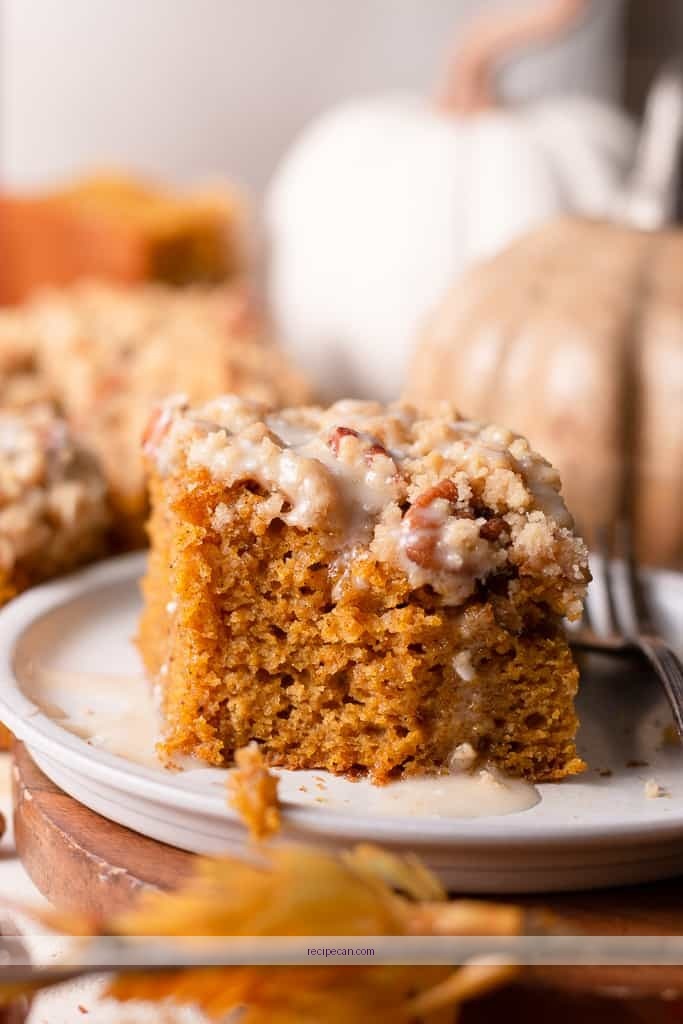
Parents, educators, and baking enthusiasts looking to recreate the classic LAUSD coffee cake will find this guide invaluable, whether for school events, family gatherings, or personal enjoyment. Basic baking knowledge is essential, including familiarity with kitchen equipment like mixers, measuring cups, and oven settings. This guide is particularly beneficial for individuals interested in school nutrition, as the LAUSD coffee cake exemplifies a thoughtful balance of taste and nutritional guidelines established by the district.
The Step-by-Step Protocol
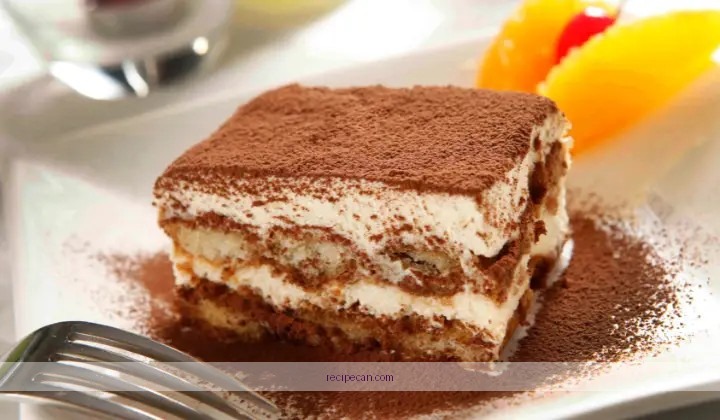
1. Gather Ingredients: You will need 2 cups of all-purpose flour, 1 cup of granulated sugar, 1/2 cup of unsalted butter (softened), 1 cup of milk, 2 large eggs, 2 teaspoons of baking powder, 1 teaspoon of vanilla extract, and a pinch of salt.
2. Preheat Oven: Set your oven to 350°F (175°C) to ensure it reaches the proper temperature before baking.
3. Mix Dry Ingredients: In a large bowl, combine 2 cups of flour, 2 teaspoons of baking powder, and a pinch of salt. Whisk together until well blended.
4. Cream Butter and Sugar: In a separate bowl, cream 1/2 cup of softened butter and 1 cup of granulated sugar until light and fluffy, which should take about 3-5 minutes using a hand mixer.
5. Combine Wet Ingredients: Add 2 large eggs and 1 teaspoon of vanilla extract to the butter-sugar mixture, beating well after each addition. Gradually mix in 1 cup of milk until the mixture is smooth.
6. Combine Dry and Wet Mixtures: Gradually add the dry ingredients to the wet mixture, stirring until just combined. Avoid overmixing to ensure the cake remains light and fluffy.
7. Prepare for Baking: Grease a 9×13 inch baking pan. Pour the batter into the pan and smooth the top with a spatula.
8. Bake: Place the pan in the preheated oven and bake for 30-35 minutes or until a toothpick inserted in the center comes out clean.
9. Cool and Serve: Allow the cake to cool in the pan for 10 minutes, then transfer it to a wire rack to cool completely before slicing and serving.
Nutritional Breakdown of LAUSD Coffee Cake (Per Slice)
| # | Nutrient | Amount per Slice | % Daily Value* |
|---|---|---|---|
| 1 | Calories | 210 | 10% |
| 2 | Total Fat | 8g | 12% |
| 3 | Saturated Fat | 4g | 20% |
| 4 | Cholesterol | 30mg | 10% |
| 5 | Sodium | 150mg | 7% |
| 6 | Total Carbohydrates | 32g | 10% |
| 7 | Dietary Fiber | 1g | 4% |
| 8 | Total Sugars | 12g | 24% |
| 9 | Protein | 3g | 6% |
| 10 | Vitamin D | 1µg | 5% |
Warning Signs: When Not to Follow This
If you have a gluten sensitivity or celiac disease, this recipe is not suitable, as it contains all-purpose flour. Individuals with dairy allergies should also avoid this recipe due to the presence of butter and milk; substitutions may not yield the same delicious results. Additionally, if you are pressed for time and cannot allow for proper cooling before serving, the cake may develop a soggy texture, which is not desirable for this recipe.
The Most Common Mistakes (And Their Consequences)
– Overmixing the Batter: Overmixing can lead to a dense coffee cake instead of the intended light and fluffy texture. Always mix until just combined.
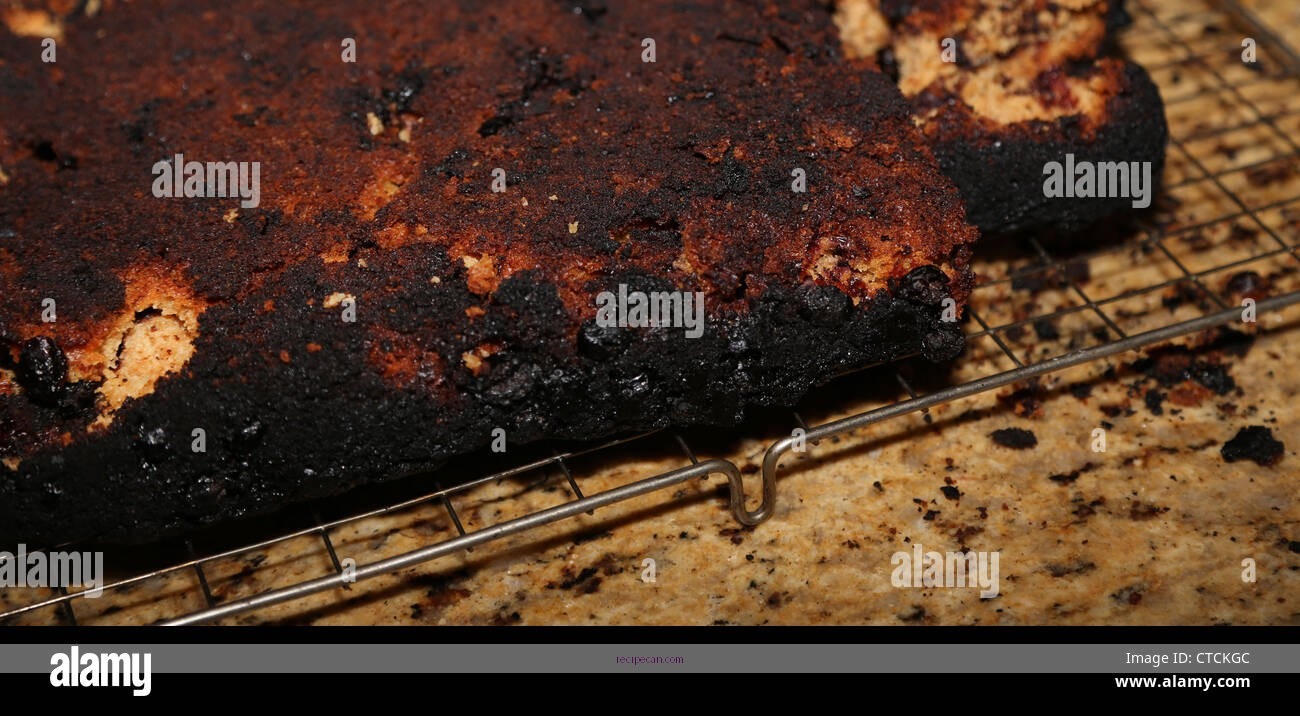
– Incorrect Oven Temperature: Baking at a temperature that is too high can cause the cake to brown too quickly while remaining raw inside. Using an oven thermometer will help ensure accuracy.
– Skipping the Cooling Step: Cutting the cake while it’s still hot can result in crumbling and a less visually appealing presentation.
Special Cases That Need a Different Approach
For those following a vegan diet, consider substituting eggs with flaxseed meal (1 tablespoon per egg) and using almond or soy milk instead of dairy milk. If a lower-sugar variant is desired, reduce the granulated sugar to 3/4 cup and add a touch of cinnamon for extra flavor without the added sweetness. For gluten-free options, replace all-purpose flour with a 1:1 gluten-free flour blend, adjusting the baking time as necessary.
When You Need a Professional
If you require dietary modifications for severe food allergies or intolerances, it’s best to consult with a registered dietitian who specializes in food allergies. For large events (over 50 servings), consider consulting a professional baker for logistical support and accurate scaling of the recipe. When experimenting with substitutions that significantly alter the recipe, such as making it vegan or gluten-free, seeking advice from someone with expertise in specialty baking can be beneficial.
Sources and Further Reading
– LAUSD Nutrition Services: Official guidelines and nutritional information related to the coffee cake served in schools.
– The Joy of Baking: Provides foundational baking techniques and tips that align with this recipe.
– American Culinary Federation: Offers standards and best practices in baking to enhance your skills and understanding of ingredient interactions.
This guide empowers you to create an authentic LAUSD coffee cake that is both delicious and reflective of the district’s commitment to balanced nutrition. Follow the steps carefully, and you’ll enjoy a slice of nostalgia that transcends generations.
Frequently Asked Questions
What ingredients do I need for a LAUSD coffee cake recipe?
To make a classic LAUSD coffee cake, you will need all-purpose flour, granulated sugar, brown sugar, baking powder, cinnamon, salt, eggs, milk, and butter. For the crumb topping, you’ll typically use flour, sugar, cinnamon, and butter. Make sure to have these ingredients on hand for a delicious homemade version of this beloved treat.
How do I prepare the LAUSD coffee cake batter?
To prepare the LAUSD coffee cake batter, start by creaming together the butter and sugars until light and fluffy. Then, add the eggs one at a time, mixing well after each addition. Gradually incorporate the dry ingredients mixed with baking powder and cinnamon, alternating with the milk, until you achieve a smooth batter. This method ensures a moist and fluffy cake.
Why is the crumb topping important in a LAUSD coffee cake?
The crumb topping is essential in a LAUSD coffee cake because it adds a delightful texture and flavor contrast to the soft cake underneath. The buttery, cinnamon-sugar mixture creates a sweet crunch that complements the moist cake, making each bite more enjoyable. This topping has become a signature feature of the LAUSD coffee cake, contributing to its popularity.
What is the best way to store leftover LAUSD coffee cake?
The best way to store leftover LAUSD coffee cake is to keep it in an airtight container at room temperature for up to three days. If you want to extend its freshness, you can refrigerate it for about a week or freeze individual slices for up to three months. Make sure to wrap the cake tightly in plastic wrap or foil to prevent it from drying out.
Which variations can I make to the classic LAUSD coffee cake recipe?
You can easily customize the classic LAUSD coffee cake recipe by adding ingredients like chopped nuts, chocolate chips, or fresh fruit such as blueberries or apples. These variations not only enhance the flavor but also add nutritional value. Experimenting with different spices, like nutmeg or ginger, can also bring a unique twist to this beloved cake.
References
- Coffee cake
https://en.wikipedia.org/wiki/Coffee_cake - Google Scholar Google Scholar
https://scholar.google.com/scholar?q=lausd+coffee+cake - https://pubmed.ncbi.nlm.nih.gov/
https://pubmed.ncbi.nlm.nih.gov/ - Google Scholar Google Scholar
https://scholar.google.com/scholar?q=recipe+for+coffee+cake - https://www.nytimes.com/2020/04/15/dining/coffee-cake-recipe.html
https://www.nytimes.com/2020/04/15/dining/coffee-cake-recipe.html - https://www.bbc.com/food/recipes/coffee_cake_18916
https://www.bbc.com/food/recipes/coffee_cake_18916 - https://www.sciencedirect.com/topics/food-science/coffee-cake
https://www.sciencedirect.com/topics/food-science/coffee-cake - https://www.britannica.com/topic/coffee-cake
https://www.britannica.com/topic/coffee-cake - https://www.cdc.gov/nutrition/healthy-eating/what-is-a-healthy-diet.html
https://www.cdc.gov/nutrition/healthy-eating/what-is-a-healthy-diet.html - https://www.nature.com/articles/
https://www.nature.com/articles/