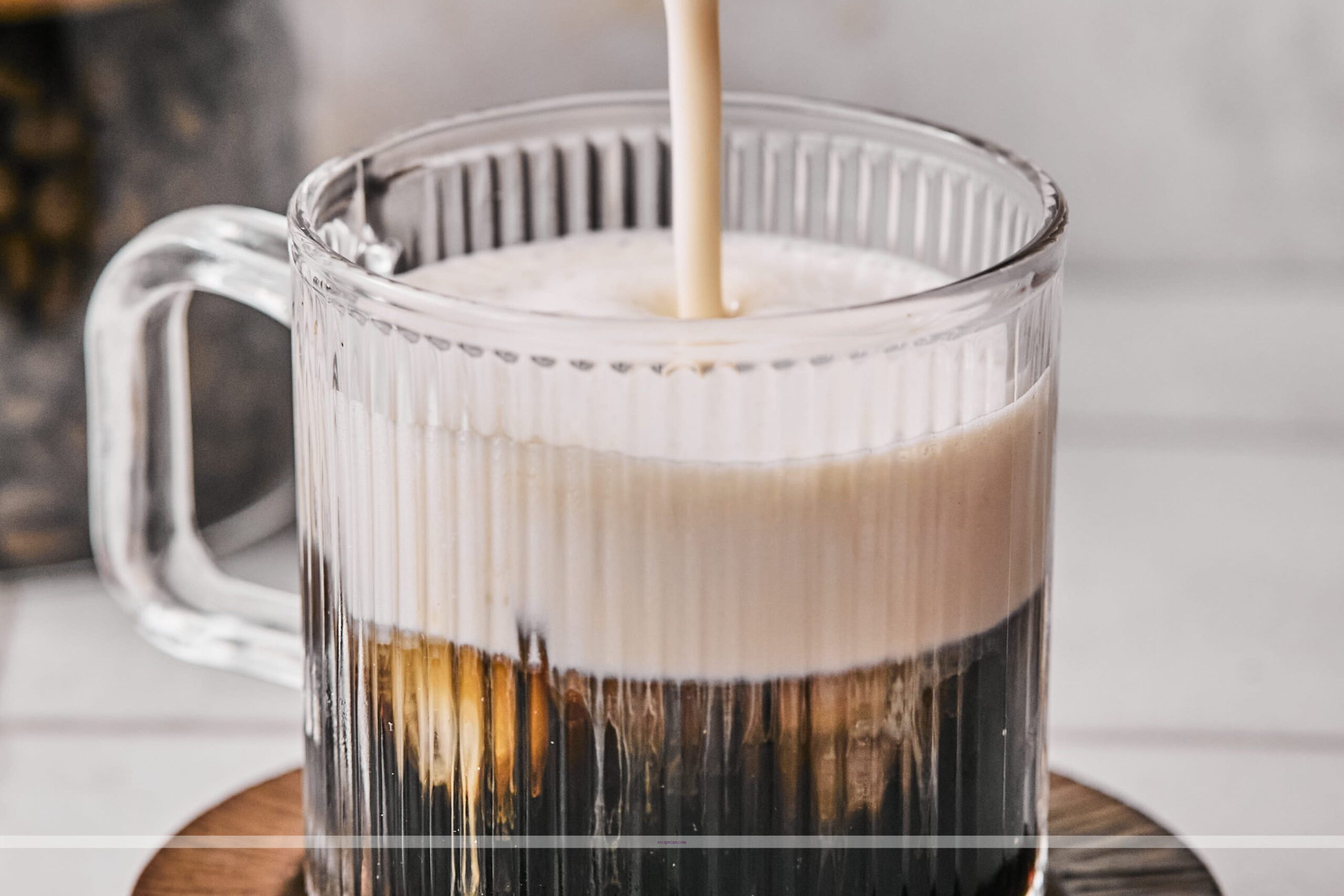
Crafting iced protein coffee safely requires precision and knowledge of the right ingredients and methods. This expert guide provides a step-by-step recipe tailored for health-conscious individuals seeking a delicious, protein-packed beverage. Following proper protocols not only enhances flavor but also ensures nutritional integrity, making this drink a perfect addition to your wellness routine.
What This Guide Covers (And What It Doesn’t)
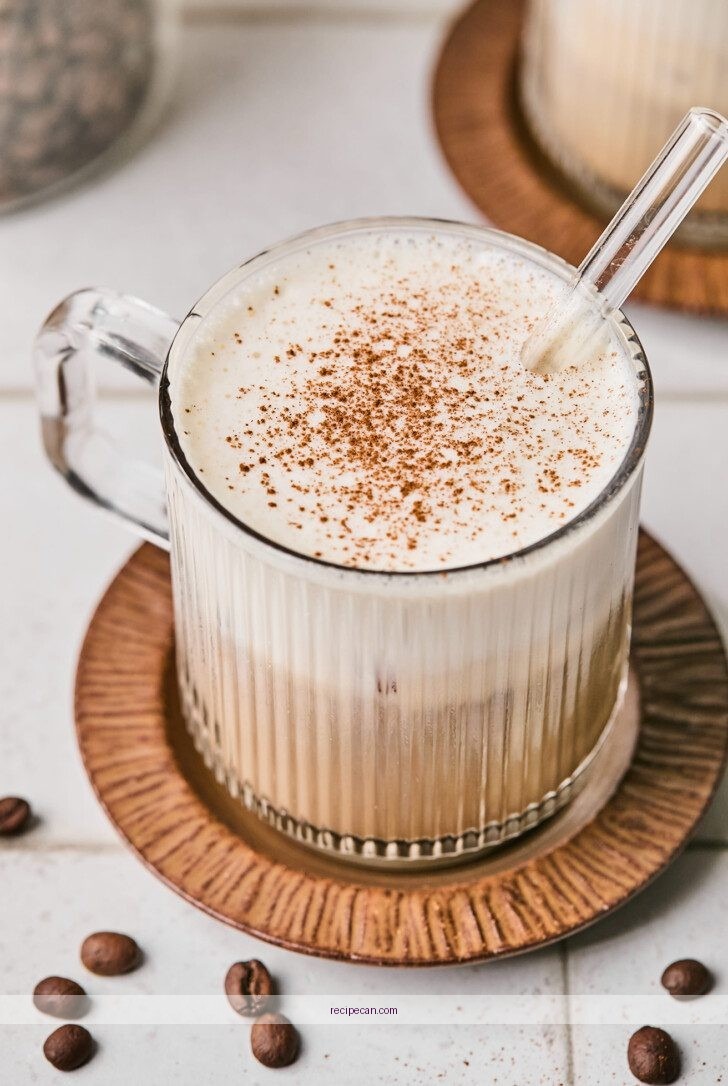
This guide offers an in-depth recipe for crafting iced protein coffee, detailing the necessary ingredients and preparation techniques. It highlights the health benefits of protein coffee, making it a perfect choice for fitness enthusiasts and anyone seeking a nutritious boost. By emphasizing the importance of quality ingredients and proper methods, this guide ensures you can maximize both flavor and nutritional value.
However, it excludes variations of protein coffee that incorporate high-sugar additives or overly processed ingredients, maintaining a focus on healthy, natural recipes. Additionally, it is tailored for readers who possess a basic understanding of cooking techniques and have access to common kitchen appliances like blenders and coffee makers. Advanced culinary skills or complex coffee brewing methods are not covered here.
Who Should Read This
This guide is ideal for fitness enthusiasts, athletes, or anyone looking to elevate their protein intake while savoring a refreshing coffee drink. It assumes a foundational understanding of nutrition and dietary needs. The perfect readers are those eager to integrate protein into their morning routine or pre-workout regimen, particularly individuals mindful of their macronutrient ratios.
It is not designed for individuals with severe caffeine sensitivity or those under specific dietary restrictions that limit protein intake, as these cases may require tailored nutritional advice.
The Step-by-Step Protocol
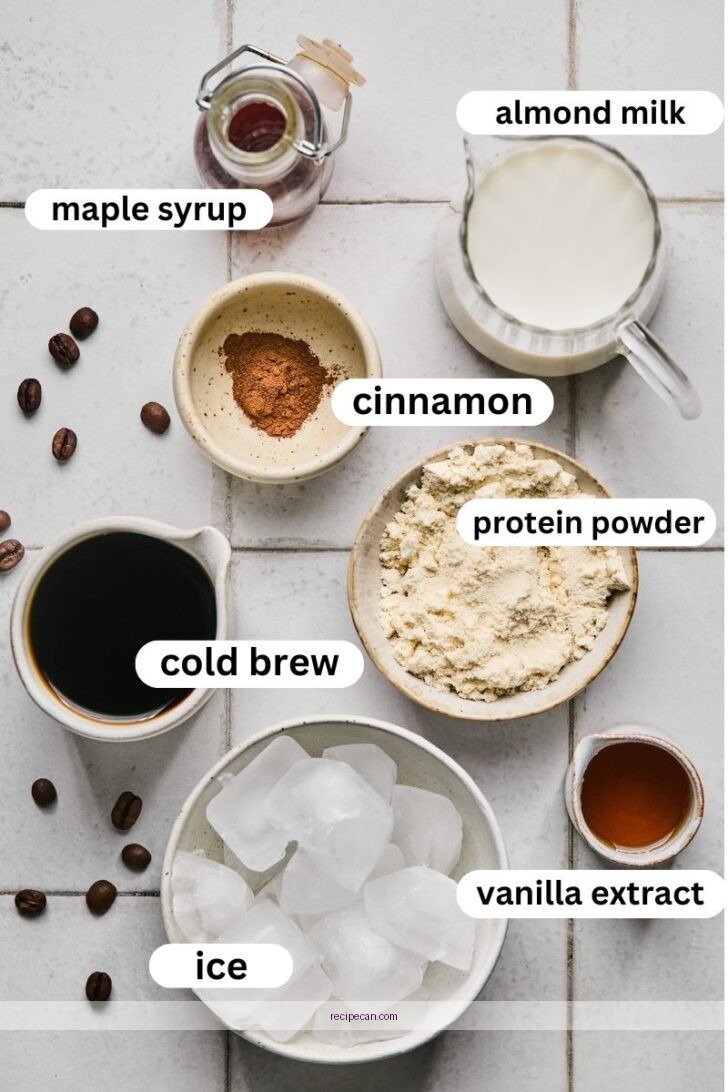
1. Select Your Protein: Choose a high-quality protein powder (whey, casein, or plant-based) with at least 20 grams of protein per serving. Measure 1 scoop or 30 grams.
2. Brew Your Coffee: Brew 1 cup (240 ml) of strong coffee, allowing it to cool to room temperature. For a smoother taste, consider using cold brew coffee.
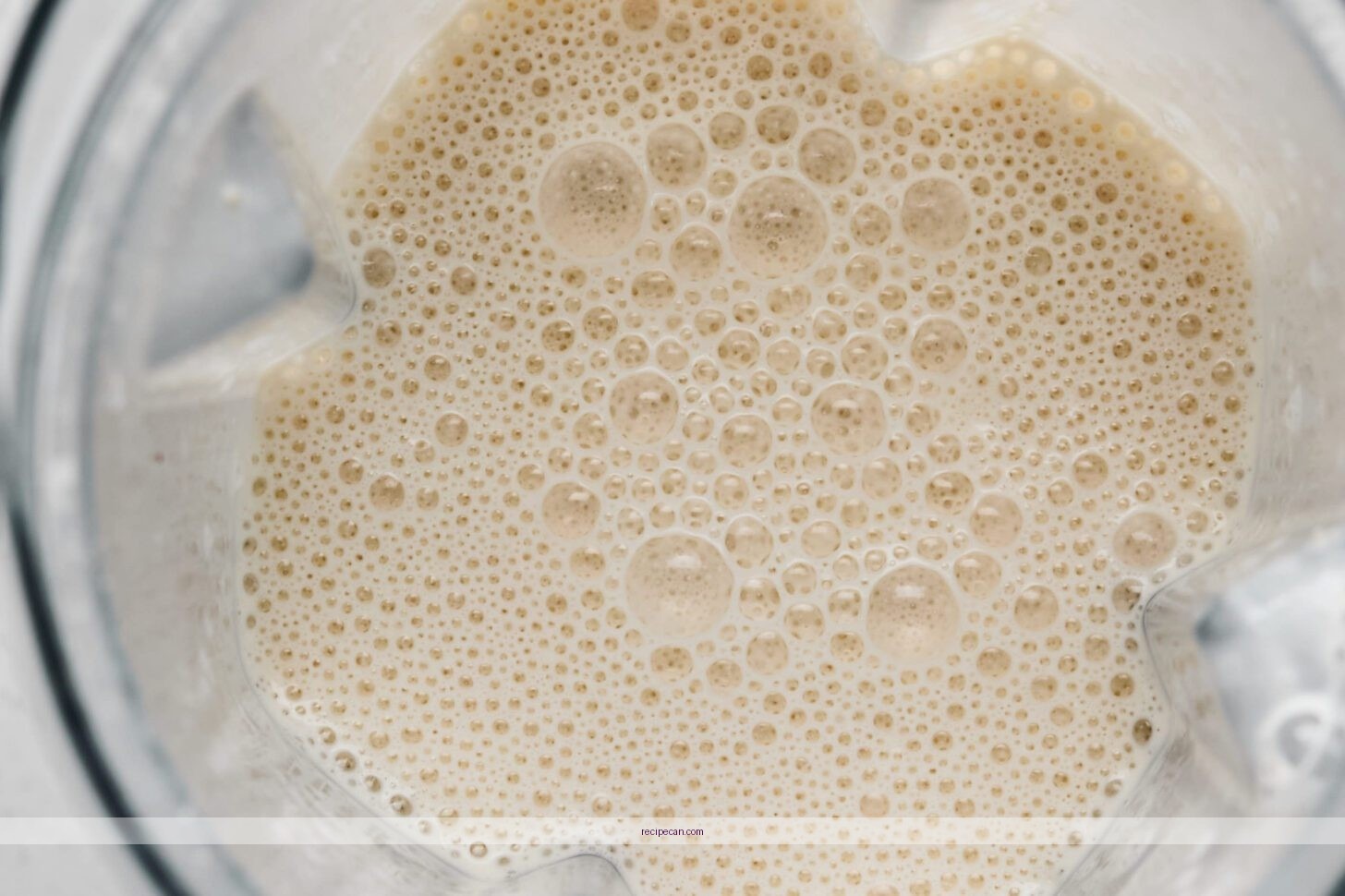
3. Combine Ingredients: In a blender, mix the cooled coffee with the protein powder, ½ cup of ice, and optional additions like 1 tablespoon of nut milk or a sweetener of your choice. Blend until smooth.
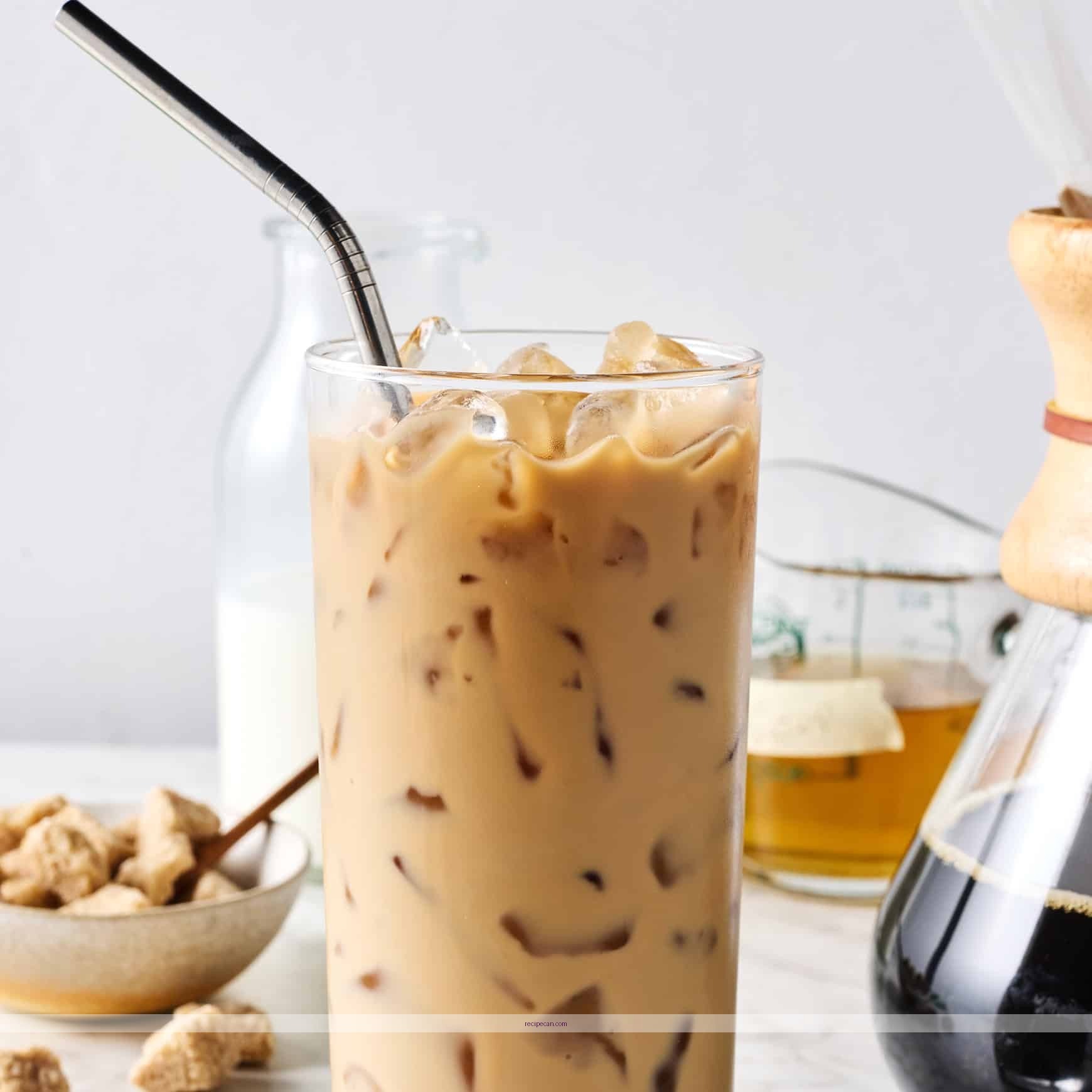
4. Serve: Pour the iced protein coffee into a tall glass and enjoy immediately. Optionally, top with a sprinkle of cocoa powder or cinnamon for added flavor.
Nutritional Comparison of Common Protein Powders (Per 30g Serving)
| # | Protein Powder | Calories | Protein (g) | Sugar (g) | Cost ($) |
|---|---|---|---|---|---|
| 1 | Whey Protein Isolate | 120 | 24 | 1 | 1.50 |
| 2 | Casein Protein | 120 | 23 | 0.5 | 1.80 |
| 3 | Soy Protein | 130 | 25 | 1 | 1.60 |
| 4 | Pea Protein | 120 | 24 | 0.5 | 1.50 |
| 5 | Hemp Protein | 140 | 13 | 0.5 | 2.00 |
| 6 | Rice Protein | 110 | 22 | 1 | 1.70 |
| 7 | Egg White Protein | 120 | 25 | 0 | 2.50 |
Warning Signs: When Not to Follow This
– Individuals with lactose intolerance should avoid whey protein and instead choose a lactose-free or plant-based alternative to prevent digestive discomfort.
– Those with caffeine sensitivity or cardiovascular issues should consult a healthcare professional before consuming this recipe, particularly if using multiple servings of coffee.
– If you experience adverse reactions such as jitteriness, anxiety, or digestive issues after consuming caffeine or protein, discontinue use immediately.
The Most Common Mistakes (And Their Consequences)
– Using Hot Coffee: Adding hot coffee directly to ice can lead to dilution and a watery texture, making your drink less flavorful. Always allow your coffee to cool before blending.
– Overwhelming with Sweeteners: Excessive sweeteners or flavored syrups can negate the health benefits of protein coffee, resulting in unnecessary sugar intake. Stick to one teaspoon of natural sweeteners.
– Ignoring Protein Quality: Choosing low-quality protein powders with fillers or high sugar content undermines the nutritional value. Research brands and opt for those with minimal ingredients.
Special Cases That Need a Different Approach
– Those following a ketogenic diet should substitute regular protein powder with a low-carb version and use unsweetened almond or coconut milk to minimize carbohydrate content.
– Pregnant or breastfeeding women should consider lower caffeine options, such as decaf coffee, to limit caffeine intake while still enjoying a protein boost.
– If you have specific allergies (e.g., nut allergies), ensure all ingredients, including milk alternatives and flavorings, are free from allergens to prevent reactions.
When You Need a Professional
– If you’re managing conditions such as diabetes, heart disease, or metabolic disorders, consult a registered dietitian or healthcare professional to tailor the iced protein coffee recipe to your specific dietary needs.
– If you experience persistent digestive discomfort or allergic reactions after consuming protein coffee, seeking guidance from a healthcare provider is essential to rule out underlying issues.
– If you’re uncertain about how to integrate protein coffee into a balanced diet while achieving fitness goals, consider scheduling an appointment with a nutritionist for personalized advice.
Sources and Further Reading
– “Protein Quality Evaluation in Human Nutrition” – Journal of Nutrition and Dietary Supplements.
– “Caffeine and Health: A Review of the Evidence” – American Journal of Clinical Nutrition.
– “The Role of Protein in Muscle Repair and Growth” – Sports Medicine Journal.
– “Dietary Guidelines for Americans 2020-2025” – U.S. Department of Agriculture and U.S. Department of Health and Human Services.
This comprehensive guide provides a clear and practical approach to making iced protein coffee, ensuring you can savor both the taste and health benefits of this nutritious beverage. Enjoy your journey to a refreshing and healthful drink!
Frequently Asked Questions
What is a simple iced protein coffee recipe that I can make at home?
A simple iced protein coffee recipe involves brewing your favorite coffee and allowing it to cool. Mix one cup of brewed coffee with one scoop of protein powder, add ice, and a splash of milk or a dairy-free alternative for creaminess. Blend or stir well to combine, and enjoy a refreshing protein-packed drink.
How can I make my iced protein coffee taste better?
To enhance the flavor of your iced protein coffee, consider adding a tablespoon of flavored syrup, cocoa powder, or a sprinkle of cinnamon. Using a sweetened protein powder or adding a natural sweetener like honey or stevia can also improve the taste. Experimenting with different milk alternatives can provide a unique flavor profile as well.
Why should I add protein to my iced coffee?
Adding protein to your iced coffee can help boost your energy levels and keep you feeling full longer, making it an ideal drink for those looking to manage their weight. The combination of caffeine and protein can also improve focus and workout performance, making it a great choice for pre- or post-workout fuel.
What is the best protein powder to use for iced coffee recipes?
The best protein powder for iced coffee recipes depends on your dietary preferences; whey protein is popular for its smooth texture and flavor. If you’re looking for a plant-based option, pea or brown rice protein can work well. Always choose a powder that complements the coffee’s flavor and suits your nutritional needs.
Which ingredients can I add to my iced protein coffee for extra nutrition?
You can add ingredients like spinach, banana, or Greek yogurt for extra nutrition in your iced protein coffee. Chia seeds or flaxseeds can provide healthy omega-3 fatty acids and fiber, while nut butter can add creaminess and healthy fats. These additions not only enhance nutrition but also contribute to a more filling drink.
References
- Checking your browser – reCAPTCHA
https://www.ncbi.nlm.nih.gov/pmc/articles/PMC6825121/ - Checking your browser – reCAPTCHA
https://www.ncbi.nlm.nih.gov/pmc/articles/PMC3257631/ - News
https://www.who.int/news-room/q-a-detail/healthy-diet - https://www.mayoclinic.org/healthy-lifestyle/nutrition-and-healthy-eating/in-depth/protein/art-20045805
https://www.mayoclinic.org/healthy-lifestyle/nutrition-and-healthy-eating/in-depth/protein/art-20045805 - https://www.sciencedirect.com/science/article/pii/S089990071930164X
https://www.sciencedirect.com/science/article/pii/S089990071930164X - https://www.bbc.com/news/health-48915293
https://www.bbc.com/news/health-48915293 - https://www.theguardian.com/lifeandstyle/2020/jul/01/what-is-protein-coffee-and-is-it-good-for-you
https://www.theguardian.com/lifeandstyle/2020/jul/01/what-is-protein-coffee-and-is-it-good-for-you - Google Scholar Google Scholar
https://scholar.google.com/scholar?q=iced+protein+coffee+recipe - Google Scholar Google Scholar
https://scholar.google.com/scholar?q=health+benefits+of+protein+coffee - Google Scholar Google Scholar
https://scholar.google.com/scholar?q=protein+coffee+nutrition+information