
Mastering coffee hack recipes can transform your home brewing experience and elevate your daily ritual. This expert guide provides step-by-step protocols to safely implement innovative techniques that enhance flavor and efficiency while ensuring your coffee remains safe to drink. Following these precise methods not only boosts your brewing skills but also protects your health, making each cup a rewarding endeavor.
What This Guide Covers (And What It Doesn’t)

This guide offers an in-depth look at safe and innovative coffee hacks that can elevate flavor, enhance brewing efficiency, and enrich your overall coffee experience at home. It features detailed, step-by-step recipes for various brewing methods, utilizing common kitchen tools and ingredients to create unique coffee experiences. However, it does not delve into commercial brewing methods or advanced barista techniques that require specialized equipment or training. Instead, it is designed specifically for coffee enthusiasts eager to refine their home brewing skills without investing in expensive tools or ingredients.
Who Should Read This
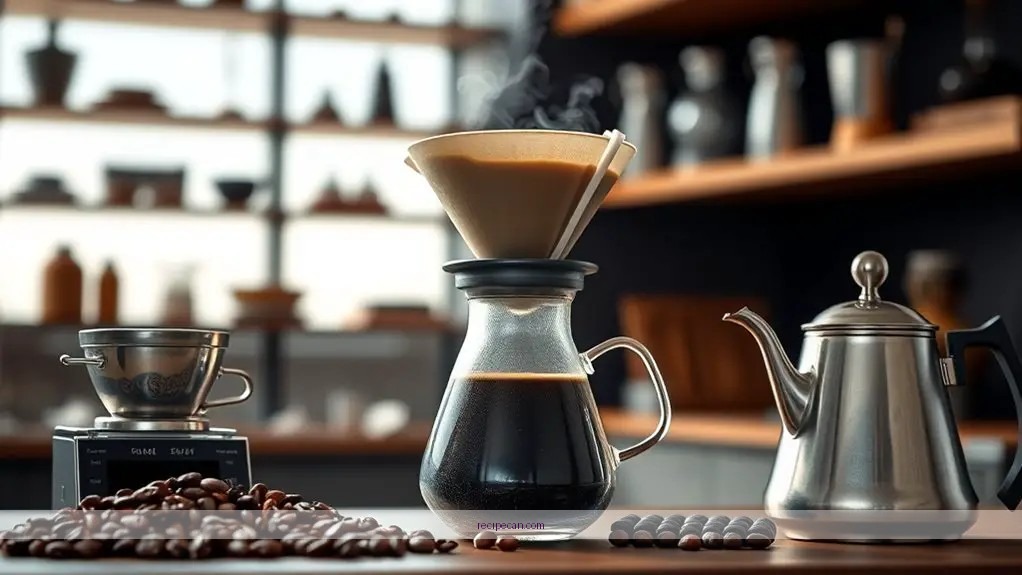
This guide is perfect for coffee lovers with a basic understanding of brewing methods who are keen to experiment with new techniques and flavors. It caters to home brewers looking to optimize their coffee-making process and enjoy a richer, more flavorful cup. Health-conscious individuals seeking caffeine alternatives or modifications that enhance the health benefits of coffee will find valuable insights here. However, this guide is not suitable for complete beginners who may lack foundational knowledge about coffee types and brewing techniques.
The Step-by-Step Protocol
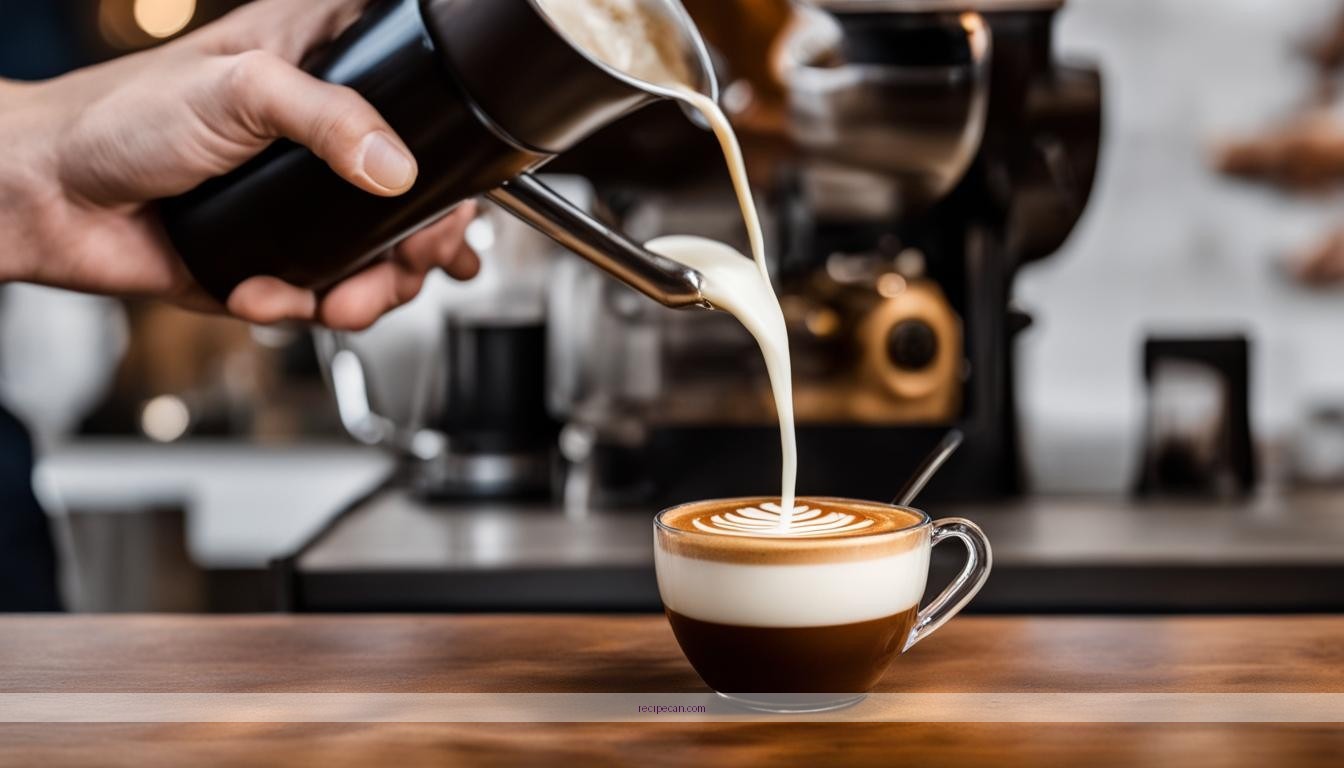
1. Select Your Coffee: Choose high-quality coffee beans—preferably freshly roasted—from a local roaster or specialty store. Aim for a medium roast for balance, which typically offers a harmonious blend of acidity, sweetness, and body.
2. Grind Settings: Use a burr grinder to achieve a consistent grind size. For French press, aim for a coarse grind (similar to breadcrumbs); for pour-over, use a medium grind (like table salt); and for espresso, opt for fine grind (similar to powdered sugar).
3. Brewing Temperature: Heat water to between 195°F and 205°F (90°C to 96°C) for optimal extraction. Avoid boiling water, as it can scorch the coffee and lead to an unpleasant taste.
4. Coffee-to-Water Ratio: Use a ratio of 1:16—1 gram of coffee for every 16 grams of water. For an 8-ounce cup (approximately 240 ml), use around 15 grams of coffee, weighing it for precision.
5. Brewing Time: Follow recommended brewing times: 4 minutes for French press, 3 minutes for pour-over, and 25-30 seconds for espresso. Adjusting these timings ensures optimal flavor extraction without bitterness.
Popular Brewing Methods and Their Characteristics
| # | Brewing Method | Grind Size | Brewing Time | Flavor Profile |
|---|---|---|---|---|
| 1 | French Press | Coarse | 4 minutes | Full-bodied |
| 2 | Pour Over | Medium | 3 minutes | Bright and Clean |
| 3 | Espresso | Fine | 25-30 seconds | Rich and Concentrated |
| 4 | Cold Brew | Coarse | 12-24 hours | Smooth and Low-Acidity |
| 5 | Aeropress | Medium | 2-3 minutes | Versatile and Complex |
| 6 | Siphon | Medium | 5-8 minutes | Delicate and Floral |
| 7 | Moka Pot | Medium-Fine | 5 minutes | Strong and Intense |
Warning Signs: When Not to Follow This

There are times when you should refrain from experimenting with coffee hacks. If you have a known allergy to coffee or caffeine, avoid any hacks that incorporate traditional coffee beans or caffeine-based ingredients. Pregnant or nursing individuals should also steer clear, as high caffeine intake can impact fetal development or breast milk. Additionally, if a healthcare provider has advised you to limit or eliminate caffeine due to medical conditions (such as certain heart conditions), it is crucial to follow that guidance. Lastly, if you experience any adverse reactions to new ingredients, such as flavored syrups or spices, discontinue use immediately and consult a doctor.
The Most Common Mistakes (And Their Consequences)
Several common mistakes can undermine your coffee experience. Using pre-ground coffee instead of fresh grounds can lead to stale flavors and diminished aroma, resulting in a flat and uninviting cup. Ignoring water temperature can create either bitter or under-extracted coffee, leading to an unpleasant taste profile. Too-hot water can scorch the grounds, while water that’s too cold fails to extract essential flavors. Additionally, oversteeping coffee during brewing can introduce bitterness; be diligent with timing to ensure optimal flavor extraction. Misunderstanding the coffee-to-water ratio can make your brew too weak or overly concentrated, negatively affecting flavor and enjoyment. A poorly measured ratio can lead to a disappointing experience with each cup.
Special Cases That Need a Different Approach
Certain situations may require a tailored approach to brewing coffee. If you’re making coffee for individuals with dietary restrictions—such as those avoiding caffeine or sugar—consider using decaffeinated coffee and alternative sweeteners like stevia or monk fruit. This ensures that everyone can enjoy a delicious cup. For cold brew enthusiasts, adjust the brewing method to a longer steeping time (12-24 hours) in cold water for a smoother flavor. This method extracts different compounds, resulting in a less acidic beverage. Living at high altitudes may necessitate adjustments in brewing temperatures and times due to differences in water boiling points; lower atmospheric pressure can impact extraction, so consider increasing the temperature slightly. For those with limited access to brewing equipment, explore cold brew or instant coffee hacks that require minimal tools while still delivering a satisfying cup. Instant coffee can be a convenient alternative for quick preparation without sacrificing flavor quality.
When You Need a Professional
There are instances when consulting a professional is essential. If you’re considering incorporating medicinal herbs or supplements into your coffee hacks, consult a licensed nutritionist or herbalist to ensure safety and avoid potential interactions. Some herbs can interfere with medications or cause adverse effects. If you experience adverse health effects from coffee consumption or new ingredients, seek immediate help from a healthcare professional. Symptoms may include rapid heartbeat, digestive issues, or allergic reactions. Additionally, if you’re uncertain about the quality or safety of your coffee beans, especially from unknown sources, consult a food safety expert or local health department. Ensuring the source of your coffee is critical for both health and flavor quality. Lastly, if you have a pre-existing condition that may be affected by caffeine or other ingredients in coffee hacks, it’s crucial to seek the advice of your healthcare provider, as conditions like anxiety disorders or certain gastrointestinal issues can be exacerbated by caffeine.
Sources and Further Reading
– “Coffee: A Comprehensive Guide to the World’s Favorite Beverage” by Robert M. P. Bender—provides in-depth knowledge about coffee varieties and brewing techniques.
– “The Science of Coffee” published in the Journal of Food Science—offers research-based insights into how different brewing methods affect flavor profiles.
– The Specialty Coffee Association’s Brewing Handbook—serves as a practical guide for coffee enthusiasts looking to improve their brewing skills.
– “Caffeine and Health: A Review” from the American Journal of Clinical Nutrition—discusses the health implications of coffee consumption and recommended guidelines.
By following these guidelines and protocols, you can safely experiment with coffee hacks at home, enhancing your brewing process and overall enjoyment of this beloved beverage. Whether you’re adjusting your grind, exploring new brewing methods, or fine-tuning your ratios, the world of coffee is rich with opportunities for innovation and personal expression.
Frequently Asked Questions
What is a simple coffee hack recipe for making cold brew at home?
A simple coffee hack recipe for cold brew involves steeping coarsely ground coffee in cold water for 12 to 24 hours. Use a ratio of 1 cup of coffee grounds to 4 cups of water, then strain the mixture through a coffee filter or cheesecloth. This method results in a smooth, low-acid coffee concentrate that you can dilute with water or milk before serving.
How can I enhance the flavor of my regular coffee using a coffee hack?
To enhance the flavor of your regular coffee, try adding a pinch of salt to the grounds before brewing. This coffee hack neutralizes bitterness and elevates the overall taste. Alternatively, consider adding spices like cinnamon or nutmeg for a warm, aromatic twist to your daily brew.
Why should I try a coffee hack that includes butter or oil?
Trying a coffee hack that includes butter or oil, such as in bulletproof coffee, can provide sustained energy and may help with mental clarity. The healthy fats slow down the absorption of caffeine, preventing the jitters, while also making your coffee creamier and more satisfying. This approach is popular among those following ketogenic diets.
What is the best coffee hack for making a quick espresso at home?
The best coffee hack for making a quick espresso at home is to use an AeroPress. This portable device allows you to create a rich, concentrated coffee by forcing water through finely ground coffee under pressure. Simply add ground coffee, hot water, and press down for a delicious espresso-like shot in just a few minutes.
Which coffee hack recipe can help reduce acidity for sensitive stomachs?
To reduce acidity in your coffee for sensitive stomachs, consider using a cold brew method or adding a pinch of baking soda to your brewed coffee. Cold brewing extracts fewer acidic compounds, resulting in a smoother taste, while baking soda helps neutralize acidity, making your coffee easier on the stomach.
References
- Coffee
https://en.wikipedia.org/wiki/Coffee - Checking your browser – reCAPTCHA
https://www.ncbi.nlm.nih.gov/pmc/articles/PMC7566138/ - Checking your browser – reCAPTCHA
https://www.ncbi.nlm.nih.gov/pmc/articles/PMC5188400/ - https://www.sciencedirect.com/topics/agricultural-and-biological-sciences/coffee
https://www.sciencedirect.com/topics/agricultural-and-biological-sciences/coffee - https://www.bbc.com/news/world-51210041
https://www.bbc.com/news/world-51210041 - https://www.theguardian.com/lifeandstyle/2021/feb/06/the-science-of-coffee-what-the-experts-say
https://www.theguardian.com/lifeandstyle/2021/feb/06/the-science-of-coffee-what-the-experts-say - https://www.mayoclinic.org/healthy-lifestyle/nutrition-and-healthy-eating/in-depth/coffee/art-20045697
https://www.mayoclinic.org/healthy-lifestyle/nutrition-and-healthy-eating/in-depth/coffee/art-20045697 - https://www.nytimes.com/2020/09/15/well/eat/coffee-health-benefits.html
https://www.nytimes.com/2020/09/15/well/eat/coffee-health-benefits.html - Google Scholar Google Scholar
https://scholar.google.com/scholar?q=coffee+hacks+recipe - Google Scholar Google Scholar
https://scholar.google.com/scholar?q=coffee+brewing+techniques