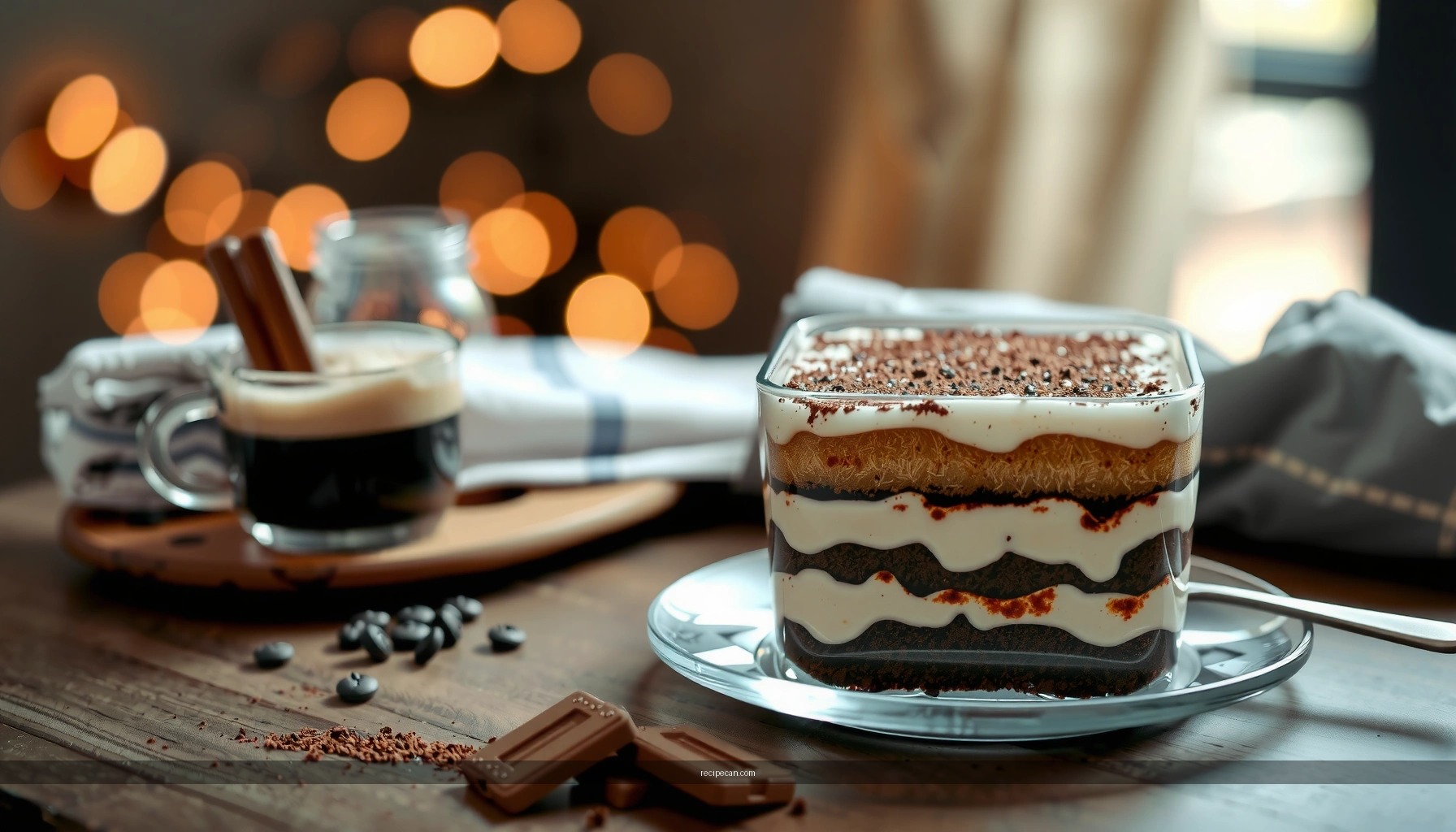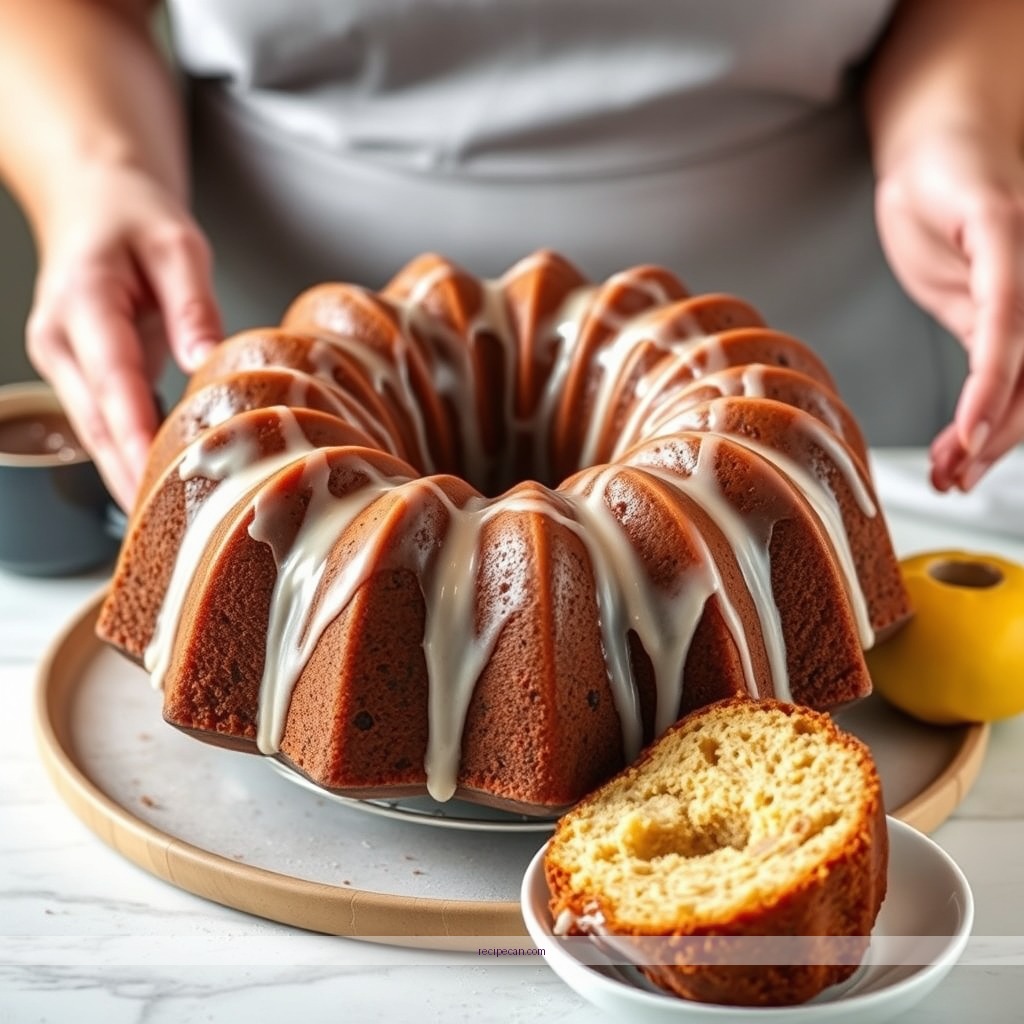
Master the art of baking a coffee cake bundt with this expert guide, designed for both novice and seasoned bakers. This step-by-step protocol will walk you through every essential technique and ingredient, ensuring a perfectly moist and flavorful cake. Following these precise instructions matters, as the right approach transforms simple components into a show-stopping dessert that impresses at any gathering.
What This Guide Covers (And What It Doesn’t)
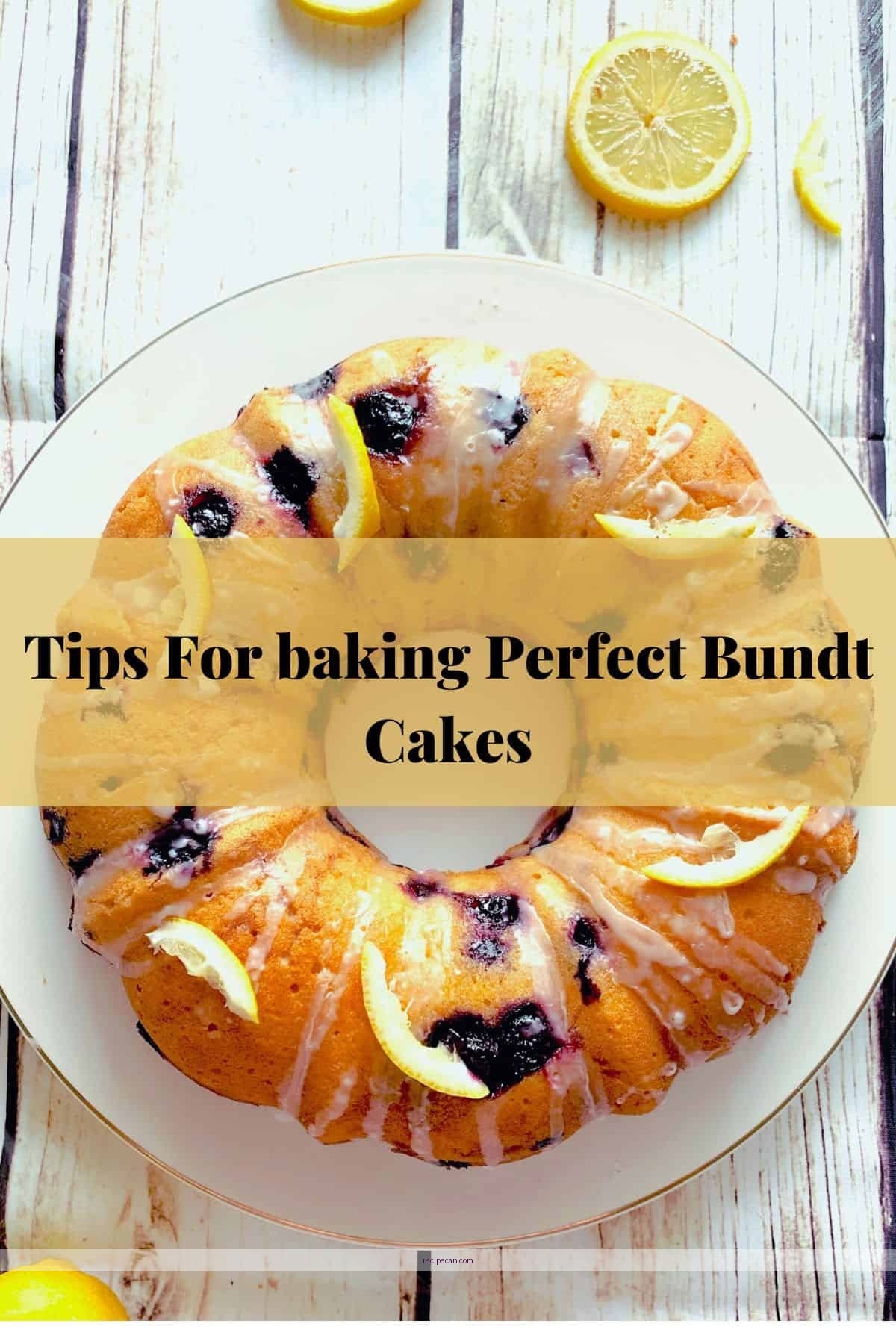
This guide offers a detailed, step-by-step protocol for baking a coffee cake bundt, highlighting the essential ingredients, precise measurements, and techniques necessary to ensure a successful outcome. It intentionally excludes variations outside the traditional coffee cake bundt recipe, such as gluten-free or vegan adaptations, and it does not address frosting or icing options that may not suit the bundt style. Aimed at home bakers with a fundamental grasp of baking terminology and methods, this guide assumes familiarity with measuring ingredients and using kitchen appliances effectively.
Who Should Read This
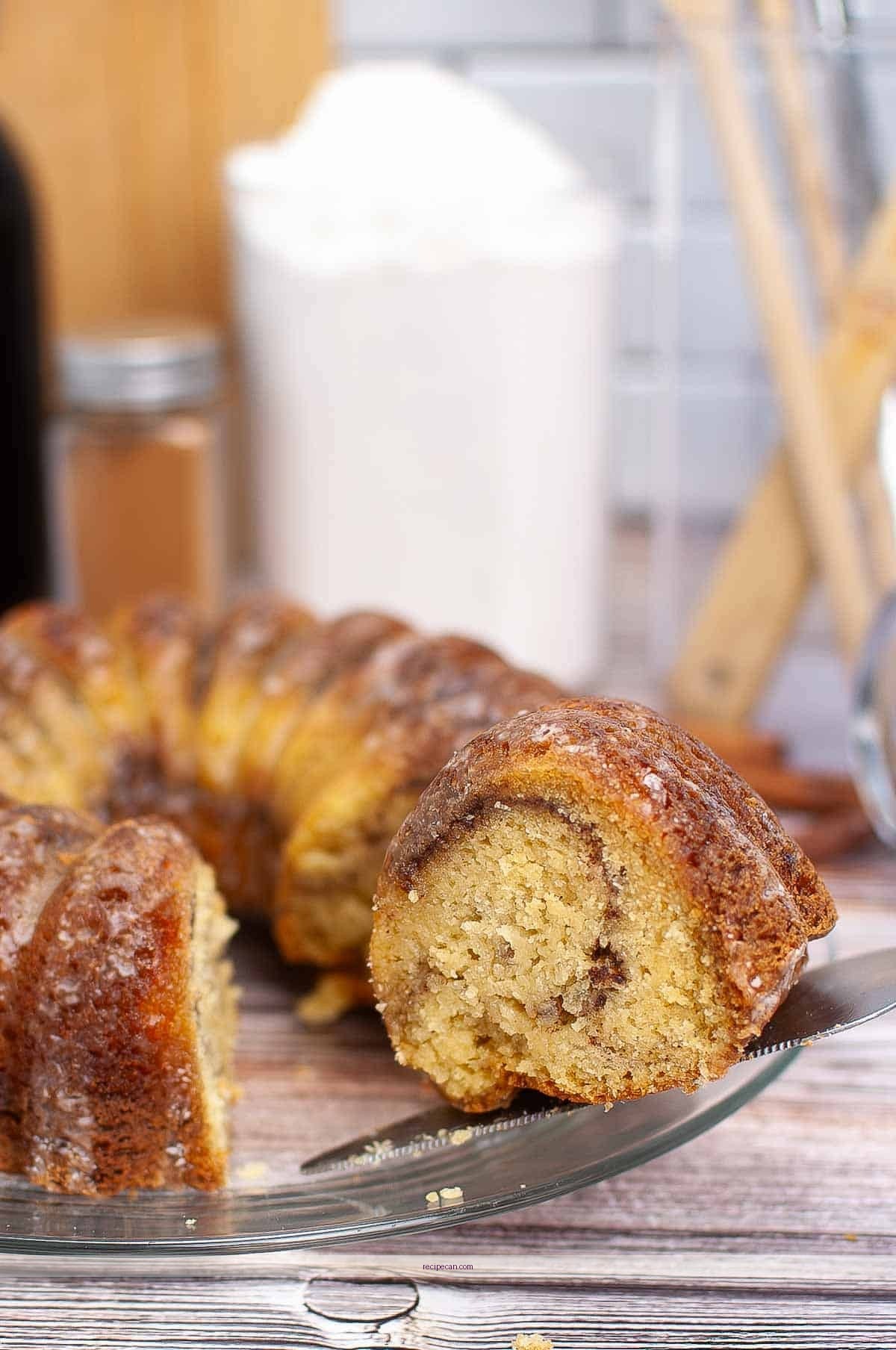
This guide is tailored for home bakers eager to enhance their skills and craft a delicious coffee cake bundt that will wow family and friends. Readers should have prior experience with basic baking practices, including mixing batter, operating an oven, and understanding ingredient functions. Those with a particular interest in coffee cakes or bundt cakes will find this guide especially beneficial, as it provides in-depth insights into achieving the perfect texture and flavor profile.
The Step-by-Step Protocol
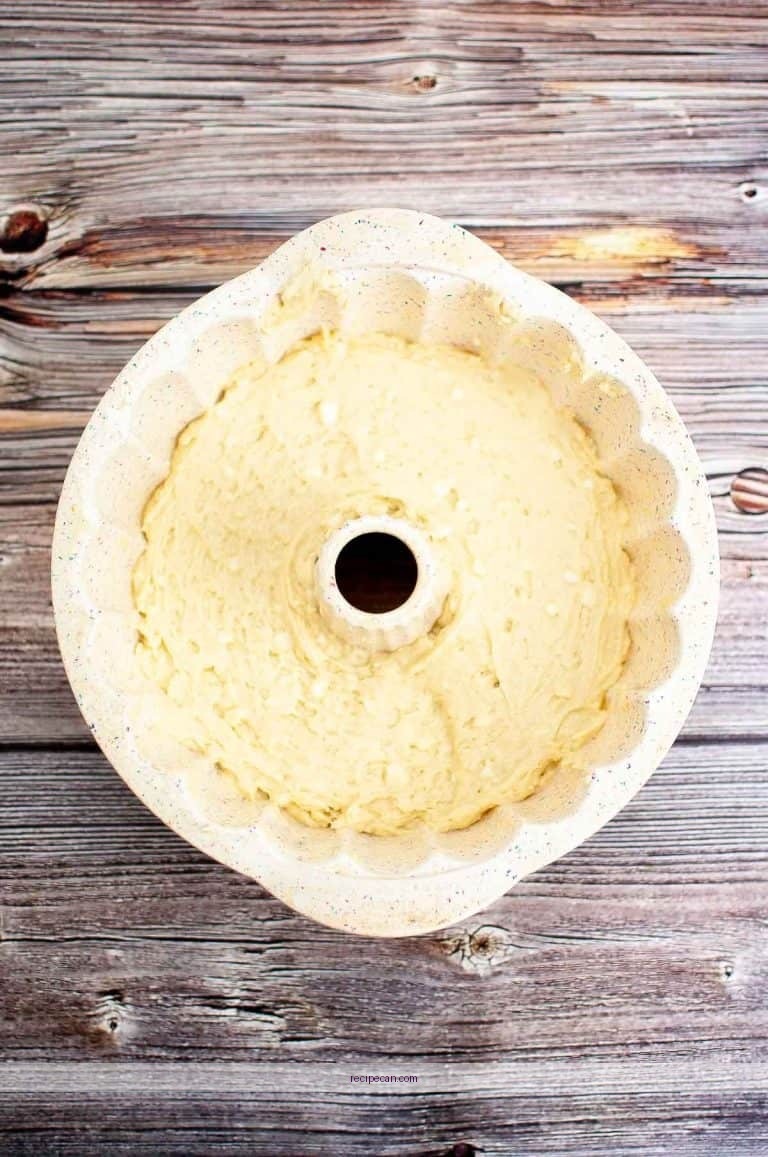
1. Gather Ingredients: Collect 2 cups of all-purpose flour, 1 cup of granulated sugar, ½ cup of unsalted butter (softened), 2 large eggs, 1 cup of sour cream, 1 teaspoon of baking powder, 1 teaspoon of baking soda, 1 teaspoon of vanilla extract, and ½ teaspoon of salt.
2. Preheat Oven: Preheat your oven to 350°F (175°C) and prepare a 10-inch bundt pan by greasing it with butter and dusting it with flour to prevent sticking.
3. Prepare the Batter: In a mixing bowl, cream together the softened butter and sugar until light and fluffy. Beat in the eggs one at a time, then mix in the sour cream and vanilla extract.
4. Combine Dry Ingredients: In a separate bowl, whisk together the flour, baking powder, baking soda, and salt. Gradually add the dry mixture to the wet ingredients, mixing just until combined.
5. Add Swirls: For a marble effect, reserve 1 cup of batter and mix it with ½ cup of cocoa powder or cinnamon. Alternate layers of each batter in the bundt pan, using a knife to swirl gently for a marbled appearance.
6. Bake: Place the bundt pan in the preheated oven and bake for 45-55 minutes or until a toothpick inserted in the center comes out clean.
7. Cool and Serve: Allow the cake to cool in the pan for 10 minutes before inverting it onto a wire rack. Let it cool completely before slicing and serving.
Ingredient Ratios for Traditional Coffee Cake Bundt
| # | Ingredient | Quantity | Purpose | Notes |
|---|---|---|---|---|
| 1 | All-Purpose Flour | 2 cups | Structure | Main dry ingredient |
| 2 | Granulated Sugar | 1 cup | Sweetness | Adds moisture |
| 3 | Unsalted Butter | ½ cup | Richness | Should be softened |
| 4 | Eggs | 2 large | Binding agent | Room temperature preferred |
| 5 | Sour Cream | 1 cup | Moisture | Enhances flavor |
| 6 | Baking Powder | 1 teaspoon | Leavening agent | Ensure freshness |
| 7 | Baking Soda | 1 teaspoon | Leavening agent | Works with sour cream |
| 8 | Vanilla Extract | 1 teaspoon | Flavor enhancer | Use pure extract |
| 9 | Salt | ½ teaspoon | Flavor enhancer | Balances sweetness |
| 10 | Cocoa Powder/Cinnamon | ½ cup | Flavor | Optional for marbling |
Warning Signs: When Not to Follow This
– If you are allergic to any key ingredients, such as dairy or eggs, do not attempt this recipe without appropriate substitutions, as it could trigger serious allergic reactions.
– Avoid following this guide if your baking tools are not functioning properly—malfunctioning ovens or inaccurately calibrated measuring tools can lead to disappointing results.
– Do not proceed with this recipe if you lack the time for adequate preparation and baking, as rushing may compromise the quality of the final product.
The Most Common Mistakes (And Their Consequences)
– A frequent error is overmixing the batter, which results in a dense and tough coffee cake instead of a light, fluffy texture. Aim to mix just until the ingredients are combined.
– Using cold ingredients, especially butter or eggs, can hinder proper batter incorporation; always ensure ingredients are at room temperature for optimal blending.
– Failing to adequately grease and flour the bundt pan can cause the cake to stick, ruining its presentation and making it difficult to serve.
Special Cases That Need a Different Approach
– If you are using a non-stick bundt pan, adjust the baking time accordingly, as non-stick materials tend to bake faster than traditional pans; start checking for doneness at the 40-minute mark.
– For variations that include fruit, such as blueberries or chopped apples, consider adjusting the amount of flour to maintain the batter’s balance and prevent excess moisture.
– When baking at high altitudes (above 3,000 feet), increase the oven temperature by 25°F and reduce the sugar by 1-2 tablespoons to accommodate changes in air pressure.
When You Need a Professional
– If you have specific dietary restrictions that require significant substitutions, such as severe allergies or medical conditions, consult with a certified dietitian to ensure the recipe meets your health needs.
– If you consistently experience baking failures despite following instructions, it may be beneficial to seek advice from a professional baker or enroll in a baking class to refine your techniques.
– Consider professional consultation if you intend to serve this cake at a large event where any risk of food allergies or dietary restrictions could impact guests’ health.
Sources and Further Reading
– “The Science of Good Cooking” by Cook’s Illustrated provides in-depth explanations of baking principles that are relevant to achieving the best bundt coffee cake.
– Research from the American Institute of Baking discusses the effects of ingredient substitutions on texture and flavor, which is useful for creating variations of the coffee cake bundt.
– Online forums such as the King Arthur Baking Company offer community-tested tips and tricks specifically tailored to bundt cakes, enhancing your recipe repertoire.
Frequently Asked Questions
What ingredients do I need for a coffee cake recipe for a Bundt pan?
To make a delicious coffee cake in a Bundt pan, you’ll typically need all-purpose flour, granulated sugar, baking powder, baking soda, salt, eggs, buttermilk, and vanilla extract. Additionally, for a classic touch, you’ll want to include a crumb topping made from brown sugar, cinnamon, and butter. This combination creates a rich, moist cake that’s perfect for any occasion.
How can I prevent my Bundt coffee cake from sticking to the pan?
To ensure your Bundt coffee cake releases easily from the pan, start by thoroughly greasing the pan with butter or cooking spray, making sure to coat all the crevices. Additionally, dusting the greased pan with flour can help create a barrier. Allow the cake to cool for about 10 minutes before inverting it onto a wire rack to prevent it from breaking apart.
Why is my coffee cake dense and not fluffy?
A dense coffee cake can result from overmixing the batter, which develops the gluten in the flour too much. It’s essential to mix just until the ingredients are combined and to accurately measure your flour. Using room temperature ingredients can also contribute to a fluffier texture, so be sure to let your eggs and buttermilk sit out before starting your recipe.
What is the best way to enhance the flavor of my Bundt coffee cake?
To enhance the flavor of your Bundt coffee cake, consider adding spices like cinnamon or nutmeg to the batter and the crumb topping. Incorporating ingredients such as sour cream or Greek yogurt can add moisture and richness. You can also add mix-ins like chocolate chips, nuts, or fresh fruits to elevate the flavor profile and create a unique twist on the classic recipe.
Which type of Bundt pan is best for baking coffee cake?
The best type of Bundt pan for baking coffee cake is one made of heavy-duty metal, which ensures even heat distribution for a perfectly baked cake. A non-stick coating is also beneficial, as it helps prevent sticking. Consider using a pan with intricate designs for a beautiful presentation, but make sure it’s well-greased to allow for easy release after baking.
References
- Coffee cake
https://en.wikipedia.org/wiki/Coffee_cake - Coffee cake recipes | Good Food
https://www.bbcgoodfood.com/recipes/collection/coffee-cake-recipes - https://www.sciencedirect.com/topics/food-science/coffee-cake
https://www.sciencedirect.com/topics/food-science/coffee-cake - Slow Cooker Red Beans and Rice Recipe
https://www.nytimes.com/recipes/1020815/coffee-cake.html - https://www.foodnetwork.com/recipes/coffee-cake-recipes
https://www.foodnetwork.com/recipes/coffee-cake-recipes - Google Scholar Google Scholar
https://scholar.google.com/scholar?q=coffee+cake+recipe - Google Scholar Google Scholar
https://scholar.google.com/scholar?q=baking+coffee+cake - Google Scholar Google Scholar
https://scholar.google.com/scholar?q=bundt+coffee+cake+recipe - https://www.journalofculinaryscienceandtechnology.com/
https://www.journalofculinaryscienceandtechnology.com/ - Google Scholar Google Scholar
https://scholar.google.com/scholar?q=coffee+cake+recipe+bundt