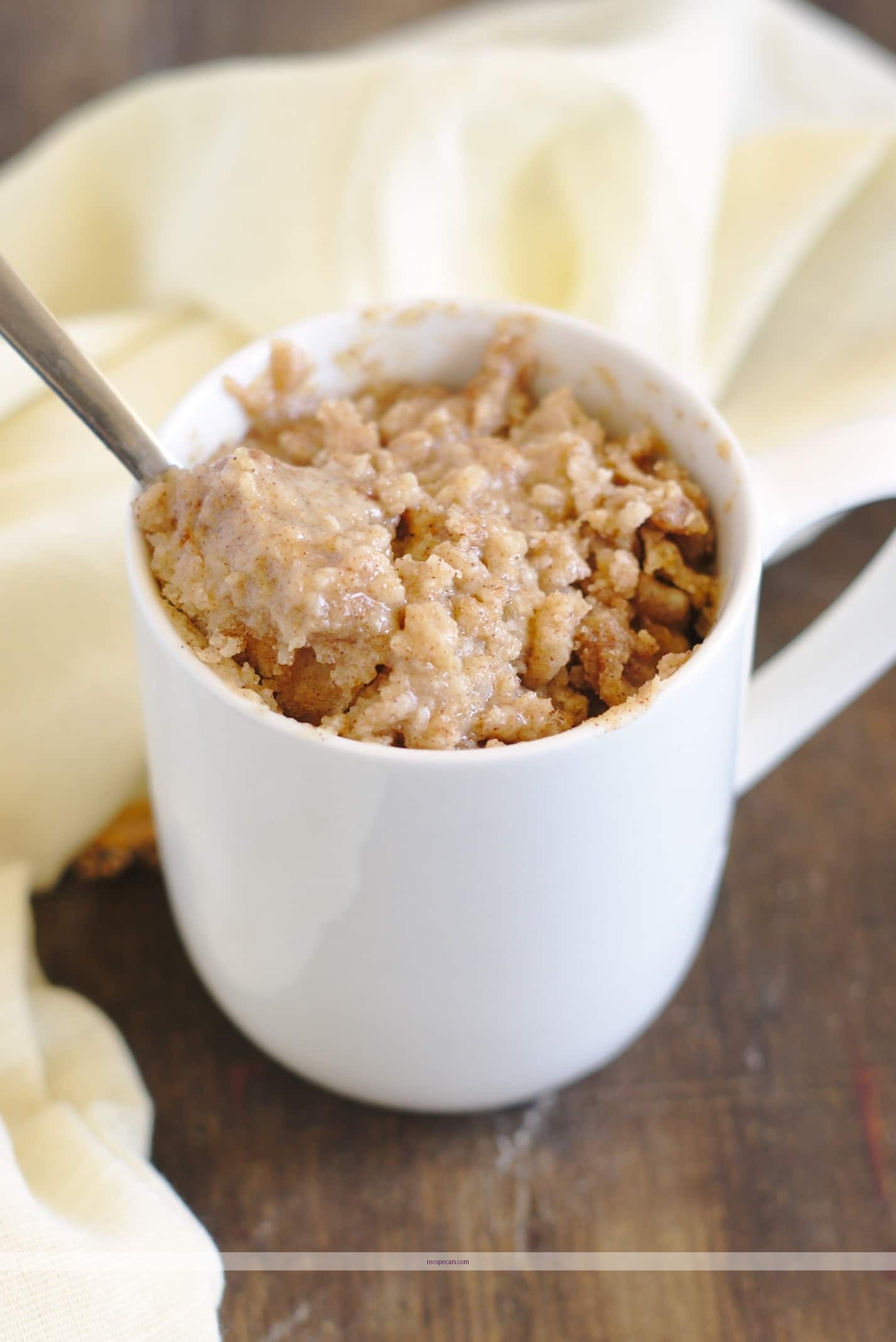
The Complete Step-by-Step Protocol for Making Coffee Cake Mug Cake provides a precise, foolproof method for crafting this delightful dessert in minutes. Aimed at both novice bakers and seasoned enthusiasts, this guide breaks down every essential step, ensuring perfect results every time. Following the right protocol not only enhances flavor and texture but also elevates your mug cake experience to a new level of indulgence.
What This Guide Covers (And What It Doesn’t)
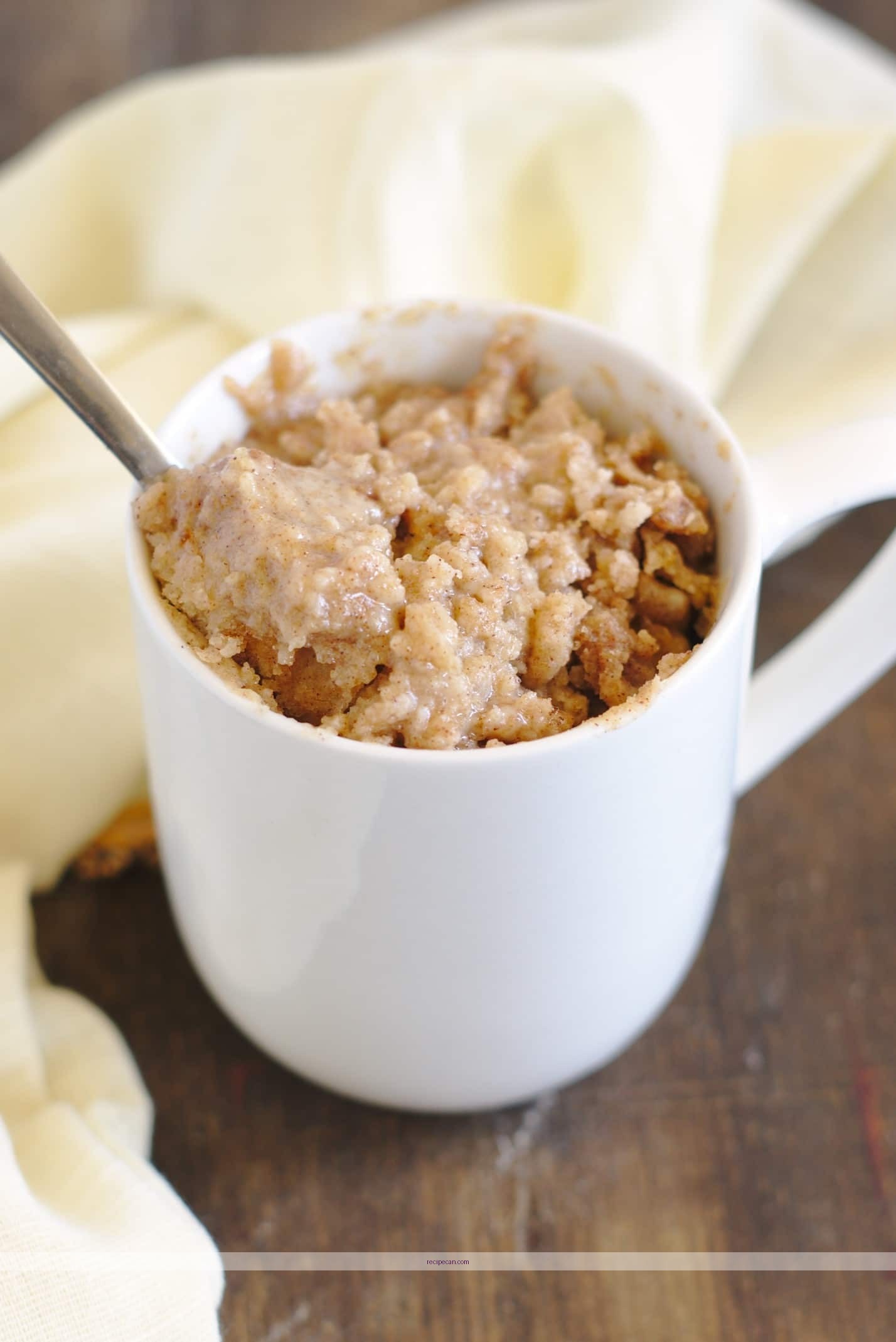
This guide presents an extensive, step-by-step protocol for crafting a delightful coffee cake mug cake, complete with precise ingredient measurements and cooking times to ensure perfect results. You’ll find detailed information on the necessary tools and techniques, along with variations to customize your cake for the best flavor and texture. While this guide focuses solely on coffee cake mug cake, it does not delve into unrelated mug cakes or different baking techniques.
Who Should Read This
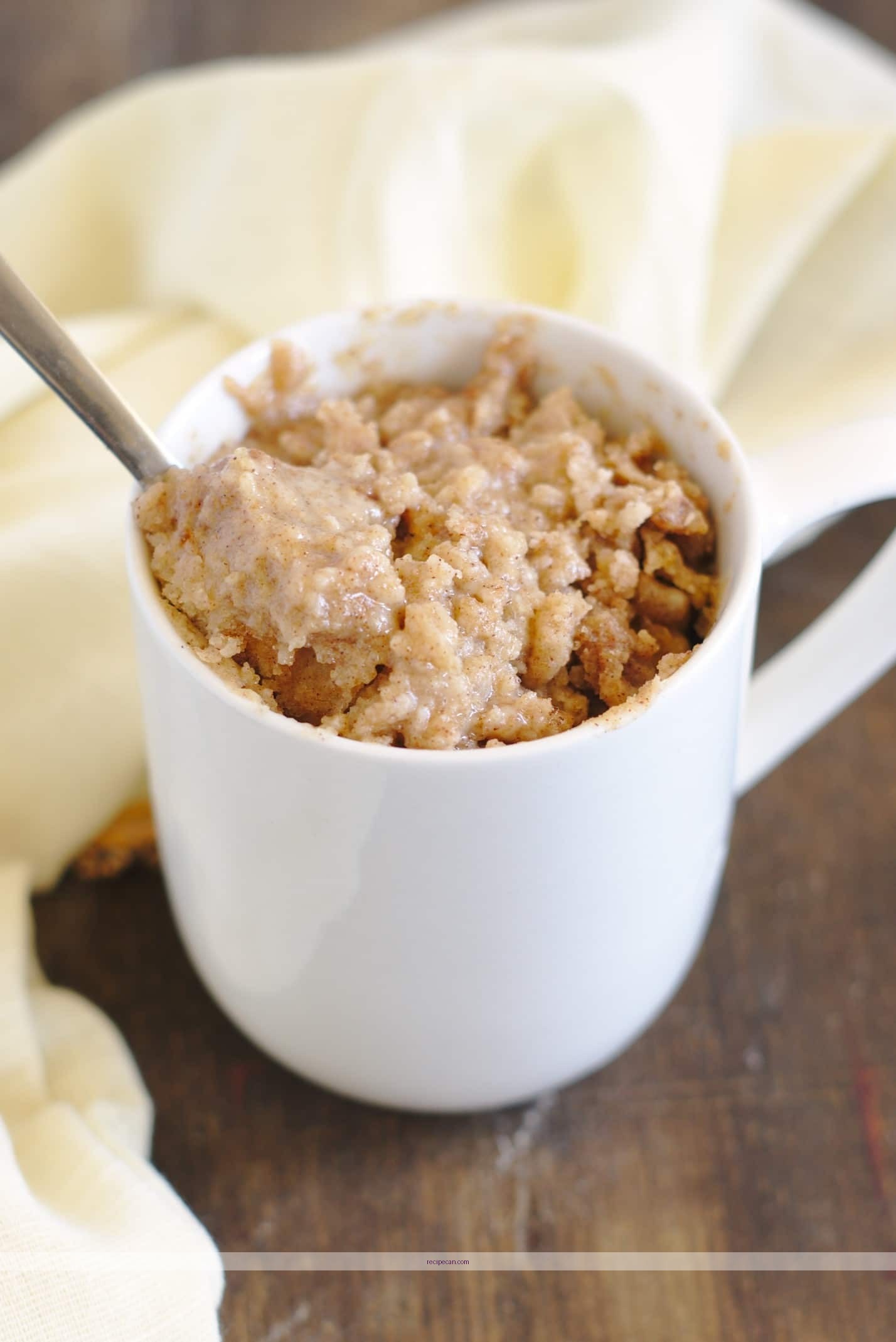
Home bakers of all skill levels will benefit from this guide. Whether you’re a beginner seeking a simple dessert or an experienced cook in search of a quick coffee cake alternative, this recipe caters to your needs. Those who enjoy the convenience of microwave cooking and want to whip up a personalized treat in just a few minutes will find this guide especially valuable. However, readers with specific dietary restrictions or preferences (such as gluten-free or vegan) should note that this guide primarily uses traditional ingredients.
The Step-by-Step Protocol
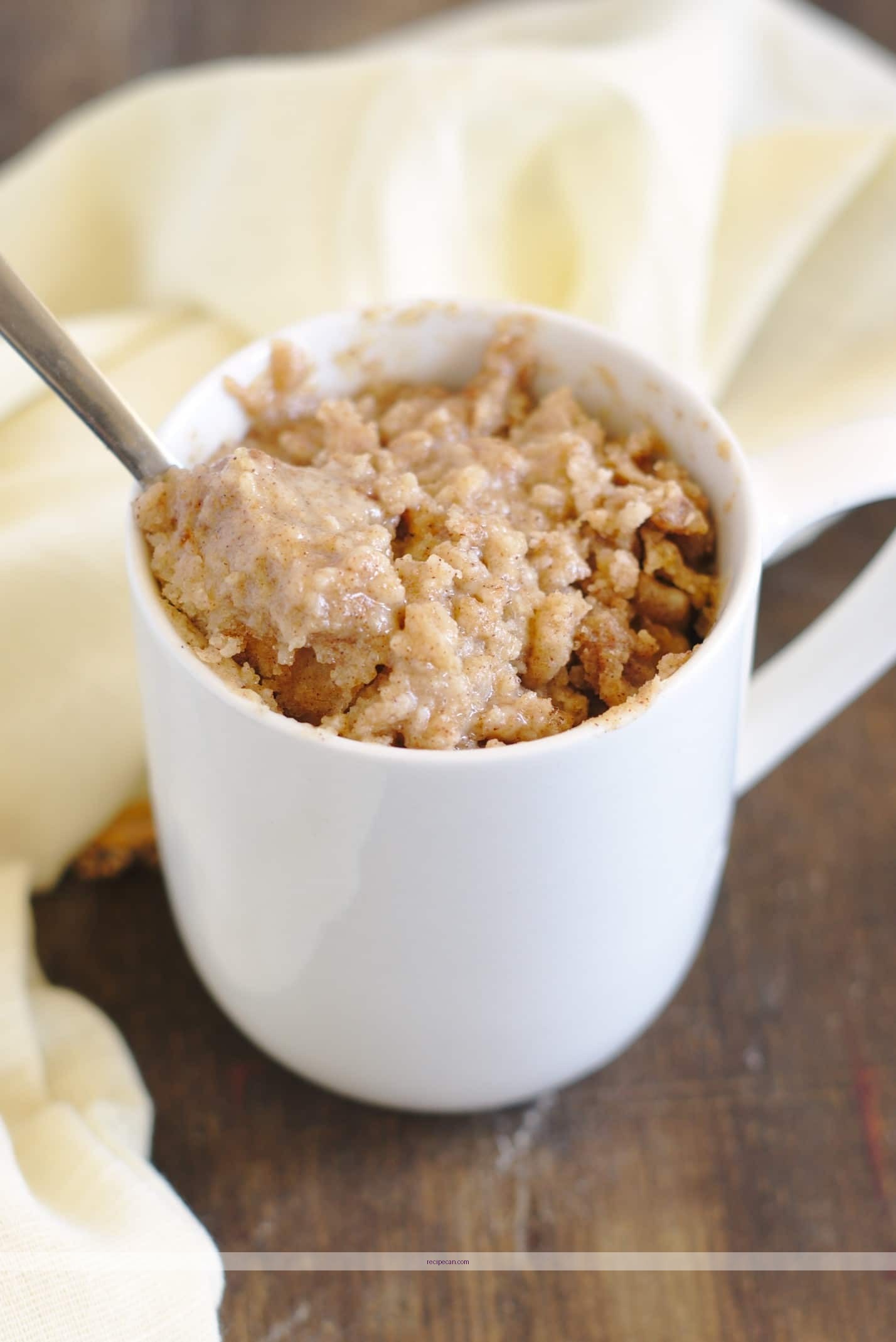
1. Gather Ingredients: Collect the following ingredients for your coffee cake mug cake:
– 4 tablespoons of all-purpose flour
– 2 tablespoons of granulated sugar
– 1/8 teaspoon of baking powder
– A pinch of salt
– 3 tablespoons of milk
– 1 tablespoon of vegetable oil
– 1/4 teaspoon of vanilla extract
– For the topping: 1 tablespoon of brown sugar and 1/2 teaspoon of ground cinnamon.
2. Mix Dry Ingredients: In a microwave-safe mug, whisk together the flour, sugar, baking powder, and salt until they are thoroughly combined. This step is vital for ensuring an even distribution of dry ingredients, which is crucial for proper rising and flavor.
3. Incorporate Wet Ingredients: Add the milk, vegetable oil, and vanilla extract to the dry mixture in the mug. Stir vigorously until you achieve a smooth batter with no lumps. Proper mixing is essential for even cooking.
4. Prepare Topping: In a small bowl, mix 1 tablespoon of brown sugar with 1/2 teaspoon of cinnamon. Sprinkle this mixture evenly on top of the batter in the mug, creating the signature coffee cake flavor that complements the moist cake beautifully.
5. Microwave Cooking: Place the mug in the microwave and cook on high for 1 minute and 30 seconds. After this initial cooking time, check for doneness by inserting a toothpick into the center; if it comes out wet, microwave in 10-second intervals until fully cooked. Keep in mind that the total cooking time may vary depending on your microwave’s wattage.
6. Cool and Serve: Allow the mug cake to cool for 1-2 minutes before serving. This brief cooling period allows the cake to set properly. Optionally, enhance the flavor by drizzling icing on top or adding a dollop of whipped cream before serving.
Nutritional Breakdown of Coffee Cake Mug Cake
| # | Nutrient | Amount per Serving | % Daily Value |
|---|---|---|---|
| 1 | Calories | 210 | 10% |
| 2 | Total Fat | 9g | 14% |
| 3 | Saturated Fat | 1g | 5% |
| 4 | Total Carbohydrates | 33g | 11% |
| 5 | Sugars | 12g | 24% |
| 6 | Protein | 3g | 6% |
| 7 | Calcium | 50mg | 5% |
| 8 | Iron | 0.5mg | 3% |
| 9 | Potassium | 150mg | 4% |
| 10 | Fiber | 1g | 4% |
Warning Signs: When Not to Follow This
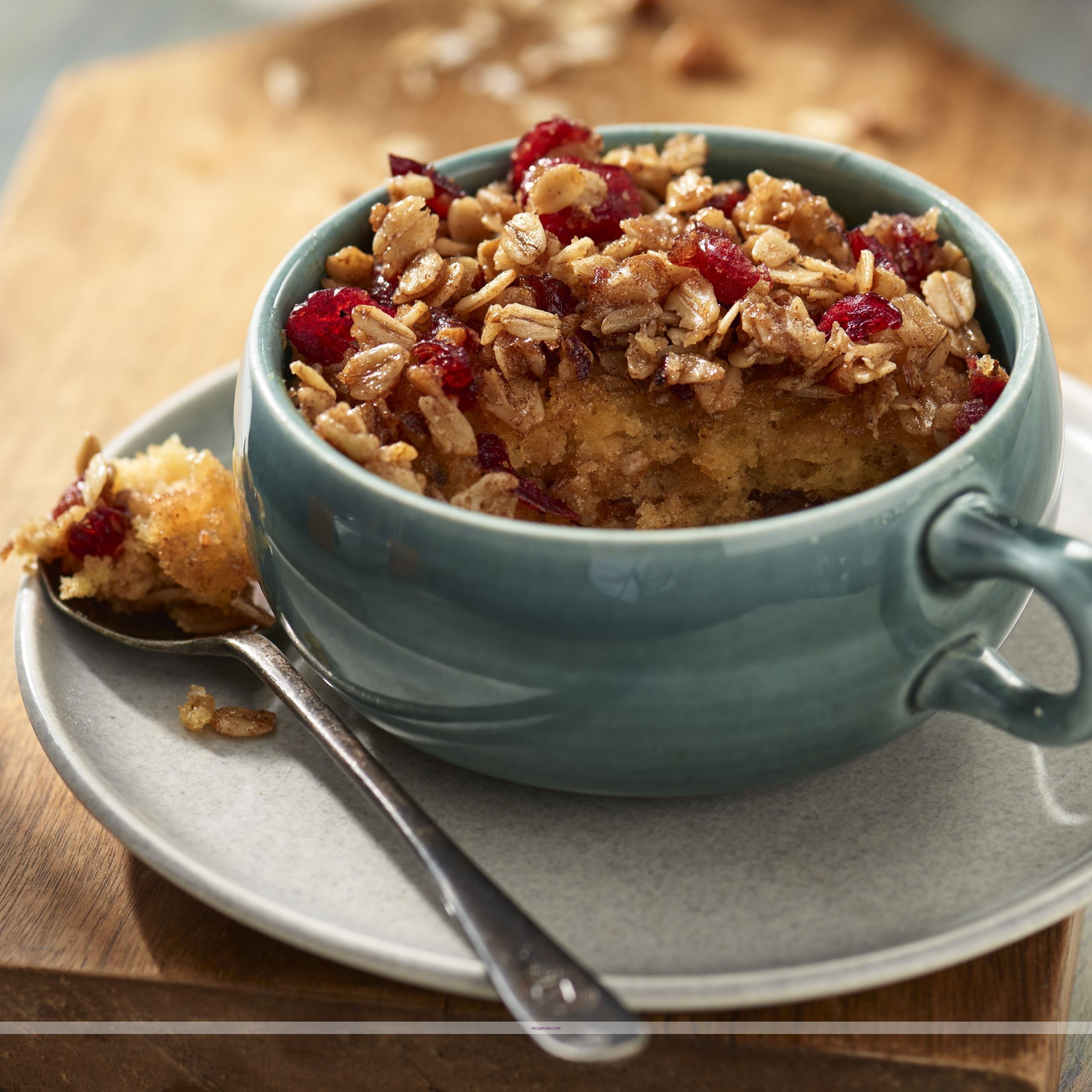
Be cautious if you have allergies to any of the listed ingredients, such as gluten in flour or dairy in milk; do not attempt this recipe without suitable substitutions. Additionally, if your microwave lacks a turntable or does not cook evenly, the cake may not cook properly, resulting in a burnt or undercooked mug cake. Always use a microwave-safe mug; using one that is not designed for high heat may lead to cracks or breakage, posing a safety risk.
The Most Common Mistakes (And Their Consequences)
– Incorrect Ingredient Measurements: Using too much flour can create a dense mug cake, while too little can result in a soggy texture. Accurate measurements are key to achieving the desired consistency and flavor.
– Overcooking: Cooking the mug cake for too long can dry it out. It’s crucial to monitor the time closely and check for doneness before extending cooking time, as overcooking can ruin the texture.
– Neglecting to Mix Properly: Failing to fully combine wet and dry ingredients can lead to uneven baking, resulting in clumps of flour or overly sweet bites in the final product.
Special Cases That Need a Different Approach
For those with dietary restrictions, consider using almond flour or coconut flour in place of all-purpose flour for a gluten-free option; however, adjust the liquid content accordingly to maintain the cake’s moisture. If you prefer a vegan version, substitute milk with almond or soy milk and vegetable oil with coconut oil or applesauce for moisture and binding. In high-altitude areas, slightly increase the baking powder and adjust the liquid ingredients to account for changes in atmospheric pressure, which can affect baking outcomes.
When You Need a Professional
If you have severe allergies or intolerances that may require extensive recipe modifications, consulting a registered dietitian for personalized advice tailored to your specific needs is advisable. Should you experience adverse reactions to ingredients in this recipe after attempting to modify them, seek medical attention to assess any potential food allergies or intolerances. Additionally, if you have concerns about the safety of using your microwave or questions about appliance malfunctions, it’s best to consult a qualified technician to ensure safe operation.
Sources and Further Reading
– “Baking: From My Home to Yours” by Dorie Greenspan for classic coffee cake techniques.
– Reliable food safety guidelines from the USDA regarding microwave cooking to ensure safe preparation.
– “The Complete Book of Baking” by Linda Collister for a broader understanding of baking principles and ingredient interactions.
This polished guide empowers you to create a scrumptious coffee cake mug cake effortlessly. Enjoy the satisfaction of a homemade treat that’s quick, easy, and utterly delicious!
Frequently Asked Questions
What ingredients do I need for a coffee cake mug cake recipe?
To make a delicious coffee cake mug cake, you’ll need basic ingredients such as all-purpose flour, sugar, baking powder, salt, milk, vegetable oil, and vanilla extract. For the crumb topping, mix together brown sugar, cinnamon, and additional flour to create that signature coffee cake texture. You can also add nuts or chocolate chips for extra flavor.
How do I make a coffee cake mug cake in the microwave?
To prepare a coffee cake mug cake in the microwave, combine your dry ingredients in a microwave-safe mug, then add the wet ingredients and stir until well blended. Microwave on high for about 1-2 minutes, checking for doneness as microwaves vary. Allow it to cool slightly before enjoying, and consider drizzling with a simple glaze for added sweetness.
Why is my coffee cake mug cake dense or rubbery?
A dense or rubbery coffee cake mug cake can result from overmixing the batter or using too much flour. Be sure to measure your flour correctly and mix just until combined to maintain a light and fluffy texture. Additionally, check your microwave settings, as cooking for too long can also lead to undesirable results.
What are the best toppings for a coffee cake mug cake?
The best toppings for a coffee cake mug cake include a crumb topping made from brown sugar and cinnamon, a drizzle of icing, or a sprinkle of powdered sugar for a sweet finish. You can also top it with fresh fruits like berries or a scoop of ice cream to elevate your dessert experience. Customize according to your taste for a delightful treat!
Which mug is best for making a coffee cake mug cake?
The best mug for making a coffee cake mug cake is one that is microwave-safe and holds at least 12 ounces to prevent overflow during cooking. A wide, ceramic mug works well as it allows for even heat distribution. Avoid using metal mugs, as they are not suitable for microwaving and can lead to uneven baking.
References
- Coffee cake
https://en.wikipedia.org/wiki/Coffee_cake - https://www.huffpost.com/entry/coffee-cake-mug-cake_n_5c2a0e8ae4b0e1f5d2f61b6d
https://www.huffpost.com/entry/coffee-cake-mug-cake_n_5c2a0e8ae4b0e1f5d2f61b6d - https://www.foodnetwork.com/recipes/coffee-cake-mug-cake-recipe-2115694
https://www.foodnetwork.com/recipes/coffee-cake-mug-cake-recipe-2115694 - https://www.sciencedirect.com/topics/food-science/coffee-cake
https://www.sciencedirect.com/topics/food-science/coffee-cake - https://pubmed.ncbi.nlm.nih.gov/
https://pubmed.ncbi.nlm.nih.gov/ - Google Scholar Google Scholar
https://scholar.google.com/scholar?q=coffee+cake+mug+cake+recipe - Google Scholar Google Scholar
https://scholar.google.com/scholar?q=coffee+cake+recipe - Google Scholar Google Scholar
https://scholar.google.com/scholar?q=mug+cake+recipe - https://www.nytimes.com/2020/04/16/dining/mug-cake-recipe.html
https://www.nytimes.com/2020/04/16/dining/mug-cake-recipe.html - coffee cake mug cake recipe – Search results
https://en.wikipedia.org/wiki/Special:Search?search=coffee+cake+mug+cake+recipe