
Whipped coffee recipes combine rich coffee flavor with a creamy, fluffy texture that’s visually striking and satisfying to make. Text alone often falls short in conveying the precise techniques needed for perfecting the whip and achieving the ideal consistency. This illustrated step-by-step visual guide will showcase each stage of the process, ensuring you can replicate the delightful aesthetic and taste of whipped coffee in your own kitchen. Get ready to elevate your coffee game with these captivating, easy-to-follow recipes.
Why You Need to See This to Understand It
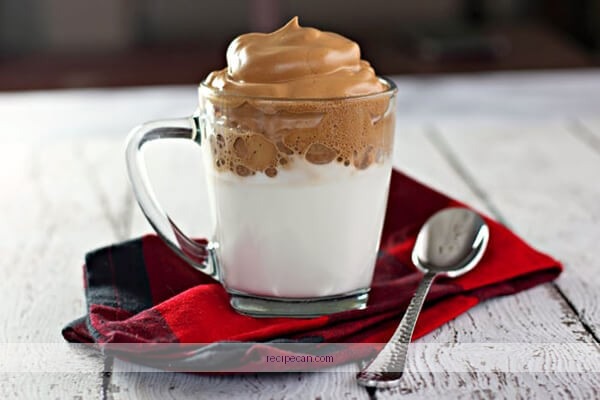
Whipped coffee, or Dalgona coffee, has taken the internet by storm, enchanting coffee lovers with its velvety texture and striking appearance. To truly master this delightful beverage, visual aids are essential. They illuminate the precise ratios of coffee, sugar, and water that are crucial for crafting the perfect whip.
The vivid contrast between the dark liquid base and the fluffy, creamy foam is not just for show; it highlights the importance of achieving the right consistency. The textural differences between whipped coffee and traditional brewed coffee become apparent when you see them side by side. Additionally, step-by-step visuals of the whipping technique provide valuable insights, making it easier to replicate that airy, frothy consistency at home. The images also showcase various serving styles—whether a glass of iced whipped coffee with glistening ice cubes or a warm cup topped with cocoa powder—inviting readers to envision their own creations.
The First Thing to Look At
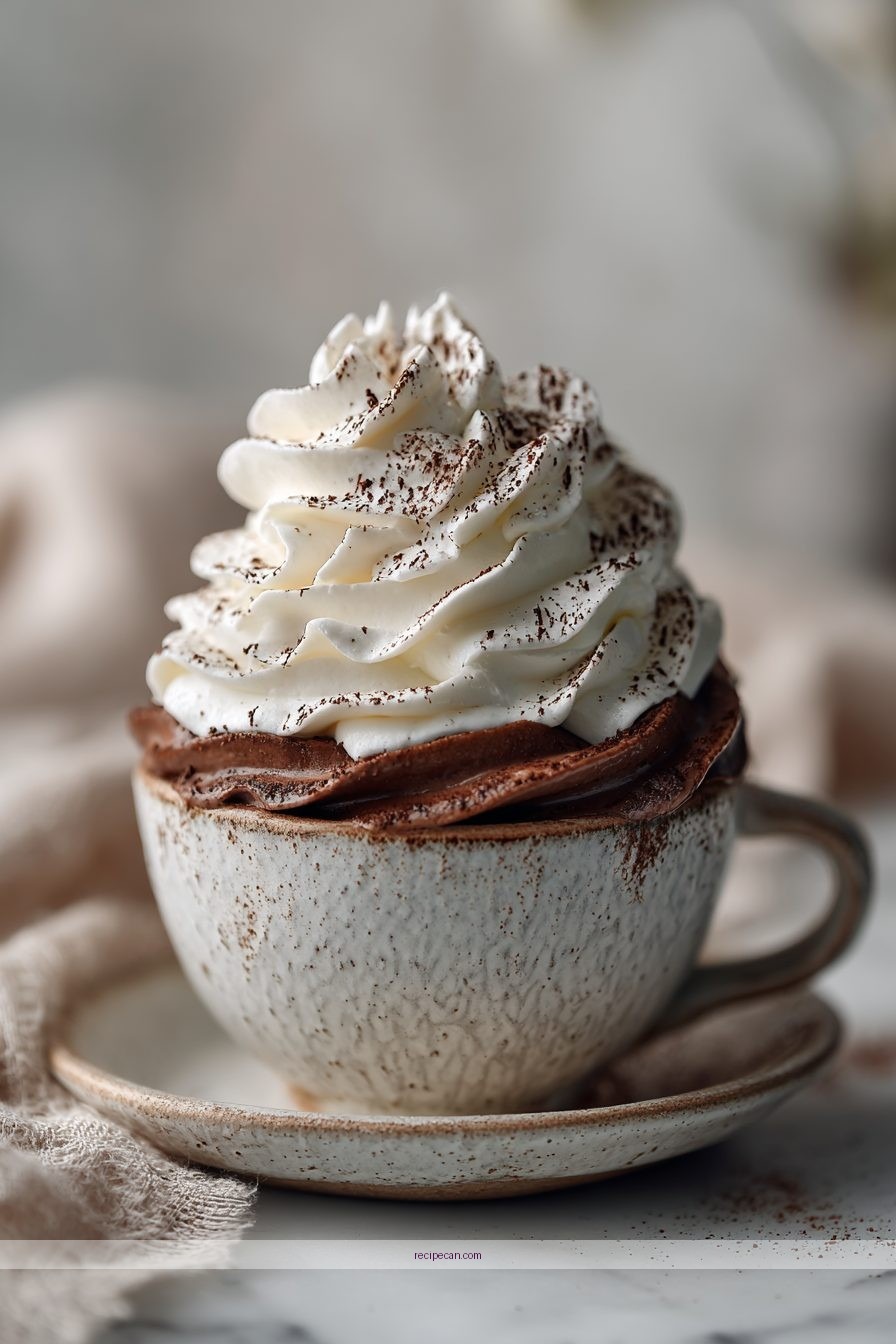
In the image above, observe the bright, fluffy texture of the whipped coffee mixture set against the dark liquid base. This visual distinction emphasizes the necessity of achieving the right consistency; the frothy mound on top is the hallmark of a successful Dalgona coffee.
Take note of the measuring spoons and cups beside the bowl, displaying the precise measurements: 2 tablespoons each of instant coffee, sugar, and hot water. These components are crucial for an ideal whip. The image captures the whisking action, illustrating the vigorous mixing required to incorporate air into the mixture, which is fundamental for that light and airy foam.
In the background, a glass of milk sits alongside a few ice cubes, hinting at the various serving options available for whipped coffee. This setup invites viewers not only to replicate the recipe but also to experiment with flavors and textures, such as adding flavored syrups or spices.
Now Look Closely at This Part
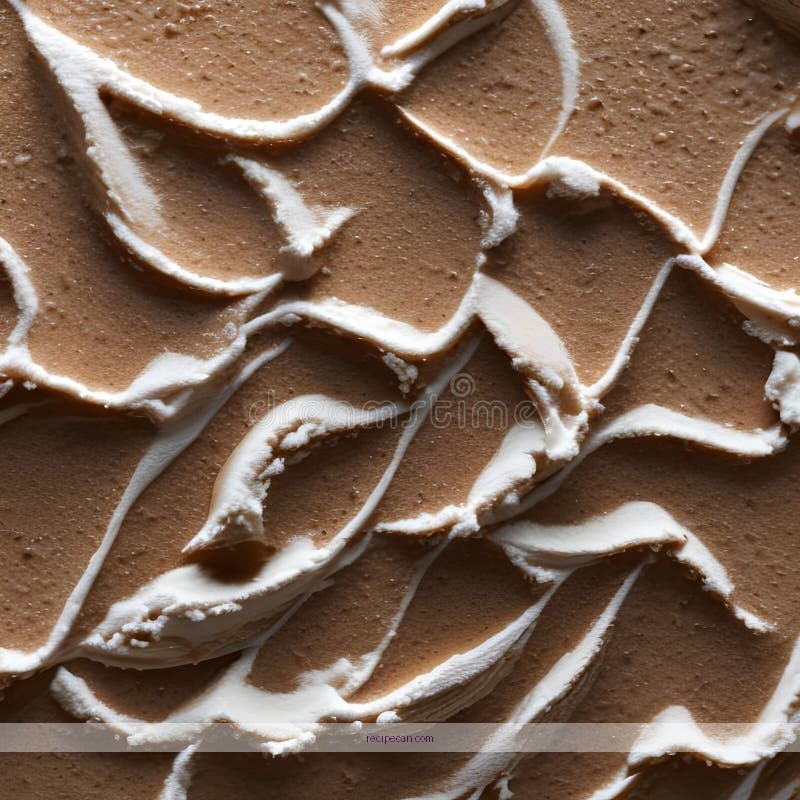
As you can see here, the image zooms in on the whisk at the moment the foam begins to form. This pivotal stage highlights the patience needed to achieve the best results.
Pay attention to the gradual color change in the whipped mixture; it transforms from a dark coffee brown to a lighter caramel shade, signaling that it’s reaching the right texture. Notice how the mixture clings to the sides of the bowl, demonstrating the thick consistency that indicates you’re on the path to whipped coffee perfection.
The presence of a hand in the frame illustrates the technique of holding the whisk at an angle, subtly affecting the whipping process. This detail is crucial, as the right angle allows for better aeration, leading to a fluffier foam.
How the Whole Process Works
Top 7 Whipped Coffee Variations
| # | Variation | Ingredients | Flavor Rating | Preparation Time |
|---|---|---|---|---|
| 1 | Classic Dalgona | Instant Coffee, Sugar, Hot Water | ★★★★☆ | 5 mins |
| 2 | Iced Dalgona | Milk, Ice, Chocolate Syrup | ★★★★★ | 6 mins |
| 3 | Vanilla Dalgona | Vanilla Extract, Milk | ★★★★☆ | 5 mins |
| 4 | Coconut Dalgona | Coconut Milk, Coconut Flakes | ★★★★☆ | 7 mins |
| 5 | Nutella Dalgona | Nutella, Milk | ★★★★★ | 6 mins |
| 6 | Spiced Dalgona | Cinnamon, Milk | ★★★★☆ | 5 mins |
| 7 | Matcha Dalgona | Matcha Powder, Milk | ★★★☆☆ | 6 mins |
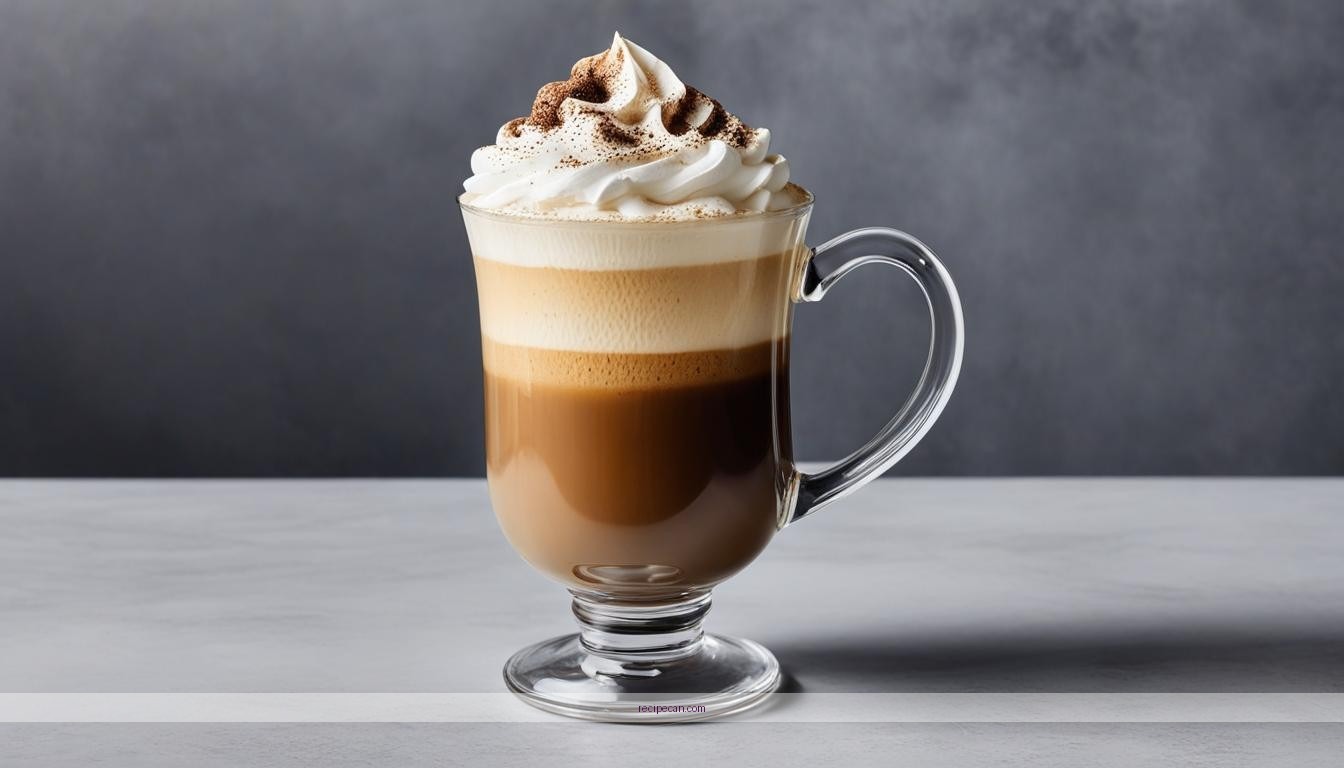
The infographic visually breaks down the whipped coffee-making process into four key stages: measuring, mixing, whipping, and serving. Each section is color-coded, allowing readers to easily identify which ingredients belong to each stage; for example, the measuring stage is highlighted in a rich coffee brown.
Accompanying text provides valuable tips, such as opting for a hand mixer versus a whisk for quicker results, enhancing the reader’s understanding. The final serving stage showcases various whipped coffee presentations, from glasses layered with milk to extravagant toppings like chocolate shavings or whipped cream, inspiring readers to embrace their creativity.
Before vs After: The Difference Is Clear
The comparison image displays a bowl of unwhipped ingredients on the left and a beautifully whipped coffee foam on the right. This striking visual difference in texture and volume underscores the transformation achieved through the whipping process.
Notice how the left side remains a dense mixture, while the whipped foam on the right is airy and fluffy, demonstrating the importance of the whipping step. Captions below each image highlight the time taken; for instance, just one minute of whisking results in that delightful fluffy foam, helping readers gauge their own whipping times.
The Detail Most People Miss
In the close-up image, focus on the tiny bubbles within the whipped coffee; these air pockets are what give the drink its signature airy texture. Often overlooked in written recipes, this detail is crucial for achieving that perfect foam.
Observe the sheen on the surface of the whipped mixture; this glossy finish indicates it’s properly whipped and ready to be served. Without visual reference, this detail can easily be missed, leading to underwhelming results.
The image also emphasizes the importance of the right type of instant coffee. A close-up of different brands illustrates how some may not whip as well as others, affecting the final product. Annotations point out common mistakes, such as over-whipping or under-whipping, helping readers visually recognize the perfect consistency.
Putting It All Together
The final collage summarizes the entire whipped coffee process, showcasing key stages from start to finish. Each visual recap corresponds to the previous sections, reinforcing the importance of texture, measurements, and serving styles learned throughout the article.
Text alongside the visuals emphasizes the adaptability of whipped coffee, encouraging readers to mix in flavors like vanilla, chocolate, or even seasonal spices. The illustrated variations seen in the images suggest endless possibilities for customization, making whipped coffee a versatile choice for any palate.
In conclusion, the importance of visual aids in mastering the art of whipped coffee cannot be overstated. The combination of precise measurements, effective whipping techniques, and the joy of serving a beautifully presented drink not only makes preparation achievable but also adds an element of pleasure to the process. So grab your whisk, choose your favorite variation, and let your creativity flow as you embark on your whipped coffee journey.
Frequently Asked Questions
What is the best ratio of coffee to sugar for whipped coffee?
The best ratio for whipped coffee, also known as Dalgona coffee, is typically 1:1:1, meaning one tablespoon of instant coffee, one tablespoon of hot water, and one tablespoon of sugar. This combination creates a creamy, frothy texture that is easy to whip. Adjusting the sugar can help you achieve your desired sweetness, but sticking to this ratio ensures a balanced flavor.
How do I make whipped coffee without instant coffee?
If you don’t have instant coffee, you can try using espresso powder or finely ground coffee as an alternative. However, you’ll need to brew the coffee first and then whip it with sugar and cream to achieve a frothy consistency. Keep in mind that the texture may differ slightly compared to using instant coffee, but it can still be delicious.
Why is my whipped coffee not fluffy?
If your whipped coffee isn’t fluffy, it may be due to insufficient whipping time or the wrong type of coffee. Make sure to use instant coffee, as it dissolves easily and creates the desired foam. Whip the mixture for at least 2-3 minutes using a hand mixer or whisk until it reaches a light, airy consistency.
What milk is best for serving whipped coffee?
The best milk for serving whipped coffee largely depends on your personal preference, but whole milk or a non-dairy alternative like oat milk often provides a creamy texture that complements the frothy coffee. For a low-calorie option, almond milk can work well too, though it may be thinner. Ultimately, choose a milk that enhances the flavor while maintaining a smooth consistency.
Which flavors can I add to my whipped coffee for variety?
You can add various flavors to your whipped coffee to create unique variations, such as vanilla extract, cocoa powder, or flavored syrups like caramel or hazelnut. Incorporating spices like cinnamon or nutmeg can also elevate the taste. Experimenting with different flavors can make your whipped coffee experience exciting and tailored to your taste preferences.
References
- https://en.wikipedia.org/wiki/Whipped_coffee
https://en.wikipedia.org/wiki/Whipped_coffee - https://www.bbc.com/news/world-asia-52058116
https://www.bbc.com/news/world-asia-52058116 - https://www.theguardian.com/food/2020/apr/02/whipped-coffee-dalgona-coffee-recipe
https://www.theguardian.com/food/2020/apr/02/whipped-coffee-dalgona-coffee-recipe - https://www.nytimes.com/2020/04/01/dining/whipped-coffee-dalgona-recipe.html
https://www.nytimes.com/2020/04/01/dining/whipped-coffee-dalgona-recipe.html - https://www.sciencedirect.com/topics/food-science/whipped-coffee
https://www.sciencedirect.com/topics/food-science/whipped-coffee - https://pubmed.ncbi.nlm.nih.gov/32502536/
https://pubmed.ncbi.nlm.nih.gov/32502536/ - Checking your browser – reCAPTCHA
https://www.ncbi.nlm.nih.gov/pmc/articles/PMC7823902/ - Google Scholar Google Scholar
https://scholar.google.com/scholar?q=whipped+coffee+recipes - Google Scholar Google Scholar
https://scholar.google.com/scholar?q=dalgona+coffee+recipe - Google Scholar Google Scholar
https://scholar.google.com/scholar?q=whipped+coffee+health+benefits