The Pour Over Coffee Protocol is essential for anyone seeking to master the art of pour over coffee. This expert guide delves into precise recipes, techniques, and best practices to elevate your brewing skills. Following the right protocol not only enhances flavor but also transforms your daily coffee ritual into an exquisite experience.
What This Guide Covers (And What It Doesn’t)
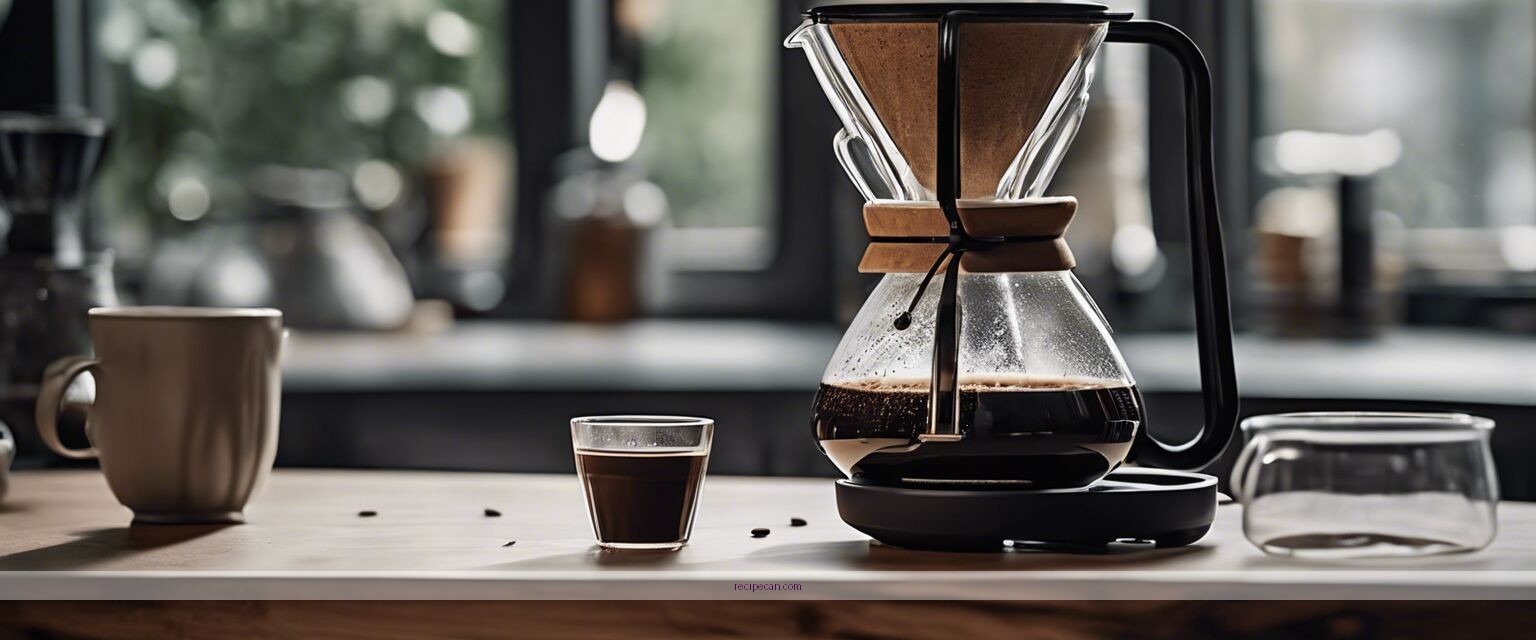
This guide offers an in-depth look at the pour over coffee brewing method, including essential equipment, techniques, and precise ratios for achieving the best results. While it excludes other brewing methods such as French press, espresso, or cold brew, it focuses exclusively on the pour over technique. Designed for coffee enthusiasts eager to refine their brewing skills, this guide aims to help you create café-quality coffee at home, making it less suited for professional baristas or commercial coffee makers.
Who Should Read This
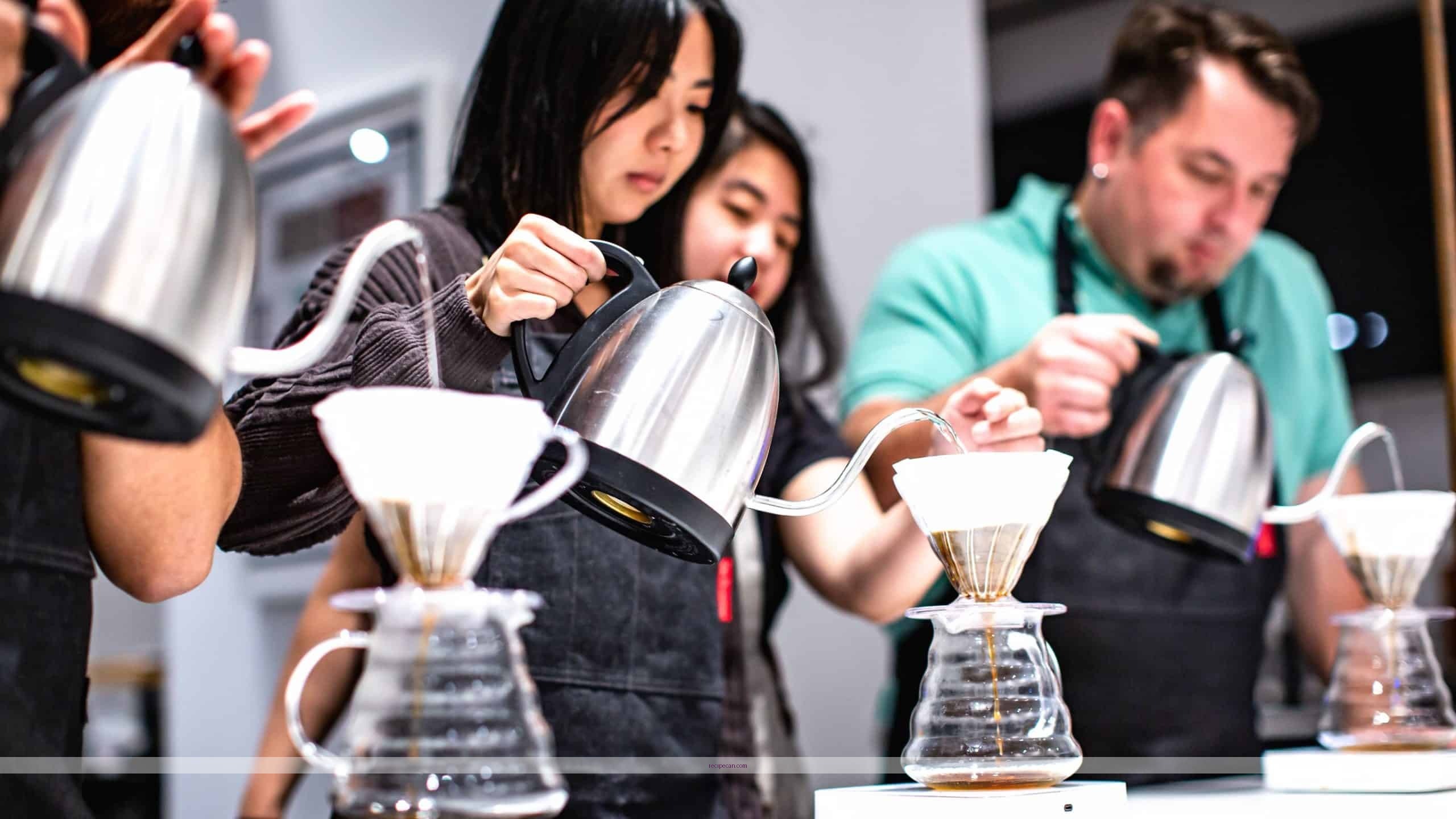
Targeted at home brewers with a basic understanding of coffee, this guide is perfect for those looking to deepen their knowledge of the pour over method. It caters to individuals who enjoy exploring coffee flavors and are dedicated to perfecting their brewing techniques. However, readers without prior experience in coffee brewing may find some concepts challenging, particularly those related to coffee extraction and taste profiles.
The Step-by-Step Protocol
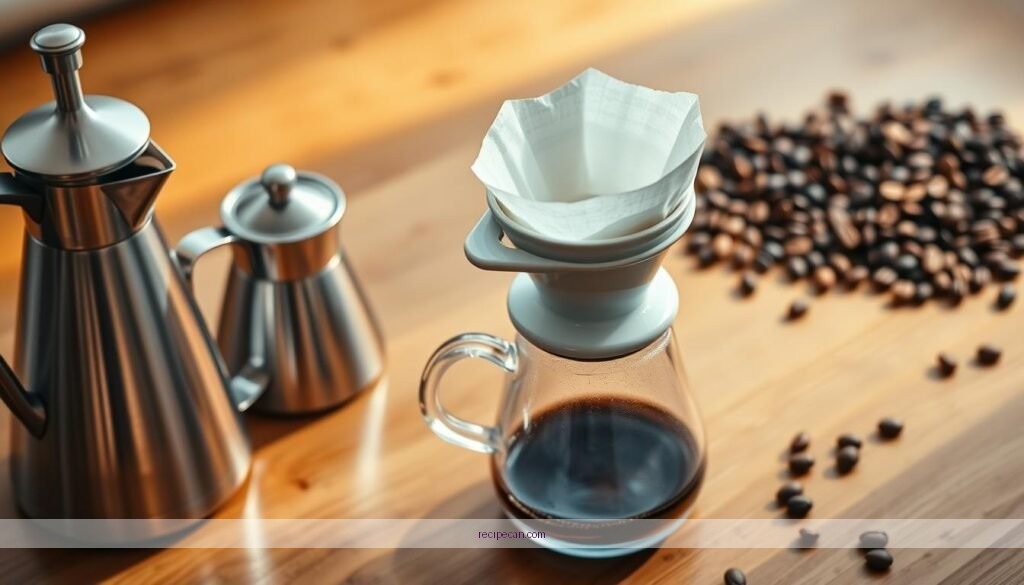
1. Gather Your Equipment: You will need a pour over brewer (like a V60 or Chemex), a kettle (preferably gooseneck), coffee filter, and a scale. Ensure your scale reads in grams for accuracy.
2. Measure Your Coffee: Use a coffee-to-water ratio of 1:15. For instance, 20 grams of coffee to 300 grams of water makes one serving.
3. Grind Your Coffee: Grind the coffee beans to a medium-coarse consistency, akin to sea salt, immediately before brewing to maintain freshness.
4. Boil Water: Heat water to 200°F (93°C). If you lack a thermometer, bring water to a boil and let it sit for 30 seconds to reach the desired temperature.
5. Bloom the Coffee: Place the coffee grounds in the filter and pour just enough hot water (about 40 grams) to saturate them. Allow it to bloom for 30-45 seconds, letting gases escape.
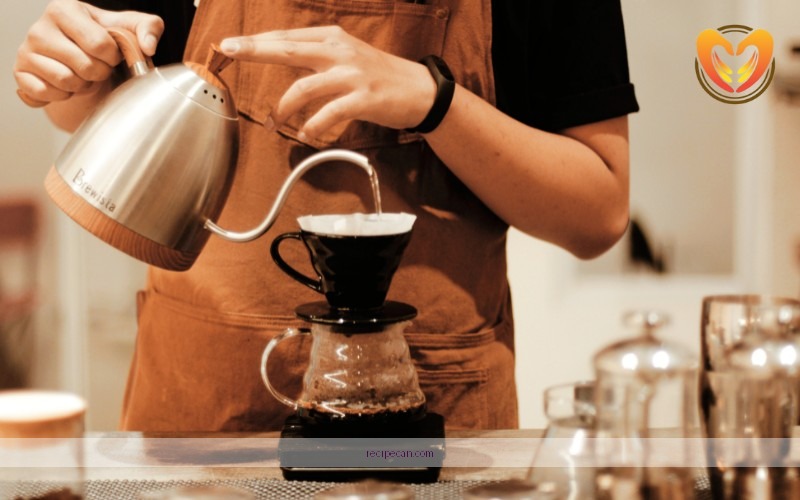
6. Pour Water in Stages: Slowly pour the remaining water in a circular motion, starting from the center and moving outward, over the next 3 minutes to ensure even extraction.
7. Let It Drip: Allow the coffee to fully drip through the filter, which should take about 4-5 minutes in total. The final brew should be clear and aromatic.
Optimal Coffee Brewing Parameters for Pour Over
| # | Parameter | Value | Description | Impact on Flavor |
|---|---|---|---|---|
| 1 | Coffee-to-Water Ratio | 1:15 | Amount of coffee to water | Balanced |
| 2 | Grind Size | Medium-Coarse | Coarseness of grounds | Even Extraction |
| 3 | Water Temperature | 200°F (93°C) | Temperature of water | Rich Flavor |
| 4 | Bloom Time | 30-45 seconds | Initial saturation time | Enhanced Aroma |
| 5 | Total Brew Time | 4-5 minutes | Total duration for brewing | Optimal Extraction |
| 6 | Brewer Type | V60/Chemex | Type of pour over device | Flavor Clarity |
| 7 | Water Quality | Filtered | Purity of water | Clean Taste |
Warning Signs: When Not to Follow This
Be cautious if the coffee grounds are too fine, as this can lead to over-extraction and a bitter taste. Steer clear of using espresso grind or any overly fine grind. Additionally, water temperatures above 205°F (96°C) may scorch the coffee, resulting in undesirable flavors; always verify the temperature before pouring. If you notice an unusually fast drip rate (under 3 minutes for total brew time), this suggests that the grind is too coarse, which can lead to under-extraction.
The Most Common Mistakes (And Their Consequences)
Many beginners struggle with measuring coffee and water accurately, which often results in weak or overly strong coffee. Always use a scale to ensure precision. Skipping the blooming phase can lead to uneven extraction, causing the coffee to taste flat. Always allow the coffee to bloom for optimal flavor. Lastly, pouring water too quickly disrupts the extraction process, resulting in a sour taste. Pour slowly and in a controlled manner for the best results.
Special Cases That Need a Different Approach
When brewing with flavored or decaffeinated coffee, adjustments to the grind size or brewing time may be necessary, as these beans can extract differently. If you are at a high altitude, remember that water boils at lower temperatures, which may require you to tweak the brewing temperature for optimal extraction. For larger quantities (over 500 grams of water), consider using a bigger pour over device and adjusting your coffee-to-water ratio accordingly.
When You Need a Professional
If you continue to experience taste and extraction issues despite following this guide, it may be time to consult a coffee professional for personalized advice. For specific dietary needs or health concerns related to caffeine, such as hypertension, seek guidance from a healthcare provider before consuming coffee. Lastly, if you’re interested in advanced brewing techniques or equipment that require professional calibration or training, collaborating with a barista or coffee educator is recommended.
Sources and Further Reading
– “The Coffee Roaster’s Companion” by Scott Rao – a detailed guide on coffee roasting and brewing techniques.
– Specialty Coffee Association (SCA) – provides guidelines and resources on coffee brewing standards.
– “The Coffee Recipe Book” by Brian Jones – features various coffee brewing methods along with detailed recipes and techniques for home brewers.
By adhering to the outlined protocol and being mindful of common pitfalls, you can elevate your pour over coffee experience and enjoy a rich, flavorful cup every time.
Frequently Asked Questions
What is the best pour over coffee recipe for beginners?
The best pour over coffee recipe for beginners includes using a coffee-to-water ratio of 1:16. Start by using 20 grams of coarsely ground coffee for 320 ml of water. Heat the water to about 200°F (93°C) and pour it over the coffee grounds in a circular motion, allowing the coffee to bloom for 30 seconds before continuing to pour slowly over the next 2-3 minutes.
How do I achieve the perfect grind size for pour over coffee?
Achieving the perfect grind size for pour over coffee involves using a medium-coarse grind, similar to sea salt. This grind size allows for optimal extraction during the brewing process, preventing over-extraction and bitterness. A burr grinder is recommended for consistency, ensuring your coffee grounds are uniform for the best flavor.
Why is water temperature important in pour over coffee?
Water temperature is crucial in pour over coffee because it directly affects the extraction of flavors from the coffee grounds. Using water that is too hot can lead to over-extraction and bitterness, while water that is too cool will result in under-extraction and sourness. The ideal brewing temperature is between 195°F and 205°F (90°C to 96°C).
Which pour over coffee maker is best for home use?
The Hario V60 and Chemex are among the best pour over coffee makers for home use due to their ease of use and ability to produce a clean cup of coffee. The Hario V60 is compact and allows for precise pouring, while the Chemex is larger and features a unique design that also acts as a serving vessel. Both options offer excellent flavor profiles and are highly regarded in the coffee community.
What common mistakes should I avoid when making pour over coffee?
Common mistakes to avoid when making pour over coffee include using water that is too hot or too cold, which affects extraction, and not measuring the coffee and water accurately. Additionally, pouring too quickly or unevenly can lead to inconsistent flavor. Always allow the coffee to bloom and take your time during the pouring process for the best results.
References
- Drip coffee
https://en.wikipedia.org/wiki/Pour_over_coffee - https://www.bbc.com/food/recipes/pour_over_coffee_95014
https://www.bbc.com/food/recipes/pour_over_coffee_95014 - https://www.nytimes.com/2016/03/02/dining/how-to-brew-pour-over-coffee.html
https://www.nytimes.com/2016/03/02/dining/how-to-brew-pour-over-coffee.html - https://www.sciencedirect.com/topics/food-science/pour-over-coffee
https://www.sciencedirect.com/topics/food-science/pour-over-coffee - Coffee | Origin, Types, Uses, History, & Facts | Britannica
https://www.britannica.com/topic/coffee - Google Scholar Google Scholar
https://scholar.google.com/scholar?q=pour+over+coffee+recipe - Google Scholar Google Scholar
https://scholar.google.com/scholar?q=pour+over+brewing+technique - Google Scholar Google Scholar
https://scholar.google.com/scholar?q=pour+over+coffee+methods - https://www.cdc.gov/nutrition/healthy-eating/index.html
https://www.cdc.gov/nutrition/healthy-eating/index.html - pour over coffee recipe – Search results
https://en.wikipedia.org/wiki/Special:Search?search=pour+over+coffee+recipe