Crafting the best coffee recipe requires not only precision but also an understanding of safe preparation methods. This expert guide provides detailed protocols for selecting ingredients, brewing techniques, and safety measures to ensure a delicious and risk-free coffee experience. Elevate your coffee-making skills while adhering to best practices that enhance flavor and maintain health standards.
What This Guide Covers (And What It Doesn’t)
This guide delves into the vital elements of crafting the perfect coffee recipe. You’ll learn how to select the right coffee beans, explore optimal brewing methods, and understand precise ingredient ratios. However, it does not address sourcing coffee beans, maintaining coffee machines, or recounting coffee history; the focus remains squarely on the recipe development process. Designed for home baristas, coffee enthusiasts, and anyone eager to enhance their coffee-making skills, this guide avoids the complexities of commercial practices.
Who Should Read This

This guide is intended for individuals with a foundational understanding of coffee brewing who wish to refine their skills through specific, actionable recipes. It caters to both beginners who have dabbled in brewing and intermediate coffee drinkers aiming to perfect their techniques. Familiarity with common coffee terminology—such as grind size, brewing time, and extraction methods—is essential, as these concepts will be referenced throughout.
The Step-by-Step Protocol
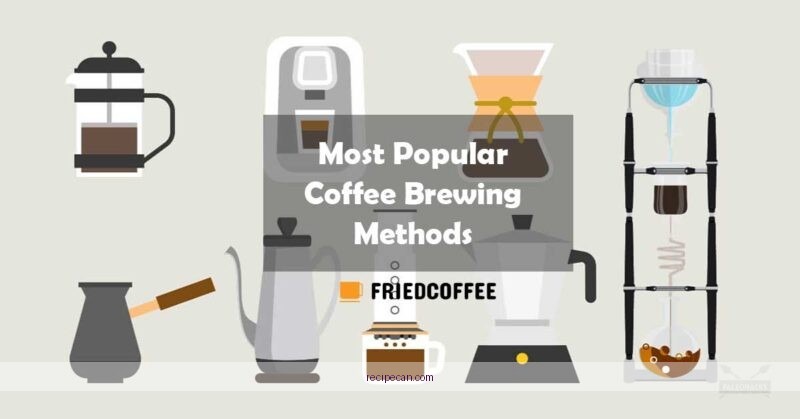
1. Select Your Coffee Beans: Choose high-quality, freshly roasted coffee beans from a reputable source. Opt for a medium to dark roast to unlock a more complex flavor profile.
2. Measure Your Coffee and Water: Use a coffee-to-water ratio of 1:15. For instance, 20 grams of coffee should be paired with 300 milliliters of water. This ratio ensures optimal extraction and a well-balanced flavor.
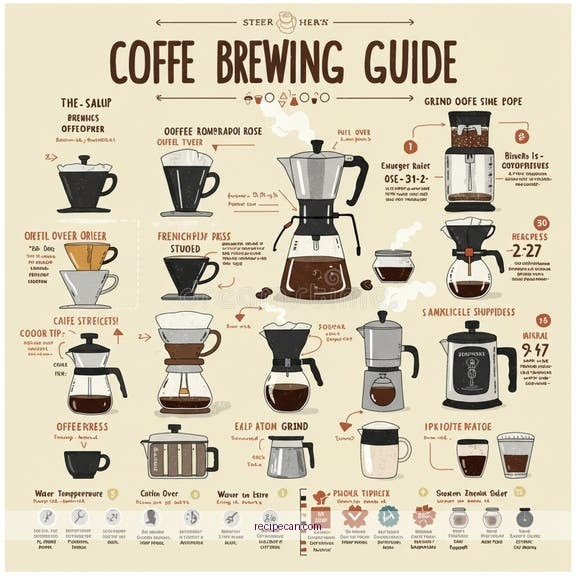
3. Grind Your Coffee: Grind the beans to the appropriate consistency for your brewing method: a coarse grind for French press, medium for drip coffee, and fine for espresso to achieve the best results.
4. Brew Your Coffee: Adhere to the specific brewing times: 4 minutes for French press, 5 minutes for pour-over, and 25-30 seconds for espresso. Feel free to adjust these times according to your personal taste preferences, as extraction can vary.
Top 7 Brewing Methods for Coffee (2024)
| # | Brewing Method | Brew Time | Grind Size | Flavor Profile |
|---|---|---|---|---|
| 1 | French Press | 4 minutes | Coarse | Rich, full-bodied |
| 2 | Pour-over | 5 minutes | Medium | Crisp, clean |
| 3 | Espresso | 25-30 seconds | Fine | Bold, concentrated |
| 4 | AeroPress | 2 minutes | Fine | Smooth, versatile |
| 5 | Cold Brew | 12-24 hours | Coarse | Smooth, low-acidity |
| 6 | Moka Pot | 5 minutes | Medium-Fine | Rich, aromatic |
| 7 | Turkish Coffee | 3-4 minutes | Finely ground | Strong, thick |
Warning Signs: When Not to Follow This

Refrain from using this guide if you have a specific medical condition that caffeine may exacerbate, such as severe anxiety or heart issues. Avoid following this guide if you’re using expired coffee beans, as their flavor and quality will suffer, resulting in a disappointing coffee experience. If you detect an unusual taste or odor from your coffee equipment or ingredients, it’s best to hold off until the issue is resolved, as this may indicate contamination.
The Most Common Mistakes (And Their Consequences)
One of the most frequent errors is opting for pre-ground coffee instead of grinding fresh beans. This choice often leads to stale flavors and a diminished aroma, adversely affecting the overall quality of your coffee. Additionally, incorrect water temperature—whether below 195°F (90°C) or above 205°F (96°C)—can result in under-extraction or over-extraction, producing bitter or sour notes. Skipping the precise measurement of coffee and water can lead to inconsistent brew strength; using a kitchen scale ensures accuracy and enhances your coffee experience every time.
Special Cases That Need a Different Approach
For those who favor cold brew, use a coffee-to-water ratio of 1:4 and steep the mixture in the refrigerator for 12 to 24 hours. This method yields a smooth, low-acidity coffee. If you have dietary restrictions, such as avoiding dairy, consider non-dairy milk alternatives like oat or almond milk when crafting lattes or cappuccinos. In high-altitude areas, you’ll need to adjust your brewing time and coffee grind size due to the impact of atmospheric pressure on extraction rates and flavor profiles.
When You Need a Professional
If you’re experimenting with advanced brewing methods like nitrogen infusion or siphon brewing and feel unsure, consult a coffee professional for guidance on equipment and techniques. Additionally, if you have allergies to specific coffee additives, such as flavored syrups or sweeteners, seeking advice from a nutritionist is advisable. When hosting a coffee tasting or cupping session with a larger group, consider involving a certified barista to enhance the experience and ensure quality.
Sources and Further Reading
– “The World Atlas of Coffee” by James Hoffmann provides detailed insights into coffee types, brewing methods, and the science behind flavor extraction.
– The Specialty Coffee Association offers courses and articles on best practices for coffee brewing, focusing on technical aspects and flavor profiling.
– “Coffee: A Comprehensive Guide to the Bean, the Beverage, and the Industry” by Robert W. Thurston serves as an excellent resource for understanding the broader context of coffee culture and quality standards.
Frequently Asked Questions
What is the best coffee recipe for beginners?
The best coffee recipe for beginners is a classic French press. Simply coarsely grind your coffee beans, using about 1 ounce (28 grams) of coffee for every 15 ounces (450 milliliters) of hot water. Let it steep for about four minutes before pressing the plunger down slowly and pouring your perfect cup.
How can I make my coffee taste better at home?
To enhance the flavor of your coffee at home, start with fresh, high-quality beans and grind them just before brewing. Experiment with different brewing methods like pour-over or cold brew, and consider adding natural sweeteners or spices like cinnamon to elevate the taste further.
Why is my homemade coffee not as good as coffee shop coffee?
Your homemade coffee may lack the taste of coffee shop brews due to factors like water quality, coffee bean freshness, and brewing technique. Ensure you’re using filtered water, freshly roasted beans, and the right coffee-to-water ratio to achieve that café-quality flavor.
What is the best coffee recipe for a cold brew?
The best cold brew coffee recipe involves steeping coarsely ground coffee in cold water for 12 to 24 hours. Use a ratio of 1 cup of coffee to 4 cups of water, then strain the mixture through a coffee filter or a fine mesh sieve. Serve over ice and enjoy a smooth, refreshing beverage.
Which coffee brewing method gives the best flavor?
The pour-over method is often considered to provide the best flavor due to its ability to control water temperature and extraction time. This technique allows for an even saturation of the coffee grounds, resulting in a clean and aromatic cup. Experiment with different pour-over devices to find the one that suits your taste best.
References
- https://www.bbc.com/food/topics/coffee
https://www.bbc.com/food/topics/coffee - https://www.nytimes.com/wirecutter/blog/how-to-make-coffee/
https://www.nytimes.com/wirecutter/blog/how-to-make-coffee/ - https://www.sciencedirect.com/topics/agricultural-and-biological-sciences/coffee
https://www.sciencedirect.com/topics/agricultural-and-biological-sciences/coffee - https://www.britannica.com/topic/coffee-drink
https://www.britannica.com/topic/coffee-drink - A distinct hematopoietic stem cell population for rapid multilineage engraftment in nonhuman prim…
https://www.ncbi.nlm.nih.gov/pmc/articles/PMC6467214/ - https://www.nature.com/articles/s41598-020-67282-7
https://www.nature.com/articles/s41598-020-67282-7 - Google Scholar Google Scholar
https://scholar.google.com/scholar?q=best+coffee+recipe - Google Scholar Google Scholar
https://scholar.google.com/scholar?q=coffee+brewing+methods - Google Scholar Google Scholar
https://scholar.google.com/scholar?q=coffee+health+benefits - https://www.who.int/news-room/fact-sheets/detail/coffee
https://www.who.int/news-room/fact-sheets/detail/coffee