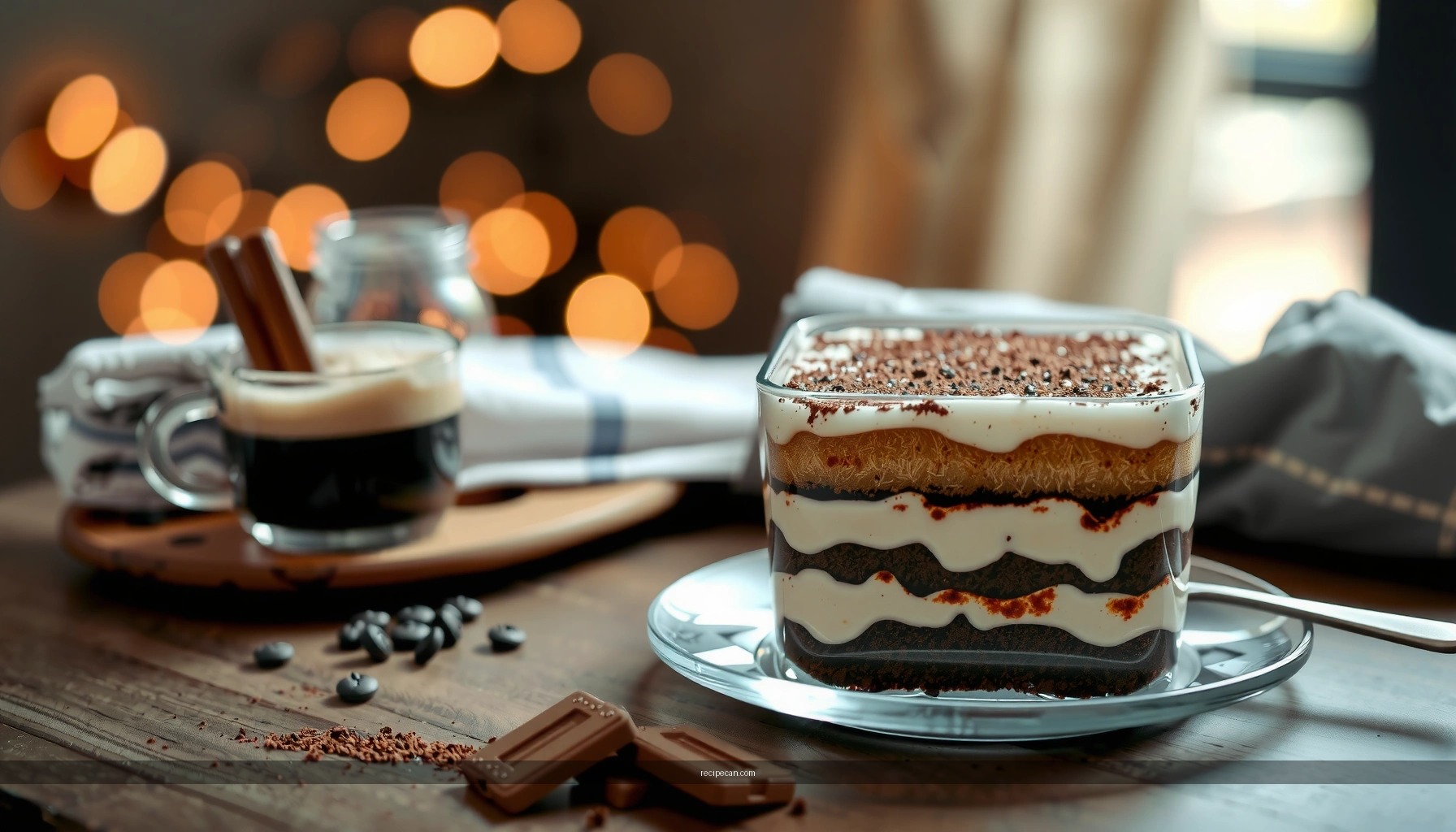
Good iced coffee recipes come to life through visuals that capture the rich textures and vibrant colors of each step. While written instructions can guide you, images provide clarity on techniques and presentation that words alone can’t convey. This visual step-by-step guide showcases enticing recipes that will elevate your iced coffee game, making the brewing process as enjoyable as the final sip. Get ready to indulge in these delicious creations, where each picture tells a story of flavor and refreshment.
Why You Need to See This to Understand It
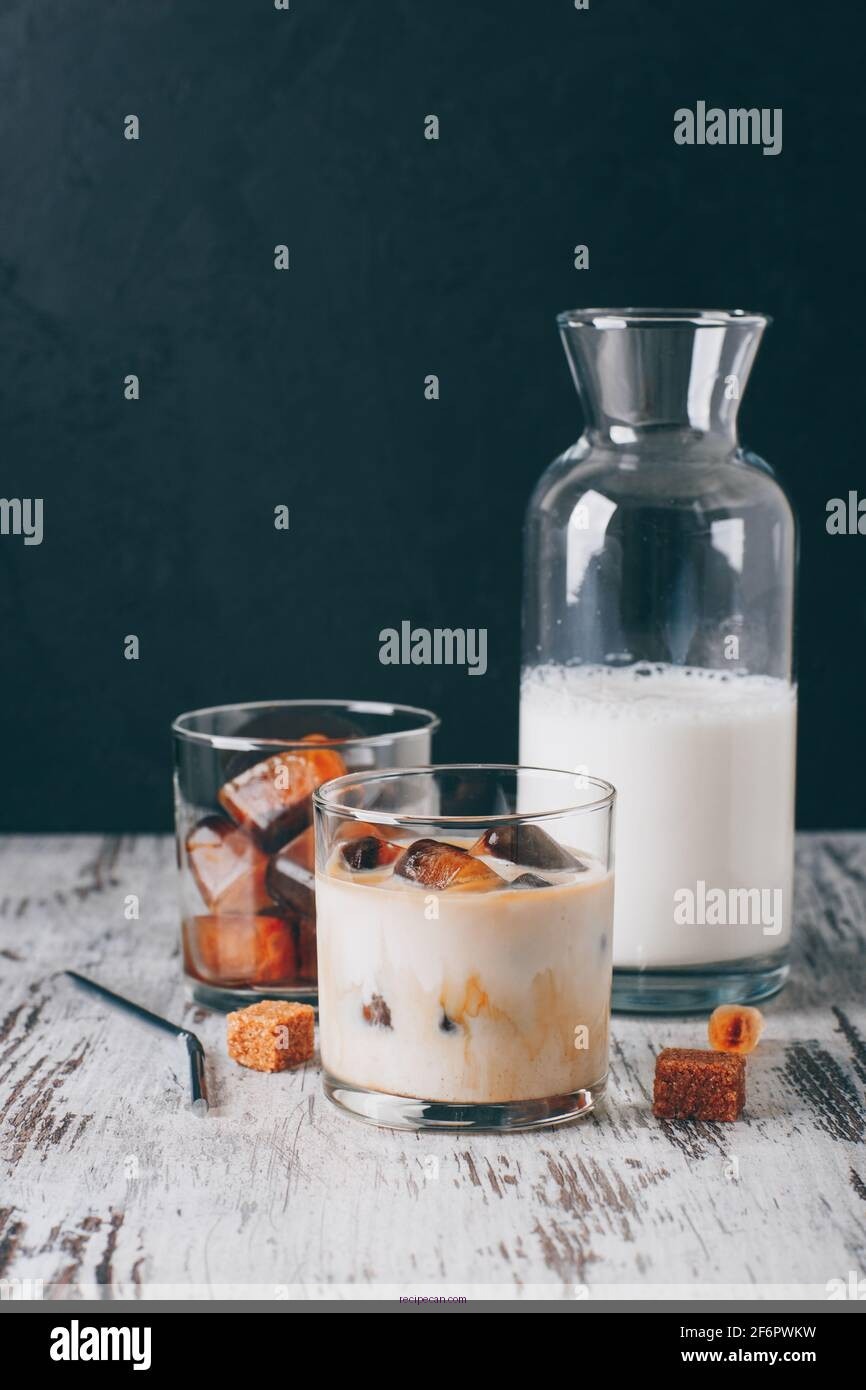
Visual representation of iced coffee recipes is essential for grasping the diverse ingredients and methods involved. The vibrant colors and textures enhance your understanding of flavor profiles, allowing you to appreciate the aesthetic appeal of each drink. Images showcasing various iced coffee preparations not only highlight differences in presentation but also reveal unique characteristics that influence personal tastes. A visual guide enables you to master precise layering techniques, such as separating cream and coffee, which contribute to both flavor and visual allure.
The First Thing to Look At

Notice how the rich, dark coffee contrasts beautifully with the creamy swirl of milk, indicating whether cold brew or traditional brewed coffee was used. The deep mahogany of the coffee stands out against the pure white of the milk, drawing your attention to the marriage of these two elements. Observe the different types of ice cubes; large, slow-melting cubes prevent dilution, while crushed ice creates a distinct texture and aesthetic for the drink. This variance in ice style can dramatically alter the sipping experience. Pay attention to garnishes, like fresh mint or chocolate shavings, which not only enhance presentation but also hint at the flavors incorporated into each recipe. The vibrant green of the mint against the coffee’s dark color provides a refreshing visual cue.
Now Look Closely at This Part

As you examine the layering technique, notice how the coffee is poured over the ice first, followed by the milk, creating a visually appealing gradient effect. This smooth transition from dark brown to creamy beige is not just for show; it significantly impacts how the flavors meld together as you sip. Take a closer look at the specific tools used, such as the frother for the milk. This detail underscores the importance of texture in iced coffee, making it creamy rather than watery. The froth adds an inviting layer, resembling a cloud atop the drink. Additionally, examine the different coffee beans displayed next to the iced coffee; these visual cues suggest how the choice of beans influences the final taste and aroma. Each variety of bean has its unique color and sheen, indicating the depth of flavor waiting to be unleashed.
How the Whole Process Works

Iced Coffee Preparation Methods
| # | Method | Brew Time | Ice Type | Flavor Notes |
|---|---|---|---|---|
| 1 | Cold Brew | 12-24 hours | Large Cubes | Smooth, less acidic |
| 2 | Hot Brew | 5 minutes | Crushed Ice | Bold, rich flavor |
| 3 | Flash Brew | 3 minutes | Large Cubes | Complex flavors |
| 4 | Nitro Brew | 5 minutes | None | Creamy, foamy texture |
| 5 | Iced Espresso | 30 seconds | Crushed Ice | Strong, intense flavor |
| 6 | Iced Americano | 1 minute | Large Cubes | Balanced, refreshing |
| 7 | Iced Latte | 5 minutes | Large Cubes | Creamy, smooth finish |
The process diagram illustrates each step of making iced coffee, beginning with brewing the coffee and cooling it down. This ensures you can visualize the time and temperature control involved. Each stage is annotated to highlight critical details, such as the ideal brewing time for cold brew compared to hot coffee, significantly affecting the flavor outcome. Notice the visual flow from ingredient preparation to the final presentation, which emphasizes the importance of each step—ranging from brewing to the finishing touches like ice and garnishing.
Before vs After: The Difference Is Clear
In the comparison visual, take note of the “before” image of a plain iced coffee that lacks color and texture, contrasted with the “after” image showcasing a beautifully layered drink adorned with vibrant colors and garnishes. The “before” glass appears dull, simply displaying a light brown liquid with ice floating on top. In stark contrast, the “after” image reveals a rich, dark coffee base topped with a delicate layer of frothy milk, garnished with a fresh mint sprig and chocolate shavings. This side-by-side view allows you to see how simple additions, such as flavored syrups or whipped cream, can elevate an ordinary iced coffee into a gourmet experience. Notice how the presentation transforms dramatically with decorative elements like a sprig of mint or a drizzle of chocolate, turning the drink from basic to visually stunning.
The Detail Most People Miss
The close-up annotation highlights the critical role of the coffee-to-water ratio; observe the markings on the measuring cup that indicate how slight variations can lead to vastly different flavor intensities. Precision in measuring is crucial; an under-extracted coffee will taste weak, while over-extraction can lead to bitterness. Pay attention to the texture of the coffee as it’s poured over ice; this detail, often overlooked, is vital for achieving the right dilution and balance of flavors. Look closely at the temperature of the glass; an insulated glass helps maintain the chill of the iced coffee, essential for the ideal sipping experience. The contrast between the warm surrounding air and the cold glass is visually striking, reinforcing the refreshing nature of the drink.
Putting It All Together
In summary, the visuals throughout this guide demonstrate the importance of presentation and technique in creating excellent iced coffee recipes. They emphasize how small details can lead to significant differences in flavor and enjoyment. By referencing the images, you can see how the choice of ingredients, methods, and garnishes contributes to a delightful iced coffee experience that appeals to both the eyes and the palate. This visual step-by-step approach not only enhances understanding but also inspires creativity, encouraging you to experiment with your own iced coffee recipes at home based on the detailed examples provided. Now, equipped with this knowledge and visual insight, you are ready to craft your perfect iced coffee.
Frequently Asked Questions
What are some easy iced coffee recipes for beginners?
For beginners, a simple iced coffee recipe involves brewing a strong cup of coffee, allowing it to cool, and then pouring it over ice. You can enhance the flavor by adding milk or a splash of flavored syrup. Another easy option is cold brew coffee, which requires steeping coarsely ground coffee in cold water for 12-24 hours before straining.
How can I make my iced coffee less bitter?
To reduce bitterness in your iced coffee, consider using a coarser grind for your coffee beans, as finer grinds can lead to over-extraction. Additionally, brewing your coffee with a lower water temperature or opting for a cold brew method can result in a smoother taste. Lastly, balancing the bitterness with milk, cream, or sweeteners can create a more pleasant flavor profile.
Why is my iced coffee watery, and how can I fix it?
Watery iced coffee usually occurs when the ice melts too quickly, diluting the drink. To prevent this, try using coffee ice cubes made by freezing leftover coffee instead of regular ice. Alternatively, brew your coffee stronger than usual to compensate for the dilution, ensuring your iced coffee stays flavorful even as the ice melts.
What is the best way to sweeten iced coffee without sugar?
The best way to sweeten iced coffee without sugar is by using natural alternatives like honey, agave syrup, or flavored syrups. You can also try adding a splash of vanilla extract or almond milk for a hint of sweetness. For a healthier option, consider using stevia or monk fruit sweetener, which provide sweetness without the calories.
Which coffee beans are best for making iced coffee?
For making iced coffee, medium to dark roast beans are often recommended, as they provide a richer, bolder flavor that stands up well to ice. Popular choices include Colombian or Brazilian beans, which offer a smooth taste. Cold brew enthusiasts might prefer a smoother, low-acid coffee, such as a light roast, which can create a refreshing and less bitter iced coffee experience.
References
- Coffee
https://en.wikipedia.org/wiki/Coffee - https://www.bbc.com/food/recipes/iced_coffee_20600
https://www.bbc.com/food/recipes/iced_coffee_20600 - https://www.nytimes.com/2020/07/01/dining/drinks/iced-coffee-recipes.html
https://www.nytimes.com/2020/07/01/dining/drinks/iced-coffee-recipes.html - https://www.theguardian.com/food/2021/jul/20/how-to-make-iced-coffee
https://www.theguardian.com/food/2021/jul/20/how-to-make-iced-coffee - Page Not Found – Site Help – Mayo Clinic
https://www.mayoclinic.org/healthy-lifestyle/nutrition-and-healthy-eating/expert-answers/coffee/faq-20058012 - https://www.sciencedirect.com/topics/food-science/coffee
https://www.sciencedirect.com/topics/food-science/coffee - Google Scholar Google Scholar
https://scholar.google.com/scholar?q=iced+coffee+recipes - Google Scholar Google Scholar
https://scholar.google.com/scholar?q=how+to+make+iced+coffee - Google Scholar Google Scholar
https://scholar.google.com/scholar?q=coffee+brewing+methods - Coffee | Origin, Types, Uses, History, & Facts | Britannica
https://www.britannica.com/topic/coffee