Cold brew coffee concentrate recipes elevate your coffee experience, offering a smoother, less acidic alternative to traditional brewing methods. This expert guide provides precise techniques and variations designed for both novices and seasoned aficionados. Mastering these recipes ensures you create the perfect cold brew concentrate, unlocking a world of flavor and versatility in every cup.
What This Guide Covers (And What It Doesn’t)
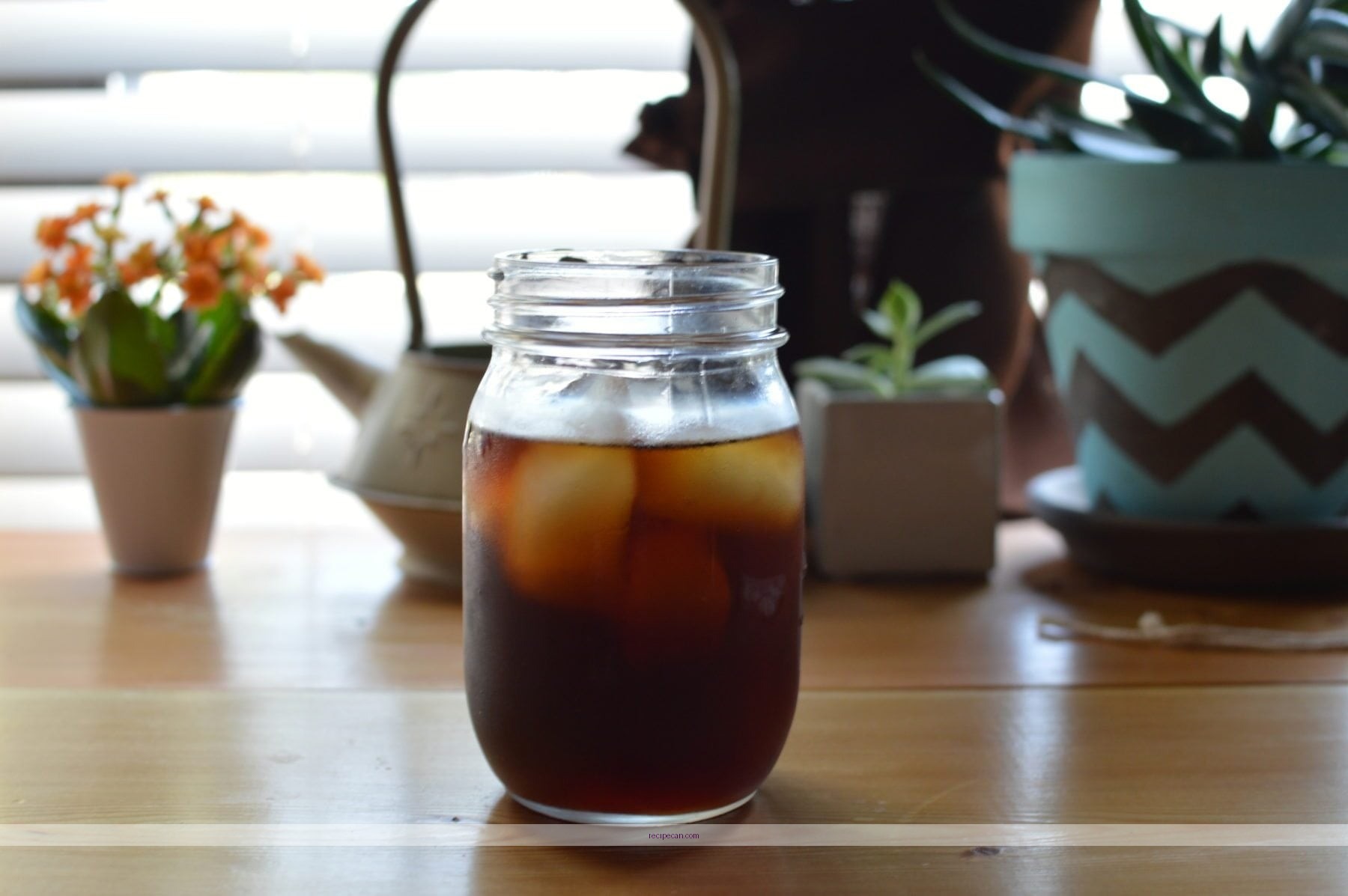
This comprehensive guide offers precise instructions for crafting cold brew coffee concentrate, covering various brewing methods, flavoring options, and serving suggestions. It delves into the specific nuances of cold brew concentrate, including extraction times and coffee-to-water ratios while exploring both traditional and innovative techniques to enhance flavor. However, it intentionally excludes traditional hot brewing methods and espresso techniques, as these differ significantly in extraction processes and flavor profiles. Designed for home coffee enthusiasts and baristas alike, this resource assumes a basic familiarity with coffee brewing principles without requiring advanced knowledge.
Who Should Read This
Coffee lovers eager to experiment with cold brew and those wanting to create their own concentrate at home will find this guide invaluable. Baristas and café owners looking to diversify their offerings without relying on commercially prepared concentrates will also benefit. Additionally, health-conscious individuals seeking a refreshing coffee alternative that can be tailored to their taste preferences and dietary needs will discover valuable insights here.
The Step-by-Step Protocol
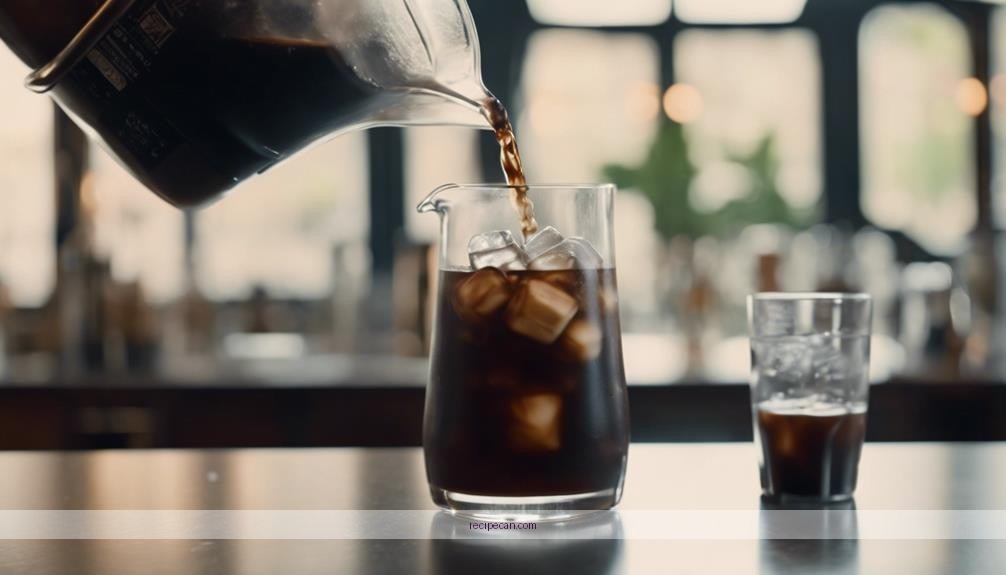
1. Gather your materials: Start by selecting high-quality, coarsely ground coffee. A good standard is 1 cup (about 90-100 grams) of coffee beans. Pair this with 4 cups (approximately 1 liter) of filtered water to achieve a balanced extraction.
2. Combine coffee and water in a container: Use a large jar or pitcher that can hold at least 1.5 liters. Ensure all coffee grounds are fully submerged in the water and stir gently to mix. A wooden spoon or spatula works well to avoid damaging the container.
3. Steep the mixture: Cover the container with a lid or plastic wrap to prevent contamination. Allow the mixture to steep at room temperature or in the refrigerator for 12 to 24 hours. The steeping time will determine the strength; a longer steeping time results in a more concentrated flavor.
4. Strain the concentrate: After steeping, use a fine mesh strainer or a coffee filter to separate the liquid from the coffee grounds. Pour the mixture slowly to avoid clogging the filter. Discard the grounds and store the cold brew concentrate in a sealed container in the refrigerator for up to two weeks.
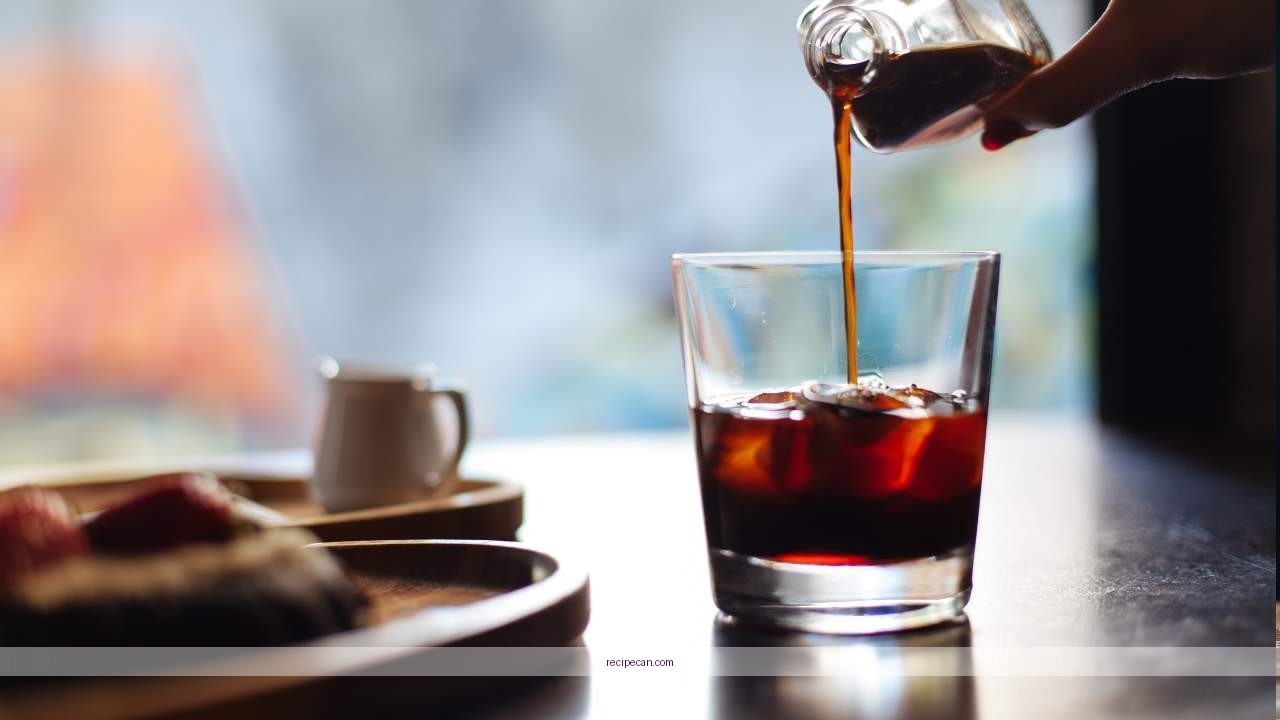
5. Dilute and serve: When ready to serve, dilute the concentrate with water, milk, or a milk alternative according to your taste preference. A common ratio is 1 part concentrate to 1 part water or milk, but this can be adjusted based on desired strength.
Top 7 Cold Brew Coffee Brands by Popularity (2024)
| # | Brand | Market Share | Launch Year | Consumer Rating |
|---|---|---|---|---|
| 1 | Stumptown | 21% | 2011 | ★★★★☆ |
| 2 | Blue Bottle | 18% | 2015 | ★★★★★ |
| 3 | Chameleon | 15% | 2010 | ★★★☆☆ |
| 4 | La Colombe | 12% | 2013 | ★★★★☆ |
| 5 | Starbucks | 10% | 2008 | ★★★★☆ |
| 6 | Peet’s Coffee | 8% | 1984 | ★★★☆☆ |
| 7 | Stumptown | 6% | 2017 | ★★★★☆ |
Warning Signs: When Not to Follow This
It’s important to avoid this protocol if you have a caffeine sensitivity or if a healthcare provider has advised you to limit coffee consumption. While cold brew coffee concentrate is lower in acidity, it still contains significant caffeine levels that can affect individuals differently. If you lack the necessary equipment, such as a suitable container or strainer, proceed with caution, as this can lead to poor extraction and undesirable flavors. Lastly, using pre-ground coffee that is not coarsely ground may result in an overly bitter or gritty concentrate, which should be avoided.
The Most Common Mistakes (And Their Consequences)
A frequent misstep is using a fine grind instead of coarsely ground coffee. This can lead to over-extraction, resulting in a harsh and bitter flavor profile that is unappealing. Another common error is insufficient steeping time; failing to allow at least 12 hours can yield a weak concentrate that lacks the rich flavor characteristic of cold brew. Additionally, neglecting to strain the concentrate properly can leave residual grounds in your drink, leading to an unpleasant texture and taste. Each of these missteps can significantly compromise the quality of your cold brew.
Special Cases That Need a Different Approach
If you have specific dietary restrictions, consider using nut milk or oat milk as a base instead of dairy when serving cold brew concentrate. This adjustment not only caters to lactose intolerance but also opens up new flavor profiles. For those who desire varying strength preferences, adjust the coffee-to-water ratio; a ratio of 1:3 results in a stronger concentrate, while 1:5 yields a milder version. If you are sensitive to acidity, opt for low-acid coffee beans to minimize discomfort, or add a pinch of salt to the concentrate to balance flavors.
When You Need a Professional
If you experience adverse reactions to caffeine or gastrointestinal discomfort from cold brew, consult a healthcare professional for tailored advice. Persistent symptoms may indicate an underlying condition that requires attention. When experimenting with complex flavorings or additives that may cause allergic reactions (such as flavored syrups), it is wise to seek guidance from a nutritionist or dietitian. For those looking to scale up production for commercial purposes, consulting a food and beverage expert is crucial to ensure compliance with health regulations, avoiding legal complications and ensuring product safety for consumers.
Sources and Further Reading
For a deeper dive into cold brew coffee techniques, “Cold Brew Coffee: A Comprehensive Guide” by the Specialty Coffee Association is an excellent resource. The National Coffee Association also provides guidelines on coffee preparation and consumer preferences within the cold brew segment. Furthermore, research articles from the Journal of Food Science discuss the chemical properties of cold brew coffee and its health benefits, offering a solid foundation for further exploration.
By carefully following these guidelines and staying mindful of the outlined considerations, you can master the art of cold brew coffee concentrate and enjoy a rich, flavorful beverage tailored to your taste and lifestyle.
Frequently Asked Questions
What is the best cold brew coffee concentrate recipe?
The best cold brew coffee concentrate recipe involves a 1:4 coffee-to-water ratio. Start by coarsely grinding 1 cup of coffee beans, then mix it with 4 cups of cold or room temperature water. Let the mixture steep for 12 to 24 hours, strain through a coffee filter or cheesecloth, and you’ll have a smooth, rich concentrate perfect for iced coffee or coffee cocktails.
How do you store cold brew coffee concentrate?
Cold brew coffee concentrate can be stored in an airtight container in the refrigerator for up to two weeks. Make sure to keep it away from direct sunlight and seal it properly to maintain its flavor. If you notice any off smells or changes in color, it’s best to discard it to ensure freshness.
Why is cold brew coffee concentrate less acidic than regular coffee?
Cold brew coffee concentrate is less acidic because the brewing process involves steeping coffee grounds in cold water, which extracts fewer acidic compounds than hot water. This results in a smoother, mellower flavor profile, making it a great option for those sensitive to acidity or who prefer a less bitter taste in their coffee.
Which coffee beans are best for making cold brew concentrate?
The best coffee beans for making cold brew concentrate are medium to dark roasts, as they provide a richer, chocolatey flavor that complements the cold brewing process. Look for beans labeled as “smooth” or “low acidity” for a more enjoyable cold brew experience. Experimenting with single-origin beans can also yield unique flavor profiles.
How do you dilute cold brew coffee concentrate for the best flavor?
To dilute cold brew coffee concentrate for the best flavor, a common ratio is 1 part concentrate to 2 parts water or milk, but this can be adjusted based on personal taste preferences. For a creamier texture, consider using milk or a milk alternative, and feel free to add sweeteners or flavored syrups to enhance the taste.
References
- Coffee
https://en.wikipedia.org/wiki/Coffee#Cold_brew - Checking your browser – reCAPTCHA
https://www.ncbi.nlm.nih.gov/pmc/articles/PMC7567094/ - https://www.sciencedirect.com/science/article/abs/pii/S0963996919300694
https://www.sciencedirect.com/science/article/abs/pii/S0963996919300694 - https://www.bbc.com/food/articles/coffee
https://www.bbc.com/food/articles/coffee - https://www.theguardian.com/lifeandstyle/2020/jul/05/how-to-make-cold-brew-coffee-at-home
https://www.theguardian.com/lifeandstyle/2020/jul/05/how-to-make-cold-brew-coffee-at-home - https://www.nytimes.com/2020/06/09/dining/drinks/cold-brew-coffee-recipes.html
https://www.nytimes.com/2020/06/09/dining/drinks/cold-brew-coffee-recipes.html - https://www.mayoclinic.org/healthy-lifestyle/nutrition-and-healthy-eating/in-depth/coffee/art-20045920
https://www.mayoclinic.org/healthy-lifestyle/nutrition-and-healthy-eating/in-depth/coffee/art-20045920 - Google Scholar Google Scholar
https://scholar.google.com/scholar?q=cold%20brew%20coffee%20recipes%20concentrate - Google Scholar Google Scholar
https://scholar.google.com/scholar?q=cold%20brew%20coffee%20health%20benefits - Google Scholar Google Scholar
https://scholar.google.com/scholar?q=cold%20brew%20coffee%20preparation%20methods