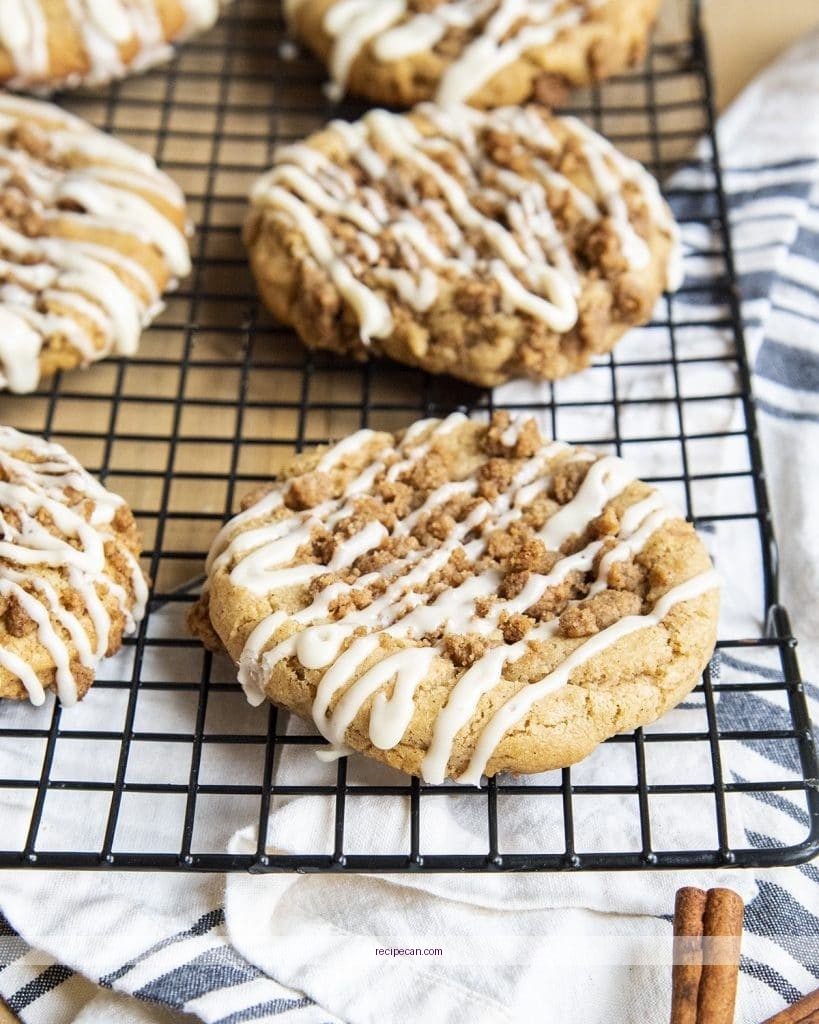
Mastering the art of baking coffee cake cookies requires a precise step-by-step protocol to ensure safety and flavor. This comprehensive guide provides expert insights into each phase of the process, from ingredient selection to baking techniques. Following these established methods not only enhances the taste but also guarantees a delightful, safe baking experience.
What This Guide Covers (And What It Doesn’t)
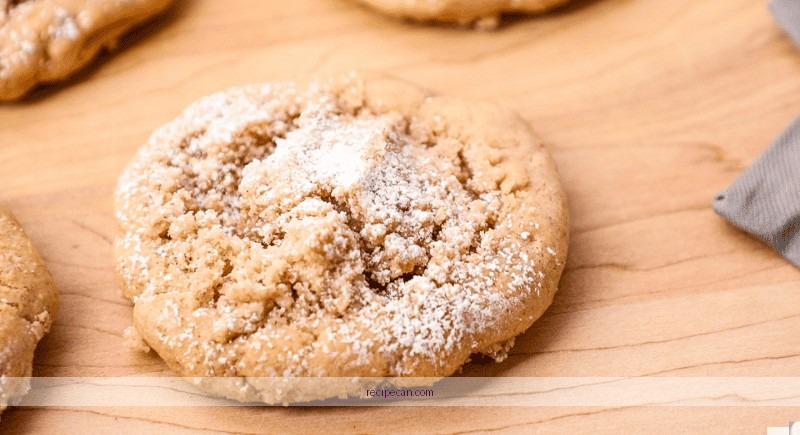
This guide offers a comprehensive, step-by-step recipe for baking coffee cake cookies, detailing the necessary ingredients, measurements, and techniques. The focus is on crafting a unique cookie that marries the rich flavors of traditional coffee cake with the convenience of a cookie format. However, it does not delve into other types of cookies or cakes, nor does it explore dietary substitutions or variations unrelated to the core recipe. Designed for home bakers eager to create delightful coffee cake cookies, this guide emphasizes precision and best practices to ensure success.
Who Should Read This
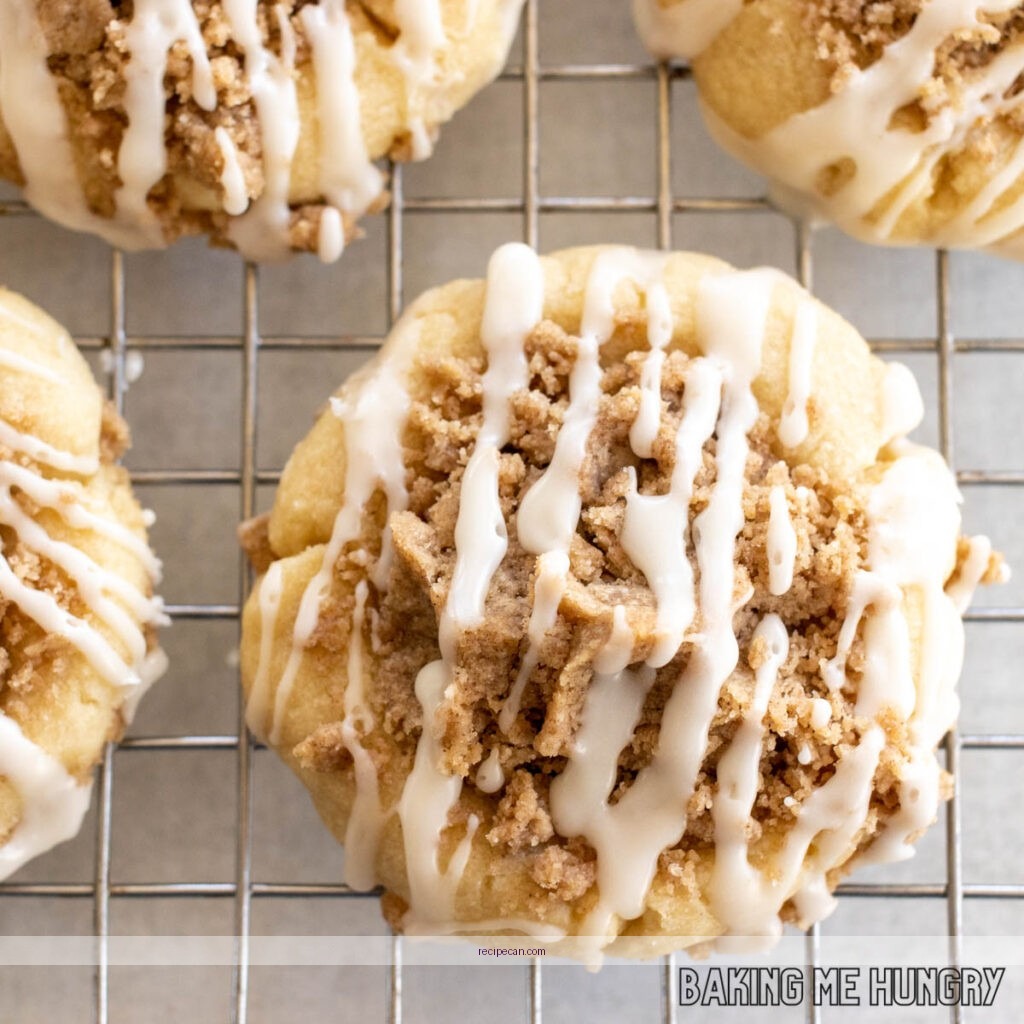
This guide is aimed at amateur bakers with a basic understanding of baking who wish to expand their skills with a distinctive coffee cake cookie recipe. It is particularly suitable for those who enjoy baking as a hobby and seek clear, actionable steps for creating these flavorful cookies. While beginners may benefit from the detailed approach, seasoned bakers might prefer more intricate recipes or variations.
The Step-by-Step Protocol
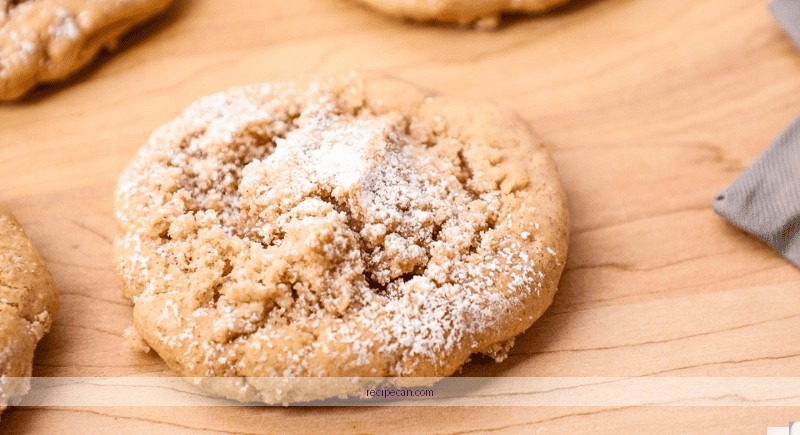
1. Gather Ingredients: Collect the following ingredients:
– 2 ½ cups all-purpose flour
– 1 teaspoon baking powder
– ½ teaspoon baking soda
– ½ teaspoon salt
– 1 cup unsalted butter (softened)
– 1 cup granulated sugar
– 2 large eggs
– 2 teaspoons vanilla extract
– 1 cup sour cream
– ½ cup packed brown sugar for the streusel topping.
2. Preheat Oven: Preheat your oven to 350°F (175°C). Line a baking sheet with parchment paper to prevent sticking during baking.
3. Prepare the Dough: In a large mixing bowl, cream together the softened butter and granulated sugar using an electric mixer on medium speed until light and fluffy, about 3-5 minutes. Add the eggs one at a time, ensuring each is fully incorporated before adding the next. Blend in the vanilla extract and sour cream until the mixture is smooth.
4. Mix Dry Ingredients: In a separate bowl, whisk together the all-purpose flour, baking powder, baking soda, and salt until evenly combined. Gradually add the dry ingredients to the wet mixture, mixing on low speed until just combined. Be careful not to overmix, as this may lead to tough cookies.
5. Make Streusel Topping: In a small bowl, combine the brown sugar, ½ cup of flour, and ½ teaspoon of cinnamon. Cut in ¼ cup of cold butter using a fork or pastry cutter until the mixture resembles coarse crumbs.
6. Form Cookies: Using a tablespoon or cookie scoop, drop portions of dough onto the prepared baking sheet, leaving about 2 inches of space between each cookie. Generously sprinkle the streusel topping over each cookie, ensuring an even distribution.
7. Bake: Place the baking sheet in the preheated oven and bake for 12-15 minutes or until the edges are lightly golden. Keep a close eye to avoid overbaking. Once done, remove the baking sheet from the oven and let the cookies cool on the sheet for 5 minutes before transferring them to a wire rack to cool completely.
8. Serve: Enjoy your freshly baked coffee cake cookies while warm. For any leftovers, store them in an airtight container at room temperature for up to one week.
Top 7 Ingredients for Coffee Cake Cookies (2024)
| # | Ingredient | Quantity | Purpose | Impact on Flavor |
|---|---|---|---|---|
| 1 | All-Purpose Flour | 2 ½ cups | Structure | Neutral |
| 2 | Unsalted Butter | 1 cup | Moisture | Rich & Creamy |
| 3 | Granulated Sugar | 1 cup | Sweetness | Sweet |
| 4 | Brown Sugar | ½ cup | Moisture | Caramel-like |
| 5 | Sour Cream | 1 cup | Tenderness | Tangy |
| 6 | Eggs | 2 large | Binding | Neutral |
| 7 | Vanilla Extract | 2 teaspoons | Flavor | Sweet & Floral |
| 8 | Baking Powder | 1 teaspoon | Leavening | Neutral |
| 9 | Baking Soda | ½ teaspoon | Leavening | Neutral |
| 10 | Salt | ½ teaspoon | Flavor | Slightly Enhances |
Warning Signs: When Not to Follow This

Do not attempt this recipe if you have known allergies to any of the ingredients, such as gluten or dairy, as the recipe is not easily adaptable without compromising flavor or texture. Additionally, if your kitchen lacks essential baking equipment, including measuring cups, mixing bowls, and an oven, it’s best to postpone baking. Creating a safe cooking environment is crucial; if you have distractions such as small children or pets in the kitchen, consider waiting until conditions are more conducive to baking.
The Most Common Mistakes (And Their Consequences)
– Incorrect Measurements: Adding too much flour can yield dry cookies, while too little can create a runny dough. Always measure carefully to achieve the desired texture.
– Not Preheating the Oven: Baking cookies in an unheated oven can cause improper spreading, leading to flat, undercooked cookies. Always verify the oven temperature before placing your cookies inside.
– Overmixing the Dough: Mixing the dough too vigorously after incorporating the flour can develop gluten, making cookies tough instead of soft and tender. Mix until just combined to maintain a delicate crumb.
Special Cases That Need a Different Approach
For those with gluten intolerance, consider using a 1:1 gluten-free flour blend, ensuring that all other ingredients are also gluten-free to avoid cross-contamination. If you’re looking for a dairy-free option, substitute the butter with a plant-based margarine and use a dairy-free sour cream alternative. In high-altitude locations, increase the flour by 2 tablespoons and reduce the baking powder by 1/8 teaspoon to achieve the right cookie consistency, as higher elevations can affect baking results.
When You Need a Professional
If you have severe allergies or intolerances that require strict dietary management, consult a registered dietitian before attempting this recipe. Should you encounter issues with equipment, such as a malfunctioning oven, it’s wise to seek help from an appliance repair professional. When in doubt about food safety standards, including proper food storage temperatures, refer to guidelines from the USDA or your local health department.
Sources and Further Reading
– The American Culinary Federation provides extensive baking resources, including guides on ingredient substitutions and baking techniques.
– The USDA Food Safety and Inspection Service offers detailed information on food safety, encompassing safe storage and cooking temperatures.
– “The Joy of Baking” website features a wide variety of baking recipes and tips, enhancing your understanding and skills in making coffee cake cookies.
Frequently Asked Questions
What ingredients do I need for a coffee cake cookie recipe?
To make a delicious coffee cake cookie, you will need all-purpose flour, granulated sugar, brown sugar, baking powder, baking soda, salt, butter, eggs, vanilla extract, and sour cream. For the crumb topping, gather additional flour, butter, brown sugar, and cinnamon. These ingredients create a rich, moist base with a sweet, crunchy topping that mimics traditional coffee cake.
How do I achieve the perfect texture in my coffee cake cookies?
To achieve the perfect texture in your coffee cake cookies, ensure that you cream the butter and sugars together until light and fluffy. Avoid overmixing after adding the dry ingredients, as this can lead to tough cookies. Using sour cream adds moisture, while chilling the dough for at least 30 minutes before baking can help maintain their shape and create a tender crumb.
Why is my coffee cake cookie recipe spreading too much while baking?
If your coffee cake cookies are spreading too much during baking, it may be due to warm butter being used or insufficient chilling of the dough. Make sure to use softened, but not melted, butter and chill the dough for at least 30 minutes. Additionally, ensure your baking soda and powder are fresh to help the cookies rise properly without spreading.
What is the best way to store coffee cake cookies to maintain freshness?
To maintain the freshness of your coffee cake cookies, store them in an airtight container at room temperature for up to a week. If you want to keep them longer, consider freezing them; place the cooled cookies in a freezer-safe bag or container. Just be sure to separate layers with parchment paper to prevent sticking.
Which toppings pair best with coffee cake cookies?
The best toppings for coffee cake cookies include a simple glaze made from powdered sugar and milk, or a crumb topping with cinnamon and nuts for added texture. You can also sprinkle powdered sugar on top for a touch of sweetness. Serve with a side of coffee or tea to enhance the flavors and create a delightful treat!
References
- Coffee cake
https://en.wikipedia.org/wiki/Coffee_cake - Google Scholar Google Scholar
https://scholar.google.com/scholar?q=coffee+cake+cookie+recipe - https://pubmed.ncbi.nlm.nih.gov/
https://pubmed.ncbi.nlm.nih.gov/ - https://www.bbc.com/food/recipes/coffee_cake_85810
https://www.bbc.com/food/recipes/coffee_cake_85810 - Google Scholar Google Scholar
https://scholar.google.com/scholar?q=coffee+cake+recipes - NYT Cooking – Recipes and Cooking Guides From The New York Times
https://www.nytimes.com/recipes/1020484/coffee-cake - https://www.sciencedirect.com/science/article/pii/S2212615119300121
https://www.sciencedirect.com/science/article/pii/S2212615119300121 - https://www.britannica.com/topic/coffee-cake
https://www.britannica.com/topic/coffee-cake - https://www.theguardian.com/food/2021/aug/11/recipe-coffee-cake-cookies
https://www.theguardian.com/food/2021/aug/11/recipe-coffee-cake-cookies - https://www.cdc.gov/nutrition/resources-publications/healthier-recipes.html
https://www.cdc.gov/nutrition/resources-publications/healthier-recipes.html