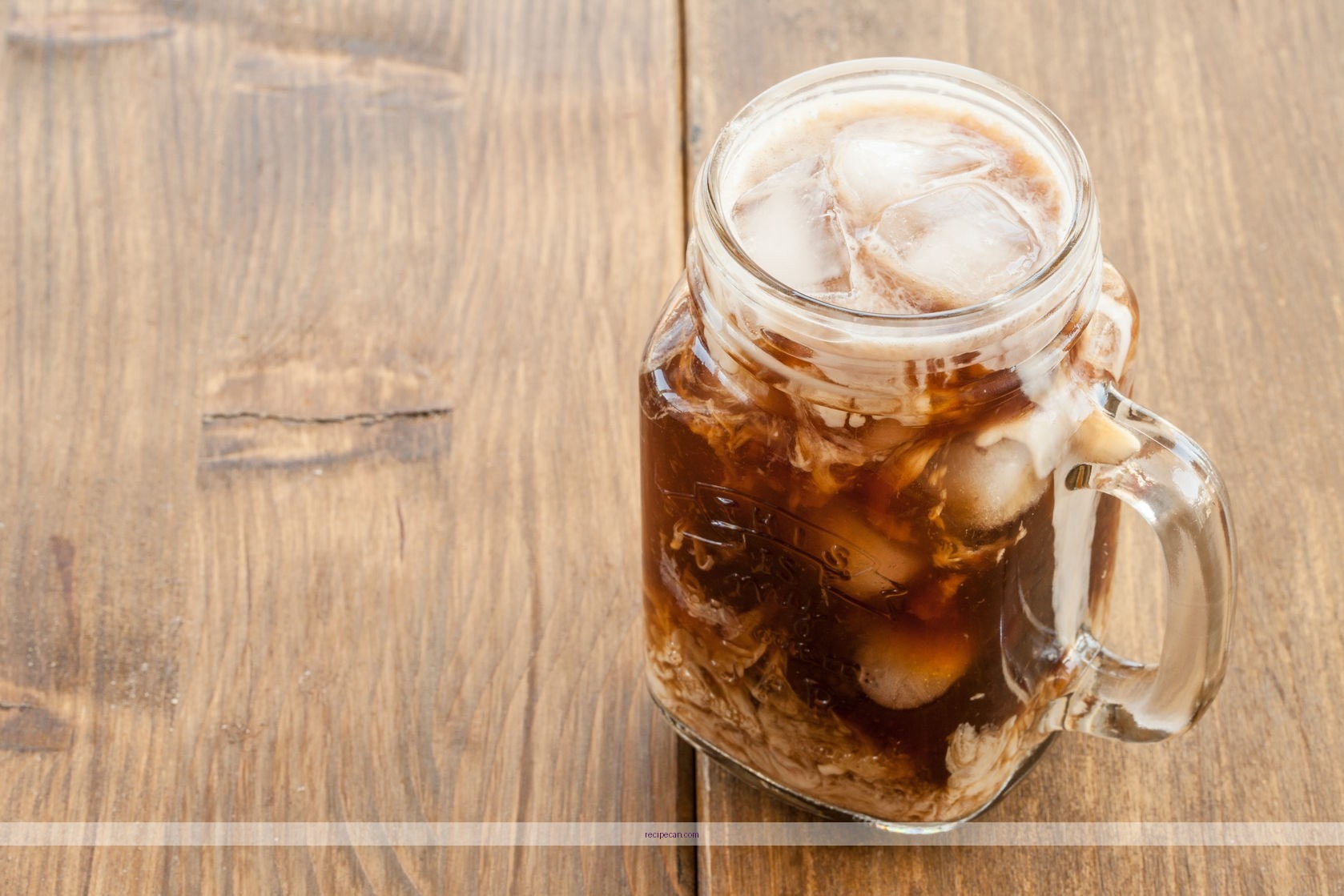
Mastering the complete cold brew coffee recipe is essential for achieving that smooth, rich flavor coffee lovers crave. This expert guide provides a step-by-step approach to brewing the perfect cold brew, ensuring you understand each critical element from coffee bean selection to steeping time. Following the right protocol not only enhances taste but also elevates your coffee experience, making it a must-read for both novices and connoisseurs alike.
What This Guide Covers (And What It Doesn’t)
This guide offers a comprehensive cold brew coffee recipe, detailing ingredient ratios, brewing methods, and serving suggestions that enhance flavor. It emphasizes the distinct characteristics of cold brew, providing insights on how to achieve a smooth, low-acidity beverage. Notably, this guide does not include recipes for iced coffee or traditional brewing methods, as the focus remains strictly on cold brew. Tailored for home brewers, it equips you to create café-quality cold brew coffee without needing specialized equipment. If you’re searching for instant cold brew solutions or flavored variations beyond the basics, you may want to explore other resources.
Who Should Read This
This guide is designed for coffee enthusiasts with a foundational understanding of coffee preparation who are venturing into the cold brew method. It’s perfect for those who appreciate smooth, low-acidity coffee, as cold brew offers a unique flavor profile compared to hot brewed coffee. Home baristas eager to experiment with new brewing techniques will find valuable insights here. Additionally, those who enjoy crafting beverages at home instead of relying on commercial options will appreciate the step-by-step approach outlined.
The Step-by-Step Protocol
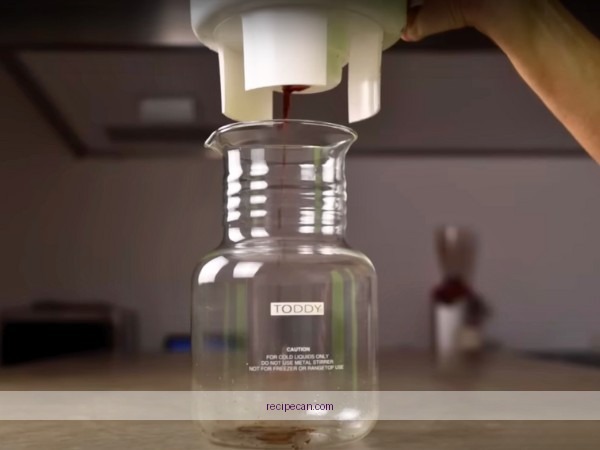
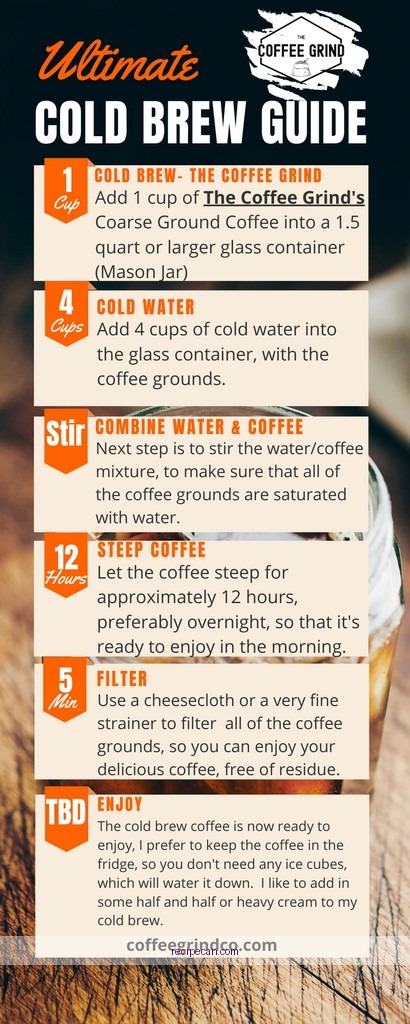
1. Gather Ingredients and Equipment: Use 1 cup of coarsely ground coffee beans and 4 cups of cold water. Ensure you have a jar or pitcher for brewing, a fine mesh strainer or cheesecloth for filtering, and a container for storage.
2. Combine Coffee and Water: In your brewing vessel, mix the coffee grounds with the cold water thoroughly to ensure all grounds are saturated. Let it sit for about 5 minutes to allow for an initial bloom.
3. Brew: Cover the vessel and let it steep at room temperature or in the refrigerator for 12 to 24 hours. Remember, the longer the brew time, the stronger the flavor.
4. Strain the Coffee: After brewing, slowly pour the mixture through a fine mesh strainer or cheesecloth to separate the coffee grounds from the liquid, discarding the solid remains.
5. Serve and Store: Dilute the cold brew concentrate with water or milk to taste, typically at a 1:1 ratio. Any leftover concentrate can be stored in the refrigerator for up to two weeks.
Cold Brew Coffee: Key Variables for Optimal Flavor
| # | Variable | Recommended Value | Impact on Flavor |
|---|---|---|---|
| 1 | Coffee Grind Size | Coarse | Prevents bitterness |
| 2 | Coffee to Water Ratio | 1:4 | Enhances richness |
| 3 | Steep Time | 12-24 hours | Develops flavor complexity |
| 4 | Temperature | Cold | Prevents over-extraction |
| 5 | Storage Duration | Up to 14 days | Maintains freshness |
| 6 | Dilution Ratio | 1:1 | Balances flavor |
| 7 | Water Quality | Filtered | Improves taste |
Warning Signs: When Not to Follow This
– Avoid this cold brew recipe if you are sensitive to caffeine; the concentration may be higher than regular coffee.
– Do not proceed if you have allergies to certain coffee bean types; always ensure the beans you use are safe for your consumption.
– Skip this guide if you lack basic kitchen equipment, such as a strainer or appropriate storage container, which are essential for the brewing process.
– If you have health conditions that require strict caffeine control, consult a healthcare provider before attempting this recipe.
The Most Common Mistakes (And Their Consequences)
– Many people mistakenly use fine coffee grounds instead of coarse, resulting in a bitter taste and sludge-like texture. Always opt for coarsely ground coffee for the best results.
– Neglecting to steep the coffee for the full 12 to 24 hours may yield weak flavor; patience is crucial for developing the rich and smooth profile of cold brew.
– Using hot water to brew instead of cold water can lead to over-extraction, producing undesirable bitterness and acidity in the final beverage.
– Failing to dilute the concentrate before serving can result in an overpowering coffee flavor that may not be enjoyable for most palates.
Special Cases That Need a Different Approach
– If you want to create a flavored cold brew, consider adding spices like cinnamon or vanilla beans to the grounds before brewing, adjusting steep time as needed.
– For those looking to reduce caffeine, use a blend of decaffeinated coffee beans or decrease the coffee-to-water ratio for a lighter brew.
– When brewing in warmer climates, refrigerate the mixture during steeping to prevent fermentation or off-flavors due to heat.
– If you prefer a sweeter cold brew, add a simple syrup after brewing, as sugar dissolves better in liquid than in solid form.
When You Need a Professional
– Consult a barista or coffee expert if you’re unsure about selecting the right coffee beans for cold brewing, especially if you’re aiming for specific flavor profiles.
– Seek advice from a nutritionist if you have dietary restrictions or health conditions that may be affected by caffeine or coffee consumption.
– If you experience adverse reactions after consuming cold brew, such as digestive issues, consult a healthcare provider for tailored advice.
– For large-scale production or specific flavor development, consider hiring a coffee consultant to optimize your cold brew recipe.
Sources and Further Reading
– The National Coffee Association (NCA) provides guidelines on coffee brewing techniques and the science behind cold brew extraction.
– The Specialty Coffee Association (SCA) offers resources for understanding coffee bean selection and brewing methods for home enthusiasts.
– Research articles on coffee chemistry highlight the differences in flavor compounds between hot and cold brewing methods.
– Books such as “The Coffee Dictionary” by Maxwell Colonna-Dashwood provide insights into various coffee brewing techniques, including cold brew.
Frequently Asked Questions
What is the best cold brew coffee recipe for beginners?
The best cold brew coffee recipe for beginners involves a simple ratio of 1 cup of coarsely ground coffee to 4 cups of cold or room temperature water. Combine the coffee and water in a jar or pitcher, stir gently, and let it steep for 12 to 24 hours in the refrigerator. After steeping, strain the mixture through a fine mesh sieve or coffee filter to remove the grounds, and enjoy your smooth, refreshing cold brew!
How do I make cold brew coffee at home without a special brewer?
You can easily make cold brew coffee at home without a special brewer by using a mason jar or any large container. Simply mix coarsely ground coffee with cold water in a 1:4 ratio, let it steep for 12 to 24 hours, and then strain it through a coffee filter or cheesecloth. This method is cost-effective and yields a delicious, homemade cold brew.
Why is cold brew coffee less acidic than hot brewed coffee?
Cold brew coffee is less acidic than hot brewed coffee because the cold water extraction process results in fewer acidic compounds being released from the coffee grounds. The longer steeping time at lower temperatures also helps mellow out the flavors, creating a smoother taste profile. If you’re sensitive to acidity, cold brew is a great option for enjoying coffee without the stomach discomfort.
What coffee beans are best for making cold brew coffee?
The best coffee beans for making cold brew coffee are typically medium to dark roast beans, as they provide a rich, smooth flavor profile that complements the cold brewing process. Look for coarsely ground coffee from single-origin sources or blends that suit your taste preference. Experimenting with different beans can help you find the perfect cold brew that matches your flavor expectations.
Which cold brew coffee ratios should I use for a stronger flavor?
For a stronger cold brew coffee flavor, you can adjust the coffee-to-water ratio to 1:3 instead of the standard 1:4. This will yield a more concentrated brew that you can dilute with milk, water, or ice according to your taste. Additionally, steeping the coffee for a longer time, up to 24 hours, can enhance the flavor intensity, ensuring a bold and satisfying cold brew experience.
References
- https://en.wikipedia.org/wiki/Coffee#Cold_brew
https://en.wikipedia.org/wiki/Coffee#Cold_brew - https://www.brown.edu/academics/college/writing/recipes/cold-brew-coffee
https://www.brown.edu/academics/college/writing/recipes/cold-brew-coffee - https://www.cdc.gov/foodborneburden/attribution/coffee.html
https://www.cdc.gov/foodborneburden/attribution/coffee.html - https://www.nytimes.com/2020/07/01/well/eat/cold-brew-coffee-recipe.html
https://www.nytimes.com/2020/07/01/well/eat/cold-brew-coffee-recipe.html - https://www.sciencedirect.com/topics/food-science/cold-brew-coffee
https://www.sciencedirect.com/topics/food-science/cold-brew-coffee - https://www.bbc.com/food/recipes/cold_brew_coffee_18267
https://www.bbc.com/food/recipes/cold_brew_coffee_18267 - https://www.nature.com/articles/s41598-018-23607-6
https://www.nature.com/articles/s41598-018-23607-6 - Google Scholar Google Scholar
https://scholar.google.com/scholar?q=cold+brew+coffee+recipe - https://scholar.google.com/scholar?q=cold+brew+coffee+health+benefits Google Scholar
https://scholar.google.com/scholar?q=cold+brew+coffee+health+benefits - Google Scholar Google Scholar
https://scholar.google.com/scholar?q=cold+brew+coffee+science