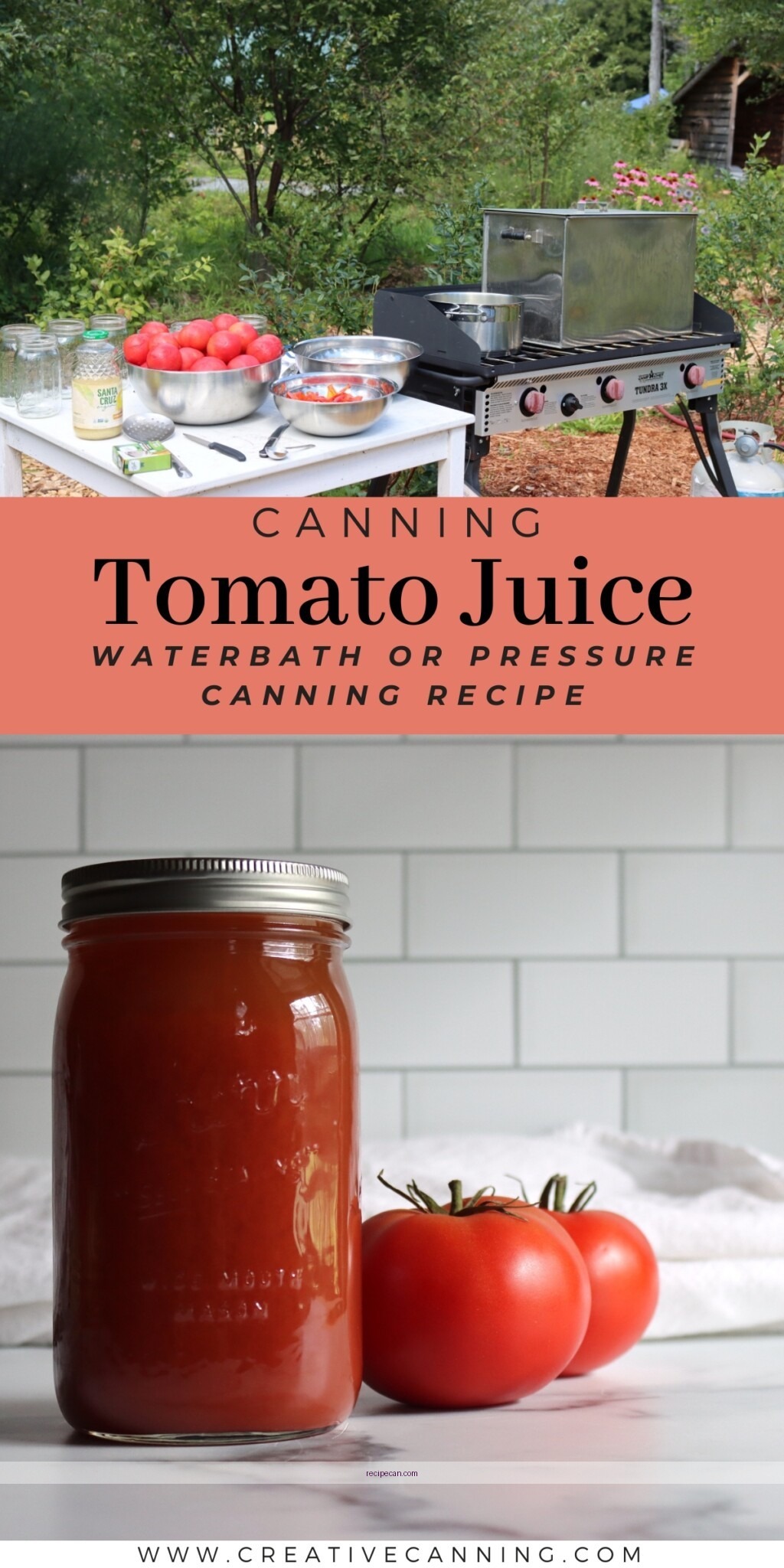
Discover the best recipes for canning tomato juice that will elevate your home preservation game. Whether you prefer a classic, robust flavor or a spicy twist, these tested methods will ensure your tomato juice is delicious and shelf-stable. Say goodbye to store-bought options and embrace the satisfaction of homemade, fresh tomato juice that captures the essence of summer. Get ready to transform your harvest into a pantry staple with these winning recipes.
Canning tomato juice is an excellent way to capture the fresh, vibrant flavors of summer tomatoes and enjoy them throughout the year. This rewarding process allows you to create rich, flavorful homemade tomato juice that can be enjoyed on its own or incorporated into a variety of dishes. With just a handful of ingredients and straightforward steps, you can make your own canned tomato juice, ensuring a taste of summer is always within reach.
Recipe Overview

Canning tomato juice is not only a practical way to store tomatoes but also a delicious way to enjoy their vibrant flavor. This process captures the essence of ripe tomatoes, making it a great addition to soups, sauces, and even cocktails. Even if you’re new to canning, you’ll find this recipe straightforward and rewarding, yielding about 6-8 pints. The end result is a versatile juice that can spruce up a variety of meals, adding depth and freshness to your culinary creations.
Time Required

– 🕐 Prep Time: 30 minutes
– 🍳 Cook Time: 30 minutes
– ⏱ Total Time: 1 hour
Ingredients
Using fresh, ripe tomatoes is crucial for the best flavor in your juice. Choose tomatoes that are firm and free from blemishes. You can mix different varieties for a unique taste! Here’s what you’ll need:
Main Ingredients
– 10 pounds of fresh tomatoes (any variety, such as Roma or Beefsteak)
– 1 tablespoon of lemon juice (per quart jar)
– Salt to taste (optional)
Optional Garnish
– Fresh herbs like basil or oregano (for flavor if desired)
Step-by-Step Instructions

Preparation
1. Begin by washing your tomatoes thoroughly. This step is essential to remove any dirt or pesticides. Remove any stems and cut the tomatoes into quarters.
2. In a large pot, bring water to a boil. Blanch the tomatoes for about 30 seconds, then quickly transfer them to an ice bath to stop the cooking process. The skins will loosen, making them easy to peel.
Cooking
3. Once cooled, peel the tomatoes. The skins should slip off easily; discard them. Place the peeled tomatoes back into the pot.
4. Crush the tomatoes with a potato masher or fork until you achieve your desired consistency. If you prefer a smoother juice, consider blending them briefly.
5. Bring the crushed tomatoes to a gentle simmer over medium heat, stirring occasionally. Cook for about 30 minutes to concentrate the flavors and reduce excess water.
Canning
6. While the tomatoes are simmering, prepare your jars by sterilizing them in boiling water for at least 10 minutes. This ensures they are free from bacteria.
7. Once the juice is ready, ladle it into the hot, sterilized jars, leaving about ½ inch of headspace. This space allows for expansion during processing.
8. Add 1 tablespoon of lemon juice to each quart jar for acidity, which is crucial for safe canning. You may also add salt for flavor if desired.
9. Wipe the rims of the jars with a clean cloth to remove any residue. Place the lids on and screw on the bands until they are fingertip-tight.
Tomato Varieties for Canning (2024)
| # | Tomato Variety | Best Uses | Flavor Profile | Water Content |
|---|---|---|---|---|
| 1 | Roma | Sauces & Canning | Sweet & Tangy | Low |
| 2 | Beefsteak | Slicing & Salads | Juicy & Mild | Medium |
| 3 | San Marzano | Sauces & Canning | Rich & Sweet | Low |
| 4 | Cherry | Snacking & Salads | Sweet & Crisp | High |
| 5 | Early Girl | Slicing & Canning | Sweet & Tangy | Medium |
| 6 | Green Zebra | Slicing & Salads | Zesty & Tangy | Medium |
| 7 | Heirloom | Slicing & Canning | Varied | Varied |
What to Avoid & Precautions
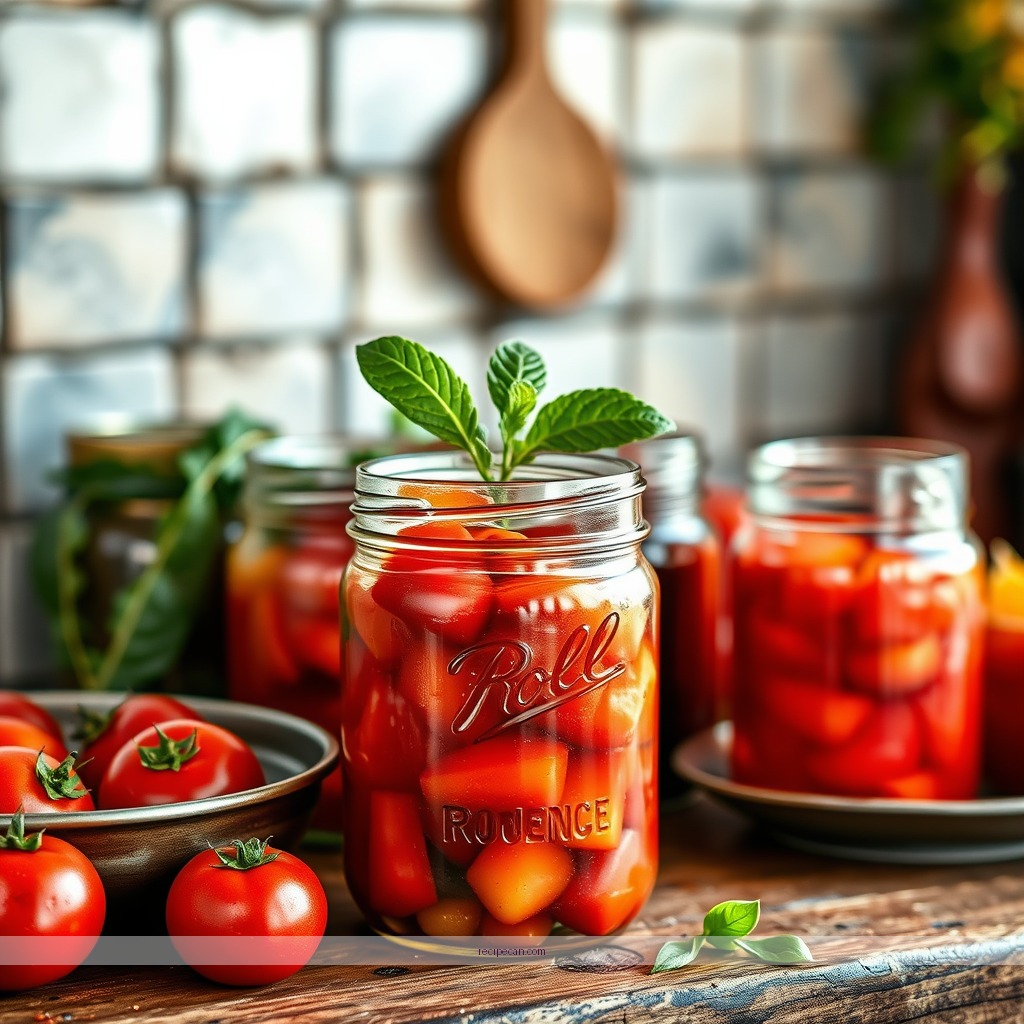
Canning can be intimidating, but knowing a few common pitfalls can help you succeed. Each step in the process is important, and being aware of potential issues can save you time and frustration.
Skipping Sterilization
Always sterilize your jars to prevent contamination. It’s a crucial step that ensures your canned juice stays safe. Even a small amount of bacteria can spoil your juice.
Overfilling Jars
Leave enough headspace in each jar to allow for expansion during processing. This will help create a proper seal and prevent spills during the canning process.
Common Mistakes & How to Fix Them
Not Using Enough Acid
Lack of acidity can lead to spoilage. Always add lemon juice or citric acid to ensure your tomato juice is safe for canning. The acidity will help preserve the juice and keep it safe to consume.
Undercooking the Juice
If the juice isn’t simmered long enough, it may be watery. Ensure you cook it down to the right consistency for the best flavor. A good simmer will also concentrate the flavors, making your juice more delicious.
How to Serve
Plating & Presentation
Tomato juice can be served chilled in glasses or used as a base for soups and sauces. For a refreshing drink, consider garnishing your glass with a sprig of basil or a wedge of lemon.
What Goes Well With It
Pair your tomato juice with a fresh basil garnish or use it as a cocktail mixer for a classic Bloody Mary. It also complements grilled cheese sandwiches or hearty soups beautifully.
Storage & Reheating
Store your sealed jars in a cool, dark place. Once opened, keep the juice refrigerated and consume within a week. If you have leftover juice, you can gently reheat it on the stove or in the microwave.
Canning tomato juice is a fantastic way to enjoy summer’s bounty all year round. Gather your ingredients, follow these steps, and you’ll have delicious, homemade tomato juice ready for your kitchen! Enjoy the satisfaction of preserving your own food and savoring the taste of fresh tomatoes anytime you want.
Frequently Asked Questions
What are the best tomatoes for canning juice?
The best tomatoes for canning juice are typically high in flesh and low in seeds, such as Roma or San Marzano varieties. These tomatoes provide a thicker consistency and richer flavor, making them ideal for juicing and canning. Additionally, using vine-ripened tomatoes ensures optimal taste and quality for your canned tomato juice.
How do you can tomato juice safely at home?
To safely can tomato juice at home, start by washing and cutting the tomatoes, then cook them down until soft. Use a food mill to remove seeds and skins, then heat the juice to a rolling boil. Pour the hot juice into sterilized jars, leaving appropriate headspace, and process in a water bath canner for the recommended time based on your altitude to ensure safety and shelf stability.
Why is it important to acidify tomato juice before canning?
Acidifying tomato juice before canning is crucial because it helps prevent the growth of harmful bacteria, such as botulism. Tomatoes can vary in acidity, so adding lemon juice or citric acid ensures a safe pH level, making your canned tomato juice safe for long-term storage. This simple step can greatly reduce the risk of foodborne illness.
Which spices and seasonings enhance the flavor of canned tomato juice?
Common spices and seasonings that enhance the flavor of canned tomato juice include garlic, onion, basil, oregano, and black pepper. You can also experiment with a pinch of salt or a dash of hot sauce for added kick. Remember to add these seasonings before canning to infuse the flavors thoroughly into the juice.
What are some common mistakes to avoid when canning tomato juice?
Common mistakes to avoid when canning tomato juice include not properly sterilizing jars, failing to acidify the juice, and ignoring altitude adjustments for processing times. Additionally, overfilling jars or not removing air bubbles can lead to improper sealing. Being mindful of these factors ensures your canned tomato juice remains safe and delicious.
References
- How to Make Tomato Juice (with Pictures) – wikiHow Life
https://www.wikihow.com/Make-Tomato-Juice - Georgia Forages: Grass Species | CAES Field Report
https://extension.uga.edu/publications/detail.html?number=B1351 - https://nchfp.uga.edu/how/can_06/tomato_juice.html
https://nchfp.uga.edu/how/can_06/tomato_juice.html - https://www.foodpreserving.com/canning-tomato-juice
https://www.foodpreserving.com/canning-tomato-juice - https://www.fsis.usda.gov/wps/portal/fsis/topics/food-safety-education/get-answers/food-safety-fact-sheets
https://www.fsis.usda.gov/wps/portal/fsis/topics/food-safety-education/get-answers/food-safety-fact-sheets - Checking your browser – reCAPTCHA
https://www.ncbi.nlm.nih.gov/pmc/articles/PMC6485780/ - https://www.cdc.gov/foodsafety/communication/home.html
https://www.cdc.gov/foodsafety/communication/home.html - Google Scholar Google Scholar
https://scholar.google.com/scholar?q=recipes+for+canning+tomato+juice - Google Scholar Google Scholar
https://scholar.google.com/scholar?q=canning+tomato+juice+nutritional+benefits - Google Scholar Google Scholar
https://scholar.google.com/scholar?q=homemade+tomato+juice+canning+process