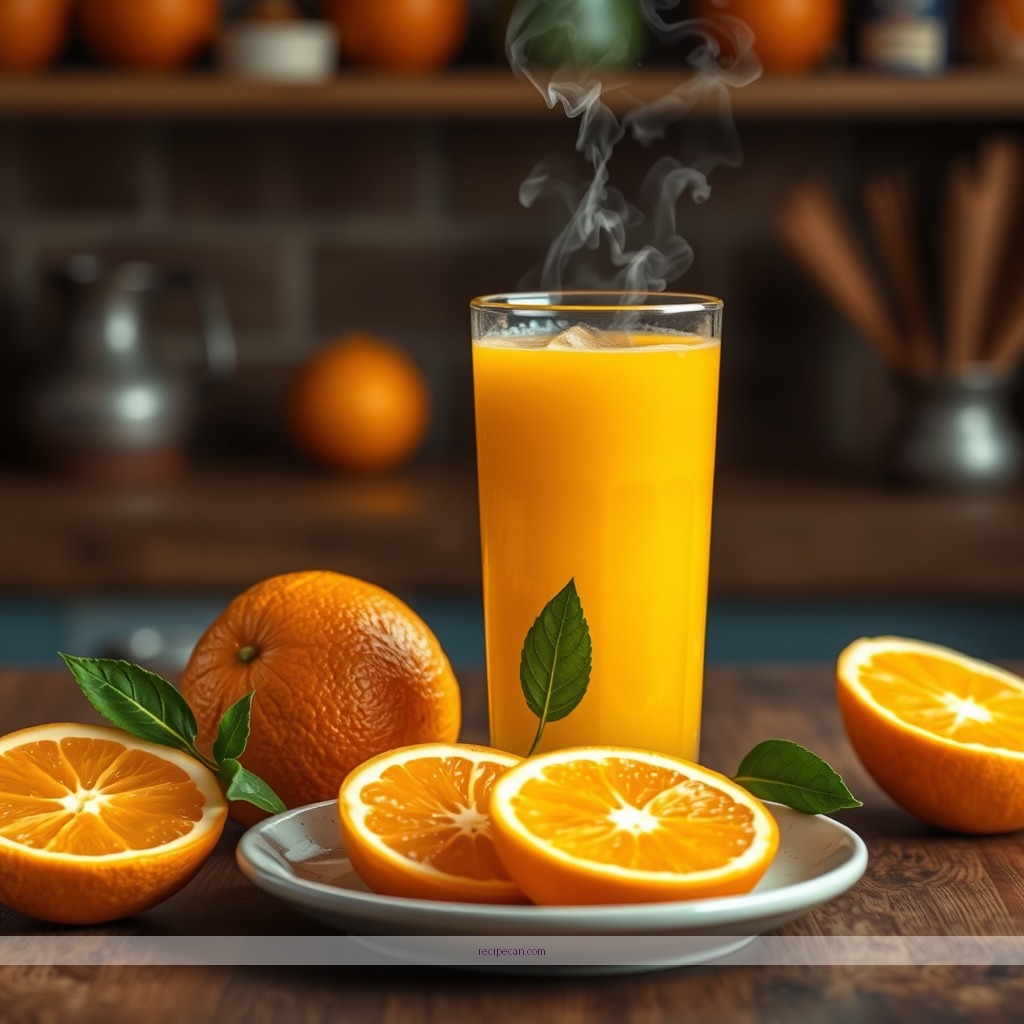
This simple recipe for fresh orange juice is the best way to enjoy a burst of citrus flavor with minimal effort. By using just ripe oranges and a few easy steps, you’ll create a refreshing beverage that beats store-bought juices any day. Discover how this straightforward method can elevate your breakfast routine and provide a wholesome start to your day.
Making fresh orange juice at home is a quick and rewarding endeavor that requires minimal ingredients and effort. With just a few ripe oranges, you can create a delicious and nutritious beverage that is packed with vitamins and flavor. Whether enjoyed at breakfast or as a refreshing midday snack, homemade orange juice is a delightful treat that brings the essence of summer into your glass.
Recipe Overview

Fresh orange juice is a staple in many households, cherished for its vibrant flavor and health benefits. This recipe is straightforward enough for novices yet impressive enough to serve at gatherings. Using just a handful of fresh oranges, you can prepare a delightful drink that serves about 2 to 4 people, making it an ideal choice for families or small get-togethers. The sweet, tangy flavor of fresh orange juice is sure to please everyone at the table.
Time Required

– 🕐 Prep Time: 5 minutes
– 🍳 Cook Time: 0 minutes (juicing only)
– ⏱ Total Time: 5 minutes
Ingredients
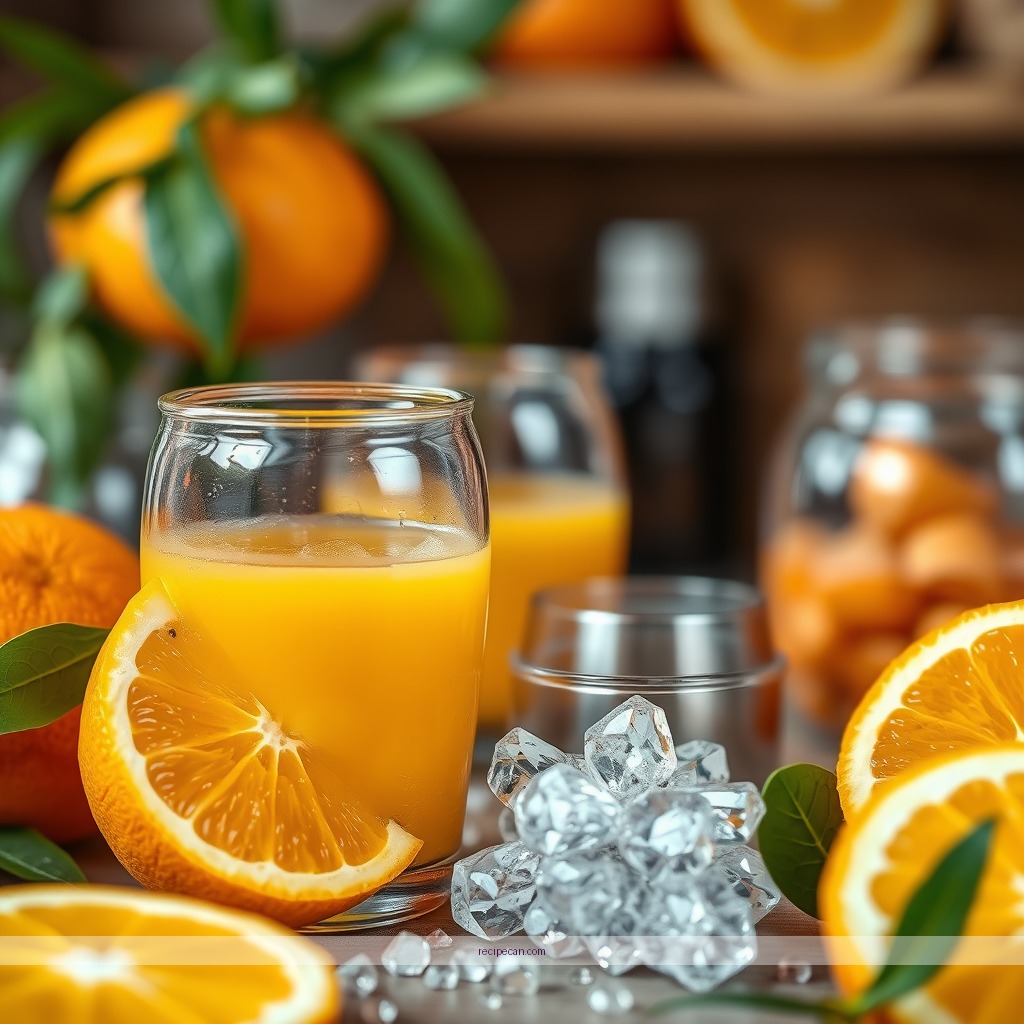
The quality of your orange juice hinges on the freshness and ripeness of your oranges. Select oranges that feel heavy for their size and have a vibrant, smooth skin. Navel oranges are a superb choice due to their juiciness and ease of peeling. You may also consider blood oranges for a unique flavor twist.
Main Ingredients
– 4-6 fresh oranges (approximately 2-3 per serving, depending on size)
– Optional: Sweetener like sugar or honey (to taste)
Step-by-Step Instructions

1. Begin by washing the oranges under cool running water to remove any dirt or pesticides. This step ensures a clean juice.
2. To maximize the juice yield, roll each orange gently on a countertop. This action helps to break down the internal membranes, releasing more juice.
3. Using a sharp knife, cut the oranges in half. This makes juicing easier and more efficient.
4. Juice the oranges using either a manual or electric juicer, or opt for the hands-on method of squeezing them by hand for a more rustic approach.
5. If you prefer a smoother juice, strain it through a fine mesh sieve to remove pulp. Alternatively, leave the pulp for added texture and fiber.
6. Taste your freshly squeezed juice and add sweetener if desired, stirring well to combine. Adjust sweetness according to your taste preference.
7. Serve the juice immediately over ice for a refreshing experience, or chill it in the refrigerator if you prefer it cold later.
What to Avoid & Precautions
While making fresh orange juice is generally straightforward, there are common pitfalls to keep in mind.
Over Juicing
Be cautious not to over-juice the oranges, as this can lead to bitterness from the pith. Stop juicing once you feel resistance when squeezing.
Choosing the Wrong Oranges
Avoid selecting oranges that feel hard or light; these are typically not juicy. Opt for firm, heavy oranges to ensure a higher juice yield.
Common Mistakes & How to Fix Them
Not Using Fresh Oranges
Using older or less ripe oranges can lead to a lackluster juice that is not as flavorful. Always select fresh, in-season oranges for the best results.
Overcomplicating the Process
Some may be tempted to add various ingredients or flavors to the juice. However, simplicity is key to preserving the fresh orange flavor—just oranges!
How to Serve
Plating & Presentation
Serve your fresh orange juice in clear, tall glasses to highlight its vibrant, sunny color. Garnish with a slice of orange on the rim for an appealing touch.
What Goes Well With It
Fresh orange juice pairs beautifully with breakfast items such as pancakes, waffles, or even a light salad for lunch. It also makes a delightful complement to brunch spreads.
Serving Temperature
You can enjoy orange juice chilled or at room temperature, depending on your preference. To enhance the refreshment factor, serve it over ice.
Storage & Reheating
Fresh orange juice is best enjoyed immediately, but it can be stored in the refrigerator for up to 2 days. Be sure to give it a gentle stir before serving again, as separation may occur.
Top 7 Orange Varieties for Juicing
| # | Orange Variety | Juice Yield (%) | Flavor Profile | Best For |
|---|---|---|---|---|
| 1 | Navel | 50% | Sweet, Juicy | Drinking Fresh |
| 2 | Valencia | 60% | Balanced, Sweet | Juicing |
| 3 | Blood | 55% | Rich, Tart | Unique Flavors |
| 4 | Cara Cara | 58% | Sweet, Berry-like | Fresh Juice |
| 5 | Seville | 45% | Sour, Strong | Cooking |
| 6 | Mandarin | 52% | Sweet, Mild | Snacking |
| 7 | Bergamot | 40% | Floral, Unique | Infusions |
Making fresh orange juice is not just about quenching your thirst—it’s about enjoying the simple pleasures of life. It’s a beautiful way to engage with your food and appreciate the flavors of fresh produce. As you experiment with different orange varieties and sweetness levels, you’ll find the perfect balance that suits your palate. Enjoy this refreshing drink, and don’t hesitate to explore other citrus fruits for a delightful twist on this classic beverage!
Frequently Asked Questions
What is the best way to prepare fresh orange juice at home?
The best way to prepare fresh orange juice at home is to start with ripe, juicy oranges. Cut them in half and use a manual or electric juicer to extract the juice. For added flavor, consider adding a pinch of salt or a splash of lemon juice to enhance the citrus taste.
How many oranges do I need to make one cup of orange juice?
To make one cup of orange juice, you typically need about 2 to 4 medium-sized oranges, depending on their juiciness. A general rule of thumb is that one medium orange yields about 1/4 to 1/3 cup of juice, so adjust your quantity based on the size of the oranges you have.
Why is freshly squeezed orange juice healthier than store-bought juice?
Freshly squeezed orange juice is healthier than store-bought juice because it contains no added sugars, preservatives, or artificial flavors. It also retains more vitamins, especially vitamin C, and has a fresher taste compared to pasteurized juices that may lose some nutrients during processing.
Which oranges are best for juicing?
The best oranges for juicing are typically Valencia and Navel oranges. Valencia oranges are particularly known for their sweet juice and are available during the summer months, while Navel oranges are sweeter and juicier in the winter, making them great options year-round.
How can I store freshly squeezed orange juice for later use?
To store freshly squeezed orange juice, pour it into an airtight container and refrigerate it. It’s best consumed within 2 to 3 days for optimal freshness and flavor, but you can also freeze it in ice cube trays or containers for longer storage, allowing you to enjoy fresh juice later.
References
- Orange juice
https://en.wikipedia.org/wiki/Orange_juice - Checking your browser – reCAPTCHA
https://www.ncbi.nlm.nih.gov/pmc/articles/PMC6681974/ - Checking your browser – reCAPTCHA
https://www.ncbi.nlm.nih.gov/pmc/articles/PMC4180531/ - https://www.sciencedirect.com/topics/agricultural-and-biological-sciences/orange-juice
https://www.sciencedirect.com/topics/agricultural-and-biological-sciences/orange-juice - Orange juice | beverage | Britannica
https://www.britannica.com/topic/orange-juice - https://www.cdc.gov/nutrition/food-safety.html
https://www.cdc.gov/nutrition/food-safety.html - Healthy diet
https://www.who.int/news-room/fact-sheets/detail/healthy-diet - Google Scholar Google Scholar
https://scholar.google.com/scholar?q=recipe+for+orange+juice - Google Scholar Google Scholar
https://scholar.google.com/scholar?q=orange+juice+nutrition - Google Scholar Google Scholar
https://scholar.google.com/scholar?q=health+benefits+of+orange+juice