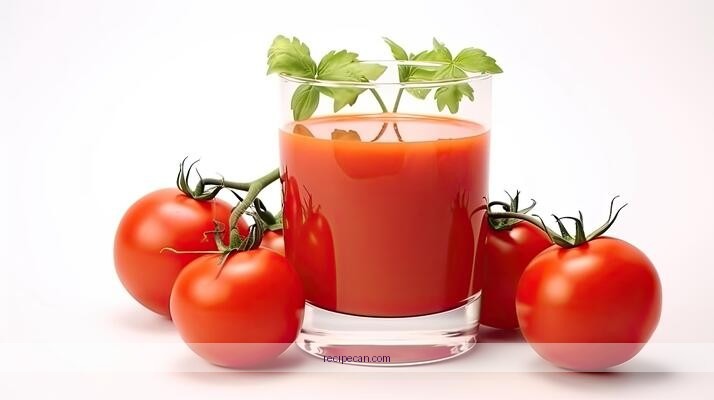
This easy tomato juice recipe for canning is the best choice for preserving summer’s harvest with minimal effort. With straightforward ingredients and simple steps, you can create delicious, homemade tomato juice that lasts all year. Discover how to achieve the perfect balance of flavor and texture, ensuring your canned juice is a staple in your pantry.
Making your own tomato juice for canning is a straightforward and rewarding endeavor that enables you to capture the essence of summer tomatoes for use throughout the year. This recipe provides a simple step-by-step guide to create flavorful, homemade tomato juice that can be preserved safely. With just a few ingredients and some careful preparation, you can have vibrant jars of tomato juice ready to enhance your soups, sauces, and beverages!
Recipe Overview

This Easy Tomato Juice Recipe is perfect for canning, allowing you to savor the fresh, garden-fresh flavor of tomatoes long after their season has ended. The method is accessible for both novice and experienced canners, making it a wonderful project for anyone looking to preserve their homegrown produce. Expect to yield several quarts of rich, delicious juice that can elevate a variety of meals, from hearty winter soups to refreshing summer cocktails.
Time Required
– 🕐 Prep Time : 30 minutes
– 🍳 Cook Time : 1 hour
– ⏱ Total Time : 1 hour 30 minutes (includes cooling time)
Ingredients
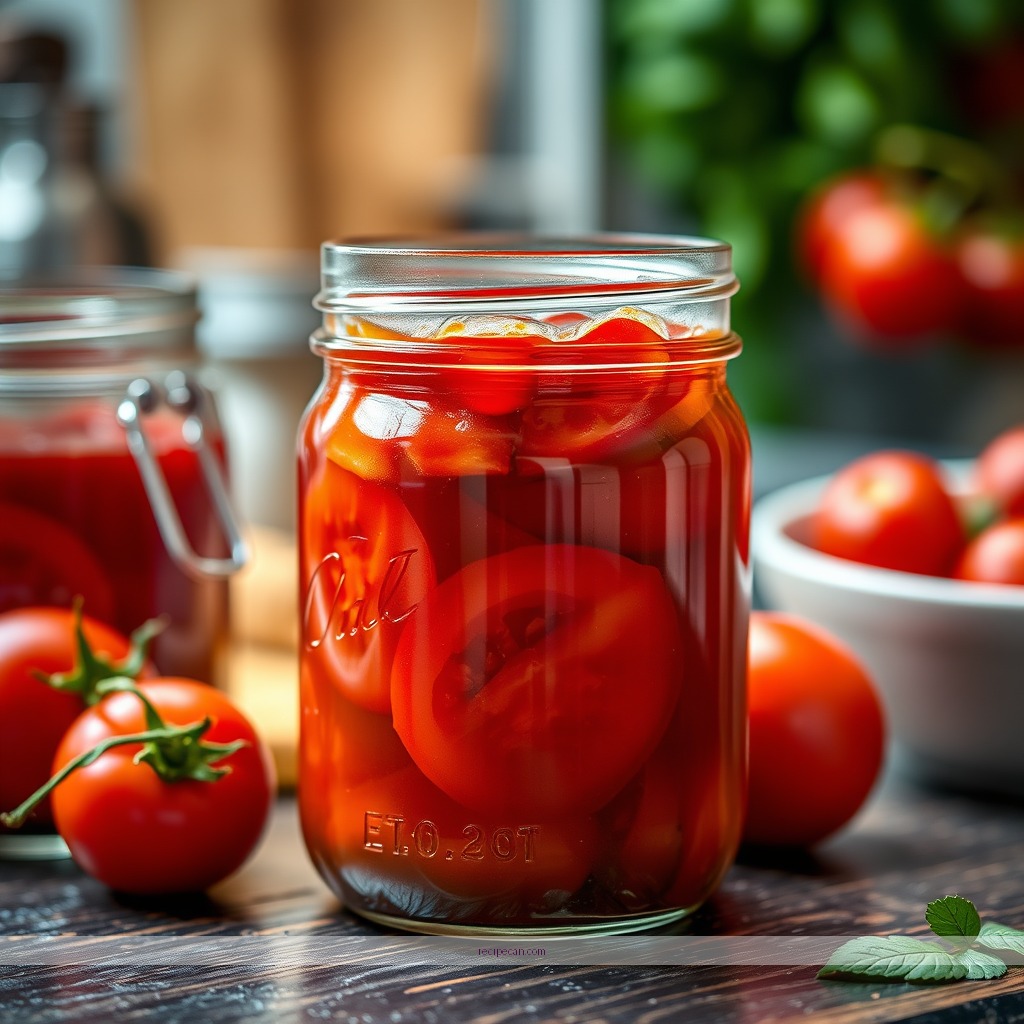
Using ripe, high-quality tomatoes is essential for achieving the best flavor in your juice. Fresh herbs and spices can enhance the taste, so feel free to add your favorites if desired. Here’s what you’ll need:
Main Ingredients
– 10 pounds of ripe tomatoes (any variety, such as Roma or beefsteak)
– 1 tablespoon of lemon juice (per quart jar)
– Salt to taste (optional, about 1 teaspoon per quart)
Step-by-Step Instructions

1. Prepare the Tomatoes: Begin by thoroughly washing your tomatoes to remove any dirt or pesticides. Inspect each tomato for blemishes and cut them into quarters. There’s no need to peel them since the skins will be strained out later in the process.
2. Cook the Tomatoes: Place the quartered tomatoes in a large, heavy-bottomed pot over medium heat. Allow them to cook for about 20 minutes, stirring occasionally. The goal is to soften the tomatoes and encourage them to release their juices.
3. Mash and Strain: After the tomatoes have softened, use a potato masher to crush them further. This will help release even more juice. Next, pour the mixture through a fine mesh strainer or a food mill to separate the juice from the skins and seeds, ensuring a smooth final product.
4. Heat the Juice: Return the strained tomato juice to the pot and bring it to a gentle boil over medium heat. Add the lemon juice and salt (if desired) into the juice and let it simmer for about 10 minutes. This step helps to meld the flavors and ensures the juice is heated through.
5. Prepare Jars: While the juice is simmering, sterilize your canning jars by boiling them in water for 10 minutes. Keep them warm until you are ready to fill them with the hot juice.
6. Fill the Jars: Carefully pour the hot tomato juice into the prepared jars, making sure to leave about 1/2 inch of headspace at the top. Wipe the rims of the jars clean with a damp cloth to ensure a good seal.
7. Seal and Process: Place the lids on the jars and screw on the bands until they are fingertip-tight. Process the jars in a boiling water bath for 35 minutes, ensuring they seal properly for long-term storage.
Top 7 Tomato Varieties for Juicing (2024)
| # | Variety | Flavor Profile | Juice Yield | Best For |
|---|---|---|---|---|
| 1 | Roma | Rich & Sweet | High | Sauces |
| 2 | Beefsteak | Juicy & Flavorful | Moderate | Juices |
| 3 | San Marzano | Sweet & Tangy | High | Sauces |
| 4 | Cherry | Sweet & Fruity | Low | Salads |
| 5 | Plum | Sweet & Earthy | Moderate | Sauces |
| 6 | Green Zebra | Tangy & Unique | Low | Salads |
| 7 | Early Girl | Sweet & Fruity | Moderate | Juices |
What to Avoid & Precautions
While making tomato juice is generally straightforward, a few common pitfalls can arise. Being aware of these can help ensure your canning process goes smoothly.
Overcooking the Tomatoes
If tomatoes are overcooked, they can lose their vibrant flavor and turn mushy. It’s essential to monitor cooking times closely and remove them from heat as soon as they soften, around the 20-minute mark.
Not Using Enough Acid
Tomatoes can be naturally low in acidity, which is crucial for safe canning. Always add the recommended lemon juice to each jar to ensure the acidity level is sufficient for safe preservation.
Common Mistakes & How to Fix Them
Mistakes can happen in the kitchen, but don’t worry! Here are some common errors and how to address them.
Too Watery Juice
If your tomato juice is too watery, it may be due to using under-ripe tomatoes or not cooking them long enough. Simply return the juice to the pot and simmer it until it reduces to your desired consistency.
Improper Sealing
If any jars don’t seal properly after processing, it’s crucial to check that the rims were wiped clean before sealing. If a jar fails to seal, refrigerate it and use it within a week to prevent spoilage.
How to Serve
What Goes Well With It
This homemade tomato juice is versatile. Enjoy it as a refreshing drink, use it as a base for soups, or incorporate it into sauces. It pairs wonderfully with grilled cheese sandwiches, spicy snacks, or even as a mixer in cocktails like Bloody Marys.
Storage & Reheating
Store your sealed jars of tomato juice in a cool, dark place, such as a pantry or cupboard. Once opened, any remaining juice should be refrigerated and consumed within a week.
Making your own tomato juice for canning is a delightful way to preserve the essence of summer and enjoy the fruits of your labor. With fresh, homemade tomato juice at your fingertips, you can enhance countless meals and savor the delightful taste of tomatoes long after the season has passed. Gather your tomatoes and start canning today!
Frequently Asked Questions
What ingredients do I need for a basic tomato juice recipe for canning?
To make a basic tomato juice recipe for canning, you’ll need ripe tomatoes, lemon juice or citric acid for acidity, and optionally, salt for flavor. You can also add spices like basil or oregano for extra taste. Ensure the tomatoes are fresh and free from blemishes for the best quality juice.
How do I properly prepare tomatoes for canning tomato juice?
To prepare tomatoes for canning tomato juice, start by washing them thoroughly and removing any stems. Blanch the tomatoes in boiling water for about 30 seconds, then transfer them to an ice bath to cool. This process will loosen the skins, making it easier to peel them off before juicing.
Why is it important to add acidity when canning tomato juice?
Adding acidity, such as lemon juice or citric acid, is crucial when canning tomato juice to ensure food safety. The acidity helps prevent the growth of harmful bacteria, particularly botulism, which can thrive in low-acid environments. This step is especially important for home canning to ensure the juice is safe to consume.
What is the best method for canning tomato juice at home?
The best method for canning tomato juice at home is to use a pressure canner or a water bath canner, depending on your recipe and altitude. For tomato juice, a water bath canner is typically sufficient, as the acidity level is high enough. Ensure you process the jars for the recommended time to maintain freshness and safety.
Which types of tomatoes are best for making tomato juice for canning?
The best types of tomatoes for making tomato juice for canning are paste tomatoes, such as Roma or San Marzano, due to their thick flesh and lower moisture content. These varieties yield a richer, thicker juice, making them ideal for canning. However, you can also use a mix of different tomatoes for added flavor complexity.
References
- https://extension.umn.edu/preserving-and-storing-food/canning-tomatoes
https://extension.umn.edu/preserving-and-storing-food/canning-tomatoes - https://www.fsis.usda.gov/wps/wcm/connect/3de42d4c-7a63-4e98-8fd4-9525b7e2a5a0/canning_tomatoes.pdf
https://www.fsis.usda.gov/wps/wcm/connect/3de42d4c-7a63-4e98-8fd4-9525b7e2a5a0/canning_tomatoes.pdf - | National Center for Home Food Preservation
https://nchfp.uga.edu/how/can_06/tomato_juice.html - 404
https://www.healthyeating.org/nutrition-topics/vegetables/tomato-juice - https://www.cdc.gov/nutrition/resources-publications/healthy-eating/tomatoes.html
https://www.cdc.gov/nutrition/resources-publications/healthy-eating/tomatoes.html - https://www.ncbi.nlm.nih.gov/pmc/articles/PMC6633374/
https://www.ncbi.nlm.nih.gov/pmc/articles/PMC6633374/ - Google Scholar Google Scholar
https://scholar.google.com/scholar?q=tomato+juice+recipe+for+canning - Google Scholar Google Scholar
https://scholar.google.com/scholar?q=canning+tomatoes+nutritional+guidelines - Google Scholar Google Scholar
https://scholar.google.com/scholar?q=homemade+tomato+juice+preservation - https://www.washingtonpost.com/food/2021/08/25/canning-tomatoes-recipe/
https://www.washingtonpost.com/food/2021/08/25/canning-tomatoes-recipe/