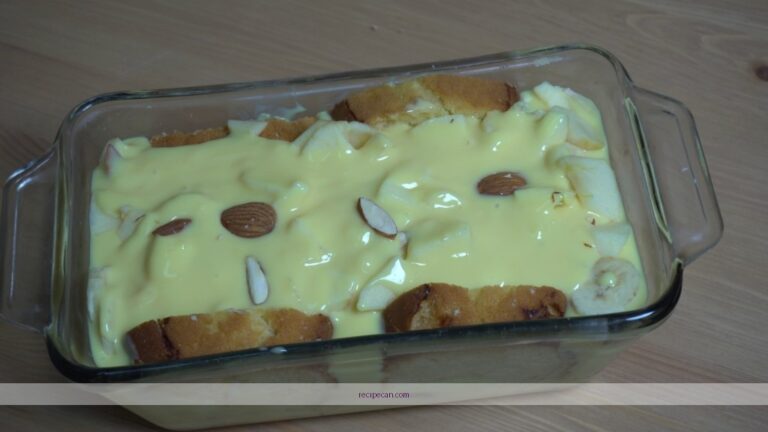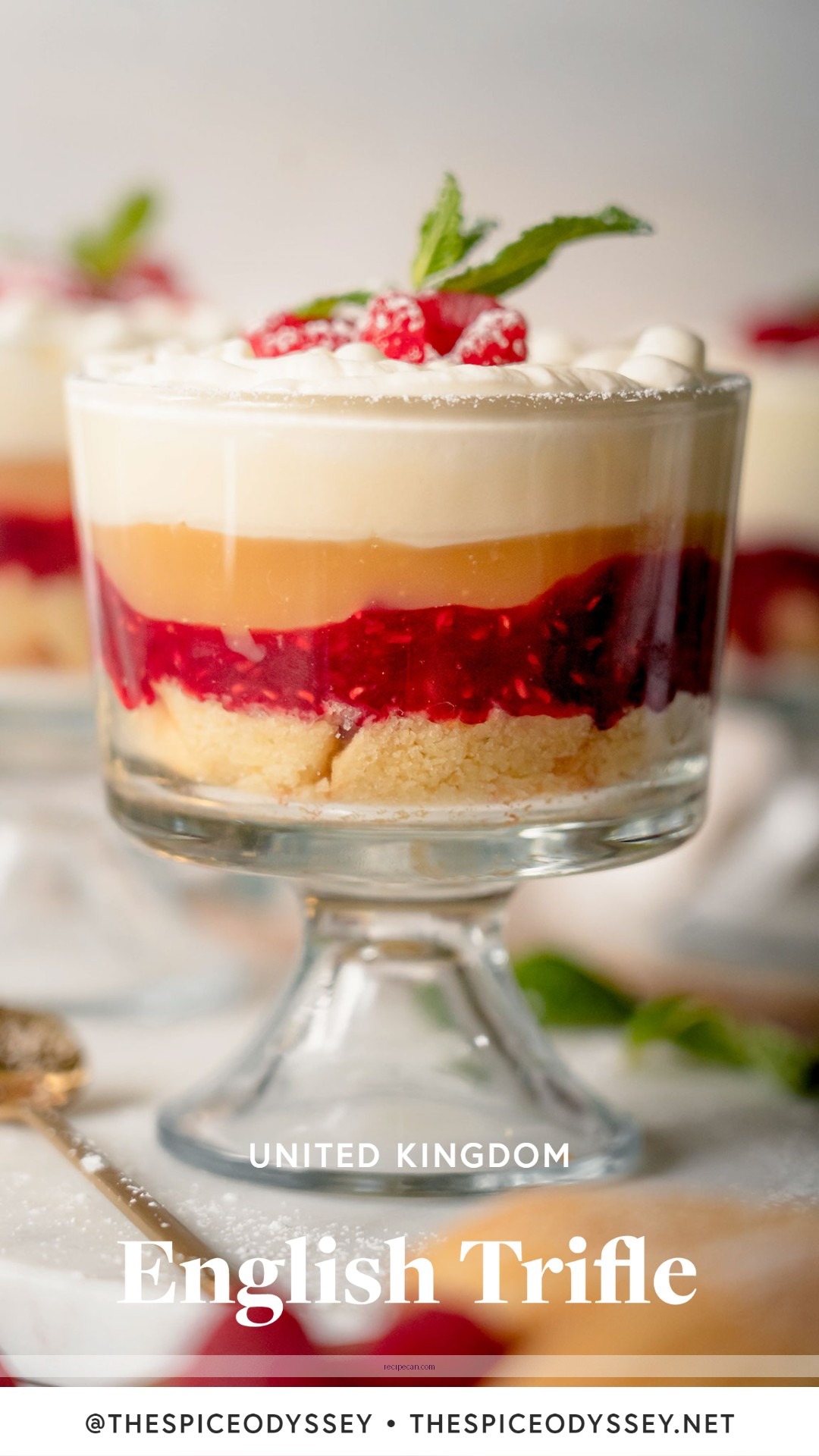
This classic English trifle recipe delivers a stunning layered dessert that is perfect for any celebration. With rich custard, fresh fruit, and fluffy whipped cream, it outshines other desserts in both flavor and presentation. Discover how to create this timeless treat that will impress your guests and satisfy your sweet tooth. Enjoy a taste of tradition that never fails to delight.
Indulging in a classic English trifle is a delightful experience that brings together layers of sponge cake, creamy custard, and fresh fruit, all crowned with fluffy whipped cream. This visually stunning and flavorful dessert is surprisingly simple to make, making it perfect for gatherings or as a sweet finale to a family meal. In this guide, you’ll learn how to create a traditional trifle that is sure to impress your guests and satisfy your sweet tooth!
Recipe Overview
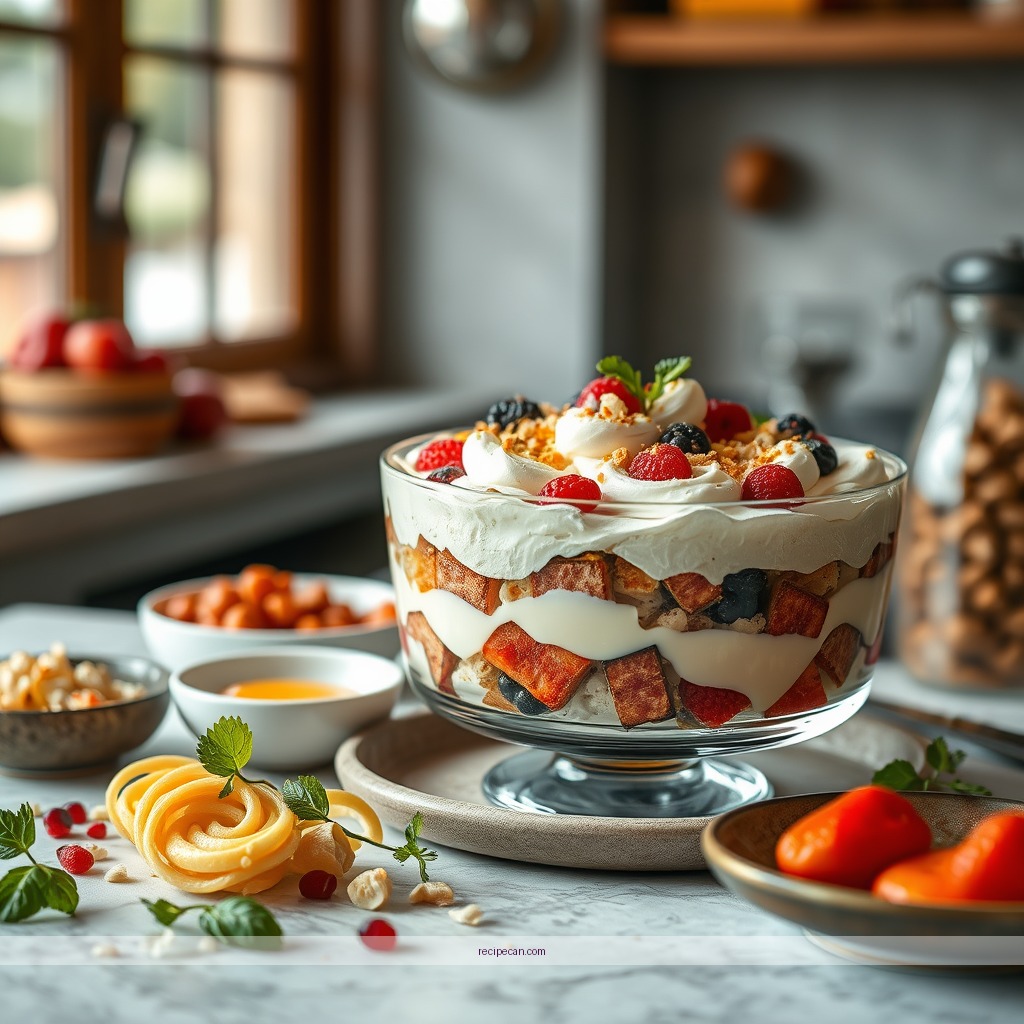
A classic English trifle is more than just a dessert; it is a celebration of flavors and textures that has its roots in British cuisine. With its layered composition, it attracts both the eye and the palate, making it an ideal choice for special occasions like birthdays, holidays, or simply a Sunday dinner. This recipe serves approximately 6-8 people and is easy to prepare, ensuring everyone can enjoy this timeless treat without feeling overwhelmed.
Time Required
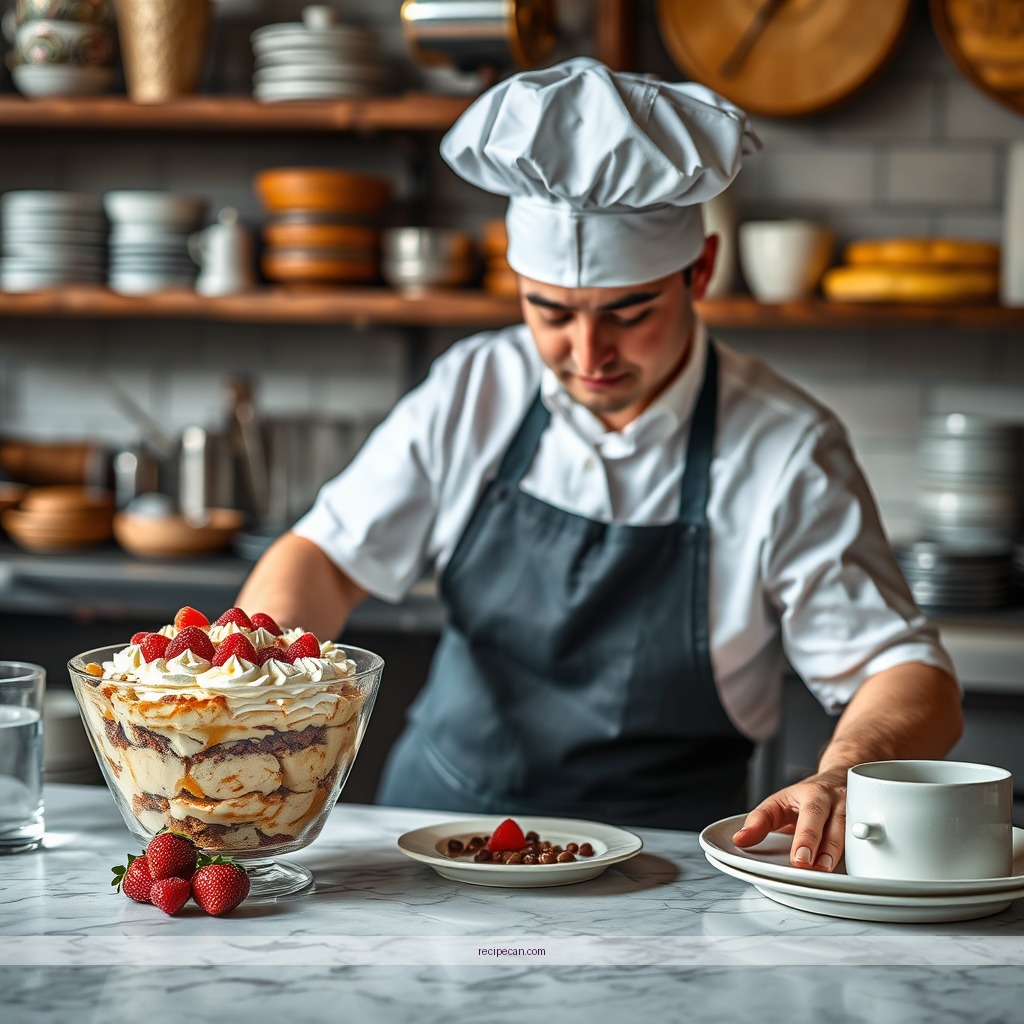
– 🕐 Prep Time: 30 minutes
– 🍳 Chill Time: 2 hours (or overnight for best results)
– ⏱ Total Time: 2 hours 30 minutes
Ingredients
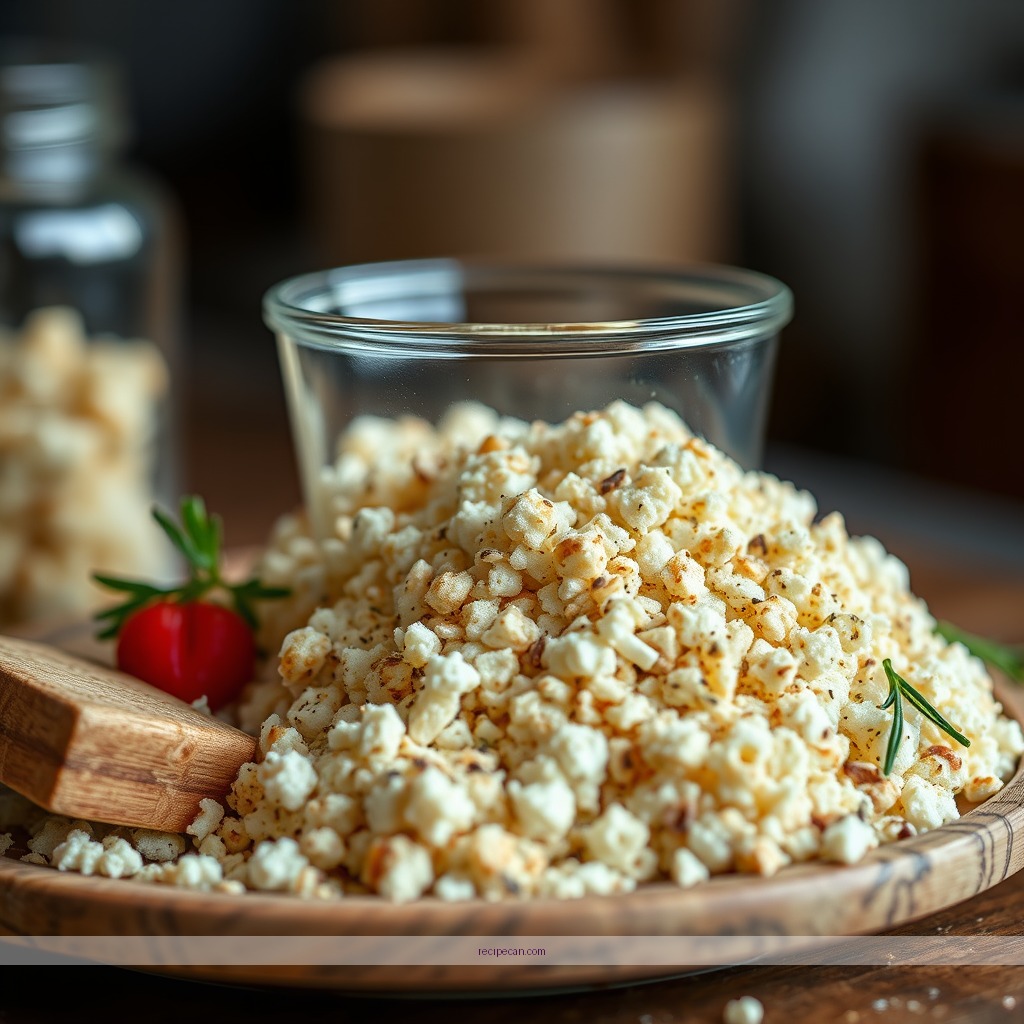
The beauty of a trifle lies in its versatility, allowing for the incorporation of seasonal fruits and preferred flavors. Fresh, high-quality ingredients are key to creating a delightful dessert. Here’s what you’ll need:
Main Ingredients
– 1 pound sponge cake (store-bought or homemade)
– 2 cups mixed berries (a combination of strawberries, raspberries, and blueberries)
– 2 cups custard (homemade or store-bought)
– 1 cup heavy cream (for whipping)
– 2 tablespoons sugar (for sweetening the cream)
– 1/4 cup sherry or fruit juice (optional, for soaking the cake)
Optional Garnish
– Fresh mint leaves (for decoration)
– Chocolate shavings or sprinkles (for added flair)
Step-by-Step Instructions

1. Prepare the sponge cake: If you’re using homemade sponge cake, bake it according to your recipe and allow it to cool completely. Once cooled, cut it into bite-sized pieces to ensure even layering.
2. Layer the cake: In a large glass bowl or individual serving dishes, start with a layer of sponge cake. If desired, drizzle the cake with sherry or fruit juice to infuse moisture and enhance flavor.
3. Add the custard: Spoon a generous layer of custard over the sponge cake, spreading it evenly to create a smooth surface. This step is crucial, as the custard adds creaminess that balances the cake and fruit.
4. Add the fruit: Layer fresh mixed berries on top of the custard, gently pressing them into the custard to secure them in place. The vibrant colors of the berries will create an eye-catching display.
5. Repeat layers: Continue layering the cake, custard, and fruit until you reach the top of your dish. Aim to finish with a final layer of fruit, showcasing the beautiful ingredients.
6. Whip the cream: In a mixing bowl, whip the heavy cream with sugar until soft peaks form. This should take about 2-3 minutes. Spread the whipped cream over the final layer of fruit, creating a fluffy and decadent topping.
7. Chill and serve: Cover your trifle and refrigerate for at least 2 hours (or overnight) to allow the flavors to meld beautifully. Before serving, feel free to garnish with fresh mint leaves or chocolate shavings for an elegant touch.
Classic English Trifle Components (2023)
| # | Component | Quantity | Caloric Contribution | Flavor Impact |
|---|---|---|---|---|
| 1 | Sponge Cake | 1 pound | 350 | Base |
| 2 | Mixed Berries | 2 cups | 100 | Freshness |
| 3 | Custard | 2 cups | 400 | Creaminess |
| 4 | Heavy Cream | 1 cup | 800 | Richness |
| 5 | Sugar | 2 tbsp | 100 | Sweetness |
| 6 | Sherry or Juice | 1/4 cup | 50 | Moisture |
| 7 | Mint Leaves | Garnish | 0 | Aesthetic |
Heat & Temperature Guide
Cooking Method
The trifle is assembled rather than cooked, which makes it a no-bake dessert. This method is perfect for those who want to create an impressive dish without the complexity of baking.
Temperature & Timing
Since this dessert does not require cooking, the primary focus is on chilling. Ensure the trifle is refrigerated for at least 2 hours to allow the flavors to meld, but overnight chilling is even better for optimal taste.
How to Know It’s Done
The trifle is ready to serve once it has been chilled adequately. You can tell it’s done when the custard has set slightly, and the flavors have mingled, creating a harmonious blend. The vibrant colors of the berries should be visible through the layers of cream and custard.
What to Avoid & Precautions
While making a trifle is straightforward, there are a few common pitfalls to watch out for:
Over-Saturating the Cake
If you use too much sherry or juice, the sponge cake can become soggy. This can lead to a trifle that falls apart when served. Use just enough liquid to moisten the cake without soaking it.
Using Low-Quality Ingredients
The quality of your ingredients will greatly impact the final result. Opt for fresh berries and high-quality cream and custard. Avoid using stale sponge cake, as it can detract from the overall flavor and texture.
Common Mistakes & How to Fix Them
Making a trifle is generally simple, but common mistakes can occur. Here’s how to avoid them:
Not Letting It Chill Long Enough
Skipping the chilling step will result in a less cohesive dessert. Allowing the trifle to chill helps the flavors meld and the layers to hold together better. Make sure to plan ahead to maximize flavor.
Incorrect Layering
If the layers are not built properly, the trifle can end up looking unappealing. Ensure that each layer is even and well-distributed for a beautiful presentation. Use a clear glass dish to showcase the vibrant layers.
How to Serve
Plating & Presentation
For an elegant presentation, serve the trifle in clear glass bowls or individual cups. This allows guests to admire the colorful layers of cake, custard, and fruit. Consider adding a sprig of fresh mint on top for a pop of color.
What Goes Well With It
Trifle pairs beautifully with a cup of hot tea or a light dessert wine, adding to the overall experience. You can also serve it alongside a selection of cookies or biscuits for additional texture and flavor.
Serving Temperature
Trifle is best served chilled. Ensure it has been refrigerated adequately before serving to maintain its refreshing qualities.
Storage & Reheating
While trifle is best enjoyed fresh, it can be stored in the refrigerator for up to 2 days. However, avoid freezing, as the texture may change and the layers can separate.
Creating a classic English trifle is a rewarding experience that combines simplicity and elegance. With its beautiful layers and delicious flavors, this timeless dessert is sure to impress your family and friends. Enjoy the compliments as you serve this delightful treat, and don’t hesitate to make it your own by experimenting with different fruits and flavors!
Frequently Asked Questions
What are the key ingredients for a traditional English trifle?
A traditional English trifle typically includes layers of sponge cake, sherry or fruit juice, custard, whipped cream, and mixed fruits like strawberries and bananas. The sponge cake is often soaked in sherry to add flavor, while the custard provides a creamy texture. These components create a delightful contrast of flavors and textures in this classic dessert.
How do you make custard for an English trifle from scratch?
To make custard for an English trifle from scratch, whisk together egg yolks, sugar, and cornstarch in a bowl. In a saucepan, heat milk and vanilla until just boiling, then gradually pour it into the egg mixture while whisking. Return the mixture to the saucepan and cook over low heat until thickened. This rich custard will elevate your trifle and can be flavored with vanilla or chocolate.
Why is sherry used in English trifle?
Sherry is used in English trifle to enhance the flavor and depth of the dessert. It adds a sweet, nutty taste that complements the layers of sponge cake and fruit, making the trifle more indulgent. If you prefer a non-alcoholic version, fruit juice or a flavored syrup can be used as a substitute.
What is the best way to layer ingredients in an English trifle?
The best way to layer ingredients in an English trifle is to start with a layer of sponge cake soaked in sherry, followed by a layer of custard, then a layer of mixed fruits, and finally topped with whipped cream. Repeat these layers for a visually appealing and delicious dessert. Make sure to use a clear glass dish to showcase the vibrant colors and textures of each layer.
Which fruits are best for an English trifle?
The best fruits for an English trifle include strawberries, raspberries, bananas, and blueberries, as they provide a balance of sweetness and tartness. Seasonal fruits can also be incorporated for added freshness. It’s important to choose ripe, flavorful fruits to ensure that they enhance the overall taste of your trifle.
References
- Trifle
https://en.wikipedia.org/wiki/Trifle - https://www.bbc.co.uk/food/recipes/english_trifle_92373
https://www.bbc.co.uk/food/recipes/english_trifle_92373 - https://www.nature.com/articles/s41598-019-48574-5
https://www.nature.com/articles/s41598-019-48574-5 - https://pubmed.ncbi.nlm.nih.gov/23978461/
https://pubmed.ncbi.nlm.nih.gov/23978461/ - https://www.sciencedirect.com/science/article/pii/S2211124716300677
https://www.sciencedirect.com/science/article/pii/S2211124716300677 - Google Scholar Google Scholar
https://scholar.google.com/scholar?q=recipe+english+trifle - Google Scholar Google Scholar
https://scholar.google.com/scholar?q=trifle+dessert+recipes - Google Scholar Google Scholar
https://scholar.google.com/scholar?q=history+of+trifle+recipe - https://www.britannica.com/topic/trifle-dessert
https://www.britannica.com/topic/trifle-dessert - recipe english trifle – Search results
https://en.wikipedia.org/wiki/Special:Search?search=recipe+english+trifle