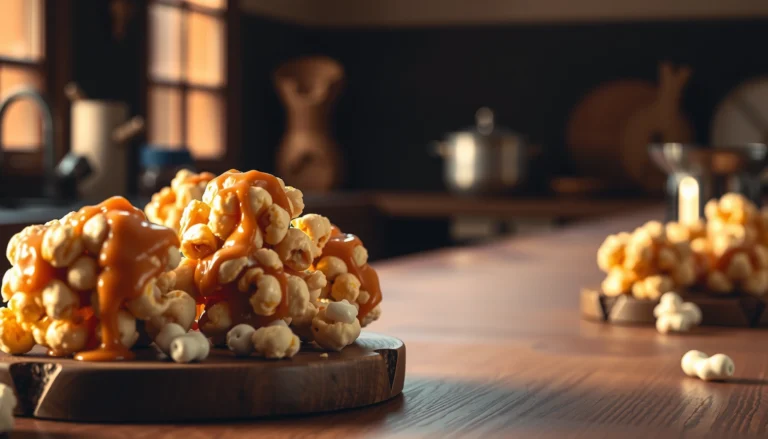
Making popcorn on the stove is the best way to achieve that perfect crunch and flavor without the additives found in microwave varieties. This simple recipe details the essential steps to transform basic kernels into a delicious snack that outshines pre-packaged options. Whether for a movie night or a quick treat, mastering stovetop popcorn will elevate your snacking game. Get ready to pop your way to the ultimate popcorn experience.
Making popcorn on the stove is not only quick and easy but also results in a delicious, fresh snack that can elevate any movie night or gathering. In just about 15 minutes, you can enjoy a bowl of fluffy, golden popcorn, seasoned to your taste. This stovetop method allows you to customize flavors and ensure each kernel pops perfectly, providing a satisfying crunch that pre-packaged popcorn simply can’t match.
Recipe Overview
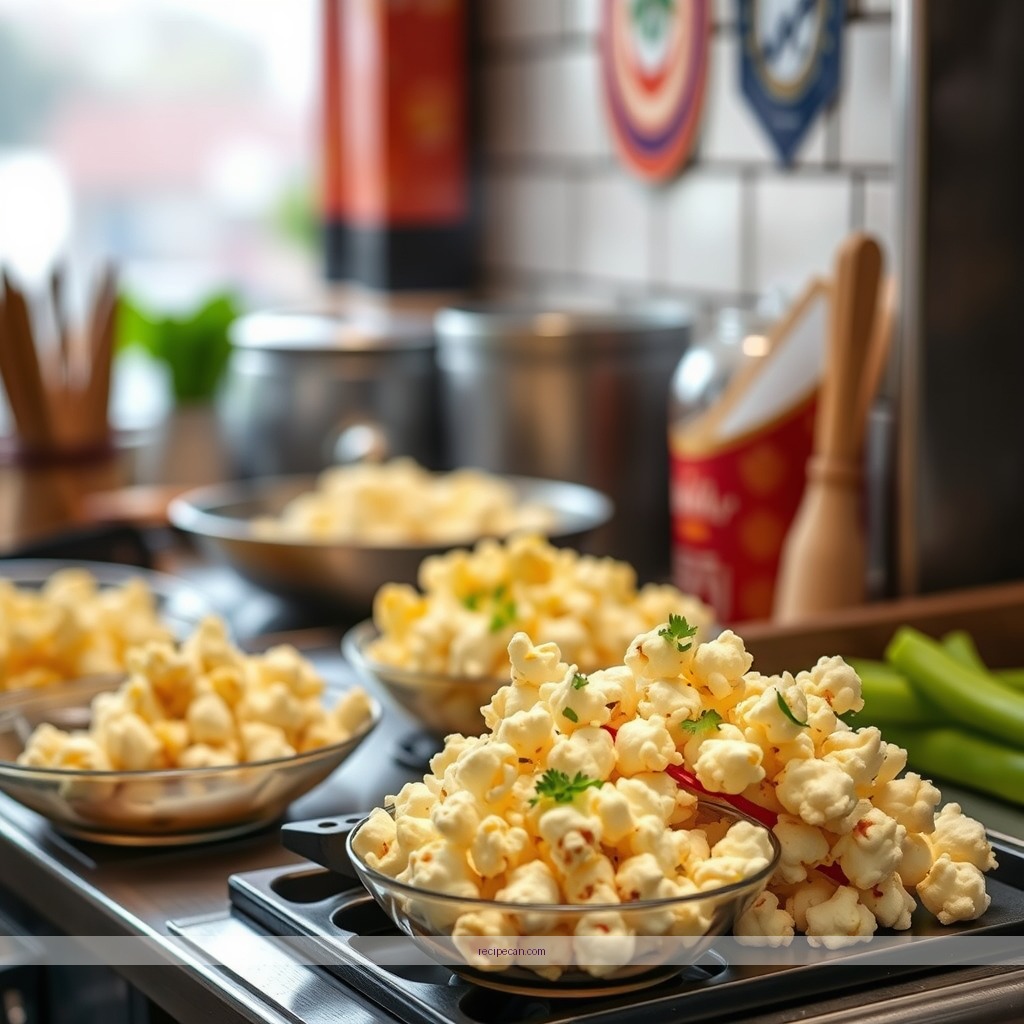
Stovetop popcorn is a timeless treat that appeals to all ages. This simple recipe requires just a few ingredients and minimal equipment, making it an accessible option for both novice cooks and culinary enthusiasts. Whether you’re indulging in a solo snack or preparing for a family movie marathon, this popcorn recipe is sure to impress. Plus, you have the flexibility to experiment with various seasonings, ensuring that every batch can be uniquely yours.
Time Required
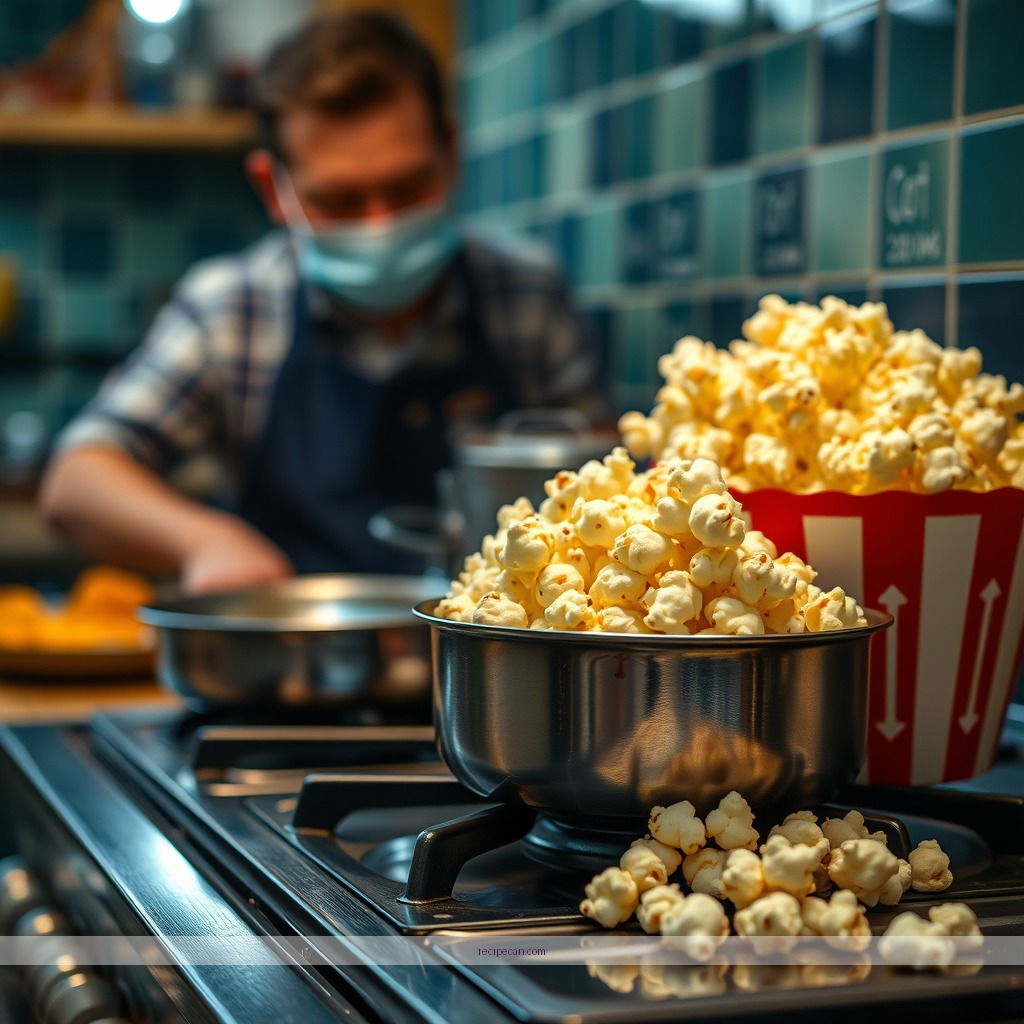
– 🕐 Prep Time: 5 minutes
– 🍳 Cook Time: 10 minutes
– ⏱ Total Time: 15 minutes
Ingredients
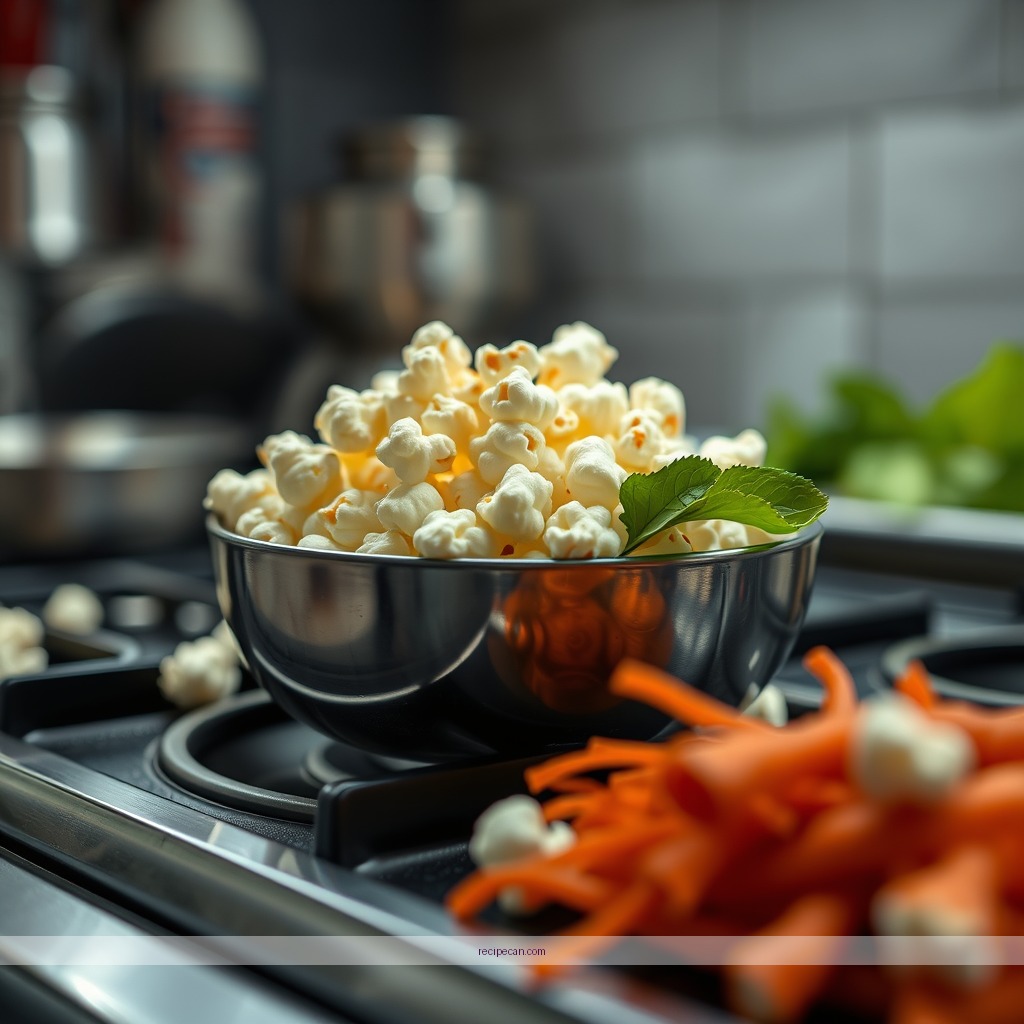
The secret to perfect stovetop popcorn lies in the quality of your ingredients. Fresh, high-quality popcorn kernels will yield the best texture and flavor, while your choice of oil can enhance the overall taste.
Main Ingredients
– 1/2 cup popcorn kernels
– 3 tablespoons vegetable oil (or coconut oil for a richer flavor)
– Salt to taste (or your choice of seasonings)
Step-by-Step Instructions
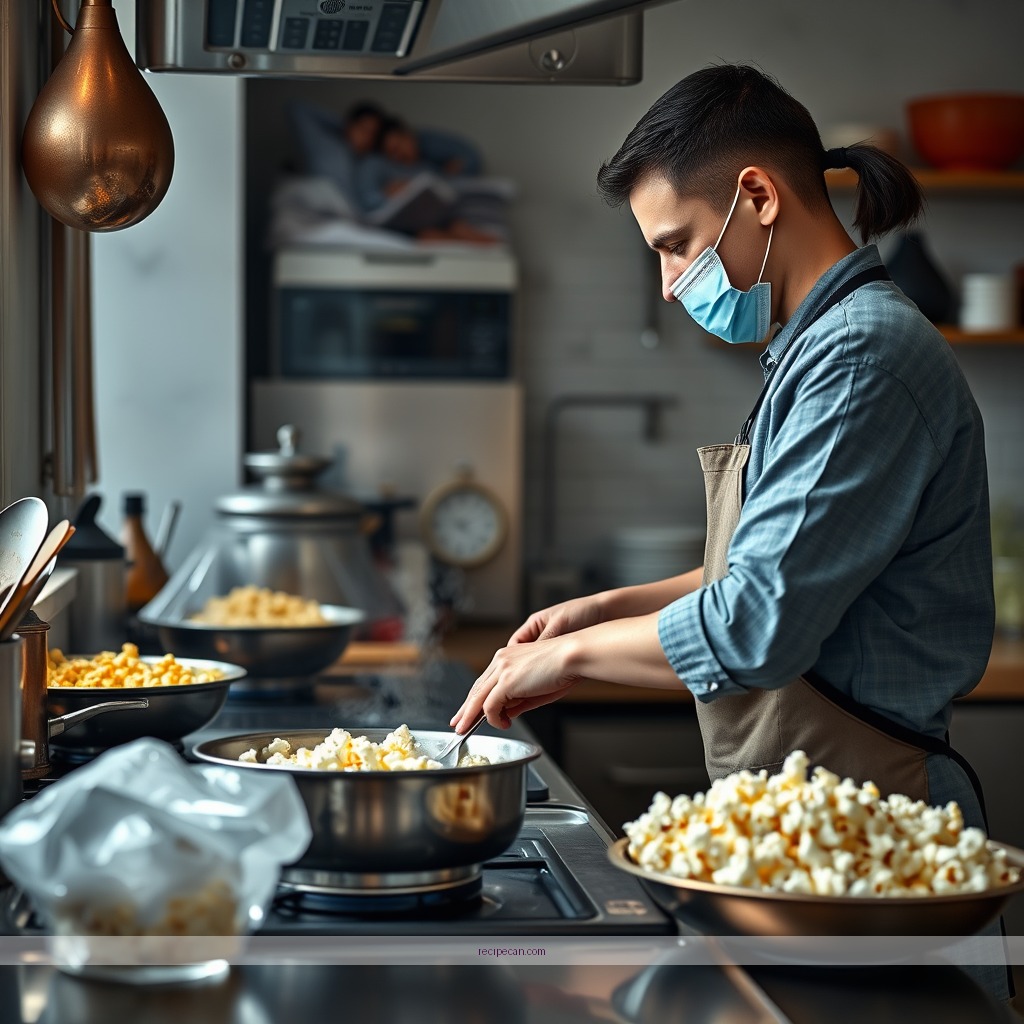
Preparation
1. Gather Your Tools: Start by selecting a large, heavy-bottomed pot with a tight-fitting lid. A pot that distributes heat evenly will help achieve better popping results.
2. Measure Oil and Kernels: Pour the vegetable oil into the pot and place it over medium heat. You need just enough oil to coat the bottom of the pot to prevent the popcorn from sticking.
Cooking
3. Add Kernels: When the oil is hot enough (test by adding a couple of kernels), quickly add the rest of the popcorn kernels. Cover the pot with the lid to keep the heat in.
4. Shake It Up: Gently shake the pot back and forth every few seconds. This motion keeps the kernels moving and prevents them from burning on the bottom.
5. Listen for Popping: As the kernels heat up, they will begin to pop. Continue shaking the pot until the popping slows to about 2 seconds between pops, which typically takes about 3-5 minutes.
6. Remove from Heat: Once the popping has slowed, remove the pot from the heat. Let it sit for about a minute to allow any remaining kernels to pop without burning the already popped ones.
Finishing
7. Season and Serve: Carefully remove the lid (be cautious of escaping steam), and sprinkle salt or your chosen seasonings over the popcorn. Toss the popcorn well to ensure even coating, and enjoy your freshly made snack!
Heat & Temperature Guide
Cooking Method
Stovetop popcorn is a quick and effective method that provides complete control over the popping process. This ensures you achieve light, fluffy popcorn with minimal unpopped kernels.
Temperature & Timing
Cook the popcorn over medium heat, which typically ranges from 350°F (175°C) to 375°F (190°C). It’s important not to rush the process; too much heat can burn the popcorn before it finishes popping.
How to Know It’s Done
The popcorn is ready when the popping sounds significantly decrease. When you hear about 2 seconds between pops, you can safely remove it from the heat.
What to Avoid & Precautions
Making popcorn on the stove is straightforward, but there are a few common pitfalls to keep in mind to ensure a perfect batch every time.
Don’t Overcrowd the Pot
Avoid adding too many kernels at once, as this can lead to uneven cooking and burnt popcorn. Stick to the recommended amount for best results.
Don’t Overheat the Oil
If the oil begins to smoke before you add the kernels, it has become too hot. Allow it to cool slightly to avoid burnt popcorn.
Common Mistakes & How to Fix Them
Burnt Popcorn
If your popcorn ends up burnt, it’s likely that the oil was too hot or the cooking time was too long. Lowering the heat and shaking the pot more frequently can help prevent this.
Unpopped Kernels
A large number of unpopped kernels can indicate that the kernels are stale or the heat was insufficient. Always use fresh kernels and ensure even heating throughout the cooking process.
Soggy Popcorn
If your popcorn is soggy, it may be from adding too much oil or not allowing it to cool and dry after popping. Use the right amount of oil and let the popcorn rest for a moment before serving.
How to Serve
Plating & Presentation
Serve your popcorn warm in a large, inviting bowl. You can also create individual servings in smaller bowls for a fun, shareable snack.
What Goes Well With It
Stovetop popcorn pairs beautifully with a variety of flavors. Consider serving it with melted butter, a sprinkle of Parmesan cheese, or even a dusting of your favorite spice blend.
Storage & Reheating
Store any leftover popcorn in an airtight container at room temperature for up to a week. If it loses its crispness, you can re-crisp it in the oven at 250°F (120°C) for about 5 minutes.
Top 7 Popcorn Kernels Brands (2024)
| # | Brand | Kernel Type | Popping Ratio | Flavor Options |
|---|---|---|---|---|
| 1 | Orville Redenbacher | Butter | 99% | Classic, Cheddar |
| 2 | Jolly Time | Yellow | 95% | Butter, Kettle Corn |
| 3 | Act II | Butter | 90% | Butter, Cheese |
| 4 | Angie’s Boomchickapop | White | 92% | Sea Salt, Sweet & Salty |
| 5 | Trader Joe’s | Organic | 94% | Sea Salt, Cheddar |
| 6 | Pop Secret | Butter | 91% | Kettle Corn, Butter |
| 7 | White Cloud | White | 93% | Natural, Cheese |
With this easy stovetop popcorn recipe, you can enjoy a delightful snack that’s customizable to your preferences. The process is quick and simple, ensuring that you can whip up a fresh batch whenever the craving strikes. So gather your ingredients, follow these straightforward steps, and get ready to indulge in the satisfying crunch of homemade popcorn!
Frequently Asked Questions
How do I make popcorn on the stove without burning it?
To make popcorn on the stove without burning, start by using a heavy-bottomed pot to evenly distribute heat. Add enough oil to cover the bottom, then heat it until it’s shimmering. Once the oil is hot, add a few kernels and cover the pot; when they pop, you know it’s ready. Add the remaining kernels, cover the pot, and shake it occasionally to prevent sticking and burning.
What type of oil is best for popping popcorn on the stove?
The best oils for popping popcorn on the stove include canola oil, coconut oil, and grapeseed oil, due to their high smoke points. These oils not only prevent burning but also enhance the flavor of the popcorn. Avoid using olive oil, as it has a lower smoke point and may impart a strong taste.
Why is my stovetop popcorn chewy instead of crunchy?
Chewy popcorn can be a result of moisture either in the kernels or in the container used for storage. To ensure crunchy popcorn, make sure to use fresh, high-quality kernels and store popped popcorn in an airtight container to keep it crisp. Additionally, allowing the popcorn to cool completely before storing can prevent moisture buildup.
What seasonings can I add to my stovetop popcorn for extra flavor?
For extra flavor in your stovetop popcorn, you can add seasonings such as salt, garlic powder, nutritional yeast, or even chili powder after popping. For a sweet version, try adding cinnamon and sugar. Toss the popcorn with melted butter or oil to help the seasonings stick, and experiment with different combinations to find your favorite.
Which pot is best for making popcorn on the stove?
The best pot for making popcorn on the stove is a heavy-bottomed pot with a tight-fitting lid, such as a Dutch oven or a dedicated popcorn maker. These types of pots help distribute heat evenly and reduce the risk of burning the popcorn. Look for a pot that is at least 3 quarts in size to allow enough room for the popcorn to expand while popping.
References
- Popcorn
https://en.wikipedia.org/wiki/Popcorn - https://www.foodnetwork.com/recipes/articles/how-to-make-popcorn
https://www.foodnetwork.com/recipes/articles/how-to-make-popcorn - https://www.seriouseats.com/how-to-make-popcorn-on-the-stove-5119285
https://www.seriouseats.com/how-to-make-popcorn-on-the-stove-5119285 - https://www.thekitchn.com/how-to-make-stovetop-popcorn-221070
https://www.thekitchn.com/how-to-make-stovetop-popcorn-221070 - Google Scholar Google Scholar
https://scholar.google.com/scholar?q=popcorn+on+stove+recipe - Google Scholar Google Scholar
https://scholar.google.com/scholar?q=popcorn+recipes+stovetop - Google Scholar Google Scholar
https://scholar.google.com/scholar?q=how+to+make+popcorn+on+the+stove - popcorn on stove recipe – Search results
https://en.wikipedia.org/wiki/Special:Search?search=popcorn+on+stove+recipe - https://www.ncbi.nlm.nih.gov/search/research-articles/?term=popcorn+on+stove+recipe
https://www.ncbi.nlm.nih.gov/search/research-articles/?term=popcorn+on+stove+recipe