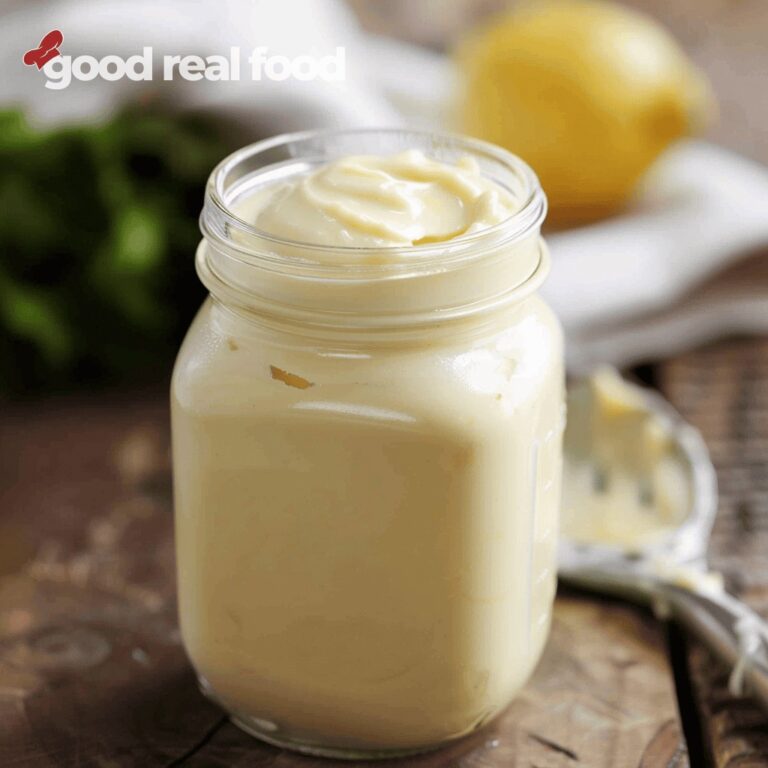
Julia Child’s classic mayonnaise recipe stands out as the definitive choice for anyone seeking a rich, creamy, and flavorful homemade condiment. This recipe not only utilizes simple ingredients but also guarantees a perfect emulsion every time. If you want to elevate your sandwiches or salads, Child’s method is the go-to solution for unparalleled taste and texture. Discover the secrets behind her culinary mastery that make this mayonnaise a kitchen essential.
Making mayonnaise at home is simple with Julia Child’s classic recipe, which emphasizes using fresh ingredients and proper technique. This beloved recipe allows you to create a rich and creamy mayonnaise that elevates any dish, and it can be tailored to your taste preferences. In this article, you will learn how to prepare mayonnaise just like Julia did, along with tips to make it your own while understanding the science behind perfecting this staple condiment.
The Essential Ingredients
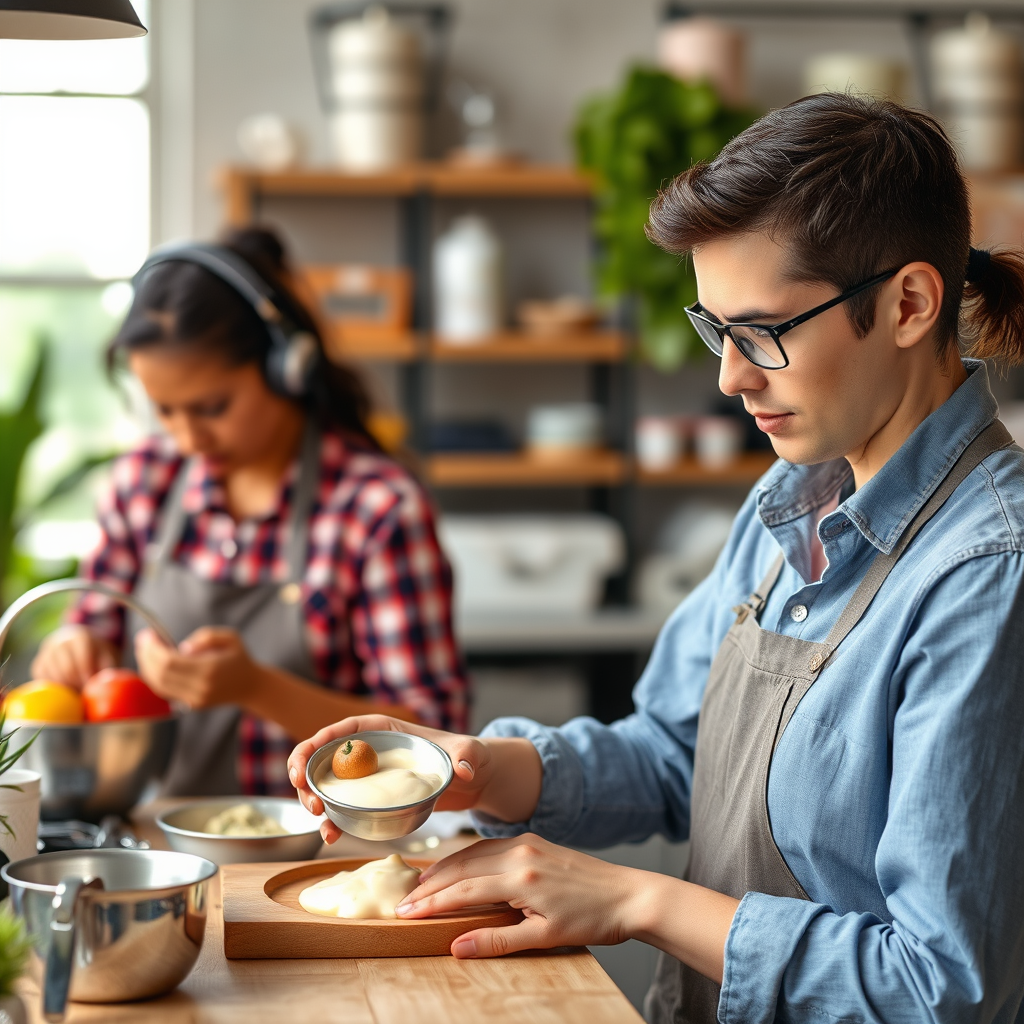
To achieve the rich and creamy texture of classic mayonnaise, the choice of ingredients is crucial.
– Fresh Egg Yolks: Using fresh egg yolks is fundamental, as they provide the emulsifying properties needed to bind the oil and create a stable emulsion. Fresh yolks also contribute a rich flavor and vibrant color to the mayonnaise. It is advisable to use large eggs for optimal results.
– High-Quality Oil: The type of oil you select plays a significant role in the flavor profile of your mayonnaise. Canola oil is a popular choice due to its neutral taste, making it versatile for various dishes. However, olive oil is another excellent option, imparting a distinct flavor that pairs well with Mediterranean cuisines. For a more unique taste, consider using avocado oil or grapeseed oil.
Choosing fresh and quality ingredients sets the foundation for a delicious homemade mayonnaise that can enhance your culinary creations.
Tools You’ll Need
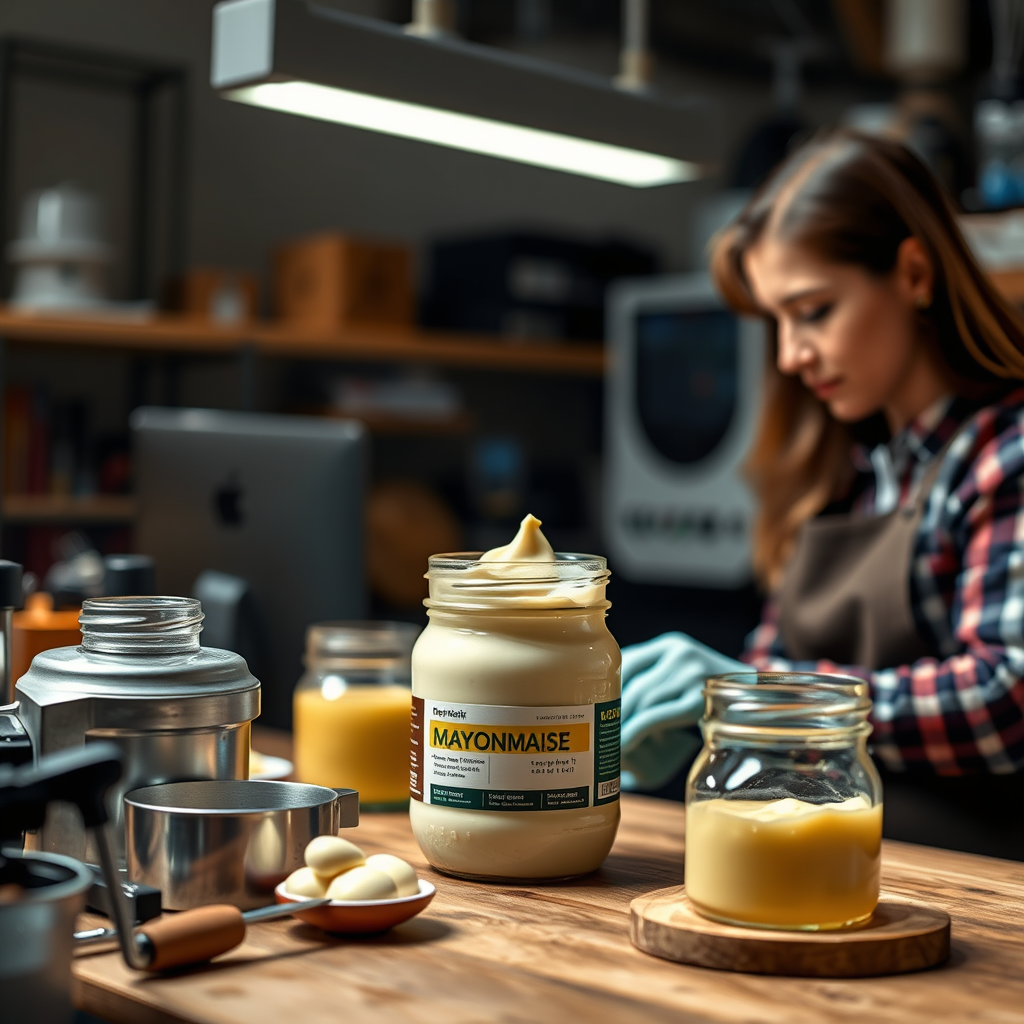
While the process of making mayonnaise is straightforward, having the right tools can simplify your efforts and improve your results.
– Whisk or Electric Mixer: A whisk is a traditional tool that allows you to control the emulsion process manually. If you prefer a quicker method, an electric mixer or immersion blender can also be used to streamline the emulsification process.
– Mixing Bowl and Measuring Cups: A sturdy mixing bowl is essential for combining your ingredients. Using measuring cups ensures you accurately incorporate the right amounts of each ingredient, which is critical for achieving the desired consistency.
Having these tools on hand will make your mayonnaise-making experience smoother and more successful.
Step-by-Step Instructions

Creating mayonnaise from scratch involves a few simple steps:
1. Whisk the Egg Yolks and Mustard: In a clean mixing bowl, combine the fresh egg yolks with a teaspoon of Dijon mustard. Whisk them together until fully blended. The mustard not only adds flavor but also assists in stabilizing the emulsion.
2. Add the Oil Slowly: Begin to add your chosen oil very slowly—start with just a few drops at a time—while whisking vigorously. This slow incorporation is crucial for forming a stable emulsion. As the mixture begins to thicken and emulsify, you can gradually increase the oil’s flow.
3. Season and Adjust: Once all the oil is incorporated and the mayonnaise reaches your desired thickness, season with salt and a splash of lemon juice or vinegar to taste. This adds brightness and depth to the flavor profile.
4. Store Properly: Transfer the mayonnaise to an airtight container and refrigerate. Homemade mayonnaise is best used fresh but can be stored for up to a week in the fridge.
Following these steps carefully will yield a creamy mayonnaise that rivals any store-bought option.
Mayonnaise Ingredient Comparison
| # | Ingredient | Quantity per Batch | Calories (Approx.) | Fat (g) |
|---|---|---|---|---|
| 1 | Egg Yolks | 2 yolks | 110 | 9.5 |
| 2 | Dijon Mustard | 1 tsp | 5 | 0.3 |
| 3 | Canola Oil | 1 cup | 1,900 | 216 |
| 4 | Lemon Juice | 1 tbsp | 3 | 0.1 |
| 5 | Salt | 1/2 tsp | 0 | 0 |
| 6 | Vinegar (optional) | 1 tsp | 3 | 0 |
| 7 | Total (Approx.) | – | 2,021 | 226.9 |
Tips for Perfect Consistency

Achieving the perfect consistency in your mayonnaise requires attention to detail and knowledge of the emulsification process.
– Start Slowly: When adding the oil, begin with a very small amount. This helps establish the emulsion, allowing the egg yolks to bind with the oil more effectively. Once you see the mixture thickening, you can increase the oil flow.
– Adjust Thickness: If your mayonnaise becomes too thick, don’t despair. Simply add a few drops of water—this can help adjust the consistency without compromising the flavor. Conversely, if the mayonnaise is too thin, continue whisking and gradually add more oil.
These tips will help you refine your technique and create a mayonnaise that is both stable and delightful.
Flavor Variations
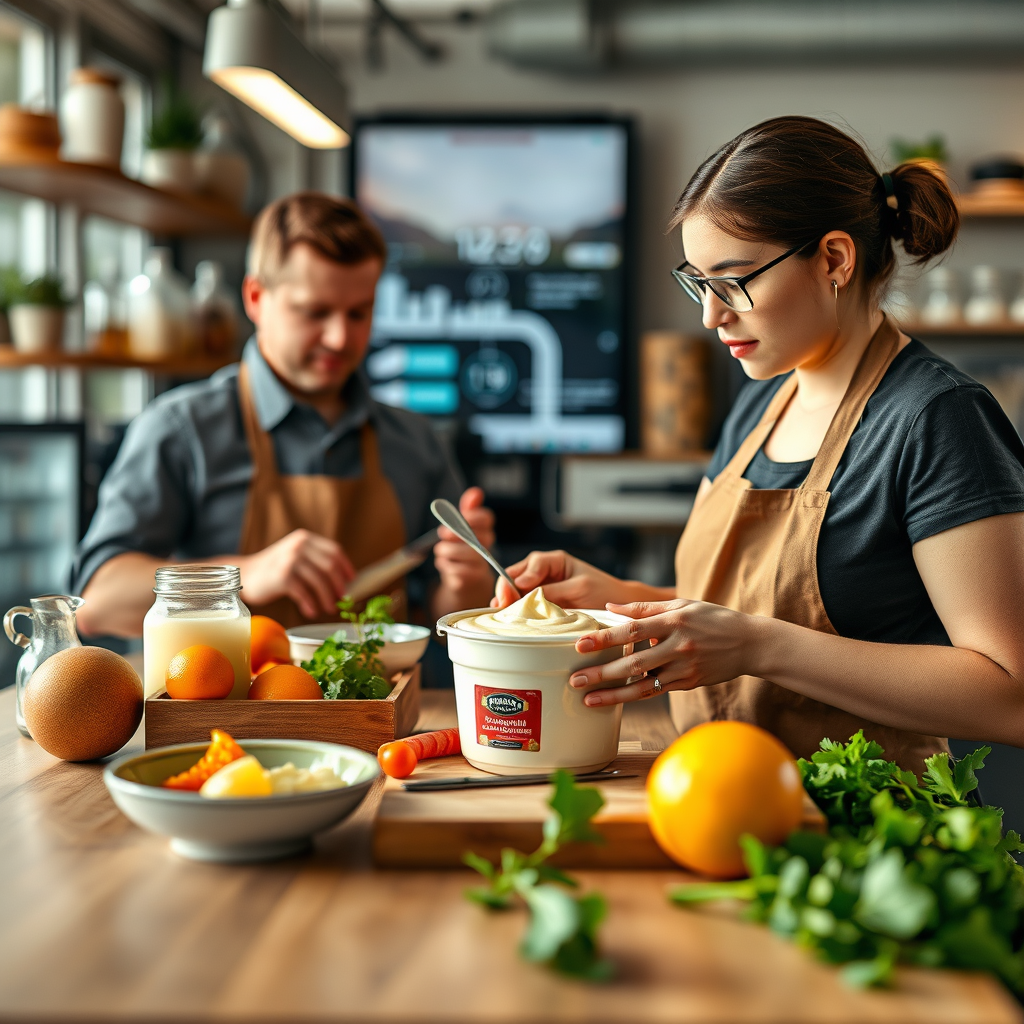
One of the best aspects of homemade mayonnaise is its versatility. You can easily modify the flavor to suit your dishes or personal preferences.
– Citrus Zest: Adding fresh lemon or lime zest can bring a bright, zesty flavor to your mayonnaise, making it an excellent accompaniment for seafood or grilled meats.
– Herbs and Spices: Incorporate fresh herbs like basil, dill, or parsley for a herby mayonnaise that pairs beautifully with sandwiches and salads. Alternatively, try adding garlic powder, smoked paprika, or a hint of cayenne pepper for a bit of heat.
– Vinegars: Experimenting with different types of vinegar, such as apple cider, red wine, or balsamic, can provide a unique twist that complements various cuisines.
These variations allow you to personalize your mayonnaise, making it a signature condiment that reflects your culinary style.
Storage Recommendations
To ensure your homemade mayonnaise remains fresh and safe to eat, proper storage is essential.
– Airtight Container: Transfer your mayonnaise into a clean, airtight container. This will help prevent any contamination and keep out odors from the refrigerator.
– Refrigeration: Store your mayonnaise in the refrigerator immediately after making it. Homemade mayonnaise is best consumed within one week for optimal freshness and flavor.
Following these storage recommendations will help maintain the quality of your mayonnaise and reduce waste.
Creating your own mayonnaise is not just about the taste; it’s about the satisfaction of crafting a classic recipe from scratch. By following Julia Child’s traditional method, you can make a creamy and flavorful condiment that can elevate any dish. Enjoy the satisfaction of creating your own mayonnaise and impress your friends and family with this classic recipe! Try it out today and experiment with flavors to make it truly your own.
Frequently Asked Questions
What are the key ingredients in Julia Child’s mayonnaise recipe?
Julia Child’s mayonnaise recipe primarily includes egg yolks, Dijon mustard, vinegar or lemon juice, and vegetable oil. These ingredients work together to create a rich, creamy texture that forms the base of homemade mayonnaise. Freshness is key, so using high-quality eggs and oil is recommended for the best flavor.
How do you make mayonnaise using Julia Child’s technique?
To make mayonnaise using Julia Child’s technique, start by whisking egg yolks and Dijon mustard in a bowl, then slowly add oil while continuously whisking to emulsify the mixture. Gradually incorporate vinegar or lemon juice to add tanginess. This method ensures a stable and creamy mayonnaise that can be customized with herbs or spices.
Why is Julia Child’s mayonnaise considered superior to store-bought options?
Julia Child’s mayonnaise is often considered superior because it is made fresh, allowing for a customized flavor profile without preservatives. The use of quality ingredients results in a richer taste and creamier texture that elevates dishes compared to commercial mayonnaise, which can be overly processed and artificial.
What is the best oil to use for making mayonnaise according to Julia Child?
The best oil to use for making mayonnaise, as suggested by Julia Child, is a neutral oil like grapeseed or canola oil. These oils provide a light flavor that won’t overpower the mayonnaise, allowing the fresh ingredients like lemon juice and mustard to shine through. Olive oil can be used for a more robust flavor, but it may alter the traditional taste.
Which common mistakes should I avoid when making mayonnaise like Julia Child?
Common mistakes to avoid when making mayonnaise include using cold ingredients, which can hinder emulsification, and adding oil too quickly, which can cause the mixture to separate. Additionally, ensure you whisk continuously and thoroughly to achieve the desired consistency. If the mayonnaise does separate, you can rescue it by starting with a new egg yolk and slowly whisking in the broken mixture.
References
- Mayonnaise
https://en.wikipedia.org/wiki/Mayonnaise - https://www.smithsonianmag.com/arts-culture/julia-childs-recipe-for-mayonnaise-180967267/
https://www.smithsonianmag.com/arts-culture/julia-childs-recipe-for-mayonnaise-180967267/ - https://www.nytimes.com/2017/07/31/dining/julia-child-mayonnaise-recipe.html
https://www.nytimes.com/2017/07/31/dining/julia-child-mayonnaise-recipe.html - https://www.bbc.co.uk/food/recipes/mayonnaise_88355
https://www.bbc.co.uk/food/recipes/mayonnaise_88355 - https://www.juliachilds.com/recipes/mayonnaise
https://www.juliachilds.com/recipes/mayonnaise - Google Scholar Google Scholar
https://scholar.google.com/scholar?q=mayonnaise+recipe+julia+child - Google Scholar Google Scholar
https://scholar.google.com/scholar?q=julia+child+mayonnaise+technique - Google Scholar Google Scholar
https://scholar.google.com/scholar?q=julia+child+mayonnaise+history - mayonnaise recipe julia child – Search results
https://en.wikipedia.org/wiki/Special:Search?search=mayonnaise+recipe+julia+child - https://www.ncbi.nlm.nih.gov/search/research-articles/?term=mayonnaise+recipe+julia+child
https://www.ncbi.nlm.nih.gov/search/research-articles/?term=mayonnaise+recipe+julia+child