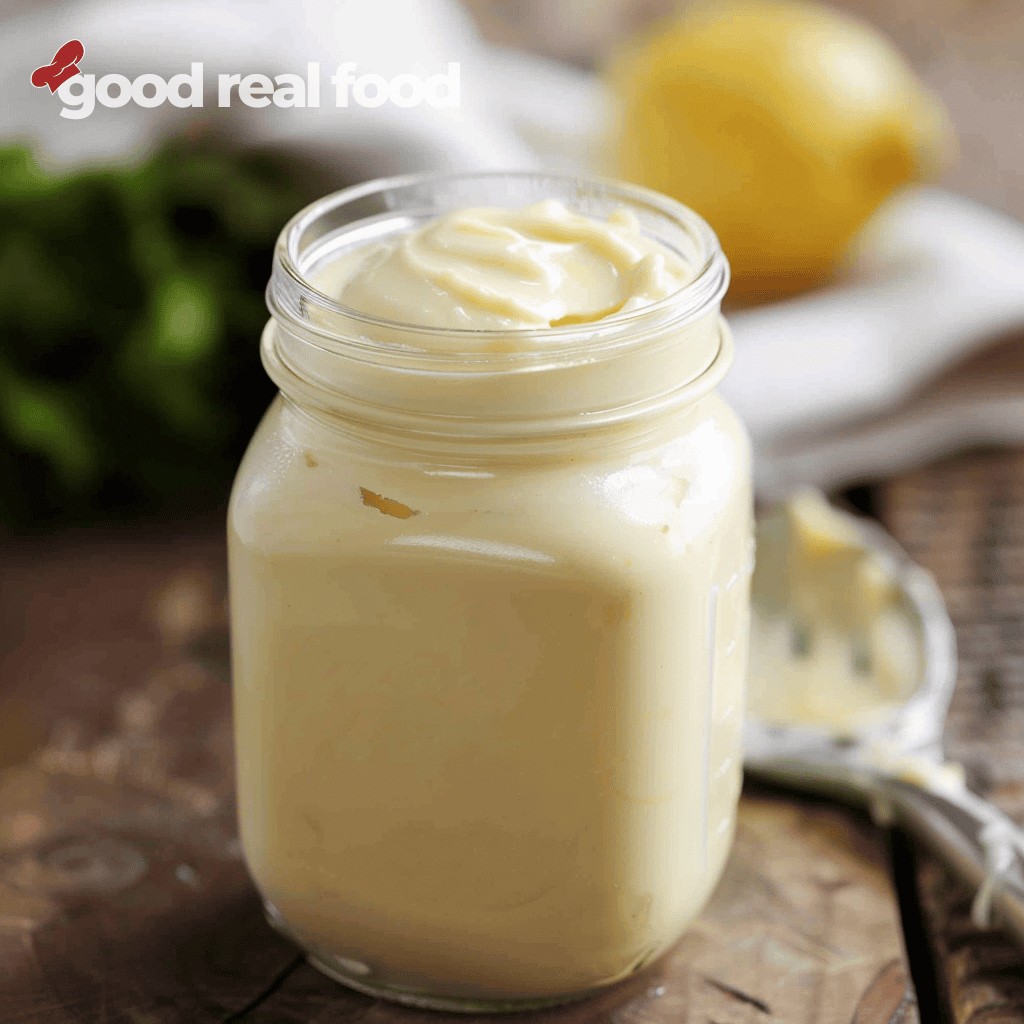
Homemade mayonnaise using a food processor is the fastest and most efficient way to achieve creamy, flavorful results. This method not only saves time but also allows for better emulsification, ensuring a perfect texture every time. If you’re tired of store-bought options, this recipe will show you how to create a superior condiment in just minutes. Discover the simple steps to elevate your culinary creations with homemade mayonnaise.
Making mayonnaise in a food processor is quick and easy, allowing you to whip up a creamy, delicious condiment in just minutes. This method ensures a smooth texture and allows for customization with flavors. In this article, you’ll learn how to make mayonnaise from scratch, the ingredients you’ll need, and tips for perfecting your recipe.
Ingredients for Homemade Mayonnaise
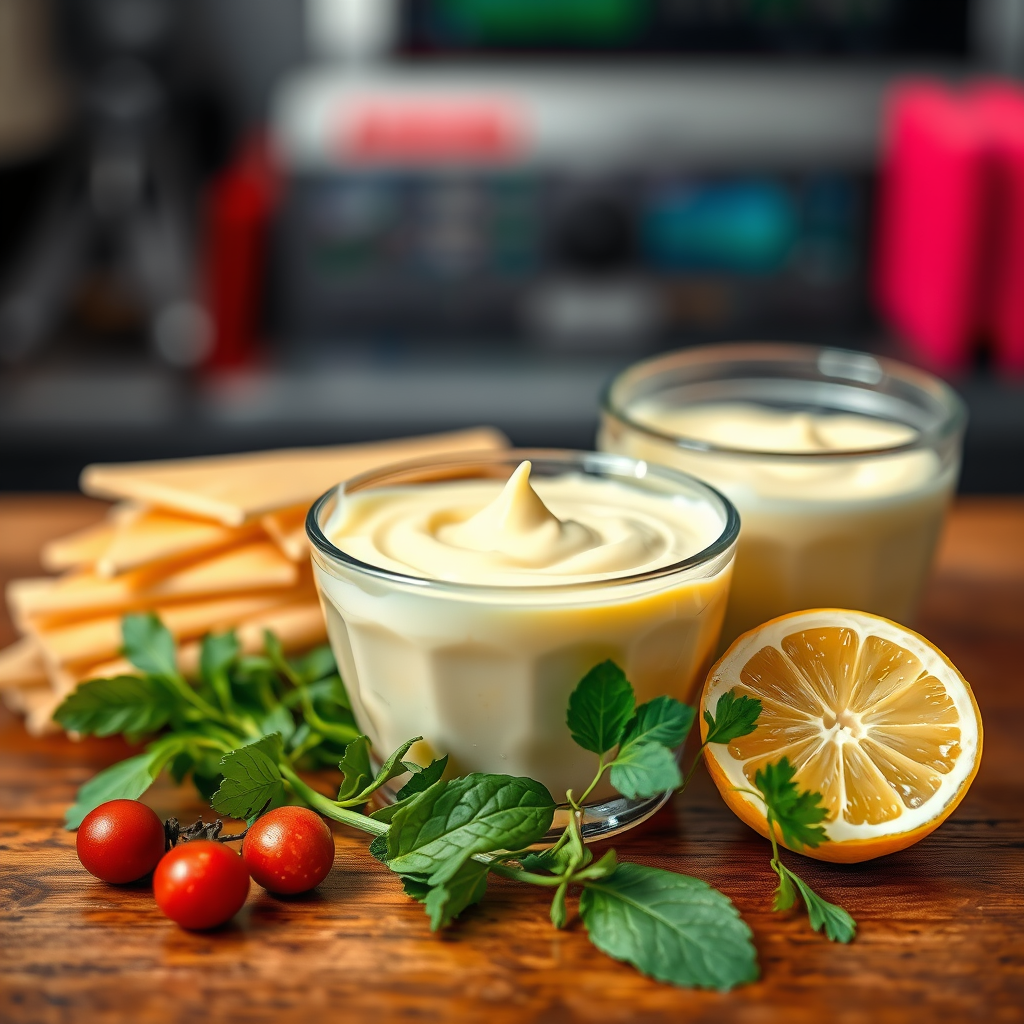
To create a delectable homemade mayonnaise, you will need a few essential ingredients. The primary components are:
– Egg Yolks: Typically, two large egg yolks are ideal for achieving the right creamy texture and rich flavor.
– Oil: You can use a neutral oil like canola, or opt for extra virgin olive oil for a more robust flavor.
– Vinegar or Lemon Juice: These ingredients provide acidity, balancing the richness of the egg yolks and oil. White wine vinegar or fresh lemon juice are popular choices.
– Mustard: A teaspoon of Dijon mustard not only adds flavor but also aids in emulsification.
Using fresh, high-quality ingredients is crucial for the best flavor. Organic eggs and cold-pressed oils can significantly enhance the taste of your mayonnaise, making it a delightful addition to various dishes.
Step-by-Step Instructions

Making mayonnaise is a straightforward process when using a food processor. Here are the steps to follow:
1. Prepare the Ingredients: Gather your egg yolks, mustard, and any additional flavorings you plan to use.
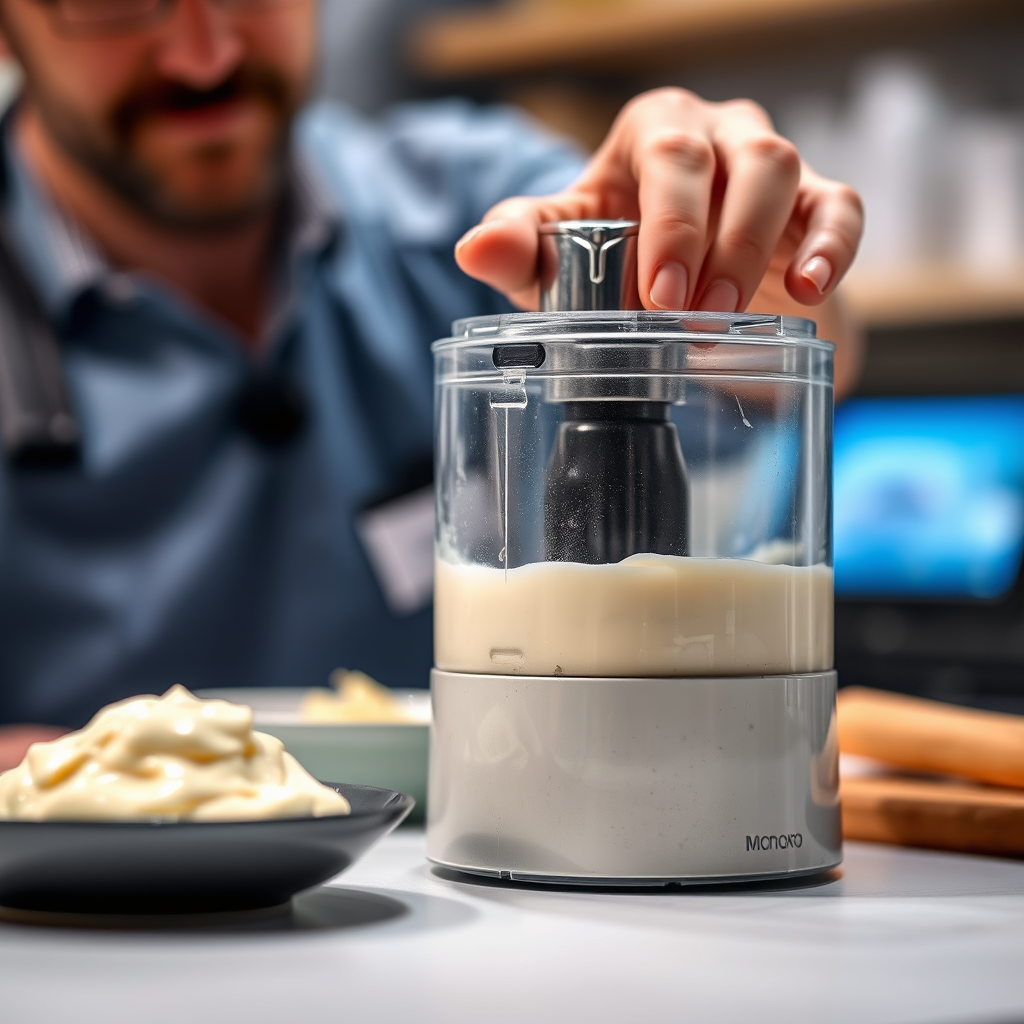
2. Combine Egg Yolks and Mustard: Place the egg yolks and mustard in the food processor. Blend on medium speed until the mixture is well combined and creamy.
3. Emulsify the Mixture: With the processor running, gradually add the oil in a slow, steady stream. It is crucial to add the oil slowly to create a stable emulsion. If you pour it too quickly, the mixture may separate.
4. Add Acid: Once the oil is fully incorporated and the mayonnaise has thickened, add vinegar or lemon juice. Blend for a few more seconds until fully mixed.
5. Taste and Adjust: Taste your mayonnaise. You can adjust the seasoning with salt, more acid, or even additional mustard, depending on your preference.
By following these steps, you will achieve a luscious and creamy homemade mayonnaise that can elevate your culinary creations.
Flavor Variations to Try
One of the joys of making mayonnaise at home is the ability to customize flavors to suit your taste. Here are some exciting variations you can experiment with:
– Herb-Infused Mayonnaise: Blend in fresh herbs such as basil, dill, or cilantro for an aromatic twist.
– Spiced Mayonnaise: Incorporate spices like smoked paprika, cayenne, or curry powder for an exotic flavor profile.
– Garlic Aioli: For a garlicky kick, add minced garlic or roasted garlic to your mayonnaise for a delicious aioli.
– Chipotle Mayonnaise: Blend in chipotle peppers for a smoky, spicy version that works wonders on sandwiches and tacos.
These variations can enhance your dishes and allow you to adapt your mayonnaise to different cuisines and occasions.
Homemade Mayonnaise Flavor Variations
| Variation | Key Ingredient | Best For |
|---|---|---|
| Herb-Infused | Fresh herbs | Sandwiches, salads |
| Spiced | Spices | Dips, dressings |
| Garlic Aioli | Minced garlic | Burgers, fries |
| Chipotle | Chipotle peppers | Tacos, sandwiches |
| Lemon-Dill | Lemon juice, dill | Seafood dishes |
| Sriracha | Sriracha sauce | Sandwiches, dips |
| Curry | Curry powder | Wraps, salads |
Troubleshooting Common Issues
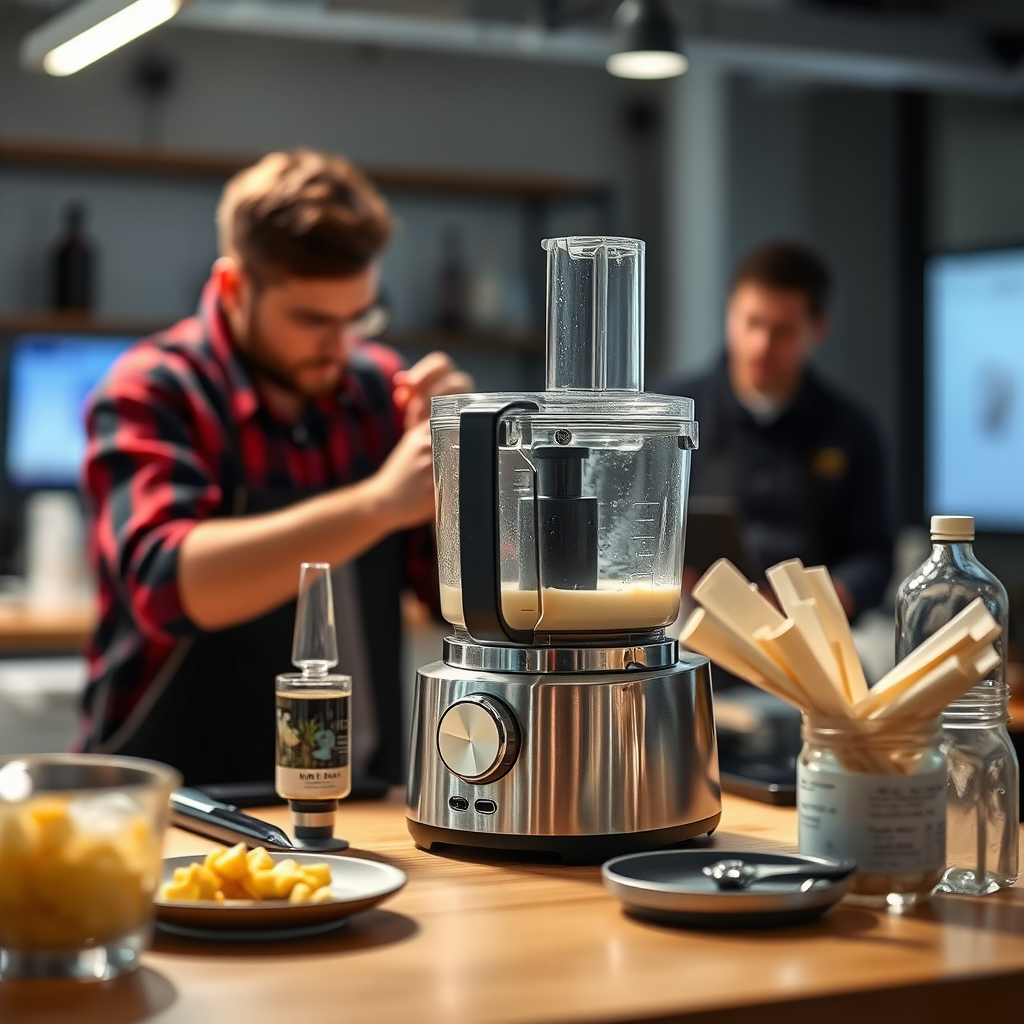
While making mayonnaise is relatively simple, you may encounter a few common issues. Here are some tips to troubleshoot them:
– Emulsification Failure: If your mayonnaise doesn’t emulsify and remains thin, don’t worry. Just add a few drops of water and reprocess with the food processor. The additional liquid can help bring the ingredients together.
– Too Thick: If your mayonnaise is thicker than desired, you can mix in a little warm water. Start with a teaspoon and blend again until you reach the desired consistency.
– Separation: If your mayonnaise separates after storage, gently whisk it back together. However, it’s best to consume homemade mayonnaise within a week to ensure freshness.
By being aware of these potential issues and their solutions, you can confidently create a perfect mayonnaise every time.
Storage Tips for Homemade Mayonnaise
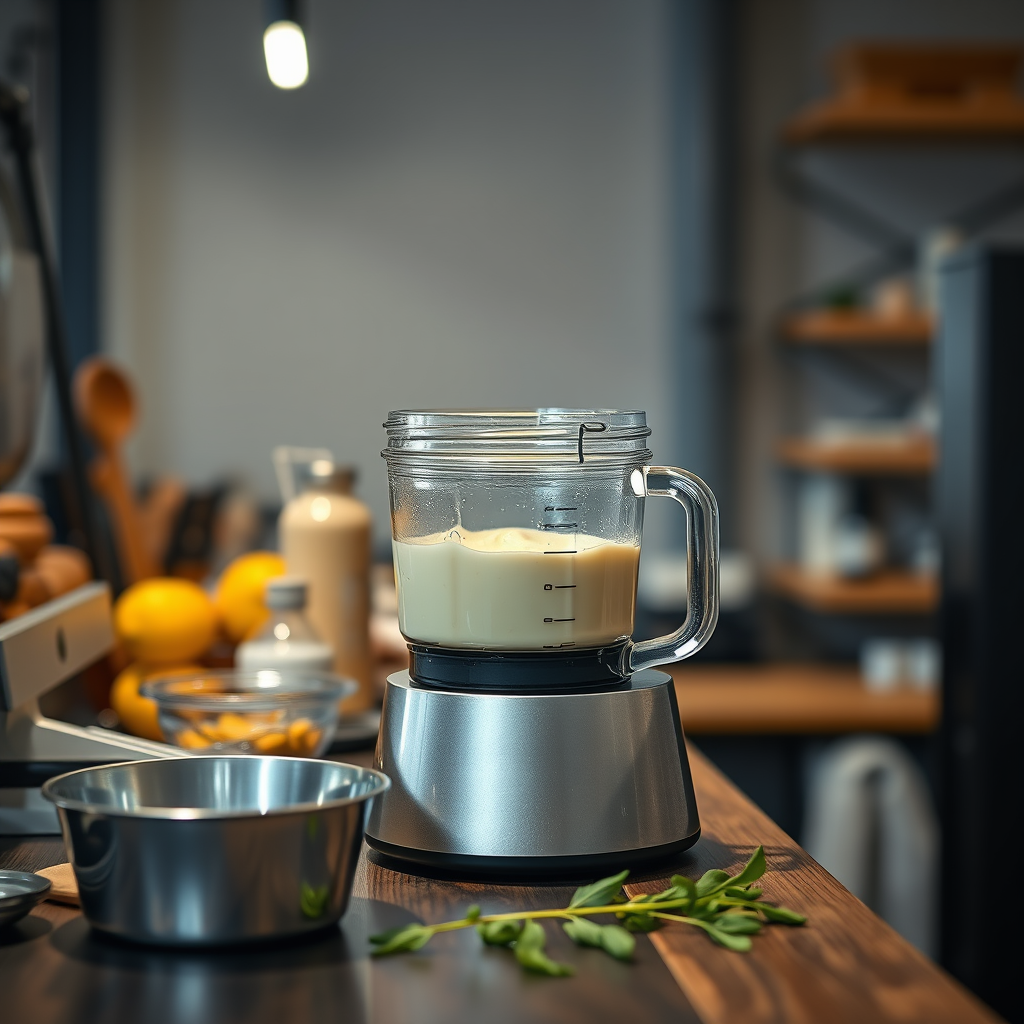
Proper storage is essential for maintaining the freshness of your homemade mayonnaise. Here are some best practices:
– Airtight Container: Store your mayonnaise in an airtight container to prevent contamination and slow down spoilage.
– Refrigeration: Homemade mayonnaise should be kept in the refrigerator and consumed within one week. The lack of preservatives necessitates this short storage time.
– Labeling: Always label the container with the preparation date. This will help you keep track of its freshness and ensure you consume it while it is still good.
By following these storage tips, you can enjoy your delicious homemade mayonnaise without worry.
Health Benefits of Homemade Mayonnaise
Making mayonnaise at home offers several health benefits over store-bought versions. Here are a few notable advantages:
– No Preservatives or Additives: Homemade mayonnaise is free from artificial preservatives, flavors, and colors, making it a healthier choice.
– Control Over Ingredients: You have complete control over the ingredients used, allowing you to select high-quality oils and fresh eggs that suit your dietary preferences.
– Lower in Sugar and Sodium: Many commercial mayonnaise brands contain added sugars and excessive sodium. By making your own, you can keep these levels in check.
Ultimately, homemade mayonnaise can be a healthier alternative, providing you with a nutritious condiment tailored to your taste.
Creating homemade mayonnaise is simple and rewarding. You can customize it to fit your taste preferences and enjoy a fresher alternative to store-bought versions. Whether you use it in sandwiches, salads, or as a dip, the satisfaction of making it yourself adds an extra layer of enjoyment to your culinary experiences. Try this recipe today and explore the endless possibilities of flavor variations!
Frequently Asked Questions
How do I make homemade mayonnaise in a food processor?
To make homemade mayonnaise in a food processor, start by adding one large egg, a tablespoon of Dijon mustard, and a tablespoon of vinegar or lemon juice to the bowl. Blend for a few seconds until combined, then slowly drizzle in one cup of oil while the processor is running, allowing the mixture to emulsify. Once thickened, season with salt and pepper to taste.
Why is my mayonnaise not thickening in the food processor?
If your mayonnaise is not thickening, it might be due to adding the oil too quickly or using ingredients that are not at room temperature. Ensure you are adding the oil in a slow, steady stream and consider warming your egg and other ingredients slightly before mixing. If it still doesn’t thicken, you can try adding a teaspoon of water or another egg yolk to help emulsify.
What type of oil is best for making mayonnaise in a food processor?
The best oils for making mayonnaise in a food processor are neutral-flavored oils like canola, vegetable, or light olive oil. These oils will allow the flavors of the mayonnaise to shine through without overpowering it. For a richer taste, you can also use extra virgin olive oil, but be aware it may impart a stronger flavor.
How can I customize my food processor mayonnaise recipe?
You can customize your food processor mayonnaise recipe by adding various flavors and ingredients. Consider incorporating fresh herbs, garlic, or spices for a unique twist, or swap out the vinegar for different citrus juices like lime or orange. Always start with the basic recipe and gradually add your desired ingredients to create the perfect flavor profile.
Which food processor is best for making mayonnaise?
The best food processor for making mayonnaise is one with a powerful motor and a wide bowl to accommodate the ingredients. Models like the Cuisinart 14-Cup Food Processor or the Breville Sous Chef are highly recommended for their efficiency and ability to emulsify ingredients quickly. Look for features like a drizzle hole in the lid for easy oil incorporation while processing.
References
- Mayonnaise
https://en.wikipedia.org/wiki/Mayonnaise - Biosensing System for Concentration Quantification of Magnetically Labeled E. coli in Water Sampl…
https://www.ncbi.nlm.nih.gov/pmc/articles/PMC6068504/ - https://www.sciencedirect.com/topics/food-science/mayonnaise
https://www.sciencedirect.com/topics/food-science/mayonnaise - Page Not Found – Site Help – Mayo Clinic
https://www.mayoclinic.org/healthy-lifestyle/nutrition-and-healthy-eating/expert-answers/mayonnaise/faq-20058012 - https://www.theguardian.com/lifeandstyle/2020/jul/22/how-to-make-mayonnaise-at-home
https://www.theguardian.com/lifeandstyle/2020/jul/22/how-to-make-mayonnaise-at-home - Google Scholar Google Scholar
https://scholar.google.com/scholar?q=mayonnaise+recipe+food+processor - Google Scholar Google Scholar
https://scholar.google.com/scholar?q=homemade+mayonnaise+health+benefits - Google Scholar Google Scholar
https://scholar.google.com/scholar?q=mayonnaise+food+science - mayonnaise recipe food processor – Search results
https://en.wikipedia.org/wiki/Special:Search?search=mayonnaise+recipe+food+processor - https://www.ncbi.nlm.nih.gov/search/research-articles/?term=mayonnaise+recipe+food+processor
https://www.ncbi.nlm.nih.gov/search/research-articles/?term=mayonnaise+recipe+food+processor