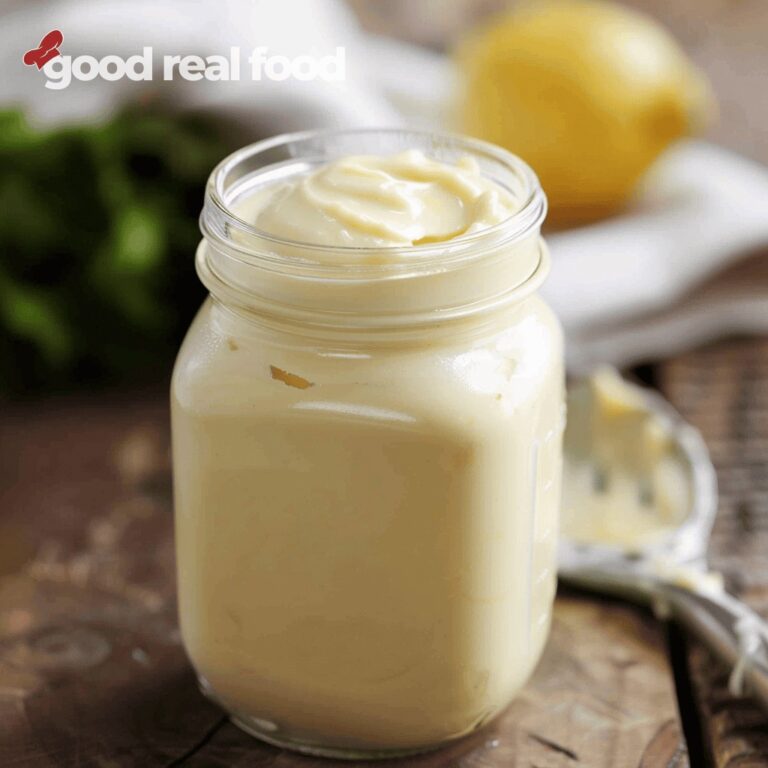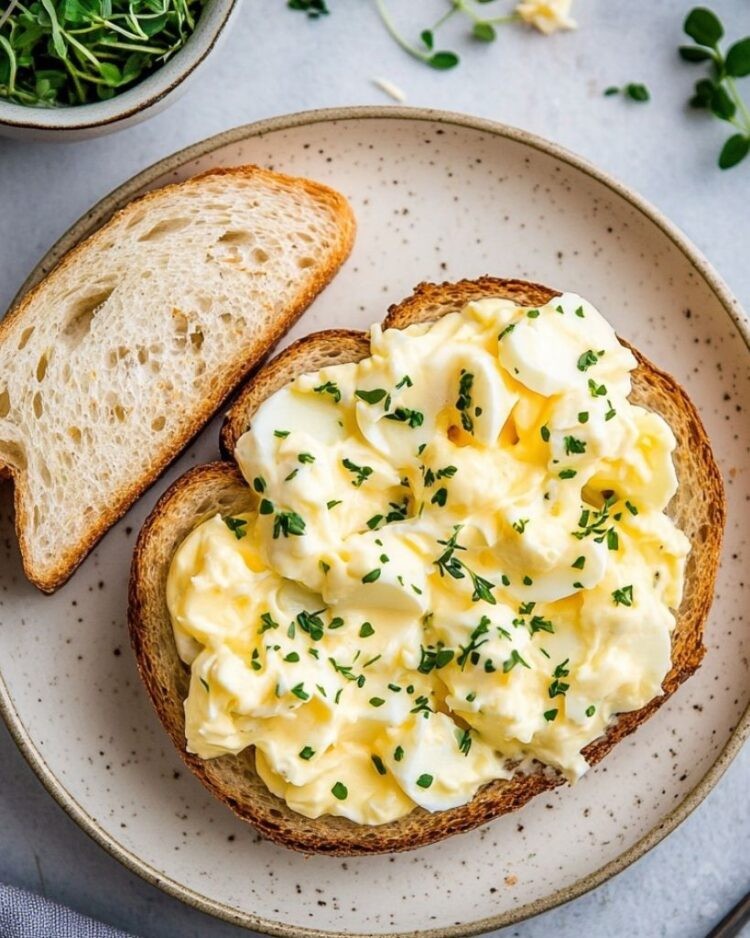
Discover the ultimate egg mayonnaise recipe that balances creaminess and flavor with ease. This straightforward method will yield a luscious spread perfect for sandwiches or salads, ensuring your meals are anything but ordinary. Say goodbye to store-bought versions and embrace the fresh taste of homemade egg mayonnaise that you can whip up in no time.
Making a classic egg mayonnaise is simple and rewarding. This creamy spread is not only perfect for sandwiches, salads, but also serves as a delightful dip. In this article, you’ll learn how to make egg mayonnaise from scratch, including essential tips for achieving the best flavor and texture, ensuring that your dish stands out.
Ingredients You’ll Need
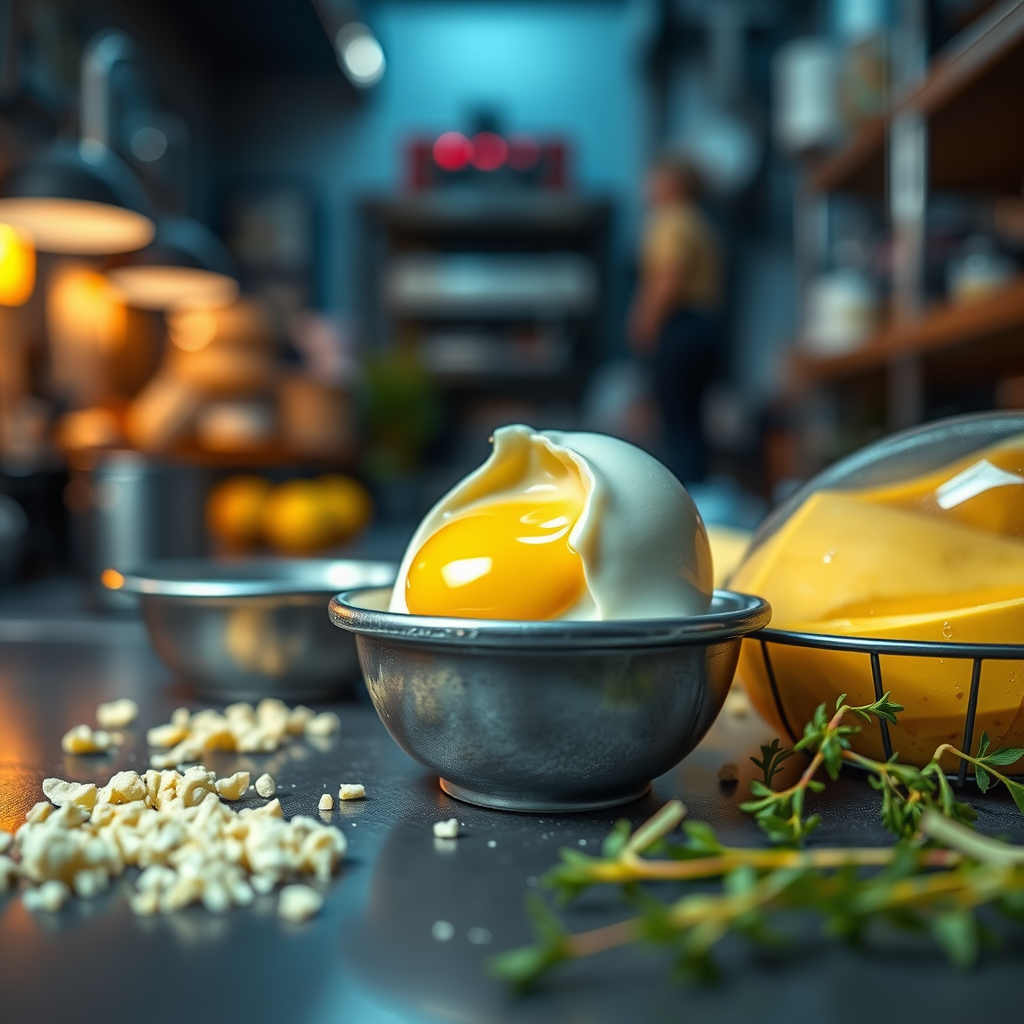
To create a delicious egg mayonnaise, you’ll need the following ingredients:
– 4 large eggs: The foundation of your egg mayonnaise, providing protein and richness.
– 1 cup mayonnaise: You can opt for store-bought mayonnaise for convenience, or make your own at home for a fresher taste.
– Salt and pepper: Essential seasonings that enhance the overall flavor of the dish.
These simple ingredients come together to create a versatile and satisfying spread that can elevate any meal.
Step-by-Step Instructions

Creating egg mayonnaise is straightforward. Here’s a detailed guide to help you through the process:
1. Boil the eggs: Place the large eggs in a saucepan, cover them with water, and bring to a rolling boil. Once boiling, reduce the heat and let them simmer for 10-12 minutes until hard-boiled. This duration ensures that the yolks are fully cooked without becoming rubbery.
2. Cool and peel the eggs: After boiling, transfer the eggs to a bowl of ice water for about 5-10 minutes. This cooling process makes peeling easier, ensuring you end up with smooth egg whites.
3. Mash the eggs: Once peeled, place the eggs in a mixing bowl. Use a fork or a potato masher to mash the eggs until you achieve a desired level of chunkiness or smoothness.
4. Mix in the mayonnaise: Gradually add the mayonnaise to the mashed eggs. Stir until you achieve a creamy and homogeneous texture. Adjust the amount of mayonnaise according to your preference for creaminess.
5. Season: Finally, season with salt and pepper to taste. Ensure to taste the mixture and adjust the seasoning as needed.
Following these steps will yield a delicious and creamy egg mayonnaise that you can enjoy in numerous ways.
Flavor Enhancements
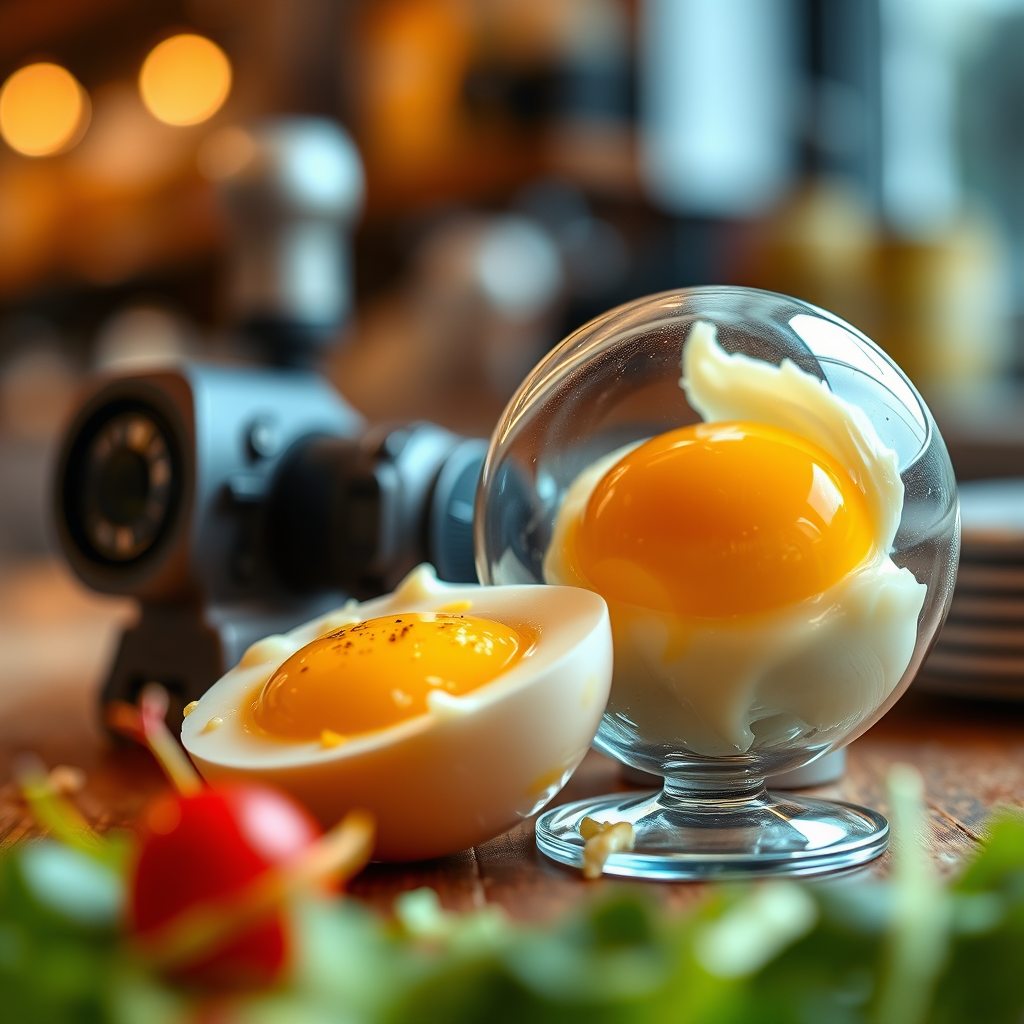
To elevate your egg mayonnaise and personalize it to your taste, consider these flavor enhancements:
– Add Dijon mustard: Incorporating a teaspoon of Dijon mustard not only adds a tangy kick but also enhances the overall flavor complexity of the mayonnaise.
– Chopped herbs: Fresh herbs such as chives, dill, or parsley can be finely chopped and mixed into the spread. These herbs not only provide a burst of freshness but also add color and visual appeal.
– Spices: A dash of paprika or cayenne pepper can provide a subtle heat and depth to the flavor profile.
Experimenting with these enhancements allows you to create a unique version of egg mayonnaise that caters to your palate.
Serving Suggestions

Egg mayonnaise is incredibly versatile and can be enjoyed in various ways:
– Sandwiches: Spread it onto your favorite bread or toast for a quick and satisfying meal. Pair it with lettuce, tomatoes, or even slices of avocado for added nutrition.
– Salads: Use it as a dressing for a potato or pasta salad, adding creaminess and richness that complements the other ingredients.
– Deviled Eggs: A delightful twist can be achieved by using the egg mayonnaise as a filling for deviled eggs. Simply mix it with additional seasonings before piping it back into the egg whites.
– Dips: Serve it as a dip for fresh vegetables or crackers, making it an excellent appetizer for gatherings.
These serving suggestions highlight the adaptability of egg mayonnaise, making it a delightful addition to any meal.
Storage Tips

To ensure the longevity and freshness of your egg mayonnaise, follow these storage tips:
– Airtight container: Store any leftover egg mayonnaise in an airtight container to prevent it from absorbing odors and becoming dry.
– Refrigeration: Keep the container in the refrigerator. Egg mayonnaise can last for about 3-4 days. Always check for any signs of spoilage before consuming.
– Freezing: While it’s not advisable to freeze egg mayonnaise due to texture changes, if you must, consider separating the mixture into smaller portions.
Proper storage will help maintain the quality of your egg mayonnaise, allowing you to enjoy it over several days.
Variations to Try
For those looking to explore beyond traditional egg mayonnaise, here are some creative variations:
– Greek yogurt substitution: Replace mayonnaise with Greek yogurt for a lighter, protein-rich option. This substitution not only reduces calories but also adds a tangy flavor.
– Avocado addition: For a creamy and nutritious alternative, mash in ripe avocado. This variation adds healthy fats and a distinct flavor, making it a unique spread.
– Spicy egg mayonnaise: Incorporate sriracha or hot sauce for those who crave heat. This spicy twist can be a game-changer for your taste buds.
– Curried egg mayonnaise: Mix in curry powder for a flavorful twist that pairs excellently with sandwiches or as a dip.
These variations allow you to enjoy egg mayonnaise in new and exciting ways, catering to a variety of dietary preferences and tastes.
Common Mistakes to Avoid
While making egg mayonnaise is straightforward, there are common pitfalls to be aware of:
– Overcooking the eggs: Boiling the eggs for too long can lead to a rubbery texture and a greenish-gray hue around the yolk. Aim for the recommended 10-12 minutes for perfectly cooked eggs.
– Low-quality mayonnaise: Using a low-quality store-bought mayonnaise can significantly impact the flavor of your egg mayonnaise. Opt for a higher-quality brand or make your own for better results.
– Skipping seasoning: Many people overlook the importance of seasoning. Always taste and adjust the salt and pepper to enhance the overall flavor profile.
Being mindful of these common mistakes can help you achieve the best possible egg mayonnaise, ensuring a delightful culinary experience.
Top 7 Flavor Variations for Egg Mayonnaise
| # | Variation | Main Ingredient | Calories | Flavor Rating |
|---|---|---|---|---|
| 1 | Dijon Mustard | Mustard | 100 | ★★★★☆ |
| 2 | Chopped Herbs | Chives, Dill | 90 | ★★★★★ |
| 3 | Spicy Sriracha | Hot Sauce | 110 | ★★★☆☆ |
| 4 | Greek Yogurt | Yogurt | 70 | ★★★★☆ |
| 5 | Avocado | Avocado | 120 | ★★★★★ |
| 6 | Curry Powder | Curry | 95 | ★★★★☆ |
| 7 | Lemon Juice | Lemon | 80 | ★★★★☆ |
In conclusion, making your own egg mayonnaise is a simple process that can yield delicious and versatile results. By following the steps outlined above, you can create a creamy spread that enhances any meal. Additionally, experimenting with flavor enhancements and variations can further tailor the dish to your preferences. Remember to store it properly and avoid common mistakes to ensure the best quality. Enjoy creating and savoring this delightful egg mayonnaise recipe!
Frequently Asked Questions
What ingredients do I need for an eggs in mayonnaise recipe?
To make a classic eggs in mayonnaise recipe, you’ll need hard-boiled eggs, mayonnaise, mustard, salt, and pepper. Optional ingredients like lemon juice or herbs can enhance the flavor, making your egg mayonnaise spread even more delicious.
How do I properly prepare the eggs for mayonnaise?
Start by hard-boiling the eggs for about 9-12 minutes. Once cooked, place them in cold water to cool, then peel and chop them before mixing with mayonnaise. This ensures a creamy texture and allows the flavors to blend well.
Why is it important to use fresh mayonnaise in an egg mayonnaise recipe?
Using fresh mayonnaise is crucial because it enhances the overall taste and texture of your egg mayonnaise dish. Fresh mayo has a creamier consistency and a brighter flavor, which complements the richness of the eggs, making your recipe more enjoyable.
What are the best ways to serve eggs in mayonnaise?
Eggs in mayonnaise can be served in various ways; they are perfect as a sandwich filling, on toast, or as a topping for crackers. You can also use them as a salad ingredient or serve them in a small bowl as a dip, making them a versatile addition to your meals.
Which variations can I try for an eggs in mayonnaise recipe?
There are many delicious variations you can try, such as adding ingredients like avocado, garlic, or capers for extra flavor. You can also experiment with different herbs like dill or chives, or even mix in some spices like paprika or curry powder to give your egg mayonnaise a unique twist.
References
- Mayo
https://en.wikipedia.org/wiki/Mayo - Checking your browser – reCAPTCHA
https://www.ncbi.nlm.nih.gov/pmc/articles/PMC3650313/ - Absence of iron-responsive element-binding protein 2 causes a novel neurodegenerative syndrome – PMC
https://www.ncbi.nlm.nih.gov/pmc/articles/PMC6487337/ - https://www.sciencedirect.com/science/article/abs/pii/S0960982219300529
https://www.sciencedirect.com/science/article/abs/pii/S0960982219300529 - https://www.bbc.co.uk/food/recipes/mayonnaise_93157
https://www.bbc.co.uk/food/recipes/mayonnaise_93157 - https://www.mayoclinic.org/healthy-lifestyle/nutrition-and-healthy-eating/in-depth/mayonnaise/art-20046814
https://www.mayoclinic.org/healthy-lifestyle/nutrition-and-healthy-eating/in-depth/mayonnaise/art-20046814 - https://www.food.gov.uk/science/research-reports/mayonnaise
https://www.food.gov.uk/science/research-reports/mayonnaise - Google Scholar Google Scholar
https://scholar.google.com/scholar?q=eggs+in+mayonnaise+recipe - Google Scholar Google Scholar
https://scholar.google.com/scholar?q=mayonnaise+nutrition+recipe - Google Scholar Google Scholar
https://scholar.google.com/scholar?q=egg+mayonnaise+safety