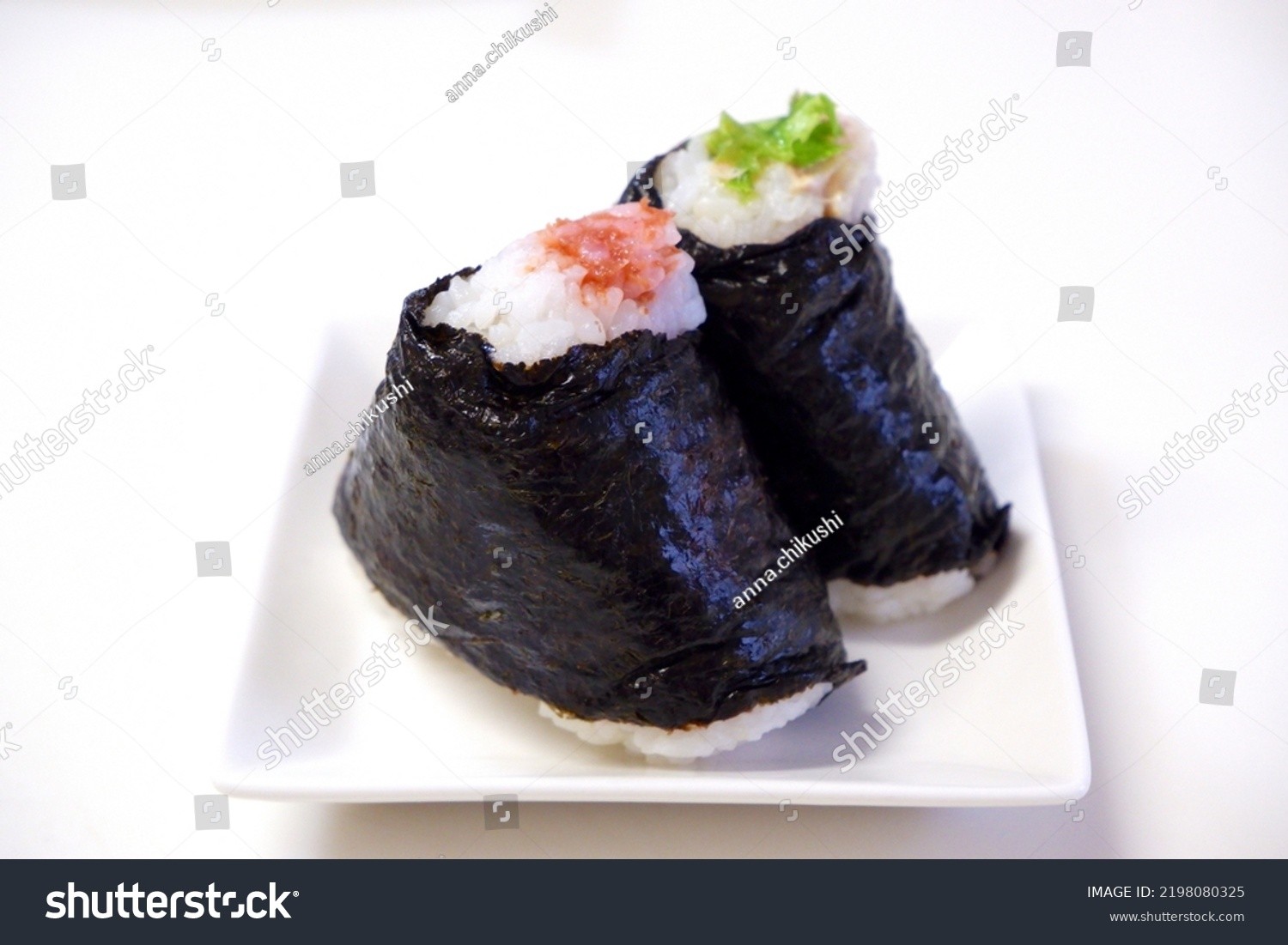
Tuna mayonnaise onigiri is the ultimate solution for a quick, satisfying meal that combines convenience and flavor. This recipe delivers a perfect balance of creamy tuna and savory rice, making it ideal for lunch or a snack. Follow these simple steps to create a delicious onigiri that will impress your taste buds and keep you energized.
Making tuna mayonnaise onigiri is a quick and easy way to enjoy a delicious Japanese rice ball filled with creamy tuna salad. In just a few simple steps, you can create a tasty snack or meal that is both satisfying and portable. This recipe will guide you through the ingredients and process to make your own onigiri at home, allowing you to embrace the flavors of Japan without needing to step outside.
Onigiri, also known as rice balls, are a staple in Japanese cuisine, often enjoyed as a convenient snack or light meal. The combination of sushi rice and tuna mayonnaise creates a mouthwatering filling that can be customized to your liking. Whether you’re preparing lunch for work, a picnic, or simply indulging in a delightful treat at home, this recipe is sure to impress.
Ingredients You’ll Need
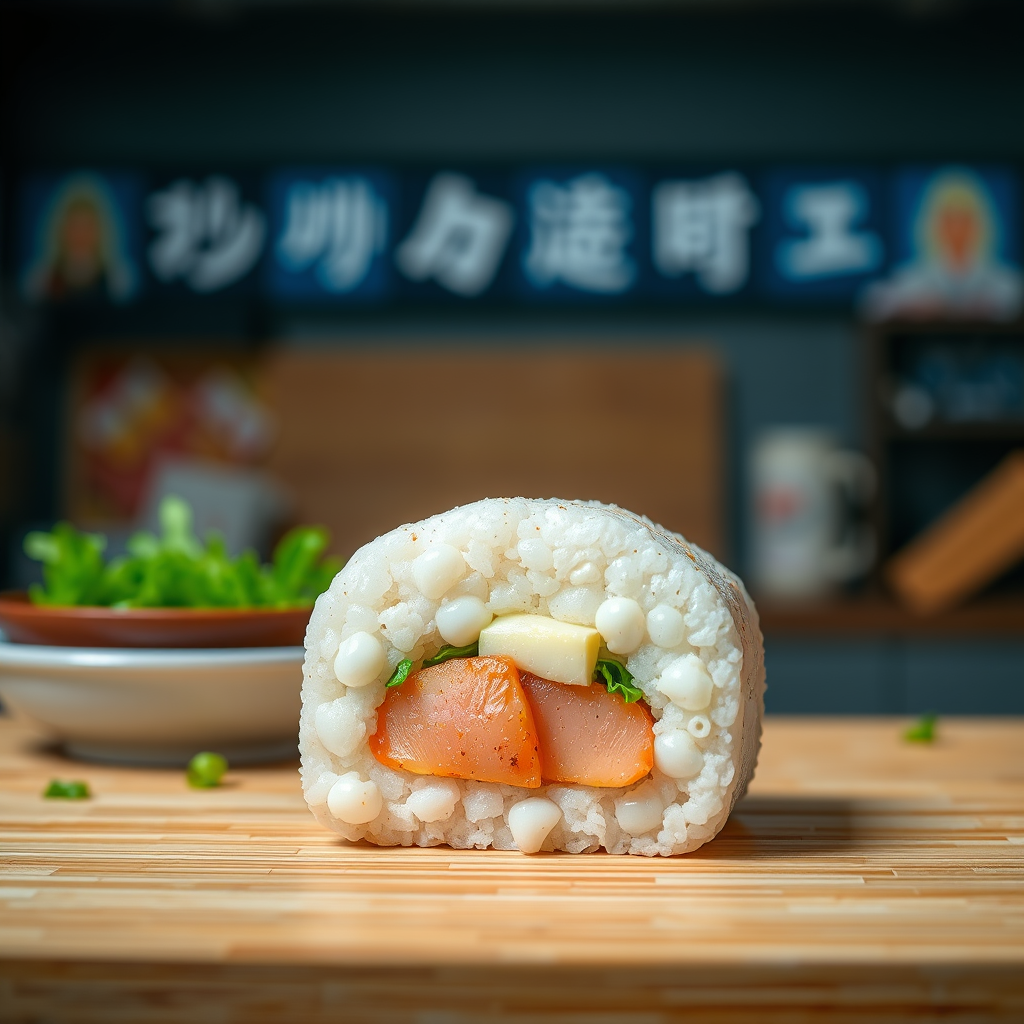
To create your own tuna mayonnaise onigiri, you will need the following ingredients:
– Short-grain sushi rice: This type of rice is essential for achieving the perfect sticky texture that holds the onigiri together. Its high starch content allows for easy molding and a satisfying bite.
– Canned tuna: Opt for good-quality canned tuna, packed in water or oil, depending on your preference. This will be the star of your filling.
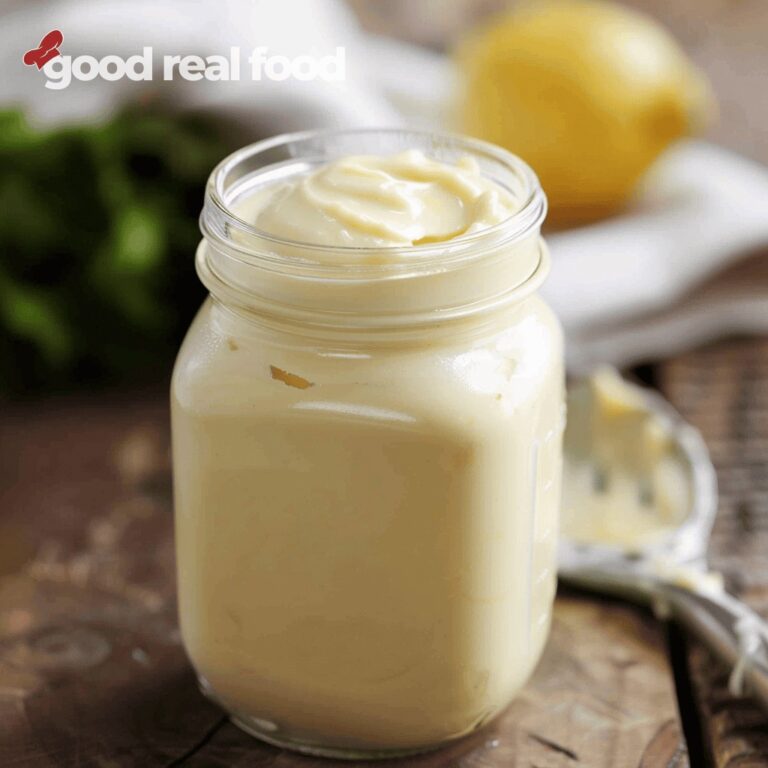
– Mayonnaise: Use your favorite mayonnaise to mix with the tuna. Japanese mayonnaise, such as Kewpie, is particularly popular for its rich flavor.
– Nori (seaweed) sheets: These are used to wrap the onigiri, adding a delightful umami flavor and making them easy to handle.
Preparing the Rice
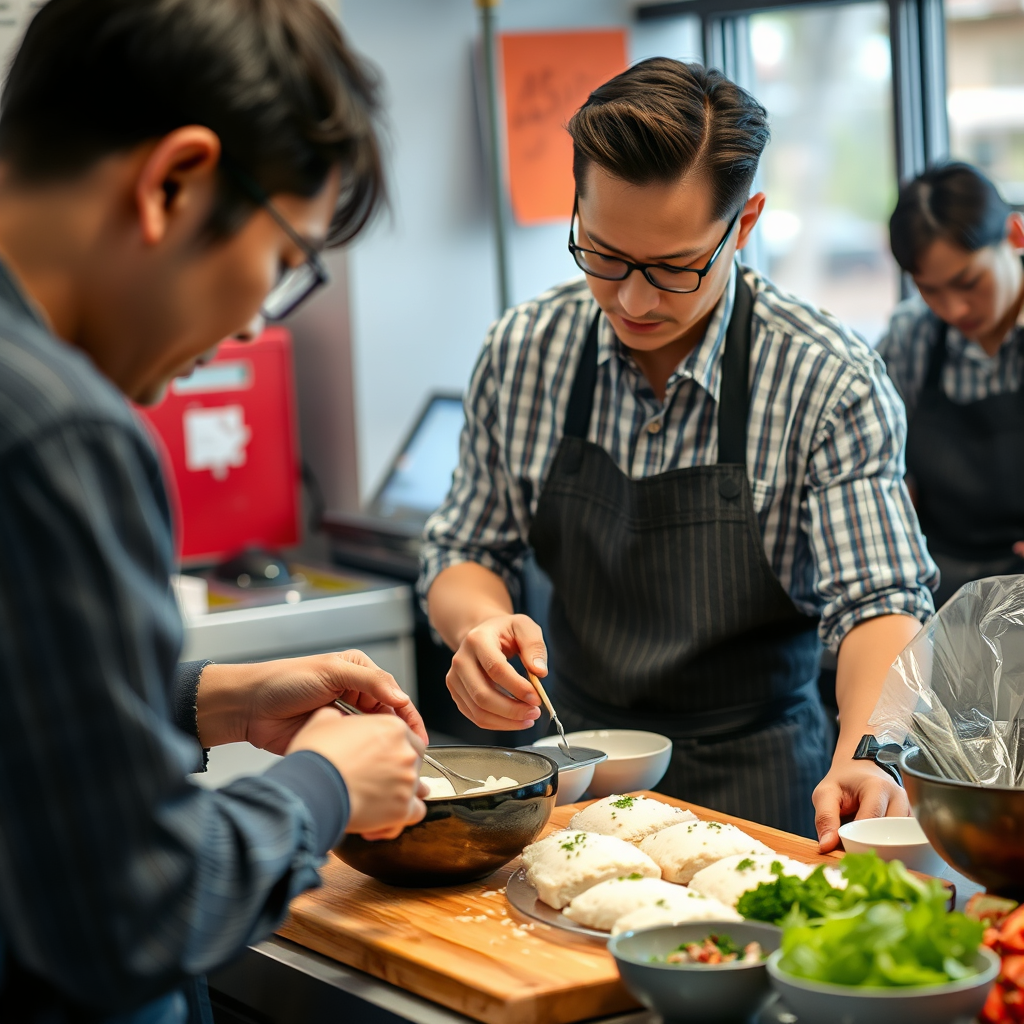
The preparation of sushi rice is crucial for making delicious onigiri. Start by rinsing the short-grain sushi rice under cold water in a fine-mesh strainer. This step is vital as it removes excess starch, which can make the rice too sticky. Rinse until the water runs clear.
After rinsing, cook the rice according to the package instructions. While a rice cooker is ideal for perfect results, you can also use a pot. For stovetop cooking, use a ratio of 1 cup of rice to 1.2 cups of water. Bring the water to a boil, then cover and simmer on low heat for about 18-20 minutes. Once cooked, remove from heat and let the rice sit covered for an additional 10 minutes to allow it to steam and achieve the right texture.
Making the Tuna Filling
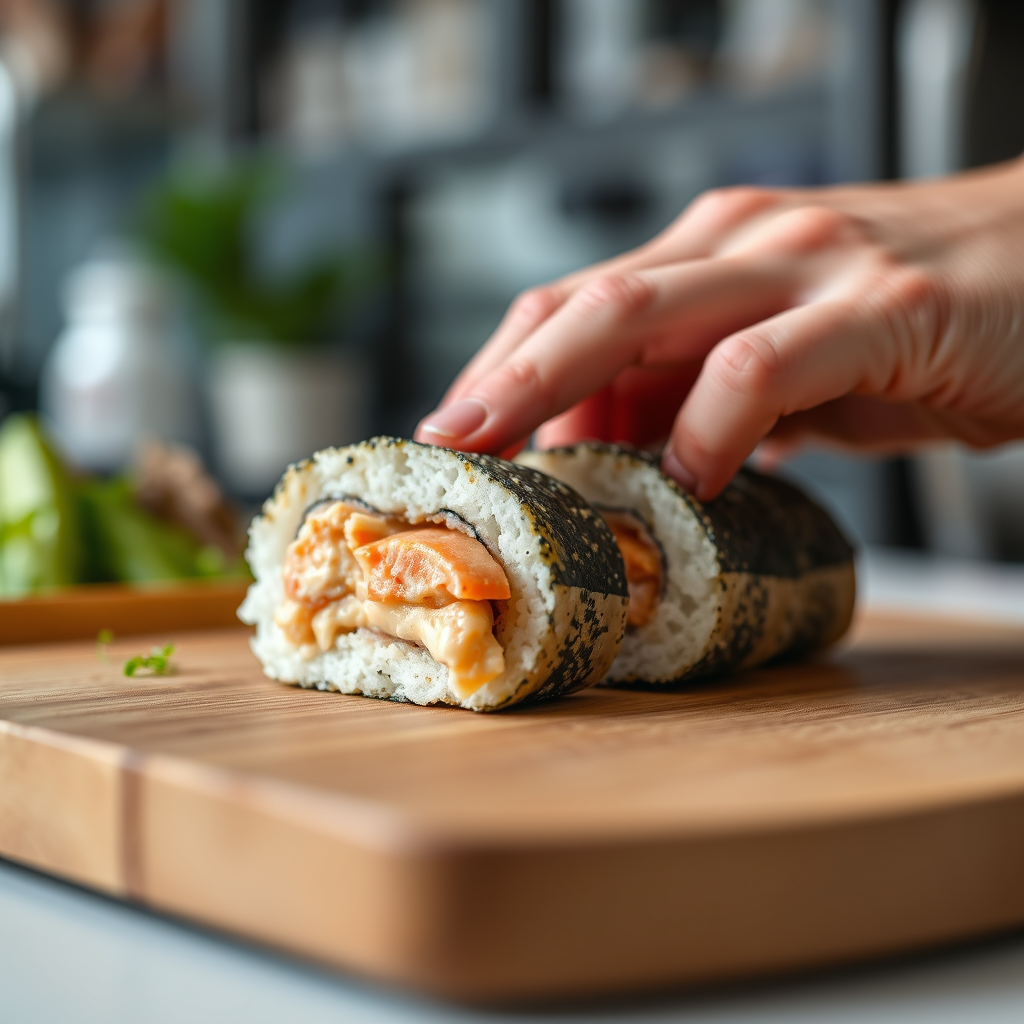
Creating the tuna filling is simple and allows for personalization. Begin by draining the canned tuna thoroughly to avoid excess moisture in your onigiri. In a mixing bowl, combine the drained tuna with mayonnaise. Start with a tablespoon of mayonnaise for every can of tuna, adjusting to your taste preference. For added flavor, consider incorporating finely chopped green onions, a dash of soy sauce, or even a sprinkle of sesame seeds. This mixture not only enhances the overall taste but also adds a bit of texture.
Shaping the Onigiri
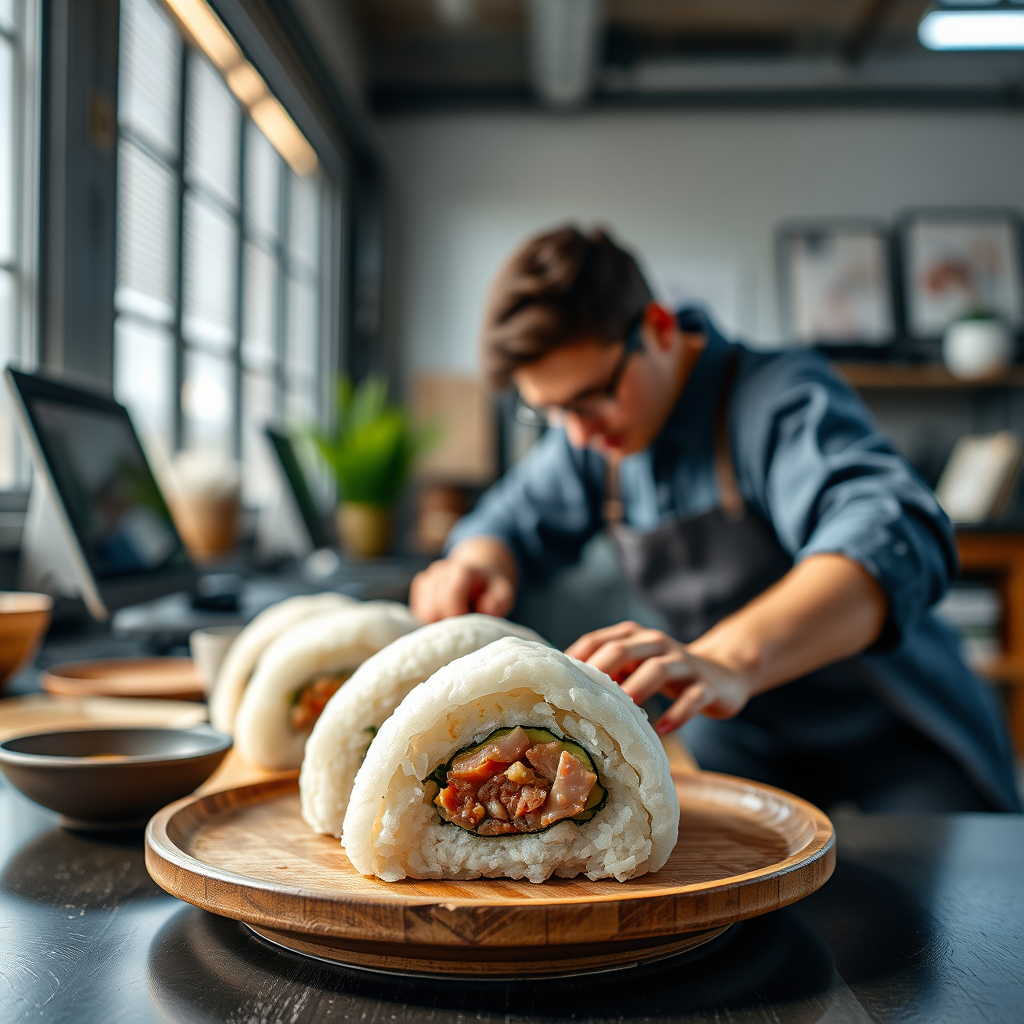
Once your rice has cooked and cooled slightly, it’s time to shape the onigiri. Wet your hands with water to prevent the rice from sticking to your fingers. Take a handful of rice (approximately 1/3 cup) and flatten it slightly in your palm. Place a spoonful of the tuna mixture in the center of the rice. Carefully mold the rice around the filling, using your hands to form a triangle or oval shape. Press gently but firmly to ensure the onigiri holds its form without being too compacted.
Wrapping with Nori
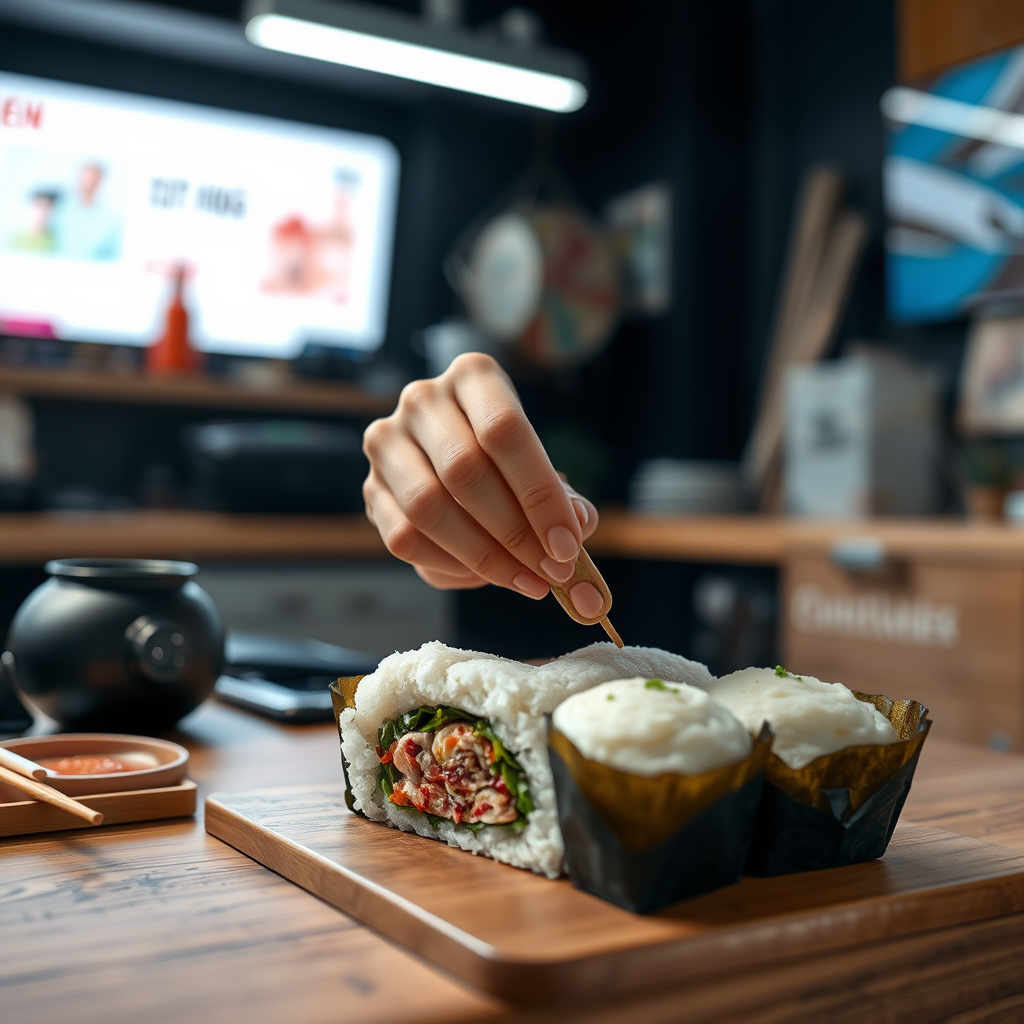
To enhance both the flavor and presentation, wrap your onigiri with nori. Cut the nori sheets into strips, about two inches wide. Wrap the nori around the base of each onigiri, leaving the top open for a beautiful presentation. The nori adds a savory note that complements the tuna filling and also makes the onigiri easier to eat. For those who prefer a softer texture, you can serve the onigiri without nori, allowing the rice to shine through.
Serving Suggestions
Your tuna mayonnaise onigiri can be enjoyed on its own or served with various accompaniments. Consider offering soy sauce for dipping or pairing with pickled vegetables, such as pickled daikon or umeboshi (fermented plum). These side dishes not only add flavor but also provide a refreshing contrast to the creamy tuna filling. Onigiri makes an excellent addition to lunchboxes, providing a filling option that can be eaten on the go, making it a perfect choice for picnics or as a light snack.
Storage Tips
If you have leftovers, store your onigiri properly to maintain freshness. Place any uneaten onigiri in an airtight container in the refrigerator, where they can be kept for up to a day. It’s important to note that the rice may dry out slightly, so consider wrapping them in plastic wrap to retain moisture. For longer storage, you can freeze the rice balls. To do this, omit the nori before freezing; instead, wrap each onigiri in plastic wrap and store them in a freezer bag. When you’re ready to enjoy them, simply thaw and reheat in the microwave for a few seconds.
Nutritional Comparison of Tuna Mayonnaise Onigiri (per serving)
| # | Nutrient | Amount per Serving | % Daily Value |
|---|---|---|---|
| 1 | Calories | 250 | 12% |
| 2 | Protein | 12g | 24% |
| 3 | Total Fat | 10g | 15% |
| 4 | Carbohydrates | 30g | 10% |
| 5 | Sodium | 400mg | 18% |
| 6 | Fiber | 1g | 4% |
| 7 | Sugars | 1g | 2% |
Making tuna mayonnaise onigiri at home is not only simple but also incredibly rewarding. With just a few ingredients and steps, you can create a delightful snack that’s perfect for any occasion. This recipe not only highlights the versatility of rice but also allows for personalization in flavors and textures, catering to various tastes. Try out this recipe today and enjoy the delicious fusion of flavors that make onigiri a beloved treat in Japanese cuisine!
Frequently Asked Questions
What ingredients do I need to make tuna mayonnaise onigiri?
To make tuna mayonnaise onigiri, you will need sushi rice, canned tuna (preferably in water or olive oil), mayonnaise, nori (seaweed sheets), and optional seasonings like soy sauce and sesame seeds. Additionally, having a rice cooker or pot for cooking rice and a bowl for mixing the tuna filling will make the process easier.
How do I cook sushi rice for tuna mayonnaise onigiri?
To cook sushi rice, rinse 1 cup of rice under cold water until the water runs clear, then soak it for about 30 minutes. Cook the rice in a rice cooker with 1.2 cups of water or in a pot on the stove, bringing it to a boil, then reducing the heat to low and simmering for 18-20 minutes until fluffy. Allow the rice to cool slightly before using it to form your onigiri.
Why is mayonnaise used in tuna onigiri?
Mayonnaise is used in tuna onigiri to add creaminess and enhance the flavor of the tuna, making the filling more enjoyable to eat. It also helps bind the ingredients together, preventing the filling from falling out when you shape the rice balls. The combination creates a delicious contrast to the slightly sticky sushi rice.
What is the best way to shape tuna mayonnaise onigiri?
The best way to shape tuna mayonnaise onigiri is to wet your hands with water to prevent the rice from sticking, then take a handful of sushi rice and flatten it slightly in your palm. Place a spoonful of the tuna mayonnaise filling in the center, then mold the rice around the filling to form a triangle or ball shape, ensuring the filling is completely enclosed.
Which types of canned tuna are best for making onigiri?
The best types of canned tuna for making onigiri are those packed in water or olive oil, as they are less dry and have a more appealing texture. Look for chunk light tuna or albacore tuna for a milder flavor. Avoid tuna that is overly processed or packed in sauces, as it can alter the taste and consistency of your onigiri.
References
- Onigiri
https://en.wikipedia.org/wiki/Onigiri - Comparing Scanning Electron Microscope and Transmission Electron Microscope Grain Mapping Techniq…
https://www.ncbi.nlm.nih.gov/pmc/articles/PMC7033971/ - Checking your browser – reCAPTCHA
https://www.ncbi.nlm.nih.gov/pmc/articles/PMC7460287/ - Google Scholar Google Scholar
https://scholar.google.com/scholar?q=tuna+mayonnaise+onigiri+recipe - Google Scholar Google Scholar
https://scholar.google.com/scholar?q=onigiri+recipe - Google Scholar Google Scholar
https://scholar.google.com/scholar?q=Japanese+cuisine+onigiri - https://www.sciencedirect.com/science/article/pii/S2352618119303129
https://www.sciencedirect.com/science/article/pii/S2352618119303129 - https://www.bbc.com/food/recipes/onigiri_88320
https://www.bbc.com/food/recipes/onigiri_88320 - https://www.theguardian.com/food/2020/mar/18/how-to-make-onigiri-japanese-rice-balls
https://www.theguardian.com/food/2020/mar/18/how-to-make-onigiri-japanese-rice-balls - https://www.mayoclinic.org/healthy-lifestyle/nutrition-and-healthy-eating/in-depth/japanese-cuisine/art-20445791
https://www.mayoclinic.org/healthy-lifestyle/nutrition-and-healthy-eating/in-depth/japanese-cuisine/art-20445791